
2027 Highest Level of Esports Business Degree You Can Achieve: Academic Progression Explained

Co-Founder and Chief Data Scientist
Choosing how far to take an esports business education is a strategy decision, not just an academic one. The field now blends competitive gaming, media rights, sponsorship, live events, data analytics, talent management, and global digital communities. For candidates who want senior leadership, consulting, research, or university-level teaching roles, the question is whether a terminal degree adds enough value beyond a bachelor’s or master’s credential.
Recent data shows that the esports industry workforce is expected to grow by over 15% annually, which increases demand for professionals who understand both business fundamentals and the economics of competitive gaming. This guide explains the highest level of esports business degree available, what admissions committees typically expect, what students study, how long the degree can take, what skills and credentials may matter, and how to decide whether the investment fits your career goals.
Key Benefits of the Highest Level of Esports Business Degree
- Achieving the highest level in esports business offers advanced expertise in industry trends, strategic management, and digital marketing, essential for navigating a rapidly evolving market.
- Graduates often assume leadership roles or influence esports academia, contributing to program development and advancing the discipline through research and innovation.
- Higher degrees correlate with increased earning potential and career flexibility, with senior professionals reporting up to 25% higher salaries than those with undergraduate qualifications.
What is the Highest Level of Esports Business Degree You Can Earn?
The highest level of esports business degree you can earn is a doctoral degree, most often a PhD or Doctor of Business Administration (DBA) with a focus on esports, sports management, business administration, digital entertainment, media management, or a closely related field. Because esports business is still an emerging academic specialty, the degree title may not always say “esports business,” but the research concentration, dissertation topic, faculty expertise, and coursework can be built around the esports ecosystem.
A doctoral degree is different from a bachelor’s or master’s degree because it is designed for original research, advanced theory, and high-level leadership. Students are expected to study complex business problems, build evidence-based arguments, and contribute new knowledge that can influence organizations, policy, investment decisions, or academic research.
The typical academic progression looks like this:
- Associate or bachelor’s degree: Builds a foundation in business, marketing, management, communications, event operations, or sports administration. Some students begin with broader online business degree programs before specializing in esports at the graduate level.
- Master’s degree: Develops advanced skills in strategy, analytics, finance, sponsorship, leadership, and esports operations.
- Doctoral degree: Focuses on original research, executive decision-making, academic scholarship, consulting, and organizational leadership.
This level of education is best suited for professionals who want to teach at universities, lead esports organizations, advise investors or governing bodies, conduct industry research, or move into senior strategy roles. According to recent industry reports, the global esports market is expected to exceed $2.8 billion by 2025, which helps explain why some professionals pursue advanced credentials to understand the industry’s commercial, legal, and operational complexity.
Applicants comparing graduate pathways across fields may also want to understand how specialized degrees differ by profession; for example, Research.com’s guide to an MSW degree shows how another career-focused graduate credential is structured around professional outcomes.
What Are the Admission Requirements to the Highest Level of Esports Business Degree?
Admission to a doctoral-level esports business pathway is selective because programs look for applicants who can handle advanced research, independent study, and complex business analysis. Since many esports-focused doctoral options are housed within business, sport management, media, or technology departments, requirements vary by institution and faculty research area.
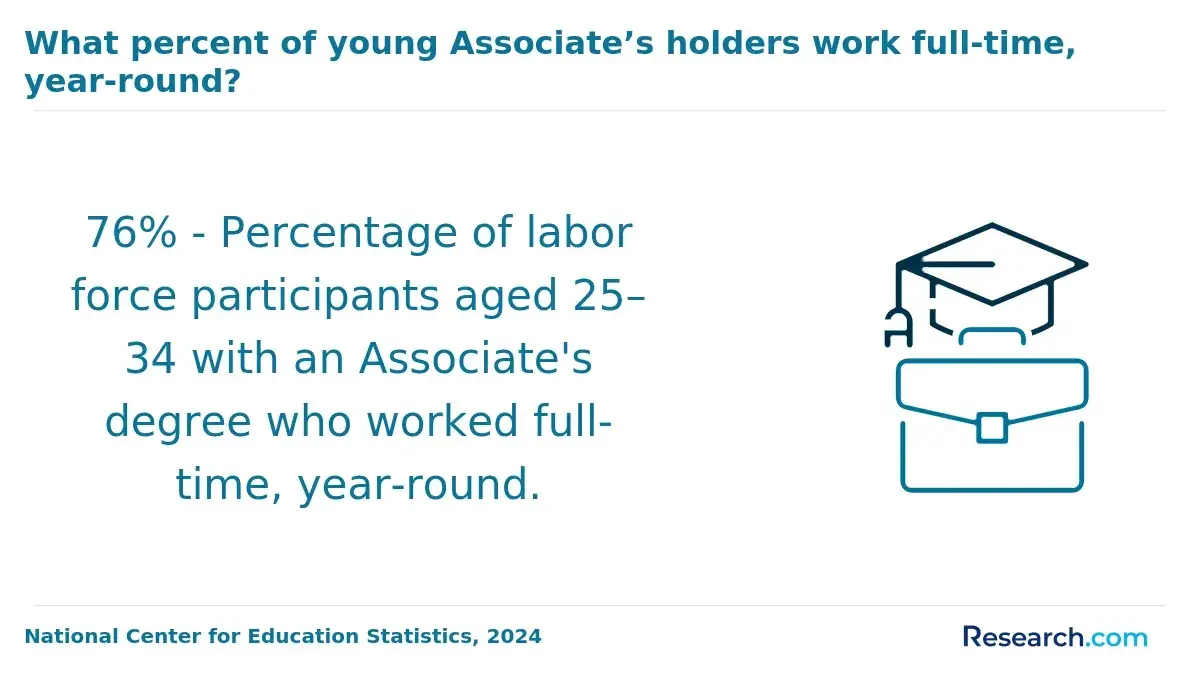
According to a study by the Council of Graduate Schools, approximately 70% of graduate programs require applicants to hold a relevant master's degree before advancing to doctoral-level studies. For esports business, a relevant background may include business administration, sports management, marketing, communications, economics, analytics, media studies, or digital entertainment.
- Prior degrees: Most applicants need a relevant master’s degree, especially for PhD and DBA programs. Some programs may consider exceptional candidates with strong professional experience, but a graduate degree is commonly expected.
- Academic performance: A strong graduate record is important. Many programs expect a minimum GPA of 3.0 or higher in prior graduate work, although competitive applicants often present stronger evidence of academic readiness through research, writing samples, or professional achievements.
- Professional or research experience: Experience in esports, gaming, sports business, media, sponsorship, analytics, event management, or organizational leadership can strengthen an application. Doctoral committees want to see that applicants understand the industry well enough to ask meaningful research questions.
- Standardized tests: Some programs still request GRE scores, though this requirement is gradually diminishing across institutions. Applicants should verify current testing policies before investing time in test preparation.
- Research proposal or statement of purpose: A clear research direction is often one of the most important materials. Strong proposals connect esports business issues to research methods, theory, and faculty expertise.
- Letters of recommendation: Programs usually ask for letters from academic or professional mentors who can speak to the applicant’s research ability, leadership potential, writing skills, and discipline.
- Interview: An interview may be used to assess fit, communication skills, motivation, and whether the applicant’s interests align with available faculty supervision.
A common mistake is applying only because esports is an exciting industry. Doctoral admissions committees usually expect a more precise goal, such as studying sponsorship effectiveness, audience monetization, labor governance, media rights, collegiate esports, competitive integrity, or international market development.
Students comparing cost-effective graduate education in other technical fields can also review Research.com’s guide to the cheapest online engineering degree to see how affordability, delivery format, and program structure can vary across disciplines.
What Core Subjects Are Studied in the Highest Level of Esports Business Degree?
At the doctoral level, esports business study moves beyond learning how the industry works. Students examine why business models succeed or fail, how organizations scale, how fans behave, how regulation affects competition, and how technology changes revenue opportunities. Coursework usually supports a larger research agenda that leads to a dissertation or doctoral project.
The advanced esports business curriculum commonly includes the following areas:
| Core subject | What students examine | Why it matters |
| Strategic Management and Leadership | Organizational design, executive decision-making, growth strategy, stakeholder management, and leadership theory in esports enterprises. | Prepares graduates to evaluate complex business choices in teams, leagues, publishers, agencies, and event organizations. |
| Esports Market Analysis and Economics | Market forces, monetization models, consumer behavior, sponsorship value, competitive positioning, and economic conditions unique to esports. | Helps professionals make stronger decisions about revenue, expansion, audience development, and investment. |
| Research Methods and Data Analytics | Qualitative methods, quantitative methods, survey design, statistical analysis, case studies, big data applications, and audience engagement metrics. | Builds the evidence-based research skills needed for dissertations, consulting reports, and executive strategy. |
| Legal and Ethical Issues in Esports | Intellectual property, contracts, player rights, competitive integrity, governance, labor issues, privacy, and ethical standards. | Supports responsible leadership in an industry shaped by publishers, platforms, teams, sponsors, players, and fans. |
| Innovation and Technology Management | Emerging platforms, digital media integration, streaming technology, virtual experiences, analytics tools, and technology-driven business models. | Helps graduates understand how innovation changes competition, operations, revenue, and fan engagement. |
Students should choose electives and research topics based on the roles they want after graduation. A future professor may need deeper training in theory and methodology. A future consultant may benefit from analytics, market research, and strategy. A future executive may prioritize governance, finance, leadership, and digital media.
Professionals who want broader executive training alongside esports expertise may also compare options such as executive MBA programs online, especially if their primary goal is business leadership rather than academic research.
How Long Does It Take to Complete the Highest Level of Esports Business Degree?
Doctoral degrees in esports business generally take between 3 to 7 years to complete. The exact timeline depends on enrollment status, dissertation scope, program structure, transfer credits, faculty availability, and the student’s ability to maintain steady research progress.
Full-time students often finish within 3 to 5 years. Their path usually includes advanced coursework, comprehensive exams or qualifying assessments, proposal development, dissertation research, writing, and a final defense. Part-time learners frequently require 5 to 7 years or more because they may be balancing doctoral work with full-time employment, consulting, travel, team operations, or family responsibilities.
Several factors can shorten or lengthen the timeline:
- Dissertation complexity: A project involving interviews, international markets, proprietary business data, or longitudinal analysis may require more time than a narrower study.
- Research access: Esports organizations may not always share internal data. Students who need access to teams, sponsors, leagues, publishers, or event organizers should plan early.
- Prior preparation: Students entering with a relevant master’s degree or substantial industry experience may move faster because they already understand business theory, research methods, or esports operations.
- Work obligations: Continuing to work in esports can enrich the research but may slow completion if job demands are unpredictable.
- Advisor fit: A strong match with a faculty advisor can make the research process more efficient and focused.
On average, doctoral programs in the United States span about 5 to 6 years, which aligns with the typical range for doctoral study in business, management, and related fields. Students should ask each program about expected time to completion, dissertation milestones, residency requirements, and whether part-time enrollment is supported.
What Skills Do You Gain at the Highest Level of Esports Business Degree?
The highest level of esports business education is designed to develop independent thinkers who can analyze uncertain markets, lead complex organizations, and produce credible research. The skills gained are less about entry-level operations and more about judgment, evidence, strategy, and influence.
- Advanced analytical thinking: Students learn to interpret complex market data, consumer behavior, sponsorship outcomes, engagement metrics, and organizational performance indicators.
- Research design and problem-solving: Doctoral work trains students to define important industry problems, choose appropriate methods, evaluate evidence, and produce original conclusions.
- Strategic decision-making: Graduates learn to connect financial goals, competitive positioning, audience growth, technology adoption, and ethical considerations.
- Leadership and management: Programs strengthen the ability to manage teams, communicate across departments, work with stakeholders, and lead through uncertainty.
- Communication: Students practice writing research, presenting findings, defending recommendations, negotiating ideas, and translating technical evidence for nonacademic audiences.
- Ethical judgment: Advanced study encourages careful evaluation of fairness, transparency, player welfare, data use, sponsorship practices, and governance responsibilities.
One graduate described the experience as “rigorous yet transformative,” noting that the most valuable part was learning to manage large-scale projects with multiple stakeholders. The work required more than fast decision-making; it required decisions that could withstand scrutiny, reflect evidence, and create sustainable impact.
For career planning, the most transferable skills are research literacy, executive communication, strategic analysis, and the ability to turn uncertain information into practical decisions. These capabilities can apply across teams, leagues, agencies, publishers, media companies, event firms, and academic institutions.
What Certifications Can You Get With the Highest Level of Esports Business Degree?
Certifications are not a substitute for a doctoral degree, but they can complement advanced study by documenting practical knowledge in specific areas such as integrity, governance, event operations, leadership, or international standards. Their value depends on recognition by employers, industry groups, and the specific role a graduate is pursuing.
Graduates of advanced esports business programs may consider credentials such as the following, where available and relevant:
- Certified Esports Executive (CEE): This certification emphasizes leadership, management, and strategic decision-making in esports organizations. It may be useful for professionals targeting executive, operations, or organizational strategy roles.
- Esports Integrity Coalition (ESIC) Certification: This credential focuses on ethics, compliance, governance, and competitive integrity. It can support professionals who work in regulation, policy, compliance, consulting, or organizational risk management.
- Global Esports Federation Certification: This program addresses global standards and operational best practices across esports sectors. It may be relevant for professionals working in international esports environments or cross-border partnerships.
Before paying for any certification, verify four things: whether employers recognize it, who issues it, whether it requires renewal, and whether it teaches skills you do not already have. A certification that aligns with a specific career target is usually more useful than collecting credentials without a plan.
For students planning a long academic pathway, an accelerated bachelor's degree online can be one way to complete the undergraduate stage more efficiently before moving into graduate study and later specialization.
The strongest credential strategy combines formal education, applied experience, a focused research agenda, and carefully chosen certifications that match the graduate’s intended role.
What Careers Are Available for Graduates With the Highest Level of Esports Business Degree?
Graduates with a doctoral-level esports business background often pursue roles that require strategic judgment, research expertise, or senior-level credibility. As the esports sector continues to expand, with revenues projected to exceed $1.5 billion by 2024, employers may place higher value on professionals who can analyze market shifts, build sustainable business models, and lead across complex stakeholder groups.
Common career directions include:
- Executive leadership: Graduates may move into senior roles such as chief operating officer, vice president of strategy, director of esports, or head of business development. These positions involve organizational growth, partnerships, budgeting, staffing, and long-term planning.
- Industry research: Some graduates work in market research, audience analytics, consumer behavior, economic impact analysis, or competitive intelligence. Their work helps organizations make evidence-based decisions.
- Policy development and governance: Advanced degree holders may advise leagues, associations, institutions, or regulatory bodies on fair play, ethics, player welfare, compliance, and governance standards.
- Specialized consulting: Consultants may advise on sponsorship strategy, digital marketing, revenue optimization, event strategy, collegiate esports, international expansion, or media partnerships.
- Academic careers: A doctoral degree can support university teaching, scholarly publishing, curriculum development, and research leadership in sport management, business, media, or esports-related departments.
The degree is most useful when paired with a clear professional identity. A graduate who wants to become an esports executive should build leadership and operational experience while studying. A graduate aiming for academia should prioritize research output, teaching experience, and a strong dissertation topic. A future consultant should develop a portfolio that proves the ability to turn research into business recommendations.
One graduate noted that doctoral work improved her ability to translate complex data sets into actionable strategies. She credited the degree with strengthening her credibility, expanding her leadership options, and giving her the confidence to drive change in a rapidly evolving field.
What Is the Average Salary for Graduates of the Highest Level of Esports Business Degree?
Salary is an important factor because doctoral-level education requires a substantial commitment of time, money, and focus. The esports industry continues to expand rapidly, with global revenues expected to exceed $1.5 billion, but compensation varies widely by employer type, role, location, experience, and revenue model.
- Early-career average salary: Graduates holding the highest level esports business degree generally earn between $70,000 and $90,000 annually at the start of their careers. Outcomes depend heavily on whether the role is in operations, analytics, marketing, research, consulting, academia, or management.
- Mid- to senior-level salary potential: With experience, professionals often advance into management, strategy, or consulting roles where compensation typically surpasses $120,000 per year. These roles usually require proven results, not just the credential.
- Industry variation: Pay can differ across team management, sponsorship marketing, event operations, publishing, collegiate esports, media, analytics, and consulting. Larger organizations and roles tied directly to revenue generation may offer stronger compensation.
- Value of advanced credentials: A doctoral degree may help candidates compete for leadership, research, consulting, and academic roles, but it does not guarantee a specific salary. Employers still evaluate experience, network, measurable results, and business judgment.
Students should compare expected earnings with tuition, opportunity cost, time to completion, and the likelihood that the degree will qualify them for roles they could not otherwise access. Relevant online certifications may also help professionals add targeted skills that support employability alongside an advanced degree.
How Do You Decide If the Highest Level of Esports Business Degree Is Right for You?
A doctoral-level esports business degree is right for you if your goals require advanced research ability, high-level strategic credibility, or academic qualifications. It may be unnecessary if you mainly want an entry-level esports job, a general management role, or practical experience that can be gained faster through employment, internships, networking, or a master’s program.
With the esports market projected to exceed $2 billion soon, advanced credentials can be attractive, but the decision should be based on fit rather than industry excitement alone. Use the following factors to evaluate whether the degree makes sense.
- Career objectives: Choose this path if you want executive leadership, university teaching, specialized consulting, policy work, or research-driven roles. If your goal is entry into esports operations or marketing, a bachelor’s or master’s degree plus experience may be more efficient.
- Research interest: Doctoral programs require sustained interest in original research. You should be comfortable studying one major problem deeply for several years.
- Time commitment: Consider whether you can stay motivated through coursework, exams, proposal development, dissertation research, and defense.
- Financial capacity: Evaluate tuition, fees, lost income, travel, books, technology, and the opportunity cost of spending years in advanced study.
- Academic preparation: Prior graduate study, strong writing skills, research experience, and a clear topic area can improve your chances of success.
- Professional experience: Real-world esports, gaming, sports, media, or business experience can help you ask better research questions and apply findings more effectively.
- Long-term return: The degree is most worthwhile when it connects directly to roles that value doctoral-level expertise.
A useful test is to identify three roles you want after graduation and review their typical qualifications. If those roles consistently require or strongly prefer a doctorate, the degree may be a strong fit. If they prioritize portfolio, network, sales performance, event experience, or content production, another pathway may offer a faster return.
Is Pursuing the Highest Level of Esports Business Degree Worth It?
Pursuing the highest level of esports business degree can be worth it for students and professionals who want leadership, research, consulting, policy, or academic roles in the esports ecosystem. The value is strongest when the degree supports a specific career target and when the student can connect doctoral research to real industry problems.
The esports industry has seen major growth, with a 2023 report from Newzoo valuing the global market at over $1.3 billion. That growth has increased demand for professionals who understand marketing, management, analytics, sponsorship, media, governance, and digital business strategy. A master’s or doctoral degree can help graduates move beyond entry-level work and demonstrate deeper expertise.
The benefits may include stronger credibility, broader professional networks, advanced research ability, specialized knowledge, and preparation for senior-level or academic roles. For candidates who want to teach, publish research, advise organizations, or lead strategy, a doctoral credential may open doors that would otherwise be harder to access.
The trade-offs are significant. Master's degrees typically require two years or more, while doctoral studies extend even further and involve rigorous coursework, independent research, and a dissertation or doctoral project. Tuition and related expenses can be substantial, and balancing study with work or personal responsibilities requires discipline.
The degree is less likely to be worth it if you do not need a terminal credential for your target role, if you are unsure about research, or if the cost would create an unreasonable financial burden. Before enrolling, compare the degree with alternatives such as a specialized master’s program, industry certifications, internships, professional experience, or an MBA with esports-related projects.
What Graduates Say About Their Highest Level of Esports Business Degree
- Andie: "Investing around $40,000 in the highest level of esports business degree was not a small choice, but it gave me a sharper understanding of strategy, marketing, and the business side of competitive gaming. The program helped me move into a leadership role at a top esports organization and gave me more confidence in high-stakes decisions."
- Marvin: "The top-tier esports business degree cost about $40K, so I had to be sure it matched my goals. The strongest value came from studying media rights management and event coordination in depth. It helped me move from being an enthusiast to working as an esports professional with a clearer grasp of how the industry actually operates."
- Lydia: "The highest level esports business degree, with its cost near $40,000, strengthened my skills in sponsorship negotiation and analytics. It gave me a practical edge in conversations with partners and executives, and it helped me contribute more effectively to the business growth of esports organizations."
Other Things You Should Know About Esports Business Degrees
In 2027, the highest level of esports business degree you can attain is typically a Doctorate in Esports Business. This program focuses on advanced academic research, industry practices, leadership, and strategic decision-making in the esports sector.
A legitimate esports business doctorate should be issued by a regionally accredited university, with the institution recognized by its national higher-education authority. In the United States, check U.S. Department of Education recognition and CHEA-listed accreditation; in the U.K., verify Office for Students registration.
References
- Esports - VIZJA University in Warsaw https://vizja.pl/en/specjalizacja/e-sport/
- Everything you need to know about the job of Esport Manager: missions, training, salary https://www.monaco.edu/en/faq-all-the-answers-to-your-questions-3/everything-you-need-to-know-about-the-job-of-esport-manager-missions-training-salary/
- BA (Hons) International Esports Business & Events Management https://britishesports.org/esports-and-education/esports-courses/ba-hons-international-esports-business-events-management/
- Esports Business Management https://www.keele.ac.uk/study/undergraduate/undergraduatecourses/esportsbusinessmanagement/
- Esports and Gaming Administration Program | Elmira College https://www.elmira.edu/academics/programs/business-administration/esports-and-gaming-administration
- Esports https://www.staffs.ac.uk/course/esports-ba
- The Business of Esports Certificate https://algomau.ca/academics/certificates/the-business-of-esports-certificate/
- BA (Hons) International Esports Business - College Of Esports | University Degrees in the business of Esports https://collegeofesports.ac.uk/courses/undergraduate/ba-hons-international-esports-business/
- The Business of eSports: 3 Things You need to Know | EU Business School https://www.euruni.edu/blog/business-esports/
- Career Opportunities in the Esports Industry https://www.usacademicesports.com/post/more-than-gaming-career-opportunities-in-the-esports-industry


