
2027 Esports Business Degree Programs for Career Changers

Co-Founder and Chief Data Scientist
Changing careers into esports business is not the same as moving into a general entertainment, sports, or marketing role. Esports combines live events, digital media, sponsorship sales, community management, analytics, team operations, and gaming culture. For working adults, the key question is whether a degree or certificate can close the knowledge gap quickly enough to justify the cost and time away from other responsibilities.
Targeted education can help when a career changer already has transferable experience but needs esports-specific context, portfolio work, and industry credibility. Recent studies indicate that 62% of career changers pursuing esports business degrees report faster employment within the gaming and event management fields compared to those without targeted education.
This guide explains which esports business programs commonly accept career changers, what specializations fit different professional backgrounds, what admissions teams usually look for, how coursework is structured, and how to evaluate cost, salary expectations, and career outcomes before enrolling.
Key Things to Know About Esports Business Degree Programs for Career Changers
- Many esports business degree programs offer flexible scheduling or fully online formats, allowing working adults to balance studies with current job responsibilities.
- Accelerated courses enable career changers to complete degrees faster, addressing the urgent need for esports professionals in a market projected to exceed $2.7 billion in revenue by 2025.
- Programs prioritize employer relevance by integrating industry partnerships and practical projects, enhancing graduates' readiness for a competitive esports workforce.
What Esports Business Programs Accept Career Changers?
Esports business programs commonly accept career changers, especially when applicants can show professional experience in business, marketing, sales, events, operations, technology, finance, education, hospitality, media, or community management. Most programs do not require applicants to have worked in esports before. Instead, they look for evidence that the applicant understands the industry, can handle college-level work, and can connect past experience to a realistic career goal.
Over 40% of graduate students are age 30 or older, so many schools now design admissions, advising, and course schedules around adults who are returning to school while working. The best fit depends on your prior education, budget, timeline, and target role.
- Online bachelor's degrees: These programs work well for adults who do not yet have a bachelor's degree or want a broader business foundation before specializing. They usually cover core subjects such as management, marketing, accounting, communications, and digital business before applying those topics to esports. Students comparing flexible undergraduate options may also want to review an online bachelor's in business if they are not yet sure whether esports should be their primary specialization.
- Accelerated master's programs: These are typically designed for students who already hold a bachelor's degree and want a faster, more specialized path. They are best for career changers who can already point to transferable skills and need esports industry fluency, applied projects, and a graduate credential.
- Certificate programs: Certificates are shorter and more focused than degrees. They can be useful for testing the field, adding a targeted credential, or building specific skills in areas such as esports marketing, tournament operations, sponsorship, or analytics. They may not carry the same weight as a full degree, but they can be more efficient for experienced professionals.
- Hybrid programs: Hybrid formats combine online coursework with in-person sessions, residencies, labs, or events. They may be valuable for students who want flexibility but still need face-to-face networking, production experience, or access to campus facilities.
Career changers should not choose a program only because it has “esports” in the title. Review whether the curriculum includes business fundamentals, hands-on projects, employer connections, career services, and instructors with relevant industry experience. Also check whether credits can transfer, whether the institution is accredited, and whether the program’s outcomes match your target role.
Those interested in accessible options might consider exploring online bcba programs as examples of programs designed to accommodate nontraditional students and career changers.
What Esports Business Specializations Are Best for Career Changers?
The best esports business specialization for a career changer is usually the one that extends skills the applicant already has. Esports employers often value industry understanding, but they also need people who can sell sponsorships, manage events, analyze audiences, run campaigns, support teams, and build fan communities. Recent data shows roles in esports marketing and management have increased by over 35% in the last three years, making specialization choice especially important.
- Esports marketing and communications: This path is a strong fit for professionals with experience in marketing, public relations, social media, content strategy, advertising, journalism, or brand management. Coursework may focus on fan engagement, influencer partnerships, campaign planning, streaming platforms, and brand voice. It is often one of the most accessible tracks for career changers because many marketing principles transfer directly, even though gaming audiences require a specific communication style.
- Event management and operations: This specialization fits people from hospitality, project management, logistics, venue operations, recreation, athletics, or live entertainment. Esports events require scheduling, vendor coordination, production planning, risk management, broadcast awareness, and quick problem-solving. Career changers with operations experience may find this path practical because it rewards execution and organization, not just gaming knowledge.
- Business analytics and data management: This option is best for applicants with comfort in spreadsheets, dashboards, reporting, research, finance, product analysis, or technology. Esports organizations use data to understand audiences, improve monetization, evaluate campaigns, track performance, and support strategic decisions. This specialization can be especially useful for career changers who want a less public-facing role with measurable business impact.
- Team and player management: This path can fit professionals from human resources, coaching, counseling, education, athletics, talent management, or labor relations. Topics may include player development, contracts, conflict management, wellness, communication, and organizational culture. Career changers with a counseling degree online can especially benefit from this path if they want to support players, teams, or performance environments.
Before committing, compare specialization requirements with job postings. If most entry-level roles in your area ask for social media metrics, Adobe skills, sponsorship prospecting, event production, or SQL, prioritize programs that build those competencies through assignments you can show to employers.
What Are the Admission Requirements for Career Changers Applying to a Esports Business Program?
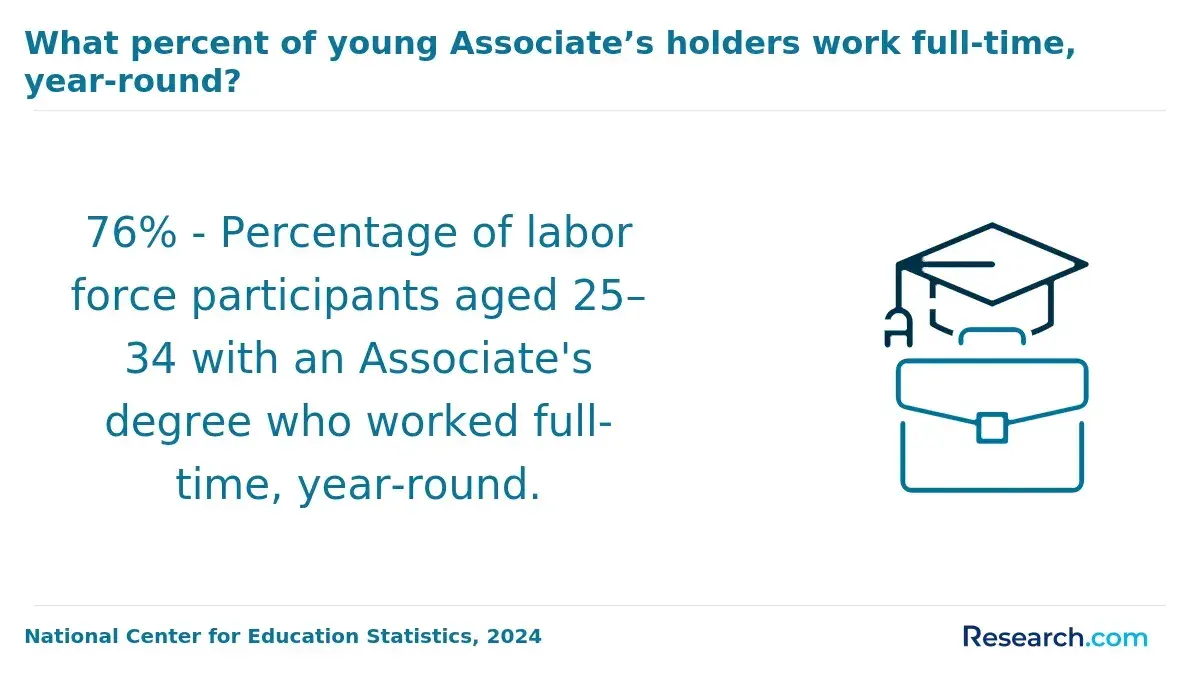
Admission requirements for esports business programs vary by degree level, but career changers are usually evaluated on academic readiness, professional experience, communication skills, and clarity of purpose. Adult learners make up nearly 40% of all postsecondary students in the U.S., so many programs provide flexible pathways for applicants who have been out of school for several years.
- Application form: The form collects basic personal, academic, and professional information. Career changers should use any optional fields to explain employment history, leadership experience, relevant projects, or reasons for returning to school.
- Official transcripts: Schools use transcripts to verify prior education and determine whether applicants meet minimum GPA, prerequisite, or transfer-credit requirements. If older grades are weak, recent professional achievements, continuing education, or certificates can help provide context.
- Statement of purpose: This is one of the most important pieces for a career changer. A strong statement explains why esports business is the next logical step, what role the applicant is targeting, and how previous experience in areas such as marketing, operations, finance, technology, education, or customer service will transfer.
- Letters of recommendation: Programs may accept professional recommendations from supervisors, clients, project leads, or colleagues. The strongest letters describe reliability, leadership, communication, analytical ability, adaptability, and readiness for a new field.
- Resume or CV: The resume should not simply list past jobs. It should translate prior work into esports-relevant language, such as campaign management, budget oversight, event planning, audience engagement, vendor coordination, sales, analytics, or team leadership.
- Test scores and waivers: Some programs may require standardized tests, but many provide waivers for adult learners, especially when applicants have professional experience, a prior degree, or a strong academic record.
Career changers should also ask whether the program offers credit for prior learning, portfolio review, transfer credit, rolling admissions, part-time enrollment, or online course options. These policies can affect both cost and time to completion. For those exploring flexible options, programs similar to a psychology degree online illustrate the growing trend toward accommodating working professionals.
What Is the Coursework for a Esports Business Degree for Career Changers?
Coursework in an esports business degree is designed to connect standard business training with the realities of competitive gaming, digital entertainment, live events, and online communities. For career changers, the strongest curricula do more than define esports terms. They help students apply prior experience to practical problems such as building sponsorship packages, planning tournaments, analyzing fan data, managing teams, and evaluating revenue models.
- Esports industry overview: Students learn how teams, leagues, publishers, sponsors, media platforms, tournament organizers, agencies, and content creators fit into the esports ecosystem. This foundation is especially important for career changers who understand business but are new to gaming industry relationships.
- Marketing and brand management: Courses may cover audience segmentation, social media strategy, creator partnerships, brand positioning, campaign measurement, and community engagement. The goal is to teach students how esports audiences discover, follow, and interact with brands differently from traditional sports or general entertainment audiences.
- Event management and operations: Students examine tournament planning, venue logistics, production timelines, staffing, registration, streaming coordination, technology needs, sponsorship activation, and contingency planning. Applied assignments are particularly valuable because event work depends on execution under pressure.
- Business and financial fundamentals: Programs often include accounting, finance, management, entrepreneurship, and strategy adapted to esports contexts. Students may study budgets, revenue streams, merchandising, partnerships, ticketing, media rights, and operational sustainability.
- Legal and ethical considerations: Coursework can include contracts, intellectual property, player agreements, labor concerns, content rights, compliance, privacy, competitive integrity, and ethical issues affecting teams and organizations.
Many programs use online or hybrid delivery so adult learners can complete coursework around work and family obligations. However, flexibility should not replace applied learning. Career changers should look for capstones, case studies, simulations, internships, consulting projects, or portfolio assignments that produce evidence of skills for employers.
When speaking with a professional who completed an online esports business degree to pivot his career, he shared that balancing coursework with existing responsibilities was initially overwhelming but manageable with structured schedules. He described the challenge of learning industry-specific jargon and real-world scenarios as “eye-opening,” emphasizing how practical assignments deepened his understanding beyond theory. He noted, “The flexibility in delivery meant I could advance at my own pace without sacrificing work or family time,” and appreciated how the program connected academic content directly to current industry practices, making the transition feel tangible and achievable.
What Esports Business Program Formats Are Available for Career Changers?
Career changers usually need a program format that fits around employment, caregiving, relocation limits, and financial constraints. With over 40% of U.S. undergraduates classified as returning adults, schools increasingly offer flexible structures. The right format depends on how much schedule control you need and how important in-person networking or hands-on production experience is to your goals.
- Online degree programs: Fully online programs are often the most practical option for working adults. They reduce commuting time and may allow students to complete coursework asynchronously. Before enrolling, confirm whether the program includes live sessions, group projects, internship expectations, or required campus visits.
- Part-time studies: Part-time enrollment lowers the weekly workload and can make tuition payments easier to manage over time. The trade-off is that degree completion may take longer, which can delay a full career transition.
- Hybrid programs: Hybrid programs combine online coursework with selected in-person meetings, labs, events, or residencies. They can be a strong option for students who want flexibility but still value direct contact with faculty, classmates, and industry partners.
- Evening and weekend classes: These programs support adults who work during normal business hours but prefer scheduled, real-time instruction. They may be less flexible than asynchronous online programs, but some students benefit from the structure and live interaction.
When comparing formats, ask practical questions: Are classes asynchronous or live? Are internships required? Can you pause enrollment if work demands increase? Is career support available to online students? Are esports facilities, events, or networking opportunities accessible to distance learners? These details often matter more than the format label itself.
What Skills Do Career Changers Gain in a Esports Business Program?
An esports business program should help career changers build both industry-specific knowledge and marketable business skills. The World Economic Forum projects that by 2025, 50% of employees will require reskilling to meet evolving job demands, which makes skill selection central to the value of any program.
- Industry knowledge: Students learn how esports organizations make money, attract audiences, structure competitions, work with publishers, manage media relationships, and build partnerships. This knowledge helps career changers avoid sounding like outsiders when speaking with employers or clients.
- Marketing and branding: Programs often develop skills in campaign planning, social media engagement, sponsorship messaging, community growth, audience research, and brand positioning. These skills are useful for roles involving teams, tournaments, products, agencies, and gaming-related brands.
- Financial acumen: Students may learn budgeting, revenue modeling, sponsorship valuation, pricing, forecasting, and financial decision-making. These skills help graduates evaluate whether an esports initiative is sustainable rather than just popular.
- Leadership and communication: Esports business work often involves cross-functional teams, including players, coaches, creators, sponsors, vendors, production staff, and executives. Strong communication helps career changers manage expectations, resolve conflict, and coordinate projects.
- Data analytics: Programs may introduce audience analytics, campaign metrics, market research, player-performance data, and reporting tools. Data skills can help graduates support decisions with evidence rather than assumptions.
A career changer who completed an esports business degree shared how the program helped her overcome uncertainty entering a fresh field. She described the initial struggle of translating past experience into this specialized niche and the confidence gained through applying theoretical concepts in real-world projects. “At first, it felt overwhelming to shift gears, but gradually, the practical assignments and data analysis exercises clarified the path forward,” she said. This hands-on exposure enabled her to build a professional network and develop clarity about her career direction, reinforcing that the acquired skills were not just theoretical but instrumental in landing her first role within the industry.
How Much Does a Esports Business Degree Cost for Career Changers?
The cost of an esports business degree can affect whether a career change is financially realistic. Career changers should calculate total cost, not just tuition, because fees, books, technology, lost work hours, travel, and extended enrollment can change the real price. The average student debt for master's degree holders in the U.S. exceeds $70,000, so it is important to compare programs carefully before borrowing.
- Tuition: Tuition typically represents the largest expense, ranging from $15,000 to $40,000 for the entire program. Costs vary by institution type, degree level, residency status, and delivery format, such as online, hybrid, or in-person.
- Fees: Mandatory fees may cover registration, student services, technology platforms, course materials, or access to specialized esports tools. These fees can add several hundred to thousands of dollars to the overall cost.
- Books and technology: Students may need textbooks, subscriptions, reliable internet, a capable computer, collaboration software, or tools used for analytics and production. These costs may total several hundred dollars annually.
- Financial aid and payment options: Career changers should ask about federal aid eligibility, scholarships, employer tuition assistance, military benefits, payment plans, and aid for adult learners. Employer support can be especially valuable if the program builds skills relevant to a current role.
- Program format and duration: Online and hybrid formats can reduce commuting or relocation costs. Accelerated programs may shorten the time to completion, while part-time programs may make the workload manageable but extend the time before a full career move.
Cost should be weighed against credible outcomes: internship access, employer relationships, portfolio development, alumni network, career services, and the types of roles graduates pursue. A cheaper program is not always the better value if it lacks industry relevance, but a higher-priced program should provide clear benefits. For insight into fields with strong financial outcomes, many refer to listings of the best degrees to make money, which can guide decisions related to return on investment in education.
How Does a Esports Business Curriculum Support Career Transitions?
An esports business curriculum supports career transitions by helping students translate existing strengths into roles within a new industry. Adult learners often bring useful experience, but they may need help understanding esports business models, terminology, hiring expectations, and professional networks. A strong curriculum makes that bridge explicit.
- Applied learning opportunities: Case studies, simulations, and scenario-based assignments help students practice decisions they may face in sponsorship, event operations, marketing, team management, or audience development. This is more useful than theory alone for professionals who need job-ready examples.
- Transferable skill development: Courses can connect prior experience in marketing, project management, sales, finance, communications, hospitality, or technology to esports-specific tasks. This helps career changers explain their value to employers instead of presenting themselves as beginners.
- Flexible program pacing: Part-time, evening, and online options allow adults to build new qualifications without immediately leaving the workforce. This can reduce financial risk and give students time to test the field through projects or networking.
- Real-world projects: Projects with industry partners, capstones, internships, or consulting assignments can help students build a portfolio. For career changers, portfolio evidence can be especially important because they may not yet have esports job titles on their resumes.
- Dynamic curriculum updates: Esports changes quickly, so course content should reflect current business practices, platforms, audience behavior, and monetization models. Programs that do not update regularly may leave students with knowledge that is too general or outdated.
Career changers should look for programs that help them produce tangible proof of skills: sponsorship proposals, event plans, market analyses, campaign reports, community strategies, or business plans. For those seeking efficient pathways, exploring 1 year masters programs can offer accelerated options tailored to adult learners aiming for timely career advancement.
What Careers Can Career Changers Pursue With a Esports Business?
Career changers with an esports business background can pursue roles in events, marketing, sponsorship, community management, operations, analytics, and team support. The best target role depends on prior experience. Someone from sales may fit sponsorship faster than event production, while someone from hospitality or project management may have a stronger path into tournament operations.
The U.S. Bureau of Labor Statistics projects a 10% growth from 2022 to 2032 in advertising, promotions, and marketing management, sectors that overlap significantly with esports business opportunities.
- Event manager: Event managers coordinate tournaments, live competitions, watch parties, showcases, and related activations. Career changers with project management, hospitality, venue, athletics, or operations backgrounds may have relevant skills in scheduling, logistics, staffing, vendor management, and contingency planning.
- Marketing coordinator: Marketing coordinators support campaigns for teams, leagues, agencies, products, tournaments, or esports-related brands. This role fits career changers with experience in digital marketing, writing, social media, design coordination, public relations, or audience engagement.
- Sponsorship manager: Sponsorship managers identify brand partners, build proposals, negotiate agreements, and maintain sponsor relationships. Professionals from sales, account management, business development, fundraising, or partnerships may transition well into this area.
- Community manager: Community managers engage fans across social platforms, Discord servers, streams, forums, and events. Customer service, communications, moderation, social media, education, or nonprofit engagement experience can transfer well, provided the candidate understands gaming culture and audience expectations.
- Business analyst: Business analysts use market, audience, revenue, or campaign data to support decisions. Career changers from finance, operations, research, technology, product management, or data-focused roles may find this path especially compatible.
Applicants should tailor resumes toward the role they want. For example, an operations-focused candidate should emphasize timelines, budgets, vendors, and risk management, while a marketing candidate should highlight campaign metrics, content performance, and audience growth.
What Is the Average Salary After Earning a Esports Business Degree as a Career Changer?
Salary after earning an esports business degree depends on role, location, employer size, prior experience, portfolio strength, and whether the job is with a team, agency, publisher, event company, school, brand, or startup. Career changers should treat salary ranges as planning estimates rather than guarantees. Data shows that professionals who reskill into tech-related areas can see an average salary increase of approximately 15% within two years.
- Entry-level positions: Annual salaries usually fall between $45,000 and $60,000 for those just starting in esports roles. Career changers may enter at the higher end of this range if they bring directly relevant experience in marketing, sales, events, analytics, or management.
- Mid-career earnings: Professionals with three to five years of experience often earn from $65,000 to $85,000. Growth is typically tied to measurable results, such as revenue generated, campaigns managed, events delivered, or partnerships secured.
- Specialized roles: Marketing, event management, or data analytics positions can command salaries exceeding $90,000 when candidates bring targeted expertise and can demonstrate business impact.
- Employer size and location: Larger organizations and certain geographic areas tend to offer higher compensation. Remote work can expand access to opportunities, but salary may still reflect employer location, market demand, and role scope.
- Prior experience impact: Backgrounds in business or technology typically accelerate earning growth because candidates can apply established skills immediately while learning esports-specific practices.
To estimate return on investment, compare expected salary growth with total program cost, time to completion, and your likely entry point. A degree may be more valuable if it helps you move into a specific role with clear demand, not simply because the esports industry is growing.
What Graduates Say About Their Esports Business Degrees for Career Changers
- Levi: "Deciding to leave my previous job in marketing, I chose to pursue an Esports Business degree to break into a fast-growing industry. Although the program cost around $35,000, it was a worthwhile investment that opened doors to new opportunities. Completing the degree gave me the confidence and credentials needed to secure a management role in an esports organization."
- Ahmed: "After years in finance, I wanted a meaningful change, and the Esports Business degree program offered an excellent path. The cost of attendance, about $30,000, made me hesitant, but I realized the value it added to my professional skill set was priceless. The course helped me transition smoothly, providing deep insights into the industry's economics and operations."
- Christopher: "Making a career switch required careful planning, so I enrolled in an Esports Business degree despite the significant $32,000 expense. The structured curriculum and practical experiences were instrumental in reshaping my professional outlook. This program not only equipped me with essential industry knowledge but also helped me network with key players, accelerating my career change."
These graduate comments point to a common theme: the value of an esports business degree depends on how well it converts previous experience into industry credibility, practical skills, and professional connections. Career changers should use testimonials as one input, then verify outcomes through admissions questions, alumni conversations, curriculum review, and total cost analysis.
Other Things You Should Know About Esports Business Degrees
Most esports business degree programs do not impose strict age limits. These programs often cater to adult learners and career changers, valuing diverse professional backgrounds. However, some institutions may have specific policies or prefer applicants to possess a high school diploma or equivalent.
Yes, relevant prior work experience can strengthen an application. Many programs welcome applicants with professional experience in business, technology, or gaming industries, as this background enhances classroom discussions and practical assignments. However, experience requirements vary by school and program.
In 2027, many esports business degree programs are available online, offering flexibility for career changers. Online programs cover essential areas like marketing, event management, and media production to prepare students for the dynamic esports industry, accommodating both part-time and full-time learners.
References
- Esports Business Operations https://www.riosalado.edu/degrees-certificates/business-entrepreneurialism-and-management/esports-business-operations-5335-ccl
- Esports https://www.staffs.ac.uk/course/esports-ba
- How to pursue a career in esports: A beginner's guide https://www.cmich.edu/blog/all-things-higher-ed/how-to-pursue-a-career-in-esports-a-beginner-s-guide
- Online Bachelor of Business Administration and Digital Innovation with Sports and eSports Management https://www.global-business-school.org/programs/bachelor-europe-bachelor-of-business-administration-online/online-bachelor-of-business-administration-and-digital-innovation-with-sports-and-esports-management/
- Esports Management Concentration (Online or On Campus) - Fisher College https://www.fisher.edu/academics/undergraduate-programs/bs-in-management/esports-management-concentration
- Kick-Start Career with a Sports Business Degree https://www.icms.edu.au/degree-discovery/build-your-career-with-sports-business-degree/
- Esports Job Roles, Careers & Progression https://esportszone.uk/ec-carreers-in-esports/
- Department of Business Administration https://www.saintpeters.edu/academics/undergraduate-programs/business/esports-business/
- Why esports leads to careers outside of gaming https://www.midkent.ac.uk/news/blog/why-esports-leads-to-careers-outside-of-gaming
- Esports and Gaming Administration Program | Elmira College https://www.elmira.edu/academics/programs/business-administration/esports-and-gaming-administration


