
2027 Best Online College Programs With Asynchronous Classes

Co-Founder and Chief Data Scientist
An online degree can still be impossible to fit around a rotating shift if lectures happen live. Asynchronous classes remove the requirement to attend most instruction at a set time, but deadlines and hands-on requirements remain. That distinction matters across fields: the U.S. Bureau of Labor Statistics reported a 2024 median annual wage of $93,600 for registered nurses, yet an online nursing degree cannot replace required clinical practice.
This guide compares program families, identifies scheduling trade-offs, and shows working adults how to check whether a specific degree fits both their calendar and career goal.
Key Things You Should Know
- Best fit depends on the field: Business and many IT programs can often be completed through independent online coursework; nursing, education, and social work commonly add scheduled fieldwork.
- Asynchronous does not mean self-paced: Expect weekly deadlines, group projects, and possibly scheduled exams or placements, even when lectures have no meeting time.
- Verify the whole program: A typical master's degree may require roughly 30-60 credits, but credits alone do not reveal whether a capstone, clinical placement, or course sequence will limit flexibility.
Top 10 Best Online College Programs With Asynchronous Classes
Business Programs
An online MBA or specialized master's in accounting, finance, or management can suit professionals who need to study around work. Recorded instruction and discussion boards often translate well to asynchronous delivery, but team projects may require coordinating with classmates. An MBA is broad preparation for business decisions; a specialized degree may better serve a defined technical goal. Before enrolling, confirm whether every required course avoids live meetings, whether group work has scheduled sessions, and whether the program's cost and employer recognition justify a graduate degree rather than a shorter credential.
Healthcare Programs
Master's programs in healthcare administration, public health, and health informatics may deliver academic coursework asynchronously. They suit different goals: organizational leadership, population health, and health-data systems, respectively. A practicum or capstone with an external organization can still require daytime availability. Healthcare administration does not itself qualify a student for a clinical license. Compare internship expectations, relevant programmatic accreditation where applicable, and whether the curriculum teaches the analytical or management skills your target role actually requires.
Information Technology Programs
A master's in information technology, cybersecurity, or information systems can serve professionals seeking deeper technical or systems-management skills. Coding labs, simulations, and recorded demonstrations may be completed on a flexible schedule, although team projects and exams can impose fixed times. Check the prerequisite knowledge expected; some programs admit career changers with foundation courses, while others presume technical experience. For a narrow skill gap, a reputable certification or shorter program may cost less than a master's degree.
Computer Science Programs
An online master's in computer science typically emphasizes algorithms, software systems, and advanced computing more than a general IT degree. Asynchronous lectures can work well for programming, but projects, office hours, and proctored assessments may have timing constraints. Applicants from other majors should check mathematics and programming prerequisites before comparing tuition. Choose this route when its depth matches your goal; an employer may value a strong portfolio and relevant experience more than an additional degree for some software roles.
Nursing Programs
Online MSN programs may offer asynchronous theory courses for licensed registered nurses, including leadership or education tracks. Nurse practitioner and other advanced clinical tracks are different: supervised clinical hours, approved sites, and sometimes campus visits remain necessary. An asynchronous lecture schedule does not make those placements flexible or eliminate state licensure rules. Confirm the required RN license, clinical-site responsibilities, programmatic accreditation, and eligibility in the state where you intend to practice before applying.
Psychology Programs
An asynchronous master's in psychology may focus on research, applied psychology, or a specialty rather than clinical practice. Do not assume it qualifies you to become a licensed psychologist; that occupation generally requires doctoral education and additional state requirements. Counseling programs are a separate option with supervised fieldwork and state-specific licensing rules. Compare the degree's actual occupational purpose, required research or practicum work, and whether scheduled supervision would conflict with your availability.
Education Programs
Online master's programs in curriculum and instruction, educational leadership, and teaching serve different populations. Programs for practicing teachers may offer asynchronous coursework, while initial teacher-licensure tracks typically require supervised student teaching at scheduled times. Leadership credentials can carry separate experience and state requirements. Ask whether your intended track leads to licensure, whether placements can occur near home, and how its calendar works with the school year before choosing the most flexible-looking option.
Criminal Justice Programs
A master's in criminal justice, criminology, or public administration with a justice focus may suit experienced public-service professionals seeking policy, research, or management preparation. Reading, analysis, and discussion can often be asynchronous; an internship or agency-based capstone may not be. The degree does not substitute for an employer's hiring standards or professional experience. Compare courses in data analysis, policy, and administration against the work you want to do rather than relying on the program title alone.
Engineering Programs
Some engineering master's programs use recorded lectures and remotely completed design or simulation work, making asynchronous study possible for employed engineers. Laboratory access, collaborative design reviews, or a thesis may still create scheduled obligations. Admission commonly depends on substantial mathematics and engineering preparation; a career changer should not assume open access to advanced courses. If professional engineer licensure is the goal, verify applicable education and experience rules separately from the online format.
Social Work Programs
An online MSW can combine asynchronous academic classes with required, supervised field education at an approved site. That placement has real-world hours and may be difficult to fit around full-time work. Applicants with an eligible BSW may qualify for advanced standing, but schools set their own eligibility and remaining requirements. For clinical social work, graduation is only one step; state rules may also require supervised post-degree experience and an exam. Confirm CSWE accreditation and placement support before applying.
What Are Asynchronous Online College Classes?
Asynchronous online classes deliver learning activities without requiring everyone to attend the same class meeting. Students typically access recorded lessons, readings, assignments, and discussion boards through a learning platform. Unlike a self-paced course, an asynchronous class usually follows a term calendar with due dates.
The key distinction is between instruction and the entire program. A program can offer asynchronous classes while still requiring a live orientation, scheduled group meeting, proctored assessment, clinical shift, internship, or residency. "Online" alone establishes neither asynchronous instruction nor freedom from in-person work.
Which Accredited Colleges Offer Fully Asynchronous Online Programs?
Southern New Hampshire University, Western Governors University, and University of Maryland Global Campus are accredited institutions worth investigating for online study with substantial scheduling flexibility. They are starting points, not blanket guarantees that every degree, course, or placement is fully asynchronous. Program-level confirmation matters more than an institution-wide description.
The comparison below identifies the relevant institutional distinction and the question to resolve before treating any particular degree as a fully asynchronous option.
| Institution | Accreditation and format context | Program-level question |
| Southern New Hampshire University | Institutionally accredited by NECHE; online coursework is marketed without set class meeting times. | Do all required courses, assessments, and experiential components in the chosen degree avoid live attendance? |
| Western Governors University | Institutionally accredited by NWCCU; online, competency-based study allows substantial control over study time. | Which assessments, mentor interactions, and field requirements must occur at scheduled times? |
| University of Maryland Global Campus | Institutionally accredited by MSCHE; offers online programs with course schedules and deadlines. | Are all required sections in this specific program asynchronous, including electives and capstones? |
Institutional accreditation does not establish a program's meeting schedule. Request the current degree plan and course syllabi or written confirmation from the department; a single required live course can change whether the whole program meets your needs.
How Do You Choose the Best Asynchronous Online College Program?
Start with the exact credential and career goal, then compare required attendance rather than the number of online courses advertised. A less flexible program may be the better choice if it supplies necessary clinical preparation or the accreditation your profession requires.
These checks turn a broad "flexible online" claim into a realistic weekly schedule and cost estimate:
- Ask for a degree map and identify required courses, electives, capstones, labs, and placements.
- Confirm whether any course requires live sessions, scheduled exams, campus visits, or daytime field hours.
- Check institutional accreditation and any programmatic accreditation needed for your goal.
- Request a transfer-credit evaluation and calculate remaining requirements, total tuition, mandatory fees, and travel or placement costs.
- Ask how often required courses run and whether part-time enrollment changes your expected finish date.
Start dates are a separate issue: online colleges with frequent start dates may let you begin sooner, but frequent admission does not prove that classes are asynchronous or that every required course is available when you need it. A common mistake is choosing a program from its marketing page without checking the actual schedule.
What Degrees and Certificates Can You Earn Asynchronously Online?
Asynchronous coursework is available across undergraduate certificates, associate degrees, bachelor's degrees, graduate certificates, and master's degrees; availability depends on the specific program. Doctoral programs may also deliver coursework online, but research milestones, supervision, and residencies can restrict scheduling.
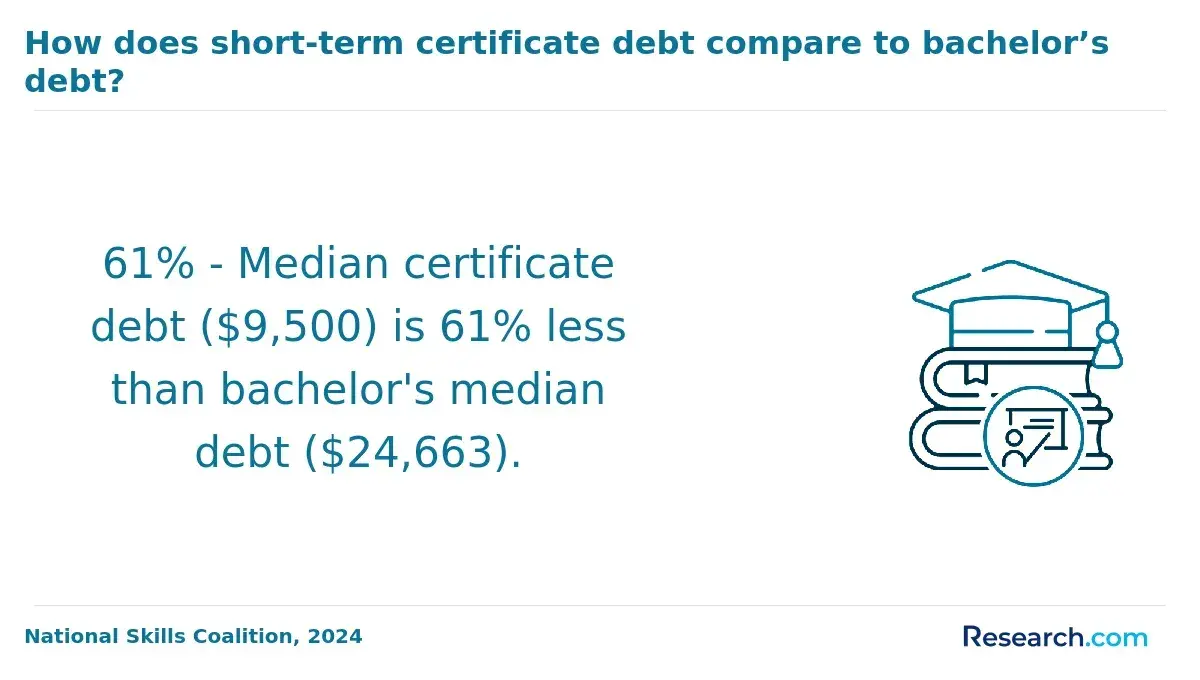
Choose the smallest credential that credibly meets your goal. A targeted option among certificates online may address a defined skills gap, while a bachelor's degree can provide broader preparation and a master's degree can support advanced study or a profession with graduate-level requirements. Confirm whether certificate credits can later apply to a degree; stacking is not automatic.
What Do You Study in Asynchronous Online College Programs?
What you study depends on the field and level, not the delivery method. Business students may analyze organizational cases; computer science students may build software; education students may design instruction. Courses can include recorded lessons, readings, discussions, independent projects, and instructor feedback, followed by a capstone, thesis, or supervised experience.
When comparing most valuable masters degrees, examine required courses rather than assuming the degree title signals the same skills everywhere. In particular, check whether foundation courses add time for applicants changing fields and whether a research-focused curriculum matches a practical career goal.
What Are the Admission Requirements for Online Asynchronous Programs?
Admission depends on the credential. Undergraduate applicants generally provide prior school records; transfer applicants submit college transcripts. Graduate applicants ordinarily need a bachelor's degree and may face field-specific prerequisites, an essay, recommendations, or evidence of professional experience. Nursing and other practice-oriented programs can require an active license or separate selective admission.
Do not infer that a school's general online admission policy applies to every program. Ask the department which prerequisites, GPA standards, tests, and state-residency restrictions apply to your track. If you have prior credits, request an evaluation showing which satisfy degree requirements - not merely how many the school accepts.
How Much Do Asynchronous Online College Programs Cost?
There is no single price for an asynchronous degree: schools generally charge by credit or term, and an online format may carry technology or program fees. The meaningful comparison is your estimated cost to finish, after accepted credits and aid, rather than the advertised price of one course.
This breakdown shows which expenses to request from each school before comparing offers. It also highlights costs that a tuition quote can miss.
| Cost component | Why it matters |
| Remaining tuition | Depends on required credits, accepted transfer work, enrollment pace, and any tuition differences by program. |
| Mandatory and course fees | Technology, lab, assessment, and graduation charges can change the total. |
| Experiential costs | Travel, placement, background checks, equipment, or time away from work may apply. |
| Financing costs | Interest and repayment increase the eventual cost of borrowing. |
Complete the FAFSA if the institution and program are eligible for federal aid, and compare grants, employer assistance, and borrowing terms before committing. Part-time study may preserve income but extend the period over which you pay fees; an accelerated pace can reduce calendar time without reducing required coursework.
What Careers and Salaries Can Online Asynchronous Programs Lead To?
An asynchronous program can prepare you for roles in its field, but delivery format does not determine hiring or pay. The table separates examples of relevant work from the additional qualifications that a degree alone may not provide.
| Program area | Possible career direction | Important qualification check |
| IT or computer science | Software development or information security | Employers may expect technical projects and experience in addition to coursework. |
| Nursing | Registered nursing advancement or advanced practice | RN or advanced-practice licensure and, for some roles, clinical training are required. |
| Education | Teaching or instructional leadership | State credentials and, for some leadership roles, teaching experience may be required. |
| Social work | Community services or clinical social work | Clinical practice requires state-specific post-degree steps. |
For salary context, the Bureau of Labor Statistics reported a 2024 median annual wage of $93,600 for registered nurses. That is an occupational median, not the expected salary of an online-program graduate or evidence that an MSN raises pay to a particular amount. When weighing programs against highest paying jobs, compare the occupation's actual entry requirements with the credential's total cost and the experience you already have. AI-assisted work is also changing some technical tasks, making demonstrable skills and current coursework important alongside the degree.
Do Online Asynchronous Programs Meet Licensing and Certification Requirements?
Sometimes, but never automatically. Whether a program supports licensure or certification depends on its curriculum, applicable programmatic accreditation, supervised training, and the rules of the state where you plan to practice. Asynchronous lectures do not waive clinical hours, student teaching, field placements, examinations, or supervised post-degree experience.
Before paying an enrollment deposit, identify the state board or credentialing body for your intended role. Ask the school for written confirmation of whether the specific track meets that jurisdiction's educational requirements, how placements are arranged, and which requirements remain after graduation. This is especially important for nursing, teaching, counseling, social work, and professional engineering.
Other Things You Should Know About
Usually not. You can often choose when to watch lessons and work on assignments, but courses commonly have weekly deadlines and fixed term dates.
Possibly. Ask about required meetings, exams, residencies, labs, and field placements for every required course in your chosen program.
The schedule alone does not determine a degree's value. Check institutional accreditation, relevant professional approval, curriculum, and how well your skills and experience fit the job.
Not necessarily. Completion depends on remaining credits, course availability, enrollment pace, prerequisites, and any required practical work - not whether lectures are recorded.
References
- Auxiliary Aids and Services for Postsecondary Students with Disabilities | U.S. Department of Education http://www.ed.gov/laws-and-policy/individuals-disabilities/auxiliary-aids-and-services-for-postsecondary-students-with-disabilities
- Why APA Accreditation Matters https://digital.apa.org/accred-mirr/accreditation.apa.org/why-accreditation-matters.html
- What Does Asynchronous Mean? A Simple Guide to Online Learning Formats - Professional Development at Charlotte https://professional.charlotte.edu/what-does-asynchronous-mean-a-simple-guide-to-online-learning-formats/
- What's the Difference Between Asynchronous and Synchronous Learning? | Ohio State Online https://online.osu.edu/content-hub/blogs/whats-the-difference-between-asynchronous-and-synchronous-learning/
- State Authorization & Professional Licensure | Office of the Registrar https://registrar.uccs.edu/student-resources/general-information/state-authorization-professional-licensure
- How Long Does It Take to Earn a Degree? | fisher.edu https://www.fisher.edu/learn-more/fisher-blog/blog-post-details/~board/fisher-college-blog/post/how-long-does-it-take-to-earn-a-degree
- Asynchronous Classes | Online Courses | SNHU https://www.snhu.edu/online-degrees/classes/asynchronous
- Synchronous vs. Asynchronous Classes: What You Need to Know - Boston University Questrom https://www.bu.edu/questrom/blog/synchronous-vs-asynchronous-classes-what-you-need-to-know/
- Student Location & Disclosures for Professional Licensure or Certification Disclosure (Policy OG-33) | Clarkson College https://catalog.clarksoncollege.edu/academic-information-policies/student-location-disclosures
- What are Asynchronous Classes? | University of Bridgeport https://www.bridgeport.edu/news/what-are-asynchronous-classes/


