2027 Best Degree Programs for Parents

Co-Founder and Chief Data Scientist
The hardest part of returning to school as a parent may be finding a program you can finish around work, childcare, and unpredictable weeks. Cost raises the stakes: the College Board reported average published tuition and fees of $11,610 for in-state students at public four-year colleges in 2024-25. That figure is not a graduate-program price, but it shows why comparing the full cost matters. This guide examines ten master's program families, their scheduling trade-offs, and the questions to ask before choosing a degree that fits both your career goal and your household.
Key Things You Should Know
- For parents, the best master's program is one with a workable weekly schedule and a clear connection to a career goal - not simply an online label.
- Business, IT, and some computer science programs may offer more location flexibility; nursing, education, social work, and counseling-related paths often require supervised in-person work.
- Compare total tuition and fees, time away from paid work, and any licensure requirements before treating an occupational salary as the payoff from a degree.
Top 10 Best Degree Programs for Parents
Business Programs
Healthcare Programs
Master's programs in public health, healthcare administration, and health informatics prepare students for different work: population health, organizational operations, and health data, respectively. They can appeal to parents who want to work in healthcare without pursuing a new clinical license. Online coursework may be available, but internships, applied projects, or existing healthcare experience can affect fit. Check whether the curriculum matches your target role; a healthcare administration degree, for example, does not qualify someone to practice medicine or nursing.
Information Technology Programs
A master's in information technology, cybersecurity, or information systems can help parents build on technical experience or move toward systems-focused roles. Some programs admit career changers with foundation courses, while others expect computing preparation. Remote coursework can reduce travel, but labs, team assignments, and scheduled meetings still take protected time. Review the software and equipment requirements and whether the curriculum offers demonstrable projects. For some roles, targeted certifications and experience may be a better first investment.
Computer Science Programs
A computer science master's typically emphasizes programming, algorithms, and advanced computing topics. It may fit parents who already have technical preparation and want deeper software or computing expertise. Applicants from other fields should check prerequisite math and programming courses: these can add substantial time and cost. Online delivery does not remove demanding projects or collaborative deadlines. If your immediate goal is an entry-level technology role, compare the master's against a foundational bachelor's program or smaller, project-based learning path.
Nursing Programs
Master of Science in Nursing programs commonly serve registered nurses pursuing advanced practice, education, leadership, or informatics. Admission often requires an active RN license and prior nursing education; bridge pathways have separate eligibility rules. Coursework may be online, but advanced-practice tracks require supervised clinical training. Parents should confirm placement responsibilities, shift compatibility, and whether the program meets requirements in the state where they intend to practice. An MSN alone does not grant advanced-practice licensure.
Psychology Programs
A psychology master's may focus on research, applied psychology, or preparation for further study. Parents interested in counseling should distinguish a general psychology degree from a specifically designed clinical mental health counseling program. Counseling licensure generally requires qualifying coursework, supervised experience, examinations, and state approval; a general psychology master's may not meet those requirements. Ask about practicum hours and placement locations early. Research-focused programs may offer different scheduling demands, including a thesis.
Education Programs
A Master of Education can support teachers seeking curriculum, instructional, or leadership expertise. Some programs are designed for licensed teachers; initial-licensure tracks serve a different applicant and may require student teaching. Online classes can work around a school-day job, but fieldwork and school-calendar placements may not. Parents should check state approval if certification is the goal and ask whether a district provides tuition assistance or recognizes the degree for its pay schedule. Neither recognition nor a raise should be assumed.
Criminal Justice Programs
A criminal justice master's can suit experienced professionals interested in policy, administration, or specialized justice-system work. Many programs use reading, research, and project-based coursework that may be manageable online. Still, a graduate degree is not a substitute for agency hiring standards, academy training, or experience required for particular roles. Parents changing fields should compare job postings with the curriculum before enrolling; a less expensive certificate or relevant work experience may be more useful for a narrowly defined goal.
Engineering Programs
A master's in engineering may help an engineer deepen technical expertise or move into a specialty. Many programs expect a relevant bachelor's degree and may require specific math or engineering prerequisites. Online lecture courses can reduce commuting, but labs, design teams, and capstones may require scheduled participation or campus access. Parents should verify the exact concentration and delivery requirements, not just the university's online catalog. Professional engineer licensure follows separate state rules and is not awarded by completing a master's degree.
Social Work Programs
A Master of Social Work is a practice-oriented route toward many social-work roles. Traditional programs and advanced-standing programs have different entry requirements; advanced standing generally requires a qualifying social work bachelor's degree. Even an online MSW includes supervised field education, which can be difficult to arrange around childcare and paid work. Ask who secures placements and when field hours occur. Clinical practice requires additional supervised experience and state licensure after graduation; an MSW alone does not authorize it.
What Are the Best Degree Programs for Parents?
The best degree program for a parent is the one that matches a specific career goal while leaving enough predictable time to complete its required work. A parent with an RN license has a different starting point from a career changer considering IT, so there is no universal winner. The comparison below identifies where scheduling flexibility is most likely to hold - and where it can disappear.
This table groups the master's fields by a practical scheduling consideration, not by school quality or guaranteed career outcomes.
| Program family | Potential advantage for parents | Requirement to investigate |
| Business, IT, criminal justice | Coursework may be completed away from campus | Live meetings, team projects, and employer expectations |
| Computer science, engineering | Online study may reduce commuting | Prerequisites, labs, and substantial project time |
| Healthcare administration, public health, psychology | Several career directions are available | Whether the specific track requires fieldwork or a different credential |
| Nursing, education, social work | Clearer connection to some established professions | Existing credentials, placements, and state requirements |
Before applying, request a sample course sequence and a typical weekly schedule. Parents considering a smaller first step can also compare online courses for moms with the commitment of a full degree.
Which Online Degrees Offer Parents the Most Flexibility?
Online business, IT, information systems, and some criminal justice master's programs may offer the greatest location flexibility because much of their coursework can be completed without a clinical or school placement. Asynchronous means you can access instruction without attending a live class at a set time; it does not mean assignments have no deadlines. A part-time, asynchronous program with reliable course availability may be more manageable than a faster program that demands frequent live attendance.
Ask for the next year's course schedule. Confirm whether required classes run every term, whether exams are proctored at fixed times, and whether a capstone requires live collaboration. For nursing, education, and social work, separate the flexibility of online classes from the schedule of required in-person training.
How Much Do Degree Programs for Parents Cost?
Graduate tuition varies by institution, residency status, field, and number of credits. The published per-credit rate is only a starting point: mandatory fees, prerequisite courses, books, travel, and placement-related expenses can change the total. The College Board's $11,610 public four-year undergraduate average in the introduction is useful context, not a price estimate for any master's program.
When schools provide prices, collect these figures for the same intended enrollment pace so you can compare the cost of finishing rather than the cost of starting:
- Tuition for all remaining required credits, including any graduate or program-specific rate.
- Mandatory, technology, course, and graduation fees.
- Travel, childcare, equipment, and reduced earnings associated with in-person requirements.
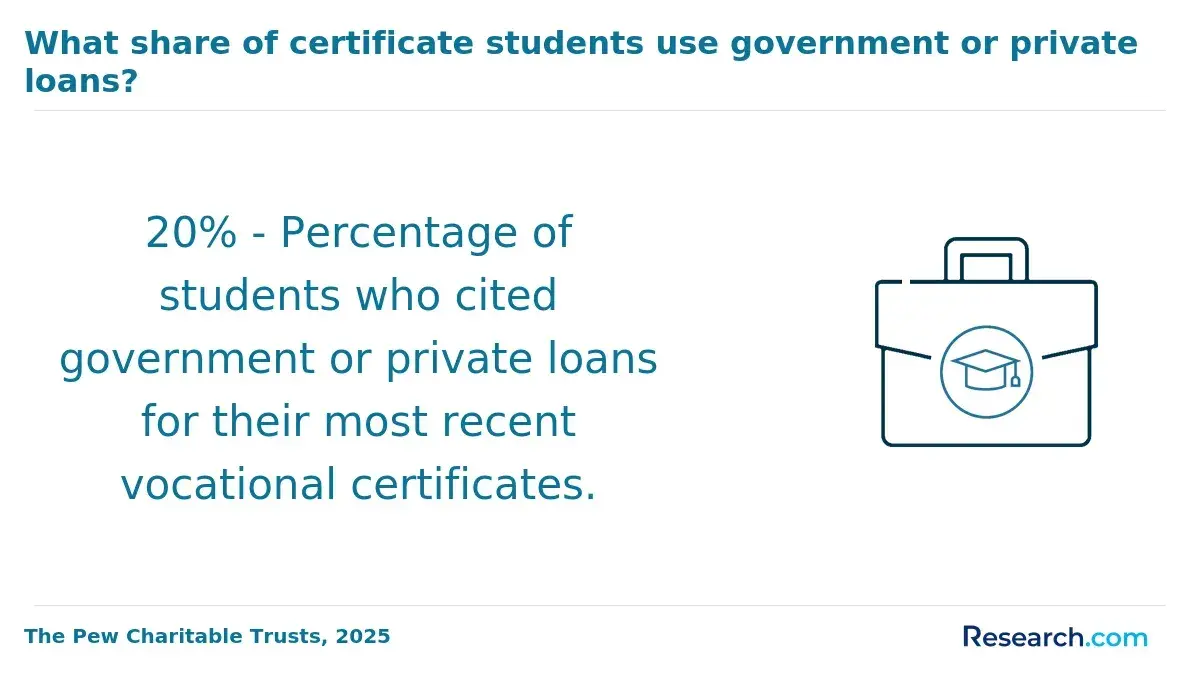
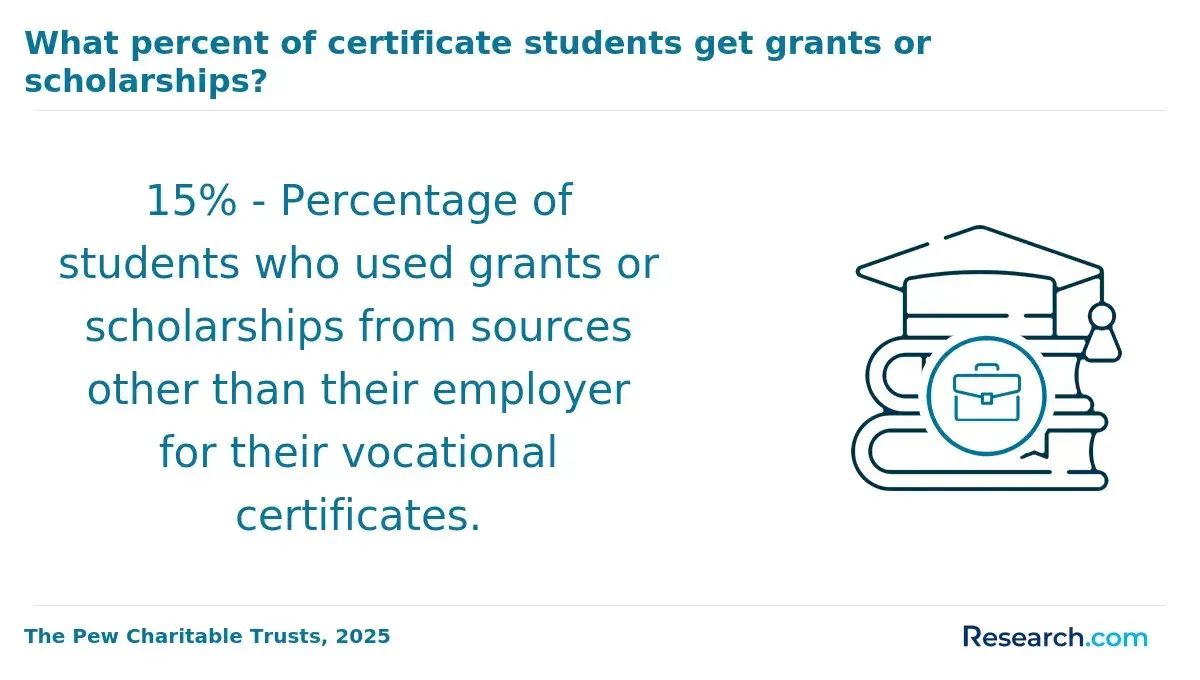
Ask whether employer tuition assistance, scholarships, or federal financial aid is available to you. Transfer credit may lower the bill only if the school accepts it toward specific degree requirements; graduate transfer policies are often restrictive. Avoid choosing a low per-credit price before confirming how many credits you must actually complete there.
What Degree Programs Lead to Flexible, In-Demand Careers?
For parents prioritizing schedule control, business systems, IT, and some software-related paths are worth investigating because certain roles permit remote or hybrid work. That possibility depends on the employer and role; a degree does not secure a flexible job. Nursing and social work connect to occupations with hands-on demand but may require fixed shifts, clinical work, or licensure.
Career value is easier to assess when you start with job postings in your area. Check required credentials, experience, and work hours, then compare the degree's cost with realistic entry points. Lists of easiest college majors with high pay can prompt ideas, but neither a major nor an occupational median predicts an individual parent's earnings.
Are Online Degrees Better Than Campus Programs for Parents?
Online study is better when commuting is the main barrier and the program lets you complete required work around family obligations. Campus study may be better when you need hands-on facilities, face-to-face support, or a firm separation between home and school. Hybrid delivery can provide both, but travel days must fit your childcare plan. None of these formats makes a demanding degree inherently easy.
Compare the specific program's meeting times, placement rules, and support for part-time students. At the doctoral level, searches for an online PhD no dissertation illustrate why format and completion requirements must be checked separately; that distinction also matters when comparing master's capstone and thesis options.
What Accreditation Should Parents Look for in a Degree Program?
Start with institutional accreditation recognized by the U.S. Department of Education or the Council for Higher Education Accreditation. Then check programmatic accreditation where it matters for your intended occupation, particularly nursing, social work, counseling, and educator preparation. Accreditation at one level does not establish that a particular track meets a state's licensing rules.
Before paying a deposit, ask the program and the licensing board in the state where you expect to work whether the exact degree, track, and delivery format satisfy educational requirements. A warning sign is a school that discusses accreditation broadly but cannot identify the status of your specific program or explain its graduates' licensure pathway.
What Are the Admission Requirements for Parent-Friendly Degree Programs?
Most of the master's programs discussed here require a bachelor's degree, transcripts, and an application; programs set their own rules for GPA, tests, recommendations, and experience. Engineering and computer science may require technical prerequisites. An MSN usually requires nursing preparation and an RN license, while advanced-standing MSW admission has separate prior-degree requirements. Initial teacher-licensure tracks can also differ from programs for already licensed educators.
Ask admissions to evaluate your actual transcript before you plan a graduation date. Confirm which prerequisites are missing, whether a test waiver applies to your program, and whether part-time admission changes course access. General university admissions information may not describe a selective graduate track.
How Long Do Degree Programs for Parents Take to Complete?
Completion time depends on required credits, part-time or full-time enrollment, prerequisite work, course sequencing, and the capstone or placement. A parent who can study only in certain terms may need longer than a school's advertised timeline. Advanced-standing social work and nursing bridge pathways can change the remaining requirements, but only for applicants who meet their specific eligibility rules.
Request a personalized term-by-term plan showing every remaining course and in-person obligation. Be especially cautious of unusually short claims: searches for 1 year PhD programs online free concern a different degree level and are not a sound benchmark for a master's. Verify the assumed starting credentials and full requirements behind any accelerated timeline.
What Salaries and Job Outlook Can Parents Expect After Graduation?
Occupational pay can help you test whether a degree's total cost is reasonable, but it is not a forecast of what graduates of a particular program will earn. The U.S. Bureau of Labor Statistics reported a 2024 median annual wage of $93,600 for registered nurses and $133,080 for software developers. Those figures describe people already working in those occupations, across experience levels and educational backgrounds; a master's is not the standard entry requirement for either occupation.
Job outlook also depends on the precise role, location, and qualifications. Compare BLS projections for your intended occupation with local postings, then ask what experience or license employers require. Budget using a plausible first role - not the highest salary in a field - and include any unpaid placement time before deciding whether to enroll.
Other Things You Should Know About
Some programs allow all academic coursework online, but others require labs, clinicals, practicums, student teaching, or campus visits. Check the exact track's requirements before enrolling.
Part-time study may protect work and childcare routines, while full-time study can shorten the calendar commitment. Compare each option's weekly workload, course availability, aid eligibility, and total cost.
Not automatically. The program must meet applicable educational rules, and you may also need supervised practice, an examination, or other state-specific steps.
Ask for a personalized course sequence, total estimated cost, live-attendance and placement requirements, and confirmation that the program supports your intended career or licensing goal.
References
- Child Care Access Means Parents in School Program (84.335A) | U.S. Department of Education http://www.ed.gov/grants-and-programs/grants-special-populations/grants-economically-disadvantaged-students/child-care-access-means-parents-school-program-84335a
- Fast Facts: Employment after degree (1157) | ed.gov https://nces.ed.gov/fastfacts/display.asp
- Child Care Financial Assistance Options https://childcare.gov/consumer-education/get-help-paying-for-child-care/child-care-financial-assistance-options
- The Major Payoff: Evaluating Earnings and Employment Outcomes Across Bachelor's Degrees - CEW Georgetown https://cew.georgetown.edu/cew-reports/major-payoff/
- Online Social Work Degree Programs | Capella University https://www.capella.edu/online-social-work-degrees/
- How to Transfer College Credits and Finish Your Degree Faster | Park University https://www.park.edu/blog/transfer-college-credits-finish-degree-faster/
- Credit for Prior Learning | Sierra College https://www.sierracollege.edu/academics/credit-for-prior-learning/
- Professional Licensure - State Authorization Network https://wcetsan.wiche.edu/resources/professional-licensure
- Professional Licensure - Adams State Online - Adams State University https://www.adams.edu/online/professional-licensure/
- Practicum Education FAQs - School of Social Work https://socialwork.charlotte.edu/practicum-education-faqs/