2027 Best Online Degrees With No Application Fee

Co-Founder and Chief Data Scientist
An application fee can make it harder to explore several online degrees before committing to one. But a free application says nothing about tuition, academic quality, or whether a program fits your career goal. The stakes are substantial: the U.S. Bureau of Labor Statistics reported a $132,270 median annual wage for software developers in 2023, though a degree alone does not secure that job or salary. This guide compares degree fields, explains how to verify a no-fee policy, and helps you weigh the full cost and requirements before applying.
Key Things You Should Know
- A no-application-fee degree means the applicable application costs $0; it does not mean tuition, enrollment deposits, or other charges are waived.
- Confirm the $0 fee for your exact degree level and program before applying. A college's undergraduate policy may not cover its master's programs.
- Choose by career fit and total cost, not the fee alone. The Bureau of Labor Statistics' 2023 median wage for software developers was $132,270, but it is an occupational figure, not an expected graduate salary.
Top 10 Best Online Degrees With No Application Fee
Business Programs
Online master's options include the MBA, Master of Science in Management, and specialized degrees in accounting or finance. An MBA generally suits experienced professionals seeking broader management preparation; a specialized degree may better fit a defined technical role. Compare accounting prerequisites, work-experience expectations, group-project schedules, and accreditation where relevant. Some programs require a capstone or internship. A college that waives undergraduate application fees may still charge MBA applicants, so check the admissions page for the exact program and term.
Healthcare Programs
Online master's degrees in healthcare administration or public health can prepare students for organizational, policy, or population-health work. They are not substitutes for clinical credentials. Compare whether the curriculum emphasizes management, epidemiology, or community practice, and whether it requires an internship or practicum. Applicants may need a bachelor's degree, prerequisite courses, or relevant experience. Confirm both online delivery and the graduate application fee; a program with online classes may still require locally arranged fieldwork.
Information Technology Programs
Master's programs in information technology commonly cover systems, cloud infrastructure, cybersecurity, and technology management. They may fit professionals moving from support or administration into more specialized work. Compare hands-on labs, technical prerequisites, certification alignment, and whether a capstone can address a workplace problem. A master's degree is not required for every IT role, so weigh its cost against targeted certifications and experience. Verify that the program - not merely the university - offers online study and a $0 application.
Computer Science Programs
An online computer science master's typically goes deeper into algorithms, software engineering, artificial intelligence, or computing research than a general IT degree. Some programs admit students from other majors but require programming and mathematics preparation or foundation courses. Compare thesis and project routes, course sequencing, and any proctored or live-session requirements. If your goal is entry-level software work, a bachelor's degree or focused technical preparation may be a better starting point. Check graduate-level application fees separately.
Nursing Programs
Online Master of Science in Nursing pathways may focus on leadership, education, informatics, or advanced practice. Admission commonly requires nursing preparation and an active RN license; clinical pathways can impose additional requirements. Online coursework does not remove clinical-hour, placement, or state-authorization rules. Before applying, confirm the concentration's accreditation and eligibility for your intended state license or certification. Also verify whether its graduate application is free, rather than relying on a general nursing-school advertisement.
Psychology Programs
Online psychology master's degrees can support research, organizational, or further academic study, but a general psychology degree usually does not qualify graduates for psychologist licensure. Counseling is a distinct pathway with state-specific coursework and supervised-practice requirements. Compare research methods, thesis options, practicum obligations, and the credential required for your target role. A free application is a modest advantage if the program does not meet a licensing board's standards. Confirm the fee and professional outcomes for the exact degree.
Education Programs
Online master's programs in curriculum and instruction, educational leadership, and special education serve different goals. Some are designed for licensed teachers; others may offer an initial-licensure route with student teaching. Check whether admission requires a teaching credential and whether the program meets requirements in the state where you plan to work. Scheduled classroom observations or placements may limit flexibility. Verify the application fee for the specific graduate pathway, along with any separate teacher-preparation admission process.
Criminal Justice Programs
An online criminal justice master's may emphasize policy, leadership, criminology, or research. It can be useful for professionals seeking analytical or administrative preparation, but it does not replace hiring, academy, or experience requirements for law-enforcement roles. Compare research projects, internship expectations, and whether electives match your intended work. Applicants should check graduate admission criteria and the program-specific application fee. If your goal is a particular agency job, review that employer's qualifications before paying for any degree.
Engineering Programs
Online engineering master's degrees often serve applicants with an engineering bachelor's degree and may offer technical specializations or engineering management. Examine laboratory access, prerequisite mathematics, employer-supported projects, and any required campus visits. A master's degree does not itself confer a Professional Engineer license; state boards set separate education, examination, and experience rules. Because program requirements can differ sharply, confirm both the online format and $0 graduate application fee for your chosen specialization.
Social Work Programs
An online Master of Social Work is a professional route toward social-work practice, but state licensure also requires meeting board rules and, for clinical practice, typically supervised experience and an exam. Programs include field placements even when coursework is online. Applicants with an eligible Bachelor of Social Work may qualify for advanced standing; others usually follow a longer foundation route. Verify program accreditation, placement support in your area, state eligibility, and whether the MSW application itself carries a fee.
What Are the Best Online Degrees With No Application Fee?
The best online degree with no application fee is one that matches your intended work, admits you under a confirmed $0 application policy, and remains affordable through completion. The ten master's fields above offer different purposes; none is universally best. An MBA may fit a management goal, while an MSW is the more relevant choice for someone pursuing social-work practice. Neither should be selected merely because applying is free.
For applicants who do not yet have a bachelor's degree, an online associate or bachelor's program may be the appropriate comparison instead. An associate degree online can be an entry point or a transfer pathway, provided its credits apply to your intended bachelor's program. In every case, treat the application fee as an initial filter, then compare accreditation, remaining credits, required in-person work, and total price.
Which Accredited Online Colleges Have No Application Fee?
Southern New Hampshire University advertises a free application for its online undergraduate programs, making it one institution worth checking if that is your intended education level. Do not assume the policy automatically covers every graduate degree, applicant category, or future admission term. Confirm the applicable admissions page and the charge shown before submitting your application.
For any college on your shortlist, check institutional accreditation through the school and its recognized accreditor, then identify the specific online degree you want. A school can be accredited and offer free undergraduate applications while a selective graduate or professional program uses a different process. Because fee policies and program availability can change, an unverified college-wide list is less useful than a confirmed shortlist for your credential.
How Much Do Online Degrees With No Application Fee Cost?
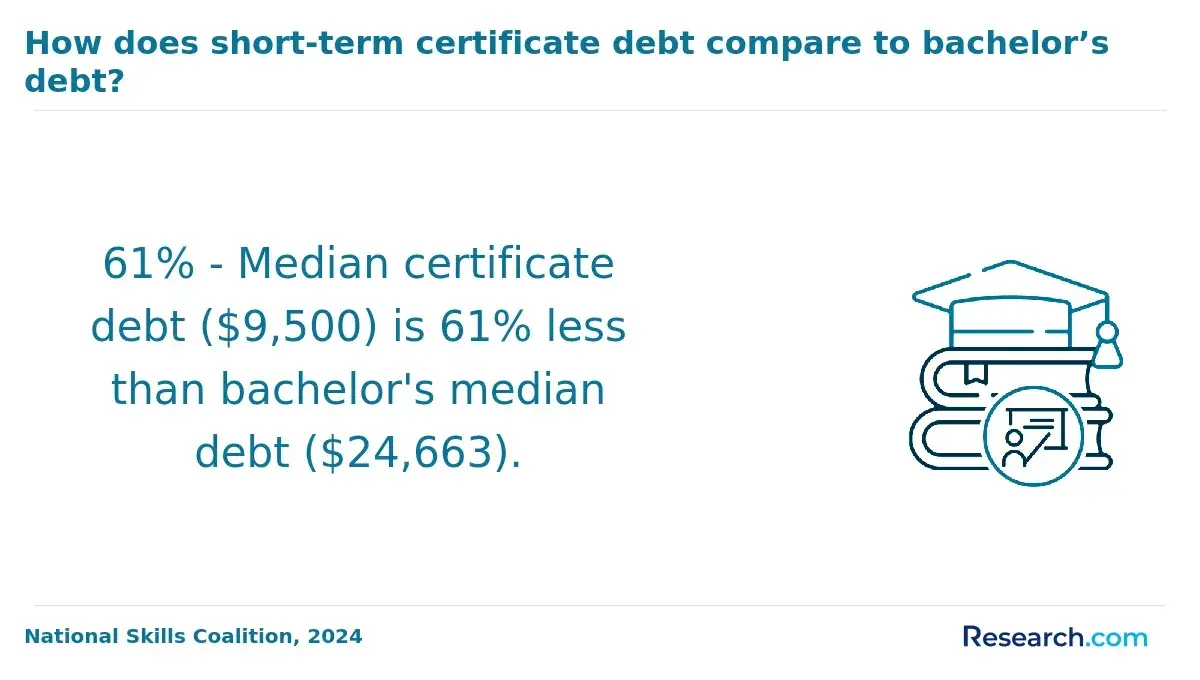
A $0 application fee removes only the charge for applying. The meaningful price is what you expect to pay to finish: tuition for remaining credits, mandatory and program fees, books or software, and any travel or placement costs. Compare the same credential level and credit load across schools; a low per-credit rate can still produce a higher final bill if more credits are required.
Ask each college for an estimate based on your transcripts and intended pace. Find out which transfer credits satisfy degree requirements rather than becoming unused electives, and whether scholarships, employer benefits, or federal aid could lower your out-of-pocket cost. If time to completion matters, compare it alongside price: an online accelerated bachelor's degree may require heavier terms or substantial prior credit.
What Admission Requirements Apply to No-Fee Online Degree Programs?
A free application does not mean open admission. Undergraduate applicants may need a high school diploma or equivalent and transcripts; master's applicants generally need a completed bachelor's degree. Depending on the program, schools may also evaluate GPA, prerequisite courses, recommendations, professional experience, a portfolio, or an active license. Clinical and teacher-preparation programs can have separate selective requirements.
Before submitting materials, read the admissions requirements for your exact degree and ask whether there is a separate departmental application or fee. If you are transferring, request an evaluation showing how prior courses apply to general education, major, and residency requirements. Do not assume that previous graduate courses count toward a new master's degree.
How Long Does It Take to Earn an Online Degree?
Completion time depends on the credits you still need, enrollment pace, course availability, and required experiences. An associate degree usually involves less coursework than a bachelor's degree; master's lengths vary by field and starting preparation. Nursing clinicals, MSW field placements, student teaching, or an engineering capstone may determine the schedule even when classes are online.
Ask for a term-by-term plan based on your accepted credits, not a school's fastest advertised timeline. If work or caregiving makes a fixed schedule difficult, compare online college classes at your own pace with conventional courses - but verify deadlines and required meetings. "Online" alone does not mean self-paced.
What Do You Study in Popular Online Degree Programs?
What you study should determine which degree goes on your shortlist. Business programs may prioritize finance and strategy; IT programs emphasize systems; computer science goes deeper into computing theory and development. Healthcare administration studies organizations, while public health focuses on populations. Licensure-oriented nursing, education, and social-work programs also integrate supervised practice.
Review required courses, not just concentration names. If you want a faster route into a particular occupation, compare the degree with certificates and quick degrees that pay well, then verify the occupation's actual entry requirements. A shorter credential may suit an entry-level goal but may not replace a professional or graduate degree.
Can Online Degrees Lead to Licensure and Certification?
Yes, some online degrees can provide required education for licensure or certification, but the degree alone rarely completes the process. Nursing, teaching, social work, and certain counseling pathways may also require supervised practice, examinations, and a state application. Eligibility depends on the particular program and the state where you intend to practice.
Before enrolling, check the relevant state board's requirements against the program's curriculum and placements. Ask the school whether it accepts students in your state and whether its graduates are educationally eligible for the credential you seek. Do not mistake institutional accreditation for proof that a particular professional program satisfies every state's rules.
What Careers and Salaries Do Online Degrees Support?
Online degrees can support entry, specialization, or advancement, but wages depend on occupation, experience, location, and employer - not application-fee policy. The U.S. Bureau of Labor Statistics reported a $86,070 median annual wage for registered nurses in 2023. That is a wage for employed RNs, not a salary promised to graduates of an online nursing program; RN licensure is required.
Use occupational data as context rather than a return-on-investment guarantee. Compare the education and credentials required for your target job with the program's total cost. For example, software development often calls for substantial programming ability, while clinical social work requires licensure and supervised experience beyond the MSW. A degree is worth considering when its curriculum and credential requirements clearly support your next realistic step.
How Can You Choose a Reputable Online College?
Start with your intended credential and career, then confirm that the college offers that degree online. Check institutional accreditation and, where relevant, programmatic accreditation or state approval. Request written answers about the application fee for your applicant category, total remaining cost, accepted transfer credit, scheduled attendance, and in-person requirements.
Two common mistakes are choosing a college because applying is free and assuming an online degree can be completed from anywhere. A waived fee cannot compensate for a poor program fit, and clinical placements or state authorization may restrict where you can study. Compare offers only after you have a realistic completion plan and know whether the degree meets your professional goal.
Other Things You Should Know About
No. It means the applicable application costs $0. Tuition, mandatory fees, materials, and placement expenses may still apply.
Not necessarily. Confirm that the policy covers the specific graduate program and your applicant category.
A free application does not establish accreditation. Verify the college's institutional accreditation and any program-specific approval your career requires.
Some programs can meet educational requirements, but eligibility varies by state and program. Check the licensing board before enrolling; exams or supervised practice may also be required.
References
- Free College Application Week | Texas Higher Education Coordinating Board https://www.highered.texas.gov/free-college-application-week/
- Price of Attending an Undergraduate Institution - COE https://nces.ed.gov/programs/coe/indicator/cua/price-of-attending-an-undergraduate-institution
- Colorado Free Application Days Instructions https://cdhe.colorado.gov/colorado-free-application-day-instructions
- DAPIP | Homepage - Office of Postsecondary Education (OPE) https://ope.ed.gov/dapip/
- The Basics of School Accreditation | Study in the States https://studyinthestates.dhs.gov/schools/apply/the-basics-of-school-accreditation
- How Do Transfer Credits Work? A Guide for Adult Learners | Whitworth Online https://online.whitworth.edu/news-articles/how-do-transfer-credits-work-when-you-go-back-to-school/
- UC Costs 2025-26 - About the University of Cincinnati https://www.uc.edu/about/financial-aid/starting/costs/costs-2026.html
- Understanding Online Degree Programs: What You Need to Know Before You Apply | Online | University of Arkansas https://online.uark.edu/blog/understanding-online-degree-programs-what-you-need-to-know-before-you-apply.php
- Columbia University Accreditation | Office of the Provost https://provost.columbia.edu/content/columbia-university-accreditation
- List of U.S. Colleges With No Application Fee | bestcolleges.com https://www.bestcolleges.com/resources/colleges-without-application-fees/