2027 Best Degree Programs With Prior Learning Credit

Co-Founder and Chief Data Scientist
You may already know much of what a degree program teaches - but that does not mean a college will award credit for it. A CAEL and WICHE study found that 49% of adult students who received credit for prior learning completed a credential, compared with 27% who did not; the association does not prove the credit caused completion. This guide is for working adults, veterans, and returning students comparing degree paths. It explains which fields are worth investigating, why master's-level credit is harder to obtain, and how to estimate the coursework and cost you would actually have left.
Key Things You Should Know
- Start with the credential: a bachelor's degree commonly requires about 120 semester credits, while master's requirements vary by program. Prior learning must satisfy specific degree requirements, not merely increase a credit total.
- Business and technology programs may offer more opportunities to document professional learning; clinical, student-teaching, and other regulated requirements are usually harder to replace.
- Ask for a written, program-specific evaluation of eligible examinations, military education, credentials, and prior coursework before relying on a school's advertised credit limit or completion timeline.
Top 10 Best Degree Programs With Prior Learning Credit
Business Programs
An MBA or master's in management may suit experienced professionals seeking broader finance, operations, and leadership skills. Some schools assess professional certifications or graduate-level training, but managerial experience alone rarely replaces MBA courses. Check whether an award applies to a required course rather than an elective, and whether the program permits any graduate prior-learning credit. If your goal is to turn extensive work experience into the greatest possible number of credits, a business bachelor's completion program may be a better starting point.
Healthcare Programs
Master's programs in healthcare administration or health informatics can build on clinical or administrative experience without necessarily preparing graduates for a clinical license. Relevant professional training may qualify for assessment where policy allows, but schools may still require graduate-level research, policy, and capstone work. Distinguish an administrative degree from a clinical program before applying. Ask whether your credential counts toward a named course and whether an internship, residency, or local placement remains mandatory.
Information Technology Programs
A master's in information technology may fit professionals moving into systems, cybersecurity, or IT leadership. Industry certifications and documented technical training are promising items to submit for review, not automatic graduate credit. Programs may instead use them to waive an introductory prerequisite without reducing degree credits. Compare the remaining courses, certification currency rules, and capstone requirements; a certificate may be more efficient if you need one narrow skill rather than a graduate credential.
Computer Science Programs
Computer science master's programs often emphasize algorithms, advanced computing, and substantial project or research work. A software portfolio may strengthen an application, but it does not necessarily meet graduate course outcomes. Applicants from other majors may also need foundation courses that do not count toward the master's degree. Ask whether professional learning earns degree credit, satisfies a prerequisite, or only supports admission. Choose this route over a general IT degree when deeper computing theory matches your goal.
Nursing Programs
MSN programs generally require an RN license and specified prior nursing education; some pathways are designed for nurses entering with an associate degree. Previous clinical practice can support admission or specialty selection, but required supervised clinical hours and competency standards cannot simply be assumed away. Verify the program's nursing accreditation, state authorization, placement arrangements, and whether it meets requirements for your intended advanced-practice or educator role. An RN-to-BSN pathway may offer a different credit opportunity than the subsequent MSN.
Psychology Programs
A master's in psychology may emphasize research, applied psychology, or preparation for further study. Professional experience in human services could be relevant to a portfolio review, but research methods and supervised practice may remain required. A general psychology master's does not automatically qualify a graduate for psychologist licensure; that typically requires a doctoral credential and additional state requirements. If counseling practice is the goal, compare programs designed for the specific license rather than choosing on potential credit alone.
Education Programs
Master's degrees in education can serve licensed teachers seeking specialization and career changers pursuing initial certification, but these are different pathways. Prior teaching or professional training may be considered under a school's policy, while student teaching and state-required preparation may still apply to initial licensure. Confirm whether the program leads to the credential required in your state. A master's for practicing educators may offer a better fit for an experienced teacher than an initial-licensure track, even if neither awards much experiential credit.
Criminal Justice Programs
A criminal justice master's may focus on policy, administration, research, or public safety leadership. Documented academy training and military education are worth submitting for evaluation, although undergraduate credit recommendations do not automatically become graduate credit. Schools may require graduate research and a capstone regardless of professional tenure. Compare this degree with public administration if your target role is broader government management. Promotion rules vary by employer, and the degree alone does not establish eligibility for a particular position.
Engineering Programs
An engineering master's usually builds on substantial mathematics and discipline-specific undergraduate preparation. Licenses, employer training, or technical experience may help demonstrate readiness, but laboratories and advanced engineering courses may have little room for prior-learning substitution. Check prerequisites, whether the program is thesis or coursework based, and any campus laboratory requirements. If professional engineer licensure is your aim, review your state board's education and experience rules separately; earning a master's does not itself confer a license.
Social Work Programs
An MSW is generally the relevant graduate degree for social work practice, but professional experience alone is not the same as graduate social work education. Advanced-standing MSW pathways are commonly designed for eligible graduates of accredited BSW programs; they should not be confused with open-ended credit for work or life experience. Field education and state licensing requirements remain central. Confirm your BSW's eligibility, the program's accreditation, placement logistics, and the requirements for the social work license you intend to pursue.
What Is Credit for Prior Learning and How Does It Work?
Credit for prior learning (CPL), also called prior-learning assessment (PLA), is academic credit awarded after a school evaluates college-level learning acquired outside a conventional course. Possible evidence includes examinations, military education, employer training, professional credentials, and portfolios demonstrating specific learning outcomes. Work history by itself is not a credit award.
The school decides whether learning meets its standards and where any awarded credit fits: general education, a major, an elective, or a particular course. Policies differ sharply between undergraduate and graduate programs. A credential might waive a prerequisite yet leave the total credits required for the degree unchanged. Request both a credit decision and an updated degree plan showing what remains.
Which Degree Programs Accept the Most Prior Learning Credit?
The most promising program is the one that can apply your documented learning to requirements you still need. Broad undergraduate completion degrees may have room for general education and elective awards. Specialized master's programs commonly have fewer interchangeable requirements, and regulated practice programs must account for external standards.
The comparison below describes where credit may fit - not a promise that a particular school awards it. If you are choosing among college majors, weigh your career goal alongside the credit you can actually use.
| Program type | Potential fit for prior learning | Main limitation to check |
| Business or interdisciplinary bachelor's completion | Documented training, examinations, or portfolio learning may fit electives or other requirements. | Major courses and institutional residency may limit usable credit. |
| IT or applied technology bachelor's | Current certifications and technical training may align with defined courses. | Certification age and course equivalency may matter. |
| Business or IT master's | Some programs may assess qualifying graduate-level training. | Experience may waive prerequisites without reducing degree credits. |
| Licensure-oriented master's | Eligible prior degrees may support a defined bridge or advanced-standing route. | Accreditation, clinical, field, and state requirements constrain substitutions. |
How Much College Credit Can You Earn for Prior Learning?
There is no universal prior-learning credit maximum. A school may set separate limits for examinations, portfolios, military learning, and all nontraditional credit combined. It may also require a minimum number of credits completed through the institution. Graduate programs can have stricter rules - or no experiential-credit route at all.
Start with the degree audit, not the largest number in an advertisement. For example, an elective award has little value if you have already fulfilled every elective and still need major courses. Ask the registrar or program director to identify the award category, any overall cap, the residency minimum, and which remaining requirement each proposed credit would satisfy.
How Do Schools Assess Work, Military, and Life Experience?
Schools assess learning rather than time served. Examinations measure knowledge against established subject outcomes. Portfolios generally pair evidence - such as projects, training records, and reflective explanations - with a faculty review. Military education may be considered using formal training records and applicable credit recommendations; a recommendation is not an institutional award. Professional licenses and certifications may also be mapped to specific courses when a policy permits it.
To obtain a useful decision, submit official transcripts and training records early, then ask which evidence and fees each assessment requires. Confirm whether an unsuccessful assessment can be revised and whether credit awarded by one institution will transfer to another; receiving schools make their own decisions.
Are Online Degree Programs With Prior Learning Credit Accredited?
Online delivery and accreditation are separate questions. An online degree may be offered by an institution accredited by an agency recognized by the U.S. Department of Education, but you must verify the particular institution. For nursing, social work, teacher preparation, and other regulated fields, check relevant programmatic accreditation and state eligibility as well.
Do not assume "online" means no scheduled meetings or in-person obligations. Clinical placements, practicums, laboratories, examinations, and residencies may remain. Before enrolling, confirm both that the program accepts the proposed form of prior learning at your degree level and that you can complete its location-specific requirements.
What Are the Admission Requirements for Prior Learning Credit?
Prior-learning assessment usually comes after admission eligibility is established; it is not a substitute for meeting admission requirements. A bachelor's completion program may require previous college coursework. A master's ordinarily requires a bachelor's degree and may specify prerequisites, a minimum academic record, a professional license, or relevant experience. Selective programs may impose requirements beyond general university admission.
Ask whether an evaluation is available before you commit to enrolling and whether official documents must arrive by a deadline. A work portfolio might support admission but earn no credit, while an examination might earn credit without satisfying a program prerequisite. Get each decision identified separately in writing.
How Much Do Degree Programs With Prior Learning Credit Cost?
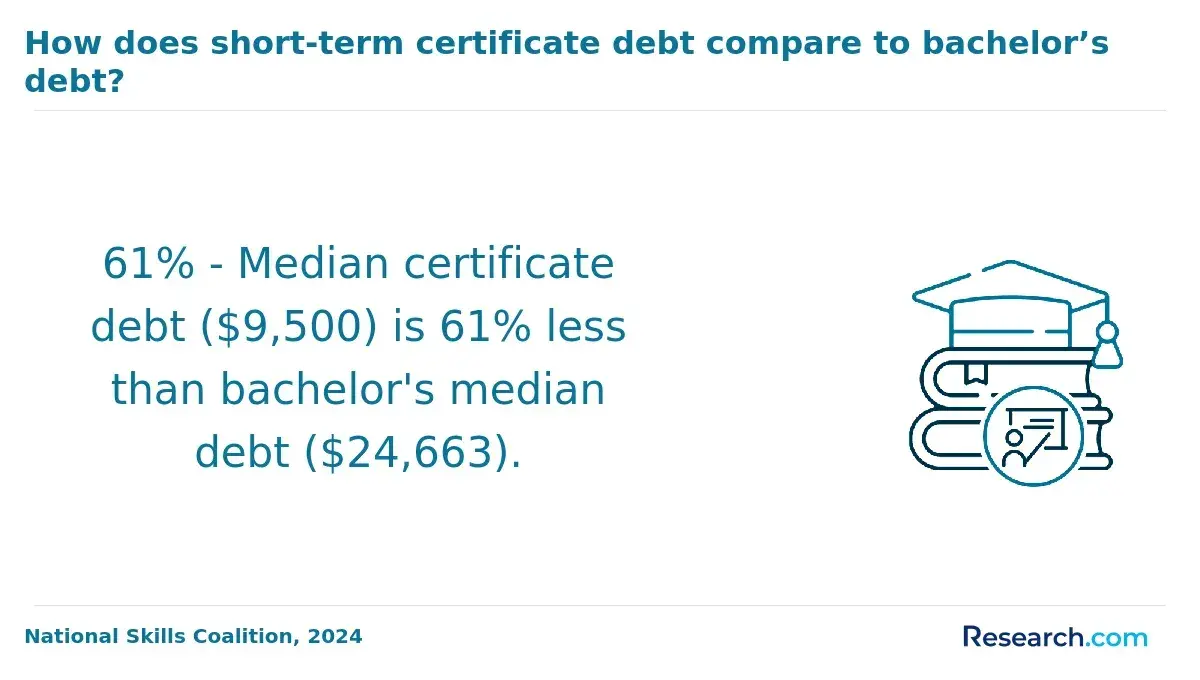
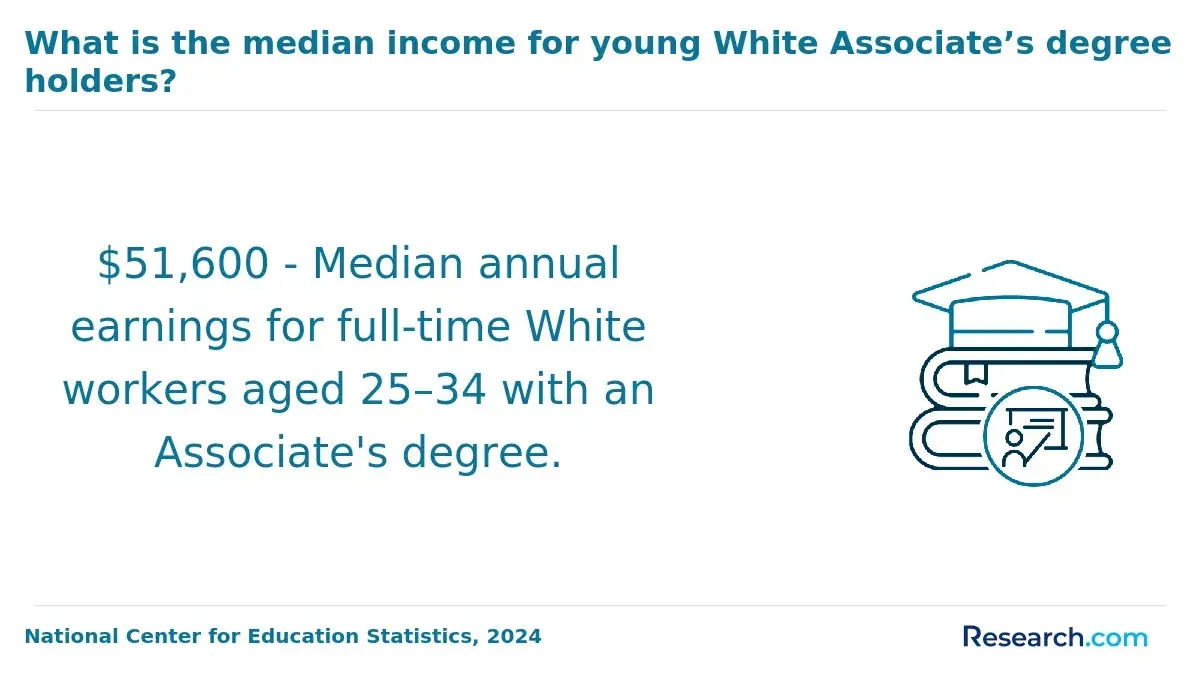
The meaningful price is the cost of finishing your specific degree plan, not tuition per credit alone. Prior-learning awards may reduce billable coursework, but assessment fees and remaining fixed charges can offset some savings. Financial aid generally supports eligible enrollment, not an assumption that every assessment fee is covered.
These cost categories help distinguish a low advertised rate from a lower total completion cost. Compare them after the school evaluates your records; accelerated college programs can be useful alternatives, but faster pacing may not reduce every fee or fit every work schedule.
| Cost category | Why it matters |
| Remaining tuition | Depends on credits still required and the tuition rate applicable to your program. |
| Assessment and transcript fees | May be charged even when an assessment awards little usable credit. |
| Mandatory and program fees | Technology, laboratory, clinical, or other charges may remain. |
| Placement or travel expenses | Online coursework may still involve local practice or campus attendance. |
Undergraduate students may qualify for federal Pell Grants if they meet eligibility rules; graduate students do not receive Pell Grants. Ask the financial aid office how an adjusted degree plan affects your aid eligibility and employer tuition benefits.
How Long Do These Degree Programs Take to Complete?
Completion time depends on credits still applicable to the degree, course availability, enrollment intensity, and required projects or placements. A bachelor's student with accepted credits that fill required courses may finish sooner than a new entrant. A master's student whose professional experience only waives a prerequisite may have fewer preparatory courses but the same graduate credit requirement.
Request a term-by-term plan based on your actual evaluation. Check whether a capstone runs only in certain terms, whether part-time study is allowed, and when clinical or field placements begin. Even an unusually short advertised pathway assumes specific preparation; graduate credit does not automatically carry into doctoral study. Readers considering 1 year PhD programs online no dissertation should evaluate doctoral admission and completion claims separately from a master's PLA policy.
What Careers and Salaries Can These Degree Programs Lead To?
Career fit matters more than the largest possible credit award. A business degree may support a move into administration; an IT or computer science degree may build technical depth; nursing, education, and social work roles can require particular licenses. Experience, location, employer, and further credentials also affect opportunities. If earnings drive your choice, compare what degrees make the most money with the actual requirements and cost of the role you want.
The U.S. Bureau of Labor Statistics reports the following May 2024 occupational median wages. They describe workers in those occupations - not the earnings of graduates or the financial return from receiving prior-learning credit.
| Occupation | May 2024 median annual wage | Important qualification |
| Registered nurses | $93,600 | Nursing education and an RN license are required; an MSN is not necessary for every RN role. |
| Software developers | $133,080 | Employers assess technical ability; a computer science master's is not universally required. |
| Social workers | $61,330 | Education and licensing requirements vary by role and state. |
Before paying for an assessment, identify your target role, check its credential rules, and compare the remaining program cost with a certificate, a bachelor's completion route, or a conventional master's. An award is valuable when it moves you toward the right credential - not simply when it adds credits.
Other Things You Should Know About
Usually not for time worked alone. A school must assess documented college-level learning against its courses or learning outcomes, and its policy must permit the award.
Sometimes, but graduate rules are often more restrictive than undergraduate rules. Ask whether a credential or assessment reduces required graduate credits, waives a prerequisite, or affects only admission.
No. Formal military education may be eligible for evaluation, but the college decides what to award and whether it applies to your chosen degree.
Ask for a written credit evaluation and degree audit showing accepted credit, remaining requirements, assessment fees, institutional residency rules, and a realistic course schedule.
References
- PLA With A Purpose - Ohio Department of Higher Education https://highered.ohio.gov/wps/portal/gov/odhe/initiatives/access-acceleration/credit-for-prior-learning/pla/pla/pla-with-a-purpose
- Accreditation in the U.S. | ed.gov http://www.ed.gov/laws-and-policy/higher-education-laws-and-policy/college-accreditation/accreditation-in-the-us
- TNReconnect | Prior Learning Assessment Information https://tnreconnect.gov/Choose-a-Degree-College-Path/Prior-Learning-Assessment-Information
- Rule 3358:5-7-12 | Prior learning assessment policy. https://codes.ohio.gov/ohio-administrative-code/rule-3358:5-7-12
- Education credits - AOTC and LLC | Internal Revenue Service https://www.irs.gov/credits-deductions/individuals/education-credits-aotc-and-llc
- Credit for Prior Learning (CPL) Procedure #3.3501.0001 | South Central College https://www.southcentral.edu/student-policies/credit-for-prior-learning-cpl-procedure.html
- Student Guide to Credit For Prior Learning - acenet.edu https://www.acenet.edu/Programs-Services/Pages/Credit-Transcripts/Student-Guide-to-Credit-for-Prior-Learning.aspx
- The Current State of Prior Learning Policies | WICHE https://www.wiche.edu/key-initiatives/recognition-of-learning/pla-policies/
- Methods of Earning Credit | Thomas Edison State University https://www.tesu.edu/admissions/methods-of-earning-credit/
- Credit for Prior Learning (CPL) | BCTC https://bluegrass.kctcs.edu/education-training/credit-for-prior-learning/index.aspx