2027 Best Online Colleges With Part-Time Study Options

Co-Founder and Chief Data Scientist
Choosing an online college is harder when you cannot study full-time: a program may offer online classes but still require live meetings, fixed course sequences, or daytime placements. NCES reports that more than half of U.S. postsecondary students took at least one distance-education course in fall 2022. Online study is common, but its schedule is not automatically flexible.
This guide is for working adults and other students planning a lighter course load. It compares colleges and program types, then shows you how to check whether a degree fits your time, budget, and career goal.
Key Things You Should Know
- The best part-time online college is the one that offers your intended degree at a sustainable course load - not merely an online catalog or short classes.
- For federal Direct Loans, students generally must enroll at least half-time; the school defines half-time for the applicable program, and taking fewer courses can change aid eligibility.
- Check live meetings, required placements, course sequencing, accreditation, and total remaining cost before enrolling; these can matter more than advertised flexibility.
Top 10 Best Online Colleges With Part-Time Study Options
Business Programs
Online MBA and specialized master's programs in accounting, finance, or management can suit professionals seeking advancement without leaving work. Penn State World Campus offers an online MBA, while Southern New Hampshire University (SNHU) offers online business master's degrees. Compare whether a program permits one course at a time, when required courses run, and whether team projects involve scheduled meetings. An MBA is broad; a specialized degree may fit a specific role better. Confirm the current part-time plan and total tuition with the school rather than assuming its advertised completion time applies to a lighter load.
Healthcare Programs
Online master's programs in healthcare administration and public health prepare students for different goals: organizational leadership versus population health and policy. SNHU offers an online master's in healthcare administration. A working student should compare course deadlines, internship or applied-project requirements, and whether prior healthcare experience is expected. An administration degree does not confer a clinical license. If you want patient-facing practice, check the specific profession's education and licensing route instead.
Information Technology Programs
Online master's programs in information technology commonly cover systems, cybersecurity, data management, or IT leadership. The University of Maryland Global Campus (UMGC) offers online graduate IT programs. These may fit professionals moving from technical work toward architecture or management, but a degree is not a substitute for current hands-on skills. Ask whether courses require live labs, group meetings, or technical prerequisites, and whether your employer values a focused certification more than another degree.
Computer Science Programs
Computer science master's programs typically emphasize algorithms, software, computing systems, or specialized technical study. Arizona State University offers an online Master of Computer Science. This path may suit applicants with substantial computing preparation; career changers should check prerequisite and foundation courses before comparing time or price. Determine whether the curriculum includes a project or other culminating requirement and whether the school allows a manageable part-time course sequence. Online delivery does not mean the coursework is self-paced.
Nursing Programs
Online Master of Science in Nursing programs serve licensed nurses pursuing areas such as education, leadership, or advanced practice. SNHU offers online MSN options, but applicants should verify the track's admission and licensure requirements. Clinical or practicum hours may have to be completed in person, even when courses are online. For an advanced-practice goal, confirm that the specific track meets your state's requirements and that approved placements are feasible alongside work. A general online MSN is not interchangeable with every specialty track.
Psychology Programs
Online psychology master's degrees can support research, organizational, or behavioral-science interests. SNHU offers an online master's in psychology. Before enrolling, distinguish an academic psychology degree from a clinical counseling or psychology licensure pathway: the latter may require a specifically designed program, supervised practice, examinations, and further education. Working adults should also check how research methods, projects, and any scheduled activities fit their weekly availability. Choose by the job's actual requirements, not the degree title alone.
Education Programs
Online education master's programs may focus on curriculum, instructional design, or educational leadership. Penn State World Campus offers online graduate education programs. A non-licensure curriculum degree may suit an experienced educator seeking new skills; an initial-teaching or administrator-licensure goal requires a closer check of state approval, prior credentials, and any student-teaching or fieldwork rules. Ask whether courses are offered often enough to maintain a part-time sequence and whether placements can be arranged near home.
Criminal Justice Programs
Online criminal justice master's programs examine policy, administration, and justice-system research. UMGC offers an online master's in criminal justice management. This may fit experienced public-safety professionals interested in administrative work, but it does not replace an agency's hiring, training, or promotion requirements. Compare writing and capstone demands, elective relevance, and whether your preferred pace delays a required final course. Applicants seeking a specific federal or state role should review that employer's qualifications first.
Engineering Programs
Online engineering master's programs often target employed engineers seeking deeper technical knowledge or management preparation. Penn State World Campus offers online engineering graduate programs. Admissions may require an engineering or closely related background, and some courses can have prerequisites or limited scheduling. Compare the exact discipline - not just the engineering label - with your work goals. Ask about laboratories, team projects, and the availability of a part-time sequence; a management-focused master's will not provide the same preparation as a technical specialty.
Social Work Programs
Online Master of Social Work (MSW) programs combine coursework with supervised field education. Arizona State University offers an online MSW. A part-time schedule can make classes easier to manage, but field placements still require substantial time and may occur during standard business hours. Check whether the program's accreditation and curriculum support your intended state licensure path. Applicants with a qualifying bachelor's in social work may be eligible for advanced standing; everyone else should compare the standard pathway's remaining requirements.
What are the benefits of part-time online college for working adults?
Part-time online study lets working adults spread coursework across more terms while keeping their jobs and other commitments. The trade-off is a longer path to completion; it may also mean fewer courses are available in a given term. The best college is therefore the one whose specific degree has a repeatable schedule you can maintain.
These colleges offer substantial online degree catalogs, but they differ in program mix. Use the comparison to narrow your search, then confirm part-time enrollment and the upcoming course schedule for your chosen degree.
| Online college | Useful starting point | Part-time question to resolve |
| Penn State World Campus | Undergraduate and graduate degrees, including professional master's programs | Are required courses offered in terms that support your intended pace? |
| Arizona State University Online | Broad undergraduate and graduate selection | Does your program allow your preferred course load each term? |
| Southern New Hampshire University | Online bachelor's and career-oriented master's degrees | How do the program's term deadlines and group assignments fit your workweek? |
| University of Maryland Global Campus | Online degrees with a focus on adult and working learners | Which major requirements remain after your credits are evaluated? |
Do not treat this as a ranking: none of these colleges is best for every major or schedule. Request a degree-specific plan showing the courses you would take in your first terms, including any courses offered infrequently.
How do you verify accreditation for an online college?
Verify the college's institutional accreditation through the U.S. Department of Education's accreditation database or the accreditor itself. Search the institution's exact name, confirm that accreditation is current, and check that the campus or online division awarding your degree is covered. Institutional accreditation is important for federal aid eligibility and can affect credit acceptance, but another school still decides whether to accept particular transfer courses.
Some careers require an additional check. For a nursing, social work, counseling, teaching, or engineering goal, ask the relevant state board which program approvals or specialized accreditations it requires. A college can be institutionally accredited while a particular program does not meet your state's licensing rules. Get the answer for your degree and state before paying a deposit.
What part-time online degree programs and certificates are available?
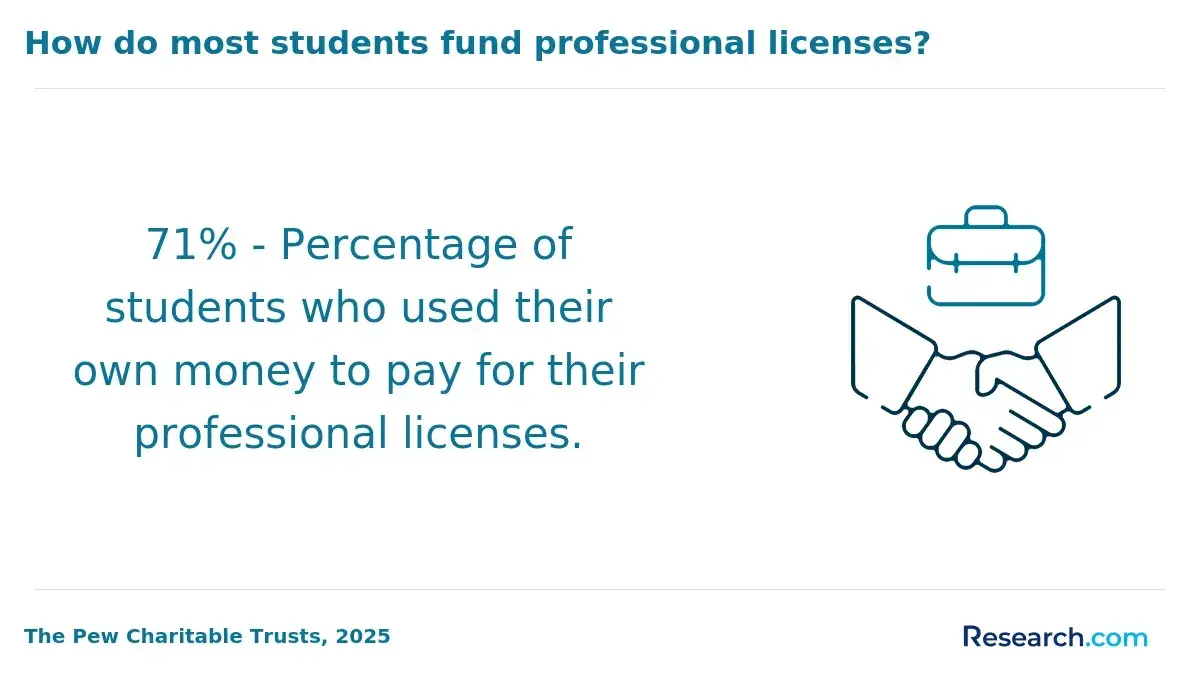
Part-time online options span associate degrees, bachelor's degrees, master's degrees, and undergraduate or graduate certificates. Associate programs can support entry-level goals or transfer; bachelor's programs provide a broader degree; master's programs usually require a bachelor's degree and offer advanced study. A certificate is narrower and may take fewer courses, but it does not substitute for a degree or professional license when one is required.
If your goal is a targeted skill rather than a full degree, compare certificates with quick certifications that pay well. Check the credential an employer actually requests: an academic certificate and an industry certification are different. Also ask whether certificate credits can later count toward a degree; do not assume they will.
How do online colleges compare with campus-based programs?
Online programs replace regular campus attendance with digital coursework, but they may still have live classes, fixed deadlines, or in-person experiences. Campus programs provide face-to-face access and facilities, often with less location flexibility. Neither format is inherently better academically; compare the requirements of the particular programs you could attend.
This comparison highlights the practical trade-offs for a student planning to enroll part-time. Confirm the details in the course schedule rather than relying on the word "online."
| Factor | Online program | Campus-based program |
| Travel | Usually less routine commuting; placements or residencies may remain | Regular travel may be required |
| Scheduling | May be asynchronous or have scheduled meetings and deadlines | Class meeting times are usually published in advance |
| Hands-on work | May require local sites, labs, or campus visits | Campus facilities may be easier to access |
| Part-time fit | Depends on course availability and minimum enrollment rules | Depends on evening offerings, commute, and course availability |
What are the admission requirements for part-time online programs?
Requirements depend on the credential and major. Undergraduate applicants commonly submit prior-school records; graduate applicants generally need a bachelor's degree and may face program-specific GPA, prerequisite, experience, portfolio, or licensure requirements. A college's general admission policy does not override selective admission to a nursing or other specialized program. Never assume an online program waives standardized tests or prerequisites without checking its current admissions page.
Returning students should request a written transfer evaluation showing which accepted credits fulfill the intended degree's requirements. Ask about grade and course-age rules, the minimum credits that must be earned at the college, and whether approved prior-learning assessments are available. Acceptance of a course as elective credit does not mean it replaces a required major course.
How long do part-time online college programs take and cost?
Completion time depends on remaining credits, courses taken per term, prerequisites, and how often required classes run. A lighter course load generally extends the calendar, even if individual classes use short terms. Clinicals, fieldwork, student teaching, and capstones can limit how slowly - or quickly - you can progress. Ask each college for a term-by-term plan based on your actual transfer evaluation.
Compare total remaining cost, not just tuition per credit: include mandatory and program fees, books, equipment, travel, and placement expenses. Financial aid may change with enrollment intensity. Federal Direct Loans generally require at least half-time enrollment under the school's definition; Pell Grant eligibility for undergraduates follows different enrollment-intensity rules. If price is decisive, use cheapest online colleges that accept FAFSA as a starting point, then request a personalized aid estimate and program-cost breakdown. Ask your employer about tuition assistance before choosing a payment plan.
What courses and learning formats do part-time online programs include?
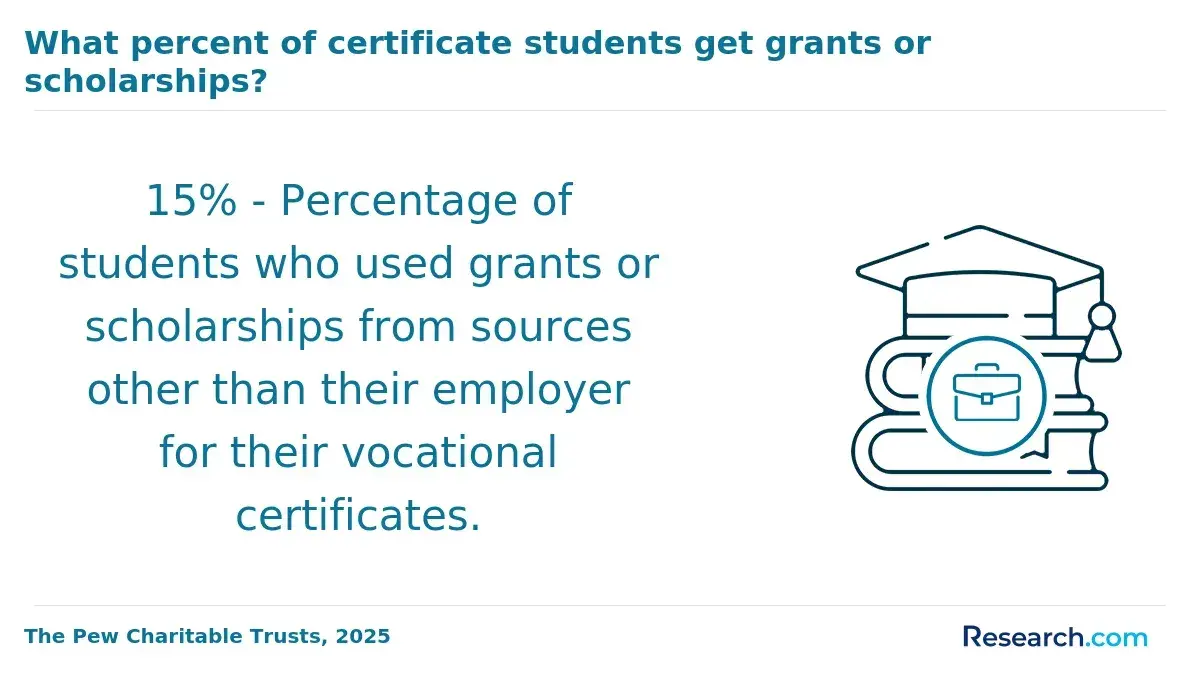
Online courses may include recorded lectures, readings, discussion boards, quizzes, group projects, virtual labs, and scheduled video meetings. Asynchronous access means you can often choose when to complete work; it does not mean there are no deadlines. Some programs also require in-person clinicals, practicums, student teaching, or residencies.
To test whether a program fits your week, request sample syllabi for early and advanced courses. Check assignment due dates, live attendance rules, group-work expectations, examination arrangements, and the hours required for placements. A predictable weekly workload can be more useful to a working adult than a short course term with intensive deadlines.
What careers and salaries can online college graduates expect?
Career outcomes depend on the field, local market, experience, and any required license - not whether classes were online. For context, the U.S. Bureau of Labor Statistics reports a May 2024 median annual wage of $93,600 for registered nurses. That is an occupational median, not the expected pay for an online nursing graduate; RN practice also requires the appropriate education and state licensure.
Before choosing a major, compare the jobs it can realistically prepare you for with the credential and experience employers request. Lists of most lucrative college majors can suggest fields to investigate, but occupational pay does not prove that a particular college or degree will deliver that income. If you already work in the field, ask whether the credential qualifies you for a defined responsibility or advancement opportunity.
Which certifications and licenses require accredited online programs?
Licensing and certification rules attach to the occupation, not to the phrase "online degree." Nursing, teaching, clinical social work, and some counseling paths can require state-approved education, examinations, and supervised experience. Some certifications have separate training or experience conditions; others may not require a degree at all. Check the regulator or credentialing body for the state and role you want, then confirm the program's eligibility with the college in writing.
For a technical or narrowly defined career goal, compare degree study with certifications for jobs. The common mistake is choosing a credential because it sounds relevant without checking whether it meets the employer's or licensing board's actual requirement. Accreditation, curriculum, placements, and examination eligibility all deserve a separate check.
Other Things You Should Know About
Often, but it depends on the college and program. Confirm minimum enrollment, required-course availability, and how a one-course load affects financial aid.
An online degree is awarded by the institution, but employer decisions vary. Focus on appropriate accreditation, relevant coursework, and the skills or license the job requires.
It can spread payments out, but it does not necessarily reduce total tuition. Additional terms, fees, and changes in aid may increase the overall cost.
Not necessarily. Ask about residencies, labs, proctored activities, and local clinical or field placements for the exact program you want.
References
- Academic Years, Academic Calendars, Payment Periods, and Disbursements | 2025-2026 Federal Student Aid Handbook https://fsapartners.ed.gov/knowledge-center/fsa-handbook/2025-2026/vol3/ch1-academic-years-academic-calendars-payment-periods-and-disbursements
- Credit for Prior Learning - Transfer Credit Ohio https://transfercredit.ohio.gov/students/student-programs/Prior-Learning-Assessments
- Principles of Good Practice for Distance Education | texas.gov https://reportcenter.highered.texas.gov/agency-publication/miscellaneous/principles-of-good-practice-approved-oct-2023/
- Undergraduate Retention and Graduation Rates - COE https://nces.ed.gov/programs/coe/indicator/ctr/undergrad-retention-graduation
- Types of Financial Aid: Grants, Work-Study, and Loans | studentaid.gov https://studentaid.gov/understand-aid/types
- How Long Are Community College Programs? | Edison State Community College https://www.edisonohio.edu/blog/how-long-are-community-college-programs
- Credit for Prior Learning | rcc.edu https://www.rcc.edu/academics/cpl/index.html
- How Do Transfer Credits Work? A Guide for Adult Learners | Whitworth Online https://online.whitworth.edu/news-articles/how-do-transfer-credits-work-when-you-go-back-to-school/
- Paying for College | schev.edu https://www.schev.edu/students/paying-for-college
- How Long Does It Take to Get a Bachelor's Degree? | University of Kansas https://admissions.ku.edu/blog/How-Long-Does-It-Take-to-Get-a-Bachelors-Degree