2027 Physical Education Degree Popularity by Gender, Region, and Degree Level

Co-Founder and Chief Data Scientist
When a student compares Physical Education enrollment data across states in 2024, they find stark contrasts: women comprise over 60% of enrollees in the Northeast but less than 40% in the South. These variations affect program dynamics, including peer support and resource allocation, raising questions about how regional culture influences access and interest. Degree-level trends further complicate decisions-associate degrees show rising enrollment in community colleges, while bachelor's programs decline in some metros.
Understanding these patterns is vital since they shape perceptions of program quality and forecast workforce readiness in education and health sectors. This article examines Physical Education degree popularity by gender, region, and degree level to clarify these implications and support informed educational choices.
Key Things to Know About Physical Education Degree Popularity by Gender, Region, and Degree Level
- Male enrollment dominates bachelor's physical education degrees, reflecting persistent gender norms in sports-related roles; this may limit female representation in leadership positions within physical activity fields.
- Southern U.S. regions show 15% higher associate degree enrollment, indicating cost and access tradeoffs that influence workforce entry timing and credential levels.
- Graduate-level physical education uptake grows in urban areas with professional sports hubs, reflecting employer demand for advanced expertise and specialization in competitive markets.
- Key Things to Know About Physical Education Degree Popularity by Gender, Region, and Degree Level Key Things to Know About Physical Education Degree Popularity by Gender, Region, and Degree Level
- How Does Job Market Demand Influence Physical Education Degree Popularity? Market Demand and Degree Popularity
- How Does Online Physical Education Degree Enrollment Compare to Traditional Campus Programs? Online vs. Campus Enrollment
- What Degree Level Is Most Common Among Physical Education Students? Most Common Degree Levels
- How Do Enrollment Trends Differ Between Associate, Bachelor's, Master's, and Doctoral Physical Education Degrees? Enrollment Trends by Degree Level
- How Popular Is the Physical Education Degree Compared to Other College Majors? Degree Popularity vs. Other Majors
- Why Is the Physical Education Degree More Popular in Certain States and Regions? Regional Popularity Drivers
- What Demographic Groups Are Driving Growth in Physical Education Degree Programs? Growth by Demographic Groups
- What Is the Future Outlook for Physical Education Degree Enrollment by Gender, Region, and Degree Level? What Is the Future Outlook for Physical Education Degree Enrollment by Gender, Region, and Degree Level?
- How Have Physical Education Degree Enrollment Trends Changed Over the Past Decade? How Have Physical Education Degree Enrollment Trends Changed Over the Past Decade?
- Where Is the Physical Education Degree Most Popular Across the United States? Geographic Popularity Analysis
How Does Job Market Demand Influence Physical Education Degree Popularity?
Job market demand for physical education degrees in the US plays a pivotal role in shaping who enrolls and where these programs gain traction, but this influence varies widely by region and degree level. States with higher rates of obesity and chronic health conditions often have stronger public health initiatives that spur enrollment in physical education programs, particularly at the bachelor's level, where foundational qualifications meet employer expectations for entry-level fitness and wellness roles. For example, Southern states with concentrated healthcare investments have seen steady interest in physical education degrees, partially because local employers emphasize certifications like CPR alongside academic credentials, a factor compelling many students to pursue undergraduate programs rather than advanced degrees. However, this regional variation also interacts with gender participation, as some areas report greater female enrollment driven by local educational outreach and gender-targeted career campaigns alongside evolving labor needs.
Enrollment patterns in physical education do not always mirror direct labor market growth, as the complexity of employer demands and credentialing influences student decisions across degree levels. While demand for fitness trainers and related professions grows at an 11% projected rate nationwide, many employers increasingly require specialized licenses beyond a degree, affecting the popularity of graduate programs which cater to athletic training or exercise physiology roles. This regulatory nuance often leads potential students to weigh the benefits of advanced education against the costs and time required, with many opting instead for bachelor's degrees combined with certification routes. Additionally, disparities in program availability by region can reduce responsiveness to job opportunities, highlighting practical tradeoffs in pursuing physical education degrees that balance long-term employability with immediate local labor market realities. Those considering this pathway can benefit from exploring focused options like the DNP program online for fields where advanced practice credentials intersect with fitness and health education trends.
How Does Online Physical Education Degree Enrollment Compare to Traditional Campus Programs?
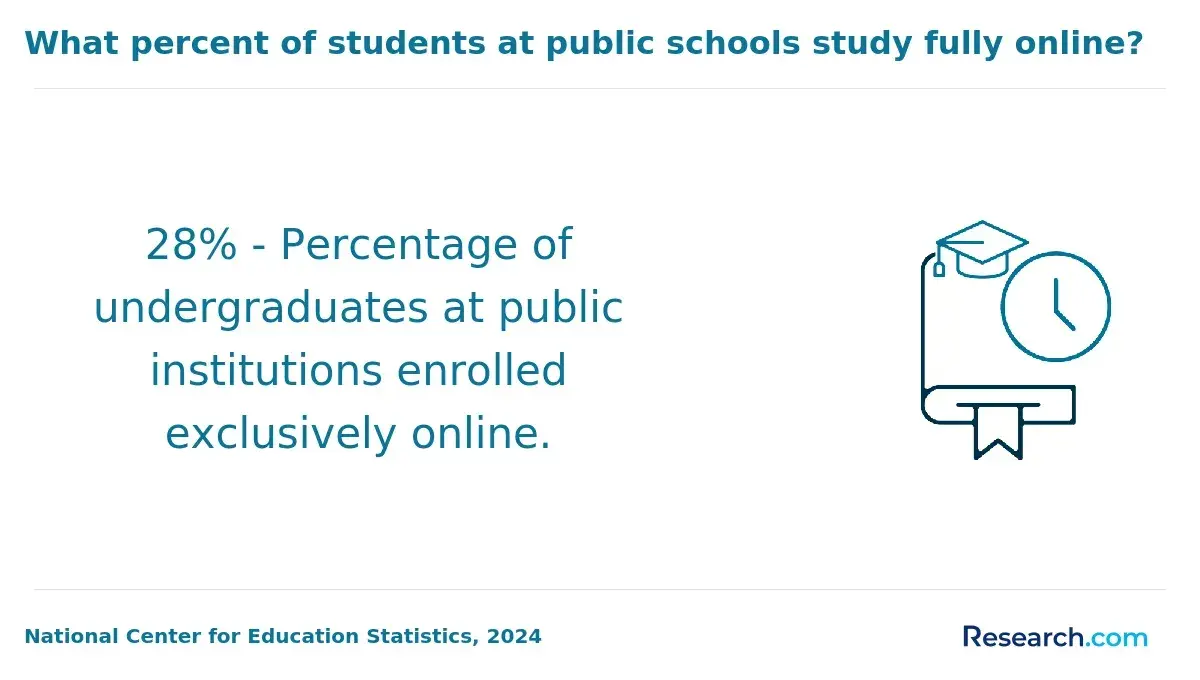
Enrollment in online physical education programs is expanding more rapidly than traditional campus-based offerings, driven largely by older students and those balancing education with work or family commitments. The National Center for Education Statistics reports that online physical education enrollments now comprise about 35% of total participation, growing at an 8% annual rate since 2020, compared to just 2% growth for campus programs. This shift reflects how online formats provide crucial flexibility and access for learners in rural or underserved regions, though they often attract a different demographic profile than traditional pathways, which tend to enroll younger, full-time students aged 18 to 24.
However, this divergence raises important considerations for prospective students. Campus programs still maintain advantages in integrating hands-on training such as internships and supervised physical activities that many employers regard as essential for skill development and employability in education and health sectors. Completion rates also differ, with online students averaging around 58% compared to approximately 70% on campuses, a gap influenced by factors like limited in-person support and practical experiences. Therefore, students must weigh whether increased accessibility through online study outweighs potential impacts on program rigor, networking, and experiential learning opportunities fundamental to physical education careers.
One recent graduate recalled how geographic constraints shaped their choice: living several hours from the nearest university offering a physical education degree, they initially hesitated about enrolling online due to concerns about missing campus interaction and hands-on practicum components. Yet the flexibility of the online program allowed them to continue working full-time, and required local partnerships for practical sessions mitigated some apprehensions. While they noted the experience differed markedly from a traditional campus environment, the decision ultimately balanced accessibility against perceived trade-offs, reflecting a common tension for students navigating these diverging educational routes.
What Degree Level Is Most Common Among Physical Education Students?
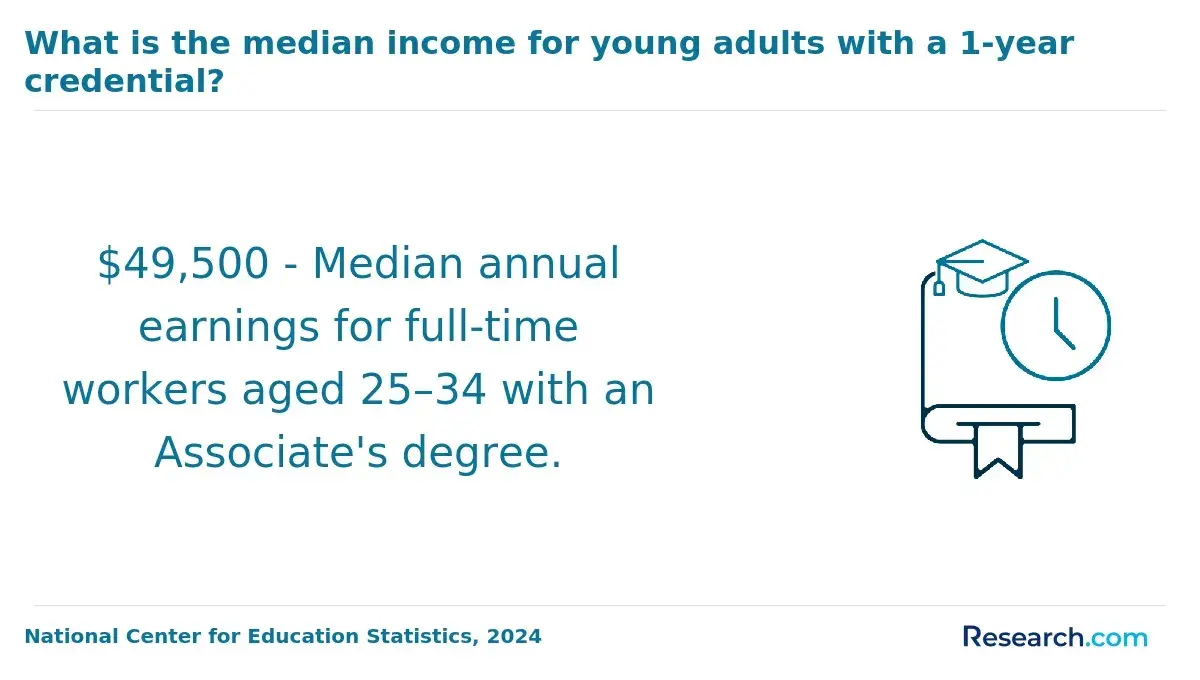
The dominance of bachelor's degrees in physical education reflects practical workforce requirements and certification norms rather than mere popularity. Since K-12 teaching roles typically require a bachelor's credential coupled with state certification, this degree level naturally captures about 65% of completions nationwide, according to recent National Center for Education Statistics data. Students seeking direct employment in teaching, coaching, or community recreation often prioritize the bachelor's pathway to meet credentialing standards and access the broadest range of job opportunities. This institutional mandate creates a clear and well-trodden educational trajectory linked to the bulk of entry-level positions.
Associate degrees, comprising roughly 12% of completions, tend to serve more as transitional or access points for students pursuing bachelor's programs or those targeting limited roles in local fitness and recreation settings. Conversely, master's programs, expanding to nearly one-fifth of physical education awardees, appeal chiefly to those aiming to deepen specialization, enhance certifications, or pivot into roles demanding advanced knowledge such as kinesiology or sports psychology. Doctoral degrees remain scarce and aligned primarily with a niche academic or research career track, underscoring their limited practical impact on the broader workforce. These distribution patterns reveal how degree level choices are shaped by both regulatory frameworks and evolving professional demands, urging students to weigh credential requirements against their long-term career ambitions and geographic access to program offerings.
How Do Enrollment Trends Differ Between Associate, Bachelor's, Master's, and Doctoral Physical Education Degrees?
Enrollment patterns in physical education differ sharply across degree levels, reflecting varied motivations and barriers that shape career paths. Associate degrees serve as accessible entry points for those targeting immediate employment in roles like fitness training or teaching assistance, especially in regions where community colleges align programs with local workforce needs. Such regional variations underscore how associate degree trends respond to localized demand rather than broad professional standards, influencing students' timing and geographic choices. Bachelor's degrees command the largest enrollment, growing steadily by 4% over five years as reported by the National Center for Education Statistics, due to their alignment with certification and employment requirements in education and health fields, where gender disparities narrow but female students remain slightly predominant.
Master's programs attract students aiming for advanced credentials critical in specialized physical education careers such as athletic training or wellness leadership, with a 6% growth noted by the U.S. Department of Education and a distinct urban-suburban concentration. This selective increase highlights employer preferences for higher qualifications amid competitive job markets, often favoring women pursuing leadership roles. Doctoral enrollments remain small but stable, focusing on research and policy-making positions that demand significant time investment and often deter broader participation; these candidates predominantly come from research-intensive regions with a modest male majority, revealing persistent demographic imbalances and niche career targeting. For students weighing these trends, balancing educational investment with professional exit points is key, as illustrated by the diverse pathways and enrollment dynamics shaping the future workforce across physical education degrees. Those exploring options might also consider alternatives such as nursing schools that don t require TEAS test near me when planning their academic trajectory.
How Popular Is the Physical Education Degree Compared to Other College Majors?
The modest popularity of a physical education degree, accounting for about 1.5% of bachelor's degrees awarded in 2024 according to the National Center for Education Statistics, reflects more than simple enrollment preferences; it signals shifting student priorities toward majors perceived to offer clearer career trajectories and stronger labor market alignment. Unlike STEM or health professions, physical education struggles to attract large cohorts, partially because related disciplines such as kinesiology or sports medicine are seen as more specialized and potentially lucrative. This narrower appeal impacts program viability, limiting course variety and peer networks, which can influence student experiences and long-term engagement in the field.
Undergraduate enrollment in physical education has gradually declined as students gravitate toward majors promising broader opportunities or advanced credentials, while graduate-level degrees see even less demand due to competing fields like physical therapy and sports management. The gender imbalance, with a higher proportion of female students, and regional differences-with southern and midwestern states showing greater interest relative to coastal areas-further shape its footprint within higher education. These dynamics highlight how program popularity is tied closely to practical employability concerns, regional culture, and evolving workforce needs rather than intrinsic academic appeal.
A former physical education student recalled noticing unusually small class sizes compared to peers in business courses, which sparked curiosity about the field's market trajectory. Conversations with academic advisors and observation of enrollment shifts at the university confirmed a steady decline in interest, partly explained by classmates switching to kinesiology for broader job prospects. Though initially hesitant about choosing a less popular major, the student ultimately valued the focused curriculum but remained cognizant that career paths outside teaching required additional credentials or strategic specialization.
Why Is the Physical Education Degree More Popular in Certain States and Regions?
The regional popularity of physical education programs in the US is closely tied to localized workforce demand and state educational priorities. States with strong public school infrastructures and active youth sports leagues, such as Texas and Ohio, see higher enrollment concentrations because these areas generate more job openings for physical education professionals. For example, Texas's expansive school network and sports culture create tangible career pathways that influence prospective students' decisions, reinforcing program popularity in the South and Midwest. This dynamic affects student opportunities by fostering richer local networking environments and stronger employer connections, which can be decisive when selecting a physical education program.
Demand patterns also reflect demographic trends and access to educational resources. Regions emphasizing health initiatives or with larger youth populations often see elevated physical education degree demand in southern states and elsewhere due to cultural and policy support in K-12 systems. Additionally, availability of accredited programs and in-state tuition options in states like California and New York shapes enrollment by offering varied pathways, including flexible or online formats. However, these enrollment trends can be skewed by online program accessibility that allows students to enroll outside their home states, complicating regional interpretations. Prospective students must weigh these factors alongside practical outcomes, as regional popularity may influence perceptions of degree value and career feasibility in particular markets.
Current and prospective students comparing program options should recognize how these geographic and economic factors shape both degree demand and long-term employability. Understanding the link between program location and workforce realities can guide more strategic choices, including consideration of less traditional pathways such as shortest online PMHNP certificate programs that reflect shifting industry needs and personal circumstances.
What Demographic Groups Are Driving Growth in Physical Education Degree Programs?
The rising enrollment of women in physical education degree programs reflects significant shifts in workforce demand and societal attitudes toward health professions traditionally dominated by men. With women constituting around 60% of students as of 2024 according to the National Center for Education Statistics, this change can influence peer dynamics, curricular focus, and professional networks within these programs. Such demographic shifts also correspond with broader expectations for educators who possess a nuanced understanding of wellness, which may push institutions to adapt course content and support systems to better serve a predominantly female student body.
Regionally, enrollment growth in the Southern and Western United States highlights the intersection of demographic trends and policy incentives encouraging physical activity education. These areas benefit from population expansion and state-backed health initiatives, alongside expanded online learning options that increase accessibility for nontraditional and rural students. This pattern not only reshapes regional workforce pipelines but also demands that programs balance traditional in-person training with flexible delivery methods, especially for the nearly 40% of enrollees aged 25 or older who often juggle education with employment and family commitments.
Adult learners and first-generation college students are becoming increasingly prominent in physical education programs, yet they face distinct challenges that affect completion rates and long-term career outcomes. While these groups bring valuable perspectives aligned with community health priorities and practical application, their retention hinges on institutions' ability to provide targeted support and adaptable learning structures. For stakeholders, understanding these nuances is crucial when evaluating program quality and the real-world readiness of graduates entering a field where experiential expertise and credentialing coexist as vital components of employability.
What Is the Future Outlook for Physical Education Degree Enrollment by Gender, Region, and Degree Level?
Physical education degree enrollment is poised to shift toward greater gender balance and advanced degree attainment, driven by evolving employer expectations and regional labor dynamics. Female participation, historically underrepresented in some areas of this field, is expected to grow moderately, supported by increased recognition of wellness careers and health promotion roles suited to broader educational backgrounds. Meanwhile, regional growth will be concentrated in the South and Midwest, where K-12 expansion and community health initiatives sustain demand; conversely, Northeast and West regions may witness stagnation or decline, influenced by alternative career pursuits and demographic shifts.
Advanced degree programs at the graduate level are becoming more prominent as institutions respond to calls for specialized skills in administration, curriculum design, and research. This trend reflects practical tradeoffs for students weighing the investment of time and cost against employability advantages, as many employers now prefer candidates with master's or doctoral credentials. Accessibility through online and hybrid models also reshapes enrollment patterns by appealing to working professionals seeking career transitions or qualifications renewal. According to recent data from the National Center for Education Statistics, graduate physical education enrollments are outpacing undergraduate levels by a notable margin, reinforcing the field's shift toward higher credentialing standards that influence program availability and long-term academic planning.
These enrollment dynamics suggest prospective and current students must consider regional career opportunities, degree level relevance, and evolving gender representation when planning their educational pathways. Physical education programs in regions with slower growth may offer fewer job connections, while graduate-focused institutions increasingly demand technological and pedagogical competencies. Balancing these factors against personal career goals and local labor market realities is essential to maximizing the practical value and sustainability of a physical education degree amid changing workforce expectations.
How Have Physical Education Degree Enrollment Trends Changed Over the Past Decade?
Shifts in physical education degree enrollment over the past decade reveal significant implications for program availability and workforce alignment. The overall decline of about 8% in completions, as tracked by NCES, reflects shifting student preferences towards degrees perceived as offering broader or more technologically integrated career pathways. Notably, the physical education degree enrollment trends in the United States over the past decade demonstrate that while total numbers have dipped, the integration of certifications and hands-on experience is stabilizing retention, responding to employer demand for practical skills and career-ready graduates.
Gender participation in physical education degrees from 2010 to 2020 illustrates a narrowing but persistent gap, with female recipients increasing from 55% to 60%. This trend highlights broader societal encouragement for women in health-related fields, though regional disparities remain pronounced. Higher enrollment concentrations in the Southern and Midwestern regions correlate with entrenched community support for athletics, contrasting with declines in coastal states where competing wellness and sports science programs draw student interest. The rise of hybrid and online program formats, accelerated by the COVID-19 pandemic, has expanded access but remains limited by the discipline's practical nature, influencing student decisions based on geographic and lifestyle considerations. Prospective students evaluating long-term value may also weigh these dynamics alongside other educational options, such as those covered in analyses like best value nursing education online WGU.
Where Is the Physical Education Degree Most Popular Across the United States?
Physical education degree popularity is unevenly distributed across the United States, driven largely by regional workforce needs, demographic trends, and the density of educational institutions offering accessible programs. The Midwest and Southeast stand out, where a combination of stable or growing youth populations and strong school-based sports cultures sustains demand for physical education professionals. States like Michigan, Ohio, and Florida benefit from robust educational infrastructures that attract students looking to enter education, coaching, and health-related fields, reflecting practical alignment between local labor markets and degree offerings.
This regional concentration offers tangible benefits and limitations for students. Metropolitan hubs such as Columbus, Ohio, and Tampa, Florida, provide access to diverse degree pathways and specialized certifications, enhancing graduate employability within education, healthcare, and community recreation sectors. However, areas with fewer programs may limit networking and professional opportunities, affecting how graduates are perceived and their career trajectories. Evaluations of physical education degree popularity by region in the United States must therefore consider how geographic and institutional factors influence program quality and student outcomes.
Moreover, rising demand across healthcare systems and school wellness initiatives parallels similar trends in related fields. Prospective students exploring specialized routes in allied disciplines may consider programs like online marriage and family therapy masters programs as complementary or alternative pathways to expanding their impact in educational and community settings.
References
- Areas of physical education and specialist roles sensitive to contemporary social demands - INEFC https://revista-apunts.com/en/areas-of-physical-education-and-specialist-roles-sensitive-to-contemporary-social-demands/
- Educational Attainment Statistics [2025]: Levels by Demographic https://educationdata.org/education-attainment-statistics
- 26 Sports College Majors To Consider | KD College Prep https://kdcollegeprep.com/college-majors-involving-sports/
- Online Physical Education Degree | Forest Trail Academy https://foresttrailacademy.com/exploring-an-online-physical-education-degree-and-its-benefits-for-high-school-students/
- A study of the relationship and drivers between participation in sports program diversity and physical fitness - Scientific Reports https://www.nature.com/articles/s41598-025-15697-z
- CDC Reveals Positive Physical Education Trends Over Past Decade https://www.edweek.org/leadership/cdc-reveals-positive-physical-education-trends-over-past-decade/2013/08
- College Numbers Down, Degrees Up: Understanding the Post-2010 Enrollment Shift — The Burning Glass Institute https://www.burningglassinstitute.org/bginsights/college-numbers-down-degrees-up-understanding-the-post-2010-enrollment-shift
- Top Physical Education Courses in USA from 65 Universities https://www.hotcoursesabroad.com/india/training-degrees/us-usa/physical-education-courses/loc/211/cgory/ma.2-4/sin/ct/programs.html
- Physical Education https://international.pwsztar.edu.pl/studying/faculty-of-health-sciences/physical-education/
- Who Will Be More Active in Sports Participation —Analysis of College Students’ Sports Participation Behavior Based on Demographic Characteristics https://www.scirp.org/journal/paperinformation
Other Things You Should Know About Physical Education
Gender imbalances in physical education programs can affect classroom dynamics, networking opportunities, and mentorship availability. For example, in regions or institutions where male students dominate, female students may find fewer role models or peer support geared toward their experience, and vice versa. When selecting a school, consider how the gender composition aligns with your preferences for collaboration and long-term professional connections, as this may impact your engagement and success within the program.
Yes, regional demand and cultural attitudes toward physical education often dictate program emphases and resource allocation. Programs in areas where physical education is more prevalent may offer more specialized courses or stronger connections to local athletic organizations, while regions with lower enrollment might have limited electives or fewer practicum opportunities. Prospective students should prioritize programs aligned with their career goals and regional job markets to maximize practical experiences and employer recognition.
Master's programs typically require a more intensive workload, including research, advanced theory, and applied practice, which can improve job prospects in specialized or leadership roles. However, bachelor's degrees often suffice for entry-level positions like teaching or coaching, with lower time and financial investment. Students aiming for immediate employment might prioritize bachelor's programs, while those targeting administrative or clinical careers should consider the additional demands and benefits of graduate study.
Employers increasingly seek graduates with hands-on experience in adaptive physical activity, program management, and technology integration alongside traditional kinesiology knowledge. Degrees with strong practical components and internship or certification opportunities better prepare students for workforce realities. When comparing programs, prioritize those incorporating applied learning and current industry standards, as these align more closely with hiring criteria and can reduce post-graduation training gaps.