2027 Physical Education Affordability by State: Where Students Pay the Most and Least

Co-Founder and Chief Data Scientist
Choosing between two physical education programs, one with a $3,000 annual in-state tuition and another charging $12,000 out-of-state, forces students to weigh immediate savings against potential long-term debt. A 2024 study from the National Center for Education Statistics reveals that state-level tuition disparities often reflect local education funding and policies, not just the cost of living.
This means transferability, employment prospects, and hidden expenses like living costs or certification fees can dramatically affect total investment. For physical education students, these financial differences influence career flexibility and earning potential. This article examines affordability variations by state, helping readers pinpoint where earning a physical education degree costs the least and most.
Key Things to Know About Physical Education Affordability by State
- Tuition disparities closely track state funding, with states like California offering lower in-state tuition but higher living costs, prompting students to weigh total out-of-pocket expenses beyond sticker price.
- Out-of-state fees often exceed double in-state rates, limiting affordable access across borders and affecting workforce diversity in physical education roles tied to regional licensing.
- Online options can reduce housing costs but may lack employer preference impact, as hands-on experience and local accreditation remain critical for future employment.
- Key Things to Know About Physical Education Affordability by State Key Things to Know About Physical Education Affordability by State
- Which States Have the Most Affordable Physical Education Degree Programs? Most Affordable State Programs
- Which States Have the Highest Physical Education Degree Costs? Highest State Tuition Costs
- How Much Does a Physical Education Degree Cost by State? Degree Costs by State
- Why Does Physical Education Affordability Vary So Much Between States? State Affordability Variations
- How Do In-State and Out-of-State Tuition Rates Affect Physical Education Affordability? In-State vs. Out-of-State Rates
- How Does the Cost of Living Impact Overall Physical Education Affordability by State? Living Costs and Affordability
- Which States Offer the Best Value for a Physical Education Degree? Best Value State Degrees
- What Financial Aid and Scholarship Opportunities Can Reduce Physical Education Costs? What Financial Aid and Scholarship Opportunities Can Reduce Physical Education Costs?
- Are Online Physical Education Degree Programs More Affordable Than On-Campus Options? Are Online Physical Education Degree Programs More Affordable Than On-Campus Options?
- Is a Physical Education Degree Worth the Cost Based on Career Outcomes and ROI? Degree ROI and Outcomes
Which States Have the Most Affordable Physical Education Degree Programs?
State-level factors such as public funding policies, residency tuition advantages, and institutional pricing strategies create distinct affordability landscapes for physical education degree programs. States with strong commitments to public higher education, often backed by dedicated revenue sources like Wyoming's mineral funds, can offer residents substantially lower tuition rates, sometimes under $6,000 annually, which directly influences a student's total cost of attendance and debt burden.
For example, a student from New Mexico may find that their state's grants and scholarships better complement in-state tuition benefits compared to someone considering a neighboring state without such extensive financial aid, making cross-state enrollment decisions financially consequential. These disparities underscore that affordability is not solely about sticker price but involves an interplay among state funding priorities, residency policy enforcement, and available educational infrastructure supporting physical education programs.
The most affordable physical education degree programs by state often coincide with regions where cost-of-living is lower and public universities deliver hybrid or online options, reducing ancillary expenses such as housing and transportation. In this context, the availability of flexible program formats can be decisive for budget-conscious students and working adults, who might otherwise face prohibitive relocation costs or balancing workforce participation with academic progress.
However, these benefits can vary significantly depending on individual circumstances, as non-residents frequently encounter much higher tuition rates that can undermine the perceived affordability advantage of certain states. Therefore, prospective students must weigh not only tuition but also residency eligibility, aid opportunities, and delivery methods to assess the true financial and practical feasibility of completing a physical education degree within a particular state's system, similar to healthcare administration degree programs.
Which States Have the Highest Physical Education Degree Costs?
States where physical education degrees carry the highest costs typically reflect a combination of limited public funding for higher education and high regional living expenses, leading to pronounced tuition disparities. For instance, states with a strong concentration of private institutions impose steep tuition, often exceeding $40,000 annually, alongside residency rules that restrict non-resident access to lower in-state rates.
This dynamic forces non-local students to weigh whether the premium cost yields proportional career advantages, particularly since many physical education graduates enter salary brackets that may not rapidly offset educational debt. Consequently, students must consider the full cost-of-attendance-including housing and transportation-when choosing programs in urban hubs or states with expensive private college networks.
The interplay between public funding levels and geographic cost factors also influences whether learners should pursue physical education studies in-state, online, or potentially in lower-cost regions. States with robust public institutions tend to offer better affordability, enabling budget-conscious students to reduce financial barriers but often come with variable program availability or quality tradeoffs.
On the other hand, out-of-state and private institution fees can quickly escalate, complicating decisions around relocation or enrollment, especially for those without substantial financial aid. According to the National Center for Education Statistics (NCES) 2024 data, in-state tuition at major public universities averages around $13,000 annually in some high-cost states, whereas out-of-state fees may more than double that, underscoring the critical impact of residency status and funding policies on affordability.
A recent graduate shared how she hesitated before committing to a physical education program in a state known for high tuition. Facing out-of-state fees and limited scholarship options, she compared costs with nearby states offering in-state tuition but fewer program choices. Ultimately, she chose a private university due to its specialized curriculum despite the expense, highlighting her concern about whether the extra investment would translate into manpower skills valued by employers.
How Much Does a Physical Education Degree Cost by State?
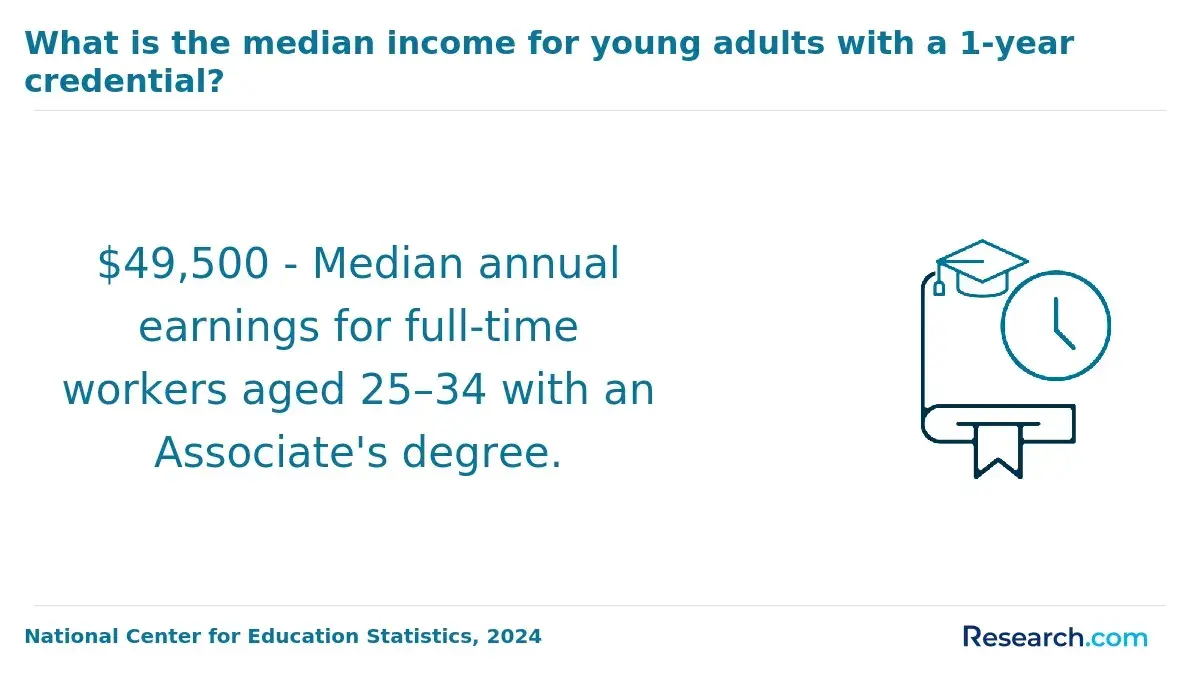
Tuition disparities for physical education degrees hinge largely on state residency, institution type, and regional economic factors, creating complex budgeting challenges for students. According to 2024 data from the National Center for Education Statistics, public colleges in states like Wyoming and New Mexico charge roughly $5,000 annually for in-state students, while states such as Vermont and Massachusetts charge more than $15,000. For out-of-state students, especially at public universities, tuition can double, prompting many to weigh relocating or pursuing online alternatives against the financial and academic tradeoffs involved.
Private institutions often carry sticker prices north of $30,000 per year, but available financial aid can substantially lower net expenses; however, this aid varies widely by location and institutional priorities. Beyond tuition, cost-of-living differences-significantly higher in areas like California and New York-further affect total education expenses, influencing whether a lower tuition state truly offers savings once housing and transportation are factored in.
This uneven landscape means prospective physical education students should carefully evaluate not only sticker costs but also funding environments and local program strengths to plan borrowing strategies and long-term financial outcomes with greater accuracy. State-level policy decisions on scholarship availability and residency classifications also dictate the accessibility of physical education programs, with some regions supporting education majors more robustly than others.
Consequently, students must consider that pursuing more affordable programs in states with limited employer networks or fewer graduate opportunities might reduce upfront investment but may affect employment prospects post-graduation. These financial and practical realities highlight the necessity of aligning educational choices with realistic assessments of both short-term affordability and the career pathways supported by specific state markets and institutions.
Why Does Physical Education Affordability Vary So Much Between States?
State funding priorities and institutional structures create pronounced disparities in physical education degree tuition differences by state. For example, states that provide robust public funding per student often maintain lower in-state tuition rates, supporting more affordable education pathways for local students. In contrast, regions with a higher density of private institutions tend to have substantially steeper costs, which limits practical accessibility for many learners, pushing budget-conscious students to consider online or cross-border enrollment options.
Data from the National Center for Education Statistics in 2024 indicates that these funding variations directly shape the net prices students face, influencing decisions about residency status and financial aid utilization. Cost-of-living factors further complicate the economics of physical education programs, with higher living expenses in states like California amplifying total educational costs beyond tuition alone.
Residency policies and financial incentives are critical levers states use to moderate these impacts; some offer targeted discounts or grants for education students to align workforce development goals with affordability imperatives. However, states without such incentives risk higher dropout rates or delayed degree completion as students transfer or seek less expensive alternatives. These statewide policy and economic contrasts affect not only immediate expenses but also long-term planning for career entry in health and wellness fields, where demand is growing but resources remain unevenly distributed.
Prospective students also navigate institutional pricing strategies tied to enrollment scales and economic pressures. Large physical education programs might exploit economies of scale to reduce per-student costs, whereas smaller programs may charge premiums to sustain operations. This dynamic, combined with local employment prospects and workforce alignment priorities, can lead to markedly different financial commitments for similar degrees across states. Those weighing options should also consider related fields, such as how much do medical coders make, to gauge comparative return on investment in health and wellness career tracks.
How Do In-State and Out-of-State Tuition Rates Affect Physical Education Affordability?
Residency status critically shapes the cost structure for physical education degrees, often dictating whether tuition expenses remain manageable or become prohibitive. Public universities typically offer in-state tuition around $10,400 annually, according to 2024 National Center for Education Statistics data, while non-residents may face fees averaging $27,000-more than double the local rate. Students weighing program options must consider that enrolling as an out-of-state student can multiply financial obligations, potentially outweighing benefits from program prestige or location.
Interstate tuition reciprocity agreements, like those in the Southern Regional Education Board, can moderate these costs, but not all students qualify, making residency classification and regional policy awareness essential parts of practical educational planning. Beyond sticker price, residency impacts eligibility for state-based financial aid, narrowing funding sources for out-of-state enrollees and increasing reliance on loans or private funding.
Online physical education programs can offer flatter tuition models that sidestep residency distinctions, but these vary widely in price and may lack the local networking or practicum components critical to employability. Private institutions simplify pricing with uniform rates regardless of residency but generally charge premiums over public in-state tuition, complicating cost-benefit assessments for budget-conscious students. Navigating these intertwined financial factors requires evaluating long-term career preparation needs against upfront and ongoing costs tied to residency-based tuition policies.
One recent physical education student recounted how, after relocating to a new state for family reasons, they initially assumed they would qualify for in-state tuition immediately but discovered a mandatory 12-month residency requirement. This delay forced them to pay out-of-state rates their first year, creating unexpected budget strain and prompting a reconsideration of course load and employment.
Despite initial hesitation, they ultimately appreciated how understanding residency rules influenced their academic timeline and financial planning, underscoring the nuanced challenges non-resident students face beyond raw tuition figures.
How Does the Cost of Living Impact Overall Physical Education Affordability by State?
Cost-of-living differences profoundly shape the real expense of earning a physical education degree, often outweighing variations in tuition itself. For instance, a student attending college in California faces monthly rent surpassing $2,800 in cities like San Francisco, compared to under $800 in many Midwest locations. Such disparities in housing, combined with regional transportation burdens-like owning and maintaining a vehicle in transit-poor states-can drastically affect a student's budget and influence choices around part-time work or reliance on financial aid.
These factors demonstrate that comparing only tuition obscures the full financial commitment demanded by differing geographic contexts, a key consideration in any cost of living and physical education affordability by state analysis. Healthcare and food expenses also add regional layers of complexity; the Northeast's healthcare costs, for example, run about 20% above the national average, further straining resources and elevating overall costs.
These economic realities shape enrollment decisions, as students weigh whether in-state, out-of-state, or online options better align with both their financial capacity and career timetables. This requires careful integration of local wage conditions and indirect expenses into planning, not just sticker price comparisons. Those pursuing physical education degrees may find it critical to explore flexible routes, such as hybrid ABSN programs, that could potentially offset geographic cost imbalances without compromising career outcomes.
Which States Offer the Best Value for a Physical Education Degree?
Evaluating the value of a physical education degree across states requires looking beyond tuition sticker prices to factors like residency-based cost differences, degree completion, and local workforce demand. For example, Florida's in-state tuition hovers around $6,500 annually, and when combined with state education funding and a steady 60% completion rate, it positions students for timely graduation amid a labor market that has absorbed an 8% increase in physical education roles recently.
Conversely, Texas presents a slightly higher tuition cost of nearly $9,500 but offsets this with extensive financial aid and strong retention, particularly in urban districts, demonstrating how financial aid policies and enrollment support can mitigate cost-related barriers even when headline tuition is less affordable. North Carolina illustrates how moderate tuition rates just below $8,000 pair effectively with graduation rates exceeding 65% and targeted workforce alignment initiatives, reducing unemployment risk and easing student debt burdens.
This contrasts with simpler comparisons that focus solely on sticker price; the cheapest public programs may have lower completion rates or weaker local job markets, compromising overall return on investment. Students must consider how in-state residency policies, program support infrastructure, and state education funding shape total cost of attendance and realistic employment outcomes, since these elements influence whether a degree translates into sustained earnings or prolonged indebtedness.
For prospective physical education students balancing finances and career prospects, the interplay between tuition affordability, financial aid access, and regional labor market trends is crucial. Decisions about relocating, studying online, or qualifying for in-state tuition substantially impact these variables. Ultimately, a comprehensive assessment that integrates completion likelihood with regional demand offers a more reliable gauge of value than focusing on the lowest tuition alone, especially given the operational realities of physical education and employment today.
What Financial Aid and Scholarship Opportunities Can Reduce Physical Education Costs?
Federal aid programs, particularly Pell Grants, remain critical financial support for low-income students pursuing a physical education degree, but their impact varies widely depending on state-specific cost of attendance and eligibility rules such as income limits and enrollment status. According to the National Center for Education Statistics 2024 report, nearly 60% of undergraduates receive some form of financial assistance, highlighting the prevalence yet variability of aid access.
These federal grants often provide a foundational layer of funding, yet they rarely cover full tuition, requiring students to weigh options between institutions and residency states to maximize net affordability. State-funded grants and tuition reciprocity agreements can meaningfully reduce costs for physical education majors, particularly in states like California and New York where robust higher education budgets translate into stronger grant offerings and in-state tuition opportunities for out-of-state students.
However, these programs come with tradeoffs, such as residency requirements or limited funding pools that may not renew annually, forcing students to plan carefully around application deadlines and maintain eligibility criteria. Institutional scholarships and merit awards offer additional aid, often tied to academic or athletic performance, but these are typically competitive and contingent on an institution's budget health, which can restrict accessibility in higher-cost environments.
Employer-sponsored tuition benefits and workforce retraining programs increasingly support working students balancing income and study, especially in regions recognizing physical education's growing role in healthcare and wellness sectors. However, reliance on student loans remains common despite the field's variable earning potential, underscoring the need for careful long-term financial planning.
Navigating the interplay between federal, state, and institutional aid requires strategic consideration of program stacking rules and renewal policies to ensure maximum affordability across the multi-year trajectory of earning a physical education degree.
Are Online Physical Education Degree Programs More Affordable Than On-Campus Options?
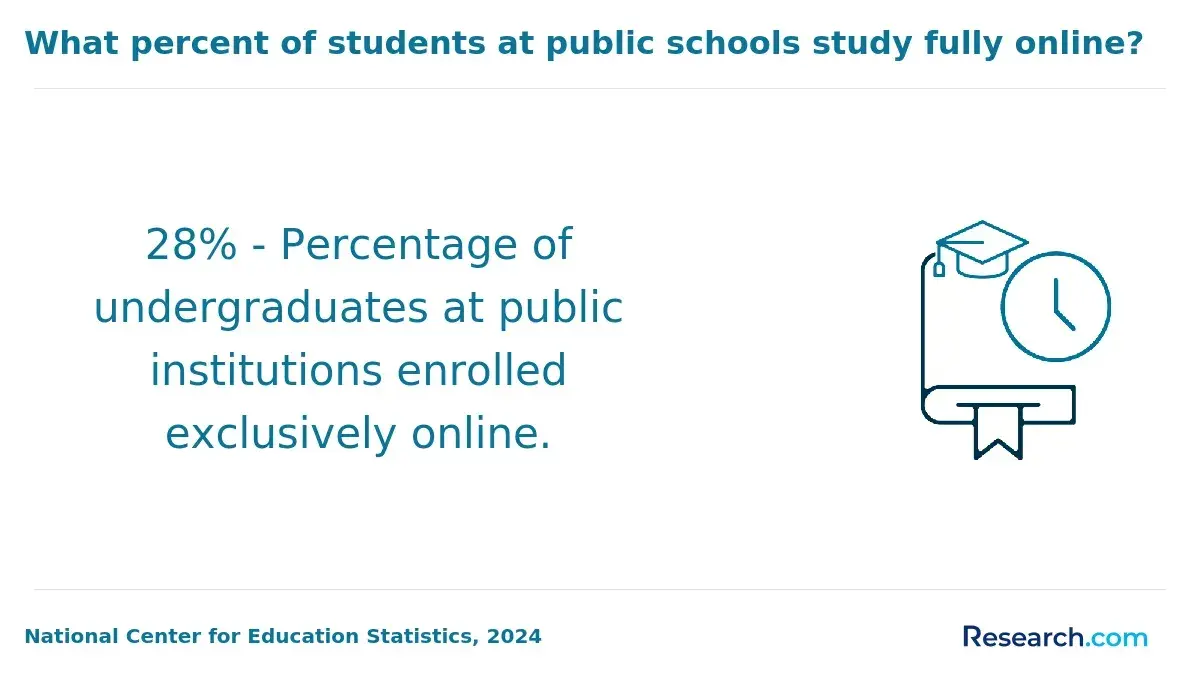
Online physical education degree affordability comparison by state reveals significant variation in cost structures that complicate straightforward assumptions about savings. While average in-state tuition for online programs can be 15% to 30% lower than traditional on-campus rates, these differences are often offset by additional expenses such as technology fees, required software, and sometimes unavoidable in-person residencies or practicum components.
For example, a student in a state with higher tuition rates but extensive employer tuition assistance may find an online program financially advantageous, whereas another in a state prioritizing on-campus aid for resident students might face higher net costs when enrolling remotely. Cost differences between online and on-campus physical education programs extend beyond tuition alone, incorporating housing, transportation, and campus fees avoided by online learners, balanced against unique expenses and opportunity costs related to program design.
Online physical education programs often allow students to maintain employment, reducing income loss during study, a crucial factor for nontraditional students. However, since many programs still require face-to-face components like internships, the real-world conveniences and costs of these requirements must be carefully evaluated to avoid unexpected expenses or inconveniences that dilute the perceived affordability gains.
Financial aid accessibility remains a decisive element influencing affordability, with working adults frequently qualifying for employer tuition reimbursement and federal aid, which can shift the cost-benefit calculus. Prospective students should also consider practical implications for employability, as hands-on training and local credentials often weigh heavily with employers in this field.
For those weighing career options where a functional medicine nurse salary or related health careers intersect with physical education, understanding these nuanced affordability and outcome factors is critical for making informed educational decisions.
Is a Physical Education Degree Worth the Cost Based on Career Outcomes and ROI?
Assessing the value of a physical education degree requires close attention to how cost differences across states and program completion rates affect overall returns. While employment growth for physical education teachers is projected at 8% through 2032, median salaries ranging from $45,000 to $60,000 vary widely depending on location and credentials. For example, a student who incurs high debt in states like California may face a challenging payback period compared to peers in more affordable states with lower tuition and living costs.
Given the moderate national graduation rates of 60-70%, students must also weigh the risk of extended time to completion, which inflates both direct and opportunity costs. Return on investment for physical education graduates by state hinges not only on tuition affordability but also on factors such as debt burden, geographic mobility, and access to advanced certifications that can elevate salary potential.
Graduates aiming to stay within high-cost regions might benefit from pursuing the easiest ABSN program to get into or similar accelerated routes to reduce time and expenses, though physical education pathways generally require traditional timelines. Students should consider program quality and alignment with long-term career objectives, especially since many employers value experience and regional certification over pedigree alone. Balancing upfront educational costs with realistic salary expectations and job market dynamics remains crucial for learners who want to maximize the practical value of a physical education degree.
References
- Online Education vs. On-Campus Tuition: How ACE Online Degree Programs Help Keep Your Costs Down | ACE Blog https://ace.edu/blog/online-education-vs-on-campus-tuition-how-ace-online-degree-programs-help-keep-your-costs-down/
- Study Physical Education in the USA | Study in the USA https://www.studyusa.com/en/field-of-study/561/physical-education
- High inflation rates and increased costs of living affect the young and some people in higher education https://oceanstatestories.org/high-inflation-rates-and-increased-costs-of-living-affect-the-young-and-some-people-in-higher-education/
- How to Fund College as a Student-Athlete - Honest Game https://honestgame.com/blog/how-to-fund-college/
- Physical Activity vs Physical Education https://www.shapeamerica.org/MemberPortal/publications/resources/teachingtools/qualitype/pa_vs_pe.aspx
- 2025 Most Affordable Online Master's in Physical Education https://www.onlineu.com/most-affordable-colleges/physical-education-masters-degrees
- The impact of the rising cost of living on sport and physical activity https://www.activenorfolk.org/2024/01/cost-of-living-impact/
- How rising cost of living is impacting sport and physical activity | Sport England https://www.sportengland.org/news-and-inspiration/how-rising-cost-living-impacting-sport-and-physical-activity
- College Affordability Still Out of Reach for Students with Lowest Incomes, Students of Color https://www.ihep.org/college-affordability-still-out-of-reach-for-students-with-lowest-incomes-students-of-color/
Other Things You Should Know About Physical Education
State funding disparities often mean that affordability is closely tied to the quality of resources and facilities available to physical education students. In states with lower investment, students may face larger class sizes, fewer practicum options, and limited access to updated equipment, which can hinder hands-on learning essential for skill development. Prioritizing affordability alone without considering these tradeoffs can result in programs that are cheaper but offer less practical experience, potentially weakening students' readiness for certification and employment.
While lower tuition can reduce total educational costs, physical education programs differ widely in curriculum focus and specialization tracks. Students aiming for careers in specialized fields like adaptive physical education or sports medicine should evaluate whether affordable programs in their states offer these options. In many cases, investing in a higher-cost program with a broader or more relevant curriculum can lead to better employment prospects, outweighing initial cost savings.
Employers in different states may vary in their emphasis on practical experience versus academic credentials within physical education roles. In states with competitive job markets, rigorous programs that incorporate extensive fieldwork and certifications tend to command higher starting salaries, making pricier programs worthwhile. Conversely, in regions with less stringent requirements, more affordable degrees with a basic curriculum may suffice, but this often limits upward mobility and specialization opportunities in the profession.
Programs in states with lower tuition sometimes compensate with more compressed schedules or higher credit demands per semester, increasing workload intensity. For students balancing employment or family responsibilities, this tradeoff can reduce time available for paid work or internships critical to gaining practical skills. These students should weigh the benefits of slightly higher tuition programs that offer more flexible pacing and support services against the cost savings of faster, more demanding tracks.