2027 Physical Education Tuition Inflation Report: How Fast Are Program Costs Rising?

Co-Founder and Chief Data Scientist
Rising tuition costs in physical education programs reflect a complex interplay of discipline-specific factors rather than general trends in higher education. Increasing accreditation standards and expanded requirements for clinical or field-based training demand more specialized faculty and investment in advanced equipment. Programs often integrate technology infrastructure for biomechanics analysis and sports science research, adding layers of operational costs. Additionally, workforce shifts toward versatile, credentialed professionals heighten institutional pressures to enhance curriculum rigor and resource intensity. Enrollment patterns reveal a growing proportion of students balancing part-time studies with employment, signaling evolving accessibility challenges. This report examines how these forces converge to shape tuition inflation in physical education today.
Key Things to Know About Physical Education Tuition Inflation
- Tuition for physical education programs has risen 5% annually since 2021, outpacing inflation and forcing students to weigh immediate cost increases against long-term career gains in a competitive employment landscape.
- Employers increasingly expect practical certifications alongside degrees, so rising tuition reflects a tradeoff: deeper academic focus may limit budget for ancillary credentials crucial for job placement.
- Delayed enrollment due to cost escalation can extend program duration, increasing overall expenses and potentially pushing students away from timely workforce entry, affecting lifetime earnings and economic mobility.
- How Much Has Physical Education Tuition Increased Over the Past Decade? How Much Has Physical Education Tuition Increased Over the Past Decade?
- How Does Physical Education Tuition Inflation Compare to Overall Inflation? How Does Physical Education Tuition Inflation Compare to Overall Inflation?
- Which Types of Schools Have Experienced the Fastest Physical Education Tuition Growth? Tuition Growth by School Type
- What Factors Are Driving Rising Costs in Physical Education Degree Programs? Tuition Cost Drivers
- How Does Physical Education Tuition Growth Vary by State and Region? Tuition Growth by State
- Are Online Physical Education Programs Becoming More Affordable Than Campus-Based Programs? Online Program Affordability
- How Have Financial Aid and Scholarships Changed as Physical Education Tuition Has Increased? Impact on Financial Aid and Scholarships
- How Does Rising Physical Education Tuition Affect Student Debt After Graduation? Impact on Student Debt
- Do Higher-Cost Physical Education Programs Deliver Better Career Outcomes or Earnings? Impact on Career Outcomes
- What Do Current Tuition Trends Suggest About the Future Cost of a Physical Education Degree? What Do Current Tuition Trends Suggest About the Future Cost of a Physical Education Degree?
How Much Has Physical Education Tuition Increased Over the Past Decade?
Tuition for physical education degree programs in the United States has climbed significantly over the past decade, rising between 40% and 50% in real terms at public institutions according to data from the National Center for Education Statistics and the U.S. Department of Education College Scorecard. This growth notably outpaces the approximately 20% overall inflation rate for the same period, illustrating a sustained trend of accelerated cost increases within this academic field. Private colleges have seen even sharper tuition hikes, often exceeding 60%, reflecting the premium placed on specialized curriculum and facility upgrades that cater to evolving industry standards. These figures highlight a broader trend where physical education tuition growth surpasses general inflation, impacting affordability for many prospective students and their families as earning potential in related careers remains relatively moderate.
The drivers behind these rising costs are multifaceted, including decreased state funding, increased investments in technology integration, and enhanced facility requirements aligned with modern sports science and health education advancements. Additionally, growing demand for physical education programs has encouraged institutions to expand offerings and enhance experiential learning, which adds to operational expenses. Compared to STEM or other research-intensive disciplines, physical education relies less on costly laboratories but requires up-to-date equipment and smaller class sizes, which can raise per-student costs. As a result, tuition hikes reflect not only economic factors but also strategic institutional choices responding to changing workforce expectations.
These escalating expenses carry significant implications for students weighing physical education degree programs, especially in balancing educational cost against long-term return on investment. With many employers prioritizing certifications and practical skills alongside academic credentials, students should consider alternative pathways, such as community college programs or certifications, that might offer comparable employment readiness at lower tuition. For those exploring advanced degrees, evaluating options like online pharmacy programs or hybrid models could provide insights into more affordable routes in adjacent fields. Ultimately, as tuition costs continue to outpace earnings growth in education and sports-related careers, students must carefully assess financial commitment versus realistic career outcomes.
How Does Physical Education Tuition Inflation Compare to Overall Inflation?
Recent data indicate that tuition inflation for physical education programs has consistently outpaced general consumer price inflation, with increases regularly exceeding 5% annually compared to the approximately 3.1% rise reflected in the Consumer Price Index from the U.S. Bureau of Labor Statistics. This divergence highlights a distinct cost trajectory for physical education degree programs relative to broader economic conditions. The National Center for Education Statistics reports that these tuition hikes surpass average inflation trends, underscoring how the specific economic environment surrounding higher education, and physical education in particular, is evolving at a faster pace than standard consumer goods and services. Tracking regional trends in physical education program cost increases further reveals localized pressures that compound this national pattern.
The structural reasons behind this tuition inflation gap extend beyond simple market inflationary forces. Declining state funding and reduced public subsidies compel many institutions to offset shortfalls through tuition increases, notably in fields like physical education that require specialized facilities, expensive equipment, and highly credentialed staff. Additionally, administrative cost growth and expanded student services contribute to rising operational expenditures, while investments in technology and infrastructure to meet evolving educational demands push costs higher. These elements combine to create an upward pressure on tuition distinct from what typical inflation metrics capture, reflecting shifts in institutional funding models and spending priorities that are not mirrored in consumer price inflation.
For students and families, this widening gap between physical education tuition inflation and overall inflation translates into increased affordability challenges and heightened reliance on borrowing, raising concerns about long-term financial sustainability. The faster tuition growth can influence program selection, often forcing prospective learners to weigh the rising costs against career prospects and the potential return on investment. Considering this environment, research-driven financial planning and exploring options like no application fee online colleges may become essential strategies to manage escalating educational expenses effectively.
Which Types of Schools Have Experienced the Fastest Physical Education Tuition Growth?
Tuition growth for physical education degree programs shows marked variation depending on the type of institution, their funding mechanisms, and how programs are structured and delivered. These differences stem from underlying financial models, demand fluctuations, resource allocation priorities, and cost drivers unique to each sector. Accurately interpreting these trends is crucial for prospective students seeking to assess affordability alongside program quality and long-term career value. According to the National Center for Education Statistics (2024), private nonprofit colleges have recorded the most rapid tuition increases in this field, averaging over 6% annually, while public institutions have generally seen more moderate rises.
- Private Nonprofit Universities: These institutions often rely heavily on tuition revenue to fund expanding program offerings and specialized resources, including state-of-the-art training facilities and faculty expertise. Their combination of higher operational costs and efforts to maintain competitive prestige drives tuition increases faster than in other sectors.
- Public Universities: Supported partially by state funding and public subsidies, these schools tend to have more stable tuition growth, typically between 3% and 4% annually. However, declining government appropriations in some states can pressure these institutions to raise tuition to cover fixed costs, especially as they serve larger student populations with diverse program needs.
- For-Profit Institutions: Frequently focusing on market-driven program expansion and accelerated credential pathways, for-profit colleges may increase tuition to recoup marketing, technology investments, and relatively higher student support costs. Their tuition growth patterns can be volatile, reflecting enrollment shifts and regulatory changes.
- Research-Intensive Universities: These schools often integrate physical education within broader health sciences or kinesiology departments and justify higher tuition by emphasizing research opportunities and interdisciplinary training. Their cost structures include substantial investments in labs and faculty research, which can lead to above-average fee escalations.
- Regional Colleges and Community Colleges: Typically offering associate degrees and transfer pathways with fewer specialized resources, these institutions experience the slowest tuition growth, often below 2% annually. Their pricing strategies prioritize accessibility over program expansion, relying primarily on local government support and steady regional enrollment demand.
- Online Universities: Growing demand for flexible scheduling and remote learning has led many online providers to expand physical education credentials. While operational costs may be lower than traditional campuses, investments in digital infrastructure and course development can contribute to moderate tuition increases, balanced by economies of scale.
What Factors Are Driving Rising Costs in Physical Education Degree Programs?
Rising costs in physical education degree programs stem from a complex interplay of institutional funding challenges and evolving operational demands, rather than any single factor. As colleges and universities face shifts in public and private financial support, these programs must adapt by reallocating resources toward specialized facilities, advanced training equipment, and increasingly sophisticated instructional technology. This multifaceted cost structure reflects broader trends in higher education, where direct educational expenses merge with administrative priorities, compliance with regulatory mandates, and investments in maintaining program quality amid fluctuating enrollment patterns and market pressures.
Key economic drivers include declining state appropriations for many public institutions, which elevates reliance on tuition as a primary revenue source, effectively passing higher costs to students. Alongside this, growing faculty wages respond to competitive labor markets demanding professionals skilled in kinesiology and sports science. Administrative expansion-covering compliance, student support services, and program coordination-adds further layers of expense. Meanwhile, meaningful upgrades in technology, such as biomechanical analysis tools and digital fitness platforms, entail not only upfront capital but ongoing operational costs. The National Center for Education Statistics reports that tuition increases in these fields have averaged over 4% annually recently, signaling sustained upward pressure tied to these structural and economic forces.
One physical education graduate recalls the uncertainty during their program's rolling admissions, where initial hesitation about escalating costs delayed their application. "They kept updating us on equipment upgrades and curriculum changes," the graduate noted, "which sounded great but also made me worried about tuition hikes mid-cycle." That tension between program enhancements and affordability prompted a last-minute decision to commit before further increases. This experience highlights how rising costs not only reflect institutional dynamics but also impact student decision-making in real time, underscoring the need to weigh timing and financial preparedness carefully during enrollment.
How Does Physical Education Tuition Growth Vary by State and Region?
Tuition growth for physical education programs varies significantly by state and region, influenced by a complex interplay of state funding mechanisms, institutional types, and underlying economic conditions. Regional differences in state appropriations to public universities often dictate the extent to which tuition must compensate for budget shortfalls. States with larger private institution presence or research-focused universities typically see higher tuition inflation due to increased operational costs and competitive pressures. This uneven tuition increase by state reflects broader disparities in how states prioritize education funding and balance access with institutional financial sustainability.
Key drivers of variation in physical education tuition increase by state include the scale and stability of public university funding, regional labor market demands for wellness and health professionals, and local cost-of-living differences. For instance, Northeastern states such as New York and Massachusetts exhibit annual tuition increases averaging 4% to 6%, amplified by limited growth in state appropriations and a concentration of private institutions. Conversely, Midwest states maintaining more robust public funding structures report more modest yearly hikes near 2% to 3%. In Western states, especially California and Washington, growing demand for health-related occupations and urban campus expansions contribute to tuition inflation sometimes exceeding 5%. These factors underscore how institutional pricing strategies are shaped not only by funding gaps but also by regional economic growth and workforce needs.
Such regional tuition disparities have practical implications for students' educational choices and financial planning. Areas with faster tuition inflation may lead to larger student loan burdens and affect the net return on investment in physical education careers, which often start with moderate salaries. This dynamic influences student mobility and program selection, where affordability and long-term career implications intersect. Understanding these regional trends alongside options like community college systems or specialized programs can support more strategic decision-making. For learners exploring academic pathways, reviewing related options such as online pharmacy school programs may offer additional context for balancing cost, career outcomes, and program demand across healthcare sectors.
Are Online Physical Education Programs Becoming More Affordable Than Campus-Based Programs?
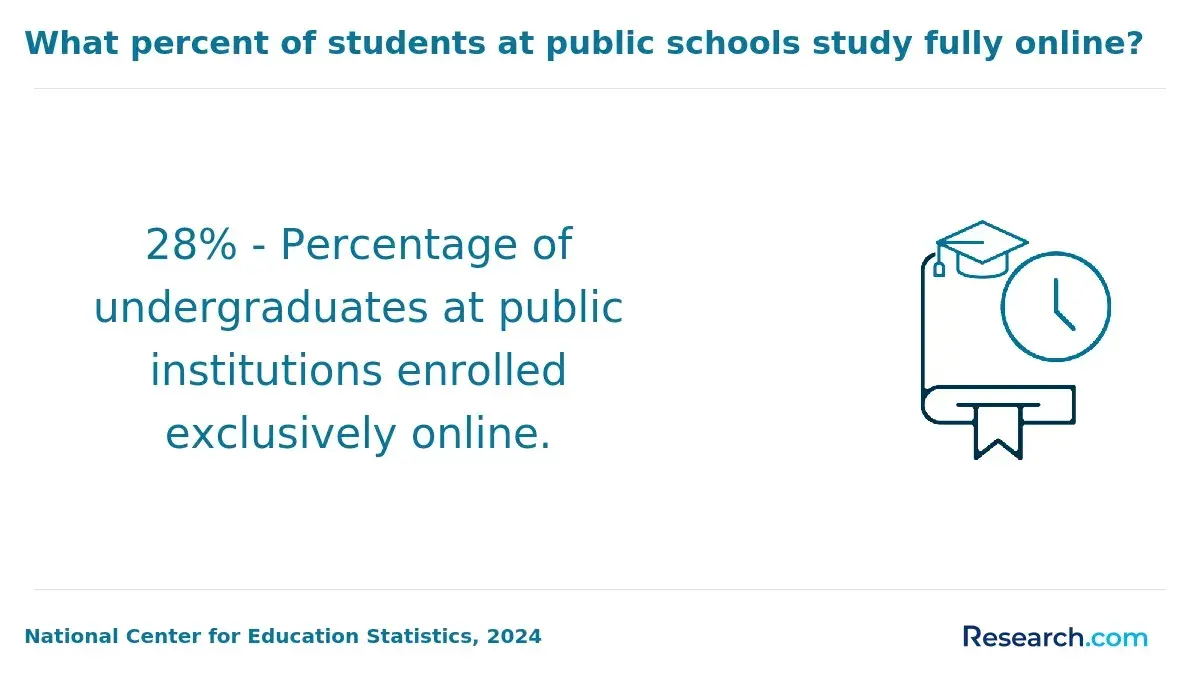
Recent analysis reveals a nuanced landscape in the affordability of online versus campus-based physical education programs, with online options generally presenting a 15-25% lower cost per credit hour according to the National Center for Education Statistics in 2024. This gap, however, is influenced by differing pricing models inherent to each format. Campus programs often embed costs related to physical infrastructure and campus amenities into tuition, while online programs shift expenses toward digital platforms and remote support. These structural differences mean that direct tuition comparisons only partially account for true affordability, which is also shaped by factors like program scalability and modality-specific resource allocation.
The cost advantages of online programs stem largely from reduced reliance on costly facilities, such as gyms and labs, and streamlined administrative overhead. Yet the savings are counterbalanced by significant investments in learning management systems, course redesign for effective remote delivery, and the need for comprehensive virtual student services. Faculty roles may evolve toward synchronous or asynchronous digital engagement, affecting staffing costs differently than traditional models. Moreover, online programs frequently incorporate technology or residency fees, reflecting a strategic balancing of cost, accessibility, and instructional quality. These elements collectively underscore that affordability gains are structural but mediated by institutional approaches to technology integration and learner support.
One recent online physical education graduate recalls applying during a rolling admissions cycle, initially hesitant due to uncertainty about program start dates and financial aid timelines. The applicant weighed the cost savings against the need to secure local practicum placements independently, creating tension between affordability and logistical challenges. After close communication with admissions advisors, they decided to enroll, citing the lower tuition as a key factor but noting that the flexibility came with tradeoffs requiring proactive planning beyond simply cost considerations.
How Have Financial Aid and Scholarships Changed as Physical Education Tuition Has Increased?
The evolution of financial aid and scholarships has not fully kept pace with the rising tuition costs in physical education programs, resulting in a tightening of net affordability for many students. While institutions have modestly expanded their scholarship offerings-particularly merit-based awards aimed at attracting athletically or academically competitive candidates-these increases often fall short of offsetting tuition inflation. Need-based aid, including federal Pell Grants, has seen incremental adjustments but still covers a shrinking portion of total expenses, creating persistent gaps for students from lower-income backgrounds. Institutional aid strategies have also shifted toward targeted scholarships that promote diversity, though strict eligibility criteria may exclude some of the most financially vulnerable applicants, limiting overall accessibility despite well-intentioned efforts.
Several factors drive these trends, including intensified competition among institutions to recruit talented students, especially as physical education programs become more specialized and market-driven. Tuition discounting through merit scholarships has become a key tactic to maintain enrollment, but this approach frequently benefits students with pre-existing advantages rather than narrowing equity gaps. At the same time, stagnant federal and state aid adjustments, despite documented tuition growth, compound affordability challenges for many learners, pushing students toward higher loan burdens or complex funding mixes. The interplay of these elements underscores the complexity of financing physical education pathways amid evolving higher education market pressures and governmental funding constraints.
The resulting impact is a nuanced affordability landscape where net prices often remain high, even with expanded aid offerings, influencing student decisions about program choice and career trajectories. Increased reliance on merit aid can inadvertently skew access toward students with prior resources, while inadequate need-based support raises the risk of long-term debt accumulation for others. These financing dynamics demand careful consideration by prospective physical education students who must weigh program reputation, career prospects, and financial tradeoffs amid limited yet strategically distributed institutional resources and evolving public funding mechanisms.
How Does Rising Physical Education Tuition Affect Student Debt After Graduation?
Rising physical education tuition directly leads to increased borrowing among students, amplifying their dependence on student loans to finance education. The cost escalation frequently outpaces general inflation, requiring many to cover larger balances beyond available grants and financial aid. This tuition inflation in physical education programs notably escalates the initial loan principal, setting a higher baseline for future repayment obligations. Consequently, students graduate with significantly more debt, intensifying the financial burden in a field where entry-level salaries often do not match rising borrowing levels. The increasing costs complicate decision-making for prospective students, who must assess educational investment risks amid fluctuating program expenses and uncertain postgraduation earnings.
The widening disparity between rising tuition and stagnant financial aid exacerbates this burden, especially in private institutions that typically charge higher rates than public colleges. Interest accrued during the study period further inflates the total debt, affecting repayment amounts upon graduation. Moreover, the median earnings in physical education roles tend to lag behind those in more lucrative STEM fields, limiting borrowers' capacity to manage substantial loan balances efficiently. This income-to-debt imbalance often results in prolonged repayment timelines and heightened risk of default, particularly without access to flexible income-driven repayment plans. Such dynamics highlight how rising costs and varied institutional pricing contribute materially to growing student loan burdens within physical education, affecting long-term financial outcomes for graduates.
These debt pressures influence degree choices and program accessibility, as students balance specialization against broader certifications that may lead to faster employment, including pathways such as becoming a functional medicine NP noted for growing demand in healthcare systems. Adult and nontraditional learners face amplified challenges due to combined tuition and living costs with fewer repayment breaks, unlike traditional students who sometimes benefit from parental support and extended repayment options. Considering the rising costs of physical education degrees and student loan burden, borrowers must carefully evaluate repayment flexibility and potential income trajectories before committing to a physical education degree pathway.
Do Higher-Cost Physical Education Programs Deliver Better Career Outcomes or Earnings?
The relationship between higher-cost physical education programs and career outcomes or earnings remains complex and far from straightforward. While tuition levels often reflect institutional prestige and available resources, cost alone does not reliably predict graduate success in employment or income. Data from the 2024 National Center for Education Statistics indicates only marginal differences in starting salaries between graduates of higher-cost and more moderately priced physical education programs. This challenges the assumption that more expensive tuition directly translates into notably better labor market returns. Addressing the nuanced physical education tuition impact on earnings in the United States requires understanding factors beyond price tags that shape career trajectories in this sector.
Key determinants of outcomes include institutional reputation, access to specialized internships, employer partnerships, and regional industry demand. Schools with well-established alumni networks and targeted programs in high-demand niches can provide more effective pipelines into relevant roles, independent of overall cost. Employer preferences tend to favor practical experience, current certifications, and demonstrated competencies over the cost or exclusivity of the degree program attended. Furthermore, geographic location often influences job placement opportunities, especially within specialties tied to regional health systems or education initiatives. These elements frequently outweigh sticker price in determining median salaries and employment rates for physical education graduates.
Prospective students should evaluate physical education programs with a clear focus on return on investment rather than tuition alone. Consideration of financial burden and expected income gains must be balanced against availability of experiential learning and credentialing options that enhance employability. For those exploring advanced credentials, pathways such as a doctorate in counseling online may present alternative routes that integrate well with career goals in related health and wellness fields. Ultimately, students benefit from a strategic approach that aligns program resources, practical training, and local job market conditions rather than relying solely on institutional cost as a proxy for career advantage.
What Do Current Tuition Trends Suggest About the Future Cost of a Physical Education Degree?
Recent tuition trends reveal that the cost of physical education degrees is set to rise steadily, outpacing general inflation. The National Center for Education Statistics (NCES) reported a 3.7% annual increase in tuition and fees at public four-year institutions over the past three years, indicating that physical education programs face similar pressures. This pattern suggests that without significant structural changes, students can expect tuition to grow faster than consumer prices, reflecting both the historical escalation of higher education costs and ongoing inflation-adjusted increases.
Several factors drive this trajectory. Public institutions confront funding constraints that often shift costs to students, while growing employer emphasis on practical skills is prompting programs to invest in experiential learning and technology-enhanced delivery. The rise of online education introduces some flexibility but also requires investment in digital platforms and support services, contributing to price pressures. Additionally, demand fluctuations tied to workforce needs in health and wellness fields influence institutional pricing strategies, balancing access with the necessity of sustained program quality.
The implications extend beyond sticker price. As tuition rises, affordability challenges intensify, potentially heightening student borrowing and influencing choices about whether to pursue full degree programs or alternative credentials. Prospective physical education students must weigh these costs against expected employment outcomes and consider how ongoing tuition growth may affect long-term financial planning, making nuanced evaluation of pricing dynamics essential when selecting educational pathways.
References
- Which Factors Affect Student Fees? https://robertkelchen.com/2016/06/14/which-factors-affect-student-fees/
- Inflation Has Yet to Affect Tuition, but Students Still Feel the Rising Costs | Insight Into Academia https://insightintoacademia.com/inflation-has-yet-to-affect-tuition-but-students-still-feel-the-pain-of-rising-costs/
- Lane Hipple - College Costs Are Rising 5X Faster Than Inflation https://lanehipple.com/college-costs-are-rising-5x-faster-than-inflation/
- College Tuition Inflation [2025]: Rate Increase Statistics https://educationdata.org/college-tuition-inflation-rate
- The cost vs. value paradox: what Americans really think about college https://www.luminafoundation.org/news-and-views/the-cost-vs-value-paradox-what-americans-really-think-about-college/
- Why College Is Too Expensive — And How Competition Can Fix It - FREOPP https://freopp.org/whitepapers/why-college-is-too-expensive-and-how-competition-can-fix-it/
- Professional career in physical education: a systematic review https://pepsic.bvsalud.org/scielo.php
- Why Physical Education is as Important as Academics - Graduate Programs for Educators https://www.graduateprogram.org/blog/why-physical-education-is-as-important-as-academics/
- Why is the cost of college rising so fast? https://ssti.org/blog/why-cost-college-rising-so-fast
- Wychowanie fizyczne studia - Studia sportowe - WSKFiT https://en.wskfit.pl/wychowanie-fizyczne-studia-licencjackie/
Other Things You Should Know About Physical Education
As tuition rises, students must critically assess whether costly programs are delivering tangible, up-to-date skills that meet employer demands in physical education. Programs with rapidly increasing fees don't always guarantee a commensurate improvement in curriculum relevance or hands-on experience. Prioritizing programs that incorporate evidence-based training methods, internships, and community engagement can offer better long-term value despite higher costs. Decision-makers should look beyond sticker price and evaluate how well a program's structure aligns with real-world job expectations.
Rising program costs sometimes reflect shifts toward more resource-intensive formats, such as smaller class sizes, specialized equipment, or hybrid in-person/online learning models. While these changes may enhance the learning experience, they can also increase student workload and time commitment. Students with external responsibilities should carefully consider if the higher tuition corresponds with a feasible schedule and learning environment. Understanding these tradeoffs helps avoid overinvesting in programs that may not fit personal capacity or learning preferences.
Choosing a lower-cost program that emphasizes applied physical education skills and community-based practicum can sometimes lead to equal or better employability than more expensive, prestigious options focusing mainly on theory. Affordability matters because lower student debt reduces post-graduation financial pressure, allowing graduates to pursue diverse career paths or additional certifications. However, this doesn't mean cost should be the sole deciding factor. Balancing program cost with the curriculum's alignment to workforce demands and experiential learning opportunities is critical for maximizing return on investment.
As tuition rises, the financial risk of pursuing a physical education degree increases, particularly if initial job prospects are narrowly focused. Graduates should seek programs offering versatile skills applicable to various roles, such as coaching, wellness coordination, or adaptive physical activity. Investing in adaptable training minimizes the chance of financial strain due to limited job options and allows for smoother transitions across evolving career paths. Careful analysis of curriculum breadth against rising costs is therefore essential for maintaining career flexibility.