2027 Physical Education Job Market Report: Open Roles, Salary Bands, and Hiring Momentum

Co-Founder and Chief Data Scientist
Shifts in educational standards and increased emphasis on holistic student development are reshaping employment patterns within the physical education sector. As schools integrate technology-enhanced learning and prioritize interdisciplinary skills, open roles reflect a growing need for educators proficient in digital tools alongside traditional coaching expertise. Salary bands mirror varied credential expectations and highlight geographic disparities influenced by district funding cycles.
Hiring momentum often depends on policy changes affecting curriculum mandates and aging workforce demographics prompting turnover. These indicators reveal evolving employer priorities and talent constraints. The age distribution of students pursuing physical education signals expanding interest among younger cohorts, suggesting gradual adaptation toward diversified skill sets and broader workforce accessibility.
Key Things to Know About Physical Education Job Market
- Open roles in physical education are concentrated mainly in public school districts with slower growth compared to allied health fields, signaling a need for geographic flexibility or varied credentials to improve employability.
- Salary bands reflect modest increases, impacted by budget constraints and union negotiations, which implies that higher education or coaching certifications often become necessary to access advanced compensation tiers.
- Recent 2024 hiring momentum shows seasonal volatility linked to academic calendars, meaning job seekers must align applications with district cycles to optimize timing and reduce unemployment gaps.
- Key Things to Know About Physical Education Job Market Key Things to Know About Physical Education Job Market
- How Strong Is Demand for Physical Education Graduates in Today's Job Market? Demand for Graduates
- Which Physical Education Careers Have the Most Open Job Opportunities? In-Demand Careers
- What Salary Bands Are Employers Offering Across Physical Education Careers? Offered Salary Bands
- Which Industries Are Hiring the Most Physical Education Graduates? Top-Hiring Industries
- How Does Hiring Demand Vary by State, Region, and City? Hiring Demand by Location
- What Skills Are Employers Prioritizing in Physical Education Job Postings? In-Demand Skills
- Which Certifications Increase Employability and Salary Potential? High-Value Certifications
- How Do Remote and Hybrid Opportunities Affect the Physical Education Job Market? How Do Remote and Hybrid Opportunities Affect the Physical Education Job Market?
- Which Physical Education Careers Show the Strongest Long-Term Hiring Momentum? Strongest Careers
- How Can Students Use Job Market Data to Make Better Career Decisions? How Can Students Use Job Market Data to Make Better Career Decisions?
How Strong Is Demand for Physical Education Graduates in Today's Job Market?
Recent labor market data from early 2024, including insights from the U.S. Bureau of Labor Statistics and LinkedIn Workforce Reports, indicate that demand for physical education graduates remains steady but varies significantly by region and sector. While employment growth for roles such as health educators, fitness trainers, and physical education teachers is generally on par or slightly above average compared to other education-related occupations, this growth is unevenly distributed.
Some regions face job market saturation, notably in traditional school settings, where budget constraints suppress hiring. Conversely, expanding wellness and preventative health sectors provide new opportunities, signaling shifting priorities that favor physical education graduates who can adapt to these diverse environments and enhance public health initiatives.
The evolving demand for physical education professionals is driven largely by increasing employer expectations for candidates with supplementary credentials and skills beyond foundational degrees. Qualifications in coaching, health promotion, and adaptive physical activity are becoming critical as organizations broaden their focus toward holistic health and tailored wellness programming.
Technological advancements coupled with expanding corporate and community health programs have also intensified demand in non-traditional roles, even as automation pressures limit growth in routine teaching positions. This dynamic underlines a workforce trend toward specialized expertise and multi-disciplinary abilities, with geographic economic shifts further influencing where demand surges or softens, highlighting the need for graduates to strategically develop nimble skill sets aligned with these industry changes.
For physical education graduates evaluating career prospects, the landscape underscores an imperative to combine academic credentials with practical experience and ongoing education to maintain employability. Salary trajectories are influenced by location, employer type, and certifications, with public school roles offering modest entry salaries improving with advanced responsibilities, while private-sector positions often demand more targeted skills but may offer higher initial pay.
Aspiring professionals should interpret the current demand signals in light of these complexities to choose pathways that enhance long-term stability and relevance, such as integrating broader health disciplines or considering related fields like bachelor's healthcare administration to increase versatility within the competitive US job market for physical education graduate job opportunities.
Which Physical Education Careers Have the Most Open Job Opportunities?
Job opportunity distribution within physical education careers reflects broader labor market shifts involving industry growth, skill shortages, and evolving employer expectations. Demand is not uniform but concentrated in roles responding to regulatory changes, demographic trends, and increasing prioritization of health and wellness programming.
These dynamics shape the scale and type of openings, indicating where prospective professionals might align skills with high-demand segments rather than pursuing generic positions.
- Elementary and Secondary Physical Education Teachers: These roles constitute the largest share of open positions due to state and district mandates emphasizing physical education as part of core curricula and wellness initiatives. Employers prioritize candidates with classroom management, curriculum development, and student engagement skills, reflecting the persistent need to combat childhood obesity and promote mental health through physical activity.
- Adaptive Physical Education Specialists: Driven by federal legislation such as IDEA, demand for specialists who can design and implement inclusive physical activity programs for students with disabilities is rising rapidly. This niche requires competencies in individualized assessment, therapeutic exercise, and interprofessional collaboration, expanding career pathways beyond traditional teaching.
- Fitness Trainers and Instructors: The growth in community and public health wellness programs fuels higher hiring levels for fitness professionals. An 8% projected growth rate through 2032 by the U.S. Bureau of Labor Statistics highlights sustained employer demand for individuals skilled in exercise science, motivational coaching, and health education within diverse population groups.
- Community Recreation Coordinators: Public-sector and nonprofit organizations increasingly seek coordinators to develop and manage physical activity programs targeting broad demographics. Success in these roles hinges on program management expertise, grant writing capabilities, and community engagement strategies aligned with population health goals.
- Collegiate Athletic Trainers and Coaches: While fewer in number than K-12 openings, collegiate roles often combine coaching and educational duties, especially in NCAA Division II and III institutions. Employers look for professionals with advanced knowledge of athletic training, injury prevention, and leadership, offering specialized career tracks that balance sports performance with academic instruction.
- Physical Education Program Directors: Schools and community organizations are expanding leadership positions responsible for overseeing physical education curricula and wellness initiatives. These roles demand strategic planning, staff supervision, and data-driven program evaluation skills, reflecting institutional priorities toward measurable health and educational outcomes.
- Health and Wellness Coordinators: Increasingly embedded in schools and community settings, these coordinators integrate physical education with broader wellness strategies. Job availability grows as organizations seek professionals who combine expertise in health promotion, behavioral science, and physical activity program development to address holistic student and public health needs.
Physical education teaching jobs with the highest demand in the United States show a clear trend toward roles that blend instructional capability with specialization, whether through adaptive education, community health, or athletic training. For individuals considering further credentials, understanding employer preferences for interdisciplinary skills and practical experience is critical.
Prospective candidates might evaluate pathways such as the cheapest online master's in nutrition to complement physical education expertise with nutrition knowledge, responding to evolving workforce requirements in holistic health and wellness sectors.
What Salary Bands Are Employers Offering Across Physical Education Careers?
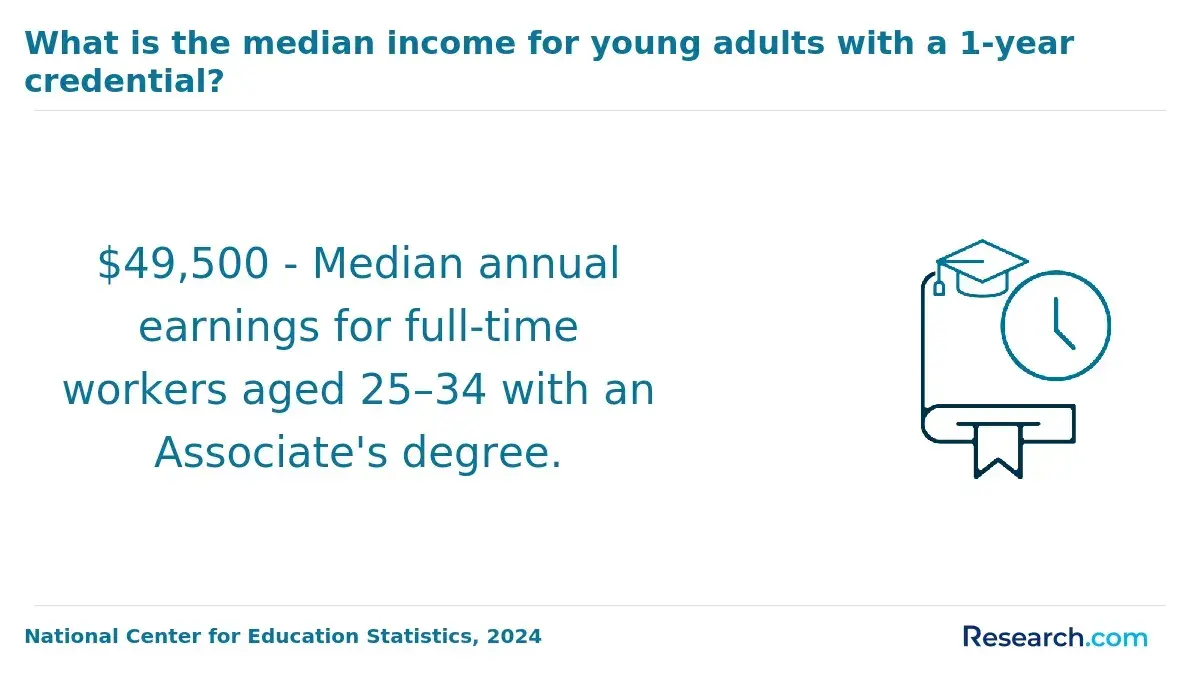
Entry-level salaries for physical education roles typically fall between $45,000 and $55,000 annually, reflecting standards documented by the U.S. Bureau of Labor Statistics and LinkedIn Salary Insights in 2024. Mid-career professionals, including seasoned instructors and program coordinators with additional certifications or administrative duties, commonly see compensation rise to a range of $55,000 to $70,000.
At senior levels-such as department heads or athletic directors-salaries can reach $70,000 to $95,000, driven by considerable experience requirements and advanced credentials. These figures highlight how wage progression in physical education aligns with increasing responsibility, specialized skill sets, and often more complex leadership roles within educational or wellness organizations.
Variations in salary bands correspond closely with specialization intensity, geographic factors, and employer type. Urban districts and private institutions tend to offer higher pay, incentivizing mobility but also creating competitive job markets. Roles demanding niche certifications, such as health coaching or personal training alongside teaching skills, command premiums reflecting skill scarcity and industry demand in non-traditional settings like corporate wellness programs.
Conversely, traditional K-12 settings may exhibit wage stagnation due to fixed pay scales and limited budget flexibility. This dynamic underscores how compensation in physical education is less about uniform pay increments and more about adapting to labor market realities, institutional priorities, and the interplay between educational qualifications and practical expertise.
A recent physical education graduate recalls navigating the rolling admissions process with considerable uncertainty. Although initially hesitant to commit without clear financial aid information, the steady flow of acceptance notices prompted a closer look at program offerings aligned with career goals. The applicant balanced the urgency to secure a spot against ongoing efforts to strengthen their portfolio, recognizing that timing decisions could affect future salary prospects in competing job markets.
Which Industries Are Hiring the Most Physical Education Graduates?
The demand for physical education graduates is currently concentrated in sectors experiencing technological shifts, workforce growth, or gaps in specialized skills. These industries are integrating physical activity knowledge with evolving operational objectives, such as digital health initiatives and expanded wellness programming.
Rather than isolated hiring spikes, the elevated recruitment reflects broader economic and social changes, including the prioritization of preventive health and active lifestyle promotion across diverse organizational settings.
- Educational Institutions: K-12 schools and higher education entities lead in employing physical education graduates due to growing emphasis on holistic wellness curricula and student-athlete development. Employers seek candidates skilled in program coordination, pedagogy, and youth engagement, reflecting ongoing public investment in health-oriented education standards. According to the National Center for Education Statistics in 2024, nearly 45% of physical education-related employment is within this sector, underscoring its dominant role.
- Fitness and Recreational Sports Centers: This sector's growth is driven by increasing consumer focus on fitness as a lifestyle, alongside employer-sponsored wellness initiatives. Physical education graduates are valued for their expertise in exercise science, coaching, and behavior change strategies aimed at enhancing client outcomes in dynamic environments. Industry reports indicate a 12% yearly job growth, highlighting the rising need for professionals who can design adaptive and evidence-based activity programs.
- Healthcare Providers and Rehabilitation Facilities: As healthcare shifts toward preventive care and patient-centered rehabilitation, physical education graduates' roles expand beyond traditional therapy support to include exercise prescription and physical activity counseling. Their knowledge of kinesiology and physical health fits well in multidisciplinary teams addressing chronic disease, injury recovery, and mobility improvement, leading to a notable increase in demand in these settings.
- Public Health Agencies and Nonprofits: With sustained public health priorities on combating obesity and chronic illnesses, graduates are recruited to develop community-based intervention programs and campaign planning. Employers value skills in population health, health education, and data-informed program implementation, reflecting the sector's strategic focus on scalable, preventive physical activity initiatives.
How Does Hiring Demand Vary by State, Region, and City?
Hiring demand for physical education roles displays significant variation across states and regions, shaped by broader economic conditions and local education system size. Larger states with extensive public school systems such as California, Texas, and Florida consistently report higher volumes of physical education job openings due to their substantial student populations and policy emphasis on wellness initiatives.
According to recent labor market data from sources like the U.S. Bureau of Labor Statistics, the Northeast and West Coast show stronger hiring momentum driven by legislative support for holistic student health, whereas some Midwestern and Southern states experience slow or stagnant growth, impacted by budget constraints and shifting curricular priorities.
These geographic disparities in physical education job openings by state and region reflect the interaction of funding availability, demographic trends, and regional economic health rather than simple population counts, necessitating that candidates evaluate both demand and salary competitiveness within these labor markets. At the city level, the landscape becomes even more nuanced as metropolitan areas integrate factors such as employer density, talent pipeline development, and cost-of-living considerations into hiring patterns.
Large urban centers like New York City, Los Angeles, and Chicago maintain frequent openings but also present higher competition and increased expectations for advanced certifications or specialized competencies. Conversely, smaller cities may offer fewer physical education positions but more stable employment conditions and less saturated applicant pools. Infrastructure and workforce ecosystems, including access to professional development and collaboration with healthcare or wellness sectors, further influence employer demand and salary structures in these locales.
For individuals weighing opportunities, understanding the dynamics of regional and city-specific physical education job openings by state and city alongside the realities of relocation and credentialing requirements can clarify both immediate prospects and longer-term career sustainability. For those considering a transition into or advancement within this field, exploring the shortest online nurse practitioner program may offer parallel insights into navigating credentialing complexities and geographic mobility challenges.
What Skills Are Employers Prioritizing in Physical Education Job Postings?
Employer expectations for physical education roles in 2024 reflect a dynamic intersection of evolving technology, diverse student needs, and a broader shift toward interdisciplinary skill sets. The inclusion of digital tools in instruction and the emphasis on inclusive, culturally competent approaches demonstrate how job requirements are adapting beyond traditional physical training.
These trends signal that candidates proficient in both foundational pedagogical skills and modern educational technologies are best positioned to meet the increasing complexity of workplace demands.
- Effective Communication Skills: Clear, tailored communication remains central as educators must convey curriculum content across diverse student populations and collaborate with stakeholders. Employers see this as fundamental to fostering engagement and ensuring curriculum adaptability, which underpins long-term student success and teacher retention.
- Curriculum Development Expertise: Designing responsive programs that address varied abilities and backgrounds is increasingly prioritized to support inclusive education goals. Mastery here aligns with nationwide efforts to create equitable learning environments and signals readiness to implement differentiated instruction strategies.
- Technology Proficiency: Competency with tools for remote instruction, video analysis, and performance tracking reflects the sector's digital transformation. Employers are placing growing weight on these skills, as nearly half of surveyed job postings request technology use, linking tech fluency to both immediate classroom impact and broader organizational efficiency.
- Classroom and Behavior Management: Effective strategies for managing diverse and often complex classroom dynamics are essential due to rising inclusivity demands. Skillful management not only ensures safety and order but also fosters positive participation, directly influencing job performance evaluations and career longevity.
- Cultural Competence and Inclusion: The ability to engage students from varied cultural and special-needs backgrounds indicates sensitivity to demographic shifts and policy mandates. This competency is increasingly critical in sustaining motivation and equitable access, shaping how candidates are assessed for fit within modern educational settings.
- Promotion of Holistic Wellness: Reflecting an industry pivot beyond sport-specific skills, employers value experience in mental health awareness and lifelong fitness programming. This signals a broader responsibility within physical education roles to contribute to comprehensive health outcomes and school-wide wellbeing initiatives.
- Practical Experience and Certification: Credentials like CPR remain important, but practical, hands-on experience through internships and community engagement is often weighted more heavily. This preference highlights employer demands for hires who can quickly integrate and contribute without extensive onboarding, emphasizing readiness over formal qualifications alone.
Which Certifications Increase Employability and Salary Potential?
Certifications in the physical education field function as important indicators of specialized competencies, technical skill sets, and readiness for evolving job requirements. These credentials complement formal education by signaling to employers that candidates possess targeted expertise often aligned with current industry shortages or emerging practice areas.
As competitive hiring landscapes demand more than foundational degrees, holding strategic certifications can markedly improve both employability and salary prospects.
- Certified Strength and Conditioning Specialist (CSCS): This certification addresses a clear demand for professionals skilled in athletic performance and injury prevention, a priority in both school and sports facility settings. Employers value it for validating advanced knowledge in conditioning science, typically leading to higher salary offers-studies note a 7-10% pay boost linked to CSCS holders.
- Adaptive Physical Education Certification: As inclusion becomes more prominent in schools, this credential signals ability to effectively serve students with disabilities, filling a niche skill gap. Those certified often gain access to specialized roles where employer demand exceeds supply, creating modest salary premiums and stronger hiring prospects.
- Personal Trainer Certifications (NASM or ACE Accredited): Recognized across community and private sector roles outside traditional schooling, these credentials validate client-focused training skills tied to wellness trends. They broaden career options considerably and have been associated with salary increases reaching up to 12%, reflecting growing market responsiveness.
- CPR and First Aid Certification: While essential for basic role compliance and often required by law, this certification functions more as a minimum employability threshold rather than a direct driver of salary gains. Its value lies in widening job access and meeting baseline safety standards.
- Health and Wellness Coach Certification: Reflecting a shift toward holistic student wellness, this certification aligns with expanding multidisciplinary initiatives in school districts. It signals readiness for broader programming roles and correlates with emerging salary growth in districts investing in wellness.
One recent graduate with a physical education degree shared that during their job search, holding both a CSCS and CPR certification noticeably impacted interview callbacks. However, they hesitated on pursuing further adaptive education certifications initially because of time constraints and uncertainty about district demand.
They ultimately decided to secure their CPR and CSCS credentials first, citing the rolling admissions and certification renewal timelines as critical factors in managing employability while continuing education. This experience underscored how timing and strategic prioritization of specific certifications can influence practical hiring outcomes and salary negotiation power in the field.
How Do Remote and Hybrid Opportunities Affect the Physical Education Job Market?
Recent labor market analyses, including 2024 data from major workforce analytics studies, reveal that remote and hybrid work models are minimally disruptive but increasingly factored into hiring strategies within physical education. While traditional full-time teaching positions remain anchored to in-person instruction due to licensure and direct engagement demands, many employers now integrate remote components such as virtual fitness assessment or online curriculum development. This shift slightly expands opportunities for adjunct or supplemental roles by easing some geographic constraints, reflecting a subtle yet notable trend in hiring flexibility for remote physical education teaching jobs. However, these positions typically require candidates who can navigate hybrid schedules balancing hands-on instruction with digital task management.
The broader impact of hybrid and remote work in physical education entails emerging expectations around geographic mobility and salary benchmarking. Employers prioritize local hires but may adjust compensation marginally to attract hybrid-capable talent with digital skills, contributing to a gradual, localized salary normalization. Competition intensifies in roles blending physical presence with remote responsibilities, making proficiency in digital collaboration and virtual communication critical. This evolving landscape suggests that remote physical education teaching jobs, although rare, will gradually influence workforce distribution without fundamentally altering the core need for in-person instruction. For candidates seeking adaptability and technical fluency in this space, exploration of complementary pathways like accelerated SLP programs may provide additional leverage in hybrid or remote educational roles.
Which Physical Education Careers Show the Strongest Long-Term Hiring Momentum?
Long-term hiring momentum in physical education careers reflects deeper structural shifts in healthcare, sports, and wellness industries rather than transient job market fluctuations. This momentum arises from enduring economic forces, demographic changes, and evolving technological applications that shape workforce demand steadily over time.
Roles exhibiting sustained growth tend to align closely with preventative care trends, rehabilitation advances, and increasingly integrated health management systems. These factors collectively create lasting demand beyond short-term hiring spikes or cyclical interest.
- Physical Therapists: Employment projections from the U.S. Bureau of Labor Statistics indicate a 21% growth rate through 2032, driven by an aging population and rising chronic health conditions. The expanding preference for rehabilitation over invasive treatments supports stable demand. Additionally, advances in teletherapy and rehabilitative technology reinforce the profession's long-term viability.
- Athletic Trainers: Growing nearly 23% by 2032, athletic trainers benefit from broadened roles in schools, healthcare, and workplace wellness programs. Their expertise in injury prevention and emergency care meets evolving employer expectations amid intensified focus on athlete safety and corporate health initiatives.
- Exercise Physiologists: With a 13% growth forecast, exercise physiologists are increasingly integrated into chronic disease management frameworks. Their specialized skills addressing metabolic and cardiovascular conditions align with healthcare systems shifting toward individualized preventive care, though workforce entry typically requires advanced certifications.
Understanding long-term demand is critical for those targeting top physical education teaching jobs with sustained growth in the US, as trends favor professionals capable of adapting to technology-enhanced health interventions and interdisciplinary collaboration. Entry-level opportunities vary widely, affecting pathways differently across clinical, educational, and corporate environments.
Prospective professionals should also consider how evolving regulation, skill shortages, and sector transformations influence hiring. For example, aspiring leaders can explore pathways toward becoming an athletic director, which integrates administrative and programmatic expertise essential to long-term workforce planning in physical education settings. Navigating these complexities requires realistically assessing education requirements against anticipated salary bands and competitive labor pools.
How Can Students Use Job Market Data to Make Better Career Decisions?
Students pursuing careers in Physical Education can leverage 2024 labor market reports and salary databases to identify which roles are experiencing growth, the expected compensation, and regional demand variations. These sources provide insights into hiring momentum for positions like physical education teachers, athletic trainers, or fitness coordinators, highlighting where skills related to health promotion or rehabilitation offer better pay or longer-term prospects.
Using up-to-date data from reputable platforms allows students to evaluate which specializations align with market needs rather than relying on outdated assumptions about the field's overall demand and wage structure. Interpreting this data requires balancing immediate job availability with long-term career stability and personal interests.
Geographic disparities in wages and openings suggest that relocating may be necessary to maximize employment opportunities, but this must be weighed against individual circumstances and skill alignment with employer expectations. Overemphasis on short-term hiring spikes can mislead, so students should integrate market data with their professional goals, considering certification requirements and evolving industry trends to form realistic, sustainable education and career plans within Physical Education.
References
- Education https://www.careerpilot.org.uk/job-sectors/education/job-profile/pe-teacher
- How to Become a P.E. Teacher: Salary and Job Description | Resilient Educator https://resilienteducator.com/teaching-careers/physical-education-teacher/
- Becoming a Physical Education (PE) Teacher https://www.sparxservices.org/blog/becoming-a-physical-education-pe-teacher
- Securing your first PE teacher job - PE Scholar https://www.pescholar.com/insight/securing-your-first-pe-teacher-job/
- Jobs that use PE - Careers - BBC Bitesize https://www.bbc.co.uk/bitesize/groups/c44r0vvjp5vt
- What Skills Are Employers Looking For in Graduates? | Practera https://practera.com/what-skills-are-employers-looking-for/
- Are Physical Education Teachers in Demand? https://blog.portobelloinstitute.com/are-physical-education-teachers-in-demand
- Launching Your Career in PE: How to Secure a Dream Job as a Physical Education Teacher https://www.capnpetespowerpe.com/single-post/launching-your-career-in-pe-the-ultimate-roadmap-to-a-successful-physical-education-job
- How to Become a PE Teacher: The Complete Guide | ValidGrad https://validgrad.com/blog/become-pe-teacher-guide/
- Professional career in physical education: a systematic review https://pepsic.bvsalud.org/scielo.php
Other Things You Should Know About Physical Education
Lower starting salaries in physical education often correlate with high workloads, including extracurricular responsibilities and administrative tasks. Candidates must evaluate if the compensation justifies these demands, especially given that salary growth tends to be gradual. Prioritizing positions with clear performance metrics and support for work-life balance can offset modest pay and reduce burnout risks.
Full-time roles typically offer more stability and benefits but may come with rigid schedules and heavier non-teaching duties. Part-time or contract positions can provide flexibility but often lack benefits and consistent hours. Candidates should assess their financial needs, career advancement goals, and personal circumstances to decide which tradeoff aligns better with their long-term objectives.
Salary ranges for physical education professionals vary significantly by region, which means the same qualification can yield very different financial outcomes. Job seekers should consider cost of living adjustments and local demand, as higher pay in some regions may be offset by elevated expenses. Targeting regions with a balanced mix of fair compensation and manageable living costs offers a more realistic path to sustainable employment.
Schools and organizations that actively invest in professional development usually foster better job satisfaction and salary progression over time. Candidates should prioritize employers who demonstrate commitment to ongoing training and clear promotion pathways, as these factors significantly influence long-term career growth. Accepting roles without such support can lead to stagnant wages and limited skill-building opportunities.