2027 Physical Education Skills Gap Analysis: What Employers Want vs What Degree Programs Teach

Co-Founder and Chief Data Scientist
Imagine a recent graduate with a degree in physical education eager to enter the workforce, only to find that job requirements emphasize skills not fully covered in their program. Employers seek candidates who demonstrate practical coaching abilities, updated knowledge on adaptive physical activity, and strong communication skills for diverse groups. This mismatch often leaves graduates unprepared for the demands of real-world roles despite completing their academic training.
The gap between employer expectations and degree program content can stall career starts and limit professional growth. Understanding where programs fall short in equipping students with essential competencies is crucial for prospective and current physical education students. This article analyzes the skills gap, comparing what employers want against what physical education degrees typically teach, providing insights to help learners improve their workforce readiness and align their education with career goals.
Key Things to Know About Physical Education Skills Gap
- Employer surveys in 2024 reveal a 62% gap between physical education curricula and the demand for applied behavior management skills, signaling a need for graduates to pursue targeted internships.
- Graduates must develop advanced data analysis and adaptive coaching abilities beyond theory, as real-world roles increasingly require evidence-based program adjustments for diverse populations.
- Proactively engaging in community-based practicum experiences enhances readiness by confronting students with situational complexities absent from typical coursework, thus aligning skills more closely with employer expectations.
- Key Things to Know About Physical Education Skills Gap Key Things to Know About Physical Education Skills Gap
- What Skills Do Employers Expect From Physical Education Graduates? Employer Expectations
- What Do Physical Education Degree Programs Typically Teach? Program Curriculum
- Where Is the Biggest Skills Gap Between Physical Education Programs and Employers? Biggest Skills Gap
- Which Technical Skills Are Most Important for Physical Education Careers? Technical Skills
- Which Workplace Skills Matter Beyond Technical Knowledge? Workplace Skills
- How Do Internships and Real-World Experience Improve Career Readiness? Career Experience
- How Can Students Close the Physical Education Skills Gap Before Graduating? Closing Skills Gap
- How Is the Physical Education Job Market Changing Employer Skill Requirements? How Is the Physical Education Job Market Changing Employer Skill Requirements?
- How Do Different Physical Education Programs Compare in Career Preparation? How Do Different Physical Education Programs Compare in Career Preparation?
- How Should Students Choose a Physical Education Program That Builds Career-Ready Skills? Choosing a Program
What Skills Do Employers Expect From Physical Education Graduates?
Employers hiring physical education graduates increasingly prioritize a blend of technical know-how and professional skills that reflect evolving industry demands. Recent data from Lightcast and LinkedIn in 2024 show over 60% of job openings in this field require proficiency beyond core teaching abilities, underscoring a shift toward practical and digital competencies.
Graduates must navigate environments where the integration of health technology and personalized wellness programs is commonplace, making workforce readiness pivotal for success. These expectations vary by sector, but an essential skill set consistently emerges across education, healthcare, and community health roles.
The following skills clearly illustrate what employers expect from physical education graduates in today's competitive job market:
- Technical Proficiency: Employers seek graduates fluent in fitness assessment tools, rehabilitation methodologies, and digital platforms like fitness tracking software. Mastery of these technologies usually develops through hands-on coursework and internships, enabling graduates to deliver evidence-based interventions and track client progress efficiently.
- Communication and Collaboration: Effective communication with diverse groups, including individuals with disabilities or chronic illnesses, is critical. Programs that emphasize teamwork and interpersonal skills prepare graduates to engage stakeholders and foster inclusive environments, which is essential in multidisciplinary health and education settings.
- Adaptability and Problem-Solving: Physical education professionals often face rapidly changing health guidelines or client needs. Graduates trained to adapt through scenario-based learning can quickly revise programs and implement innovative solutions, a trait highly valued by employers managing public health and wellness initiatives.
- Cultural Competency: Understanding and respecting cultural diversity improves program accessibility and participant engagement. Exposure to inclusive teaching methods and community-based experiences equips graduates to address health disparities and tailor interventions effectively.
- Leadership and Program Development: Many roles demand skills in designing and managing health promotion programs. Educational experiences that combine theory with project leadership opportunities help graduates inspire participation and improve health outcomes at the group or community level.
- Knowledge of Public Health Trends: Awareness of current wellness trends and mental health connections enables graduates to integrate holistic approaches into practice. This broad perspective supports employers' goals for sustainable community health, a growing focus highlighted in job market expectations for physical education graduates.
- Digital Health Literacy: As digital tools reshape fitness and rehabilitation, graduates with training in virtual training modules and data analytics stand out. Pursuing supplemental education-such as the fastest DNP program online or similar professional development-can accelerate mastery in this area, making candidates more competitive.
What Do Physical Education Degree Programs Typically Teach?
Physical education degree programs cultivate a core skill set that supports both effective teaching and a deep understanding of human movement and health. While curricula vary, most programs emphasize competencies that combine foundational sciences with practical pedagogical methods. For example, a student teaching physical education in a diverse urban school district might find that their breadth of training in both anatomy and inclusive instructional strategies becomes essential to meeting varied student needs.
Such real-world applications underscore the importance of diverse learning outcomes directly tied to employability in modern educational contexts.
Below are key content areas central to core physical education curriculum components and typical skills taught in physical education degrees:
- Motor Skill Development: Students acquire knowledge about the progression and assessment of fundamental movement skills. This area prepares future educators to design age-appropriate physical activities that promote coordination, balance, and overall physical literacy.
- Human Anatomy and Physiology: Programs emphasize understanding body systems and biomechanics to inform safe and effective exercise programming. This component supports long-term career versatility, including roles in fitness assessment and rehabilitation.
- Physical Fitness Principles: Instruction covers cardiovascular health, strength training, and flexibility, aimed at fostering lifelong wellness habits. Mastery here enables graduates to guide diverse populations toward health-enhancing behaviors, reflecting increasingly prevalent wellness promotion demands.
- Pedagogical Strategies: Core curricula focus on teaching methods tailored to various learner populations, emphasizing engagement, motivation, and differentiated instruction. Developing these instructional skills is critical for success in K-12 settings, where diverse learner needs are the norm.
- Health-Related Behavior Change: Students explore theories and practices to encourage healthy lifestyle adoption among individuals and communities. This knowledge aligns with growing calls for educators to address holistic well-being beyond physical activity alone.
- Exercise Science and Kinesiology Integration: About 85% of accredited programs now include this science-driven approach to understanding movement mechanics and performance. This focus prepares students for emerging career opportunities that intersect with technology, sports science, and rehabilitation fields.
- Inclusive and Culturally Responsive Education: Though often elective, there's rising incorporation of social-emotional learning and equity-focused frameworks. Gaining competence here equips graduates to navigate culturally complex classrooms and supports evolving accreditation standards.
Students seeking additional practical readiness should also consider allied certifications or coursework reflective of workforce trends, such as in digital tools for fitness analytics or specialized health fields like medical coding certification, to broaden their employability horizons.
Where Is the Biggest Skills Gap Between Physical Education Programs and Employers?
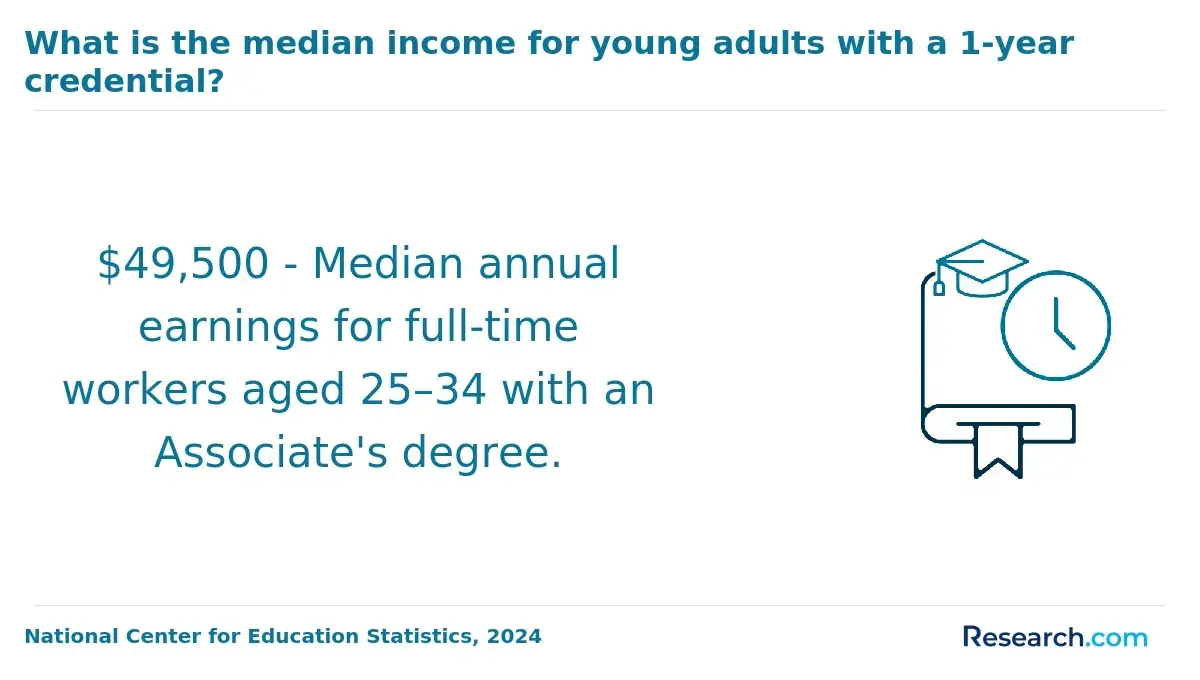
Data from 2024 illustrates a distinct mismatch between the competencies emphasized in physical education degree programs and the practical skills employers value most. School districts, recreational facilities, and health organizations commonly report that graduates fall short in applying theory to real-world scenarios.
Over 60% of employers surveyed by the National Center for Education Statistics note deficits in graduates' readiness to manage actual physical education environments effectively. These gaps tend to concentrate around hands-on experience, technology use, and interpersonal communication-areas less emphasized in traditional academic curricula.
Exploring these shortcomings reveals where students can focus their efforts to enhance employability. The following highlights key domains where the skills gap is most intense and actionable strategies to close these divides before entering the workforce.
- Applied Program Implementation: Many programs emphasize kinesiology theories over leading diverse, adaptive physical activities. Graduates often struggle to design and execute practical lesson plans responsive to various student needs. Engaging in internships or volunteer roles that provide direct classroom or community-based teaching experience can build this critical competency.
- Technological Proficiency: Contemporary physical education increasingly integrates wearable fitness trackers, virtual coaching, and data analysis tools. Yet curricula remain anchored in traditional methods, leaving graduates unprepared for these digital demands. Pursuing certifications in relevant software or hands-on workshops with emerging tech can offer a competitive edge.
- Behavior and Classroom Management: Managing student behavior and individual assessments are areas where graduates frequently lack confidence. This impacts their ability to create supportive learning environments. Practicum settings that expose students to real-time challenges can develop these essential skills.
- Interpersonal and Cultural Communication: Employers expect professionals who can collaborate across teams and engage families while addressing inclusivity. However, this soft skill dimension tends to be underdeveloped in many programs. Participation in multicultural initiatives or team-oriented projects can cultivate empathy and communication proficiency.
Which Technical Skills Are Most Important for Physical Education Careers?
Technical skills serve as the bridge between theoretical knowledge and practical application in professional physical education environments. As the field adapts to advancements in technology and shifting workplace needs, the skill sets that employers prioritize are also evolving. Staying current with these changes is crucial for students and graduates who want to remain competitive and effective in diverse roles.
The following key technical competencies are essential for aligning with employer expectations and advancing one's career in physical education.
- Kinesiology and Biomechanics Expertise: A deep understanding of human movement science is critical, enabling educators to design programs that enhance performance and reduce injury risk. This foundation is typically gained through rigorous coursework and hands-on labs, supporting long-term adaptability to various athletic and clinical settings.
- Data Analysis Proficiency: Interpreting metrics from fitness assessments and performance tracking tools is increasingly in demand. Students develop these skills by engaging with statistics and software applications, making them capable of personalizing training plans and demonstrating measurable student progress to administrators.
- Technology Integration Skills: Familiarity with wearable devices, digital monitoring systems, and wellness apps allows professionals to implement modern strategies for health optimization. Training through specialized workshops or internships helps build fluency with evolving tools essential for schools and sports teams.
- Health and Nutrition Knowledge: Incorporating comprehensive wellness education beyond physical activity supports holistic student development. This competency is cultivated through interdisciplinary study, helping physical educators address broader lifestyle factors that influence fitness outcomes.
- Communication for Diverse Populations: Tailoring messaging to different cultural backgrounds and ability levels ensures engagement and motivation. Practice in varied social settings and coursework in educational psychology enhances this skill, which is invaluable for fostering inclusive learning environments.
- Injury Prevention Techniques: Recognizing risk factors and applying preventative measures protects students and athletes, a core responsibility in physical education roles. Practical training and certification programs reinforce these abilities, contributing to safer programs and professional credibility.
- Adaptability to Emerging Trends: The field's rapid adoption of new technologies and methodologies requires ongoing learning. Professionals who proactively update their skill sets maintain relevance and open doors to advanced positions across educational and athletic organizations.
Recent statistics from the National Association for Sport and Physical Education indicate that over 70% of employers in the sector now prioritize candidates with competencies in data literacy and technology integration, underscoring a significant shift toward tech-savvy physical education professionals.
Which Workplace Skills Matter Beyond Technical Knowledge?
Career success in physical education depends on cultivating workplace skills beyond technical knowledge alone. Employers increasingly emphasize professional competencies that enable graduates to navigate complex social dynamics and organizational challenges. Recent data from the U.S. Bureau of Labor Statistics reveal that over 70% of employers in health and education sectors prioritize durable skills like communication and adaptability when hiring physical education graduates.
Such skills often distinguish candidates who thrive in demanding, multifaceted roles from those who struggle to transition from academic settings. Below are key workplace skills where physical education graduates should focus their development.
- Interpersonal Communication: Employers expect graduates to effectively convey ideas and motivate clients or students with diverse backgrounds and motivation levels. Strengthening communication through group projects and practicum experiences enhances empathy and clarity, vital for frontline educators and trainers who rely on relationship-building for client engagement.
- Adaptability to Change: Physical education roles now frequently incorporate digital tools for remote coaching and health tracking. Emphasizing flexibility in coursework and internships equips students to embrace evolving technologies and customize programs, preparing them for career longevity amid shifting industry expectations.
- Teamwork and Collaboration: Many employment settings involve multidisciplinary teams. Developing collaboration skills through cooperative assignments and community-based projects fosters emotional intelligence and a cooperative mindset, qualities that employers identify as essential for sustaining employment according to recent workforce studies.
- Time Management and Organization: Graduates who excel at prioritizing lesson planning, administrative tasks, and client needs demonstrate superior workplace efficiency. Integrating project management simulations and real-world scheduling tasks within studies builds this competency, reducing transition challenges from academia to professional environments.
- Resilience and Self-Directed Learning: The ability to recover from setbacks and proactively pursue ongoing learning is critical in health promotion fields that demand continual knowledge updates. Programs that encourage reflective practice and independent research nurture these traits, ultimately supporting sustained career growth.
Physical education students interested in expanding their competencies beyond conventional curricula can explore options such as kinesiology certification online. Such pathways offer targeted opportunities to integrate technical mastery with workplace skills increasingly sought by employers, thereby bridging the gap between academic preparation and evolving professional demands.
How Do Internships and Real-World Experience Improve Career Readiness?
Academic study alone often falls short of fully preparing physical education graduates for workforce demands because it tends to focus heavily on theory rather than the nuanced application of skills in varied professional environments. Real-world experience through internships or practicums bridges this gap by allowing students to translate classroom concepts into practice, enhancing their confidence and judgment in dynamic settings.
For example, a student might learn exercise physiology in class but only through supervised internship experiences do they develop the ability to tailor fitness programs to diverse client needs while navigating unexpected challenges. This hands-on involvement cultivates the critical problem-solving and adaptability employers consistently seek.
Internships and experiential learning also provide a platform to sharpen both technical capabilities-such as using assessment tools or health monitoring software-and professional communication skills essential for interdisciplinary teamwork. Engaging with workplace culture clarifies expectations around punctuality, accountability, and collaboration, while expanding networks that can influence early career opportunities.
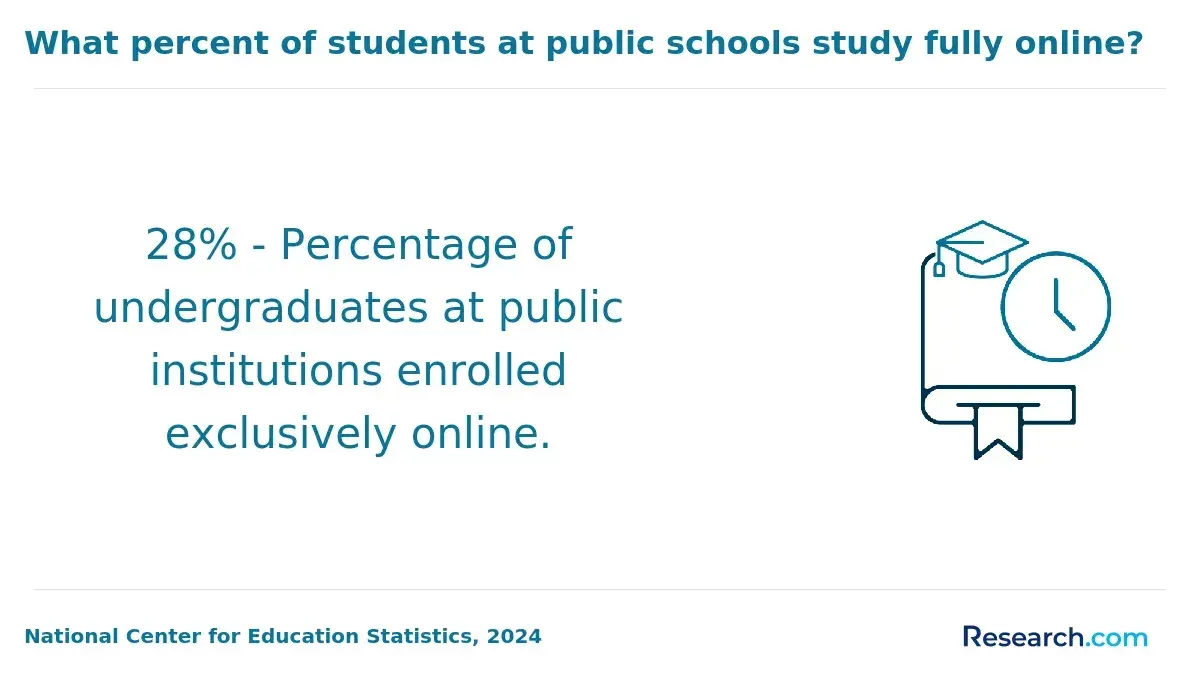
However, the quality and relevance of these experiences vary widely by program and placement, which means students must proactively evaluate potential internships to ensure alignment with their career goals and academic preparations. According to a 2024 report by the National Association for Sport and Physical Education, 72% of graduates with documented internship experience secured employment within six months, compared to 48% without.
To maximize the advantages of experiential training, students should aim to secure internships early, engage deeply in applied projects, and build lasting professional connections. Reflecting critically on these experiences helps integrate practical lessons with long-term career planning and skills development.
While internships significantly improve readiness, they should complement robust academic achievement and ongoing skill enhancement, rather than substitute for them, to ensure a well-rounded approach to workforce success in physical education fields.
How Can Students Close the Physical Education Skills Gap Before Graduating?
Students pursuing a physical education degree don't need to postpone career readiness until after graduation. Building practical skills alongside academic coursework enhances employability and eases the transition into professional roles. Employers increasingly prioritize hands-on experience over theoretical understanding alone, making early and deliberate skill development essential.
Integrating workplace competencies within the academic journey provides students a competitive edge in a challenging job market. Below are proven strategies to shrink the skills gap before completing a physical education program.
- Internship Engagement: Participating in internships allows students to apply classroom knowledge in real settings, sharpening communication and leadership abilities while adapting to professional environments. The 2024 National Association of Colleges and Employers shows internships correlate with higher job placement rates, highlighting their importance for career readiness.
- Undergraduate Research: Taking part in mentored research projects boosts critical thinking and problem-solving skills specific to physical education. Structured research experiences deepen discipline knowledge and signal to employers a candidate's commitment to scholarly and practical mastery.
- Certification Acquisition: Earning certifications in fitness training, first aid, or coaching provides verifiable expertise that complements degree credentials. While requiring an investment of time and money, these certifications meet employer demands for specialized skills often missing from standard curricula.
- Project-Based Learning (PBL): Engaging in initiatives such as community health programs develops teamwork, adaptability, and program management skills. The U.S. Department of Education's 2024 Workforce Readiness Report notes graduates with PBL experience demonstrate greater confidence handling complex, cross-disciplinary challenges.
- Networking in Professional Settings: Attending conferences, workshops, and professional organization events connects students with industry insiders and opens doors to job opportunities. These engagements familiarize students with current issues and employer expectations in the physical education field.
- Reflective Skill Assessment: Regularly evaluating personal strengths and areas for growth helps students tailor their learning paths and experiences more effectively. Self-directed reflection aligns skill development with evolving labor market needs.
How Is the Physical Education Job Market Changing Employer Skill Requirements?
Technological innovation and shifting educational priorities are reshaping the physical education job market, driving changes in employer skill requirements. Employers increasingly value interdisciplinary capabilities such as health literacy, behavioral science, and the use of digital tools like fitness tracking apps and virtual instruction platforms.
The World Economic Forum's 2024 Future of Jobs Report highlights that physical educators now must integrate mental health support and inclusive teaching practices into their roles. This evolving landscape underscores the importance of digital fluency and adaptability alongside traditional instructional skills, reflecting broader workforce trends.
These changing employer expectations affect both technical and professional skills. The U.S. Bureau of Labor Statistics data from 2024 confirms steady demand for traditional teaching roles, yet emphasizes growth in applied competencies such as data-driven assessment and collaboration within multidisciplinary teams.
As the physical education job market evolving skill demands, continuous learning and practical experience become critical for graduates to remain competitive. Students unable to demonstrate proficiency in these areas risk lagging behind in a crowded candidate pool where soft skills like communication and adaptability are paramount.
To align with current employer expectations for physical education graduates, students should combine foundational coursework with internships, applied projects, and relevant certifications. Networking and ongoing skill development are equally vital, allowing professionals to adapt to geographic and institutional variations revealed by Lightcast's 2024 labor market studies.
For those comparing degree options or seeking comprehensive online programs, resources such as Capella vs Chamberlain RN to BSN provide valuable insight into program outcomes and workforce alignment.
How Do Different Physical Education Programs Compare in Career Preparation?
Career preparation in physical education degree programs depends heavily on more than the title or general reputation of the program. Graduates with identical degrees may find markedly different employment outcomes based on how their curricula emphasize practical skills, real-world experiences, and interdisciplinary knowledge.
For example, a recent government analysis from 2024 found that programs incorporating internships and community partnerships produce graduates with a 20% higher employability rate than those focused primarily on theoretical coursework.
To assess how well physical education degree programs prepare students for the workforce, consider these factors:
- Practical Experience Integration: Programs that mandate internships, practicum opportunities, or direct community engagement better align with employer expectations for hands-on skills. Compare how programs embed applied learning versus purely classroom-based theory, as this difference impacts job readiness immediately after graduation.
- Curriculum Breadth: Career readiness improves when programs balance core physical education principles with training in emerging areas like data analytics, adaptive physical activity, and wellness promotion. Evaluate whether a program offers interdisciplinary courses that reflect evolving industry demands.
- Skill Development Focus: Employers increasingly seek graduates proficient in communication, program management, and fitness technology. Prospective students should scrutinize whether courses systematically develop these competencies rather than assuming they will be learned independently.
- Inclusivity and Adaptability Training: Exposure to diverse populations and adaptive teaching methods is critical, as the field prioritizes inclusivity and public health. Programs vary widely in how they prepare students to work effectively across different client needs.
Understanding these distinctions helps students choose a program aligned with their career goals and learning preferences, especially since no single physical education degree program guarantees universal career readiness. For those balancing career changes or specialization paths, structured degrees like an online masters degree in forensic psychology illustrate how interdisciplinary training can open diverse career trajectories.
How Should Students Choose a Physical Education Program That Builds Career-Ready Skills?
Choosing between online, hybrid, and campus physical education programs requires assessment of long-term outcomes beyond immediate convenience. Each format shapes how students gain skills, interact with peers and mentors, and connect to potential employers. For example, a student balancing childcare might excel in an online program's flexible schedule but miss out on hands-on experiences critical for classroom management skills valued by K-12 employers.
Here are key long-term factors to consider when selecting a learning format:
- Skill Application Opportunities: Campus programs typically offer immersive practicum and in-person internships, which research shows correlate strongly with workforce readiness. Hybrid programs blend hands-on practice with flexibility, while fully online formats may require students to seek external field experiences, benefiting self-motivated learners.
- Networking and Mentorship: Face-to-face interactions on campus foster stronger professional relationships, crucial for job placement according to 2024 labor data. Hybrid formats offer moderate networking chances, whereas online students might rely more on virtual groups or alumni resources.
- Technology Integration Skills: Online and hybrid students often develop advanced digital literacy by navigating virtual platforms, a growing employer priority documented by the National Center for Education Statistics.
- Curriculum Rigor and Accreditation: Programs accredited by recognized bodies like CAEP maintain consistent academic quality across formats, ensuring comprehensive training inclusive of evidence-based teaching strategies.
- Career Support Services: Campus-based programs generally provide more robust career counseling and direct employer engagement, enhancing job placement rates. Hybrid formats offer varying levels of support, while online programs' effectiveness depends heavily on institutional resources.
- Adaptability to Individual Needs: Online formats suit self-disciplined students balancing responsibilities, while campus settings better serve those who thrive with structured schedules and real-time feedback. Hybrid models can accommodate diverse learning styles and circumstances.
References:
- The role of physical education in shaping soft skills and self-regulation in senior students: an economic perspective https://revistas.um.es/sportk/article/view/644821
- Beware the widening skills gap between education and employment https://www.spottedzebra.co.uk/post/widening-skills-gap-education-employment
- Education—Physical Education K–12 Licensure, BA - New England College https://www.nec.edu/programs/education-k-12-physical-education-b-a
- Aspire:ED's Blog https://www.aspireedcpd.com/blog
- Making the Right Moves: A Guide to Majoring in Physical Education - UNCF https://uncf.org/the-latest/making-moves-as-a-physical-education-major
- Skills Gap Analysis: The Secret to Future-Proofing Your Business https://www.ispring.com/knowledge-hub/skills-gap-analysis
- Sport and Employability - era of the soft skills https://engsoyouth.eu/sport-and-employability-era-of-the-soft-skills/
- [PDF] Sport and physical activity sector local skills plan - CIMSPA https://cimspa.co.uk/
- Professional career in physical education: a systematic review https://pepsic.bvsalud.org/scielo.php
- Skills Taught vs Skills Sought: Using Skills Analytics to Identify the Gaps between Curriculum and Job Markets https://educationaldatamining.org/edm2022/proceedings/2022.EDM-posters.56/index.html
Other Things You Should Know About Physical Education
The wide variation in physical education degree curricula means that graduates may leave school with very different skill sets, even if their degrees share similar titles. Programs that emphasize theory over practical application can leave students underprepared for real-world demands like individualized coaching or adaptive physical education. Employers often must invest additional time and resources in training new hires, particularly when graduates lack hands-on experience with current industry tools or inclusive teaching methods. Choosing programs with a balanced curriculum that integrates applied learning alongside foundational knowledge often produces graduates who transition more smoothly into workplace roles.
Employers tend to value candidates who possess adaptable competencies-such as communication, behavior management, and data interpretation-over narrowly specialized skills that may become obsolete. However, degree programs frequently emphasize specialized content knowledge, sometimes at the expense of transferable skills. Prioritizing a curriculum that develops both broad competencies and discipline-specific expertise can better position graduates for diverse roles and long-term career resilience. Students should weigh whether their program allows for skill diversification, which can be crucial for employability in evolving educational and fitness environments.
Supplementary certifications in areas like first aid, fitness instruction, or special education can markedly improve employability, but they also require additional time and financial investment. Some employers expect these credentials as a baseline, highlighting a gap in degree programs that often do not incorporate them comprehensively. Students need to assess if their physical education program integrates relevant certifications or if they must pursue them independently. Balancing the workload of certifications with academic demands is critical, and successful candidates usually plan early to accommodate this extra credentialing.
Many physical education programs lag behind in incorporating current technology such as fitness tracking devices, virtual coaching platforms, or data analytics tools. Graduates unaware of these innovations may struggle to meet employer expectations for tech-savvy teaching and program management. This gap can limit career advancement opportunities, especially in settings prioritizing evidence-based practice and personalized learning. Students should prioritize programs that provide access to and training in emerging technologies or seek practical experience independently to align better with workplace realities.