2027 Physical Education Student Debt Report: Borrowing, Monthly Payments, and Repayment Risk

Co-Founder and Chief Data Scientist
Physical education programs often require extended study periods due to certification, licensure, and supervised fieldwork components that influence enrollment duration and borrowing needs. Unlike many disciplines, required internships and specialized equipment costs can elevate upfront expenses, shaping how students borrow and manage debt. Recent data from the National Center for Education Statistics show that graduates in physical education frequently enter careers with salary ranges below the national average for bachelor's degree holders, complicating repayment patterns. Older students' presence in these programs suggests evolving workforce demands and efforts toward career transitions, impacting long-term debt risk.
This report examines borrowing trends, monthly payment burdens, and repayment challenges specific to physical education degrees, helping clarify financial obligations aligned with professional pathways.
Key Things to Know About Physical Education Student Debt
- Average monthly payments for physical education graduates often stretch budgeting due to long loan terms; understanding repayment timing helps manage cash flow across early career stages with typically modest wage growth.
- Employer demand increasingly favors candidates with credentials reflecting both physical training and educational pedagogy, impacting debt-first decisions by emphasizing strategic program selection aligned with workforce expectations.
- A 2024 study found that 38% of physical education graduates face repayment difficulties within five years, underscoring risks tied to program cost versus anticipated employment stability and prompting cautious borrowing.
- Key Things to Know About Physical Education Student Debt Key Things to Know About Physical Education Student Debt
- How Much Student Loan Debt Do Physical Education Graduates Typically Have at Graduation? Average Studen Loan Debt
- What Factors Have the Biggest Impact on Physical Education Student Loan Debt? Student Debt Key Factors
- What Is the Average Monthly Student Loan Payment for Physical Education Graduates? Average Monthly Payment
- How Do Repayment Rates Compare Between Public and Private Institutions? Public vs. Private Institution Repayment Rates
- Do Online Physical Education Graduates Have Different Repayment Outcomes Than Campus-Based Students? Online vs. On-Campus Student Loan Repayment
- Which Industries Provide the Best Financial Return Relative to Borrowing Costs? Which Industries Provide the Best Financial Return Relative to Borrowing Costs?
- Does Student Debt Affect Which Jobs Physical Education Graduates Accept? Does Student Debt Affect Which Jobs Physical Education Graduates Accept?
- What Factors Increase Student Loan Repayment Risk for Physical Education Graduates? Loan Repayment Risk Factors
- How Can Physical Education Students Reduce Student Loan Debt While Earning Their Degree? Tips to Reduce Student Debt
- How Should Prospective Students Evaluate Borrowing Risk Before Enrolling? Evaluating Student Debt Risk
How Much Student Loan Debt Do Physical Education Graduates Typically Have at Graduation?
Data from recent federal reports and the College Scorecard show that student loan debt for physical education graduate student loan debt averages generally fall between $25,000 and $30,000 at graduation in 2024. This range aligns closely with the broader national trends for undergraduate borrowing, though there is notable variability based on institutional and student-specific factors. Physical education students tend to accumulate debt levels near the typical bachelor's degree recipient because their programs are usually embedded within education or kinesiology departments, which have borrowing patterns similar to other education-related fields.
Variations in total borrowing stem largely from distinctions such as public versus private institution attendance, in-state versus out-of-state tuition rates, and the extent of financial aid availability through grants or scholarships tailored for future educators. Program length and enrollment status also influence debt; part-time students often incur extended tuition costs, while some physical education majors increase borrowing by pursuing additional certifications. These cost factors combine with living expenses and institutional financial aid policies to shape the landscape of financial obligation among physical education majors, a dynamic critical to understand when considering borrowing decisions. For those evaluating alternatives in allied health and education, comparing pathways like a fastest medical assistant program may provide perspective on cost and time investments.
Because career entry points after graduation often offer moderate salaries, repayment stress can be significant for physical education graduates carrying debt levels near the national average. Income-driven repayment plans may help manage monthly obligations, yet the relationship between debt size and early-career earnings can restrict financial flexibility, influencing career choices and long-term financial stability. Recognizing the nuanced drivers behind debt accumulation enables prospective and current students to more accurately assess borrowing relative to anticipated income streams and to strategically navigate the affordability challenges endemic to physical education degree programs.
What Factors Have the Biggest Impact on Physical Education Student Loan Debt?
Student loan debt levels among physical education students reflect a complex interplay between institutional cost structures and individual financial realities rather than a single causal factor. This debt burden arises from how programs are priced, the availability and design of financial aid, and the personal choices students make about program length and living arrangements. Together, these elements create significant variation in borrowing levels, impacting long-term financial outcomes for students pursuing physical education degrees.
- Institution Type and Pricing Models: Private nonprofit and for-profit institutions typically charge significantly higher tuition than public colleges, directly inflating borrowing needs. These institutions may also offer less grant aid relative to public counterparts, meaning students often rely more heavily on loans. The combination of elevated sticker prices and limited net price reduction mechanisms drives up average debt levels among physical education students attending these schools.
- Program Length and Structure: Extended degree pathways, including combined bachelor's and master's programs or curricula with mandatory internships, increase total costs not only through extra tuition but also prolonged living expenses. The College Board reports that students in these extended programs bear roughly 15-20% more debt than peers in standard four-year programs. Longer enrollment periods create an accumulation effect, particularly when borrowed funds cover both direct educational costs and basic living needs.
- Geographic Living Costs and Enrollment Decisions: Students attending urban or high-cost-of-living campuses face elevated day-to-day expenses that compound loan amounts. This factor is especially significant for physical education students since many programs are located in metropolitan areas and often lack substantial external support. These living cost pressures amplify debt beyond tuition and fees and interact with students' choices about where to study and how to finance their education.
- Financial Aid Availability and Student Financial Behavior: The interplay between institutional aid packages and individual student borrowing strategies shapes debt accumulation. Students who receive less grant aid or rely on unsubsidized loans to cover gaps tend to accumulate higher balances. Moreover, those unaware of or unable to optimize aid opportunities may borrow more than necessary, increasing long-term repayment burdens. This dynamic highlights how borrowing behavior mediates the impact of institutional pricing.
- Career Earnings and Debt Repayment Capacity: Median wages for physical education graduates, around $60,000 annually according to the U.S. Bureau of Labor Statistics, place practical limits on manageable loan repayment amounts. When initial borrowing exceeds $30,000, monthly payments can strain budgets, further influencing borrowing decisions and limiting willingness to take on additional debt. Anticipated income therefore acts as an informal ceiling on feasible student loan debt, aligning financial commitments with realistic employment outcomes.
The magnitude of physical education student loan debt is thus best understood through this multifaceted lens, where institutional funding practices, program design, living expenses, and student financial behavior combine to influence overall borrowing levels. Prospective students must consider how these variables interact over the duration of a program to effectively manage debt and its long-term implications within the broader context of the physical education student loan borrowing factors shaping their educational journey.
For students exploring alternatives or seeking flexible options that may reduce debt accumulation, some turn to online medical coding programs, which often feature more predictable costs and shorter completion timelines, demonstrating how different program formats affect debt dynamics in education fields broadly.
What Is the Average Monthly Student Loan Payment for Physical Education Graduates?
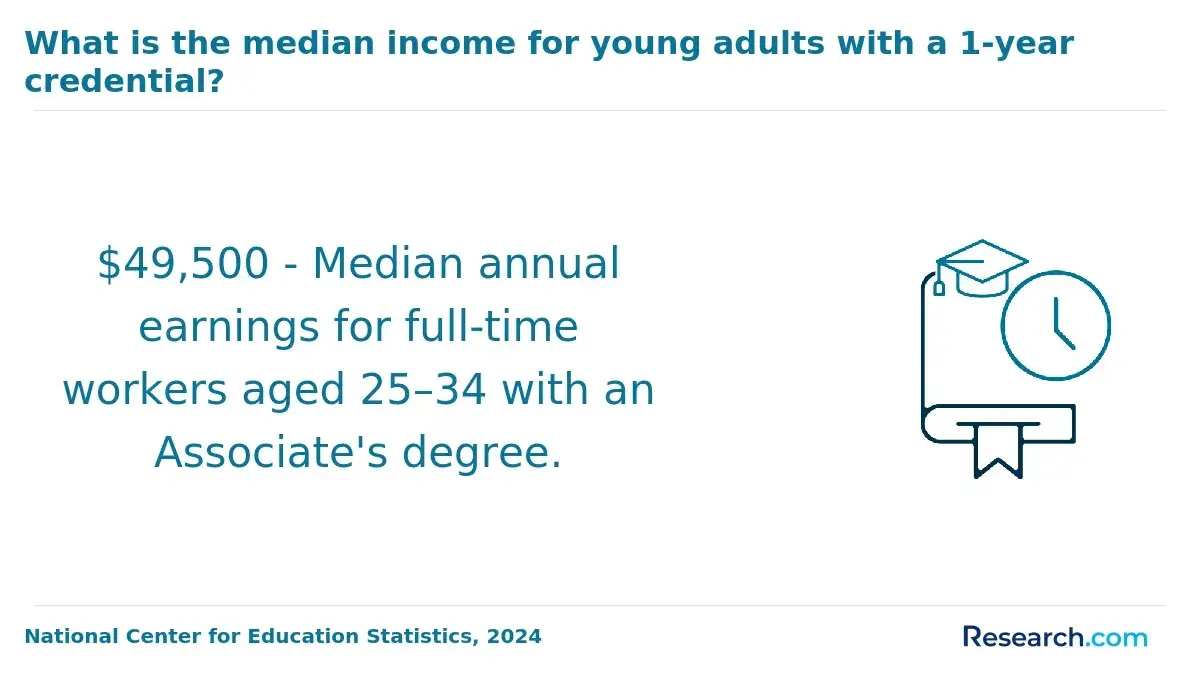
Recent data from the U.S. Department of Education and Federal Reserve illustrate that graduates holding degrees in physical education generally face average monthly student loan payments in the $200 to $350 range. This payment level is lower than that of many STEM or professional fields, reflecting the moderately sized debt burdens typical in physical education programs and the associated entry-level salaries, which often fall between $35,000 and $50,000. While these monthly payments appear manageable in isolation, they represent a substantial portion of income for many graduates, influencing their overall financial flexibility and long-term repayment strategies. The variation within this range depends heavily on individual borrowing levels and the structural features of their loan repayments.
Differences in monthly payments primarily stem from the total amount borrowed, repayment plan selection, and salary variations across physical education careers. Graduates who accumulate debt closer to $40,000 will naturally encounter higher monthly bills unless they qualify for extended income-driven repayment plans, which reduce immediate payments but prolong debt servicing periods and increase total interest costs. In contrast, those with lower debt or higher salaries may opt for standard repayment schedules, incurring higher monthly costs but finishing faster. Additionally, interest capitalization and the availability of employer-related benefits, such as public service loan forgiveness for education professionals, further complicate payment expectations. These financial dynamics emphasize the importance of understanding how debt size, repayment flexibility, and income trajectories interact rather than focusing on static payment figures.
A physical education graduate recalled a cautious admissions experience, having delayed submitting applications while awaiting clarity on financial aid offers and loan counseling details. Initially hesitant to commit during the rolling admissions window, the graduate carefully timed enrollment decisions to better assess borrowing limits and projected monthly payments based on income-driven repayment estimates. This strategic pause allowed the individual to avoid early over-borrowing and contributed to a clearer understanding of manageable payment expectations once employed, illustrating the nuanced timing and planning that can impact both access to programs and post-graduate financial outcomes.
How Do Repayment Rates Compare Between Public and Private Institutions?
Repayment outcomes for physical education graduates vary significantly depending on whether their degrees were obtained at public or private institutions. Data from the U.S. Department of Education's College Scorecard (2024) illustrates that nearly half of public college graduates successfully reduce their student loan principal within five years, while the comparable figure for graduates from private nonprofit institutions falls closer to 38%. This disparity suggests that degree holders from public universities typically face more manageable repayment trajectories, despite similar employment rates in the field. Federal Reserve findings from early 2024 further confirm that delinquency rates on loans taken by public institution graduates are generally lower, highlighting differences in the financial strain experienced post-graduation.
The higher repayment rates among public institution graduates can be traced to a combination of structural factors. Public colleges usually charge lower tuition, resulting in smaller loan balances at the outset of repayment, which reduces monthly financial burdens. Conversely, physical education students in private nonprofit settings often accumulate more debt, leading to steeper repayment schedules relative to their earnings. Employment outcomes and salary levels, while broadly comparable across sectors, may not offset these higher loan obligations sufficiently. Additional considerations include demographic differences; private institutions may enroll a larger share of borrowers with elevated financial risk profiles or limited access to substantial aid packages, exacerbating repayment challenges.
These repayment patterns carry important implications for debt sustainability and long-term financial mobility within the physical education profession. Graduates with heavier loan burdens from private colleges face increased risk of extended repayment periods and heightened financial stress, which can influence career flexibility and investment in further training. Meanwhile, repayment success rates compound perceptions of institutional value, affecting how current and prospective students weigh the cost-effectiveness of their education choices. Understanding these nuanced financial dynamics is crucial for students aiming to navigate the real-world tradeoffs inherent in financing their physical education degrees and for policymakers assessing institutional accountability in higher education financing.
Do Online Physical Education Graduates Have Different Repayment Outcomes Than Campus-Based Students?
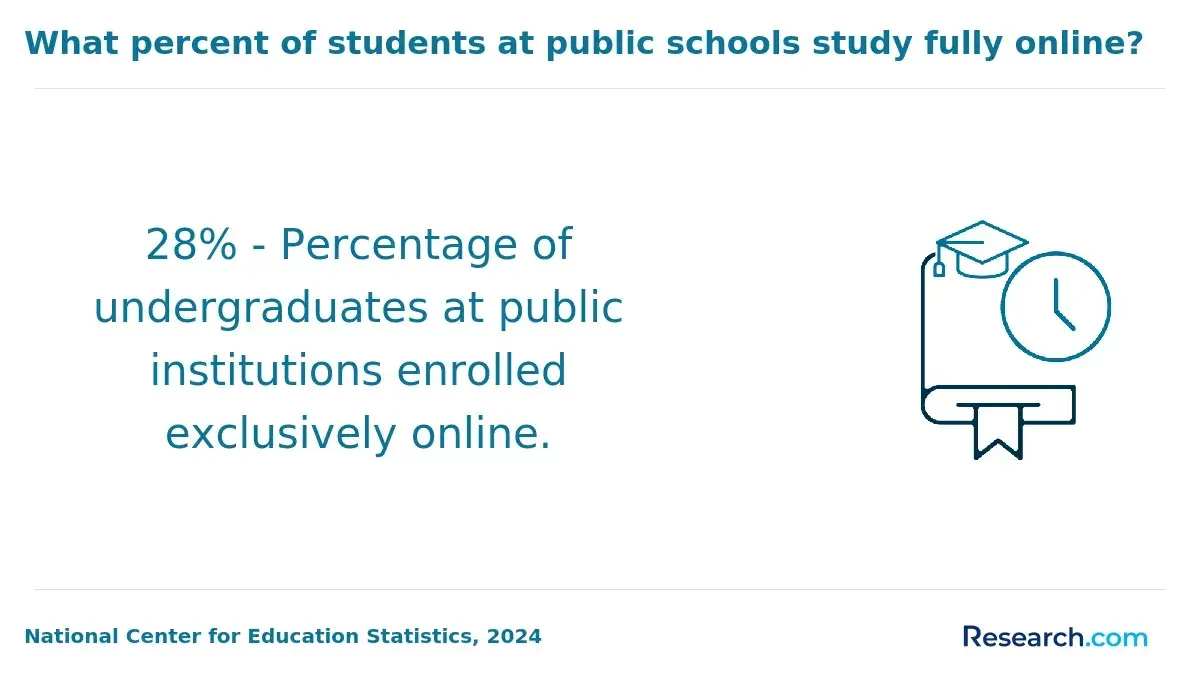
Repayment rates for online physical education graduate loan repayment rates reveal significant divergence between public and private institution graduates, with data from the Institute for College Access & Success (TICAS) showing that 68% of physical education graduates from public universities remain engaged in repayment three years post-completion, compared to just 57% from private institutions. Public university graduates tend to begin repayment sooner and maintain steadier payment patterns, reflecting both stronger program affordability and more consistent employment trajectories. This data underscores how campus versus online physical education student loan outcomes are influenced not only by delivery mode but also institutional type, with public institutions often providing more sustainable debt profiles for graduates.
The core factors behind these differences include tuition pricing, borrowing behaviors, and income prospects. Public universities generally offer lower tuition and greater access to institutional aid, which leads to smaller average debt burdens for students. These financial realities contribute to more manageable monthly payment obligations, positively affecting repayment performance. Conversely, private institutions often charge higher tuition fees, causing students to accumulate larger loan balances that disproportionately inflate debt-to-income ratios, contributing to higher delinquency and default risks among private graduates. Additionally, labor market integration through local education and health sector partnerships in public institutions often results in more stable job placements compared to private sector outcomes.
These structural factors have broader implications for graduates' financial mobility and program perception within the physical education field. Graduates facing repayment stress are more likely to experience prolonged financial instability, limiting their capacity for wealth accumulation and career flexibility. Consequently, repayment outcomes increasingly shape employer and student perceptions of institutional value and accountability, intensifying pressure on programs to align academic offerings with realistic employment pathways. Aspiring students may also consider specialized options offered by universities with dual degree programs, which can influence borrowing levels and repayment success by enhancing job market competitiveness.
Which Industries Provide the Best Financial Return Relative to Borrowing Costs?
Financial return for graduates with Physical Education degrees varies considerably across industries, influenced not simply by salary levels but by how earnings trajectories align with typical student loan debt burdens. Evaluating return on investment requires balancing income growth, job stability, and repayment capacity relative to borrowing amounts, which often range between $25,000 and $35,000 for physical education students. Labor market demand, speed of career advancement, and industry-specific compensation structures determine whether graduates can realistically manage debt repayment without undue financial stress.
- Health and Rehabilitation Services: Fields such as physical therapy assistance and occupational therapy support present some of the best financial outcomes. Median salaries range from approximately $45,000 to $55,000 for entry-level roles, according to 2024 data from the National Center for Education Statistics. Strong hiring demand in healthcare settings and steady wage growth improve the loan-to-income ratio, making repayment more feasible within typical debt levels.
- Public Education: While teaching positions in primary and secondary schools offer consistent employment and benefits, salary ceilings between $40,000 and $50,000 often create a tighter margin for managing student loan payments. This sector's relatively slower wage progression may push monthly repayments close to or above 10% of income, especially for higher borrowers, introducing potential repayment strain.
- Fitness and Sports Entrepreneurship: Graduates pursuing independent personal training or sports coaching ventures face variable income, with potential for higher earnings offset by significant financial risk. This income unpredictability complicates debt servicing and requires conservative borrowing and proactive financial management to mitigate default risks.
- Recreational and Community Wellness Programs: These roles typically offer moderate salaries and slower advancement but benefit from growing public investment and community health initiatives. Though not highly lucrative, stable employment opportunities can support manageable repayment schedules if borrowing remains modest.
- Corporate Wellness and Occupational Health: Emerging demand in workplace health programs delivers competitive starting salaries and prospects for advancement. This industry's blend of steady income and growing employment demand can enhance long-term earning potential, helping graduates offset education debt more effectively.
Data from 2024 labor and education statistics emphasize that graduates targeting healthcare-related fitness and rehabilitation settings generally achieve the strongest financial alignment with borrowing costs, while education and entrepreneurial sectors require more cautious financial planning due to tighter or less predictable income pathways.
Does Student Debt Affect Which Jobs Physical Education Graduates Accept?
For graduates holding physical education degrees, substantial student debt often dictates the range of job offers they consider, prioritizing positions with steady income streams over potentially more rewarding roles that offer less financial consistency. Since average salaries in this field generally remain below national college-educated averages, those facing monthly loan obligations tend to accept jobs ensuring reliable cash flow, such as teaching in public schools where salaries are comparatively predictable. According to 2024 data from the National Center for Education Statistics, more than 60% of physical education graduates with debt identify loan repayment as a central factor shaping their employment choices, underscoring how repayment requirements compress salary expectations and limit initial job flexibility.
Differences emerge between high- and low-debt graduates regarding industry entry and geographic mobility, with heavier debt often compelling graduates to remain in locales with lower living costs or in sectors offering loan forgiveness options, even at the expense of personal or professional preferences. This financial obligation can create a cautious job search approach, narrowing career exploration and delaying advanced skill acquisition or credentialing that might improve long-term labor market outcomes but entail further borrowing. The interplay of debt-to-income ratios, income stability needs, and evolving employer qualifications fosters a complex landscape where early career decisions are pragmatically framed less by passion than by financial survival strategies.
One physical education graduate recalled the anxiety of navigating rolling admissions for a coveted certification program while balancing job applications. Uncertain about acceptance timing, they hesitated to decline a steady teaching role offering manageable loan repayments. That delay eventually meant missing the initial enrollment window, leading them to prioritize immediate financial stability over further qualification pursuit. This measured decision reflected the real-world urgency that student debt imposes on professional timing and opportunity costs in education-related employment pathways.
What Factors Increase Student Loan Repayment Risk for Physical Education Graduates?
Student loan repayment risk for physical education graduates arises from a complex interaction of financial burdens, labor market conditions, and education financing dynamics. This risk is not driven by a single factor but rather by how debt levels combine with income stability and employment characteristics after graduation. Graduates face distinct challenges, including moderate wage prospects and variable job security, which can intensify repayment difficulties despite borrowing within average ranges.
- Moderate Starting Salaries: The median wage for physical education teachers is around $62,000, according to the U.S. Bureau of Labor Statistics, which is below many other professional fields. This limits disposable income available for loan repayment, especially when monthly payments consume a significant portion of earnings, increasing financial strain over time.
- Employment Instability: Many physical education graduates work in public schools or community programs where funding fluctuations and policy shifts frequently cause job insecurity or reduced hours. Such instability disrupts consistent repayment behavior, elevating default risk and prolonging debt obligations.
- Loan Amounts Relative to Income Potential: Borrowing more than $30,000 heightens repayment stress given the moderate and often stagnant wage trajectory in this field. Higher debt loads require larger payments that may outpace realistic income growth, thereby increasing vulnerability to default or deferment.
- Sector-Specific Economic Pressures: Budget constraints in education and recreational sectors often lead to limited wage increases and benefits, exacerbating difficulties managing student debt. These economic realities reduce financial flexibility and the ability to absorb rising interest costs on unpaid balances.
Assessing student loan repayment risk factors for physical education graduates reveals why borrowing decisions and wage variability critically influence financial outcomes. Prospective students should weigh these considerations carefully alongside program costs and job market forecasts to manage repayment vulnerability. For comparison, exploring bioinformatics career paths illustrates how different fields offer varied risk profiles based on earning potential and loan burdens.
How Can Physical Education Students Reduce Student Loan Debt While Earning Their Degree?
Reducing student loan debt while earning a physical education degree requires deliberate planning that blends financial awareness, academic efficiency, and strategic resource use. This approach means optimizing enrollment patterns, leveraging institutional aid, and balancing work commitments to minimize borrowing. Practical strategies rooted in real-world student behavior and institutional frameworks provide a clearer path toward manageable debt levels without compromising degree progress.
- Part-Time Enrollment with Concurrent Work: Enrolling part-time while working at least 20 hours per week reduces borrowing by 15%-20%, according to the National Postsecondary Student Aid Study 2024. This option lets students spread out costs and apply earnings toward expenses, balancing academic demands and income to lower loan dependency.
- Selecting Affordable Institutions: Choosing lower-cost public universities or community colleges with transfer pathways can substantially reduce total debt. Data from the College Board 2024 highlights that tuition at public four-year institutions is nearly 60% less expensive than private nonprofit colleges, easing financial burdens without significant credential tradeoffs for many education roles.
- Utilizing Federal Work-Study and Employer Tuition Assistance: Participation in work-study programs or obtaining employer-sponsored tuition help alleviates reliance on loans by directly offsetting tuition or living expenses. These options demand coordination but can cut borrowing notably when pursued diligently during the academic journey.
- Accelerated Degree and Summer Sessions: Reducing time to degree completion via accelerated programs or summer enrollment shrinks cumulative cost and loan amounts. However, these paths require sustaining a high academic workload and maintaining performance under pressure, which not all students can manage successfully.
- Applying for Targeted Scholarships: Scholarships for physical education majors frequently reduce annual borrowing by around $4,000, based on National Education Association data from 2024. Proactively seeking these awards is a critical strategy to lower student loan necessity.
- Balancing Loans Against Income Potential: With median starting salaries for physical education teachers between $40,000 and $50,000, students should aim to keep monthly loan payments below 10% of income to avoid repayment difficulties. This realistic appraisal protects long-term financial health.
These thoughtful methods reflect the core of effective physical education student loan repayment strategies by emphasizing smart academic pacing, financial aid optimization, and institutional resource leverage. Those willing to incorporate these measures will face fewer hurdles in balancing education financing demands and career readiness.
For students seeking related credentials in healthcare-adjacent fields, exploring flexible options such as an online medical billing and coding certificate fast may complement or offer alternative pathways aligned with workforce needs and student debt management.
How Should Prospective Students Evaluate Borrowing Risk Before Enrolling?
Evaluating borrowing risk before enrolling in a physical education degree is critical to understanding the long-term financial impact of student loans. This evaluation requires balancing the total expected debt against projected post-graduation earnings and repayment capacity. Since about 65% of education-related bachelor's graduates carry debt averaging over $30,000 according to the National Center for Education Statistics (2024), a disciplined, data-driven approach is essential to avoid unsustainable financial burdens.
- Projected Earnings: Analyze median salaries for physical education roles in your target region to determine if entry-level income will support loan repayment without undue hardship, factoring in living costs and career growth potential.
- Loan Repayment Terms: Scrutinize interest rates, repayment schedules, and eligibility for educator-specific forgiveness programs to identify manageable monthly obligations and reduce default risk.
- Institutional Cost Structures: Compare tuition, fees, and additional expenses across programs to minimize initial borrowing and reduce overall debt exposure.
- Employment Outcomes: Review program-specific graduation employment rates and alignment with local job market demand for physical education professionals to assess realistic income trajectories.
- Alternative Funding: Investigate available scholarships, grants, or work-study options that can lower loan amounts and improve financial stability post-graduation.
- Debt-to-Income Ratios: Calculate how your anticipated debt payments will compare to expected income, ensuring monthly obligations remain a sustainable portion to avoid long-term financial strain.
- Long-Term Financial Stability: Consider broader economic factors influencing the education sector and physical education employment trends, recognizing that modest starting salaries may limit repayment flexibility during career transitions or economic downturns.
References
- Effects of Student Loan Debt on Economy [2026]: Data Analysis https://educationdata.org/student-loan-debt-economic-impact
- The Long-Term Effects of Student Loans | ACE Blog https://ace.edu/blog/the-long-term-effects-of-student-loans/
- College is still worth it, even with student debt, but we can do better | Brookings https://www.brookings.edu/articles/college-is-still-worth-it-even-with-student-debt-but-we-can-do-better/
- Financial Planning for Physical Therapists: Debt, Income & Wealth | Elite Learning https://www.elitelearning.com/resource-center/rehabilitation-therapy/physical-therapy/financial-planning-for-physical-therapists-debt-income-wealth/
- Financial Aid FAQs for Prospective Physical Therapy Education Students https://acapt.org/resources/students/student-resources/financial-aid-faqs-for-prospective-physical-therapy-education-students
- How to Manage Student Loan Debt https://www.prevail.bank/blog/post/how-to-manage-student-loan-debt
- 10 Tips For Avoiding Student Loan Debt https://www.portefinance.com/blog/10-tips-for-avoiding-student-loan-debt/
- New Study Explores the Various Types of Students Who Borrow Private Loans to Fund Their College Education https://www.ihep.org/press/new-study-explores-the-various-types-of-students-who-borrow-private-loans-to-fund-their-college-education/
- Injuries and Risk Factors in Physical Education Students https://publinova.nl/product/injuries-and-risk-factors-in-physical-education-students
- Average Physical Therapy Student Loan Debt (2026 Data) https://www.highbarhealth.com/average-physical-therapy-student-loan-debt/
Other Things You Should Know About Physical Education
Programs in physical education can range from two-year associate degrees to four-year bachelor's degrees, and some include additional certification or licensure requirements. Longer programs with more credits typically require higher borrowing, which increases repayment risk unless matched by corresponding income growth. Graduates from accelerated or competency-based programs might enter the workforce sooner with less debt, lowering risk, but may face tradeoffs in depth of knowledge or field experience employers expect. Prospective students should weigh how program duration and comprehensive training impact both their borrowing needs and employment readiness to avoid mismatched debt relative to earning potential.
Income-driven repayment (IDR) plans can ease monthly financial pressure by scaling payments to income, but they often extend the repayment term and increase total interest paid. For physical education graduates whose early-career earnings may be modest, IDR plans reduce the immediate burden and financial stress. However, choosing IDR without a clear pathway to growing income or job advancement risks prolonged debt and higher cumulative costs. Graduates expecting incremental salary improvements should prioritize standard plans to minimize interest, but those in entry-level or uncertain roles benefit from IDR's flexibility until income stabilizes.
Graduates working in public schools or government roles often have access to loan forgiveness programs contingent on sustained employment, improving repayment prospects despite moderate salaries. In contrast, those in private sector or recreational positions may face less predictable earnings and no forgiveness options, increasing default risk. Understanding the stability and benefits of potential employers helps graduates assess whether their student debt is sustainable. Prioritizing employment with clear career advancement and loan assistance can reduce long-term repayment uncertainty.
While prestigious or highly specialized programs might offer networking opportunities and niche skills, they frequently come with higher tuition and borrowing requirements. Given the relatively modest salary growth in many physical education careers, taking on excessive debt to attend such programs can jeopardize financial stability. Students should carefully evaluate if the additional cost translates into meaningful career advantages. In many cases, choosing a well-regarded but more affordable program aligns better with manageable debt and functional career outcomes.