2027 Highest Paid Non-Physician Jobs in Healthcare

Co-Founder and Chief Data Scientist
While physicians and surgeons are expected to grow by only 3% from 2024 to 2034, non-physician jobs such as nurse practitioners (NPs) are seeing much faster growth, making them an excellent option for those who want strong job security, competitive pay, and meaningful patient impact. These careers are particularly well-suited for students who are passionate about healthcare but prefer shorter training paths compared to medical school.
As a career planning and education expert, I, along with my team, have conducted extensive research on this topic. In the following guide, we will explore the highest-paying non-physician jobs in healthcare, their salary outlook, education and certification requirements, and tips for entering and advancing in these roles.
What are the benefits of pursuing non-physician jobs in healthcare?
- Many non-physician healthcare jobs are projected to grow rapidly, with nurse practitioners expected to grow by 40%, physician assistants by 20%, and physical therapist assistants by 22% over the next decade (Bureau of Labor Statistics [BLS], 2025).
- Several non-physician roles, such as nurse anesthetists and physician assistants, offer six-figure salaries without requiring the lengthy training of physicians.
- Professionals can work in diverse settings including hospitals, outpatient centers, private practices, schools, and community clinics, giving them a wide range of career options.
- Many non-physician careers require less schooling than physician roles, allowing professionals to begin working and advancing sooner.
- List Of Highest-Paying Non-Physician Jobs In Healthcare List of Jobs
- How does the salary of physicians differ from that of non-physician jobs in healthcare? Salary Differences
- Do salaries of non-physician jobs in healthcare differ across work settings? Do salaries of non-physician jobs in healthcare differ across work settings?
- Do you need a master’s or doctorate for most non-physician jobs in healthcare? Do you need a master’s or doctorate for most non-physician jobs in healthcare?
- What are the highest-paying nursing jobs? Nursing Jobs
- What are the highest-paying administrative or non-clinical jobs in healthcare? Administrative Jobs
- What are the highest-paying allied health jobs? Allied Health Jobs
- What are the highest-paying healthcare technologists and technicians? Healthcare Technologist Jobs
- Which non-physician jobs in healthcare require licensing or certification? Licenses
- How can continuing education boost career growth in non-physician healthcare roles? How can continuing education boost career growth in non-physician healthcare roles?
- Are non-physician healthcare jobs as challenging as physician roles? Are non-physician healthcare jobs as challenging as physician roles?
- What tips can help someone enter a high-paying non-physician career? What tips can help someone enter a high-paying non-physician career?
Best-Paying Healthcare Jobs That Do Not Require Medical School
A medical degree is not the only route to a well-paid healthcare career. Some of the strongest non-physician salaries are found in advanced practice nursing, pharmacy, physician assistant practice, rehabilitation, diagnostic technology, informatics, and healthcare leadership. These careers can offer strong compensation and meaningful impact, but they differ sharply in training time, patient contact, licensure rules, schedule demands, and long-term advancement.
This guide is for students comparing healthcare majors, nurses planning their next credential, allied health workers considering specialization, and career changers who want a realistic look at high-paying healthcare jobs outside physician practice. It explains what each role does, how much it may pay, what education or certification is typically required, and how to evaluate whether the path fits your goals before you invest in a program.
Quick Answer: Which Non-Physician Healthcare Careers Pay the Most?
High-paying non-physician healthcare careers commonly include Certified Registered Nurse Anesthetist (CRNA), physician assistant, pharmacist, chief nursing officer, nurse practitioner, medical dosimetrist, cardiovascular perfusionist, healthcare informatics specialist, occupational therapist, and physical therapist. The highest-paying roles tend to involve graduate education, licensure, specialized clinical or technical expertise, leadership responsibility, high-risk decision-making, or work with complex patients.
The careers below are not ranked strictly by salary. Pay depends on location, employer, experience level, specialty, work setting, shift structure, and local demand, so the salary figures should be used for comparison rather than treated as guaranteed earnings.
| Career category | Who it fits best | Common education level | Patient-facing work? |
| Advanced practice nursing | Licensed nurses seeking broader clinical authority and stronger earning potential | Master’s or doctorate | Yes |
| Allied health and rehabilitation | Students who want clinical care roles outside physician or nursing pathways | Associate’s, bachelor’s, master’s, or doctorate, depending on the profession | Usually yes |
| Healthcare diagnostics and technology | People drawn to medical equipment, imaging, procedures, analytics, or technical systems | Associate’s, bachelor’s, or specialized training | Often yes |
| Healthcare management and administration | Professionals interested in budgets, staffing, operations, compliance, policy, or strategy | Bachelor’s, master’s, or extensive leadership experience | Usually no |
1. Certified Registered Nurse Anesthetist (CRNA)
CRNAs deliver anesthesia services for surgery, childbirth, emergency procedures, diagnostic care, and therapeutic interventions. Their responsibilities include evaluating patient history, building an anesthesia plan, administering anesthesia, monitoring vital signs, managing airways, and intervening quickly when complications arise. They often practice in operating rooms, trauma units, intensive care areas, and other high-acuity settings with surgeons, anesthesiologists, and perioperative teams.
- Average Annual Salary: $190,500–$348,000
- Education/Certification Requirements: Must hold RN licensure, usually with critical care experience, complete a Master’s or Doctorate in Nurse Anesthesia, with doctorate becoming required by 2025, pass the national certification exam (NBCRNA CPC), and maintain licensure
2. Physician Assistant (PA)
Physician assistants examine patients, diagnose conditions, order and review tests, prescribe medications, develop treatment plans, and assist with procedures or surgeries under physician supervision. PAs work across many specialties, including emergency medicine, dermatology, surgery, orthopedics, primary care, and hospital medicine. This path can fit students who want significant clinical responsibility without taking the longer medical school route.
- Average Annual Salary: $125,000–$175,000, depending on specialty
- Education/Certification Requirements: Graduation from an accredited PA program, usually at the Master’s level, passing the PANCE exam, and securing state licensure
3. Pharmacist
Pharmacists prepare, verify, and dispense medications while helping patients and clinicians use drugs safely. They review prescriptions for dosing concerns, interactions, allergies, contraindications, and adherence issues; counsel patients; advise prescribers; and may provide immunizations. In many settings, pharmacists also manage inventory, regulatory compliance, insurance processes, and pharmacy workflow.
- Average Salary: $136,000
- Education/Certification Requirements: Doctor of Pharmacy (PharmD) degree, clinical internship completion, and passing the NAPLEX and state licensure examinations
4. Chief Nursing Officer (CNO)
A chief nursing officer is a top nursing executive who guides nursing practice, staffing strategy, patient safety initiatives, care quality, compliance, and clinical standards across an organization. CNOs usually spend less time in bedside care and more time on budgeting, policy, executive planning, performance improvement, and coordination between nursing teams and senior administration.
- Average Annual Salary: $147,500
- Education/Certification Requirements: Bachelor of Science in Nursing (BSN), active RN licensure, and significant clinical and leadership experience. Most hold a Master’s in Nursing (MSN) or Doctor of Nursing Practice (DNP).
5. Optometrist
Optometrists provide primary eye and vision care. They conduct eye exams, evaluate vision, prescribe glasses or contact lenses, diagnose common eye disorders, and treat certain ocular conditions. They may manage issues such as glaucoma or cataracts and refer patients to ophthalmologists or other specialists when surgical or advanced medical treatment is needed.
- Average Annual Salary: $124,000
- Education/Certification Requirements: Doctor of Optometry (OD) degree and state licensure
6. Nurse Practitioner (NP)
Nurse practitioners deliver primary or specialty care by assessing patients, diagnosing health problems, prescribing medications, interpreting tests, coordinating treatment, and educating patients. Their practice authority depends on state law, employer policy, specialty certification, and care setting. Common NP tracks include family practice, pediatrics, geriatrics, acute care, psychiatric-mental health, and women’s health.
Choosing the right NP specialty is important because NP preparation is tied to a patient population and clinical setting. For instance, nurses often ask whether acute care NPs can work in primary care. Acute care training generally focuses on unstable, complex, and inpatient conditions, while primary care emphasizes prevention, chronic disease management, and ongoing outpatient relationships. State regulations, certification rules, and employer expectations determine what is allowed.
- Average Annual Salary: $126,000
- Education/Certification Requirements: Master’s (MSN) or Doctorate (DNP) in Nursing, RN licensure, national certification in the selected specialty, and state licensure
7. Neonatal Nurse Practitioner (NNP)
Neonatal nurse practitioners care for premature and medically fragile newborns, most often in neonatal intensive care units. They assess infants, interpret clinical findings, help stabilize newborns, manage respiratory support, guide feeding and growth plans, and collaborate with neonatologists, bedside nurses, and families during complex care situations.
- Average Annual Salary: $109,000–$150,000
- Education/Certification Requirements: BSN with RN licensure, several years of NICU experience, completion of an accredited Master’s or DNP program in neonatology, passing NNP certification, and obtaining state licensure
8. Medical Dosimetrist
Medical dosimetrists create radiation treatment plans for patients undergoing cancer therapy. They calculate how to deliver the prescribed radiation dose to the tumor while limiting exposure to nearby healthy tissue. Their work involves treatment planning software, dose distribution calculations, close collaboration with radiation oncologists and medical physicists, and careful attention to treatment safety and accuracy.
- Average Annual Salary: $133,000–$138,000
- Education/Certification Requirements: Bachelor’s degree in dosimetry, medical physics, or radiation therapy; completion of a dosimetry program; Certified Medical Dosimetrist (CMD) credential
9. Cardiovascular Perfusionist
Cardiovascular perfusionists run heart-lung bypass machines during open-heart surgery and other complex procedures. They manage extracorporeal circulation, oxygenation, blood flow, temperature control, and patient data while the surgical and anesthesia teams perform cardiac interventions. This is a technical operating room career with high stakes and a narrow but critical scope.
- Average Annual Salary: $144,000
- Education/Certification Requirements: Completion of an accredited perfusion training program, usually post-bachelor’s, clinical internship, and certification through the American Board of Cardiovascular Perfusion (ABCP)
10. Radiation Therapist
Radiation therapists administer radiation treatments as part of cancer care. They position patients, operate radiation equipment, follow safety protocols, observe patients during treatment, document delivery, and explain procedures and possible side effects. They work closely with radiation oncologists, medical physicists, dosimetrists, oncology nurses, and broader cancer care teams.
- Average Annual Salary: $94,000
- Education/Certification Requirements: Completion of an accredited radiation therapy program
11. Biomedical Engineer
Biomedical engineers use engineering concepts to solve medical and healthcare problems. They may design devices, improve imaging tools, develop prosthetics, test equipment, build healthcare software, or contribute to artificial organ and medical technology projects. This career is better suited to people who want healthcare impact through design, testing, and innovation rather than direct bedside care.
- Average Annual Salary: $94,807
- Education/Certification Requirements: Bachelor’s degree in Biomedical Engineering or a related engineering discipline; some roles may prefer a master’s degree or professional certification such as PE (Professional Engineer) licensure
12. Genetic Counselor
Genetic counselors help individuals and families understand inherited disease risks and genetic testing results. They collect personal and family health histories, explain testing options, interpret findings, and discuss how results may affect prevention, diagnosis, treatment, or family planning. The role combines genetics, counseling, ethics, and patient education.
- Average Annual Salary: $98,000
- Education/Certification Requirements: Master’s degree in Genetic Counseling and certification from the American Board of Genetic Counseling (ABGC)
13. Medical and Health Services Manager
Medical and health services managers direct operations for healthcare facilities, departments, practices, or health systems. They oversee budgets, staffing, workflow, quality metrics, compliance, technology adoption, and patient service delivery. Many positions require knowledge of healthcare law, reimbursement, data analysis, informatics, and communication with clinical leaders.
- Average Annual Salary: $95,625
- Education/Certification Requirements: Bachelor’s degree in Healthcare Administration at minimum, though many professionals hold a Master’s in Healthcare Administration (MHA) or MBA
14. Dental Hygienist (Advanced/Experienced)
Dental hygienists provide preventive oral care by cleaning teeth, screening for signs of disease, recording clinical findings, applying preventive agents, and teaching patients oral hygiene strategies. Depending on the state, experienced or advanced dental hygienists may perform expanded functions, such as administering anesthesia or completing additional procedures within the permitted scope of practice.
- Average Annual Salary: $90,000
- Education/Certification Requirements: Associate’s or bachelor’s degree in Dental Hygiene, passing the National Board Dental Hygiene Examination, and state licensure
15. Occupational Therapist (OT)
Occupational therapists help patients develop, recover, or adapt the skills needed for daily activities, school, work, and independent living. They may support people recovering from injuries, children with developmental challenges, older adults with cognitive changes, or individuals with disabilities. OTs build personalized care plans, recommend assistive tools, and modify environments to improve function.
- Average Annual Salary: $107,000
- Education/Certification Requirements: Master’s degree in Occupational Therapy (MOT) or Doctor of Occupational Therapy (OTD), passing the National Board for Certification in Occupational Therapy (NBCOT) exam, and state licensure
16. Physical Therapist (PT)
Physical therapists evaluate movement, pain, strength, balance, mobility, and functional limitations. They treat patients recovering from injuries, surgeries, neurological disorders, chronic pain, and mobility problems. PT care may include therapeutic exercise, manual techniques, assistive equipment, education, and progress tracking to restore function and reduce future injury risk.
- Average Annual Salary: $101,000
- Education/Certification Requirements: Doctor of Physical Therapy (DPT) degree, national licensure exam (NPTE), and state licensure
17. Speech-Language Pathologist (SLP)
Speech-language pathologists evaluate and treat disorders involving speech, language, voice, fluency, cognitive communication, and swallowing. They serve children, adults, and older adults in schools, hospitals, rehabilitation facilities, private practices, and long-term care settings. Therapy may address articulation, language development, stroke recovery, voice issues, fluency, or safe swallowing.
- Average Annual Salary: $83,000– $121,000
- Education/Certification Requirements: Master’s degree in Speech-Language Pathology, passing the Praxis exam, and state licensure
18. Healthcare Informatics Specialist
Healthcare informatics specialists work at the intersection of clinical care, technology, and data. They support electronic health records, analyze healthcare information, improve reporting systems, train users, troubleshoot digital tools, and help organizations use data to improve quality, safety, access, and efficiency. This career is increasingly relevant as providers expand telehealth, digital records, analytics, and data-informed operations.
- Average Annual Salary: $110,000
- Education/Certification Requirements: Bachelor’s or Master’s in Health Informatics, IT, or a related field. Credentials such as CAHIMS or CPHIMS may be valued.
19. Clinical Nurse Specialist (CNS)
Clinical nurse specialists are advanced practice nurses who pair specialty expertise with staff education, consultation, quality improvement, and systems leadership. CNSs may specialize in oncology, cardiology, pediatrics, critical care, or other clinical areas. Their work often supports better care processes, nursing practice, patient outcomes, and evidence-based policy adoption.
- Average Annual Salary: $115,000
- Education/Certification Requirements: Master’s or Doctorate in Nursing, RN licensure, and certification in the relevant specialty area
20. Respiratory Therapist
Respiratory therapists care for patients with breathing and cardiopulmonary conditions, including asthma, COPD, acute respiratory failure, and COVID-19 complications. They conduct pulmonary testing, administer treatments, manage oxygen therapy, educate patients, and operate ventilators in emergency and intensive care settings.
- Average Annual Salary: $80,000–$90,000
- Education/Certification Requirements: Associate’s or bachelor’s degree in Respiratory Therapy, passing the NBRC exams (CRT, RRT), and state licensure
How Do Physician Salaries Compare With Non-Physician Healthcare Pay?
Physicians and surgeons usually earn more than other healthcare professionals because their training is longer, their diagnostic and treatment authority is broader, and they often carry final responsibility for complex medical decisions. According to the Bureau of Labor Statistics, the median annual wage for physicians and surgeons was $239,200 or more in 2024.
That said, several non-physician roles also reach high salary levels. During the same period, nurse anesthetists (CRNAs) had a median wage of $223,210, nurse practitioners (NPs) earned $129,210, and nurse midwives (CNMs) earned $128,790 during the same period (BLS, 2024). These figures show that some non-physician careers can come close to physician compensation, though they usually have more defined scopes of practice and different legal responsibilities.
| Role group | Reported wage or salary figure | Main reason compensation differs |
| Physicians and surgeons | $239,200 or more in 2024 | Extensive training, broad practice authority, and significant liability |
| Nurse anesthetists | $223,210 in 2024 | Advanced practice preparation, anesthesia risk, and critical care expertise |
| Nurse practitioners | $129,210 in 2024 | Graduate-level nursing education and specialty-defined practice scope |
| Nurse midwives | $128,790 in 2024 | Graduate training focused on reproductive health, pregnancy, birth, and postpartum care |
Non-physician healthcare workers may raise their earning potential through specialization, leadership roles, high-demand facilities, overtime or shift differentials, geographic mobility, and additional credentials. Some later choose medical school, but that decision should be weighed against the longer training timeline, possible debt, opportunity cost, and the type of responsibility they actually want.
You also do not need an advanced clinical degree to start building healthcare experience. Some people begin in administrative roles and move into higher-responsibility positions over time. If you want exposure to the field before committing to a clinical program, this guide to entry-level healthcare administration roles explains jobs such as patient services coordinator, medical office assistant, and scheduling coordinator.
How Much Does Work Setting Affect Non-Physician Healthcare Salaries?
Work setting can make a major difference in pay. Hospitals, outpatient centers, physicians’ offices, home health agencies, schools, and long-term care facilities operate under different reimbursement systems, patient acuity levels, staffing needs, and budget structures. A setting that pays more for one role may not pay more for another.
According to the Bureau of Labor Statistics, median annual wages for nurse anesthetists, nurse midwives, and nurse practitioners varied by industry. Professionals in hospitals, including state, local, and private hospitals, had the highest median wage at $137,790. Outpatient care centers were close behind at $137,640. Educational services reported $132,070, and physicians’ offices reported $129,820.
Physical therapist wages also differ by employment setting. The median annual wage was $108,110 in home healthcare services, compared with $105,330 in nursing and residential care facilities and $105,140 in hospitals. This is why students should avoid assuming that hospitals always offer the best pay; reimbursement, case complexity, local demand, and staffing shortages can shift compensation by profession.
| Profession or role group | Employment setting | Median annual wage |
| Nurse anesthetists, nurse midwives, and nurse practitioners | Hospitals, state, local, and private | $137,790 |
| Nurse anesthetists, nurse midwives, and nurse practitioners | Outpatient care centers | $137,640 |
| Nurse anesthetists, nurse midwives, and nurse practitioners | Educational services | $132,070 |
| Nurse anesthetists, nurse midwives, and nurse practitioners | Physicians’ offices | $129,820 |
| Physical therapists | Home healthcare services | $108,110 |
| Physical therapists | Nursing and residential care facilities | $105,330 |
| Physical therapists | Hospitals | $105,140 |
Setting also affects lifestyle and scope. For example, nurses often wonder whether FNPs can work in hospitals. Family Nurse Practitioners may work in hospital-based roles in many states and organizations, especially in inpatient, acute, specialty, or transitional care settings. However, privileges, duties, and eligibility depend on state scope-of-practice rules, employer policies, and whether the certification matches the role.
Do High-Paying Non-Physician Healthcare Jobs Usually Require Graduate School?
Many of the best-paid non-physician healthcare careers require a master’s degree, doctoral degree, or other advanced credential, especially when the role includes prescribing, independent clinical judgment, advanced rehabilitation, anesthesia care, or executive leadership. However, some technical and allied health careers can begin with an associate’s or bachelor’s degree and still offer competitive earning potential.
Careers That Often Require a Master’s or Doctorate
- Nurse Anesthetist (CRNA). CRNAs complete advanced anesthesia preparation because they manage sedation, airway support, physiologic monitoring, and high-risk procedural care. Nurses comparing doctoral pathways may review options such as the shortest online DNP programs when planning an advanced practice route.
- Nurse Practitioner (NP). NPs usually complete an MSN and may pursue a DNP for deeper clinical preparation, leadership, or specialty development.
- Nurse Midwife (CNM). CNMs need graduate-level nurse-midwifery education and national certification to provide reproductive, pregnancy, birth, and postpartum care.
- Physical Therapist (PT). PTs earn a Doctor of Physical Therapy (DPT) so they can evaluate movement disorders, design rehabilitation plans, and treat mobility limitations.
Careers That May Start Below the Graduate Level
- Radiologic Technologist. Many radiologic technologists prepare through an associate degree in radiologic technology, although certification and state rules vary.
- Registered Nurse (RN). An ASN may qualify a graduate to become an RN, but many nurses later compare the easiest online RN to BSN programs to expand leadership options, specialty access, or future graduate study opportunities.
- Respiratory Therapist. Respiratory therapists generally complete associate’s or bachelor’s-level education, then meet certification and state licensure requirements.
- Diagnostic Medical Sonographer. Sonographers often complete associate’s or bachelor’s-level training in ultrasound imaging for organs, tissues, and pregnancies.
| Your priority | Paths to compare | Why these options may make sense |
| Maximum clinical earning potential without becoming a physician | CRNA, NP, PA, pharmacist | These careers combine advanced training with substantial clinical responsibility. |
| Good pay with a shorter education timeline | Radiologic technologist, respiratory therapist, diagnostic medical sonographer | Some positions can begin with associate’s or bachelor’s preparation instead of graduate school. |
| Healthcare work without bedside care | Healthcare informatics, health services management, medical billing and coding, administration | These roles focus on systems, records, data, finance, operations, or compliance. |
| Direct rehabilitation or therapy work | Physical therapist, occupational therapist, speech-language pathologist | These professions center on recovery, function, communication, independence, and quality of life. |
High-Paying Nursing Careers to Compare
Nursing compensation often rises with graduate education, specialty certification, high-acuity practice, leadership responsibility, or rare clinical expertise. Still, salary estimates are not guarantees, and actual pay varies by employer, region, experience, specialty, shift type, and practice setting. According to ZipRecruiter (2025), the following nursing roles are among the higher-paying options:
- Emergency Medicine Nurse Practitioner. These NPs manage urgent and life-threatening conditions in fast-moving care environments. Salaries can reach up to $400,000 per year.
- Gastroenterology Nurse Practitioner. These practitioners treat digestive system conditions, including ulcers, IBS, and liver disease. They can earn up to $400,000 annually, especially in specialty clinics.
- Pain Management Nurse. These nurses support patients with acute or chronic pain in pain clinics, surgical centers, and specialty practices. Salaries range between $345,500 and $400,000 per year.
- Certified Registered Nurse Anesthetist (CRNA). CRNAs administer anesthesia and monitor patients during procedures. Their annual earnings typically range from $190,500 to $348,000.
- Surgical Nurse Practitioner. These NPs support patients before, during, and after surgery. They earn between $97,000 and $338,000 annually.
- Ophthalmic Nurse. Ophthalmic nurses focus on eye care, patient education, procedures, and treatment support. Their salaries range from $274,500 to $323,500 per year.
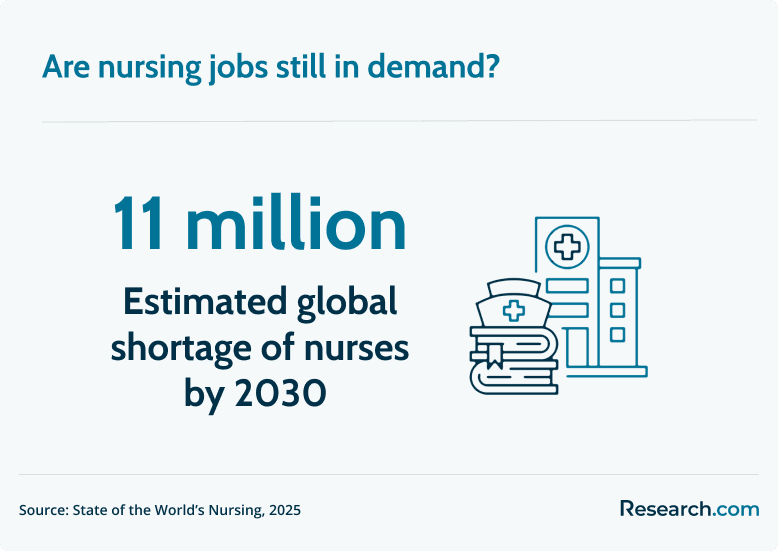
Labor demand is one reason nursing remains a major career category. State of the World’s Nursing (2025) projects a global shortage of 11 million nurses by 2030. That shortage may continue to influence hiring needs, workloads, specialization, and opportunities for qualified nurses across different regions.
For nurses, specialization can change both income potential and work environment. A nurse considering an FNP to Pediatric NP path, for example, may need pediatric-focused education and certification to work more directly with children and adolescents in clinics, hospitals, or specialty care settings.
High-Paying Healthcare Jobs Outside Direct Patient Care
Healthcare organizations also pay well for non-clinical expertise. Hospitals, physician groups, insurers, pharmaceutical companies, and health systems need professionals who understand finance, operations, staffing, compliance, data, patient experience, and strategic planning. These careers may fit you better if you want to work in healthcare but prefer management, analysis, technology, or organizational leadership over bedside care.
- Healthcare Executives, including Hospital CEOs and COOs. These senior leaders earn a median salary of $93,552 per year and oversee organizational strategy, finances, staffing, operations, and patient outcomes.
- Healthcare Administrators, including Hospital or Practice Administrators. Administrators earn an annual salary of $109,274 and manage day-to-day operations such as budgets, scheduling, compliance, and staff coordination.
- Health Information Managers. These professionals earn a median annual salary of $80,888 and oversee medical records, privacy practices, data security, and health information workflows.
- Medical and Health Services Managers. These managers earn $95,625 per year on average and may lead departments such as outpatient care, nursing operations, finance, or clinical services.
- Pharmaceutical Project Managers. These professionals earn $105,026 on average annually and coordinate research, clinical trials, product development, or launch activities.
- Healthcare Consultants. Consultants evaluate healthcare organizations and recommend improvements in operations, cost control, technology, staffing, compliance, or strategy. Their compensation annually ranges from $48,000 to $142,000.
- Human Resources Directors in Healthcare Systems. HR directors handle hiring, workforce planning, employee relations, benefits, and training in healthcare organizations. Their median pay is $127,543 per year.
Best-Paying Allied Health Careers
Allied health professionals support diagnosis, treatment, rehabilitation, prevention, and long-term recovery. Many of these roles involve direct patient care and require specialized education, exams, and licensure, but they do not require medical school. They can be strong choices for students who want a defined clinical scope and patient interaction without becoming physicians.
- Physician Assistant (PA). PAs diagnose conditions, build care plans, prescribe medications, and assist with procedures under physician supervision. Salaries range from $91,100 to $134,500.
- Physical Therapist (PT). PTs help patients improve movement, strength, balance, and pain after injuries, illness, or surgery. Their salaries generally range from $70,000 to $125,000 annually.
- Occupational Therapist (OT). OTs help patients regain independence in daily activities and adapt to physical, developmental, or cognitive limitations. Their average yearly earnings are about $107,000.
- Speech-Language Pathologist (SLP). SLPs treat communication, speech, language, voice, and swallowing disorders. They typically earn between $83,000 and $121,000 per year, with some roles reaching up to $130,000.
- Audiologist. Audiologists assess and treat hearing and balance disorders, often using advanced diagnostic equipment. Their salaries frequently exceed $100,000 annually.
Workforce projections should also factor into your decision. The National Center for Health Workforce Analysis (NCHWA) projects shortages by 2037, including 36,820 dispensing opticians, 6,480 respiratory therapists, 9,140 physical therapists, 17,030 pharmacists, 4,430 podiatrists, and 8,190 chiropractors.
Top-Paying Healthcare Technologist and Technician Careers
Healthcare technologists and technicians operate diagnostic tools, support imaging, perform tests, assist with procedures, and help clinicians make informed decisions. Many of these jobs require less schooling than graduate-level clinical roles, but they still require accuracy, technical judgment, patient safety awareness, and, in many cases, certification or licensure.
- Nuclear Medicine Technologist. These technologists prepare and administer radioactive drugs for imaging or treatment. The national average salary is $107,964 per year, with the top 10% earning up to about $160,500.
- Radiologic Technologist. Radiologic technologists perform imaging exams such as X-rays, CT scans, and MRIs. Their pay is about $95,196 per year.
- Diagnostic Medical Sonographer. Sonographers use ultrasound technology to create images of organs, tissues, and pregnancies. Their earnings are typically $84,301 per year.
- Cardiovascular Technologist. These professionals conduct cardiac tests such as electrocardiograms (EKGs) and assist with heart-related procedures. Their salaries are $125,564/year.
Which Non-Physician Healthcare Careers Require Licensure or Certification?
Most patient-facing healthcare careers require licensure, certification, or both. These requirements exist to protect patients, establish professional standards, and verify that workers have completed required education, supervised experience, and examinations. Because rules vary by state, always confirm requirements with the licensing board where you plan to practice.
- Registered Nurses (RNs). After finishing a two- or four-year nursing program, prospective RNs must pass the NCLEX-RN exam and receive state licensure.
- Nurse Practitioners (NPs). NPs first become licensed RNs, then complete graduate nursing education and national certification in a specialty. Nurses looking at accelerated family practice options may compare 1 year FNP programs before pursuing Family Nurse Practitioner certification or another specialty credential.
- Physician Assistants (PAs). After completing a master’s-level PA program, future PAs must pass the Physician Assistant National Certifying Exam (PANCE) and obtain state licensure.
- Pharmacists. Pharmacists complete a Doctor of Pharmacy pathway, including options such as fast track online pharmacy doctorate programs or a 4-year Doctor of Pharmacy (Pharm.D.) degree, typically taking four years after undergraduate studies. They must pass the North American Pharmacist Licensure Examination (NAPLEX) and satisfy state-specific rules.
- Physical Therapists. After earning a Doctor of Physical Therapy (DPT), usually taking three years, aspiring PTs must pass the National Physical Therapy Examination (NPTE).
- Radiologic Technologists. Radiologic technologists usually complete a two-year associate degree before qualifying for certification through the American Registry of Radiologic Technologists (ARRT). Many facilities require certification and state licensure.
- Respiratory Therapists. Respiratory therapists complete an associate’s or bachelor’s degree and pass the Certified Respiratory Therapist (CRT) or Registered Respiratory Therapist (RRT) exams before obtaining state licensure.
Licensure portability can affect your mobility and earning options. Reciprocity agreements, including the Nurse Licensure Compact (NLC), allow eligible professionals to practice across state lines without repeating the entire licensing process. This can matter for travel positions, telehealth work, relocation, and jobs in shortage areas.
How Continuing Education Supports Advancement in Non-Physician Healthcare
Healthcare practice changes quickly, and continuing education helps non-physician professionals keep pace with new technology, regulations, clinical standards, reimbursement rules, and documentation requirements. The right continuing education choice depends on the role: clinicians may pursue specialty credentials, technologists may add modality or equipment training, and administrators may focus on compliance, coding, analytics, or leadership.
For administrative and revenue-cycle roles, an affordable medical billing and coding certification may help workers prepare for jobs involving clinical documentation, insurance claims, compliance, and healthcare operations. For licensed clinicians, continuing education is often also required for credential renewal and professional standing.
Are Non-Physician Healthcare Jobs Less Difficult Than Physician Roles?
Non-physician healthcare careers can be very demanding, even though their pressures are different from those physicians face. Physicians may hold broad diagnostic authority and final decision-making responsibility, while non-physician professionals may manage heavy caseloads, long shifts, emotional patient interactions, staffing shortages, procedural pressure, documentation demands, and safety-critical tasks.
Advanced practice providers and nurses may coordinate care for many patients in one shift. Respiratory therapists may operate ventilators during emergencies. Physical and occupational therapists may be measured by patient progress. Technologists must follow strict safety standards because errors in imaging, radiation, laboratory testing, or monitoring can affect diagnosis and treatment.
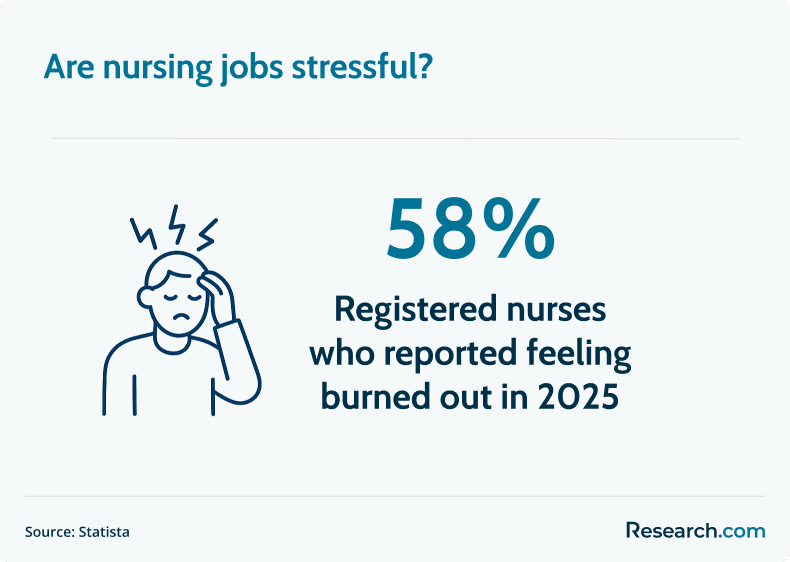
Burnout is a serious issue across healthcare. One survey found that people working in healthcare had one of the highest burnout rates in the United States, at 49% (Statista, 2025). Another study reported that 58% of registered nurses felt burned out on most days, highlighting the pressure placed on non-physician providers (Statista, 2025).
For career planning, salary should be only one part of the decision. Also consider shift patterns, emotional strain, patient acuity, physical demands, documentation workload, call requirements, and whether the daily work fits your temperament.
How to Start a High-Paying Non-Physician Healthcare Career
Building a well-paid healthcare career takes planning. Rather than choosing a program based only on the highest salary figure, compare training length, licensure rules, total cost, clinical placement requirements, local job demand, and the kind of lifestyle the role usually involves.
- Pick the career before the credential. Identify the exact job title you want, then confirm the required degree, certification, licensure, clinical hours, and state rules.
- Verify accreditation first. Many licensing boards and certification bodies require graduation from an accredited program. A faster or cheaper option can become a costly mistake if it does not qualify you for the credential.
- Calculate the full cost of attendance. Include tuition, fees, books, background checks, immunizations, uniforms, clinical travel, exam fees, reduced work hours, and whether employment is realistic during the program.
- Get relevant exposure early. Shadowing, internships, patient care work, clinical employment, and volunteer experience can strengthen applications and help you decide whether the role suits you.
- Add specialty credentials strategically. Credentials such as CRNA or Certified Professional Coder (CPC) can demonstrate expertise, but they are most useful when they match employer needs and your intended career path.
- Compare high-demand specialties and settings. Anesthesia nursing, diagnostic imaging, PA specialties, home health, informatics, and advanced practice nursing may offer strong opportunities depending on region.
- Learn from mentors and professional groups. Experienced professionals can explain workloads, salary negotiation, certification decisions, and advancement paths that program brochures may not show.
- Keep adapting to healthcare technology. Professionals who understand EHR platforms, telehealth workflows, data tools, AI-assisted documentation, and new clinical technologies may be better prepared for advancement.
If you are already an RN with an associate degree, one practical next move may be comparing fast track RN to BSN online programs, especially if you want to qualify for leadership, specialty, or graduate nursing options later.
Several non-physician healthcare careers are also projected to grow quickly from 2024 to 2034. Nurse practitioners are projected to grow by 40%, while physician assistants and physical therapist assistants are expected to grow by 20% and 22%, respectively. Medical and health services managers are projected to grow by 23%. These projections suggest expanding opportunities in many non-physician healthcare fields, although hiring conditions still vary by location and employer.
Common Mistakes to Avoid When Choosing a Non-Physician Healthcare Career
| Mistake | Why it creates problems | Smarter move |
| Using salary as the only filter | Higher pay may come with longer training, greater stress, call schedules, or high-stakes responsibility. | Weigh compensation against program cost, lifestyle, burnout risk, and personal fit. |
| Skipping the accreditation check | A non-qualifying program may prevent you from sitting for certification or receiving licensure. | Confirm program accreditation and board eligibility before you enroll. |
| Assuming every online program works in your state | Some online programs may not satisfy clinical placement, licensure, or state authorization requirements. | Ask whether the program prepares graduates for licensure in your specific state. |
| Underplanning clinical hours | Rotations, internships, and practicums can affect your work schedule, commute, and budget. | Ask where placements are located and whether the school helps arrange them. |
| Comparing tuition only | Fees, exams, equipment, transportation, and lost income can change the real cost. | Estimate total cost of attendance and how much work time you may lose. |
| Treating salary data as guaranteed | Published pay figures may not match entry-level offers, your region, or your preferred setting. | Review local job postings and talk with professionals already working in the field. |
Questions to Ask Before Committing to a Healthcare Program or Career Path
- Does this profession require licensure, certification, or both in my state?
- Is the program accredited for the credential I need?
- What is the full cost, including fees, clinical travel, exam charges, supplies, and lost income?
- Can I complete required clinical hours near my home or workplace?
- What entry-level job titles do graduates typically qualify for?
- How much experience is usually needed before I can specialize or move up?
- Will this career let me work in the setting I prefer, such as a hospital, outpatient clinic, home health agency, school, or administrative office?
- Does the work match my tolerance for stress, shift work, patient interaction, physical demands, and documentation?
- What continuing education, renewal, or recertification requirements will I need after graduation?
What Non-Physician Healthcare Professionals Say About Their Work
- Wilbert: "I went into nurse anesthesia in part because the pay was stronger than what I saw in many other nursing specialties. That income gives my family stability and helps me continue investing in professional education. The job is complex and carries real responsibility, so it matters that compensation reflects the skill involved."
- Marylee: "I started as a registered nurse and later became a nurse practitioner. Each new credential changed my scope, my autonomy, and my earning potential. Moving from bedside nursing into advanced practice showed me that non-physician healthcare careers can offer meaningful upward mobility."
- Alex: "Physical therapy is hard work, but seeing patients regain independence makes it worth it. Full caseloads and long days can be challenging, yet helping someone walk again or return to something they love keeps the career meaningful for me."
Key Insights
- Many healthcare careers pay well without requiring medical school, but the strongest salaries often require advanced education, licensure, certification, technical expertise, or leadership responsibility.
- CRNAs, PAs, pharmacists, NPs, healthcare executives, medical dosimetrists, cardiovascular perfusionists, and informatics specialists are among the more lucrative non-physician options.
- Work setting can change pay significantly. Hospitals are not always the highest-paying option; outpatient centers, home health, specialty clinics, and leadership roles may pay more for certain professions.
- Graduate school is common for advanced practice and rehabilitation careers, while some technical healthcare roles can begin with an associate’s or bachelor’s degree.
- Accreditation and licensure eligibility should be verified before enrollment, especially for online programs or careers with state-specific requirements.
- Compensation should be weighed against training length, debt, stress, burnout risk, physical demands, shift schedules, and patient-care intensity.
- The best path is the one that aligns with your preferred work setting, education budget, legal scope of practice, and long-term advancement goals.
References:
- Bureau of Labor Statistics. (2024, May). Nurse anesthetists, nurse midwives, and nurse practitioners. U.S. Bureau of Labor Statistics. https://www.bls.gov/ooh/healthcare/nurse-anesthetists-nurse-midwives-and-nurse-practitioners.htm
- Bureau of Labor Statistics. (2024, May). Physical therapists. U.S. Bureau of Labor Statistics. https://www.bls.gov/ooh/healthcare/physical-therapists.htm
- Bureau of Labor Statistics. (2024, May). Physicians and surgeons. U.S. Bureau of Labor Statistics. https://www.bls.gov/ooh/healthcare/physicians-and-surgeons.htm
- Bureau of Labor Statistics. (2024). Healthcare occupations. U.S. Bureau of Labor Statistics. https://www.bls.gov/ooh/healthcare/
- Health Resources & Services Administration. (2024, November). Health workforce projections. U.S. Department of Health & Human Services. https://bhw.hrsa.gov/data-research/projecting-health-workforce-supply-demand
- Statista. (2025). Share of healthcare professionals in the United States reporting burnout in 2024. Statista. https://www.statista.com/statistics/1389778/nurses-feeling-burnout-united-states/
- ZipRecruiter. (2025). Salary database: Compare & estimate salary for any job. ZipRecruiter. https://www.ziprecruiter.com/Salaries
- ZipRecruiter. (2025). 25 of the highest paying nursing jobs in 2025. ZipRecruiter. https://www.ziprecruiter.com/g/Highest-Paying-Nursing-Jobs
Other Things to Know About Non-Physician Jobs in Healthcare
In 2027, the highest paying non-physician healthcare job is typically that of a Physician Assistant, with salaries often exceeding $120,000 annually. These professionals must complete a master's program and obtain the required certification from a recognized accrediting body.
Yes. Many of the top-paying roles require state licensure, such as nurse practitioner, physician assistant, pharmacist, and physical therapist. Licensure usually requires an accredited degree, passing a national exam, and meeting state board rules before practice begins.
Certifications like Certified Registered Nurse Anesthetist (CRNA) and Physician Assistant-Certified (PA-C) are often required for top-paying non-physician healthcare roles in 2027. These certifications typically involve passing national exams and meeting education prerequisites as specified by respective credentialing bodies.