2027 The University of Illinois Springfield Tuition for Online Degrees: Cost Per Credit, Fees, and Total Price

Co-Founder and Chief Data Scientist
Rising education expenses force many prospective students to carefully assess the total cost of earning a degree online. With average tuition for public universities climbing above $10,000 per year, and online enrollments growing steadily, it is increasingly critical to understand how tuition, fees, and additional expenses accumulate. This is especially true for those considering the University of Illinois Springfield's online degree options, where cost structures may differ significantly from traditional on-campus programs.
Evaluating all related costs helps students avoid unexpected financial burdens and make informed investment decisions. This article examines the University of Illinois Springfield tuition per credit, mandatory fees, and overall expenses, aiming to clarify what prospective online students should expect and how these costs align with their educational and career goals.
Key Points About the Cost of Attending Online Programs at The University of Illinois Springfield
- The total tuition cost for an online program at the University of Illinois Springfield is $15,092, establishing a clear baseline for budgeting educational expenses.
- Graduates achieve an earnings to debt ratio of 2.99x, indicating average income nearly triples their debt, which suggests manageable long-term financial impact relative to national benchmarks.
- With 98% of students receiving financial aid averaging $11,218 for undergraduates, the net cost often decreases significantly, affecting affordability and out-of-pocket investment for most enrollees.
How much is the tuition for online programs at the University of Illinois Springfield?
The University of Illinois Springfield charges $12,252 annually for online tuition and fees, excluding books, room, and board. Including these additional costs, the total annual expense reaches $15,092. This is significantly lower than the Federal Scorecard's in-state on-campus cost of $23,643, highlighting the affordability of their online programs.
Tuition rates for online programs at the University of Illinois Springfield remain consistent across different fields, with fees built into the base price. However, students should budget separately for materials and living expenses. Examining the cost per credit hour reveals minimal variation by program, which supports predictable budgeting for those pursuing an online degree.
Many students find these online tuition rates attractive, especially as 63% of online learners prioritize lower tuition when choosing remote study options, according to recent education data. Cost-conscious individuals weighing the total investment versus career benefits will find this pricing competitive against national averages, which often range between $15,000 and $20,000 annually.
For prospective students seeking flexible pathways, the affordability of the University of Illinois Springfield's online programs can outweigh some limitations of remote study. Those interested might also explore an associate degree to optimize time and cost. Evaluating tuition alongside program outcomes helps clarify whether this investment suits professional goals.
How does online tuition at the University of Illinois Springfield compare to on-site program costs?
The University of Illinois Springfield online tuition versus on-campus costs reveal a nuanced difference beyond base tuition. Online degree programs have a total tuition cost of $15,092, including a base tuition fee of $12,252. On-campus tuition is generally similar, but additional fees like campus facility or activity charges can affect overall expenses for traditional students.
The key cost comparison of online and on-site programs at University of Illinois Springfield lies in the fee structure. Online students pay technology and distance learning fees that on-site students do not. Conversely, on-campus attendees may encounter extra campus-related fees absent from online billing, balancing out the total cost differences.
A 2024 study by the National Center for Education Statistics shows online tuition fees at public institutions often run about 10-15% higher than on-site fees when those supplementary costs are included. This suggests that UIS online tuition costs align closely with on-campus charges after factoring in these additional fees.
Prospective students should weigh these costs alongside program benefits like flexibility and employer recognition. For those seeking practical insights into pathways like the easiest doctorate to get, understanding total costs and outcomes proves more critical than tuition alone.
How does enrollment status affect the cost of attendance at the University of Illinois Springfield?
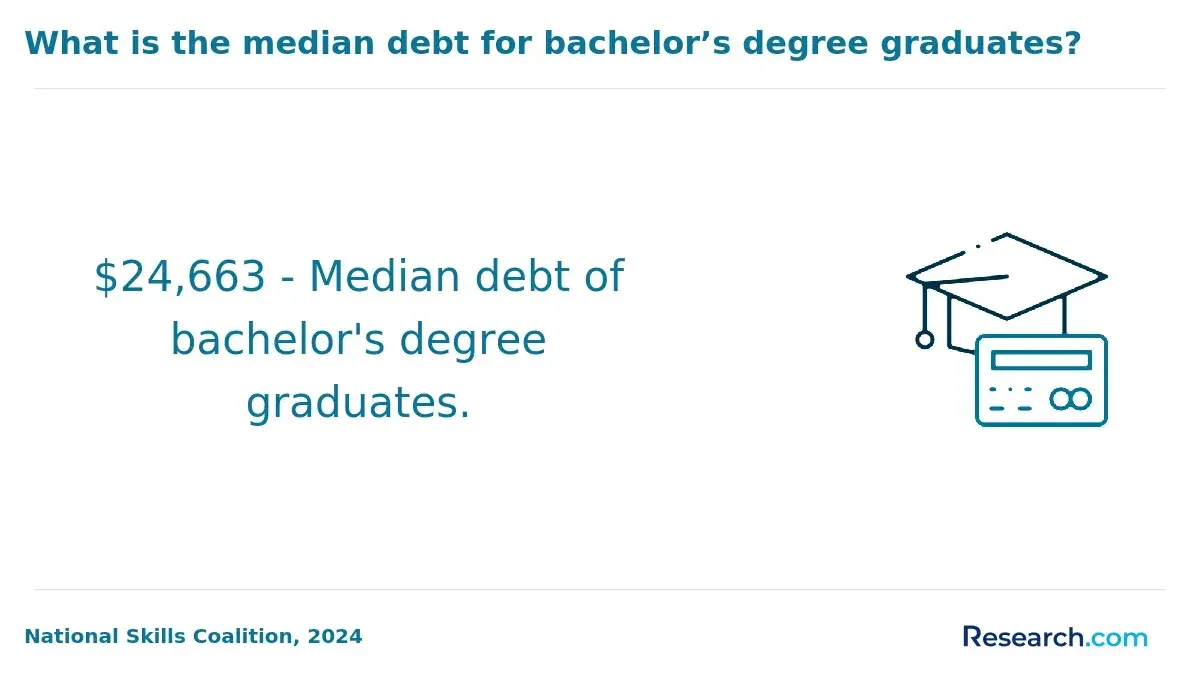
Enrollment status at the University of Illinois Springfield significantly alters the financial commitment required for online degrees. Full-time students pay a total tuition cost of $15,092, which includes a tuition fee of $12,252. Part-time students, however, are charged per credit, causing total expenses to fluctuate based on course load.
Unlike schools with flat term rates for full-time students, the University of Illinois Springfield applies tuition proportionally to enrollment intensity. This means part-time students pay less upfront but may incur higher overall costs due to extended program duration and additional fees over time.
A recent national study reveals part-time students take 50% longer to graduate than full-time peers. This extended timeline often increases indirect costs, such as lost wages or delayed advancement, which can outweigh initial savings in tuition fees at the University of Illinois Springfield.
Students must weigh immediate affordability against long-term investment. Full-time enrollment at the University of Illinois Springfield may demand more upfront but usually leads to faster degree completion and potential earlier entry into the workforce, critical factors for career-oriented decision-making.
What is the application fee for undergraduate and graduate programs at the University of Illinois Springfield?
The University of Illinois Springfield requires a $30 application fee for undergraduate programs and $35 for graduate programs, a cost that may seem modest individually but can add up significantly when applying to multiple schools. For instance, an applicant targeting both undergraduate and graduate online programs must budget for these fees alongside potential transcript and test report charges, which vary by applicant history.
Other expenses include fees for official transcripts or standardized test submissions, which depend on the applicant's previous institutions or testing experience. These costs, although separate, contribute to the total financial outlay before enrollment. Employers often value transparency about educational investments, so understanding these immediate fees helps candidates plan their application strategies in alignment with realistic budgets.
Recent research notes a 12% increase in application fee waivers nationally, an important trend reflecting efforts to lower financial barriers and improve access for underrepresented groups. This shift underscores the potential for applicants to reduce upfront costs, enhancing affordability and making the University of Illinois Springfield's application fees more manageable within the broader context of online degree pursuits.
How much will you spend on books and supplies at the University of Illinois Springfield?
Students at the University of Illinois Springfield can expect to spend around $1,200 on books and supplies throughout their online degree programs. This cost covers textbooks, software, lab materials, and other essential resources. For STEM majors, expenses tend to rise because of specialized software and lab kits, while humanities students often face lower material costs, mainly textbooks.
Educational material costs continue to climb nationally, growing 3.5% annually according to a recent report by the National Center for Education Statistics. This increase outpaces inflation and reflects a shift toward digital and licensed content, which online students must consider when planning their budgets beyond tuition and fees.
Careful budgeting for these expenses is crucial. For example, an online biology student might need to allocate more funds for digital lab programs and lab kits than a psychology student who relies mostly on e-textbooks. Understanding these differences influences the total financial investment and helps students avoid last-minute surprises.
To reduce costs, students can explore used textbooks, digital rentals, or library resources when available. Checking with instructors about required materials early helps identify low-cost alternatives. Joining student swaps or online forums can also provide access to discounted or secondhand supplies.
One graduate recalled, "I initially underestimated how much extra I'd spend on software for my environmental science classes. I hesitated to buy everything upfront but quickly realized waiting was costly since I needed full access each term. Planning ahead and buying used textbooks saved me some money, but those digital licenses still pushed my budget higher than tuition."
What out-of-pocket expenses should the University of Illinois Springfield online students prepare for?
Online students at the University of Illinois Springfield face distinct out-of-pocket expenses beyond tuition, books, and basic supplies. These costs stem largely from the technology requirements necessary to fully participate in online coursework and complete program demands. For example, a working parent enrolled part-time must ensure reliable internet service and maintain a computer setup that supports streaming lectures and specialized software for their field, creating ongoing expenses not typically accounted for in tuition alone.
Key additional expenses include:
- High-Speed Internet Service: A stable internet connection is essential for live video classes and submitting assignments on time. Providers usually charge between $50 and $100 monthly, varying by location and speed.
- Computer Hardware: Students need a capable desktop or laptop with updated hardware and software to handle digital collaboration tools and specialized applications. Initial costs range from $600 to $1,200 or more depending on specific program needs.
- Software Subscriptions: Some courses require proprietary platforms or advanced statistical software not covered by tuition. These subscriptions can add significant fees depending on the discipline.
While online students incur higher technology-related costs to access coursework remotely, on-campus students often face expenses related to commuting, parking, and housing. Approximately 65% of online learners identify technology costs as a barrier, highlighting the impact of these fees on access and completion. Therefore, considering both categories of expenses is critical when evaluating the true financial commitment of studying online versus on site at the University of Illinois Springfield.
What institutional factors drive the overall price of the University of Illinois Springfield online degree?
Multiple institutional factors shape the overall price of an online degree at the University of Illinois Springfield, influencing how tuition and fees align with educational quality and career outcomes. These cost drivers reflect strategic choices affecting admission selectivity, staffing, reputation, and digital infrastructure investments. Understanding these elements helps prospective students assess whether the tuition cost fits their program expectations and long-term goals.
The following points outline key contributors to the cost structure for an online degree at UIS.
- Admission Selectivity: The university's moderately difficult admission process balances accessibility with academic standards. This balance helps maintain program rigor, ensuring students meet reliable benchmarks that support degree value without excluding a broad applicant pool.
- Faculty and Staffing Levels: UIS employs 879 staff, including 208 full-time and 159 part-time faculty, supporting 4,661 students. Adequate faculty ratios enhance instructional quality, curriculum updates, and student support, which drive operational costs upward but improve educational effectiveness.
- Regional Academic Reputation: UIS has a solid regional presence rather than national prestige. This positioning influences tuition pricing to remain moderate compared to elite schools, which impacts employer recognition and graduate market competitiveness in tangible, localized ways.
- Digital Infrastructure and Student Services: Rising demand for online degrees encourages investment in technology and support services. A 2024 study by the National Center for Education Statistics highlights this trend, showing institutions increase costs to deliver quality online learning experiences essential for student success.
- Program Demand and Career Alignment: Cost considerations also relate to the relevance of fields of study. Students should consider their chosen discipline's market value, especially focusing on the most lucrative majors, as this affects return on investment and practical benefits from the degree.
How can you lower the cost of attendance at the University of Illinois Springfield?
Online degrees can be a substantial financial investment, with costs that often exceed $30,000 in student debt at graduation for many learners. Prospective students at the University of Illinois Springfield can reduce these expenses by strategically leveraging available financial aid options and flexible credit pathways. Balancing these opportunities involves understanding eligibility and timing, as well as which strategies fit specific career and educational goals.
The following five approaches highlight practical ways to lower the cost of attendance.
- State and Institutional Discounts: Residents of Illinois and participants in certain cooperative education programs may qualify for reduced tuition rates. These discounts directly lower per-credit costs and should be examined early during enrollment planning.
- Military and Veteran Benefits: Veterans and active military personnel can apply Veterans Affairs education benefits or state tuition waivers. These cover a significant portion of tuition, often making degree costs manageable in conjunction with other financial aid.
- Employer Tuition Reimbursement: Employees at corporations offering tuition reimbursement programs can decrease out-of-pocket expenses if their degree aligns with professional development requirements. Students should verify employer support before committing to specific courses.
- Credit for Prior Learning: UIS evaluates military training, professional certifications, and standardized exams like CLEP for credit equivalency. This reduces the number of credits needed to graduate, helping working adults accelerate degree completion and cut tuition fees.
- Application Fee Waivers: Prospective students looking for affordable entry points can target colleges with free application fees, including UIS's waiver options, which lower upfront costs during the initial admission process.
Considering the evolving employer focus on skills and certifications over traditional degrees, these cost-saving strategies impact total return on investment. A growing share of programs emphasize competencies that can be demonstrated via alternative credits or prior learning, enabling more flexible navigation of tuition costs. Therefore, those pursuing online degrees at the University of Illinois Springfield should evaluate these approaches carefully to ensure their educational investment aligns with both immediate affordability and long-term career outcomes.
How can transfer credits reduce the overall cost of a degree at the University of Illinois Springfield?
The University of Illinois Springfield accepts transfer credits from accredited institutions, including those recommended by the American Council on Education. This includes credits earned through CLEP subject tests, CLEP general exams, and DSST/DANTES exams. Such credits can lower the total tuition by reducing the number of required courses purchased at full price.
Students transfer credits by submitting official transcripts and exam scores for evaluation before enrollment. UIS evaluates these regardless of the term, allowing flexibility for Fall, Spring, or Summer starters. This process helps students avoid repeating courses and enables more precise financial planning by clarifying which credits apply to degree requirements.
Professional experience and practical learning that meet ACE recommendations may also count toward credit. This inclusion broadens affordability options, particularly for students with non-traditional backgrounds or workforce training. However, transferability depends heavily on the accreditation status of prior institutions and the relevance of prior learning to specific UIS degree programs.
Given that average student debt exceeds $30,000 nationally, students who use transfer credits reduce their debt by an estimated 15%, a significant saving. This strategy can influence long-term return on investment by minimizing redundant tuition costs and accelerating time to degree completion according to recent education statistics.
One UIS online graduate recalled feeling uncertain about submitting credits from a regional college and professional training. After careful transcript review and submitting CLEP scores, they were relieved to find 30 credits accepted. This reduced both tuition costs and course load, allowing a faster graduation timeline and easing financial strain during a career transition. They emphasize that early credit evaluation was crucial to avoid unexpected expenses and frustration.
How many online students receive financial aid at the University of Illinois Springfield?
A significant 98% of online students at the University of Illinois Springfield receive financial aid, reflecting the essential role that scholarships, grants, and loans play in access to education. The average financial aid package for undergraduates is $11,218, which can make a substantial difference in affordability and lowers out-of-pocket expenses considerably. This level of support aligns with national patterns showing rising student loan debt, which surpasses $30,000 on average according to a recent report from the National Center for Education Statistics.
Effective financial aid is necessary to reduce dropout rates and foster long-term employability, especially for students balancing work and study obligations. For example, a working adult pursuing an online degree may rely heavily on these aid packages to avoid excessive debt while gaining credentials valued by employers.
Below are five primary financial aid options available to online learners at the University of Illinois Springfield:
- Need-Based Grants: Awarded to students demonstrating significant financial need, these grants can cover a large portion of tuition, reducing reliance on loans and supporting continuous enrollment.
- Merit Scholarships: Granted based on academic achievement, these scholarships recognize high-performing students and can offset substantial tuition costs to reward academic excellence.
- Transfer Student Awards: Designed for students transferring credits from other institutions, this aid helps ease the financial transition and may cover a percentage of tuition fees.
- Departmental Scholarships: Offered by specific academic departments, these scholarships target students excelling in particular fields and often include partial tuition coverage.
- Special Program-Specific Funds: Available to students enrolled in designated programs, these funds provide targeted financial support to reduce educational expenses in growth areas such as healthcare or technology.
The percentage of online students receiving financial aid at the University of Illinois Springfield and the financial aid distribution for online programs at the University of Illinois Springfield highlight a financial framework designed to improve educational access. Students considering the easiest bachelor's degree options can view financial aid as a critical factor in weighing the true cost of their online education pathway.
What Graduates Say About the Cost of Studying at The University of Illinois Springfield
- Stella: "My experience with the online program at the University of Illinois Springfield was a careful balancing act between cost and convenience. While the tuition was competitive compared to traditional programs, I found some unexpected digital platform fees that slightly increased my overall expense. However, avoiding costs like housing and commuting made budgeting more manageable. Entering the workforce, the degree definitely opened doors, and in hindsight, the flexibility I had to maintain my job while studying made the investment worthwhile."
- Helena: "Choosing the University of Illinois Springfield's online program was a practical decision given my full-time job and family responsibilities. The upfront sticker price felt significant, but I appreciated the transparent structure of most costs, excluding a few minor technology fees I wasn't fully prepared for. The real value for me was how quickly I could leverage my degree into a salary increase and new role within my company-a direct outcome that justified every dollar. The reduced pressure from not having to relocate or commute was an underrated financial relief that helped me stay focused."
- Cecilia: "The flexibility of studying online at the University of Illinois Springfield allowed me to earn my degree without pausing my career, but I remained cautious about hidden fees and the overall payout. Though I saved on living expenses and campus-related costs, the technology charges and supplemental course fees added up more than I expected. Even so, the credential itself proved credible with employers, accelerating my career progression somewhat, though I'd advise future students to carefully audit the total expected costs to evaluate the real return on investment over time."
Other Things You Should Know About The University of Illinois Springfield Degrees
Yes, while online tuition covers most instructional costs, the University of Illinois Springfield requires certain mandatory fees such as technology, student activity, and library services fees. These fees typically add a few hundred dollars each semester and cannot be waived, impacting total cost estimates. Prospective students must factor these in upfront, as they affect affordability and financial planning beyond just per-credit charges.
The University of Illinois Springfield online courses often follow a structured semester or session pace that limits acceleration, which means extending enrollment to finish at a comfortable workload may increase tuition totals. Students aiming to reduce time-to-completion should assess whether the course schedule allows for heavier credit loads without sacrificing learning quality, as spreading classes out over more terms raises cumulative fees and may delay career benefits linked to degree completion.
Given the moderate cost paired with regional employer recognition, the University of Illinois Springfield's online degrees can enhance credentials for local job markets and governmental roles, which heavily recruit from state universities. However, the return on investment depends on aligning the program's specialization with clear job market demand. Professionals should prioritize programs with strong applied components and employer ties to ensure tuition translates into measurable career gains.
References
- Transfer to University of Illinois Springfield - Black Hawk College https://www.bhc.edu/academics/transfer-to-a-four-year-school/all-transfer-options/university-of-illinois-springfield/
- Affordability https://www.uillinois.edu/about/affordability
- University of Illinois Springfield | Graduate Program https://shorelight.com/universities/graduate/university-of-illinois-springfield
- Transferology for University Of Illinois Springfield | Transferology https://transferology.com/school/uis
- University of Illinois Springfield - Cost & Financial Aid https://www.meetyourclass.com/uis/cost
- University of Illinois at Springfield: Fees, Reviews, Rankings, Courses & Contact info https://www.hotcoursesabroad.com/study/us-usa/school-college-university/university-of-illinois-springfield/74191/international.html
- University of Illinois at Springfield: Admission 2025-26, Rankings, Fees & Acceptance Rate at UIS https://yocket.com/universities/university-of-illinois-at-springfield-2817
- Apply to University of Illinois Springfield https://www.commonapp.org/explore/university-illinois-springfield/
- University of Illinois at Springfield Tuition and Financial Aid https://www.prepscholar.com/sat/s/colleges/University-of-Illinois-at-Springfield-tuition-financial-aid
- University of Illinois Springfield expands in-state tuition program for out-of-state students - Capitol City Now https://capitolcitynow.com/news/248842-university-of-illinois-springfield-expands-in-state-tuition-program-for-out-of-state-students/