2027 Is Purdue Global's Online MSN to DNP - Family Nurse Practitioner Primary Care Worth It? What Students Should Know

Co-Founder and Chief Data Scientist
Choosing an online MSN to DNP - Family Nurse Practitioner Primary Care program requires balancing rigorous clinical preparation with flexible learning formats. With a projected 28% growth in nurse practitioner roles reported by the U. S. Bureau of Labor Statistics, accessibility to accredited online pathways has become crucial for professionals seeking career advancement without pausing work. However, variability in program quality and alignment with employer expectations complicates decision-making. For prospective students weighing Purdue Global's offerings, understanding whether the curriculum meets evolving healthcare demands and supports practical skill application is vital. This article examines program components, outcomes, and student fit to clarify the program's value and help guide enrollment decisions.
Key Points About Purdue Global's Online MSN to DNP - Family Nurse Practitioner Primary Care Program
- The MSN to DNP - Family Nurse Practitioner Primary Care program at Purdue Global offers open admission, allowing broad access but potentially less selectivity in peer quality, affecting collaborative learning experiences.
- Tuition totals $19,560 with a 1.40x earnings to debt ratio and a median alumni salary of $36,596, reflecting moderate financial returns compared to program costs and time investment.
- Purdue Global's practical curriculum and faculty support are strengths; however, mixed employer reputation may impact graduates' job market competitiveness in certain healthcare settings.
What makes Purdue Global's online MSN to DNP - Family Nurse Practitioner Primary Care program stand out?
Choosing an online MSN to DNP - Family Nurse Practitioner Primary Care program requires weighing flexibility against rigor and available support. Purdue Global's program is distinctive because it caters well to working nurses needing to maintain their jobs while studying, thanks to its fully online format and flexible scheduling. This suits professionals balancing demanding clinical roles with family or other commitments, though the 48% graduation rate suggests that self-discipline and motivation are critical to success. Institutions with similar enrollment size rarely offer this level of faculty and peer interaction virtually, which can mitigate common challenges of online study.
The program stands out with its extensive faculty body-711 full-time and 1,959 part-time educators-enabling personalized mentorship uncommon in many online nurse practitioner tracks. This operational depth supports evidence-based practice and clinical skill mastery crucial for primary care settings facing increasing complexity. Students aiming for doctoral credentials without disrupting their professional trajectory may find Purdue Global's resource mix and practical approach advantageous compared to traditional, campus-based programs requiring relocation or schedule overhauls.
However, prospective students should consider that despite ample resources and digital tools, the demands of the program require commitment, especially given the program's size and diverse student needs. This pathway is valuable for nurses targeting seamless academic progression with a solid online learning community, but employers often also look for demonstrated clinical experience beyond theoretical coursework when hiring advanced practice nurses.
Is it difficult to get admitted to Purdue Global's online MSN to DNP - Family Nurse Practitioner Primary Care program?
Admission into typical MSN to DNP - Family Nurse Practitioner Primary Care programs often involves competitive criteria such as GPA minimums, prerequisite coursework, and sometimes entrance exams, creating significant barriers for many applicants. These hurdles serve as initial filters to ensure candidates meet rigorous academic standards before entering advanced clinical training. In comparison, Purdue Global's program removes many of these barriers by adopting an open admission policy, making entry more accessible for those who might otherwise struggle with traditional gatekeeping mechanisms.
This open admission approach means Purdue Global does not require SAT or ACT scores, and its overall admission difficulty is rated as open. While this lowers the threshold for acceptance, it shifts the challenge toward succeeding in the curriculum and clinical components rather than the admissions phase. For applicants balancing work, family, or other commitments, this ease of entry might offer a practical advantage, but it also means the program may attract a broader range of academic preparedness levels compared to more selective programs.
Consequently, while the program is easier to access, prospective students should anticipate significant demands once enrolled, reflecting the complexity of the nurse practitioner role they are preparing for. Employers hiring MSN to DNP graduates typically prioritize clinical competence and practical leadership skills over admission selectivity, so the open admission policy's impact on employment prospects depends largely on individual performance and outcomes rather than the rigor of acceptance criteria.
One graduate described their admissions experience as unexpectedly straightforward but advised caution: "I was relieved that I didn't have to jump through hoops like sending test scores or worrying about GPA cutoffs, which allowed me to apply quickly when I decided to shift careers. Still, I remember feeling a bit uncertain about whether open admission meant the program would be less demanding. That worry faded once classes started, but the initial ease definitely made me decide faster. The flexibility was crucial because I only finalized my decision after getting my finances and schedule in order, so the straightforward acceptance helped reduce pressure during that uncertain waiting period."
How does the curriculum of Purdue Global's online MSN to DNP - Family Nurse Practitioner Primary Care program stay aligned with current industry trends?
Aligning educational content with real-world healthcare demands remains a challenge for many advanced nursing programs. Purdue Global's MSN to DNP - Family Nurse Practitioner Primary Care addresses this by integrating clinical competencies and leadership training crucial for navigating increasingly complex healthcare environments. This balance influences employability and the graduate's ability to spearhead initiatives that improve patient outcomes in varied primary care settings. Below are three factors that illustrate how Purdue Global keeps its curriculum relevant and aligned with industry expectations:
- Clinical Skill Integration: The curriculum covers advanced health assessments, pharmacology, and diagnostics tied closely to practical patient care scenarios. This hands-on application ensures graduates are not only familiar with theory but also capable of managing complex patient presentations common in primary care.
- Health Informatics Focus: Emphasizing informatics and quality improvement trains students to utilize electronic health records effectively and participate in data-driven decision-making. This skill set is critical as healthcare systems increasingly prioritize digital competency for enhancing care quality and operational efficiency.
- Leadership and Policy Preparation: Providing knowledge in healthcare leadership and policy empowers graduates to advocate for patient-centered models and drive improvements in healthcare delivery-an essential component as value-based care models and policy reforms reshape primary care roles.
Despite these strengths, prospective students should weigh how Purdue Global's approach compares with other programs, particularly regarding clinical hours and faculty engagement, which vary across online platforms. Those considering an online MSN to DNP often evaluate options like 1 year master's programs online that may offer different pacing or specialization depth. The alignment of Purdue Global online family nurse practitioner curriculum updates with healthcare trends signals its responsiveness but also highlights ongoing trade-offs between accessibility, intensity, and direct clinical immersion common in online paths. This program can suit candidates prioritizing leadership and health systems integration alongside core clinical skills in a flexible format.
How much does Purdue Global's online MSN to DNP - Family Nurse Practitioner Primary Care program cost?
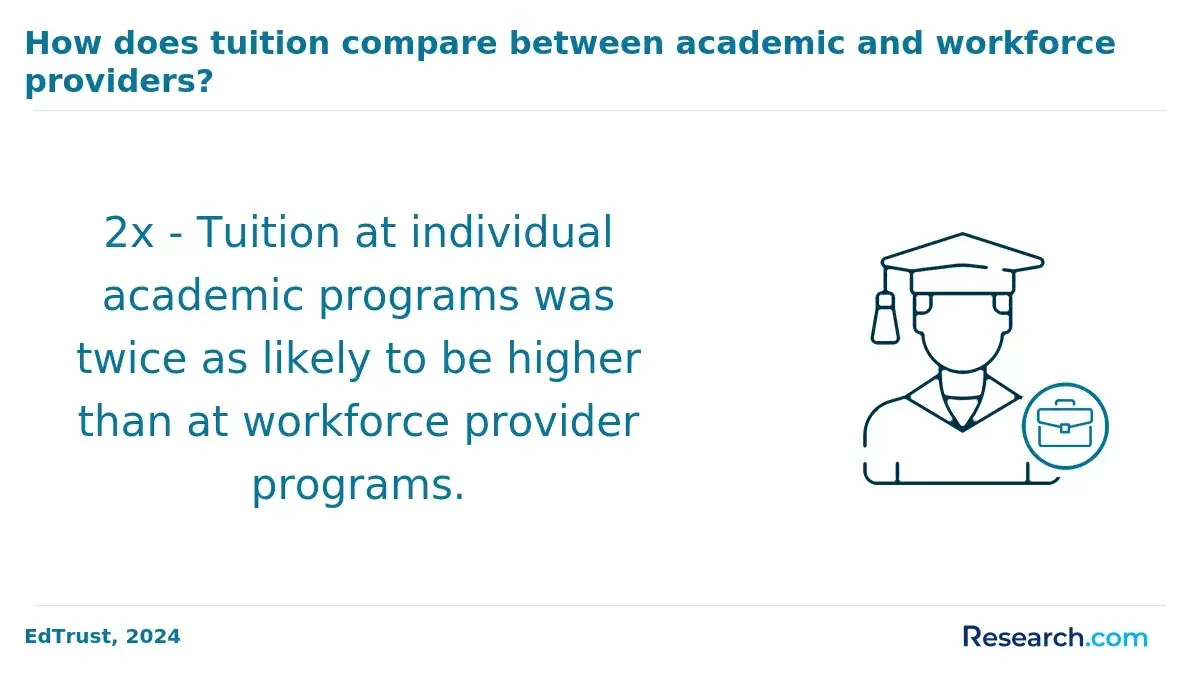
The tuition for Purdue Global's online MSN to DNP - Family Nurse Practitioner Primary Care program is $10,110 annually, but this figure only accounts for base tuition and fees. When factoring in books, supplies, and estimated living expenses, the total annual cost rises to around $19,560. This distinction is crucial for prospective students budgeting the full expense, as non-tuition costs can substantially increase the financial commitment. For working nurses considering this program, it's important to weigh these additional outlays against expected income disruption and potential employer tuition support.
About 80% of Purdue Global undergraduates receive financial aid, with average awards reducing costs by roughly $5,277. However, the publicly available information does not clarify whether specialized tuition reimbursement programs or institutional aid specifically target the MSN to DNP - Family Nurse Practitioner Primary Care program. Prospective students should investigate these options thoroughly, especially given the absence of a flat-rate in-state tuition, which means learners in different locations might face varying expenses. This variability can influence the net cost and should factor into financial planning.
Comparatively, the average tuition and fees for MSN to DNP - Family Nurse Practitioner Primary Care programs nationally fluctuate widely depending on institution type and delivery format. Purdue Global's price point is typical for flexible, online nursing doctorate programs designed for professionals balancing work and study. Yet, prospective students must consider the practical tradeoff between cost and program format, since some comparable programs may require on-campus attendance, which can increase overall living costs.
Evaluating Purdue Global's MSN to DNP - Family Nurse Practitioner Primary Care tuition fees in isolation misses how students' financial aid eligibility and personal circumstances shape affordability. Those exploring options should also look at alternative nursing education paths, including online classes that might influence career timelines and immediate earning potential. Careful cost-benefit analysis grounded in workforce realities can better inform whether this program is a viable investment.
What are the admission requirements for Purdue Global's online MSN to DNP - Family Nurse Practitioner Primary Care program?
Admission to Purdue Global's online MSN to DNP - Family Nurse Practitioner Primary Care program reflects a pragmatic focus on professional readiness rather than traditional academic barriers. This approach benefits working nurses who want to advance without retaking standardized tests or navigating cumbersome entrance hurdles, but it also means candidates must ensure their prior graduate nursing work aligns with the program's credit transfer policies. Understanding these criteria is critical for those weighing how smoothly they can transition into doctoral-level study while managing employment and life commitments. The following outlines the key admission factors prospective students should consider.
- Open Admission Policy: The program does not enforce minimum GPA restrictions, which removes a common barrier found in many advanced nursing programs. This can broaden access but requires applicants to realistically assess their own academic preparedness.
- No Standardized Tests: SAT and ACT scores are not required, reflecting a commitment to evaluating nursing experience and prior graduate education instead of standardized exam results.
- Professional Documentation: Applicants should be prepared to submit a current professional resume along with transcripts from any previous nursing graduate coursework, essential for verifying eligibility and academic background.
- Credit Transfer Rules: Purdue Global caps the number of transferable credits and requires that credits come from courses with passing grades. This impacts students transferring from other institutions and influences the overall program length and cost.
- No Entrance Exam or Portfolio: There is no requirement for entrance exams, portfolios, or practical assessments, which simplifies entry but shifts emphasis to prior qualifications rather than new evaluative measures.
What is the ROI of attending Purdue Global's online MSN to DNP - Family Nurse Practitioner Primary Care program?
The return on investment for Purdue Global's online MSN to DNP - Family Nurse Practitioner Primary Care program depends heavily on balancing educational costs with realistic salary expectations and debt management. At an annual total cost near $19,560, which can vary based on residency and living situation, graduates face an upfront financial commitment that requires careful consideration against median starting salaries reported around $36,596. This starting income remains relatively flat even a decade post-graduation, limiting long-term earning growth compared to some peers in clinical practice.
Given median student debt of approximately $26,078, the resulting earnings-to-debt ratio of about 1.4 suggests a modest but positive financial return. However, this ratio does not account for other factors such as loan interest accumulation or opportunity costs of time spent in the program. Students who can secure scholarships, grants, or employer tuition assistance improve their financial outlook substantially, reducing debt load and increasing flexibility in career choices.
Employment in hospital systems, community clinics, or healthcare networks offering family nurse practitioner roles remains steady, but competition and location-specific salary variations heavily influence actual outcomes. Prospective students should assess regional demand and potential earning ceilings alongside personal financial aid options when weighing this degree's return on investment.
Is there a high student satisfaction for Purdue Global's online MSN to DNP - Family Nurse Practitioner Primary Care program?
Student satisfaction with Purdue Global's online MSN to DNP - family nurse practitioner primary care program tends to be nuanced rather than uniformly high. The program operates within a system serving a large, diverse student body, which can dilute the sense of community often found in smaller or on-campus cohorts. For working professionals balancing complex schedules, the flexibility offered is a clear advantage, but this often comes with tradeoffs in personalized support and peer engagement that influence overall contentment.
Many students cite access to digital resources and faculty availability as strengths, yet some find the program's rigid self-directed structure challenging, especially when managing clinical requirements alongside work and family. The online mentoring and student groups exist but are generally less active compared to traditional campus environments, which may affect networking opportunities and emotional support. These factors combine to create an experience where satisfaction heavily depends on individual self-motivation and realistic expectations about remote learning demands.
One graduate shared that, despite initial hesitation about fully online study, they appreciated the program's adaptability to their irregular shift work. "It wasn't easy juggling clinical hours and coursework, and sometimes I felt isolated without face-to-face interactions," they explained, "but the ability to study anytime gave me a chance to push through when my schedule was packed." Their satisfaction grew as they learned to navigate the program's structure, although they advised prospective students to be prepared for autonomy and occasional disconnects from peers and faculty support.
How does Purdue Global help online MSN to DNP - Family Nurse Practitioner Primary Care graduates secure employment?
Employer hiring decisions for advanced practice nurses often hinge on credible pathways to hands-on experience and professional networking that demonstrate readiness for demanding primary care roles. Higher education institutions play a critical role in this process, as graduates connected to comprehensive employment support systems tend to secure work faster. Nursing graduates from programs with active alumni networks achieve approximately a 15% higher employment rate within six months, indicating that access to mentorship and targeted job placement resources directly influences hiring success. This structured support is especially relevant for an MSN to DNP - Family Nurse Practitioner Primary Care, where practical opportunities and referrals significantly affect career trajectories. Below are key Purdue Global family nurse practitioner employment support features that illustrate this connection:
- Virtual Career Fairs: These events link students with healthcare employers actively recruiting advanced practice nurses, bridging geographic gaps and facilitating direct conversations that can accelerate job offers before or immediately after graduation.
- Resume Workshops: Focused on healthcare industry standards, these sessions help graduates refine resumes to highlight clinical and leadership competencies, addressing a common barrier for remote learners lacking in-person career services.
- Job Placement Portal: A dedicated online platform curates openings suited to MSN to DNP qualifications, enabling graduates to efficiently target roles aligned with their specialized training and certification.
- Alumni Mentorship Network: A nationwide association connects current students with experienced nurse practitioners, promoting insider referrals and access to hidden job markets often unavailable to job seekers without alumni support.
While these services offer tangible advantages, candidates must weigh them against broader employment dynamics, such as clinical site availability and regional demand fluctuations. Prospective students concerned about the practical implications of program choices might also explore foundational credentials, as exploring an associate's degree can sometimes serve as a cost-effective entry point into nursing pathways before committing to advanced practice degrees. Overall, the level of targeted employment assistance at Purdue Global contributes a meaningful factor in enhancing early career outcomes for MSN to DNP graduates.
What are the career outcomes for recent graduates of Purdue Global's online MSN to DNP - Family Nurse Practitioner Primary Care?
Graduates from Purdue Global's online MSN to DNP - Family Nurse Practitioner Primary Care program typically move into roles requiring significant clinical autonomy and leadership within patient-centered primary care settings. This pathway often involves balancing direct patient care with managing chronic and acute conditions, but salaries and job availability can vary widely depending on geography, local demand, and credentialing hurdles. Understanding these career outcomes is essential for assessing whether investing time and resources in this program aligns with personal and professional goals. Below are examples of common positions held by recent alumni illustrating typical responsibilities and earning potential.
- Family Nurse Practitioner: These clinicians diagnose illnesses, manage treatment plans, and prescribe medications, focusing on comprehensive primary care. National salaries for this role usually range from $90,000 to $110,000, but regional healthcare market saturation can impact job opportunities.
- Primary Care Provider: Serving on the front lines of healthcare, these professionals handle acute care visits and preventive health strategies. The position demands both clinical expertise and patient education skills, often offering competitive compensation aligned with patient load and employer type.
- Nurse Clinician: In this role, practitioners lead clinical initiatives and workflow improvements while maintaining direct patient care duties. Salaries generally reflect advanced nursing qualifications, with increased responsibility for healthcare outcomes.
These job outcomes are relevant when weighing Purdue Global's MSN to DNP Family Nurse Practitioner program because they reflect both opportunities and constraints graduates may face in the current nursing job market. For those evaluating potential programs or exploring colleges with no application fee, understanding how this pathway translates into tangible employment is critical for informed decision-making.
How do I know if Purdue Global's online MSN to DNP - Family Nurse Practitioner Primary Care program is the right fit for my goals?
Determining if Purdue Global's online MSN to DNP - Family Nurse Practitioner Primary Care program aligns with your career aspirations requires weighing multiple factors that affect long-term professional outcomes. The value of this program, like many others in advanced nursing education, depends heavily on how well it matches your specific academic and workforce goals. For example, a nurse seeking rapid advancement into primary care roles might prioritize clinical specialization and licensure preparation, while another focused on research or policy might emphasize faculty expertise and curriculum depth. Several critical criteria can guide this evaluation:
- Curriculum Content and Specialization: Investigate whether the program's coursework and clinical hours directly develop the advanced practice skills relevant for family nurse practitioners in primary care settings. Confirm that the content reflects current healthcare demands and supports your intended role to avoid costly retraining or skill gaps.
- Accreditation Status: Verify the program holds recognized accreditation, essential for licensure eligibility and employer recognition. Without proper accreditation, even a rigorous program risks limiting your hiring prospects and professional mobility.
- Flexibility and Format: Consider if the online format suits your learning style and schedule. Programs offering asynchronous options may benefit those balancing work and family, while more interactive or cohort-based formats may better foster peer learning and mentorship.
- Support Services and Faculty Expertise: Access to academic advising, clinical placement support, and instructors with real-world family nurse practitioner experience can critically impact your success and job readiness after graduation.
- Cost and Financial Aid Options: Analyze tuition against the program's return on investment, including available scholarships or payment plans. Financial considerations often determine whether obtaining a MSN to DNP - Family Nurse Practitioner primary care program fit truly matches both career and personal budgets.
Students considering this pathway will benefit from understanding these dimensions in relation to their goals as part of deciding if Purdue Global's online MSN to DNP - Family Nurse Practitioner program is right for their goals. To assess remote-friendly options more broadly, consult resources like the best degree for remote work evaluations, which offer insight into programs tailored for flexible healthcare education delivery.
What Graduates Say About Purdue Global's Online MSN to DNP - Family Nurse Practitioner Primary Care Program
- Brooklyn: "Studying the MSN to DNP - Family Nurse Practitioner Primary Care program at Purdue Global was a rigorous experience that really pushed me to develop a strong clinical portfolio. While I found that many employers still prioritized hands-on experience and specialized certifications over just licensure, the program's flexibility allowed me to complete internships that directly strengthened my candidacy. The balance of online coursework with practical exposure helped me pivot into a role focused on primary care with telehealth responsibilities, which is where the industry is clearly headed."
- Veronica: "I chose Purdue Global's MSN to DNP - Family Nurse Practitioner Primary Care program because I needed a schedule that supported my full-time job and family commitments. The coursework was demanding, but the ability to study remotely made it manageable. After graduating, I faced some challenges competing for hospital-based roles since many employers were looking for more traditional residency experiences, but I found growth opportunities in community clinics and outpatient care, where my degree opened doors to salary growth and leadership roles over time."
- Monique: "Completing the MSN to DNP - Family Nurse Practitioner Primary Care at Purdue Global gave me a clear understanding of how the nursing field values practical experience alongside academic credentials. Even with my DNP, I encountered the reality that advancement sometimes depends on licensure and networking within clinical settings. That said, the program's comprehensive curriculum allowed me to confidently transition from bedside nursing to a hybrid remote role, which was crucial for my career goals. It was an investment I made knowing that repositioning myself professionally would require persistence and strategic career moves."
Other Things You Should Know About Degrees
The program is designed with flexibility to accommodate working nurses, but its pace remains rigorous given the depth of doctoral-level content and clinical requirements. Students should expect a significant time commitment, especially during clinical practice hours and intensive courses. Prioritizing time management and possibly reducing work hours during peak academic terms may be necessary to maintain satisfactory progress and well-being.
While most coursework is online, clinical placements require in-person attendance arranged in collaboration with local healthcare facilities. This means students must have access to appropriate clinical sites near their residence or be prepared to travel. The program's reliance on students securing adequate clinical environments can affect the timing and ease of completing practicum hours, which is a crucial consideration for those in rural or underserved areas.
Employers generally value practitioner readiness and evidence-based clinical competence more than the delivery format of education. Purdue Global's MSN to DNP - Family Nurse Practitioner Primary Care focuses on both advanced clinical skills and leadership, which aligns with many employer priorities. However, some healthcare organizations might prefer candidates with campus-based experiences, so students should proactively seek practical, high-quality clinical placements and consider supplementary professional development to enhance employability.
References
- Sign In for Purdue Global https://purdueglobal.brightspace.com/
- Student Satisfaction at Purdue Global Law School https://www.purduegloballawschool.edu/student-life/student-experience
- Purdue University Global Online MSN Program Review https://betternurse.org/purdue-university-msn-program/
- MSN to DNP - Family Nurse Practitioner https://www.herzing.edu/nursing/dnp/msn-to-dnp/fnp
- Career Guide: Primary Care Nurse Practitioner https://credenzahealth.com/career-advice/career-guide-primary-care-nurse-practitioner
- What Does It Cost to Earn a DNP (Doctor of Nursing Practice)? https://www.doctorofnursingpracticednp.org/what-does-it-cost-to-earn-a-dnp-doctor-of-nursing-practice/
- Doctor of Nursing Practice (DNP) vs. Nurse Practitioner (NP) https://www.chamberlain.edu/blog/dnp-vs-np-whats-the-difference
- Ep #131: MSN vs DNP for Family Nurse Practitioners: Which Path Is Right for You? | Sarah Michelle NP Blog https://blog.npreviews.com/msn-vs-dnp-family-nurse-practitioners/
- Purdue Global Online Nurse Practitioner Programs https://www.npschools.com/profiles/purdue-global
- Advancing Your Nursing Career With a DNP https://www.saintmarys.edu/graduate-studies/nursing/nursing-practice/dnp-article