2027 Cheapest Online Degrees at Chamberlain University

Co-Founder and Chief Data Scientist
Students seeking affordable online degrees often face unpredictable tuition hikes and limited program diversity. With over 40% of remote learners now prioritizing cost-efficiency due to rising education expenses, pinpointing a school that balances price with credible credentials is crucial. Chamberlain University offers a range of online programs designed to meet budget-conscious students' needs while maintaining accreditation standards relevant to healthcare and related fields.
Evaluating Chamberlain University's tuition alongside program outcomes can reveal if it aligns with individual financial limits and career goals. This article analyzes available degrees, compares costs, and examines return on investment to help prospective students determine if Chamberlain University presents a viable path toward affordable, quality online education.
Key Points About the Cheapest Online Degrees at Chamberlain University
- The total tuition cost for an online degree at Chamberlain University is $42,952, placing it within a moderate price range for nursing and healthcare-related online programs, which influences budgeting for many aspiring healthcare professionals.
- Chamberlain offers primarily nursing and healthcare online programs, focusing education on fields with steady demand. This specialization helps students target disciplines where practical skills align with employer needs.
- An earnings-to-debt ratio of 4.42x indicates graduates typically earn over four times their debt burden, suggesting the financial investment reflects sustainable income potential within health sector careers post-graduation.
Why is Chamberlain University emerging as a top choice for cost-effective online education?
Chamberlain University stands out in the crowded online education market by delivering a compelling balance between cost control and economic return. With the national remote enrollment saturation exceeding 50%, students are increasingly selective about programs that demonstrate clear career benefits. Chamberlain's graduates exhibit an earnings-to-debt ratio of 4.42x, signaling that most alumni obtain salaries notably higher than their debt burden. This ratio is a decisive metric for students weighing long-term financial viability before committing to an online degree.
For example, a working nurse transitioning to a specialized practice role can pursue Chamberlain's online programs while maintaining employment. This ability to learn without forfeiting income makes the university a practical option for budget-minded adults who cannot afford prolonged unpaid study periods.
The distinct advantages Chamberlain offers are outlined below:
- Strong Earnings to Debt Ratio: Graduates secure incomes well above their student loans, minimizing financial strain and supporting quicker debt repayment for online students on a budget.
- Robust Financial Aid Accessibility: With 88% of undergraduates receiving aid averaging $4,143, Chamberlain ensures affordability remains within reach for many, reducing upfront costs for learners.
- Career-Focused Curriculum Design: Programs emphasize practical skills and workforce alignment, enhancing graduate employability and meeting employer expectations for credentialed candidates.
- Support for Working Adults: Degree paths accommodate professionals balancing work and study, allowing steady earnings during completion and reducing opportunity costs.
- High Retention Rates: The university's consistent student retention lowers dropout costs, safeguarding students' financial and academic investments in online programs.
One Chamberlain graduate recalls evaluating several online nursing programs, ultimately choosing Chamberlain because the financial aid significantly lowered her tuition costs. She enrolled while working full-time at a hospital. "I was worried about taking on debt," she said, "but the aid I received and the ability to do everything online meant I didn't have to quit my job. It took me slightly longer than a traditional student to finish, but by graduation, my debt was manageable, and my salary increase covered payments quickly." This experience highlights how Chamberlain's model suits those who must combine education with ongoing income, limiting financial risk and making it one of the more cost-effective options for online learners seeking real-world value.
What is the current base cost of online programs at Chamberlain University?
The current base tuition rates for online programs at Chamberlain University generally range from $540 to $620 per credit hour, reflecting program-specific variation. This places Chamberlain above many public universities' in-state online tuition but aligns with private institutions focusing on healthcare education. The total cost of attendance, considering all expenses, can reach $42,952 annually, which complicates direct tuition comparisons.
While the base tuition is competitive within the specialized healthcare education market, additional fees for online students, including technology and course material fees, can increase the overall cost. These add-ons should be carefully evaluated by prospective students as they affect affordability beyond just credit pricing.
A 2024 study highlights increasing tuition discrepancies nationally, with many institutions charging higher prices for online instruction despite lower physical overhead costs. This trend suggests that demand and operational factors influence Chamberlain University's pricing model for its online degrees.
Prospective students exploring the total cost of attendance for Chamberlain University online degrees should also consider practical career outcomes and workforce demand in healthcare fields. More affordable pathways can sometimes be found by comparing program specifics and results, such as the offerings found among the quickest online degrees nationwide.
Does Chamberlain University offer flat-rate tuition for out-of-state distance learners?
The average out-of-state tuition at Chamberlain University exceeds typical in-state rates by a significant margin, pushing total attendance costs for non-resident distance learners well above $30,000 annually. This elevated pricing limits affordability for many prospective students outside Illinois who seek fully online nursing programs.
Chamberlain University does not offer flat-rate tuition or widespread regional reciprocity waivers that might equalize costs based on residency. State-specific tuition waivers remain rare, and the lack of digital reciprocity agreements means out-of-state learners must often pay the higher per-credit fees assigned to non-residents.
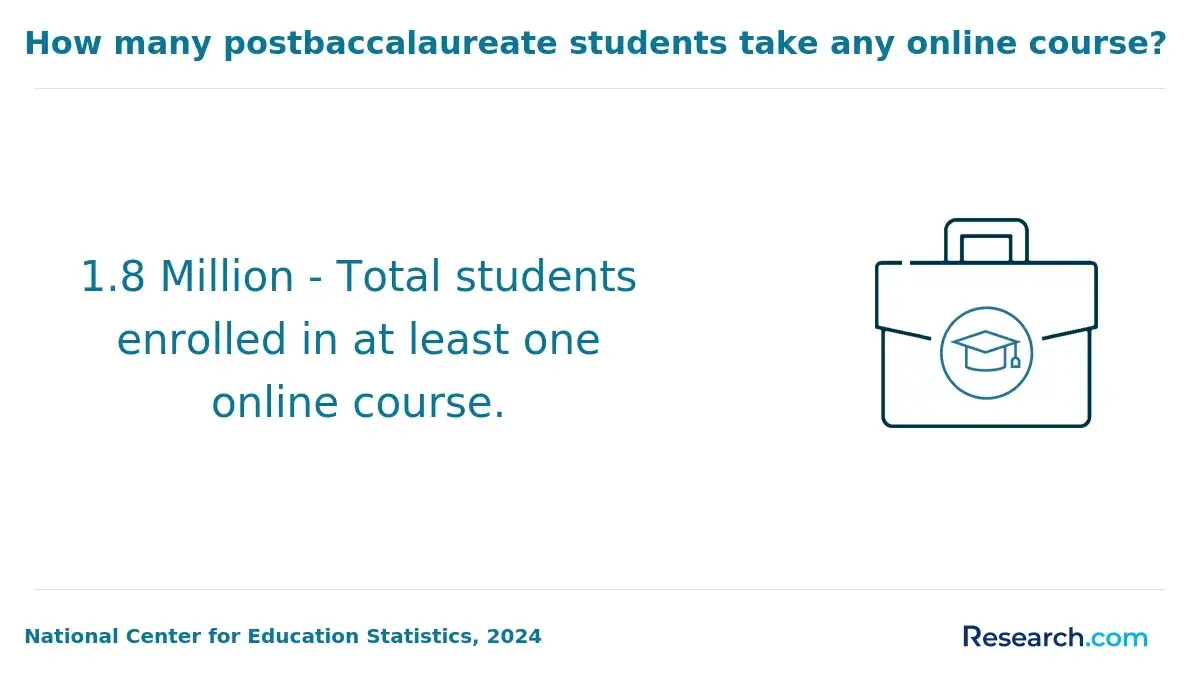
Nationally, only 22% of institutions waive out-of-state tuition for online students according to a 2024 report from the National Center for Education Statistics. Chamberlain's pricing structure aligns with this majority, reflecting broader trends where geographic residence heavily affects remote program affordability.
This differential tuition model increases the financial barrier for out-of-state students considering Chamberlain University's nursing degrees. Prospective learners should assess whether the premium charged outweighs the employability gains tied to Chamberlain's curriculum relative to more geographically equitable or competitively priced alternatives.
Which online bachelor's degrees at Chamberlain University offer the lowest total tuition?
Chamberlain University's lowest total tuition for online degrees focuses mainly on health-related fields, balancing manageable costs with positive employment prospects. Patients' needs in nursing and healthcare management make these affordable programs worthwhile for students aiming to minimize debt while maintaining employability. Online undergraduate enrollment now accounts for about 35% of remote college students nationally, underscoring growing demand for practical, budget-conscious degree options. Below are several of the most cost-effective programs at Chamberlain University.
- Nursing (RN to BSN): This program offers a per-credit tuition starting at $555, with a total tuition around $20,000. It incorporates open educational resources which reduce textbook expenses. The curriculum blends online coursework with clinical requirements, ideal for working nurses seeking degree completion without incurring high additional costs.
- Health Sciences: Designed for flexibility, this program uses digital materials and OER to limit out-of-pocket expenses. The coursework is fully online, enabling students to control pacing and reduce living cost burdens. Graduates enter diverse healthcare roles with favorable debt-to-income prospects.
- Public Health: With tuition comparable to other health fields but reduced fees for digital course materials, Public Health offers an efficient path for those interested in population health careers. The program emphasizes evidence-based practices and includes practicums arranged locally to avoid relocation costs.
- Healthcare Management: Targeted at students interested in health administration, this degree keeps total costs low through integrated OER and streamlined course design. The entirely online format allows students to balance employment while studying, easing financial strain.
- Medical Billing and Coding: This specialized track provides foundational healthcare career training with a lean curriculum that minimizes non-tuition fees. Students benefit from affordable tuition and can quickly enter the workforce with relevant certifications included in coursework.
Programs at Chamberlain leverage digital resources to mitigate additional expenses often overlooked in budget considerations. However, students should note that lower tuition may involve tradeoffs such as limited course variety or dependency on clinical placements. Considering these factors alongside tuition is vital for an accurate assessment of value.
For those comparing options, tuition baselines nationally tend to be about 15% lower for humanities majors than for technical or health disciplines, a difference that reflects distinct career earning potentials. Choosing a health science degree at Chamberlain, despite slightly higher costs, generally yields better repayment outcomes, which can justify the investment. These considerations align with trends found in online degree programs, where cost-effectiveness and career relevance influence enrollment patterns significantly.
Prospective students seeking the cheapest online bachelor's degree programs at Chamberlain University must weigh the financial benefits against curriculum constraints and practical requirements to ensure a balanced choice aligned with career goals.
What are the most affordable online master's degree programs at Chamberlain University?
Chamberlain University offers a selection of online master's degree programs that stand out for affordability without requiring costly in-person residencies. This model suits working nurses and health professionals who must control expenses and avoid travel time away from jobs or families. National data support such strategic decisions: a recent labor report found that master's degree holders can boost median income by 20-30% compared to bachelor's-level peers, improving the debt-to-income ratio significantly when degrees are pursued with cost efficiency and field relevance. To help orient cost-conscious students, here is a focused summary of several of Chamberlain's most affordable online master's degree programs.
- Master of Science in Nursing Leadership: This program charges tuition of roughly between $650 and $750 per credit and operates fully online with no residency obligations. Its competency-based approach allows learners to progress at their own pace, reducing time-to-degree and debt. This model enhances potential salary growth by aligning advanced management skills with employer demand in healthcare settings.
- Master of Public Health: Designed for online completion, this degree bundles course materials into tuition or low flat fees, preventing common hidden costs. Its curriculum focuses on population health and policy, fields seeing growing employer interest, which can bolster long-term income prospects for graduates mindful of upfront education expenses.
- Master's in Healthcare Informatics: Program costs here remain competitive with a per-credit structure that supports budget forecasting. Delivered fully remotely, this degree equips students with IT and data analysis skills increasingly essential in health systems, offering clear pathways to salary increases that justify the tuition investment.
- Family Nurse Practitioner (FNP) Master's Degree: The FNP program balances affordability with rigorous clinical training through a combination of online coursework and easily accessible practicum placements. Avoiding campus visits keeps extra costs low while preparing graduates for high-demand advanced practice roles, ensuring meaningful returns on educational spending.
- Master of Nursing Education: Focused on preparing educators in nursing, this degree's online delivery and included or modest material fees allow students to minimize extraneous expenses. Graduates can pursue academic or staff development positions, expanding their earnings potential with minimal upfront financial burden.
The absence of on-campus residency requirements at Chamberlain University enhances accessibility, especially for students juggling work and family. This is a critical consideration when comparing Chamberlain's affordable online master's degree programs to those of other schools where mandatory residencies can inflate overall costs and complicate scheduling. For prospective students evaluating the most affordable online master's degree programs at Chamberlain University, such factors weigh heavily alongside tuition figures. Those looking for additional context can consider most popular online colleges to benchmark offerings.
Are digital course materials at Chamberlain University expensive?
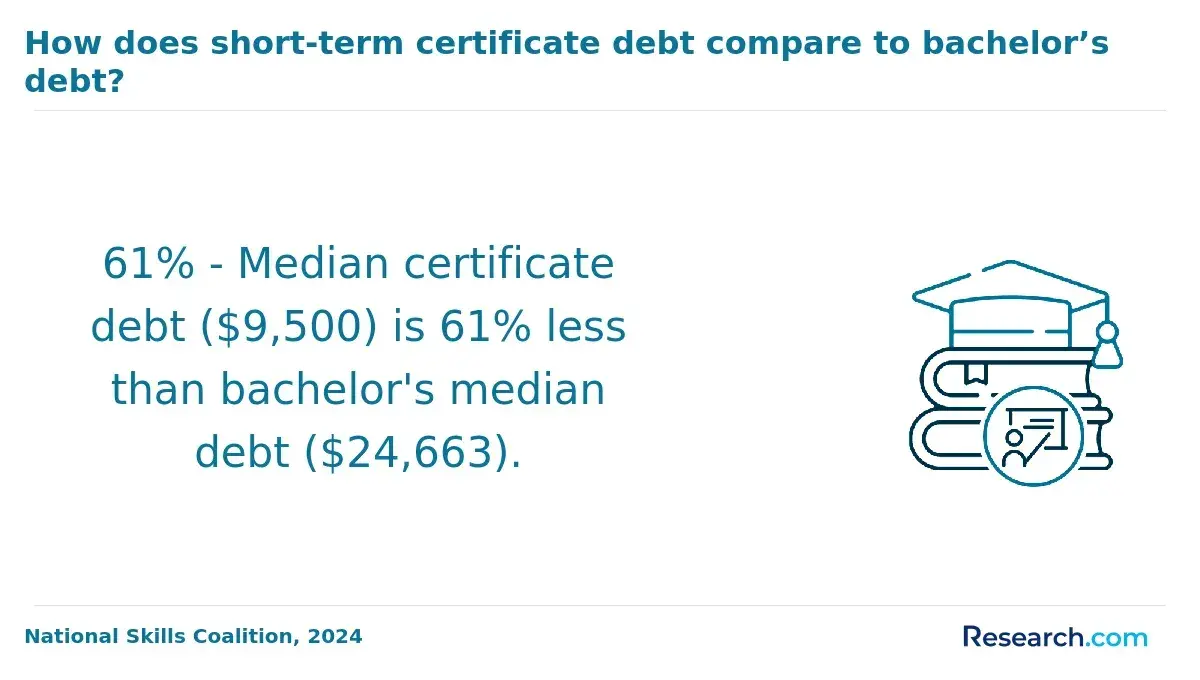
Online students should anticipate expenses beyond tuition for necessary digital course materials and supplies. At Chamberlain University, these out-of-pocket costs average about $600, which aligns with the national trend. A 2024 report indicates digital course material costs for online students commonly range from $500 to $700 per term, with textbook prices increasing faster than inflation. This matters because rising ancillary fees can limit affordability, especially for those balancing tight budgets while pursuing nursing or health-related degrees. Below are key materials that significantly impact student costs and academic experience.
- Elsevier Nursing Skills Lab Access: This subscription offers interactive clinical skill modules essential for nursing practice readiness. It ensures hands-on training simulation, but typically adds several hundred dollars annually to student expenses.
- Elsevier E-Book Packages: Digital textbooks cover core nursing concepts and are often updated with new editions. These cost-intensive packages are vital for coursework but contribute substantially to total material fees.
- ATI Testing Materials: Licensing for standardized testing preparation platforms like ATI is mandatory for competency validation and NCLEX readiness. These testing tools add moderate additional fees beyond standard tuition.
- Simulation Software Licenses: Software facilitating virtual clinical scenarios supports critical thinking development, but can be costly and is required for many courses.
Does Chamberlain University offer accelerated term options for online students?
Chamberlain University's standard nursing programs typically follow a 15-week term structure, but it also offers accelerated 5-week courses for many online students. This condensed schedule allows students to complete coursework faster than at traditional universities, which may require longer semesters for comparable credit loads.
The total tuition cost at Chamberlain University is approximately $42,952, but accelerated terms can influence the final amount paid. While tuition is charged per credit, completing courses in shorter bursts might help bypass some additional semester fees common in longer traditional terms, potentially reducing overall expenses for students managing their course load strategically.
A 2024 national study revealed that institutions with shorter academic terms saw up to a 15% improvement in student retention and on-time graduation rates. For students balancing jobs, this increased pace can signal strong time management skills to employers, but it also demands greater focus and commitment due to the intensified learning periods.
Compared to many programs where students may wait months before starting a new course, Chamberlain's accelerated options offer more frequent enrollment cycles. This flexibility contrasts with competency-based or subscription models since billing remains credit-based, affecting how fast students can advance without escalating costs disproportionately.
Can online students Chamberlain University transfer credits to reduce tuition costs?
Online students at Chamberlain University typically transfer around 30 credits, which can reduce total tuition from $42,952 by a significant margin. This immediate tuition savings speeds up degree completion and lowers the overall financial burden, but the extent varies by individual credit acceptance.
Transfer credit policies differ, especially since Chamberlain does not widely publicize articulation agreements. Savings depend on the source institution's accreditation and how many credits meet Chamberlain's standards, including Prior Learning Assessments. Nationally, about 75% of transfer students succeed in applying credits toward degrees, underscoring the value of well-aligned prior coursework but also the risk of credit denial.
Accreditation is crucial since only credits from regionally or nationally accredited institutions typically qualify. Students with credits from unaccredited programs or non-traditional learning routes may face rejection, which can increase time and cost. Chamberlain's acceptance of ACE-recommended CLEP and DSST exams offers additional pathways but requires strategic planning.
For example, a nurse switching online programs could leverage prior ACE-approved military training credits, cutting months off her studies and reducing tuition by thousands. Without credit transfer, she might pay full tuition for redundant courses, demonstrating how credit policies directly affect cost-efficiency and progress.
One Chamberlain online nursing graduate shared, "I hesitated at first, unsure if my community college credits would transfer. When they did, especially my CLEP exams and some clinical credits, it was a relief. It saved me nearly $15,000 and kept me on track to finish quickly. Without those credits, I'd have felt stuck and overcharged."
What financial aid options are available to online students at Chamberlain University?
Financial aid at Chamberlain University plays a crucial role in offsetting rising tuition costs, yet it rarely covers full expenses. Given the pressures of student debt, prospective students must consider how different aid options interact with real-world demands such as work schedules and earning potential after graduation. For example, a working healthcare professional balancing shifts might rely on targeted scholarships combined with part-time employment to manage costs effectively. The primary financial aid options for online students are outlined below.
- Chamberlain Online Scholarship: This merit-based award covers up to 50% of tuition. It targets students who demonstrate strong academic performance and helps lower initial expenses significantly.
- Healthcare Hero Scholarship: Designed for current healthcare workers, this scholarship offers up to $3,000 annually. Its focus is on supporting professionals who continue working while earning their degree.
- Diversity and Inclusion Grant: Students from underrepresented backgrounds may receive up to $2,500. This grant aims to foster equity and accessibility within Chamberlain University's online community.
- Military Appreciation Scholarship: Active-duty members and veterans can obtain $1,500. This award acknowledges service and assists with educational costs.
- Nursing Excellence Scholarship: Award amounts vary from $1,000 to $4,000 depending on academic standing. It supports nursing students demonstrating superior academic achievement.
With about 88% of online students receiving financial aid, the average undergraduate award amounts to $4,143, reflecting a partial but essential mitigation of tuition burdens. A growing share of students nationwide use a combination of scholarships, income-share agreements, and part-time work to manage debt responsibly. Given these dynamics, knowing how to apply for scholarships at Chamberlain University online programs is critical for financial planning. Evaluating these options alongside program outcomes and employability can clarify whether an online degree from Chamberlain University aligns with individual career objectives and affordability.
For those seeking accelerated paths, exploring accelerated programs for career changers can offer a practical route to reduce time to degree completion and overall costs.
How do you know if the affordable online programs at Chamberlain University are worth it?
The value of affordable online programs at Chamberlain University depends on key outcomes such as salary potential, graduation rates, and alignment with career goals in nursing. For example, a prospective student aiming for a stable healthcare job would examine median alumni salaries alongside practical completion rates to weigh financial return on investment. Below are core indicators to evaluate when assessing the cost effectiveness of Chamberlain University online programs.
- Median Alumni Salary: The overall median salary of $92,405 indicates competitive earnings for many graduates. However, specific nursing fields show a lower median of $70,883, signaling varied financial returns based on specialization and the importance of choosing a program aligned with strong labor demand.
- Graduation Rate: At approximately 50%, Chamberlain's graduation rate is moderate and a critical factor because failing to complete increases debt burden without credential benefits. Prospective students must assess their readiness and the school's support mechanisms.
- Program Focus and Flexibility: Chamberlain specializes mainly in nursing fields, which suits students targeting healthcare careers but limits options for those seeking broad academic choice or different industries.
- Workforce Entry Velocity: Nursing degrees often lead to quicker employment, supporting Chamberlain's value proposition in healthcare. Fast workforce entry reduces time without income and can mitigate debt-to-income challenges.
- Debt-to-Income Sustainability: Studies show nearly 40% of graduates nationwide exceed sustainable debt-to-income ratios within five years of graduation. Chamberlain students should carefully compare tuition costs and realistic salary trajectories given these financial pressures.
- Career Alignment: Programs should be assessed for how well they match industry demands and personal career goals. Chamberlain's nursing emphasis fits growing healthcare labor markets, but less so for careers outside that domain.
- Job Market Considerations: Understanding labor trends such as jobs for introverts that pay well can help contextualize the degree's value in practical employment scenarios and long-term stability.
What Graduates Say About the Cheapest Online Degrees at Chamberlain University
- John: "Choosing to study an online nursing degree at Chamberlain University was largely influenced by the affordability compared to other programs I researched. While the sticker price was appealing, I had to carefully account for some unexpected digital platform fees that slightly bumped up my total cost. Still, avoiding the expenses tied to commuting and living on campus offered significant financial relief. Completing the degree online allowed me to continue working part-time, which was crucial for managing both study and income. In hindsight, the balance between cost and flexibility at Chamberlain helped me enter the workforce faster than peers I knew who delayed studies for on-campus programs."
- Colin: "My experience with Chamberlain University's online degree was pragmatic-affordability was key, but so was value. I was initially drawn to Chamberlain because the upfront costs were lower than competing institutions, but during enrollment, I learned about mandatory technology fees that aren't always clearly advertised elsewhere. Despite this, the online format was a lifeline, giving me access to education without the hassle and expense of relocating. Professionally, having their degree opened doors, yet I took care to weigh whether the cost savings matched the modest salary increase I received upon workforce entry. Ultimately, it was worth it for the career boost, but I advise others to budget for the hidden costs."
- Ian: "Studying online through Chamberlain University was a calculated decision based on cost-efficiency and time. The cheap programs caught my eye initially, but the real value was in how the online degree allowed me to maintain my current job while pursuing advanced certifications. Being remote eliminated living expenses, which was a financial advantage, but I also discovered subtle fees related to the digital infrastructure that layered into the final price. Career-wise, the degree didn't instantly catapult me into a higher salary bracket, but it positioned me competitively in a tight job market and accelerated my progression relative to colleagues who took longer, more expensive routes."
Other Things You Should Know About Chamberlain University Degrees
The cheapest online programs at Chamberlain University often use an asynchronous model, allowing students some flexibility in when they engage with coursework. However, despite flexible timing, each term follows a strict schedule with deadlines for assignments and exams. Working students should carefully evaluate if they can consistently meet these periodic demands without falling behind, rather than assuming true self-paced learning. Prioritizing time management skills is essential since the pace can be intense in practice, especially in healthcare-related courses that require strong focus and continual engagement.
Chamberlain University's affordable 2027 online degrees ensure that students have access to strong faculty support and networking opportunities. Lower costs do not compromise these aspects; the university maintains a robust support system, including interactive online platforms, faculty availability, and virtual networking events to enhance student engagement and success.
Lower-cost online options at Chamberlain University do not necessarily imply reduced access to faculty, but students generally find interaction happens through virtual office hours, emails, and discussion boards rather than face-to-face meetings. Networking opportunities also tend to be less organic compared to on-campus programs, with fewer informal interactions. Prospective students should consider how much they value building professional connections during their studies because those can be limited and require proactive effort in online settings, affecting long-term career growth.
Students often assume cheaper programs come with less burden, but the workload in Chamberlain University's affordable online degrees remains demanding, especially in nursing and health sciences where coursework can be rigorous. It's advisable to prioritize programs where reduced cost does not translate into compromised instructional quality or unrealistic workloads, which could delay graduation or affect performance. Selecting a program should involve assessing whether the workload aligns with personal responsibilities and capacity, rather than choosing based on price alone.
References
- Confirm Which Courses Transfer to Chamberlain University https://www.straighterline.com/colleges/chamberlain-university/
- 2025 Most Affordable Online Nursing Programs https://www.onlineu.com/most-affordable-colleges/nursing-degrees
- Online MSN Program https://www.chamberlain.edu/academics/nursing-school/master-of-science-in-nursing
- Chamberlain University Reviews https://www.gradreports.com/colleges/chamberlain-university
- Chamberlain University - Degree Programs, Accreditation, Applying, Tuition, Financial Aid https://www.bestcollegesonline.org/colleges/chamberlain-university/
- Cheapest Accredited Online Colleges: Complete Guide https://hakia.com/news/cheapest-accredited-online-colleges/
- Most Affordable Online Colleges Of 2025 https://www.affordablecollegesonline.org/cheap-online-colleges/
- Chamberlain University: 2025 Admissions, Programs & Campus Life | Amber https://amberstudent.com/blog/post/chamberlain-university-admissions-programs-campus-life
- Cheapest Online Master's Degree Programs [2026 Guide] https://www.edsmart.org/online-degrees/affordable-online-masters/
- Chamberlain University Online BSN Program Review https://betternurse.org/chamberlain-university-bsn/