2027 Is Walden University's Online EdD in Special Education Worth It? What Students Should Know

Co-Founder and Chief Data Scientist
Choosing an online edD in special education program requires balancing flexibility, academic rigor, and alignment with evolving workforce demands. Nearly 70% of education leadership roles now emphasize doctoral-level qualifications, according to the Bureau of Labor Statistics, highlighting the growing need for advanced credentials. Yet, accessibility and program design often influence whether candidates can complete their degrees without career disruption. Walden University's structure promises flexibility, but prospective students must consider how its curriculum matches their professional goals and preferred learning style. This article examines Walden University's online edD in special education to help clarify its fit for diverse student priorities and career trajectories.
Key Points About Walden University's Online EdD in Special Education Program
- Walden University's Online EdD in Special Education features open admission, which broadens access but may require learners to proactively address foundational knowledge gaps independently.
- The total tuition cost is $34,458, and the earnings to debt ratio of 2.05x suggests graduates typically recover their investment through higher lifetime earnings.
- Alumni report a median salary of $42,810, reflecting positive employer recognition that can enhance career advancement in specialized education roles.
What makes Walden University's online EdD in Special Education program stand out?
Walden University's online EdD in Special Education program is structured to serve working professionals managing complex schedules, which is crucial given the high demands faced by educators in this field. The flexibility offered by its fully online format allows students to balance ongoing job responsibilities with doctoral study, a practical necessity for many special education leaders seeking advancement without career interruption. For those employed in district leadership or specialized interventions, this adaptability can be the difference between pursuing advanced credentials and deferring further education indefinitely.
The program's size-supporting an enrollment of 44,223 students and staffed by 3,423 faculty members-reflects its capacity to offer both broad academic resources and personalized support, which is not always available in smaller or less established programs. This scale enables extensive interaction through interactive platforms and faculty mentorship, fostering applied research directly relevant to professional contexts. Consequently, graduates gain skills that employers increasingly require: leadership grounded in research-informed practice and an ability to collaborate effectively in varied educational environments.
Is it difficult to get admitted to Walden University's online EdD in Special Education program?
Securing admission to an EdD in Special Education typically involves rigorous competition, with many programs requiring standardized test scores and maintaining selective thresholds to limit enrollment. This competitive landscape reflects both the specialized nature of the field and the finite availability of doctoral training slots, influencing applicants' strategic choices and timelines.
Walden University's online EdD in Special Education program diverges notably by adopting an open admission policy, which removes the common obstacle of SAT or ACT requirements. While this increases accessibility, it does not eliminate the challenge of meeting academic and professional benchmarks necessary to succeed once admitted. The absence of a fixed cap or selective filtering suggests a higher acceptance rate compared to traditional doctoral programs, yet applicants must still demonstrate readiness for doctoral-level work in a demanding specialty.
This admission approach allows candidates who might otherwise be deterred by selective criteria to pursue doctoral studies without delay, but it also places greater responsibility on the student to self-assess preparedness. Employers in education leadership and research often value the rigor of program completion more than the selectivity of admission, so candidates should weigh whether the program's openness aligns with their career goals and learning needs.
One graduate recalled a prolonged decision period before applying to Walden's program, initially hesitant about committing without typical admissions hurdles as a readiness filter. "I worried that without test scores or a competitive acceptance process, the program might lack rigor, but the open admission actually gave me the flexibility to apply after thoroughly preparing my professional portfolio," they explained. "Waiting until I felt confident rather than rushing through standard gatekeeping felt like an advantage, even if it meant some anxiety about the unknown selectivity."
How does the curriculum of Walden University's online EdD in Special Education program stay aligned with current industry trends?
Key factors supporting Walden University online EdD curriculum integration with special education best practices include:
- Research and Leadership Focus: The program's emphasis on advanced research methods equips candidates to critically analyze data and policy, enabling informed decision-making in diverse classroom settings. Leadership training is tailored specifically to special education contexts, preparing graduates to spearhead initiatives that improve inclusion and instructional effectiveness.
- Policy and Practical Application: By incorporating policy analysis and program evaluation components, the curriculum addresses the real-world challenges administrators and educators face. This dimension ensures that students can translate regulatory knowledge into actionable strategies within school systems, reinforcing alignment with current legal and ethical standards.
- Collaborative Competencies: Recognizing the trend toward interdisciplinary teamwork, Walden fosters skills in working effectively with families and educational professionals. This collaborative approach reflects industry standards that prioritize holistic support for learners with disabilities and anticipates the demands of dynamic educational settings.
Students and professionals weighing an EdD in Special Education program may also consider the practical flexibility of online doctoral studies compared against available shorter alternatives such as 12 month master's programs online. Though not directly comparable in scope, these shorter programs may appeal to individuals seeking accelerated credentials in related fields, while a specialized EdD remains more focused on leadership and systemic change within special education sectors.
In sum, Walden University's EdD aligns well with industry expectations through its focused curriculum, making it a relevant option for those pursuing advanced roles that demand both scholarly rigor and real-world leadership in special education.
The tuition cost for Walden University's online EdD in Special Education program stands at $12,498 annually, excluding additional expenses like books and supplies, which add roughly $900 per year. While the total annual cost including living and other fees can approach $34,458, the flat-rate tuition model means students pay the same regardless of their location, which simplifies budgeting compared to programs that differentiate in-state from out-of-state rates. This consistency is critical for working professionals who may relocate or live in higher-cost states.
Financial aid is a crucial factor in managing expenses. Although much of Walden University's publicly available aid data relates to undergraduates, institutional scholarships, grants, and corporate tuition reimbursement programs are often accessible to doctoral candidates. Students in the EdD in Special Education should proactively explore these options, as even a modest reduction in tuition can directly affect the program's return on investment given the degree's long-term career implications for leadership roles in education and administration.
Compared with the cost of similar doctoral programs in Special Education nationwide, which frequently exceed $30,000 in total tuition, Walden's pricing remains competitive. The university's lack of an online technology fee distinguishes it from some competitors who tack on additional charges, a factor that can influence total out-of-pocket costs for students balancing work and study. For many considering how to finance their education, this transparency is a significant operational advantage, especially in light of other programs' complex fee structures.
Those weighing this option should place Walden's cost within the broader landscape of graduate education expenses, alongside operational considerations such as program flexibility and workforce relevance. Prospective students might also consider foundational pathways like 2 year bachelor degree programs where applicable to build experience before committing to higher-level doctoral work. Understanding these layers of cost against potential employment outcomes and institutional resources will better inform whether an online EdD in Special Education is a strategically sound investment.
Choosing to apply for Walden University's online EdD in Special Education program involves navigating an admission process that balances accessibility with practical considerations impacting a student's academic trajectory and professional readiness. The program's open admission policy reduces barriers like standardized testing, which can accelerate entry for experienced educators. However, candidates must carefully assess transfer credit policies and documentation requirements to avoid unexpected limitations that could affect time to degree completion or the acceptance of prior learning. Below is an outline of key admission factors prospective students should understand before applying.
- Open Admission Policy: Applicants are generally admitted without restrictive criteria, allowing broader entry. This approach benefits working professionals but may result in a more heterogeneous cohort in terms of preparedness.
- Standardized Testing: Submission of SAT or ACT scores is not required, simplifying the application process, especially for those with extensive teaching experience or prior graduate work.
- Transfer Credits: The university permits transfer of credits, but maximum allowable amounts and minimum grade requirements vary. Confirming these details is crucial to prevent credit loss and extended enrollment.
- Supporting Documents: Prospective students need to submit academic transcripts along with personal statements, letters of recommendation, and professional resumes. These help evaluate readiness for doctoral-level study and leadership roles.
- No Entrance Exams: The absence of entrance tests or portfolios reduces application complexity but places greater emphasis on documented experience and narrative assessments.
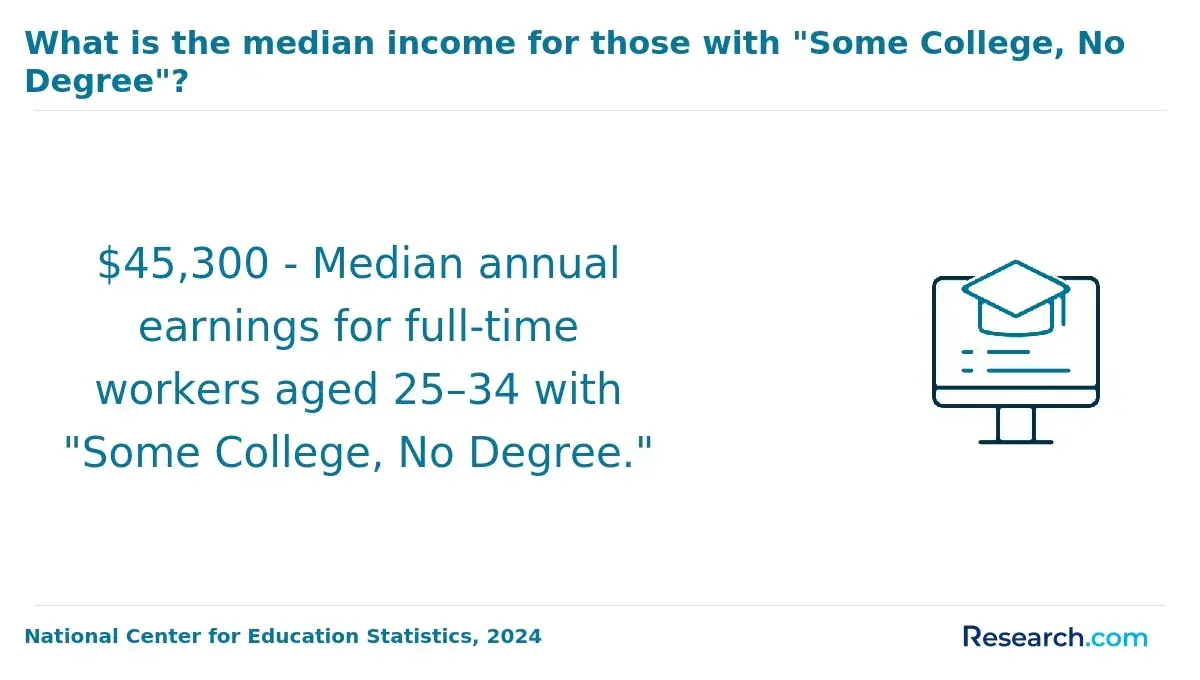
The return on investment (ROI) for Walden University's online EdD in Special Education hinges on balancing substantial upfront costs against steady but moderate earning potential in public education roles. With annual attendance costs near $34,458 and graduates incurring around $20,834 in median student debt, the financial commitment is significant given a median starting salary of $42,810. This results in an earnings-to-debt ratio of just above 2, indicating that income just barely doubles debt load, which is a crucial metric when weighing long-term benefits against initial financial strain.
Graduates typically enter public school systems or government agencies, sectors known for stable employment but limited rapid salary escalation. Without distinguishing competitive scholarships or grants, students might face extended periods before recouping educational costs due to relatively flat salary growth patterns typical for special education roles in these fields. Conversely, those who secure financial aid or leverage experience toward leadership positions may find an improved financial outcome, although this is contingent on local job markets and employer credential preferences.
The decision to enroll often depends less on immediate salary leaps and more on career alignment within education-focused agencies, where credentialing can influence promotion potential over time but rarely translates into dramatic earnings spikes. Prospective students should judiciously weigh these financial and sector-specific factors to assess if Walden's program fits their professional and fiscal goals.
Satisfaction among students in Walden University's online EdD in Special Education program is closely tied to the program's structure and resource accessibility, which vary notably in remote learning environments. The ability to balance rigorous coursework with competing personal and professional responsibilities is a critical factor influencing student sentiment. For many, the availability of flexible scheduling and accessible academic resources partially offsets the demands of doctoral-level study, though this often requires proactive time management and self-discipline to avoid burnout.
The student culture emphasizes connection through online mentoring and peer groups, which address isolation that can emerge in distance education. These networks function as vital support systems, providing both academic guidance and emotional encouragement. However, despite these efforts, some students may still find that the remote format limits spontaneous interactions typically found in traditional campus settings, potentially affecting their overall engagement and satisfaction.
While specific graduation data for EdD in Special Education candidates isn't detailed, Walden's broader strategies to retain online learners indicate a commitment to maintaining positive outcomes, but students should weigh how well the support ecosystem aligns with their learning preferences and career goals.
One graduate recounted initial doubts about the online format, feeling "overwhelmed trying to juggle full-time work and coursework." They found relief in the peer mentorship programs, which "became a lifeline during challenging phases." Though acknowledging the "lack of face-to-face spontaneity," they valued the structured support and felt the program's resources were instrumental in completing their degree without sacrificing family time. This nuanced experience underscores how satisfaction can hinge on individual expectations and adaptability to the program's remote framework.
The ability of a school's career services to facilitate job placement significantly influences graduates' employment outcomes, particularly in specialized fields like special education leadership. For online EdD in Special Education alumni from Walden University, nearly 70% report their institution's resources as critical in obtaining their first post-graduate roles, highlighting the tangible impact of these supports on career outcomes for Walden University EdD in Special Education alumni. This connection between institution and employment is vital given the competitive hiring landscape, especially for remote or leadership positions in education. Key facets of Walden's employment support infrastructure include:
- Virtual Job Fairs: These events provide direct access to education employers actively seeking candidates with special education expertise, enabling students to engage with potential hiring managers before graduation and often securing interviews or offers in advance.
- Online Resume Workshops: Tailored to highlight doctoral-level qualifications in special education, these workshops assist students in crafting resumes that meet employer expectations in a crowded candidate pool.
- Targeted Job Placement Portal: This specialized platform connects graduates to openings specifically focused on special education leadership and administration, reducing the inefficiencies of general job searches.
- Alumni Mentorship Program: Pairing students with experienced graduates offers ongoing professional guidance, networking channels, and practical advice tuned to navigating the education sector's hiring nuances.
This combination of focused career services and mentorship forms a distinctive support system, especially relevant given the complexities in employment paths for online doctorate holders. For prospective students comparing educational investments, these resources underscore how career infrastructure can materially shape job prospects versus programs lacking such integrated employment support. Those exploring various options might also consider related paths like the easiest 2 year degree to get for different workforce entry points and timelines.
Recent graduates from Walden University's online EdD in Special Education often move into leadership roles that carry significant responsibility but variable earning potential depending on region and specific duties. While the program does not publish precise salary figures for its EdD in Special Education alumni, examining related fields reveals practical insights for evaluating job prospects after completing Walden University EdD in Special Education program. Salaries for educational administrators generally range from mid-five figures to the low-to-mid seventy-thousand-dollar mark, reflecting the specialized yet sometimes localized nature of these positions. Graduates should weigh the tradeoff between higher-level leadership roles and sectors such as nursing or human development, which may offer differing compensation despite overlapping management elements. Understanding these career outcomes clarifies the tangible value of pursuing this advanced degree versus entering or remaining in frontline instructional roles. Below are representative career paths and their operational realities:
- Special Education Coordinator: Oversees program development and compliance to tailor services for diverse learners, managing curriculum and staff training. Salaries typically fall between $54,000 and $70,000, depending on district size and funding.
- Curriculum Specialist: Designs instructional programs aligned with special education standards, requiring strategic leadership in educational content. This role aligns closely with reported salaries near $67,666 for related fields like curriculum and instruction.
- District-Level Administrator: Manages multiple schools' special education services, balancing regulatory requirements and resource allocation. Compensation can reach upwards of $75,000, reflecting the administrative scope involved.
- Human Development and Family Studies Roles: Often overlapping with special education, these positions may offer lower average salaries around $30,980 but provide alternative pathways for EdD graduates focusing on developmental support services.
Such outcomes illustrate that the decision to pursue the EdD in Special Education should factor in both expected leadership responsibilities and the realistic salary landscape. For students comparing options, exploring flexible degree options like a self paced bachelor's degree can be part of broader career planning and credential stacking to maximize employability in education and allied fields.
Determining if walden university online EdD in Special Education program benefits align with your career and academic goals requires more than surface-level evaluation. The program's value is highly contingent on how well it fits your professional objectives, learning style, and the realities of the special education workforce. For instance, if your aim is to lead policy changes or apply research directly to classroom strategies, the program's curriculum and practical focus must support these outcomes. Understanding this foundation helps clarify whether the degree is worth the investment. Below are key criteria to consider when assessing fit:
- Program Curriculum: Focus on whether the curriculum covers research methodologies and content areas relevant to your intended specialization in special education leadership or intervention. A curriculum emphasizing evidence-based practices better equips you for influencing educational frameworks in practice.
- Flexibility and Learning Format: Evaluate if the fully online, asynchronous delivery matches your capacity to manage study alongside professional and personal responsibilities. This format benefits self-directed learners who need scheduling flexibility but may challenge those who prefer live interaction or cohort-driven peer engagement.
- Faculty Expertise and Mentorship: Investigate the faculty's credentials and active involvement in special education research or policy. Access to experienced mentors impacts your ability to develop academically and professionally, enhancing networking opportunities integral to career advancement.
- Accreditation and Program Reputation: Confirm regional accreditation and consider how employers and licensure authorities view the EdD credential from walden university. The perceived credibility can significantly affect employment prospects in education and related sectors.
Considering these points helps you evaluate how to best leverage walden university online EdD in special education program benefits relative to your pathway. Additionally, exploring jobs for introverts that pay well may be useful if your personality and career goals intersect with roles commonly held by advanced degree holders in education, where research and leadership skills are paramount.
What Graduates Say About Walden University's Online EdD in Special Education Program
- Elijah: "Studying the EdD in Special Education program at Walden University was challenging, especially balancing coursework with my full-time job. However, the flexibility it offered allowed me to maintain my responsibilities while diving deep into practical research. After graduating, I noticed employers in my district emphasizing hands-on experience and certifications over just the degree, so I supplemented with internships and workshops, which were crucial in securing a leadership role in special ed program development."
- Rhett: "The remote nature of my EdD in Special Education studies at Walden University was a major advantage, letting me continue working in special education while advancing my education. This program gave me insights that helped me pivot from classroom teaching to instructional design. It's important to know, though, that some higher-level administrative roles still prioritize licensure, so I strategized my career growth accordingly, focusing on roles where my doctorate and portfolio had the most impact."
- Marcus: "Walden University's EdD in Special Education program gave me a solid theoretical and practical foundation, but navigating the job market post-graduation revealed real challenges. I found that while the degree opened doors, salary growth in certain positions was capped without additional licensure. Understanding this early helped me be pragmatic about when to pursue further certification versus focusing on gaining broader leadership experience in specialized educational settings."
Other Things You Should Know About Degrees
The program demands significant time and effort, particularly during dissertation phases which can extend the timeline considerably. While coursework is designed for online flexibility, students balancing full-time jobs often find that prioritizing time management and consistent progress is critical. Prospective students should realistically assess their availability for steady work to avoid delays in completion.
Walden’s online EdD in Special Education requires a dissertation or applied doctoral study approved through the doctoral committee process. Students complete proposal development, institutional review, data collection, analysis, and a final oral defense, with milestones guided by university dissertation policies and faculty review.
Walden allows a limited amount of transfer credit, but strict policies mean many applicants will need to complete most coursework within the program. This can extend program length and costs for those with previous graduate-level classes. For students with relevant prior credits, confirming transfer eligibility early is advisable to strategically plan time and financial commitments.
- Walden University Career Planning and Development Blog https://waldencareerservices.com/
- Master’s (EdS) in Special Education at Walden University https://www.masters-in-special-education.com/at/walden-university/
- Walden University Reviews https://www.gradreports.com/colleges/walden-university
- Ed.D. in Special Education | ACE https://ace.edu/degree-programs/doctoral-degrees/doctoral-education/doctor-of-education-in-special-education/
- EdD Careers: What Can I Do With a Doctor of Education (EdD)? https://www.onlineeddprograms.com/faqs/edd-careers
- Most Affordable Online EdD In Special Education | Grad School Hub https://www.gradschoolhub.com/affordable/online/doctorate/special-education/
- 10 Best Ed.D. in Special Education Programs of 2025 https://www.eddprograms.org/schools/special-education/
- Doctor of Education in Special Education Leadership (EdD) | Houston Christian University https://hc.edu/college-of-education-and-behavioral-sciences/degrees/edd-sped-leadership/
- How to Advance Your Career with a Doctorate in Special Education - Graduate Programs for Educators https://www.graduateprogram.org/blog/how-to-advance-your-career-with-a-doctorate-in-special-education/
- The Top 15 Accredited Online Special Education Doctoral Degree Programs of 2026 | Special Education Degrees https://www.special-education-degree.net/the-top-accredited-online-special-education-doctoral-degree-programs/