2027 Is Grand Canyon University's Online BS in Behavioral Health Science - Substance Use Disorders Worth It? What Students Should Know

Co-Founder and Chief Data Scientist
Choosing an online BS in Behavioral Health Science - Substance Use Disorders program requires balancing academic rigor with career relevance and personal circumstances. With behavioral health fields expanding by nearly 14% according to the U. S. Bureau of Labor Statistics, prospective students must consider whether the program's curriculum aligns with evolving employer expectations and licensure pathways.
Accessibility and flexibility also matter, as many candidates juggle work and family commitments while pursuing education online. This analysis explores how Grand Canyon University's program measures against these demands, assessing its practical benefits, potential limitations, and fit for students aiming to advance in substance use disorder- related careers.
Key Points About Grand Canyon University's Online BS in Behavioral Health Science - Substance Use Disorders Program
- The BS in Behavioral Health Science - Substance Use Disorders at Grand Canyon University has a 60% acceptance rate, balancing accessibility with moderate selectivity, which may impact application timing and candidate competition.
- Employers recognize Grand Canyon University graduates for practical skills and faculty-led training, enhancing workforce readiness and improving employment prospects in behavioral health roles.
- The program costs $37,212 in tuition with a median graduate salary of $42,186, yielding a 1.91x earnings to debt ratio that reflects a moderate financial return on investment.
What makes Grand Canyon University's online BS in Behavioral Health Science - Substance Use Disorders program stand out?
Grand Canyon University's online BS in Behavioral Health Science - Substance Use Disorders program leverages its scale to offer robust academic support and flexible scheduling, which benefits working professionals balancing education with employment. The program's reliance on interactive, scenario-based coursework prepares students for real-world behavioral health challenges, a vital asset for employers who seek candidates with practical, applied skills rather than purely theoretical knowledge.
This approach plays a critical role in readiness for roles in counseling and community health, especially when compared to traditional programs that may not emphasize applied learning. The program's large faculty base of 7,773 staff, including 1,845 full-time instructors, allows meaningful access to expertise despite the fully online format.
However, its 43% graduation rate signals the commitment and persistence required to succeed-important considerations for adult learners weighing program demands against career prospects. GCU's digital resources and dedicated academic advising mitigate the isolation that commonly affects online students, enhancing outcomes for those who need a comprehensive support system alongside flexible delivery.
Is it difficult to get admitted to Grand Canyon University's online BS in Behavioral Health Science - Substance Use Disorders program?
Admission to a BS in Behavioral Health Science - Substance Use Disorders program generally falls into a moderate competitiveness range, reflecting a balance between demand and accessibility important for workforce development in this expanding field. Unlike highly selective health or STEM programs, applicants to these degrees often encounter programs maintaining steady admission rates to accommodate growing employer demand for behavioral health professionals.
Grand Canyon University's online program aligns with this trend, evidenced by its 60% acceptance rate and the admission of roughly 28,960 out of 47,978 applicants. This level of selectivity is less stringent than elite institutions but indicates a deliberate vetting process considering academic preparedness. The program's standardized test score expectations-SAT verbal scores between 540 and 620 and math scores from 518 to 555, plus an ACT range of 19 to 171-signal openness to diverse academic backgrounds while maintaining baseline readiness standards.
For prospective students, this means the program is attainable without the intense competition witnessed elsewhere but still demands reasonable academic qualifications. Navigating this process involves assessing personal academic profiles realistically against these benchmarks to manage expectations and application strategy.
How does the curriculum of Grand Canyon University's online BS in Behavioral Health Science - Substance Use Disorders program stay aligned with current industry trends?
Maintaining alignment with evolving workforce demands requires more than a curriculum listing relevant topics; it demands integration of skills and frameworks prioritized by employers who face complex behavioral health scenarios daily. Grand Canyon University's online BS in Behavioral Health Science - Substance Use Disorders curriculum applies this by prioritizing evidence-based interventions and client-centered care, which are often decisive in employment and success within clinical and community settings.
Below are three critical elements that enable its Arizona substance use disorders program industry alignment to stand out amidst a growing pool of behavioral health science degrees:
- Evidence-Based Practice: The curriculum emphasizes foundational psychology concepts alongside specialized studies in co-occurring disorders and substance use, equipping students with methodologies directly applicable to contemporary treatment protocols and regulatory standards that employers expect.
- Practical Training Integration: GCU incorporates applied learning experiences focused on motivational interviewing, relapse prevention, and ethical client care. This hands-on approach addresses a frequent employer concern: graduates lacking workplace-ready skills despite academic credentials.
- Interdisciplinary Collaboration: Preparing students for team-based care models, the program fosters critical thinking and communication skills essential for operating in multifaceted healthcare environments, reflecting an important trend in behavioral health workforce strategies.
For prospective students weighing educational options, understanding such programmatic tradeoffs matters. While programs like these show alignment with industry essentials, the broader employability impact depends heavily on the actual depth of experiential components and regional workforce needs. Exploring best college majors related to behavioral health can provide a useful comparative framework to evaluate if GCU's offerings match personal career objectives and local employment realities.
The deliberate curriculum design of Grand Canyon University's online behavioral health science curriculum integration underscores an effort to prepare graduates for practical challenges, but success remains contingent on contextual factors such as clinical placement quality and employer networks within Arizona's behavioral health ecosystem.
How much does Grand Canyon University's online BS in Behavioral Health Science - Substance Use Disorders program cost?
At Grand Canyon University, the annual tuition and fees for the online BS in Behavioral Health Science - Substance Use Disorders program total approximately $17,450, with an overall annual cost including books and supplies reaching around $37,212. This flat-rate tuition applies uniformly regardless of the student's state of residence, eliminating typical out-of-state surcharges and simplifying budgeting for remote learners.
However, candidates should consider that additional expenses such as room and board or technological needs may vary and might not be itemized separately, affecting the true cost of attendance. The financial aid landscape significantly influences net cost, with roughly 99% of undergraduates receiving aid averaging $7,744 per year. Institutional grants, scholarships, and corporate tuition reimbursement programs can also alleviate the financial burden, but eligibility criteria vary and must be verified individually.
Such support mechanisms can be decisive for prospective students weighing whether this program meets their financial and professional objectives in behavioral health fields. Compared to other programs in behavioral health and substance use disorders, Grand Canyon University's tuition aligns competitively with private institutions offering similar online formats.
In-state students living on campus elsewhere face a total cost of attendance near $31,493, placing GCU's online tuition within a reasonable range given the convenience of remote study. Job market outcomes in behavioral health increasingly demand specialized credentials while balancing cost, so understanding these price distinctions is critical before committing to a degree pathway.
The stable flat tuition rate at Grand Canyon presents a pragmatic option along with the possibility of accelerated associate degree options that may serve as foundational steps. Evaluating the totality of costs, including financial aid and personal circumstances, remains essential for students deciding if the BS in Behavioral Health Science - Substance Use Disorders program fits their educational goals and workforce entry plans.
What are the admission requirements for Grand Canyon University's online BS in Behavioral Health Science - Substance Use Disorders program?
Admissions to grand canyon university's online BS in behavioral health science - substance use disorders program involve multiple layers that affect transferability and readiness for a specialized behavioral health career. Understanding these criteria helps manage expectations, especially as selective thresholds and testing requirements influence access and preparation for a demanding field. This overview highlights key aspects of the admissions process worth noting.
Key admission factors include:
- Educational Background: Applicants must have completed high school or earned a GED, supported by a submission of their secondary school GPA and full academic record to assess foundational readiness.
- Standardized Testing: English proficiency demonstrated through TOEFL is necessary, particularly for non-native speakers. While assessments like Wonderlic or WISC-III can enhance an application, they remain optional and not strictly mandated.
- Transfer Credits: The program accepts credits from multiple recognized sources such as ACE recommendations, CLEP exams, and DSST tests. This flexibility can shorten time to degree but requires transferred coursework to meet minimum passing grades.
- Admissions Selectivity: Though there is no open admission policy, the process does not demand portfolios, practical exams, or additional entrance tests beyond required standardized scores, illustrating a balanced gatekeeping approach.
- Score Thresholds: Accepted SAT verbal scores range between 540 and 620, with math scores from 518 to 555; ACT scores range broadly, reflecting a competitive but accessible applicant pool.
What is the ROI of attending Grand Canyon University's online BS in Behavioral Health Science - Substance Use Disorders program?
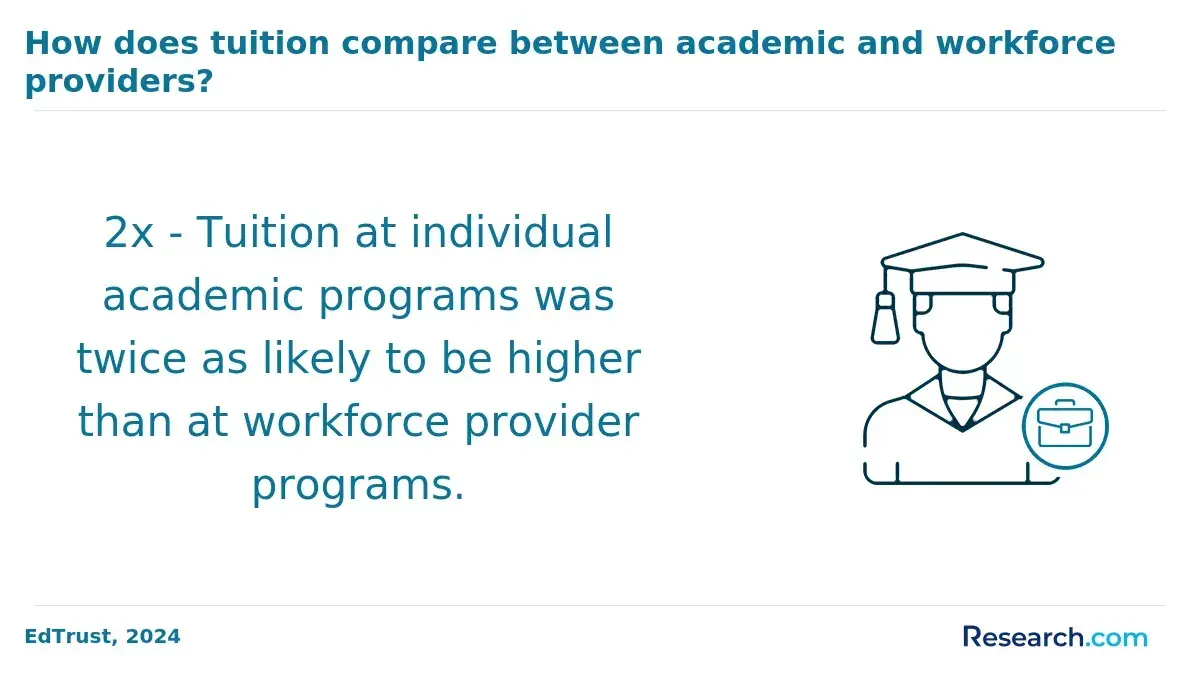
The return on investment for attending Grand Canyon University's online BS in Behavioral Health Science - Substance Use Disorders hinges largely on balancing its relatively high total cost against steady early-career earnings. With annual expenses around $37,212 and median student debt near $22,114, the program's financial demands surpass the average for similar degrees. Graduates start with median salaries of about $42,186, which remain roughly stable a decade post-graduation, reflecting limited upward mobility in pay without further credentialing or experience in this sector.
Students who can secure scholarships, grants, or employer tuition assistance may improve their ROI significantly by lowering upfront costs. However, the narrow salary growth trajectory typical in behavioral health roles focused on substance use disorders underscores the importance of considering long-term employability factors. Many employers value relevant certifications and clinical experience alongside the degree, so graduates aiming for higher compensation often invest additional time and resources beyond the initial BS program.
In workforce terms, the median earnings-to-debt ratio of 1.91x suggests income nearly doubles debt, but this margin may not absorb missed earnings or opportunity costs from alternative career paths. Prospective students should weigh whether steady but modest income growth aligns with their financial goals, especially given the program's costs compared to broader healthcare or social work occupations where degree costs and salaries vary considerably.
Is there a high student satisfaction for Grand Canyon University's online BS in Behavioral Health Science - Substance Use Disorders program?
Student satisfaction in grand canyon university's online BS in behavioral health science - substance use disorders program reflects a balance between flexibility and academic rigor that shapes learner experiences. For many working adults managing multiple responsibilities, the program's structure allows for continuity in employment and family life, which is a critical factor boosting satisfaction despite the program's demanding coursework.
However, those lacking strong time management skills often encounter challenges that can diminish overall contentment and affect completion rates. The university's emphasis on student engagement through virtual mentoring and peer-support groups helps mitigate feelings of isolation common in online learning. These networks create pockets of academic community that encourage persistence and foster belonging.
Yet, the intensity of the material, combined with often complex personal schedules, means that satisfaction can be highly contingent on individual discipline and effective utilization of available resources. The variability in student experience underscores the importance of proactive support systems and realistic expectations about workload.
From a workforce perspective, graduates who successfully navigate these challenges tend to develop valuable self-management abilities that employers recognize as essential in behavioral health roles. The program's emphasis on remote collaboration also mirrors current trends in healthcare environments, potentially enhancing employability for those who adapt well.
How does Grand Canyon University help online BS in Behavioral Health Science - Substance Use Disorders graduates secure employment?
Graduates of the online BS in Behavioral Health Science - Substance Use Disorders program face a job market where institutional support significantly influences hiring outcomes. Schools that provide targeted employment resources and alumni networking typically improve graduates' ability to secure relevant positions early. For example, around 85% of behavioral health graduates report finding their first job through school-facilitated connections or alumni networks, underscoring how these opportunities convert academic credentials into tangible employment.
This dynamic is crucial given the competitive nature of counseling roles, where employers often look beyond degrees to practical readiness and professional relationships. Below are specific mechanisms Grand Canyon University employs to assist with job placement in this sector:
- Virtual Job Fairs: Tailored events connect online behavioral health science substance use disorders students with employers experienced in behavioral health, enabling direct engagement prior to graduation and increasing early hiring prospects.
- Resume Workshops: Online sessions focus on constructing resumes optimized for substance use disorder counseling roles, enhancing candidate visibility in specialized job markets where generic resumes are less effective.
- Job Placement Portal: A dedicated online resource lists current openings in the behavioral health sector and facilitates direct contact with hiring managers, accelerating the transition from coursework to employment.
- Alumni Mentorship: With a network exceeding 100,000 members, graduates can connect with experienced professionals offering guidance, industry insights, and often referrals, which can be decisive in securing jobs.
Careful consideration of program support is essential when choosing among degrees for stay at home moms and other students balancing external responsibilities, as these resources mitigate common barriers to entering behavioral health professions successfully.
What are the career outcomes for recent graduates of Grand Canyon University's online BS in Behavioral Health Science - Substance Use Disorders?
Choosing whether to pursue an online BS in Behavioral Health Science - Substance Use Disorders requires careful consideration of actual employment prospects and salary realities. Graduates often enter roles within behavioral health and human services fields where salaries tend to cluster around entry to mid-level wages. For those comparing options, it's crucial to understand that positions in this sector carry modest starting pay but provide essential community support functions that could lead to increased earnings with experience and certifications.
Employment opportunities for Grand Canyon University behavioral health graduates reflect this pattern and highlight tradeoffs between initial compensation and the ability to impact individuals with substance use challenges. Below are some relevant career pathways and their typical duties alongside approximate salaries.
- Substance Abuse Counselor: Professionals help clients address addiction issues through counseling, treatment planning, and resource coordination. Annual earnings average about $34,000, aligning with mental health service wages in Arizona.
- Behavioral Health Technician: This role involves supporting treatment teams, monitoring client progress, and assisting in therapeutic interventions. Pay rates typically fall near the lower range of human services salaries but offer hands-on experience critical for advancement.
- Case Manager: Focused on connecting clients to community resources and managing care plans, case managers earn comparable salaries to social workers, often around $35,000, reflecting the administrative responsibilities involved.
These outcomes illustrate how GCU's program trains students for fundamental roles closely tied to behavioral health treatment environments in Arizona. Prospective students should weigh the tradeoff between moderate compensation against the potential for gains through professional development and the practical significance of their work. Additionally, those seeking more cost-effective education options may consider evaluating online schools no application fee as part of their decision matrix.
How do I know if Grand Canyon University's online BS in Behavioral Health Science - Substance Use Disorders program is the right fit for my goals?
Choosing whether Grand Canyon University's online BS in Behavioral Health Science - Substance Use Disorders program is the right fit hinges on how well it matches your specific academic and career goals, a decision that reflects significant long-term tradeoffs in your professional trajectory. For example, if your objective is to enter substance use counseling roles requiring state licensure, the program's ability to meet certification prerequisites is crucial.
Meanwhile, those prioritizing work-life balance might weigh flexibility and delivery format more heavily. Below are essential factors to evaluate when considering the fit of a BS in Behavioral Health Science - Substance Use Disorders program:
- Curriculum Alignment: Assess whether the coursework thoroughly covers substance use disorders alongside behavioral health theories relevant to your intended career path. Look closely at course depth, practical skill components, and how current the content is with evolving clinical standards.
- Program Flexibility: Evaluate if the online format accommodates your scheduling needs and preferred learning style. Some programs offer asynchronous pacing, which supports working professionals, while others may require synchronous participation that could conflict with other commitments.
- Accreditation Validity: Confirm the program's accreditation status, especially from bodies recognized by employers and licensing boards in behavioral health fields. Accredited programs generally enhance credential acceptance and expand employment opportunities.
- Career and Practicum Support: Determine the availability of practicum placements and career services that bridge education with real-world experience. Partnerships with agencies and healthcare systems can significantly impact your job prospects post-graduation.
- Financial Considerations: Weigh tuition costs against potential returns such as employability and salary growth. Investigate financial aid options and compare your investment to alternative educational pathways, including certificates or associate degrees that might serve specialized roles.
For individuals with specific life circumstances, including those seeking best associate degrees for felons, understanding these nuances in program fit becomes even more critical. Being precise about your goals and the behavioral health workforce requirements will better guide your decision on whether Grand Canyon University's online behavioral health science program fit your ambitions.
What Graduates Say About Grand Canyon University's Online BS in Behavioral Health Science - Substance Use Disorders Program
- James: "Completing my BS in Behavioral Health Science - Substance Use Disorders at Grand Canyon University was definitely rigorous, but it gave me a solid foundation in the complexities of addiction and recovery. What I found most valuable was how the program emphasized practical skills alongside theory, which helped me build a portfolio that many employers noticed. Still, breaking into certain clinical roles without additional licensure was tough, so I focused on gaining certifications and internships, which opened doors to case management and outreach positions where I continue to grow."
- Nia: "Studying at Grand Canyon University offered me the flexibility I needed to balance work and education, which was crucial since I was transitioning careers. The BS in Behavioral Health Science - Substance Use Disorders program helped me qualify for remote counseling roles that value relevant experience and certifications over traditional licenses. While salary growth can be limited without advanced credentials, the program's focus on real-world applications made me confident in pursuing several different paths within substance use prevention and support services."
- Aaron: "After graduating from Grand Canyon University's BS in Behavioral Health Science - Substance Use Disorders program, I approached my job search with a realistic mindset about the field. Employers I met often prioritized hands-on experience and internships over just the degree itself, so I proactively sought out volunteer opportunities during my studies. This pragmatic approach paid off, allowing me to pivot into program coordination roles, even if direct clinical work required more certification. The program's comprehensive curriculum prepared me well for these challenges."
Other Things You Should Know About Degrees
Grand Canyon University's online BS in behavioral health science - substance use disorders program is designed for flexibility, but the coursework remains rigorous. Students working full-time should expect a steady weekly commitment, including readings, assignments, and discussion participation, often requiring 15 to 20 hours per week. Time management is critical, and while the asynchronous format helps, the program's accelerated course pace means students must plan carefully to avoid burnout. Prospective students working full-time should prioritize this program only if they have established strong self-discipline and time allocation skills.
The fully online delivery limits traditional face-to-face interactions, which can reduce spontaneous networking chances often found in on-campus settings. However, GCU incorporates discussion boards and virtual group projects that foster peer engagement. Despite these efforts, students should not expect the same depth of professional relationship-building as an in-person program. Those aiming to rapidly develop local or professional networks may need to supplement their studies with external internships or local industry events.
The BS in behavioral health science - substance use disorders program at Grand Canyon University includes opportunities to engage with practicum or internship experiences, but these are typically arranged by the student or through GCU's network rather than embedded within course requirements. This means students must be proactive in securing quality placements to gain hands-on exposure. Without actively pursuing these opportunities, graduates may face challenges demonstrating practical readiness to employers, so prioritizing externships is advisable.
References
- Online Addiction Counseling Bachelor's Degrees - BS in Counseling https://addiction-counselor.org/degrees/online-bachelors/
- Behavioral Health Career Descriptions | SAMHSA https://www.samhsa.gov/about/careers/behavioral-health-workforce/careers-by-state/descriptions
- Best Online Bachelor's In Addiction & Recovery 2025 https://www.psychology.org/degrees/addictions-and-recovery/bachelors/
- Behavioral Health https://www.pikespeak.edu/programs/behavioral-health/index.php
- Substance Abuse Counselor https://onlinecounselingprograms.com/become-a-counselor/counseling-careers/substance-abuse-counselor/
- Grand Canyon University Reviews https://www.gradreports.com/colleges/grand-canyon-university
- Career Services https://georgian.edu/academics/career-services/
- Grand Canyon University Ranking: What You Need To Know https://www.staging.westernautisticschool.vic.edu.au/vic-news/grand-canyon-university-ranking-what-you-need-to-know-1767648806
- Careers https://www.gce.com/careers.html
- Online Bachelor of Science in Behavioral Health | Illinois College https://www.ic.edu/behavioralhealth-online