2027 Is Walden University's Online EdS in Educational Leadership and Administration Worth It? What Students Should Know

Co-Founder and Chief Data Scientist
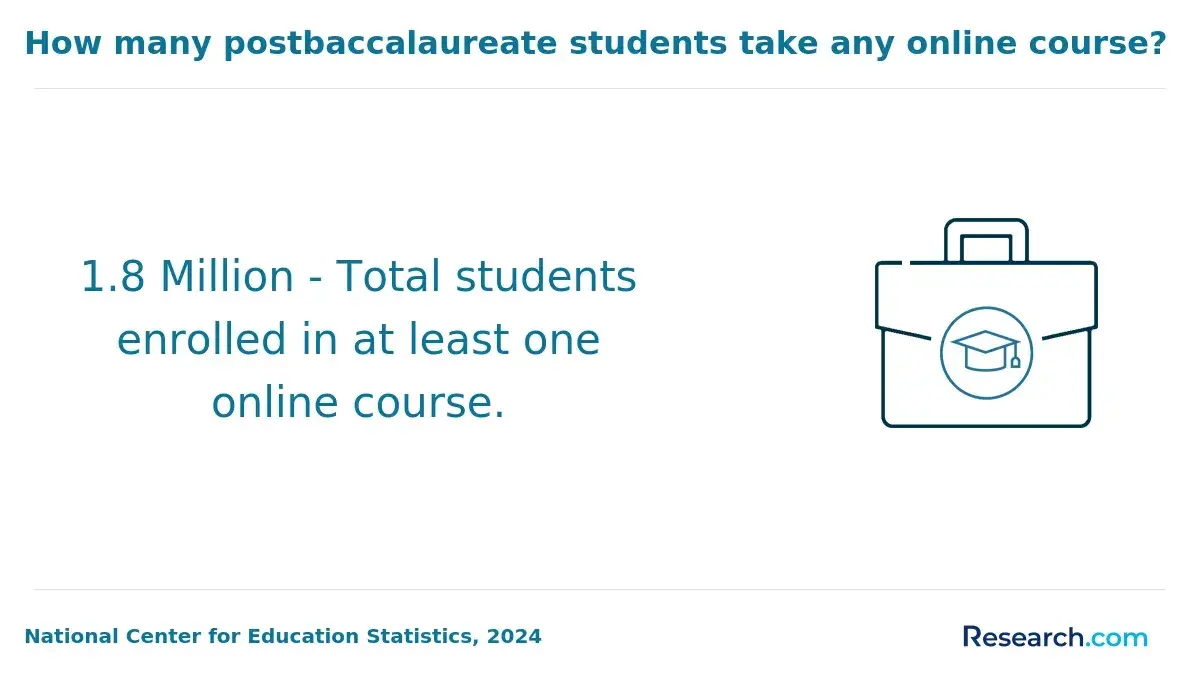
Choosing an online EdS in Educational Leadership and Administration demands weighing factors beyond convenience. With the National Center for Education Statistics reporting a 12% rise in online graduate enrollments, many educators seek programs that balance rigorous leadership training with flexible delivery. A common challenge lies in assessing whether the curriculum aligns with evolving district leadership standards and real-world administrative demands. Students must consider how well the program fosters skills that employers prioritize, such as data-driven decision-making and equity-focused leadership. This article evaluates Walden University's program through these lenses, providing clarity for prospective students navigating this complex decision.
Key Points About Walden University's Online EdS in Educational Leadership and Administration Program
- Walden University's EdS in Educational Leadership and Administration uses open admission policies, increasing access but potentially impacting cohort academic diversity and peer learning quality.
- The total tuition cost is $34,458, with graduates earning a median salary of $42,810, yielding an earnings-to-debt ratio of 2.05x, suggesting moderate financial return relative to investment.
- Experienced faculty and practical curriculum support alumni success in education administration, though employer recognition can vary by region and institution, affecting job market outcomes.
What makes Walden University's online EdS in Educational Leadership and Administration program stand out?
Walden University's online EdS in Educational Leadership and Administration program stands out by balancing institutional scale with flexibility tailored for working professionals. With over 44,223 students supported by 3,423 employees, including 1,117 full-time and 2,306 part-time faculty, the program offers resources and attention that many smaller programs cannot match, which matters when navigating complex leadership challenges or seeking specialized guidance. For example, a working school administrator balancing job demands and study commitments can leverage the program's flexible asynchronous design, enabling progress without sacrificing professional responsibilities.
This program's distinctive blend of applied leadership focus and varied learning formats suits different student needs, from full-time educators pursuing real-world strategies in school administration to those aiming to impact educational policy. The integration of collaborative projects and research-driven coursework goes beyond theory, which can enhance employability for roles demanding both practical leadership skills and administrative proficiency. Unlike more rigid or purely theoretical programs, Walden's approach facilitates immediate application of learned skills in diverse educational environments, a key advantage for candidates needing actionable expertise while working.
Is it difficult to get admitted to Walden University's online EdS in Educational Leadership and Administration program?
EdS programs in Educational Leadership and Administration typically attract a moderately competitive applicant pool, reflecting the growing demand for qualified leaders in educational settings. Many institutions impose standard admissions requirements, including test scores and prior academic performance benchmarks, which can create barriers for candidates attempting to transition into leadership roles. This competitive nature often necessitates a well-prepared application and strategic timing to enhance chances of acceptance.
In contrast, Walden University adopts an open admission policy for its online EdS in Educational Leadership and Administration, which effectively lowers the barrier to entry. The absence of SAT or ACT score requirements and a broadly accessible acceptance rate establish a notably less selective environment compared to traditional programs. This leniency can benefit applicants needing expedited access to advanced credentials but may require them to self-assess readiness rigorously, as open admission does not guarantee individual academic support or alignment with specific career goals.
A key implication for applicants is the tradeoff between ease of entry and institutional selectivity: while easier admission can facilitate career progression without delay, employers familiar with leadership credentialing may weigh the program's rigor and cohort competitiveness in hiring decisions. The program's accessibility can serve those balancing work and study commitments, but requires careful consideration of how the credential fits within broader professional trajectories and labor market expectations.
One recent graduate recalled that applying to Walden's EdS program was unexpectedly straightforward, especially after facing prolonged waitlists elsewhere. "I hesitated at first because I wasn't sure if skipping test requirements meant the program was less challenging," they said. Ultimately, enrolling quickly allowed them to start coursework without months of uncertainty. Still, they advised prospective students to plan ahead since the simplicity of admission doesn't replace the need for disciplined time management once coursework begins."
How does the curriculum of Walden University's online EdS in Educational Leadership and Administration program stay aligned with current industry trends?
Walden University's online EdS in Educational Leadership and Administration curriculum demonstrates a deliberate alignment with evolving industry demands, a critical factor given the practical challenges faced by education leaders. For instance, a district administrator managing budget cuts while promoting equity must balance financial acumen and ethical leadership skills that the program emphasizes. Such real-world scenarios highlight the program's relevance to ambitions in school administration or consulting roles. The following factors illustrate how Walden University aligns its EdS curriculum with current professional trends and expectations:
- Evidence-based Instruction: The curriculum integrates research-driven leadership theories and organizational development frameworks, ensuring graduates can apply data analytics and policy analysis effectively when making operational or strategic decisions in complex educational settings.
- Ethical and Inclusive Leadership: Coursework prioritizes ethics and equity, preparing students to foster culturally responsive environments that reflect current sector demands for social justice and diverse learner support, increasingly valued in hiring decisions.
- Practical Application: Capstone projects engage students with authentic leadership challenges, cultivating problem-solving skills in managing human and financial resources-crucial for roles requiring direct oversight and adaptive management in schools or districts.
Through integrating these elements, Walden University's EdS program aligns with trends seen in other online EdS educational leadership and administration programs focusing on strategic, data-informed, and ethical leadership development. Prospective students should weigh how these curricular strengths translate to employer expectations and long-term employability in a competitive field that increasingly favors leaders who can navigate both operational complexity and inclusive practice. Those exploring the balance between academic rigor and practical outcomes might also compare this pathway against other online options, including easy masters degrees online that leverage specialized skills for niche leadership roles.
How much does Walden University's online EdS in Educational Leadership and Administration program cost?
The Walden University EdS Educational Leadership tuition cost for the online program stands at $12,498 annually for tuition and fees, exclusive of approximately $900 for books and supplies. When considering the total estimated expenses, including room and board relevant to typical student budgeting, the figure reaches $34,458. For students balancing employment, this cost structure presents a notable tradeoff: the comprehensive flat-rate tuition, irrespective of residency, simplifies financial planning but requires careful consideration of additional indirect costs that may affect overall affordability.
Financial aid availability plays a crucial role in offsetting these costs, with about 90% of undergraduates nationally receiving some form of assistance, averaging $3,353 per student according to the U.S. Department of Education's Federal Scorecard. Walden enhances this with institutional scholarships and employer partnerships, particularly useful for those leveraging corporate tuition reimbursement. These options can meaningfully reduce out-of-pocket expenses and align with the realities of working professionals seeking to advance without interrupting their careers, a practical consideration when weighing the cost of online EdS in educational leadership and administration programs.
Compared to traditional EdS programs nationwide, Walden's tuition is competitive, especially given its online delivery and consistent pricing model that removes geographic variability. Many comparable programs either charge higher rates or include additional fees for online students, which complicates direct cost comparisons. Nonetheless, prospective students should evaluate whether the program's structure and total cost align with their financial situation and professional objectives, particularly since educational leadership roles often require advanced credentials but also demand cost-conscious investment.
Students assessing their pathway should also consider alternative credentials or shorter programs, such as selecting an online associates degree, when initial budget constraints or career timelines are tight. This layered approach to education funding and credentialing may ultimately influence the practical value derived from the Walden University EdS Educational Leadership tuition cost within the broader context of career strategy.
What are the admission requirements for Walden University's online EdS in Educational Leadership and Administration program?
The admissions process for Walden University's online EdS in Educational Leadership and Administration reflects a balance between accessibility and meaningful evaluation. Forgoing standardized test score requirements can ease entry for professionals with nontraditional academic backgrounds, yet students must still demonstrate relevant competencies through documentation.
This model offers a tradeoff: while it lowers barriers to entry, it puts greater emphasis on qualitative materials that reveal leadership potential, which can influence long-term suitability for advanced roles in education management. Prospective students should carefully review these components to present a compelling application. Key admission criteria include the following.
- Test Scores: Standardized tests like the SAT or ACT are not required, simplifying admission for those with diverse qualifications and experience.
- Recommendation Letters: Applicants typically submit professional references that speak to their leadership abilities and educational commitment, providing context beyond academic records.
- Resume or CV: A detailed account of career history and accomplishments helps admissions assess practical experience pertinent to leadership roles.
- Personal Statement: Candidates articulate their educational goals and leadership background, highlighting motivation and readiness for advanced study.
- Transfer Credits: Previously earned graduate credits may be considered for transfer, but applicants should verify specific limits and grade requirements as these vary and affect program duration.
What is the ROI of attending Walden University's online EdS in Educational Leadership and Administration program?
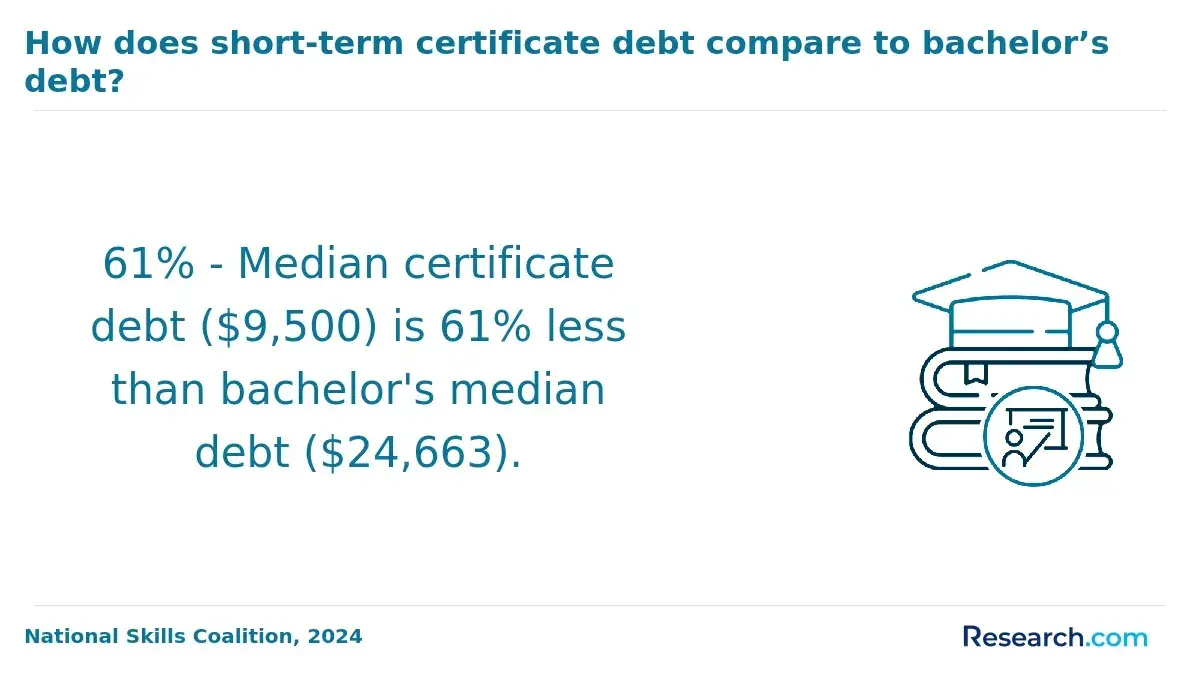
The financial return of pursuing Walden University's online EdS in Educational Leadership and Administration requires weighing high upfront costs against gradual salary growth typical in educational leadership roles. With total annual expenses nearing $34,458, including tuition and living costs, graduates face an investment that exceeds median starting salaries around $42,810 by a narrow margin. This creates a cautious earnings-to-debt ratio of approximately 2.05x, which suggests that while earnings outpace debt over time, the margin remains modest compared to fields with higher immediate income potentials.
For professionals targeting leadership within K-12 school districts or government educational agencies, this program may align with career trajectories that reward experience and seniority more than entry-level pay. The ability to secure scholarships, grants, or employer tuition assistance can materially improve one's return on investment by reducing debt burden. Conversely, those who hope to quickly recoup costs through high-paying roles may find limited immediate financial advancement, as compensation increments in education often unfold over several years.
Ultimately, buyers must consider the tradeoff between long-term stability in an education-focused career path and the slower pace of financial gains relative to the initial cost of this EdS program. Prospective students balancing financial risk against a commitment to leadership roles in education should critically assess local job markets and personal funding options before enrollment.
Is there a high student satisfaction for Walden University's online EdS in Educational Leadership and Administration program?
Student satisfaction with Walden University's online EdS in Educational Leadership and Administration is tied closely to how well the program accommodates the competing demands typical of working professionals. While the program's flexibility is frequently cited as a strength, students often face the tradeoff of limited real-time peer interaction, which can impact engagement and motivation. Walden's sizable faculty and advising resources partially offset this by providing accessible support, though the experience varies depending on individual effort and how actively students use these services.
The online student culture emphasizes collaboration through virtual organizations and mentoring, which creates important touchpoints for connection beyond coursework. These opportunities help reduce isolation, a common barrier in distance learning. However, the inherent challenges of maintaining a rigorous EdS curriculum alongside professional responsibilities mean satisfaction often correlates with a student's ability to manage time and leverage community resources effectively.
While Walden does not publicly isolate graduation rates for the online EdS, overall institutional data suggest that those engaged with support networks experience better persistence and completion outcomes. This underscores how the program's structure favors self-directed learners who anticipate balancing flexibility with proactive outreach.
One graduate remembered feeling uncertain initially about whether an entirely online format could meet their expectations. "Juggling a full-time job and family, I worried the lack of face-to-face classes might leave me disconnected," they shared. Over time, they found consistent advisor communication and peer groups "critical for staying on track," and ultimately felt relief completing the degree without sacrificing their professional role, describing the experience as "challenging but rewarding"-a realistic reflection of what prospective students can expect.
How does Walden University help online EdS in Educational Leadership and Administration graduates secure employment?
Employment outcomes for Walden University EdS Educational Leadership graduates often hinge on active, institution-facilitated job placement support, which can be decisive given the competitive nature of educational leadership roles. Research shows that over 70% of graduates regard job placement assistance from their schools as critical to securing employment.
This highlights how Walden's targeted career services contribute to more than academic preparation-they provide actionable pathways to employment. For many students, especially those balancing work and study, leveraging these services can mean earlier access to job opportunities and a stronger position in the hiring process. The following outlines key components of Walden's job placement support for Walden University online EdS Educational Leadership alumni that demonstrate practical ways the program links education with employability.
- Virtual Career Fairs: Walden organizes online career fairs specific to education leadership, offering students direct interaction with employers. These events allow graduates to learn about openings and employer expectations before completing their programs, streamlining job searches.
- Resume Workshops: Dedicated workshops tailor resume writing to educational leadership roles. This helps students present their qualifications effectively, matching the demands of both remote and on-site leadership positions in schools or districts.
- Job Placement Portal: A centralized, regularly updated portal lists relevant education administration roles synchronized with students' skills and interests. This resource enhances timely access to job openings aligned with program outcomes.
- Alumni Mentorship: Access to an extensive alumni network facilitates mentorship opportunities, connecting current students with experienced educational leaders who provide industry insights and networking support crucial for employment navigation.
These structured services represent an important operational aspect of Walden University's approach to supporting graduates in transitioning into professional education leadership roles. Choosing this program requires understanding how these job placement resources intersect with the realities of local and regional hiring trends in education administration. For those evaluating cost versus benefit, exploring Walden's options alongside inexpensive masters programs can provide a clearer context for investment decisions.
What are the career outcomes for recent graduates of Walden University's online EdS in Educational Leadership and Administration?
Career outcomes are a critical factor in evaluating the value of an EdS in Educational Leadership and Administration, as graduates often face a tradeoff between salary potential and the administrative responsibilities inherent in school leadership roles. Those pursuing educational leadership positions need to understand that compensation varies widely based on district size, geographical location, and specific administrative duties.
For example, advancing into leadership might mean moving away from classroom teaching but gaining influence over broader educational policies and operations. This shift often justifies the investment in Walden University's program when considering the practical realities of the field. Below are key career paths to consider within the educational leadership and administration job prospects landscape:
- School Principal Roles: Principals manage day-to-day school operations, oversee staff, and ensure compliance with educational standards. These positions often provide salaries that reflect the increased responsibility for school culture and student outcomes.
- Assistant Principals: Supporting principals in administrative tasks, assistant principals often handle disciplinary issues and coordinate curriculum initiatives, typically earning less but gaining valuable operational experience.
- Instructional Coordinators: Focusing on curriculum development and teacher training, these roles emphasize improving instructional quality, with salaries averaging higher than some administrative positions due to specialized content expertise.
- Administrative Directors: Overseeing multiple schools or district departments, these leaders address policy implementation and resource management, often yielding compensation near upper management salary ranges.
Graduates navigating these career options often find that salaries range roughly between $47,000 and $68,000, reflecting roles in both education and broader management sectors. For those weighing program costs against long-term benefits, understanding these outcomes clarifies the strategic value of the degree.
Moreover, institutions increasingly value candidates with leadership credentials, which can broaden employment opportunities beyond teaching. For additional context on flexible educational pathways that support such career moves, exploring online self paced degrees can provide useful alternatives that align with professional schedules and goals.
How do I know if Walden University's online EdS in Educational Leadership and Administration program is the right fit for my goals?
Determining whether Walden University's online EdS in educational leadership and administration program aligns with your goals hinges on a multifaceted evaluation. The program's practical value depends heavily on your academic background and career trajectory, as leadership roles in education demand specific competencies that vary by district, state, and institution. For example, some educators may prioritize flexible scheduling due to current job demands, while others need rigorous policy and administrative coverage for long-term career mobility. Several critical factors help clarify this fit, as outlined below.
- Curriculum Alignment: Assess if the program's coursework addresses the leadership theories, administrative skills, and policy frameworks relevant to your targeted educational setting. A curriculum that directly supports your professional responsibilities and advancement goals is essential for meaningful application.
- Program Flexibility and Delivery: Since this is an online format, review the availability of asynchronous courses and the extent of real-time faculty interaction. Flexibility can be vital for working professionals balancing multiple commitments, but insufficient support can hinder progress.
- Accreditation and Employer Recognition: Confirm that Walden University holds accreditation recognized by hiring authorities in your field. This affects your credentials' acceptance and can influence job prospects, as many employers require degrees from accredited institutions.
- Professional Development Opportunities: Look for integrated mentorship programs, peer collaboration, and networking channels with educational leadership organizations. These connections often translate into practical insights and job market advantages.
- Financial Implications: Weigh tuition costs against potential salary increases and career opportunities post-completion. Also, consider financial aid options and the return on investment in relation to your specific ambitions.
In evaluating whether Walden University's online EdS in educational leadership program benefits your career, consider how it positions you relative to peers and employer expectations. Programs that emphasize competency based masters approaches may offer clearer pathways to skill validation, which some districts increasingly prioritize when hiring for leadership roles.
What Graduates Say About Walden University's Online EdS in Educational Leadership and Administration Program
- Aiden: "Completing my EdS in Educational Leadership and Administration at Walden University gave me the flexibility to balance work and study without pausing my career. The program's emphasis on practical leadership models helped me develop a portfolio that my employers clearly valued more than just the licensure, especially in the hiring process for district coordinator roles. However, I found that advancing beyond mid-level leadership still required additional certifications, so I'm now planning my next steps carefully."
- Simon: "Studying at Walden University opened doors I hadn't anticipated, especially through the online internships and real-world case studies integrated into the EdS program. After graduation, I realized many employers prioritize demonstrated experience and leadership potential over simply having a degree or license, which aligned well with the program's approach. While I appreciated the faster entry into administrative roles, I'm aware that higher salary growth tends to be limited without state licensure, so I'm using this role to build that experience right now."
- Bryce: "The EdS in Educational Leadership and Administration program at Walden helped me pivot from classroom teaching to administration, but I quickly learned the job market values more than just the degree: portfolios and certifications carry substantial weight. The flexible, entirely online structure was crucial for me to maintain my full-time job, though competing for leadership roles meant I had to be strategic, focusing on building relationships and proving my skills. Reflecting back, the program prepared me for the practical hiring realities better than I expected."
Other Things You Should Know About Degrees
The program requires consistent weekly engagement with coursework, including reading, assignments, and discussions, which can be challenging alongside a full-time job. While the online format offers flexibility, students should expect a substantial time commitment of approximately 15-20 hours per week. Those with demanding professional or personal obligations may need to carefully evaluate their capacity to manage this workload without risking burnout or delayed progress.
Walden's EdS program balances asynchronous learning with faculty support, but students are expected to demonstrate significant self-direction. Interaction with instructors is regular but typically limited to online forums, email, and scheduled virtual meetings rather than real-time, face-to-face sessions. This format benefits self-motivated learners but may pose a challenge for students who require more immediate or personalized feedback to achieve the best outcomes.
The capstone project demands applying leadership theories to real-world educational problems, requiring critical analysis, data interpretation, and comprehensive planning. It is often cited as more intensive than those in some comparable programs due to stringent quality standards and integration of multiple competencies. Students who prioritize practical, hands-on experience in direct leadership challenges will value this rigor, but those seeking a less demanding research component may find it a significant obstacle.
References
- Educational Leadership Degree: Ed.S. vs. Ed.D. - Graduate Programs for Educators https://www.graduateprogram.org/blog/educational-leadership-degree-ed-s-vs-ed-d/
- 6 Educational Leadership Career Outcomes | University of Bridgeport https://www.bridgeport.edu/news/educational-leadership-career-outcomes-to-consider/
- Educational Specialist, Educational Administration, Ed.S. https://www.park.edu/academics/explore-programs/educational-specialist-educational-administration-ed-s/
- Job Options for M.Ed. in Educational Leadership & Administration https://online.worcester.edu/programs/education/med-educational-leadership-and-administration/jobs-for-educators-with-a-med/
- How Much Does a Master’s in Educational Leadership Cost? https://www.educationalleadershipdegree.com/frequently-asked-questions/how-much-does-a-masters-in-educational-leadership-cost/
- Educational Leadership, EdS - School Leader: Grades Kâ12 Option https://www.ucmo.edu/academics/programs/education-specialist/coe/counseling-and-educational-leadership/education-leadership-eds-elementary-principal/
- Education Specialist Program: Definition, Career Options and Benefits | ACE Blog https://ace.edu/blog/education-specialist-program-definition-career-options-and-benefits/
- Reflections on my 6-Year Journey as a Walden Graduate AssistantWalden University Career Planning and Development Blog https://waldencareerservices.com/2024/01/19/reflections-on-my-6-year-journey-as-a-walden-graduate-assistant/
- Walden University Reviews https://www.gradreports.com/colleges/walden-university
- Education Specialist (EdS) in Educational Leadership and Administration - Walden University USA https://www.studyabroadcourses.org/programmes/walden-university-education-specialist-eds-in-educational-leadership-and-administration-principal-preparation