2027 Arcadia University Online Degree Costs Compared: Which Programs Are Most Affordable?

Co-Founder and Chief Data Scientist
Consider a prospective student weighing Arcadia University's online degree options who faces a confusing array of tuition rates, mandatory fees, and program-specific charges. National data shows that in recent years, average online tuition continues to rise, outpacing inflation and prompting closer scrutiny of true total costs. The student must determine not only if Arcadia fits their budget but also which programs offer the clearest return on investment once hidden expenses and financial aid patterns are factored in.
This article analyzes how Arcadia University's online program costs compare across disciplines, factoring in tuition, additional fees, and financial aid effects. It highlights which degree paths provide the most affordable routes without sacrificing long-term value, helping students make informed decisions grounded in real-world cost-benefit realities rather than surface-level price tags.
Key Points About Arcadia University Online Degree Costs and Affordability
- Total attendance cost at Arcadia University is about $61,240, with tuition alone reported as $75,630, indicating possible program-specific or residency-based tuition variations that affect budgeting and total payment calculations.
- Per-credit tuition for distance learning varies by program, with business and healthcare priced higher than liberal arts, reflecting demand and resource needs, which requires students to assess affordability within their field's labor market value.
- Expenses such as $1,500 for books and supplies add to total costs, and financial aid or discounts for online learners may offset these, but students must carefully evaluate combined fees against expected career outcomes and employer standards.
How Much Does an Online Degree Cost at Arcadia University?
Online degree costs at Arcadia University present a mixed value proposition compared to peer private and public institutions. Tuition runs around $960 per undergraduate credit and $1,050 for graduate credits, with added mandatory fees increasing total expenses. These costs are higher than many public universities but align with private nonprofit rates, though fewer transfer-credit accommodations exist compared to regional public schools.
A cost-conscious learner pursuing a business certificate might face hundreds in fees per term, challenging affordability despite employer partnerships and military discounts. They must weigh Arcadia's smaller scale academic support and professional networking against the wider resource access and potentially lower sticker prices found at online-focused public universities with more aggressive transfer-credit policies. The recently observed 3.2% yearly inflation in distance education tuition suggests that sticking with Arcadia's programs could mean escalating expenses without equivalent increases in institutional aid or flexibility.
Given this, the higher baseline price doubles as an investment in Arcadia University's accredited programs and moderate student outcomes. However, prospective students should critically evaluate if the flexibility and employability boost justify paying a premium, especially when public online programs may offer better net price via financial aid and broader credit transfer options, thus potentially reducing debt burden and enhancing long-term ROI.
Which Online Degree Programs at Arcadia University Are the Most Affordable?
The most affordable online degrees at Arcadia University reside primarily at the bachelor's level within Liberal Studies and Business Administration programs. These offer tuition rates around $660 per credit hour with credit requirements from 120 to 128 credits. This results in total tuition costs ranging from $79,200 to $84,480 before fees and financial aid, placing these as entry points for budget-conscious learners. Associate degrees are less commonly available online, limiting low-cost pathways compared to community colleges.
Credit-hour requirements are a major cost driver. Students who can transfer credits or test out of certain courses can lower their overall expenses significantly. Unlike institutions with flat-rate tuition, Arcadia's model varies by program, which means students pursuing heavier-credit tracks face higher bills. The absence of flat-rate pricing and additional fees warrants thorough budgeting for individual course loads and semesters.
A recent UPCEA study indicates that Arcadia's cost per credit hour is about 50% higher than the nonprofit median of $441. This premium underscores the need to evaluate program quality, career outcomes, and institutional support versus price. For example, an online Business Administration student planning to leverage Arcadia's employer network might justify the extra upfront cost through better long-term placement.
Ultimately, affordability must consider flexible completion options, institutional discounts, and program relevance. Arcadia offers up to 20% reductions via scholarships, which can ease financial burden. Budget-conscious students should balance sticker price with these variables and the practical value of timely graduation and recognized credentials in their fields.
How Do Online Bachelor's, Master's, and Doctoral Program Costs Compare at Arcadia University?
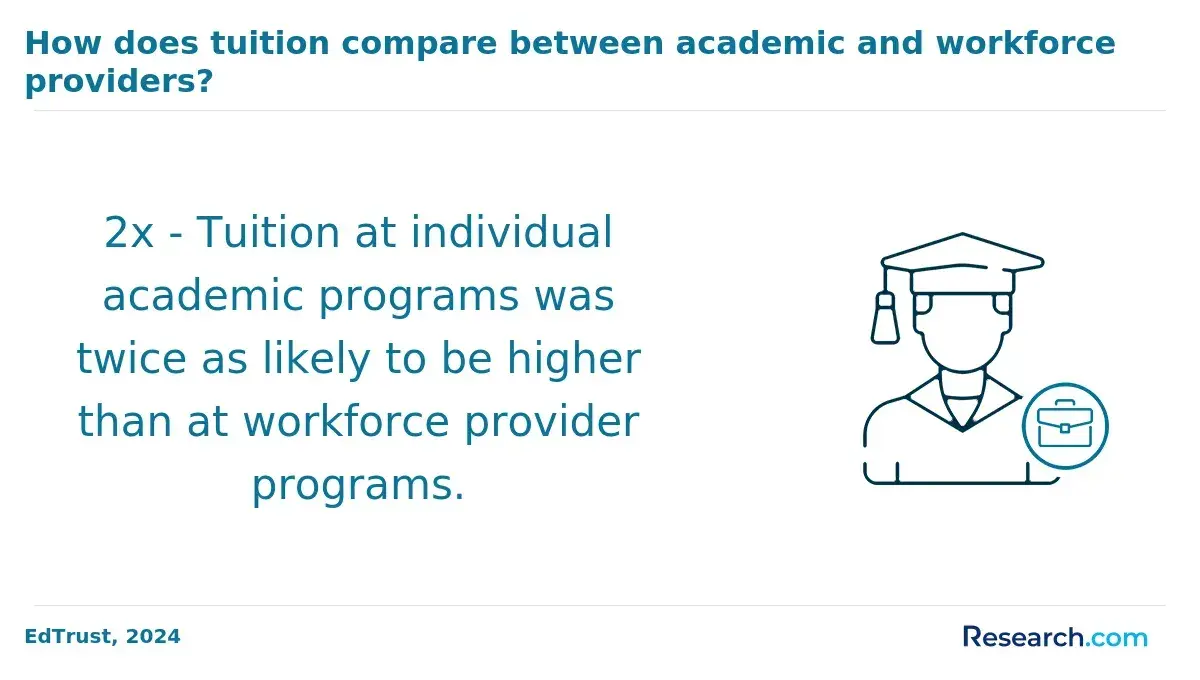
Online bachelor's, master's, and doctoral program costs at Arcadia University show clear distinctions that directly influence student affordability and decision-making. Bachelor's degrees maintain a predictable cost structure, while master's and doctoral programs entail higher credit rates and extra fees that can significantly increase total expenses. For example, a working professional weighing a master's program must consider potential travel for required residencies, which raises overall costs beyond tuition. These real-world factors separate cost models by degree level and impact which students benefit most. Below is an analytical summary of key cost categories affecting online program affordability at Arcadia University.
- Undergraduate Tuition per Credit: At approximately $535 per credit hour, bachelor's degree tuition offers a straightforward baseline, helping students budget effectively. This rate benefits those seeking cost transparency and lower upfront investment in Pennsylvania's competitive market.
- Graduate Tuition Premium: Master's programs cost roughly $645 per credit, reflecting more specialized instruction and smaller cohorts. Students pursuing advanced credentials should anticipate higher sticker prices and assess financial aid options carefully to offset these increased rates.
- Doctoral Program Expenses: Online doctoral tuition surpasses $700 per credit and often includes additional fees for residencies and dissertation services. This upfront expense means students must plan for extended timeframes and milestone-related costs to avoid unexpected financial burdens.
- Mandatory Fees Impact: Fees applied at all levels elevate effective tuition slightly but remain transparent. Undergraduates face moderate increases, while graduate and doctoral students often encounter varied additional charges, influencing total program cost and affordability considerations.
- Additional Cost Factors: Master's and doctoral students frequently incur travel, housing, and professional exam fees due to practicum and residency requirements. These hidden costs affect students' real-world decisions, especially those balancing full-time employment with education.
These distinctions emphasize why prospective students must evaluate online bachelor's degree tuition costs at Arcadia University alongside graduate and doctoral program fees in Pennsylvania in a nuanced way. Notably, the National Center for Education Statistics highlights a persistent average premium of about 20% for graduate-level online credits compared to undergraduate prices nationwide, illustrating the broader trend that institutional pricing strategies reflect degree complexity and expected learner investment.
Financial aid also varies by level. Undergraduate students have wider access to federal grants and scholarships, enhancing affordability. Graduate and doctoral learners typically rely more on loans or employer tuition assistance, making understanding all cost components critical for managing debt.
For those considering long-term value and workforce applicability, advanced degrees must justify greater upfront costs through tangible professional outcomes. Students exploring options for a cheap online PhD should closely examine these financial and practical factors beyond headline tuition rates to ensure an informed choice aligned with career goals.
What Is the Cost Per Credit Hour for Online Programs at Arcadia University?
Arcadia University charges a premium per-credit rate for online degree programs, reflecting a strategy aimed at smaller classes and specialized curricula rather than mass enrollment. This pricing approach requires students to consider how total cost scales with credit hours, especially because there is no tuition cap and mandatory fees increase the upfront cost. For candidates choosing among online majors or degree levels, understanding these nuances is essential when balancing immediate expenses against longer-term value.
The following points highlight cost distinctions that influence affordability and financial planning for prospective students at Arcadia University.
- Undergraduate Online Tuition: Students pay approximately $695 per credit hour, plus mandatory fees of $50 to $60 per credit. This rate is well above the national average identified by the CHLOE report at about $370 per credit, pressuring students taking heavier course loads to allocate a larger budget.
- Graduate Degree Credits: Graduate-level online courses cost about $835 per credit, with similar fee structures. Programs in business administration and education tend toward the lower end of this scale, making these more accessible for career changers seeking practical advancement.
- Health Sciences and Counseling Programs: These specialized graduate programs incur higher tuition per credit, and the required fees add to upfront costs. Students in these areas should plan carefully, as increased expenses do not always translate into proportionally higher employment outcomes.
- Residency and Enrollment Status: Arcadia does not differentiate tuition by residency or offer discounts for part-time enrollment. All online students pay the same per-credit rate regardless of in-state or out-of-state status, posing an important consideration for those expecting regional tuition benefits.
- Competency-Based Education Contrast: Competency-based models offering tuition under $300 per credit highlight a significant affordability gap. Given employers' emphasis on skills over institutional pedigree, prospective students must weigh whether Arcadia's premium rates deliver proportional return on investment or if more flexible options like online associate degrees hold better value.
What Additional Fees and Expenses Should Online Students Expect at Arcadia University?
Online students at Arcadia University encounter a range of mandatory and variable fees that meaningfully increase the true cost of their degree beyond tuition. For example, a student enrolled in a science-intensive program might face technology fees, lab fees, and multiple proctored exam charges each semester, which collectively add several hundred dollars to their financial commitment. These additional costs can erode the affordability advantage some online learners expect, particularly when combined with the rising expense of digital textbooks, which a National Center for Education Statistics study highlights have increased by 8.7% annually over recent years. Recognizing these layered costs is crucial for students budgeting for an online degree at Arcadia. The following list outlines key supplementary fees and expenses students should anticipate and actively manage to control overall program costs.
- Books and Supplies: A significant one-time or recurring cost, estimated at $1,500, covering required textbooks and materials. Digital price inflation can lead to higher expenses over time, limiting opportunities to economize via used or rental books.
- Technology Fees: These cover access to learning platforms, software, and support services. Typically modest per semester, but vary by program and cannot be waived, representing a steady compulsory expense.
- Program-Specific Fees: Applied mainly to courses with labs or specialized equipment, these fees often exceed standard technology charges and are unavoidable for certain majors.
- Proctored Exam Fees: Remote proctoring services cost $20 to $50 per exam and may accumulate significantly for courses with frequent assessments. Opting for exam-heavy programs increases this hidden financial burden.
- Residency and Travel Costs: Occasional on-campus requirements can necessitate travel and lodging expenses that fall outside standard tuition and fees, complicating total cost calculations for online students living at a distance.
Does Arcadia University Offer Financial Aid, Scholarships, and Tuition Discounts for Online Students?
Arcadia University provides meaningful financial aid options for online students, including FAFSA-based federal aid, institutional scholarships, employer tuition reimbursement, and military discounts. These funding sources can significantly lower out-of-pocket expenses if eligibility criteria such as enrollment status, residency, and program type are met. The university's average award of $31,015 highlights the scale of institutional aid available.
The impact on net costs differs by learner profile. For instance, part-time online students might access less federal funding, especially Pell Grants, compared to full-time peers, affecting affordability. Pell Grant utilization among online learners has risen by 7% nationally, signaling increased support and awareness for distance students, which can enhance Arcadia's aid effectiveness in practice.
Tuition discounts and employer reimbursement programs vary widely by state and employer, requiring careful verification. Such programs can dramatically alter the total cost but often carry specific eligibility, renewal requirements, and deadlines that online learners must track diligently to maximize benefits and avoid unexpected expenses.
Prospective students should verify all aid deadlines, renewal rules, and total net price estimates before enrolling. This ensures a realistic view of financial commitments and helps avoid surprises, especially since aid packages differ by enrollment intensity, program, and residency status.
One Arcadia University online graduate recalls, "I almost dropped out because the software licensing fee wasn't in the brochure and felt like an unexpected expense. The scholarship I received made a big difference, but I had to call my employer to confirm their tuition reimbursement policy early on. That timing was critical because my aid adjustments depended on when I submitted paperwork."
Do In-State and Out-of-State Students Pay Different Online Tuition Rates at Arcadia University?
Arcadia University charges a uniform tuition rate for online degree programs regardless of residency, meaning in-state and out-of-state students face identical pricing. This flat-rate tuition eliminates common barriers tied to non-resident surcharges, which are prevalent in many public universities, and simplifies budgeting for prospective students.
This straightforward pricing model can benefit nonresident students, military personnel, and transfer students who might otherwise face premium fees or convoluted residency verification. However, total costs still vary by factors such as credit transfer policies, mandatory fees, and eligibility for financial aid. In practice, the final expense often differs from the published tuition due to these considerations.
Employers and military benefits sometimes offer additional discounts but are applied selectively, requiring students to verify eligibility beforehand. Compared with many private and nonprofit colleges that have complex variable pricing structures, Arcadia University's flat tuition offers greater expense predictability. This approach aligns with the broader trend supported by the State Authorization Reciprocity Agreement (SARA) to limit non-resident tuition premiums and promote equitable access.
Prospective students should carefully confirm residency policies, investigate hidden fees, and assess available financial aid before enrolling. For those comparing options, reviewing the latest trends in online tuition pricing and exploring most popular online colleges can provide practical insights on affordability and program value. Understanding these nuances is critical for managing the total cost of attendance effectively at Arcadia University.
How Does Arcadia University Compare to Other Universities for Online Degree Affordability?
Comparing Arcadia University's online degree affordability with competing institutions reveals a mixed landscape where flat-rate tuition and high financial aid prevalence shape net costs more than sticker price alone. This creates a practical advantage for non-traditional students seeking predictable expenses without residency-based price fluctuations common among public universities. However, the absence of military-specific discounts reduces attractiveness for service members. These financial nuances matter since a 2024 study from the National Center for Education Statistics shows private nonprofits typically list higher tuition but offer broad aid access, making net cost a crucial metric for smart decision-making.
The following points highlight key affordability and value factors that distinguish Arcadia in the online degree market:
- Uniform Flat-Rate Tuition: Arcadia charges the same tuition regardless of residency, simplifying budgeting but potentially raising costs for in-state students used to lower public rates. This model supports transfer and working adult students needing cost consistency.
- Comprehensive Financial Aid Reach: Nearly 100% of online students receive financial aid, which reduces effective costs and aligns Arcadia's net prices with more affordable public alternatives. This aid breadth is a significant value driver against schools with limited student support.
- Lack of Military Discounts: Unlike some competitors, Arcadia does not explicitly offer tuition reductions for military personnel, potentially limiting options for this demographic seeking the best value in online learning.
- Credit Load Variability: Specialized and graduate programs may require more credits, increasing total expenses unpredictably. Prospective students should consider credit requirements closely when comparing final costs across institutions.
- Alignment with Nonprofit Cost Trends: Arcadia's pricing reflects common private nonprofit patterns: higher initial tuition offset by aid, which demands careful assessment beyond headline figures to understand true cost and investment potential.
Reflecting on affordability after completing an online program at Arcadia, one graduate shared experience grappling with the financial aid process and program expenses. "I almost dropped out because the software licensing fee wasn't in the brochure," they recalled. Choosing Arcadia came after comparing several universities where public schools offered lower base rates but more complex residency rules. "I needed stable monthly costs since I was working full time, and the flat tuition helped with that, even if it wasn't the cheapest sticker price." This steady pricing plus nearly universal aid ultimately made the degree attainable, though managing unexpected fees required careful planning and patience early on.
Which Online Degrees at Arcadia University Offer the Best Value for Money?
Online degrees at Arcadia University that balance affordability, flexible program design, and strong career payoff clearly stand out for value-conscious learners. Programs like International Business and Health-related fields offer solid salary outcomes relative to tuition and manageable credit requirements that help reduce time-to-degree. These factors combined make such degrees compelling for students targeting both cost efficiency and competitive workforce positioning. The following points illustrate key value indicators across Arcadia's online offerings.
- International Business Salary Leadership: Graduates see the highest average salary of $44,105, demonstrating enhanced long-term earnings potential. This program suits career-focused students seeking a strong return on investment and practical business acumen applicable across industries.
- Health and Medical Administrative Services ROI: With average earnings near $38,830, this degree aligns with growing demand in healthcare administration. Its moderate tuition and relevance to expanding healthcare systems provide balanced affordability for students prioritizing career stability.
- Special Education and Teaching Practicality: Earning about $36,797 post-graduation, this track benefits those aiming for impactful education careers. Credit transfer flexibility here can reduce completion time, thus lowering debt accumulation.
- Debt-to-Earnings Ratio: Arcadia's 2.16x earnings-to-debt ratio indicates graduates typically earn just over twice their debt load. This figure compares favorably with national benchmarks for sustainable student debt and supports prudent financial planning.
- Biology and Psychology Salary Considerations: Lower average salaries in these programs ($25,274 and $22,531 respectively) suggest prospective students should weigh passion against potential earnings when assessing cost-effectiveness.
- Program Length and Credit Transfer: Longer program durations can increase total costs, but Arcadia's acceptance of transfer credits helps expedite degree completion and limits tuition expenses.
- High-ROI Online Program Trends: Recent College Scorecard analysis highlights online degrees in business and healthcare as outperforming liberal arts in debt-to-earnings metrics, reaffirming the value proposition of Arcadia's offerings in these sectors.
Considering affordable online degrees at Arcadia University with high return on investment involves evaluating these nuanced program factors alongside personal career goals. Prospective students benefit from reviewing cost structures, credit requirements, and typical workforce outcomes. For wider context on accredited options, data from non profit schools affirms the importance of selecting programs with proven career relevance and financial sustainability.
What Is the Return on Investment of an Online Degree From Arcadia University?
The return on investment of an online degree from Arcadia University depends heavily on program costs, median graduate earnings, and discipline-specific outcomes. Graduates report median earnings of $58,336, with an earnings-to-debt ratio of 2.16x, suggesting incomes more than double their debt burden. This upfront expense includes tuition, fees, and time-related costs, which can affect overall ROI.
For many students seeking affordable online programs at Arcadia University, flexibility in part-time study or transfer credits can lower opportunity costs. However, extended program length may increase debt and delay earnings growth. Compared to peer schools, Arcadia's online degree ROI varies by major, with some fields producing higher wage premiums that improve lifetime returns.
The Georgetown Center on Education and the Workforce notes that the net present value of online bachelor's degrees is positive but sensitive to completion time and field choice. This highlights the need for strategic academic planning to maximize value. Employers' recognition of online credentials and sector demand further influence career mobility and wage gains.
Prospective students should consider specific programs carefully; for instance, those exploring advanced credentials might look into the easiest PhD without dissertation options to balance time and cost. These factors shape whether an online degree from Arcadia serves as a sound financial investment versus traditional or other digital learning models.
What Do Graduates Say About the Cost and Value of Arcadia University Online Degrees?
-
Genesis: "When I first explored online degree programs at Arcadia University, I was surprised at how the advertised tuition didn't tell the full story. Factoring in mandatory fees and the cost per credit hour made me realize some programs were significantly more expensive than they initially seemed. However, the ability to transfer several credits from my associate degree without penalty saved me time and money, ultimately making my chosen program the most affordable in the long run.
Studying online allowed me to balance work and school, and after graduation, the university's accreditation and career support truly helped me secure a position in my field faster than I had expected."
- Precious: "Cost was a major factor in my decision to enroll in an online program at Arcadia University, but I learned to dig deeper than just tuition numbers. I considered the length of the program, part-time options, and how textbook expenses added up over time. While some programs looked cheaper upfront, longer course sequencing meant more semesters and extra fees. Choosing a program with a clear financial aid package and robust academic support made the difference for me, and I felt confident about my investment once I began working full-time."
- Samira: "I approached Arcadia University's online degree options with a very pragmatic mindset, comparing total cost estimates rather than just sticker prices. The residency requirements for certain programs initially seemed limiting, but I found flexibility in the course schedules that allowed me to work while studying. I also valued that credits transferred smoothly without losing value, which wasn't the case everywhere else I looked. Though the overall price was higher than I'd hoped, the quality of instruction and networking opportunities contributed to quicker job placement after graduation, making it worthwhile."
Other Things You Should Know About Arcadia University Degrees
Some online programs at Arcadia University require synchronous participation, which can limit flexibility for working students and may increase indirect costs such as missed work hours. Programs with longer durations or mandatory practicums could raise expenses related to materials or technology upgrades. When affordability is a priority, choosing programs with asynchronous coursework and shorter completion times helps control additional financial commitments while maintaining steady progress.
Heavier course loads per term can reduce time in school and total fees but demand more upfront commitment and higher short-term expenses due to course fees. Conversely, spreading classes out extends enrollment and may raise cumulative costs such as technology fees or subscription services. Students juggling work or family responsibilities should prioritize manageable pacing over minimal tuition if it reduces stress and improves retention, ultimately supporting graduation and return on investment.
In 2027, Arcadia University's most affordable online programs include the Bachelor of Arts in Liberal Studies and the Master of Education in Education Technology. These programs offer competitive tuition rates that provide significant value in terms of educational investment.
While financial aid limits upfront barriers, students should critically assess potential debt against realistic salary outcomes in their field. Some programs may offer generous aid but lead to lower-paying jobs, increasing relative financial strain. Prioritizing programs where median graduate earnings justify borrowing ensures that aid amplifies affordability rather than masking unsustainable financial commitments.
References
- Arcadia University Tuition and Financial Aid https://www.prepscholar.com/sat/s/colleges/Arcadia-University-tuition-financial-aid
- Arcadia University - Cost & Financial Aid https://www.meetyourclass.com/arcadia/cost
- Arcadia University Launches Online Bachelor of Arts in Business Administration Degree Completion Program https://www.prnewswire.com/news-releases/arcadia-university-launches-online-bachelor-of-arts-in-business-administration-degree-completion-program-302590151.html
- Arcadia University Transfer Credit https://www.straighterline.com/colleges/arcadia-university/
- Arcadia University Acceptance, Tuition Costs, & Financial Aid https://www.savingforcollege.com/college/pennsylvania/arcadia-university
- Arcadia University - 40 Most Affordable Online Master’s STEAM Teaching - Best Colleges Online https://www.bestcollegesonline.org/most-affordable/online-masters-steam-teaching/arcadia-university-40-most-affordable-online-masters-steam-teaching/
- 326 Arcadia University scholarships 2026-27 [Updated] https://www.wemakescholars.com/university/arcadia-university/scholarships
- Basics of In-State vs. Out-of-State Tuition – Nationwide https://www.nationwide.com/lc/resources/personal-finance/articles/in-state-out-state-tuition
- Does College Pay Off? A Comprehensive Return On Investment Analysis - FREOPP https://freopp.org/whitepapers/does-college-pay-off-a-comprehensive-return-on-investment-analysis/
- Average In-State vs. Out-of-State Tuition [2025]: Cost Comparison https://educationdata.org/average-in-state-vs-out-of-state-tuition