2027 Pharmacy Affordability by State: Where Students Pay the Most and Least

Co-Founder and Chief Data Scientist
Choosing between two pharmacy programs often hinges on more than advertised tuition. A student might find that enrolling in an out-of-state school with a lower sticker price becomes costly once living expenses and travel are accounted for. According to a 2024 National Center for Education Statistics report, state residency status still influences average tuition by as much as 60%, reflecting entrenched policy differences that shape affordability. This disparity forces many prospective students to weigh immediate cost savings against potential debt burdens and long-term financial flexibility. This article will examine state-by-state pharmacy affordability to help students pinpoint the most and least financially accessible options for their education.
Key Things to Know About Pharmacy Affordability by State
- States with lower tuition often offset savings through higher living costs and limited clinical placement options, reducing net affordability despite lower headline prices.
- Out-of-state tuition premiums vary widely, and employers in high-demand regions may prefer graduates with local internship experience, affecting career entry irrespective of cost savings.
- Rising state funding volatility delays degree completion for some, increasing borrowing and total attendance costs, signaling that timing and access pressures shape real affordability beyond sticker price.
- Which States Have the Most Affordable Pharmacy Degree Programs? Most Affordable State Programs
- Which States Have the Highest Pharmacy Degree Costs? Highest State Tuition Costs
- How Much Does a Pharmacy Degree Cost by State? Degree Costs by State
- Why Does Pharmacy Affordability Vary So Much Between States? State Affordability Variations
- How Do In-State and Out-of-State Tuition Rates Affect Pharmacy Affordability? In-State vs. Out-of-State Rates
- How Does the Cost of Living Impact Overall Pharmacy Affordability by State? Living Costs and Affordability
- Which States Offer the Best Value for a Pharmacy Degree? Best Value State Degrees
- What Financial Aid and Scholarship Opportunities Can Reduce Pharmacy Costs? What Financial Aid and Scholarship Opportunities Can Reduce Pharmacy Costs?
- Are Online Pharmacy Degree Programs More Affordable Than On-Campus Options? Are Online Pharmacy Degree Programs More Affordable Than On-Campus Options?
- Is a Pharmacy Degree Worth the Cost Based on Career Outcomes and ROI? Degree ROI and Outcomes
Which States Have the Most Affordable Pharmacy Degree Programs?
Affordability in pharmacy degree programs largely hinges on how states structure their public funding and tuition policies, with in-state tuition rates and regional living costs playing pivotal roles. States that invest robustly in their higher education systems can offer substantially lower tuition for residents, creating a financial incentive to stay local. For example, a student choosing between attending a flagship public university in Mississippi versus a private out-of-state program must factor in not just tuition but also state-funded grants and cost-of-living differences, which together can reduce total expenses by 20% or more. These cost variations shape not only enrollment decisions but also affect degree completion pacing, as students balancing tuition and living costs may opt to extend their studies part-time to manage finances, delaying entry into the workforce and impacting long-term educational value.
While states such as Wyoming and New Mexico maintain some of the most affordable pharmacy schools by state for students, the decision to pursue a pharmacy degree across borders entails tradeoffs beyond immediate cost savings. Residency policies influence tuition significantly, meaning students without in-state status face higher fees that can offset perceived advantages. Additionally, the rise of online and hybrid programs adds complexity, offering reduced housing and commuting expenses but occasionally varying quality and employer perceptions. Budget-conscious learners assessing these factors find it useful to consider how a state's educational infrastructure and financial aid availability interact with practical constraints, such as balancing part-time work with rigorous coursework-circumstances that also affect technical skills development and job market readiness. Prospective students interested in flexible scheduling to offset costs might also explore related fields, such as the accelerated healthcare management degree online, which has different financial and time commitments worth comparing in a holistic plan.
Which States Have the Highest Pharmacy Degree Costs?
States with the highest pharmacy degree costs often reflect complex interactions between public funding patterns, institutional profiles, and living expenses rather than simple tuition hikes alone. For example, California's fluctuating higher education allocations have compelled many public universities to raise in-state tuition, which, combined with high metropolitan living costs, significantly burdens students. Residency restrictions further complicate affordability for non-residents, who may face steep out-of-state fees that erode financial viability, especially in states where prestigious private programs dominate and drive average costs upward. This dynamic forces prospective students to weigh the advantages of strong local job markets and employer networks against the upfront economic strain and long-term debt implications of studying in these high-cost environments.
Geographic disparities also impact strategic choices such as enrolling in online programs versus relocating, with many students exploring financial aid options or cross-state agreements to mitigate cost differences. Limited pharmacy program availability in some states removes competitive tuition pressure, often resulting in price premiums that disproportionately affect out-of-state candidates. Consequently, the true cost of pursuing pharmacy education extends beyond sticker prices to include ancillary expenses like housing and transportation, which vary widely in urban versus rural settings. These factors collectively shape a nuanced affordability landscape where students must carefully assess whether the investment matches their personal career goals and financial circumstances.
One recent graduate recalled hesitating over whether to attend a well-regarded private pharmacy school out-of-state due to its sticker price nearly doubling that of public options closer to home. After calculating costs including housing and travel, and comparing available financial aid packages, the student ultimately chose an in-state university with lower tuition despite admitting it lacked some of the networking advantages of the pricier program. This decision, informed by residency eligibility and the desire to avoid excessive debt, illustrates the real-world balancing act prospective pharmacy students face when confronting stark state-by-state cost differences.
How Much Does a Pharmacy Degree Cost by State?
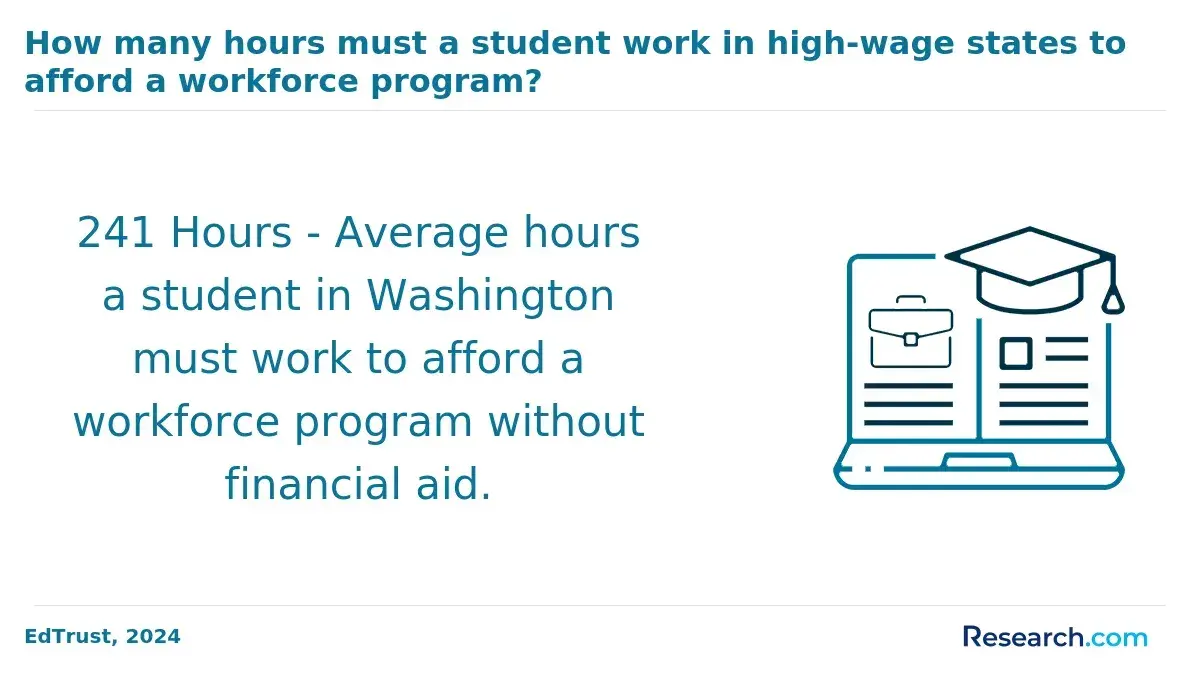
The cost of earning a pharmacy degree varies sharply by state due to differing institutional types, tuition policies, and living expenses, all of which shape student choices and financial outcomes. For example, California's public programs charge around $40,000 annually for in-state tuition but jump to $70,000 for out-of-state students, pushing total expenses beyond $100,000 when housing and fees are included. Such disparities compel students to weigh not only sticker price but also whether relocating or enrolling out-of-state will justify the additional debt against potential quality and professional network benefits available in more expensive regions.
Public versus private institution distinctions further complicate cost management, as private pharmacy schools-especially in Northeast states-can exceed $60,000 in yearly tuition alone, intensifying borrowing needs. State-funded financial aid and residency tuition policies have a notable effect; places like Texas and Florida typically keep in-state costs near $50,000, supported by subsidies that improve affordability and accessibility for residents. These variations demand that budget-focused students and families factor in long-term financial planning, evaluating how program quality, local healthcare market conditions, and employability prospects align with costs when deciding whether to pursue pharmacy education near home or in costlier, high-demand metropolitan areas.
Recent 2024 data from the Integrated Postsecondary Education Data System underscore how geographic and policy-driven differences directly influence total cost of attendance, factoring tuition, fees, and living expenses. Beyond raw cost, pharmacy students must navigate these complex tradeoffs-including potential relocation, online or hybrid options, and state-specific aid-to optimize return on investment while managing debt risk amid a competitive job market driven by evolving healthcare needs.
Why Does Pharmacy Affordability Vary So Much Between States?
Pharmacy degree cost differences by state largely stem from variations in public investment, institutional makeup, and regional economic factors. States like California and Florida, with higher state funding for public universities, typically maintain lower tuition rates, increasing accessibility for residents. In contrast, states such as New Hampshire and Vermont, which allocate less subsidy to higher education, tend to have steeper tuition. Additionally, the prevalence of private institutions that depend heavily on tuition revenue elevates costs in some regions, making affordability a crucial consideration for prospective students evaluating programs across state lines.
Beyond tuition, cost-of-living disparities compound these differences. For example, students attending programs in high-expense areas like New York face significant housing and living costs that increase overall financial burden. Enrollment dynamics further influence pricing: states with competitive or undersupplied pharmacy programs often see tuition hikes driven by demand, while others expanding capacity might offer more affordable rates to attract applicants.
Financial aid policies also vary, affecting net costs and shaping student decisions about whether to pursue in-state, transfer options, or select online alternatives. For budget-conscious learners seeking a pharmacy education pathway, balancing these economic, policy, and institutional interplays is essential for long-term planning, especially given the evolving employment landscape and healthcare workforce needs. Many students explore accelerated degree program options to reduce time-to-degree and related expenses while navigating these affordability challenges.
How Do In-State and Out-of-State Tuition Rates Affect Pharmacy Affordability?
The financial accessibility of pharmacy education is heavily shaped by residency-based tuition rates, which often force students to balance cost savings against geographic and institutional priorities. National Center for Education Statistics 2024 data indicates that public pharmacy schools charge in-state students approximately 40% to 60% less than their out-of-state counterparts-averaging around $16,000 annually versus $25,000 or more for nonresidents. This gap can significantly influence whether students opt for local public programs or consider private and online alternatives, especially given that many out-of-state students face limited access to state-specific financial aid and scholarships. Regional compacts like the Western Undergraduate Exchange reduce these disparities, but their reach is uneven, making cross-state enrollment decisions contingent on both residency status and external funding opportunities.
Beyond sticker price, students must weigh residency classifications' practical effects on total cost and enrollment timing. Establishing or changing residency to qualify for in-state rates often involves protracted documentation and living requirements that might delay program start dates or increase living expenses. Conversely, uniform tuition rates at many private and online pharmacy programs can sometimes offer predictable costs that outweigh the benefits of discounted public rates, especially when factoring in licensure portability and employment prospects post-graduation. This broader financial calculus highlights the importance of integrating tuition differentials with anticipated regional job markets and long-term career flexibility when selecting a pharmacy program.
A former pharmacy student recalled how moving from out-of-state for a public program introduced unexpected financial complexity. Although initially qualified as a resident to secure in-state tuition, administrative delays in residency verification meant paying out-of-state rates for the first semester. This affected their budget planning and forced reevaluation of options between private schools with stable pricing and waiting to complete residency requirements. The experience underscored how residency status can create nuanced affordability challenges beyond the published tuition figures.
How Does the Cost of Living Impact Overall Pharmacy Affordability by State?
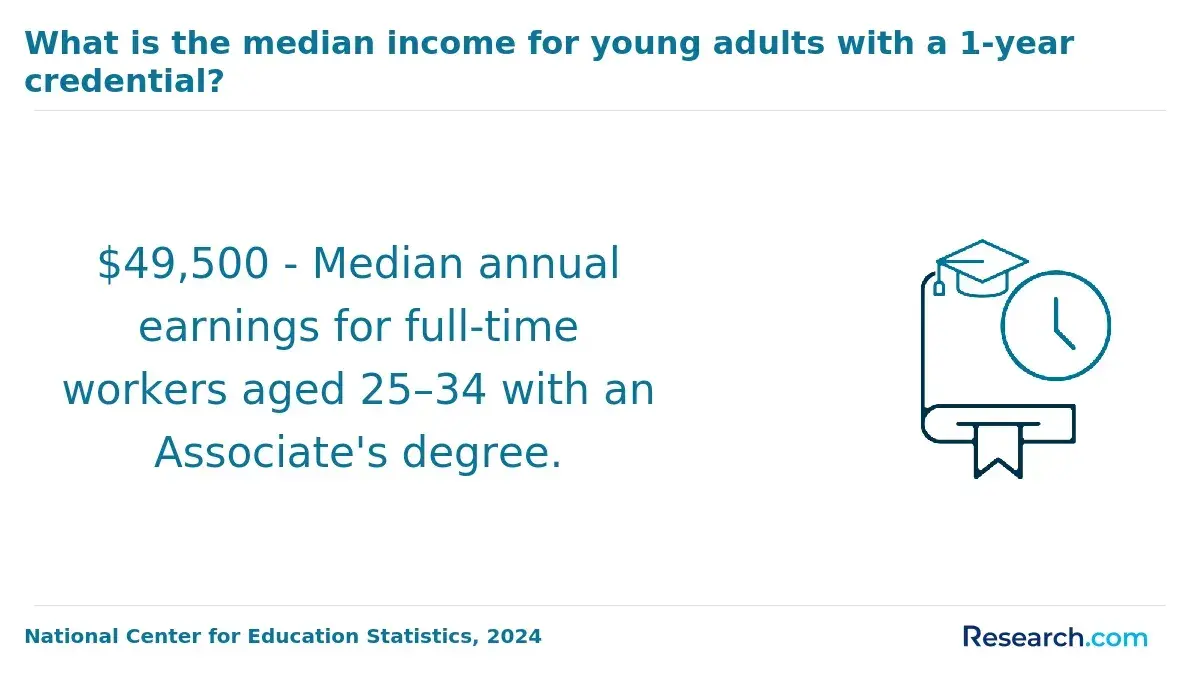
Cost-of-living differences across states significantly reshape the financial landscape for students pursuing a pharmacy degree, often eclipsing the direct impact of tuition fees. For instance, while tuition in California may be comparable to that in some Midwestern states, students must allocate far more resources to housing-often 30% to 40% of their budget-due to the state's high living expenses. This forces difficult tradeoffs between part-time employment, housing quality, and academic focus, underscoring the necessity of a comprehensive view of expenses beyond sticker-price tuition. Students weighing programs must consider such state-by-state comparison of living expenses and pharmacy education costs to avoid unexpected budget shortfalls during their studies.
Transportation, food, healthcare, and local wage conditions further complicate affordability calculations and shape enrollment decisions, especially for those commuting in sprawling metro areas versus compact college towns. This dynamic affects whether students should pursue programs online, seek in-state residency to reduce tuition surcharges, or relocate entirely. Moreover, this broader cost context informs financial aid needs and potential debt exposure, influencing degree-completion strategies and long-term career planning. Families and prospective learners focused on budget-conscious pharmacy education may find valuable insights by also reviewing related fields' expenses, such as dietetics masters programs, to benchmark costs and opportunities across healthcare disciplines.
Which States Offer the Best Value for a Pharmacy Degree?
Evaluating the best value for a pharmacy degree requires balancing tuition expenses with living costs, financial aid availability, and post-graduation outcomes rather than focusing solely on nominal price tags. For example, North Carolina's moderate in-state tuition coupled with below-average living expenses and higher graduation rates results in a quicker path to employment with less debt accumulation. In contrast, states with low tuition but elevated living costs or weaker regional healthcare demand may erode those upfront savings through extended job searches or higher living expenses during study.
Public funding levels and state residency policies also shape affordability and access. Ohio's investment in public pharmacy programs helps keep tuition steady while its expanding health system increases job opportunities, illustrating how institutional and economic alignment benefits students. Florida's approach-with somewhat higher tuition offset by generous scholarships and strong local pharmaceutical industries-demonstrates how targeted financial aid and employment diversity can mitigate initial cost burdens. Prospective students should weigh these multi-dimensional factors carefully, recognizing that lower sticker prices can coincide with longer study durations, limited employer networks, or greater loan reliance.
Decisions about where to enroll or establish residency for tuition purposes must consider not only direct educational costs but also time-to-degree, workforce absorption capacity, and debt-to-income ratios after graduation. Data from the 2024 College Scorecard show that graduation rates and subsequent employment prospects vary notably across states, affecting long-term financial outcomes for pharmacy graduates. Thus, achieving real value often involves selecting states where public policies, healthcare market conditions, and education infrastructure jointly support efficient degree completion and sustainable career entry rather than chasing the lowest tuition alone.
What Financial Aid and Scholarship Opportunities Can Reduce Pharmacy Costs?
Financial aid can significantly alter the real cost of pursuing a pharmacy degree, but these benefits hinge on complex factors like geographic eligibility, aid stacking policies, and timing of applications. For instance, a student in Minnesota who qualifies for state-funded scholarships tied to in-state service commitments could reduce net tuition by nearly 30%, effectively offsetting higher base costs seen in other regions. Conversely, students outside such states often face limited options, with federal grants like the Pell Grant providing capped relief that may not keep pace with rising tuition, thereby increasing long-term debt risk. According to the 2024 National Postsecondary Student Aid Study, nearly 75% of pharmacy students receive some financial aid, yet the impact on affordability varies widely, emphasizing how strategic choice of institution and location directly influences cost management and debt burden.
Institutional aid adds another layer of complexity, as merit- and need-based scholarships differ substantially between public and private programs, often favoring residents or high-achieving applicants. Employer tuition reimbursement programs are growing but require employment commitments that may constrain job mobility or workload balance during study. Additionally, many grants demand minimum enrollment status and enforce renewal criteria, making part-time study or leaves of absence financially risky. These nuances underscore the importance of shaping financial aid strategies around personal career goals, state residency rules, and program policies to avoid unintended cost escalations and ensure aid effectively reduces net expenses in line with realistic employment prospects post-graduation.
Are Online Pharmacy Degree Programs More Affordable Than On-Campus Options?
The affordability of online pharmacy degree programs varies widely, influenced by tuition structures, state residency rules, and hidden costs that extend beyond base fees. While nationally online tuition averages about 15% lower than on-campus rates, many programs impose additional technology fees or require travel for clinical placements, which can offset anticipated savings. For example, a working adult in a state with strict residency requirements might face increased costs or logistical challenges when pursuing an online pharmacy program remotely, diminishing the financial advantage. Evaluating where to enroll also means factoring in non-tuition expenses like housing and transportation, which tend to be significantly higher for on-campus students but may be partially replaced by home study technology costs.
Cost comparison of online versus on-campus pharmacy degrees by state reveals that geographical and programmatic differences strongly affect overall affordability. Some online programs restrict enrollment based on state licensing or clinical partnerships, forcing students to secure hands-on hours in potentially expensive locations or travel extensively. Financial aid availability often parallels across modalities, yet scholarships aimed specifically at campus enrollees can create disparity. Students must weigh these tradeoffs alongside personal circumstances; those balancing work or family may find online paths financially viable, particularly if they can maintain employment, but the decision hinges on individual program design and state-specific factors.
Prospective students should also consider how earnings potential interacts with educational costs. For insights into regional salary prospects after completing a pharmacy-related doctoral degree, consulting reliable resources on how much does a DNP make can contextualize investment decisions, especially in states where affordability is marginal. Understanding the full picture beyond sticker price is essential for budget-conscious learners navigating the complexity of pharmacy education affordability in the US.
Is a Pharmacy Degree Worth the Cost Based on Career Outcomes and ROI?
The value of a pharmacy degree varies significantly depending on state-specific factors such as tuition costs, local employment demand, and graduate debt burdens. For example, states like Texas and Florida offer more competitive ROI due to lower tuition and stronger healthcare job markets, whereas California and New York impose higher financial risk despite higher salary averages because of elevated living expenses and student debt. Students must consider completion rates and program quality as these influence both time-to-degree and total cost, which directly affect long-term career outcomes and financial stability. Examining pharmacy degree career outcomes in the United States reveals that raw salary figures alone overlook critical differences in opportunity costs and geographic labor market dynamics.
Beyond tuition, students should factor in financial aid availability, institutional advising support, and regional employment trends to realistically assess ROI. The median student loan debt for pharmacy graduates exceeded $160,000 in 2023, a considerable liability that can offset salary gains unless job placement aligns well with specialization or regional healthcare growth. Those weighing options might also explore alternative credentials or pathways-such as an accelerated BCBA program-when flexibility or lower debt load is a priority. Ultimately, prospective students must balance affordability against professional goals, geographic mobility, and program outcomes to ensure their investment in a pharmacy degree will align with both financial realities and career aspirations.
References:
- PharmCAS https://www.pharmcas.org/school-directory/pharmd-directory
- What Goes into the Cost of Pharmacy School? - ELFI https://www.elfi.com/the-average-cost-of-pharmacy-school/
- The Effect of Drug Pricing Policies on Healthcare Equity and Affordability https://www.jbclinpharm.org/articles/the-effect-of-drug-pricing-policies-on-healthcare-equity-and-affordability-13081.html
- Start Your Future at the Only Online Pharmacy School in Ohio https://pharmdonline.findlay.edu/
- Pharmacy School Costs in 2025 https://pharmacy.uworld.com/blog/how-much-does-pharmacy-school-cost/
- Why Are Prescription Drugs More Expensive in the U.S. than in Other Countries? - GoodRx https://www.goodrx.com/drugs/savings/why-are-prescription-drugs-more-expensive-in-the-us-than-in-other-countries
- Can State Rx Drug Affordability Boards Address High-Cost Prices? | Commonwealth Fund https://www.commonwealthfund.org/blog/2022/can-state-prescription-drug-affordability-boards-address-high-cost-drug-prices
- How do prescription drug costs in the United States compare to other countries? - Peterson-KFF Health System Tracker https://www.healthsystemtracker.org/chart-collection/how-do-prescription-drug-costs-in-the-united-states-compare-to-other-countries/
- Cost Comparison of Online Vs On-campus Pharmacy Degree Programs https://www.m-pharmainfo.com/2023/08/cost-comparison-of-online-vs-on-campus.html
- Health Care Costs and Affordability | KFF https://www.kff.org/health-costs/health-policy-101-health-care-costs-and-affordability/
Other Things You Should Know About Pharmacy
Lower tuition isn't always the best tradeoff if it comes with fewer or lower-quality experiential learning opportunities essential for pharmacy practice. States with more affordable programs may have limited access to diverse clinical sites, reducing real-world readiness and employability. Students should prioritize programs offering robust, accredited clinical rotations since these are critical for licensure and preferred by employers, even if tuition is slightly higher.
Graduating from a less expensive program can mean a lower initial debt burden, but it might also correlate with less prestigious or less comprehensive curricula depending on the state's educational ecosystem. Employers, especially in competitive markets, often favor graduates from programs with strong reputations and state-of-the-art training facilities, which sometimes come with higher costs. Students should assess whether savings in tuition translate to sacrifices in networking, professional development, and placement rates that affect long-term career progress.
While affordability is crucial, students expecting to practice in a different state must consider licensure requirements and employer preferences beyond tuition costs. Some states have reciprocity agreements or similar accreditation standards, but others require additional exams or certifications, which can add unforeseen expenses and delays. When moving, initial savings might be offset by extra credentialing steps, so budget-conscious students should research licensure compatibility and weigh overall costs carefully.
States with shorter or more accelerated pharmacy programs may seem less affordable per semester, yet the overall cost can be mitigated by reduced living expenses and quicker entry into the workforce. Conversely, programs extending longer increase non-tuition costs such as housing, supplies, and lost income opportunity. Students should analyze total time-to-degree and its financial impact rather than focusing solely on sticker tuition prices to understand true affordability.