2027 Pharmacy Salary Trends Report: Are Wages Keeping Up With Tuition and Inflation?

Co-Founder and Chief Data Scientist
A prospective pharmacy student weighs the steep tuition fees against the salary expectations after graduation. With costs rising sharply, understanding whether the financial return justifies the investment has become more complex. Inflation and education expenses have surged at differing rates, complicating the assessment of real income gains. Simply comparing starting salaries to tuition overlooks critical economic shifts affecting purchasing power.
Salary growth, education costs, and inflation often move unevenly, which means short-term salary figures may not reflect long-term financial outcomes. Evaluating a pharmacy degree's value requires looking beyond immediate earnings to consider sustained affordability and return on investment. This article examines salary trends alongside tuition inflation and economic factors influencing the financial viability of pursuing a pharmacy degree.
Key Things to Know About Pharmacy Salary Trends
- Recent 2024 data shows median starting pharmacist salaries have a modest real increase, yet rising tuition outpaces wage growth, often delaying loan repayment beyond a decade, stressing financial planning.
- Inflation-adjusted salary stagnation implies relying solely on entry wages undervalues Pharmacy degree ROI; specialization or management roles drive meaningful long-term income improvements.
- Key factors influencing earning potential include geographic location, employer type, and advanced certifications, indicating that initial salary figures mask significant income variability impacting career strategy.
- Key Things to Know About Pharmacy Salary Trends Key Things to Know About Pharmacy Salary Trends
- What Is the Current Salary Outlook for Pharmacy Graduates? Salary Outlook
- Are Pharmacy Salaries Keeping Up With Inflation? Inflation Impact
- How Do Tuition Costs Compare With Pharmacy Salary Growth? Tuition vs Salary
- Does a Pharmacy Degree Deliver a Positive Return on Investment? Degree ROI
- Which Industries Offer the Highest Salaries for Pharmacy Graduates? Which Industries Offer the Highest Salaries for Pharmacy Graduates?
- Which States and Cities Offer the Highest Pay for Pharmacy Professionals? Which States and Cities Offer the Highest Pay for Pharmacy Professionals?
- How Do Pharmacy Salaries Grow Throughout a Career? Career Growth
- How Do Pharmacy Salaries Compare With Similar Degrees? Salary Comparison
- How Is Employer Demand Affecting Pharmacy Salary Trends? Employer Demand
- How Can Students Maximize Their Lifetime Earnings With a Pharmacy Degree? Maximizing Earnings
What Is the Current Salary Outlook for Pharmacy Graduates?
The current salary outlook for pharmacy graduates in 2024 presents a nuanced picture shaped by location, sector, and evolving healthcare models. According to the U.S. Bureau of Labor Statistics, median annual wages for pharmacists hover around $132,760, with entry-level salaries typically falling between $110,000 and $125,000. However, these figures mask significant variability: for example, a graduate working in a busy urban hospital may earn noticeably more than a peer employed in rural retail pharmacy. This disparity illustrates why two graduates with the same degree might experience very different salary paths despite identical qualifications.
Looking beyond initial pay, pharmacy graduates should weigh long-term career development opportunities and job market trends when evaluating their earning potential. While demand for pharmacists remains stable, reaching top salary tiers often requires additional certifications or residencies, extending the timeline before peak compensation is realized. Inflation and rising tuition costs have complicated the financial equation, making it vital to assess the return on investment carefully. For those considering supplementary credentials to enhance career prospects, pursuing a healthcare management certificate can be a strategic move to broaden opportunities and improve income potential over time.
Industry reports and graduate surveys highlight that stagnant salary growth in some regions may reflect market saturation and reimbursement shifts rather than lack of skill or effort. Prospective pharmacy professionals should therefore interpret 2024's salary data within a broader context that includes specialty choices and geographic mobility. Ultimately, the current earnings outlook supports a cautious but realistic approach to career planning, especially for those balancing the substantial cost of pharmacy education against projected salary gains across various practice settings.
Are Pharmacy Salaries Keeping Up With Inflation?
Although nominal pharmacy salary growth has shown a modest increase-about 3% per year from 2021 to 2023 according to the U.S. Bureau of Labor Statistics-this figure does not fully capture the erosion of real earning power caused by inflation. During the same period, consumer prices rose roughly 7%, meaning that the purchasing power of pharmacy wages has effectively declined. For example, a recent pharmacy graduate expecting salary hikes to outpace living costs may find their paycheck covers less over time, especially when housing, transportation, and healthcare costs climb faster than wages. Understanding this disparity is crucial for weighing the true value of a Pharmacy degree in the context of ongoing inflationary pressure.
The interplay between pharmacy salary growth versus inflation rates is further complicated by rising tuition costs, which have increased at around 5% annually, outpacing wage gains. This intensifies the financial burden faced by students and recent graduates who must manage loan repayments even as their real income shrinks. Factors such as regional wage variations, local economic conditions, and changes in healthcare reimbursement policies also shape whether pharmacy salaries keep pace with inflation. Those exploring alternative healthcare career paths, like a PhD nursing, might find different trade-offs in educational costs and earning potential that better align with their financial goals.
How Do Tuition Costs Compare With Pharmacy Salary Growth?
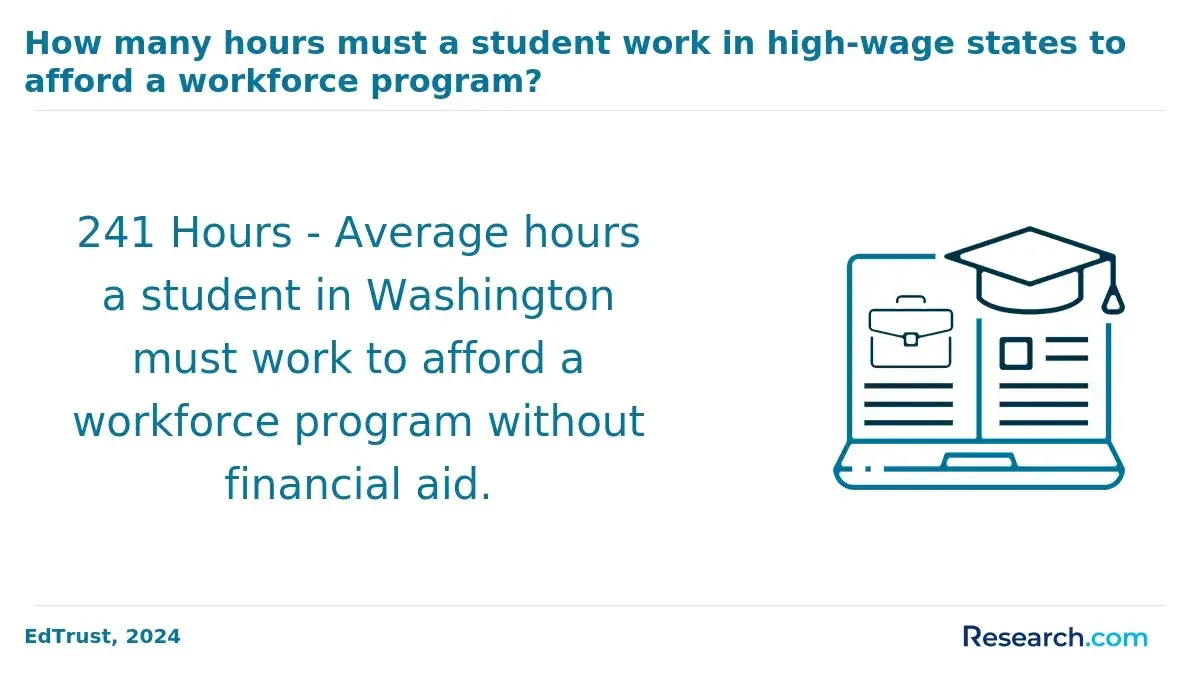
Evaluating pharmacy education's financial value requires looking beyond headline tuition figures or starting salaries alone and focusing on how tuition cost growth compares with salary increases over time. Recent data from the American Association of Colleges of Pharmacy and 2024 government reports show average annual tuition now exceeds $40,000 at many public universities and can approach $60,000 at private ones. In contrast, median early-career pharmacist salaries range from about $120,000 to $130,000, with mid-career wages modestly rising to $140,000-$150,000. While pharmacists command solid salaries, the pace of salary growth tends to align with inflation-roughly 2 to 3 percent annually-whereas tuition inflation has historically outstripped these gains, creating a mismatch that extends the time needed for graduates to break even on their education investments.
This dynamic means that a student enrolling when tuition is rising rapidly faces different financial challenges than one attending when increases are flatter. For example, a student who pays $240,000 for a four-year degree today might see their cumulative earnings lag behind total education costs for longer than someone who graduated a decade earlier when tuition was significantly lower. Variables like geographic location, workplace setting, and specialty choice also shape how tuition and salary interplay for each individual. Factoring in loan interest and opportunity costs further complicates the picture, underscoring why comparing tuition inflation against salary trends is more insightful than assessing either metric alone.
One graduate recalled grappling with mounting tuition bills during their final year, which coincided with only minimal salary raises offered in their chosen pharmacy sector. They weighed postponing residency applications due to financial strain and worried about compounding loan interest, reflecting on how earlier admission might have eased their burden. Despite initial hesitation about the cost-to-earnings gap, they found relief planning repayments strategically and focusing on salary growth opportunities tied to certifications and location moves-decisions shaped directly by understanding how tuition cost growth and salary trajectories intersected in their career path.
Does a Pharmacy Degree Deliver a Positive Return on Investment?
Return on investment (ROI) in higher education, particularly for a pharmacy degree, involves weighing the total costs of tuition, fees, and living expenses against the long-term financial benefits and career opportunities the degree facilitates. Rather than focusing solely on immediate post-graduation salaries, ROI considers if earnings across a pharmacist's career can realistically offset the often six-figure debt burden. For example, a graduate who incurs $150,000 in student loans but secures a pharmacist role in an urban hospital with median wages around $130,000 annually can expect steady income growth, though wage increases have recently lagged behind inflation. This scenario highlights why ROI is not uniform-it depends on salary trajectories, loan repayment terms, and local job market demand.
Several critical factors influence whether a pharmacy degree results in positive financial returns. Tuition costs have risen sharply, sometimes outpacing salary growth, which has slowed to below inflation rates, as reported by the Bureau of Labor Statistics and the American Association of Colleges of Pharmacy in 2024. Geographic location plays a significant role; pharmacists in metropolitan or specialized clinical settings often earn premiums that improve ROI, whereas those in saturated or rural markets may face stagnant wages that diminish financial gains. Additionally, pursuing residencies or certifications can increase earning potential and job stability, helping to balance the initial cost with professional growth.
Ultimately, pharmacy's ROI is nuanced and varies widely among individuals. While national data confirms median pharmacist salaries remain above national averages, the increasing debt load and slower wage inflation challenge a simple cost-benefit equation. Prospective students must critically assess their anticipated expenses, market conditions, and willingness to invest in advanced training. This balanced approach is essential to understanding if the long-term financial payoff justifies the substantial upfront investment in a pharmacy education.
Which Industries Offer the Highest Salaries for Pharmacy Graduates?
The highest paying industries for pharmacy graduates consistently align with sectors that demand specialized expertise and offer roles integral to healthcare innovation, patient care management, and regulatory oversight. Pharmacy professionals entering these fields typically benefit from compensation packages that reflect both the technical skills required and the economic influence of the industry. Real-world decisions for prospective pharmacy students should consider how different sectors balance salary potential against work environment, job security, and career development pathways. Below is a focused overview of industries that typically offer the strongest earning potential for pharmacy graduates.
- Pharmaceutical Manufacturing: This sector leads in salary prospects due to its emphasis on drug development, research, and regulatory compliance. Pharmacy graduates often take roles in product development, quality assurance, and regulatory affairs, leveraging advanced scientific expertise and regulatory knowledge to command higher wages.
- Hospital and Healthcare Systems: Clinical pharmacy and management roles in hospitals offer competitive salaries driven by the complexity of medication management and direct patient care. Pharmacists with specialized skills in medication therapy management and patient safety tend to secure higher compensation.
- Outpatient Care Centers: Growth in outpatient clinics has increased demand for pharmacists integrated into patient care teams. Performance-based incentives and competitive salaries are common here, rewarding pharmacists who demonstrate clinical impact and efficiency in patient outcomes.
- Government and Federal Agencies: Although base salaries may be somewhat lower than in private sectors, pharmacists in government roles benefit from stable employment, excellent benefits, and consistent wage growth. Employers include agencies such as the Veterans Health Administration, where specialized pharmacy expertise is valued.
- Specialty Pharmacy and Biotechnology Firms: These emerging areas require advanced knowledge of biologics, specialty medications, and personalized medicine, offering salaries above industry averages due to the niche skill sets required.
- Consulting and Pharmacy Informatics: Pharmacists working in consulting or informatics roles can command high earnings by applying clinical knowledge to healthcare systems optimization, data analysis, and strategic advisory, often bridging technical and business domains.
- Academic and Research Institutions: Though often less lucrative than industry roles, pharmacy graduates engaged in research positions funded by grants may benefit from supplemental stipends and the long-term rewards of contributing to pharmaceutical science advancements.
Data from the U.S. Bureau of Labor Statistics and professional associations in 2024 confirm that pharmaceutical manufacturing and hospital systems remain at the top for pharmacy graduate salary by industry, reflecting the alignment of compensation with required expertise and industry economic health. For those balancing earnings with work-life priorities, government roles and outpatient settings may be attractive due to their stability and evolving patient-centered models.
Prospective students should also consider salary comparisons with related professions; for instance, reviewing psych NP salary data may offer insights into interdisciplinary healthcare salary trends and job market dynamics that affect pharmacy graduates.
Which States and Cities Offer the Highest Pay for Pharmacy Professionals?
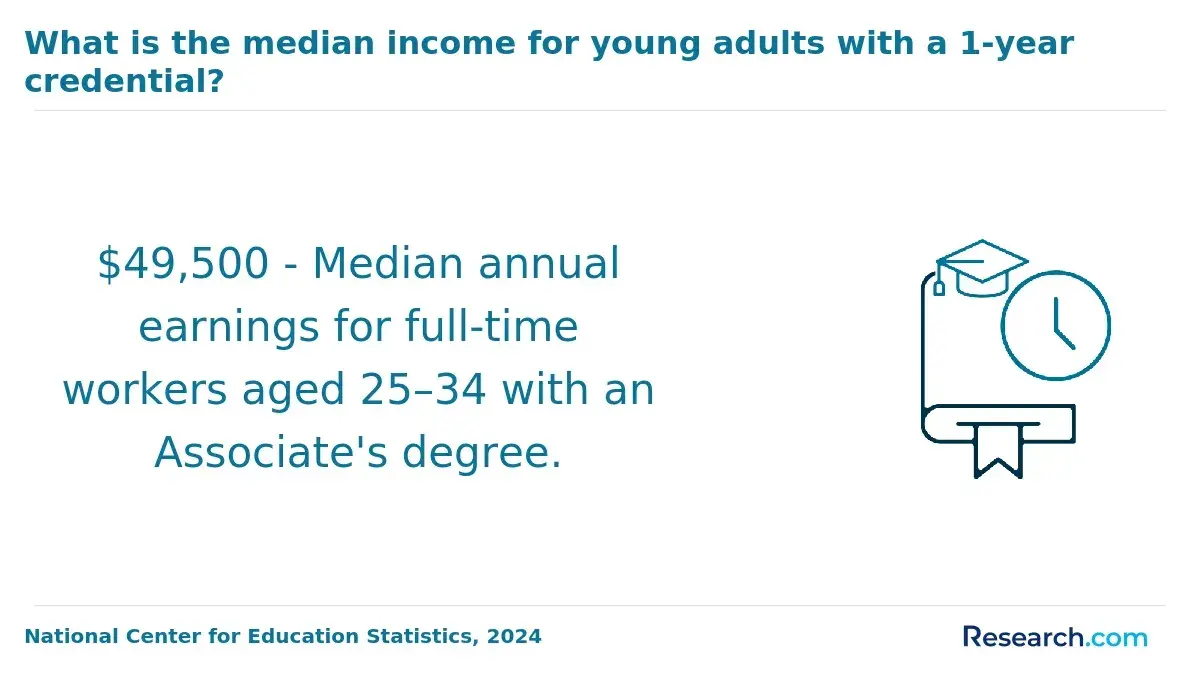
Compensation for pharmacy professionals varies notably across the United States, shaped by local healthcare ecosystems, demand for specialized skills, and living costs. Higher wages often cluster in states and cities with dense populations and extensive medical infrastructure, but these salary premiums must be balanced against elevated expenses, especially housing. For students and recent graduates considering where to launch their careers, weighing these financial tradeoffs is vital. Below are the top-paying regions for pharmacy roles in 2024 according to data from the U.S. Bureau of Labor Statistics and related industry reports.
- California: Pharmacists here earn average salaries exceeding $160,000 annually, driven by the state's large population and expansive healthcare networks. The presence of numerous hospitals, outpatient centers, and research firms fuels steady demand. However, high living costs, particularly in urban areas, may reduce net financial benefits compared to nominal wages.
- Alaska: Known for comparable pay levels to California, Alaska offers lucrative salaries partly due to limited workforce supply and the logistical challenges of healthcare delivery in remote areas. While cost of living can be high, some rural locations provide incentives that offset expenses, making it a unique option to consider.
- Massachusetts: With major academic hospitals and pharmaceutical companies concentrated in the state, pharmacists commonly see salaries above $150,000. Boston, in particular, combines strong employer competition with opportunities for research collaborations, though housing costs remain a significant factor.
- San Francisco: This metro area leads with pharmacist wages surpassing $170,000, bolstered by biotech firms and top-tier research institutions. Despite the exceptional pay, candidates must carefully assess the impact of steep housing and everyday expenses on their overall quality of life.
- Seattle: Robust healthcare systems and a thriving pharmaceutical industry contribute to above-average pharmacist earnings. Seattle balances job opportunities with a somewhat more moderate cost of living than California or Massachusetts, though prices have been rising consistently.
- Boston: Beyond Massachusetts' statewide advantages, Boston itself is a nexus of healthcare and pharma research that sustains high wages and career development options. Prospective pharmacists should consider the balance between these prospects and the city's costly real estate market.
For example, a recent pharmacy graduate choosing between San Francisco and a lower-cost but lower-paying state might find that the salary premium in San Francisco is substantially eroded by housing and living expenses, influencing net disposable income and lifestyle quality. Such nuanced comparisons are essential for informed educational and career planning in pharmacy.
How Do Pharmacy Salaries Grow Throughout a Career?
Pharmacy salaries generally begin strong, with entry-level pharmacists earning roughly $125,000 to $140,000 annually, according to the 2024 Pharmacist Compensation Report from the American Association of Colleges of Pharmacy. Growth in the early years tends to be modest, roughly 3% to 5% annually, reflecting gradual gains in responsibility. By mid-career, often spanning 5 to 15 years of experience, pharmacists usually see their salaries increase more noticeably, reaching between $140,000 and $160,000 as they move into supervisory or specialized roles. The 2024 Bureau of Labor Statistics data confirms median pharmacy wages near $146,000 nationwide, though this can vary based on sector and geography. Late-career pharmacists, typically with over 15 years of experience, frequently experience a plateau, earning between $160,000 and $180,000, with salary increases generally leveling off, especially when adjusted for inflation and rising education costs.
Consider two pharmacy graduates starting at the same salary: one remains in retail pharmacy, receiving steady but incremental raises primarily tied to tenure, while the other pursues additional industry certifications and transitions into pharmaceutical administration. The latter, although initially facing more time and financial investment, often outpaces the former in salary growth, sometimes earning significantly above the standard plateau by mid- or late career. Key factors influencing long-term compensation include industry specialization, added credentials, management roles, and geographic location, which can all markedly affect salary trajectories. Despite consistent wage growth, inflation and escalating tuition pose challenges to the net financial benefit of a Pharmacy degree, emphasizing the importance of strategic career planning beyond initial salary offers.
One pharmacy graduate recalls feeling uncertain after completing the degree due to mounting student debt and modest starting pay. After a few years in a community pharmacy role with slow salary increases, a decision to pursue a specialty certification in oncology pharmacy required both time and additional expense. However, this pivot enabled a move into a hospital setting with a salary jump that better offset earlier concerns. While the transition was daunting, the graduate described relief in seeing a tangible return on further investment, demonstrating the nuanced salary evolution tied not just to experience but proactive career decisions within pharmacy's expanding landscape.
How Do Pharmacy Salaries Compare With Similar Degrees?
Comparing pharmacy graduate salary comparison with similar degrees reveals clear distinctions rooted in professional roles, educational demands, and market dynamics. Pharmacy salaries generally surpass those of many allied health fields but trail behind those of medical doctors and dentists. For prospective and current pharmacy students, understanding these nuances helps weigh the return on investment in a field where tuition inflation and wage growth present ongoing challenges. Below is a focused comparison of pharmacy degree earnings versus related healthcare fields to help frame these trade-offs.
- Nursing Degrees: Nursing roles, including nurse practitioners, often start with median salaries around $80,000, substantially below pharmacy median earnings near $137,000 according to the U.S. Bureau of Labor Statistics. Nursing careers typically require less specialized education time, which accounts for some earning disparities, yet advanced nursing degrees can approach pharmacy wages, especially in accelerated tracks like the nurse practitioner accelerated program.
- Physician Assistant Studies: Physician assistants earn median salaries near $115,000, falling below pharmacy but closer than nursing. Their clinical role in diagnosis and treatment often involves a faster educational pathway compared to Pharmacy, which impacts overall cost-benefit considerations for students evaluating allied health professions.
- Physical Therapy: With median wages near $95,000, physical therapists earn less than pharmacists while requiring similar graduate-level education. The scope of practice and insurance reimbursement dynamics influence this gap, positioning pharmacy as more lucrative on average but less flexible in career settings for some graduates.
- Medical Doctors: Physicians typically earn over $200,000 median wages, significantly outpacing pharmacies. However, this comes with lengthier educational commitments and higher indebtedness, factors that may affect the practical financial advantage of pursuing medical degrees versus pharmacy.
- Dentistry: Dentists earn median incomes near $180,000, surpassing pharmacy salaries. The difference reflects both the specialized procedural nature of dentistry and insurance reimbursement structures, highlighting how distinct practice models affect earnings potential compared to pharmacy.
Ultimately, pharmacy degree earnings versus related healthcare fields must be viewed in context-balancing salary potential against education costs, career goals, and market demand. This helps clarify whether pharmacy suits long-term financial plans amid evolving tuition trends and healthcare labor shifts.
How Is Employer Demand Affecting Pharmacy Salary Trends?
The connection between pharmacy employer demand and salary trends is nuanced, reflecting broader labor market dynamics. According to the U.S. Bureau of Labor Statistics' 2024 report, demand for pharmacists is projected to increase by only 2% over the next decade, indicating modest growth that restrains strong upward wage pressure. When demand is steady but not tight, employers face limited competition for candidates, often resulting in slower increases to base salaries despite rising costs of education and living. For example, a new graduate entering a balanced job market may find competitive hiring but fewer opportunities for immediate substantial raises or signing bonuses compared to fields experiencing rapid expansion.
Several factors shape employer demand, including steady pharmacy school graduation rates and the evolving role of pharmacists, particularly in outpatient care and clinical services. This influences hiring activity and compensation strategies but does not guarantee rapid wage growth. Industry analyses show that while high employer demand can support faster wage increases, pharmacy salary trends influenced by job market realities must also account for experience, specialization, inflation, and organizational budgets. Inflation in recent years has outpaced salary growth, leading to stagnant real wages despite nominal increases, which challenges the economic return of a pharmacy degree for many students and recent graduates.
In addition to traditional pharmacy pathways, those exploring alternatives such as a veteran friendly online speech pathology degree may consider the differences in employer demand and salary trends. Evaluating the interplay between employer demand, salary trajectories, and educational investment is essential for prospective students assessing the long-term value of pharmacy education amid shifting economic conditions.
How Can Students Maximize Their Lifetime Earnings With a Pharmacy Degree?
Maximizing lifetime earnings with a pharmacy degree requires strategic decisions beyond simply obtaining the credential. Recent 2024 data from the U.S. Bureau of Labor Statistics and the National Association of Boards of Pharmacy reveal that specialization, location, and career path diversification significantly influence salary trajectories. For example, a pharmacist focusing on oncology in a metropolitan hospital typically earns substantially more than one in general retail pharmacy. Below are key strategies rooted in evidence and real-world industry trends to enhance long-term financial outcomes.
- Clinical Specialization: Pursuing specialties such as oncology, infectious diseases, or pharmacogenomics leverages higher demand and advanced expertise, leading to superior salary offers. Students should seek residencies or certifications in these areas to create competitive advantages early.
- Geographic Selection: Metropolitan areas tend to offer increased salaries reflecting higher demand and cost of living. Graduates willing to relocate can capitalize on concentrated opportunities that amplify income potential over time.
- Advanced Certifications: Obtaining credentials beyond the PharmD, including board certifications or fellowships, expands access to hospital and research roles that pay more than community pharmacy positions.
- Leadership Roles: Transitioning into administrative or consulting positions, such as pharmacy directors or managed care pharmacists, often results in higher, more stable compensation. Developing management skills during early career stages facilitates this progression.
- Diversify Into Adjacent Fields: Careers in biotech, regulatory affairs, and pharmacy informatics provide competitive salaries fueled by industry growth and complexity, offering alternatives to traditional pharmacy roles.
- Lifelong Learning: Continual skill development and adaptation to emerging technologies sustain competitive value in a shifting healthcare environment, maintaining upward earning mobility.
- Strategic Networking: Engaging with professional associations and research organizations helps uncover high-value opportunities and career options aligned with current market demands.
References
- Is a Career in Pharmacy Worth It? https://pharmdonline.findlay.edu/blog/pharmacy-career-worth-it
- Pharmacist Salary Guide - The Happy PharmD https://thehappypharmd.com/pharmacist-salary-guide/
- What Goes into the Cost of Pharmacy School? - ELFI https://www.elfi.com/the-average-cost-of-pharmacy-school/
- Pharmacists | WorkBC https://www.workbc.ca/career-profiles/pharmacists
- Top 15 Highest‑Paying Pharmacy Jobs in the UK 2025 (Including Salaries) https://apexlearning.org.uk/highest-paying-pharmacy-jobs-2026/
- Top-Paying States for Pharmacist Technicians - Rx relief https://www.rxrelief.com/blog/top-pay-for-pharmacist-technicians/
- Pharmacy Degree Lifetime Earnings Value, ROI Cited in Recent Study - Appalachian College of Pharmacy https://www.acp.edu/2026/04/27/pharmacy-degree-lifetime-earnings-value-roi-cited-in-recent-study/
- Pharmacist Compensation https://pharmacistcompensation.com/
- Pharmacist Salary (July 2026) | NYSCHP https://careers.nyschp.org/salary/pharmacist
- 15 Highest Paying Pharmacy Jobs in the UK 2026-2027: Well-Paid Careers in Pharmacy | Royal Open College https://royalopencollege.org/blog/healthcare/highest-paying-pharmacy-jobs-uk/
Other Things You Should Know About Pharmacy
The length and structure of pharmacy programs can significantly influence early career earnings. Programs with longer or more intensive clinical rotations often delay graduation and entry into the workforce, which pushes back salary accumulation. However, these extended experiential components can enhance skills that lead to higher starting wages or better job placements. Prospective students should weigh whether investing additional time in advanced practice experiences justifies the potential initial earnings delay against long-term salary growth.
Choosing a job based solely on starting salary may overlook career development opportunities that substantially affect lifetime earnings. Roles offering mentorship, specialized training, or leadership tracks might start lower but can accelerate salary progression and job security. Graduates should assess employer benefits beyond base pay, as positions with structured advancement can offset a slower start by increasing income faster over time and diversifying professional competencies.
Higher salaries in pharmacy often correlate with demanding schedules, including long hours and reduced flexibility. The tradeoff between income and personal well-being is critical, especially given burnout rates within the profession. Evaluating salary offers should include an honest assessment of workload and stress, as positions with slightly lower pay but better balance may lead to longer career longevity and fewer costly health impacts.
Nominal pharmacy salaries can be misleading without adjusting for local living costs and tax burdens. Employers in lower-cost regions might offer pay that seems modest but delivers comparable or superior purchasing power. Prospective pharmacists should analyze salary offers in the context of regional expenses and lifestyle preferences rather than headline figures alone to avoid overestimating financial benefits.