2027 Pharmacy Student Debt Report: Borrowing, Monthly Payments, and Repayment Risk

Co-Founder and Chief Data Scientist
Pharmacy programs typically span six to eight years, including rigorous clinical internships and licensing exams, extending the financial commitment beyond standard undergraduate paths. These structural demands influence students' borrowing levels and repayment schedules, as longer study periods delay workforce entry and income generation. The variability in salary outcomes across different pharmacy roles-from retail to specialized clinical positions-further complicates repayment risk assessments.
According to recent data from the American Association of Colleges of Pharmacy (2024), the median debt for pharmacy graduates remains high, reflecting specialized training costs and market saturation in certain regions. The age distribution of pharmacy students, with many entering later in life, signals evolving workforce needs and accessibility trends in the field.
Key Things to Know About Pharmacy Student Debt
- Average pharmacy student debt surpasses $180,000 as of 2024, reflecting increased program costs that heighten early-career financial strain, forcing many to delay major life investments.
- Monthly repayment burdens influence employer preferences, favoring candidates with manageable debt loads who demonstrate long-term financial stability, affecting hiring and career mobility.
- Extended program durations elevate total borrowing exposure, limiting access for lower-income students and reinforcing socioeconomic disparities within the pharmacy workforce pipeline.
- Key Things to Know About Pharmacy Student Debt Key Things to Know About Pharmacy Student Debt
- How Much Student Loan Debt Do Pharmacy Graduates Typically Have at Graduation? Average Studen Loan Debt
- What Factors Have the Biggest Impact on Pharmacy Student Loan Debt? Student Debt Key Factors
- What Is the Average Monthly Student Loan Payment for Pharmacy Graduates? Average Monthly Payment
- How Do Repayment Rates Compare Between Public and Private Institutions? Public vs. Private Institution Repayment Rates
- Do Online Pharmacy Graduates Have Different Repayment Outcomes Than Campus-Based Students? Online vs. On-Campus Student Loan Repayment
- Which Industries Provide the Best Financial Return Relative to Borrowing Costs? Which Industries Provide the Best Financial Return Relative to Borrowing Costs?
- Does Student Debt Affect Which Jobs Pharmacy Graduates Accept? Does Student Debt Affect Which Jobs Pharmacy Graduates Accept?
- What Factors Increase Student Loan Repayment Risk for Pharmacy Graduates? Loan Repayment Risk Factors
- How Can Pharmacy Students Reduce Student Loan Debt While Earning Their Degree? Tips to Reduce Student Debt
- How Should Prospective Students Evaluate Borrowing Risk Before Enrolling? Evaluating Student Debt Risk
How Much Student Loan Debt Do Pharmacy Graduates Typically Have at Graduation?
Pharmacy graduates generally accumulate student loan debt ranging from $150,000 to $200,000 by the time they finish their Doctor of Pharmacy programs, according to recent data from sources like the National Center for Education Statistics. This substantial borrowing reflects the cumulative cost of tuition, fees, and living expenses over lengthy, specialized study periods that typically span four years post-undergraduate education. Such debt levels illustrate the financial realities faced by many students enrolled in these programs, underscoring the challenges in balancing extensive clinical training requirements with constrained opportunities for income while studying. Understanding average pharmacy graduate debt levels at U.S. institutions offers insight into how these financial burdens vary but remain consistently high across the sector.
Variations in borrowing largely result from differences between public and private institutions, residency status, and access to financial aid. For instance, students attending public universities or those qualifying for in-state tuition generally graduate with lower debt than their peers at private or out-of-state programs, though amounts frequently still exceed $120,000. Availability of scholarships, employer tuition assistance, and enrollment patterns-such as part-time versus full-time study-also shape the scale of borrowed funds. Cost-of-living disparities between geographic locations further influence the total debt accrued. These factors dynamically interact, contributing to the observed spread in debt burdens among pharmacy graduates.
Significant debt levels carry implications well beyond graduation, affecting post-degree financial stability and career decisions. Monthly loan repayments can represent a considerable share of starting salaries, which may complicate timely debt repayment or restrict job mobility. Income-driven repayment plans and loan forgiveness programs can alleviate pressures but come with eligibility criteria and long-term financial tradeoffs that prospective borrowers should carefully evaluate. For those weighing career choices, integrating an understanding of debt distribution patterns with realistic earning potential and repayment obligations remains critical. Complementary to traditional healthcare pathways, some students explore alternatives such as online FNP programs to balance cost and career outcomes.
What Factors Have the Biggest Impact on Pharmacy Student Loan Debt?
Pharmacy student loan debt levels reflect a complex interplay of institutional pricing mechanisms and individual financial circumstances rather than a single determinant. Differences in tuition structures, financial aid accessibility, and living cost variations intertwine with program formats and personal borrowing behaviors to produce widely varying debt outcomes. This multifaceted dynamic shapes how much students must borrow and influences their long-term repayment obligations and career flexibility. Analyzing these factors clarifies why pharmacy student debt diverges sharply across individuals and institutions.
- Institutional Pricing and Geographic Variation: Tuition rates for pharmacy programs fluctuate notably by public versus private status and regional cost differentials. Public institutions often offer lower sticker prices, sometimes averaging around $25,000 annually, while private schools commonly exceed $45,000. These price gaps substantially alter borrowing needs, especially where students have limited grant aid access. Geographic cost of living further augments borrowing, as students in expensive urban areas must finance higher housing and daily expenses, compounding loan amounts beyond tuition alone.
- Program Length and Enrollment Patterns: The standard three to four years of PharmD study extends debt accumulation over multiple academic cycles. Students enrolling part-time or facing academic challenges that delay progression incur additional tuition and living costs financed by loans. These enrollment variations amplify total borrowing because longer program durations directly increase the number of semesters requiring financial support.
- Financial Aid Availability and Utilization: Despite the high cost of pharmacy education, fewer than one-third of students receive substantial grants or scholarships. This limited access intensifies dependence on loans as the primary financing method, especially at institutions with less institutional aid. The uneven distribution of gift aid means that financial aid systems play a crucial gatekeeping role in modulating borrowing levels across student populations.
- Living Expenses and Regional Cost Pressures: Living costs such as housing, transportation, food, and health insurance add a significant and often underappreciated component to overall debt. Pharmacy students in high-cost urban centers or regions with elevated expenses must increase borrowing to cover basic needs. These costs often rise independently of tuition increases and interact with institutional pricing to drive cumulative loan balances higher.
- Student Financial Behavior and Personal Circumstances: Individual decisions around part-time work, credit card use, and family financial support substantially influence borrowing amounts. Students with fewer external resources or from lower-income backgrounds generally carry heavier loan burdens because they cannot offset costs through employment or savings. This behavioral element compounds structural cost factors, making personal financial management a pivotal contributor to pharmacy student loan debt outcomes.
According to a 2024 Federal Reserve Bank analysis, the median pharmacy student loan debt at graduation surpasses $180,000, illustrating the magnitude of debt shaped by these combined forces. Understanding these drivers is essential given the growing scrutiny of debt impacts on graduate employability, repayment challenges, and long-term financial wellness in healthcare professions.
Those exploring options to reduce borrowing or navigate enrollment challenges might consider how the impact of program format on pharmacy debt interacts with financial aid availability and living costs. Prospective students researching less conventional pathways, such as a nursing school without entrance exam models, can glean insights about tradeoffs influencing debt formation across healthcare education.
What Is the Average Monthly Student Loan Payment for Pharmacy Graduates?
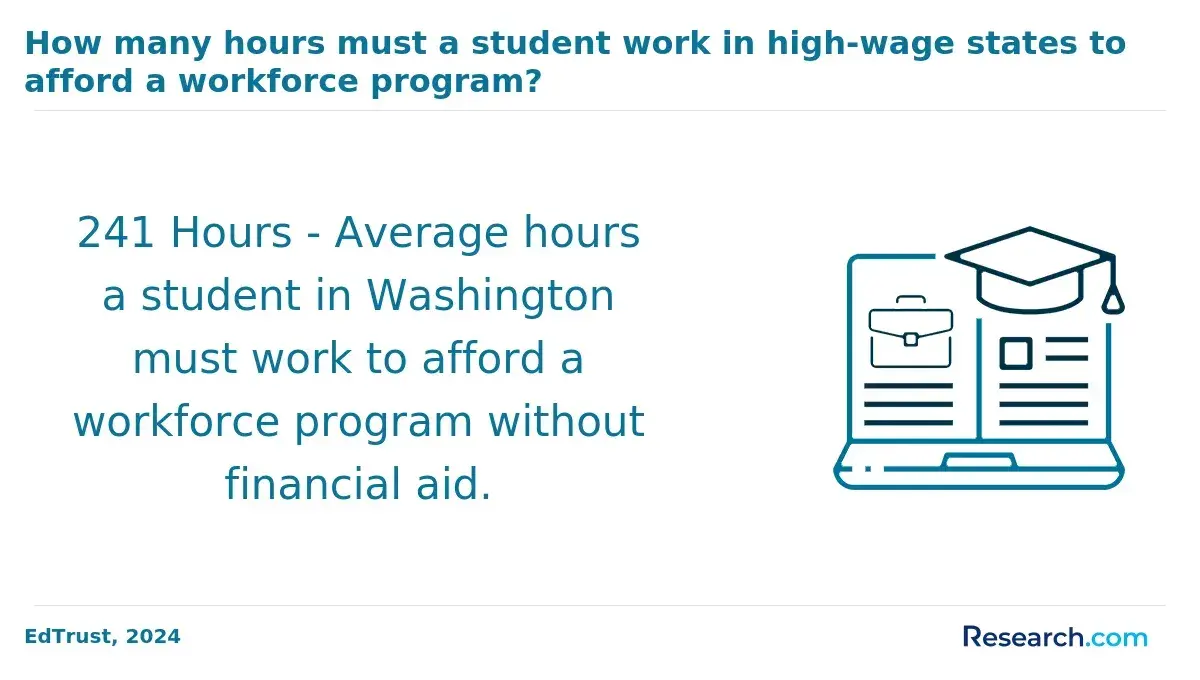
Data from 2024 sources such as the U.S. Department of Education indicate that pharmacy graduates typically face monthly student loan payments ranging roughly between $300 and $600. This range reflects an aggregate pattern influenced by various repayment strategies and debt loads, with median payments clustering near the lower end for those on income-driven plans. High tuition costs and associated fees result in pharmacy graduates often carrying debt balances in the six-figure range, driving up repayment demands compared to many other healthcare fields. The reported monthly amounts represent a balance point shaped by the interplay between fixed-term repayment schedules and flexible income-based plans designed to align payments with post-graduate earnings.
Variations in monthly payment amounts arise primarily from differences in total borrowing, repayment plan selection, accumulated interest, and graduate salary trajectories within the pharmacy workforce. Graduates repaying under standard 10-year plans face higher monthly payments, whereas those using income-driven plans may see substantially reduced monthly obligations but at the cost of longer repayment periods and greater total interest accrued. Salary differences across employment settings-from community pharmacies to specialized clinical roles-also play a critical role, as annual wages ranging from $100,000 to $130,000 dictate what is an affordable payment versus a financial strain. These factors cause monthly payments to diverge widely, reinforcing the importance of strategic repayment planning and realistic income forecasting for managing long-term financial health post-graduation.
A recent pharmacy graduate recalled the challenge of navigating admissions deadlines during rolling application cycles. With varied notification timelines from programs, uncertainty about enrollment decisions forced a strategic pause before committing to loan amounts or repayment schedules. This cautious approach underscored the delicate timing pressures prospective students face, balancing the urgency to secure a seat against the financial implications of accruing large debt without a clear repayment roadmap. The experience highlighted how early financial and career planning is essential to align educational investment with realistic repayment realities after entering the workforce.
How Do Repayment Rates Compare Between Public and Private Institutions?
Loan repayment rates among pharmacy graduates differ notably between public and private institutions, reflecting underlying financial dynamics unique to each sector. According to 2024 data from the U.S. Department of Education's College Scorecard, graduates from public pharmacy programs achieve an average loan repayment rate near 58% within three years, surpassing their private institution counterparts who average around 52%. These figures highlight persistent challenges private school graduates face in managing debt promptly despite comparable professional qualifications.
The divergence in repayment outcomes largely stems from structural cost differences and resulting borrowing levels. Private pharmacy programs generally require higher tuition and fees, pushing students toward larger loan balances that translate into heavier monthly payments post-graduation. Meanwhile, public institutions often benefit from state funding and offer more accessible income-driven repayment and loan forgiveness programs, easing repayment pressures. Graduates' income trajectories also matter; public school alumni frequently enter employment markets where earnings align more closely with debt burdens, improving repayment capacity, whereas higher debt-to-income ratios among private school graduates can extend repayment timelines and elevate default risk.
These repayment disparities carry consequences beyond immediate financial obligations. Heavier debt service can increase financial stress, restrict economic mobility, and shape perceptions of program value and institutional accountability within pharmacy education. Institutions with stronger repayment performance may signal better alignment between cost, student outcomes, and workforce integration, influencing decision-making by prospective students and policymakers who prioritize sustainable educational financing and transparent outcome measures in this critical healthcare field.
Do Online Pharmacy Graduates Have Different Repayment Outcomes Than Campus-Based Students?
Analysis of student loan repayment data reveals that graduates of public pharmacy programs tend to have lower default rates compared to their private institution counterparts, according to the U.S. Department of Education's 2024 Federal Student Aid report. Specifically, public institution graduates see cohort default rates near 7%, while private university pharmacy students approach rates around 11%. These differences reflect broader trends in repayment behavior among pharmacy students, where institutional type more strongly influences outcomes than delivery modes, including for online pharmacy graduate repayment rates. This gap underscores the importance of institutional context in assessing financial risks tied to student borrowing in pharmacy education.
The repayment disparity stems largely from structural financial and employment dynamics. Public pharmacy programs usually offer lower tuition and expanded access to subsidized loans, resulting in reduced borrowing amounts and manageable monthly payments. Conversely, private institutions often have higher tuition rates, pushing graduates toward increased debt burdens that can strain repayment capacity despite similar employment opportunities. Post-graduation earnings and employability, shaped by factors such as institutional prestige and access to internships, also influence loan performance. Graduates from public schools may benefit from established clinical partnerships that facilitate quicker entry into well-compensated roles, whereas private institution alumni sometimes face greater repayment challenges reflecting heavier debt loads and possibly longer job searches.
These repayment patterns carry implications beyond immediate loan obligations, affecting long-term financial mobility and perceptions of program value among prospective students. Elevated repayment stress in private pharmacy graduates can constrain economic flexibility, impacting career decisions and life stability post-degree. As students evaluate pharmacy programs, integrating detailed institutional repayment outcomes with realistic borrowing and income expectations becomes critical. For those considering varied learning formats, reviewing resources such as the best online exercise science degree options may provide insight into balancing program structure with financial planning tailored to healthcare education's practical demands.
Which Industries Provide the Best Financial Return Relative to Borrowing Costs?
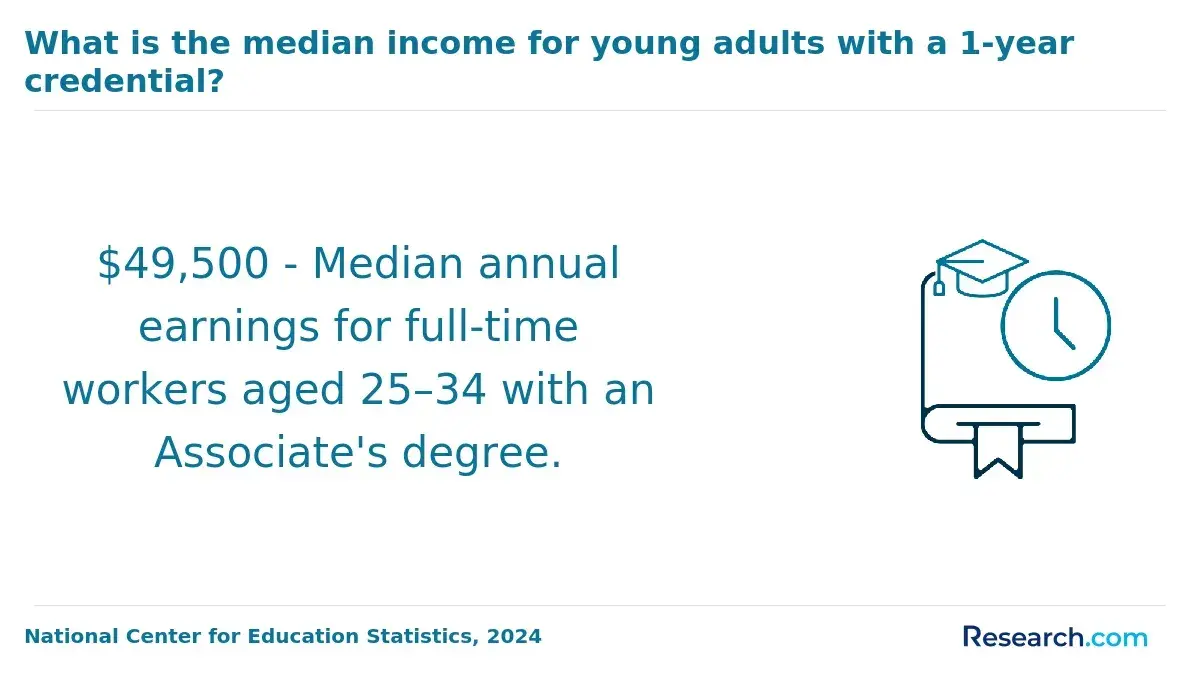
Financial return on pharmacy degrees varies widely across industries, shaped by differences in salary progression, hiring demand, and the burden of student loans. Assessing return on investment (ROI) requires weighing income growth pace against typical borrowing amounts accumulated during training-not just comparing entry-level wages. This approach reveals how debt-to-income ratios fluctuate by sector and highlights which paths more reliably support loan repayment and financial stability.
- Community Retail Pharmacy: This sector generally offers the most consistent financial return, with starting salaries averaging around $130,000 and manageable debt-to-income ratios. Rapid hiring demand and predictable cash flow enhance repayment capacity, allowing many graduates to keep their borrowing below 1.5 times their income. The shorter training pathway relative to specialized areas also reduces debt accumulation and accelerates earning potential.
- Hospital Pharmacy: While salaries can be competitive, this field often entails extended credentialing or fellowships that increase education costs and delay full earnings. The slower career progression and higher debt levels can intensify repayment challenges early on, despite eventual income growth. The narrower hiring cycles and specialized skill requirements somewhat limit borrower flexibility in managing debt.
- Specialized Clinical Pharmacy (e.g., Oncology): These roles usually require additional training leading to elevated debt but offer potentially higher long-term income. Income variability and extended time to peak earnings increase financial strain during the early stages, raising the risk profile for graduates. The tradeoff involves balancing delayed payoffs against advanced expertise that may stabilize earnings over time.
- Pharmaceutical Research: Graduates pursuing research often accumulate large debts due to prolonged education and less direct salary growth pathways. The financial return is less predictable because research positions can vary widely in income and funding stability. This undermines straightforward debt amortization and increases the repayment risk relative to retail or hospital environments.
- Long-Term Care and Assisted Living Pharmacy: These settings sometimes provide moderate starting wages but benefit from steady demand and less competitive barriers. While income growth may be slower, lower debt burdens and stable employment decrease repayment risk. These roles can appeal to borrowers prioritizing consistent cash flow over rapid salary increases.
According to a recent 2024 study by the American Pharmacists Association, approximately 65% of pharmacy graduates in retail settings maintain a debt-to-income ratio below 1.5, underscoring how sector-specific conditions influence financial sustainability relative to borrowing. Graduates are advised to consider how training length, income trajectory, and market demand interact in their chosen field to best navigate loan repayment with confidence.
Does Student Debt Affect Which Jobs Pharmacy Graduates Accept?
Student debt significantly influences the initial employment decisions of pharmacy graduates, particularly when high loan balances create pressures to prioritize immediate financial stability. Graduates carrying substantial debt frequently opt for positions offering higher starting salaries, signing bonuses, or robust loan repayment benefits to meet monthly obligations. This prioritization often causes a shift away from roles with lower pay but potentially greater professional fulfillment, such as academic or specialized clinical positions. Data from the 2024 survey by the American Association of Colleges of Pharmacy (AACP) found that nearly 60% of new graduates identified student loan burden as a key factor affecting their job choice, underscoring how debt-to-income ratios shape early career moves within the profession.
Beyond salary considerations, the relationship between debt levels and job selection also reflects broader labor market behaviors and structural constraints. Graduates with heavier debt loads tend to gravitate toward sectors providing explicit loan forgiveness or repayment assistance, while those with less debt demonstrate more flexibility to pursue roles aligned with long-term career goals, even if those positions offer lower compensation or require relocation. Geographic mobility can be limited as well, since moving for less lucrative but professionally enriching jobs may be financially untenable for indebted graduates. Such dynamics reinforce existing workforce distribution imbalances, influencing not only individual financial strategies but also broader access to specialized pharmacy care across regions and practice settings.
One pharmacy graduate recalled weighing job offers carefully during the rolling admissions and hiring season. Burdened by a high loan balance and delayed in completing certain licensure requirements, the graduate hesitated between a lower-paying hospital position that fit personal career interests and a more lucrative retail job promising immediate loan repayment benefits. The eventual choice was swayed by the urgent need to secure stable income and manage monthly payments, illustrating how timing, preparation, and financial obligations intersect in shaping early employment decisions within the field.
What Factors Increase Student Loan Repayment Risk for Pharmacy Graduates?
Student loan repayment risk for pharmacy graduates arises from the complex interplay of high borrowing levels, variable earnings, and evolving labor market realities. This risk reflects not only the total debt accumulated but also the graduate's capacity to maintain stable income and meet repayment obligations over time. Multiple factors contribute to shaping this repayment vulnerability, highlighting how financial stability depends on both academic investment and post-graduation employment conditions. The impact of borrowing patterns on pharmacy graduate repayment outcomes must therefore be analyzed with attention to both debt size and economic context.
- High Debt Burden: Pharmacy graduates often carry average debts exceeding $160,000, which results in substantial monthly repayment requirements. This heavy borrowing amplifies financial strain early in the career, limiting flexibility and increasing the risk of delayed or defaulted payments, especially when wage growth is slow or unpredictable.
- Employment Sector and Earnings Variability: Graduates working in lower-paying environments such as rural or public health settings or holding part-time positions face greater challenges managing repayment. Reduced salaries in these sectors limit disposable income, increasing the likelihood of repayment difficulties and default risk.
- Market Saturation and Wage Stagnation: The growth in pharmacy school enrollment has led to a surplus of graduates in some regions, creating downward pressure on wages. This wage stagnation, combined with high debt, weakens repayment capacity and prolongs financial vulnerability beyond graduation.
- Loan Terms and Interest Rate Fluctuations: Variable interest rates and extended repayment periods cause repayment amounts to increase unpredictably over time. Without adequate financial literacy or counseling, many graduates are unprepared for escalating costs, magnifying the default risk.
- Licensure and Employment Delays: Obstacles securing professional licensure and full-time employment extend the timeline before graduates achieve stable income. Prolonged underemployment compounds repayment challenges, as debt servicing begins before financial stability is established.
As reported by the National Center for Education Statistics, about 25% of pharmacy graduates encounter difficulty meeting monthly loan payments within five years after starting work. Prospective and current students are advised to carefully weigh these dynamics, including borrowing strategies aligned with realistic career projections and the potential benefits of income-driven repayment plans. Those exploring alternative healthcare pathways may also consider comparisons with other fields; for example, detailed insights on accelerated degree timelines can be found in resources about 5 year speech pathology programs.
How Can Pharmacy Students Reduce Student Loan Debt While Earning Their Degree?
Reducing student loan debt while pursuing a pharmacy degree demands intentional planning combined with strategic financial and academic decisions throughout the program. Debt reduction hinges on financial awareness, efficient course progression, and maximizing institutional and external resources. Pharmacy student loan repayment strategies focus heavily on minimizing borrowing through informed enrollment choices and leveraging available funding opportunities early and often.
Choose In-State or Public Institutions: Attending a public or in-state program substantially lowers tuition costs compared to private or out-of-state options, often reducing annual expenses by about 25%. This upfront saving translates into smaller loan balances accumulated over the degree duration, directly curbing borrowing needs.
Engage in Paid Internships and Residency Programs: Gaining paid pharmacy-related work during the degree reduces reliance on loans by offsetting living expenses with earned income. The 2024 American Association of Colleges of Pharmacy report shows students with paid internships decreased cumulative debt by roughly $10,000, highlighting these roles' dual benefit in financing education and enhancing employability.
Maximize Scholarships, Grants, and Loan Forgiveness: Utilizing non-loan resources reduces the principal amount borrowed and future repayment burdens. Strategic application to targeted scholarships and healthcare loan forgiveness programs designed for pharmacy professionals is essential to limit long-term debt exposure.
Prioritize Federal Subsidized Loans: These loans do not accrue interest while the student is enrolled, making them a less costly borrowing option than unsubsidized loans. Careful financial planning should exhaust these limits before taking on unsubsidized debt to minimize interest accumulation during studies.
Optimize Enrollment and Academic Efficiency: Efficient course scheduling to avoid excess credits or extended program duration lowers overall costs. Students should focus on maintaining steady progress to prevent increasing debt due to prolonged educational timelines.
Leverage Institutional Resources and Advising: Early financial counseling and academic advising can identify cost-saving opportunities and align student choices with financial aid availability, reducing unanticipated borrowing. Comprehensive support services also improve academic progression, indirectly affecting debt levels.
Consider Work-Study and Campus Employment: While balancing work and study is challenging, campus-based jobs connected to pharmacy programs may offer flexible schedules and relevant experience that supplement income without compromising academic performance.
These strategies collectively address the practical realities of pharmacy student loan repayment challenges and provide actionable pathways to reduce debt accumulation. Prospective and current students should approach borrowing with a focus on long-term financial stability and institutional aid utilization rather than solely looking for generic cost-cutting measures. For those exploring related healthcare education options, easy counseling degree programs online can also offer insights into cost and workload balancing in healthcare fields.
How Should Prospective Students Evaluate Borrowing Risk Before Enrolling?
Evaluating borrowing risk before enrolling in a pharmacy program is essential for understanding its long-term financial impact. Borrowing risk fundamentally involves balancing the total expected debt against projected post-graduation earnings and repayment capacity. Prospective students must go beyond basic budgeting to critically analyze how institutional cost structures, salary prospects, and debt management options align to create a sustainable financial outcome.
- Total Debt Load Relative to Expected Earnings: Assessing if anticipated debt exceeds two times the likely first-year pharmacy salary-reported as a median of over $180,000 in debt against about $120,000 starting salary according to the National Center for Education Statistics 2024-helps determine repayment feasibility and long-term stability.
- Program Costs and Tuition Inflation: Understanding program length, current tuition, and historical inflation rates clarifies how borrowing needs may escalate during study, enabling realistic debt projection and better financial planning.
- Loan Types and Terms: Differentiating federal from private loans, their interest rates, repayment flexibility, and deferment options informs potential payment burdens and repayment strategy.
- Employment Outcomes and Graduation Rates: Reliable data on program completion and job placement signals the likelihood of securing income streams necessary for debt servicing, directly affecting risk evaluation.
- Repayment Calculators and Income-Driven Plans: Using tools to model monthly payments as a percentage of projected gross income, after taxes and living costs, provides insight into affordability in practical terms.
- Labor Market Conditions: Anticipating shifts such as automation or policy changes helps gauge future salary trends and job security, which are critical to longer-term debt sustainability.
- Alternative Financing and Scholarships: Exploring options beyond loans can reduce total borrowing, lessening financial exposure and reducing risk.
References
- Three strategies to pay back pharmacy school loans https://www.pharmacist.com/Publications/Transitions/three-strategies-to-pay-back-pharmacy-school-loans
- Pharmacy School Loans | EdMed by ELFI https://www.elfi.com/student-loans/graduate-school-loans/medical-student-loans/pharmacy/
- How To Tackle Pharmacy Student Loans So You Can Experience Your Pharmacist Salary - The Happy PharmD https://thehappypharmd.com/how-to-tackle-pharmacy-student-loans-so-you-can-experience-your-pharmacist-salary/
- The Pharmacist Student Debt Crisis https://meetpaidly.com/blog/pharmacist-student-debt
- What is the average pharmacy school debt? https://finance.yahoo.com/news/average-pharmacy-school-debt-002514954.html
- Student Loans for Pharmacy School: What You Need to Know https://www.lendkey.com/blog/paying-for-school/student-loans-for-pharmacy-school-what-you-need-to-know/
- www.idstewardship.com: Verifying that you are not a robot... https://www.idstewardship.com/scholarships-pharmacy-students-5-tips-success/
- Student Loan Forgiveness for Pharmacists https://www.savingforcollege.com/article/student-loan-forgiveness-for-pharmacists
- Pharmacist Salary: Is It Worth the Debt? https://www.studentloanplanner.com/pharmacist-salary-student-debt-worth-it/
- Pharmacy School Debt Guide: How to Choose a Program Without Taking On Huge Loans - Lake Erie College of Osteopathic Medicine https://lecom.edu/pharmacy-school-debt-guide-how-to-choose-a-program-without-taking-on-huge-loans/
Other Things You Should Know About Pharmacy
Pharmacy residents typically earn less than fully licensed pharmacists, making aggressive loan repayment challenging and potentially unrealistic in this phase. Prioritizing essential expenses and maintaining manageable payments is often wiser during residency, while escalating repayment efforts after securing a stable pharmacist role with higher income offers better financial stability. Attempting aggressive repayment too early can strain finances and detract from professional development.
Dual-degree programs, such as PharmD/MBA or PharmD/MPH, usually extend time in school and increase borrowing, raising repayment risk. While these combinations can open diverse career paths, students must weigh the potential for higher earnings against prolonged debt accumulation and delayed workforce entry. The added debt burden may not justify the benefit unless pursuing roles that explicitly demand or highly value the second credential.
Income-driven repayment (IDR) plans can lower monthly payments during early career stages but often extend repayment periods and increase total interest paid. Graduates anticipating rapid income growth or with access to employer loan repayment assistance may prefer standard plans to minimize interest. Conversely, those in lower-paying or unstable roles might prioritize IDR for cash flow stability, accepting longer-term cost for reduced short-term financial stress.
Refinancing can lower interest rates but often sacrifices federal loan protections essential in unpredictable pharmacy career trajectories, like income-driven plans or loan forgiveness. Immediate refinancing may benefit graduates with stable employment at higher salaries and no plans to shift into residency or public-sector roles. Otherwise, maintaining federal loans provides flexibility critical to managing repayment risk amid pharmacy's variable career progression.