2027 Do Employers Pay for Surgical Tech Degrees: Tuition Reimbursement and Sponsorship Options

Co-Founder and Chief Data Scientist
Many prospective surgical tech students face the challenge of financing their education, with average program costs ranging from $10,000 to $20,000. Over 70% of students graduating with medical-related degrees carry significant debt, which can delay career advancement and financial stability. Employer tuition reimbursement and sponsorship programs may alleviate these financial burdens but vary widely across healthcare organizations.
This article explores common employer-supported options, eligibility criteria, and how to navigate these programs. It aims to provide clear guidance on maximizing financial aid opportunities to help reduce or cover the cost of surgical tech degrees through employer partnerships.
Key Benefits of Employers Paying for Surgical Tech Degrees
- Employers often offer tuition reimbursement for surgical tech programs, reducing average student debt, which can exceed $20,000, making education more affordable and accessible.
- Sponsorships from healthcare employers may include paid clinical rotations, providing hands-on experience while alleviating financial burdens during training.
- Funding options typically encourage employee retention, increasing job security and career advancement opportunities within surgical tech roles.
Do Employers Pay for Surgical Tech Degrees?
Employer tuition reimbursement for surgical tech degrees is fairly common, though it varies widely depending on the sector and company size. Approximately 60% of U.S. employers offer some form of educational assistance to their workforce, according to the Society for Human Resource Management. Many healthcare organizations invest in employees pursuing surgical tech degrees to address shortages and improve staff retention.
Supporting education helps build a skilled workforce aligned with industry needs, fostering greater employee loyalty and job satisfaction. Such tuition reimbursement or sponsorship programs may also require recipients to maintain certain academic standards or commit to working for the employer for a specified time.
Employer payment trends for surgical tech degree sponsorship programs often depend on how closely the degree relates to job duties and workforce demands. Hospitals and surgical centers are more likely to provide financial support compared to employers outside healthcare. Larger institutions generally offer more generous educational benefits than smaller practices.
This variability can influence whether prospective students see a surgical tech degree as a viable investment. Exploring options for educational funding is important, especially since some may need to consider alternative programs, including the benefits of other healthcare paths such as a pharmacy school online for broader career opportunities.
What Types of Tuition Assistance Do Employers Offer for Surgical Tech Degrees?
Employer-provided tuition support is a valuable consideration for professionals pursuing a surgical tech degree because it can significantly reduce the upfront financial burden and lower overall out-of-pocket costs. These benefits help minimize financial risk while allowing students to gain skills essential for advancing their healthcare careers.
Many working students explore employer tuition reimbursement for surgical tech programs as a key financial assistance option.
- Tuition reimbursement: Employers often repay a percentage of tuition expenses after successful course completion, typically up to an annual limit. This type of assistance reimburses costs related to surgical tech programs, easing the financial load once coursework is completed.
- Direct payment: Some employers pay tuition fees directly to the educational institution, eliminating the need for employees to cover upfront costs. This method helps students avoid large outlays and focus on their surgical tech studies.
- Scholarships: Dedicated scholarship funds from employers may be available specifically for surgical tech education, providing additional financial support to reduce expenses such as fees and textbooks.
- Loan forgiveness: Certain programs offer student loan reduction or forgiveness in return for committing to work for the employer in healthcare settings for a set period. This can alleviate long-term debt associated with earning a surgical tech degree.
Exploring financial assistance options for surgical tech degrees, including employer tuition support, is essential for managing educational costs effectively. Prospective students can also research related opportunities through resources like easiest DNP programs to discover pathways for affordable healthcare education.
Who Is Eligible for Employer Tuition Reimbursement for Surgical Tech Degrees?
Confirming eligibility criteria for employer tuition reimbursement surgical tech programs is essential when planning your education financing. These requirements influence when you can start your program, which institutions qualify, and ultimately, your overall return on investment.
Knowing who qualifies for employer-sponsored surgical tech programs can help avoid surprises and optimize the support you receive.
- Employment status: Most tuition reimbursement plans require you to be a full-time employee, and some restrict eligibility to certain job categories within the company.
- Tenure requirements: Employers often require a minimum length of service before approving reimbursement, ensuring that employees demonstrate commitment before investing in their education.
- Job relevance: The surgical tech degree must generally be related directly to your current role or a potential position within the company to qualify for funding.
- Academic performance: Maintaining a minimum grade point average or passing designated courses is typically necessary to continue receiving tuition support.
- Approval processes: Pre-approval of courses or programs is commonly mandated, so it's important to get your surgical tech program approved before enrolling.
- Ongoing employment: You may be required to remain employed for a certain period during or after completing your studies to retain benefits or repay tuition assistance.
Being aware of these key factors ensures that prospective students meet eligibility requirements and select appropriate programs that maximize benefits. For those also interested in related healthcare education, consider exploring the cheapest medical coding certification online options to supplement your skills and career opportunities.
Incorporating these insights into your planning will help you better understand eligibility criteria for employer tuition reimbursement surgical tech paths and increase the likelihood of a successful, cost-effective educational experience.
For students pursuing a surgical tech degree while working, knowing how employer tuition reimbursement programs operate can significantly reduce educational expenses and improve your overall investment. These programs vary between employers but generally follow similar guidelines and requirements.
Here's an overview of how such tuition assistance typically works.
- Approval Process: Employees usually need to get prior authorization before enrolling in courses to confirm the program aligns with company goals and job responsibilities, often requiring a formal application or request.
- Payment and Reimbursement Timing: Some employers disburse funds directly to the educational institution upfront, while others reimburse employees after successful course completion.
- Documentation Requirements: To receive reimbursement, you must submit proof of tuition payments along with evidence of course completion, such as transcripts or grade reports, demonstrating you met any set academic criteria.
- Reimbursement Limits: Programs commonly impose annual or per-course caps on the amount covered, so students should plan for potential out-of-pocket expenses beyond what the employer reimburses.
- Academic Performance Expectations: Maintaining a minimum GPA or satisfactory progress is often required, and employees may need to commit to staying with the company for a specified period post-reimbursement to avoid repayment obligations.
Over the past decade, employers have become increasingly open to supporting online degrees, reflecting changes in education and workforce training. Yet, when it comes to surgical tech degrees specifically, company sponsorship for online programs remains inconsistent.
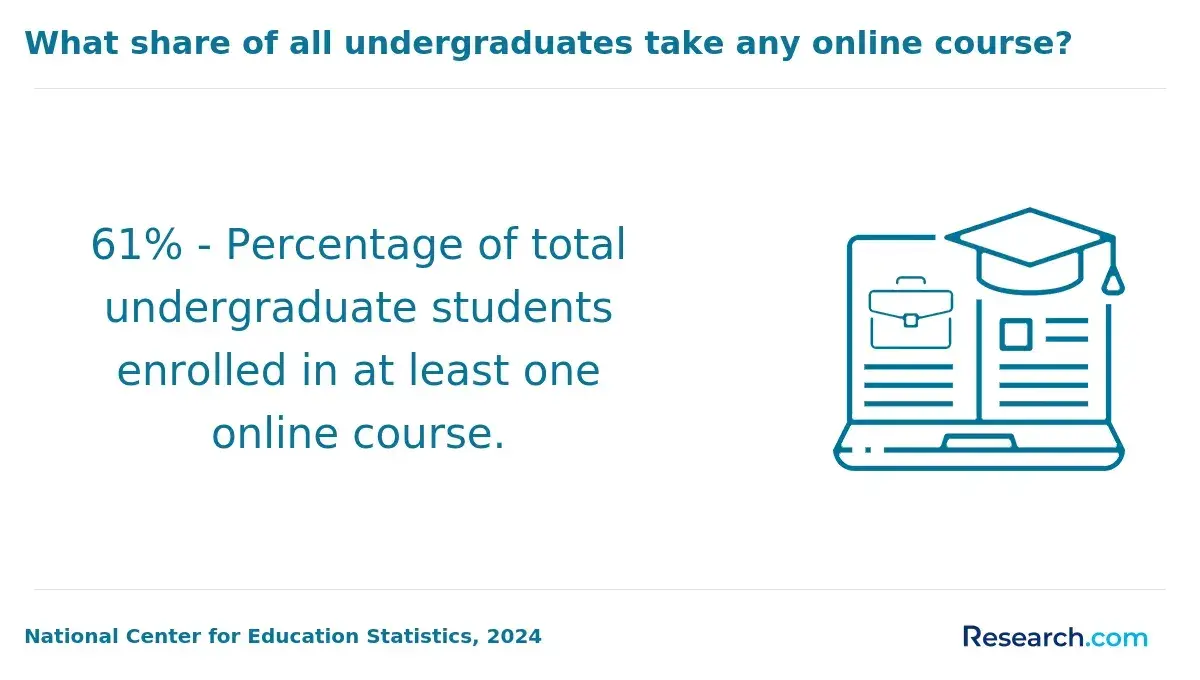
A notable study indicates that about 60% of employers provide some tuition assistance, but fewer clearly include online course options, especially for hands-on medical fields. This suggests that while the acceptance of online education is growing, many employers still favor programs incorporating direct clinical experience or hybrid learning formats that better prepare employees for surgical tech roles.
When deciding whether to back an online surgical tech degree, employers typically weigh several considerations: accreditation status to ensure program legitimacy; how well the curriculum fits the employee's current or future job functions; the program's rigor compared to traditional in-person training; and whether the degree supports broader organizational goals such as skill enhancement or compliance with healthcare standards.
In discussing these challenges, a professional who completed an online surgical tech degree through employer sponsorship shared valuable insights. He described initial uncertainty about whether his company would approve funding since online surgical tech programs often face skepticism. He carefully gathered information on program accreditation and demonstrated how the coursework aligned with his responsibilities.
After navigating multiple approval steps, including conversations with human resources, he was grateful the support came through, calling the process "a mix of persistence and clear communication." This experience highlights how individuals can increase their chances of securing sponsorship for online surgical tech education by proactively addressing employer concerns.
Employer tuition reimbursement limits play a crucial role in determining the affordability and return on investment of a surgical tech degree. These caps can restrict the amount of financial support available, affecting how much students ultimately save on education costs.
About 57% of U.S. employers provide some form of tuition assistance, underscoring its relevance but also the variability in coverage. Understanding these limits helps prospective students gauge realistic financial aid prospects and make informed decisions.
Annual reimbursement limits typically range between $3,000 and $5,250, aligning with IRS rules that allow up to $5,250 per year in tax-free educational benefits. Lifetime caps may also apply but vary greatly, impacting long-term education planning. Reimbursement amounts often differ based on industry sector, employer size, and how closely the degree aligns with the employee's role.
For example, healthcare employers like hospitals may offer higher tuition support to surgical tech employees compared to unrelated industries, with federal tax policies influencing these thresholds without altering employer discretion.
Employees considering an employer-sponsored surgical tech degree should be aware of potential financial penalties if they leave the program prematurely. Nearly one-third of participants in such programs face repayment obligations due to unfulfilled time commitments, making it essential to understand the terms before enrolling.
Common outcomes for early program departure include the following:
- Tuition Repayment Requirements: Employees may be required to pay back any tuition or fees the employer has already covered. This repayment often includes all reimbursed costs up to the point of departure.
- Prorated Repayment Plans: Some agreements adjust the amount owed based on how long a student participated in the program or remained employed. The longer the retention period served, the less the individual may need to repay.
- Early Termination Penalties: Additional fees or sanctions can apply if the agreement is ended before the designated timeframe. These clauses are designed to discourage premature exits.
- Loss of Future Educational Benefits: Leaving early might also disqualify employees from accessing future company-sponsored training or professional development opportunities.
A professional who completed a surgical tech degree through an employer's tuition assistance program shared her reflections when asked about penalties for leaving early. She recalled feeling apprehensive about committing to the company's required retention period but appreciated the financial relief the program offered.
Navigating the contractual terms was challenging; she emphasized the importance of carefully reviewing all obligations before agreeing. Ultimately, staying with the employer allowed her to use the degree to advance her career without any repayment burdens.
She described the experience as a pivotal decision that shaped her professional path positively and encouraged others to weigh the trade-offs thoughtfully before enrolling in similar programs.
Evaluating how employer-sponsored education influences career earnings is essential for working professionals considering a surgical tech degree. This approach not only reduces upfront costs but also accelerates professional growth, affecting long-term earning potential.
Studies show that employees participating in employer-funded education programs are 15% more likely to receive promotions, signaling stronger career advancement prospects. The impact can be summarized through several key factors:
- Increased Promotion Opportunities: Employer-paid surgical tech degrees often lead to greater recognition within healthcare organizations, making candidates more eligible for promotions and higher-level responsibilities.
- Faster Career Progression: By removing financial barriers, employer sponsorship allows students to complete advanced qualifications sooner, speeding up the timeline to reach specialized or leadership roles.
- Access to Higher-Paying Roles: Higher qualifications typically unlock positions with greater responsibilities and salaries, directly contributing to improved long-term earning potential for surgical techs.
- Enhanced Skills and Qualifications: Sponsorship programs often include advanced training and certification, which enhance professional credibility and competitiveness in a crowded job market.
- Return on Investment: Employer-paid education minimizes financial risk and increases job security, making it a strategic investment for both career satisfaction and financial stability.
For those exploring educational options, it's useful to compare costs and benefits, including programs that offer flexibility and value. Resources such as affordable online nursing programs can provide additional pathways to develop related healthcare skills efficiently.
Considering how career advancement with employer-paid surgical tech degrees influences long-term earning potential is critical for maximizing the benefits of further education in this field.
Requesting employer tuition reimbursement for a surgical tech degree requires proactive communication and thorough preparation. Studies show that over 60% of employers recognize that supporting employee education boosts workplace productivity.
Effectively presenting your case can increase your chances of obtaining employer sponsorship for surgical tech degree costs. Below are key strategies to approach this process successfully.
- Research Company Tuition Policies: Start by identifying your employer's tuition reimbursement programs or educational assistance policies. Understanding eligibility criteria and reimbursement limits helps tailor your request appropriately.
- Prepare a Business Case: Develop a concise explanation showing how your surgical tech education will enhance your job performance and benefit the organization. Linking your goals to company priorities strengthens your position.
- Schedule a Formal Meeting: Arrange a professional discussion with your supervisor or HR representative. This dedicated time allows you to clearly present your request and demonstrate your commitment to career growth.
- Demonstrate Program Relevance: Explain how the surgical tech program aligns with your current role or future opportunities within the company. Providing program details and timelines supports this alignment.
- Follow Up with Documentation: After the meeting, send a summary email attaching all relevant materials such as program costs and schedules. This reinforces your professionalism and keeps the conversation documented.
For those exploring options to further their medical career beyond surgical tech degrees, consider reviewing resources on affordable RN to BSN online programs. This can complement employer-sponsored education and expand your qualifications in healthcare.
Students pursuing a surgical tech degree without employer sponsorship often face substantial tuition costs that can become a financial burden. Nearly 60% of postsecondary students rely on financial aid, making it essential to explore alternative funding pathways to manage expenses effectively.
- Apply for federal and state aid: Programs like Pell Grants, the Federal Supplemental Educational Opportunity Grant (FSEOG), and federal loans help eligible students secure funding with reasonable repayment plans. These options form a key foundation for financing education.
- Seek scholarships and grants: Many scholarships target healthcare students based on merit, financial need, or demographics. These grants offer valuable non-repayable funds that can significantly offset tuition costs.
- Use personal savings or private loans cautiously: While personal savings can reduce loan dependence, private loans should be approached carefully to avoid high debt. Thorough research and budgeting are essential before borrowing.
- Explore income-share agreements: These agreements allow students to pay back education costs as a percentage of future income, aligning repayment with earning potential and providing flexibility compared to traditional loans.
- Consider part-time or online programs: Enrolling in flexible formats helps students maintain employment while studying, spreading tuition payments over time and lowering immediate financial pressure.
What Graduates Say About Employers Paying for Their Surgical Tech Degrees
- Lily: "The surgical tech degree program generally costs around $15,000, which felt overwhelming at first. Thanks to my employer's generous tuition assistance, I was able to cover nearly all expenses without dipping into my savings. This support not only made the financial burden manageable but also opened doors for advancement in my hospital, allowing me to gain hands-on experience and grow professionally. "
- Bella: "Covering the cost of a surgical tech degree, typically about $12,000 to $18,000, seemed daunting until my employer offered sponsorship. Reflecting on that opportunity, I realize how pivotal it was in easing my financial stress and enabling me to focus fully on my studies. Employer-sponsored education has truly elevated my career, providing me with confidence and skills that helped me secure a better position in the operating room. "
- Melissa: "As someone pursuing a surgical tech degree, the average program fee of $14,000 was a significant investment. Employer tuition assistance substantially alleviated this cost, making it feasible to complete the program without long-term debt. Professionally, having that employer-backed credential enhanced my credibility and facilitated my promotion to a senior surgical technologist role. "
Other Things You Should Know About Surgical Tech Degrees
Yes, amounts above the IRS Section 127 limit are taxable. In 2027, employers can exclude up to $5,250 per year for qualified education assistance; anything above that is usually reported on the employee’s W-2 and subject to payroll taxes.
Most employer tuition reimbursement programs for surgical tech employees require maintaining a minimum grade or GPA, often a "C" or better. This ensures that the employee is making satisfactory academic progress and benefiting from the investment. Specific grade requirements vary by employer and program.
Employer tuition reimbursement up to $5,250 per year is generally excluded from taxable income under U.S. tax law. Amounts above this limit may be considered taxable income unless the employer designates the benefit differently. Surgical tech employees should consult tax guidelines or a financial advisor to understand their specific tax implications.
- Tuition Support - Education Fund https://theedfund.org/tuition-support/
- Cost to Become a Surgical Tech (Programs & Certification) https://www.stepful.com/post/cost-to-become-a-surgical-tech
- Surgical Technologist Program | Online Training + Certification https://skilltrade.com/programs/surgical-technologist
- Surgical Technology Education Incentive Program (EIP) https://www.nyuhscareers.org/EIP/SurgTechs/
- Surgical Technologist Training Program Application - DH Career Institute https://dhcareerinstitute.org/surgical-technology-training-program-application/
- Policies https://www.nbstsa.org/policies
- Top 10 Surgical Technologist Programs https://nurse.org/healthcare/surgical-tech-programs/
- Expert Answers on Surgical Tech Job Issues and Legal Advice https://www.justanswer.com/employment-law/83bf3-hi-i-m-surgical-tech-just-fired-supposed.html
- How to Become a Surgical Technologist | Job Outlook & Salary https://www.brooklinecollege.edu/blog/how-to-become-a-surgical-technologist/
- Surgical Technologist Training Program https://medcerts.com/programs/healthcare/surgical-technologist