2027 Is a 2-Year Surgical Tech Degree Worth It: Accelerated Bachelor's ROI & Time Trade-Offs

Co-Founder and Chief Data Scientist
Many prospective students face a dilemma: is pursuing a 2-year surgical tech degree a smart investment compared to accelerated bachelor's programs? The U. S. Bureau of Labor Statistics projects a 12% growth for surgical technologists through 2031, highlighting the expanding workforce demand. However, accelerated bachelor's degrees often promise faster credentialing combined with higher earning potential, complicating the decision. This article examines the trade-offs between time and return on investment by analyzing salary data, program duration, and career advancement opportunities. It aims to equip readers with insights to make informed choices about accelerated surgical tech education and long-term professional outcomes.
Key Benefits of a 2-Year Surgical Tech Degree
- A 2-year surgical tech degree offers a faster pathway to employment, typically allowing graduates to enter the workforce and earn within 24 months.
- Accelerated programs reduce tuition costs relative to longer degrees, increasing overall ROI by minimizing debt burden before starting a career.
- With an expected 7% job growth through 2030, graduates enjoy strong employment prospects and competitive salaries that justify the investment of time and resources.
How Do 2-Year Surgical Tech Programs Work?
Two-year surgical tech programs offer an accelerated path for students aiming to enter operating room roles quickly, making an understanding of their structure essential for those weighing the time commitment against career goals. These programs are designed with efficient pacing and rigorous coursework to equip learners with core competencies without unnecessary delay.
Below is an overview of how this 2 year surgical tech program structure typically operates.
- Accelerated pacing and year-round enrollment: Courses are delivered continuously with shorter breaks, enabling program completion in about 18 to 24 months instead of the traditional two years or longer.
- Condensed course terms: Terms run on a tightened schedule, requiring students to manage heavier workloads in shorter time frames to maintain steady progress.
- Credit load expectations: Students face increased credit hours per term compared to regular programs, demanding dedication to both study and hands-on practice as part of an accelerated surgical tech course workload.
- Instructional format: A blend of lectures, in-person labs, and supervised clinical placements ensures comprehensive skill development under experienced professionals.
- Assessment methods: Evaluation combines written exams, practical demonstrations, and performance reviews in clinical settings to verify readiness for certification.
- Curriculum progression: The sequence starts with foundational knowledge in early terms, gradually shifting to applied skills and real-world experience for steady professional growth.
According to labor statistics, these accelerated programs reduce education time significantly, allowing quicker entry into a growing job market with median wages near $49,710. For those interested in further educational opportunities, exploring options such as DNP programs online may be beneficial for career advancement within healthcare.
What Are the Admission Requirements for a 2-Year Surgical Tech Degree?
Students considering an accelerated bachelor's in surgical tech should familiarize themselves with typical admission requirements to plan an efficient educational path and determine if they meet eligibility. Knowing these criteria helps align expectations and streamline the application process.
Below is a detailed breakdown of common admissions factors for a 2-year surgical tech program.
- Prior Education: Most programs require a high school diploma or GED as a minimum foundation. This baseline ensures applicants have essential academic skills needed for technical coursework and clinical practice.
- GPA Expectations: A minimum GPA between 2.5 and 3.0 is generally expected to demonstrate the student's capability to manage the program's rigor. Maintaining this academic standard supports success in accelerated surgical technology degree curricula.
- Prerequisite Courses: Completion of foundational courses such as biology, anatomy, and sometimes chemistry or medical terminology is often mandatory. These prerequisites prepare students with essential knowledge applicable to surgical technology roles.
- Standardized Testing: Some programs require standardized test scores like the TEAS (Test of Essential Academic Skills) to assess readiness for health science studies. These scores provide additional insight into an applicant's academic preparedness.
- Work Experience or Exposure: While direct healthcare work experience may not always be required, having volunteered or shadowed in surgical environments strengthens applications. Familiarity with medical settings signals commitment and practical awareness.
- Certifications: CPR certification is frequently required before beginning clinical training. This ensures basic emergency preparedness crucial for surgical tech professionals.
Meeting these admissions standards is critical for those evaluating a 2-year surgical tech program admissions requirements and determining eligibility criteria for accelerated surgical technology degree pathways.
Students may also consider programs like online DNP programs without dissertation as alternatives for continuity in healthcare education and advancing their careers.
What Does a Typical Week Look Like in a 2-Year Surgical Tech Program?
For anyone considering an accelerated surgical tech degree, knowing the weekly schedule and workload is crucial for setting realistic expectations and preparing to manage time effectively. A well-rounded understanding helps prospective students gauge how the program's blend of theory and practice will fit into their lives. Below is a breakdown of typical weekly components within such an intense 2-year program.
- Class Sessions and Lectures: Mornings are often filled with classes covering anatomy, surgical methods, aseptic procedures, and medical terminology, laying the theoretical foundation essential to surgical tech work.
- Assignments and Assessments: Frequent evaluations, including quizzes, practical skills tests, and written exams, are designed to reinforce learning and identify areas needing improvement throughout the program.
- Group Collaboration: Working in teams on case studies and projects simulates the collaborative environment of an operating room, encouraging critical thinking and interpersonal skills.
- Independent Study: Outside scheduled hours, students devote significant time to reviewing complex concepts, practicing technical skills, and preparing for assessments to stay ahead in the accelerated curriculum.
- Instructor Engagement: Instructors provide ongoing mentorship through office hours and lab sessions, emphasizing professionalism, attention to detail, and teamwork vital for surgical settings.
- Time Management Demands: The fast pace and heavy course load require students to balance academic responsibilities and personal commitments carefully, making efficient planning indispensable.
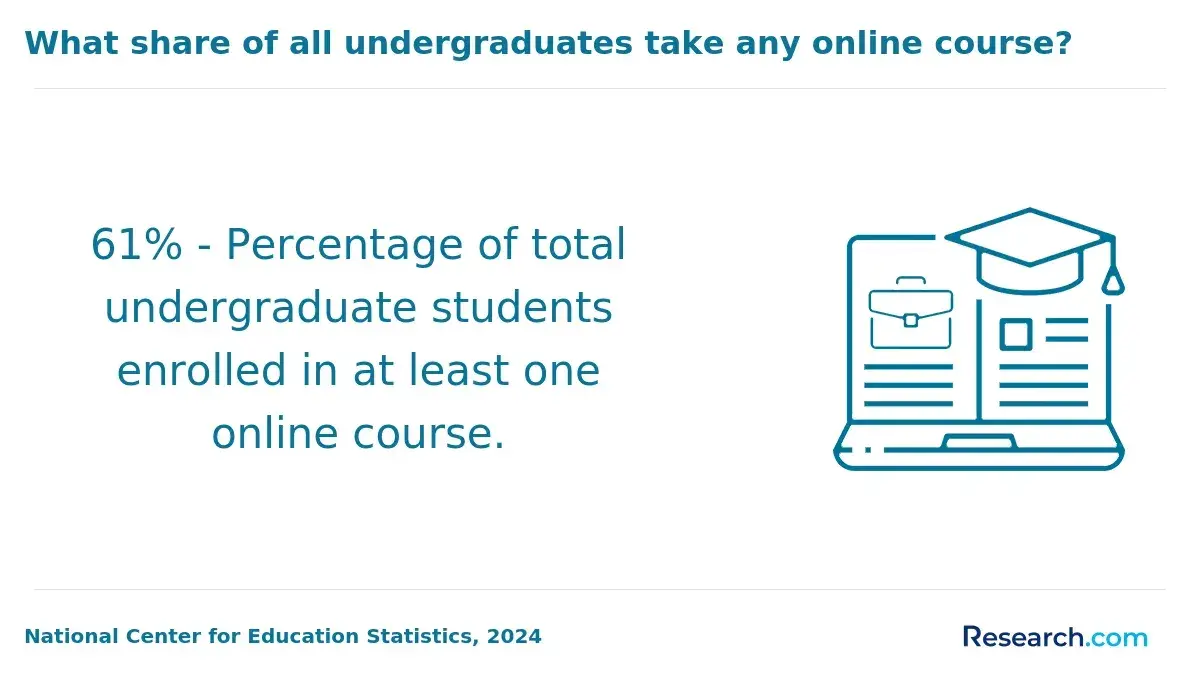
Breakdown of Public Fully Online Title IV Institutions

Choosing the delivery format for a two-year surgical tech program directly influences flexibility, accessibility, and time management for students, especially those balancing work or family. Understanding how online options are structured helps prospective students select a path that fits their lifestyle and accelerates their educational goals.
Below is an overview of key aspects to consider regarding online and hybrid program formats.
- Fully Online vs. Hybrid Formats: Completely online surgical tech programs are uncommon due to necessary hands-on clinical training that must occur in person. Most programs offer hybrid models combining online theory with face-to-face lab and clinical experiences.
- Asynchronous and Synchronous Learning: Asynchronous coursework allows students to study at their own pace with recorded lectures and assignments, while synchronous sessions enable live interaction and real-time feedback through virtual classes or discussions.
- Technology Requirements: Reliable internet, a computer equipped with a webcam, and access to a learning management system are essential to participate effectively in online components and submit assignments.
- Student Support Services: Virtual resources like academic advising, tutoring, career counseling, and technical support mirror traditional campus services, providing crucial assistance to foster student success in fast-paced programs.
- Impact on Pacing and Engagement: Hybrid delivery often accelerates completion timelines by integrating flexible online study with mandatory clinical practice, but requires strong self-discipline to manage remote learning alongside in-person commitments.
Evaluating the total cost of a 2-year surgical tech degree is crucial for determining whether the time and financial investment align with your career goals. With accelerated programs, the balance between upfront expenses and faster workforce entry shapes your return on investment. Below is a detailed breakdown of key expenses to consider when assessing affordable surgical tech degree expenses.
- Tuition Structure: Accelerated surgical tech programs often charge tuition per credit hour or offer flat rates for full-time enrollment. While this can increase short-term costs due to the condensed course load, the overall tuition tends to be less than traditional formats because the program duration is halved.
- Mandatory Fees: Alongside tuition, students should expect mandatory fees which can include registration, lab usage, and technology access. These fees cover essential resources for hands-on learning and specialized equipment necessary for a surgical tech education.
- Textbooks and Learning Materials: Costs for textbooks and supplies usually represent a smaller fraction of expenses but remain necessary. Given the specialized nature of a surgical tech program, some materials may be more expensive or require frequent updating.
- Technology and Lab Costs: Many accelerated programs include additional technology fees to fund simulation labs or software crucial for developing practical skills. These costs vary but are important for immersive, hands-on training.
- Accelerated Program Cost Benefits: Though quarterly expenses might be higher, accelerated pacing reduces living and ancillary costs by shortening program length from four years to two. Graduates can enter the workforce sooner, potentially increasing overall return on investment.
Prospective students interested in related fields might also explore options like a healthcare administration online degree for broader career opportunities within the healthcare industry.
Financial aid can be a decisive factor for students weighing the benefits of accelerated surgical tech programs, especially those lasting around two years. Securing funding often determines whether students can afford the condensed course load and related expenses. Below is an overview of key financial aid options and how program pacing can influence access and timing.
- Federal student aid eligibility: Accreditation status and enrollment level generally affect qualification for federal aid like Pell Grants and Direct Loans. Accelerated programs usually qualify, but the faster completion rate may alter when and how funds are disbursed, since financial aid is often tied to credit hours or semesters completed.
- Scholarships and grants: Many scholarships target surgical tech or allied health students, offered by professional groups and local organizations. These awards are typically merit- or need-based, helping lower out-of-pocket costs considerably.
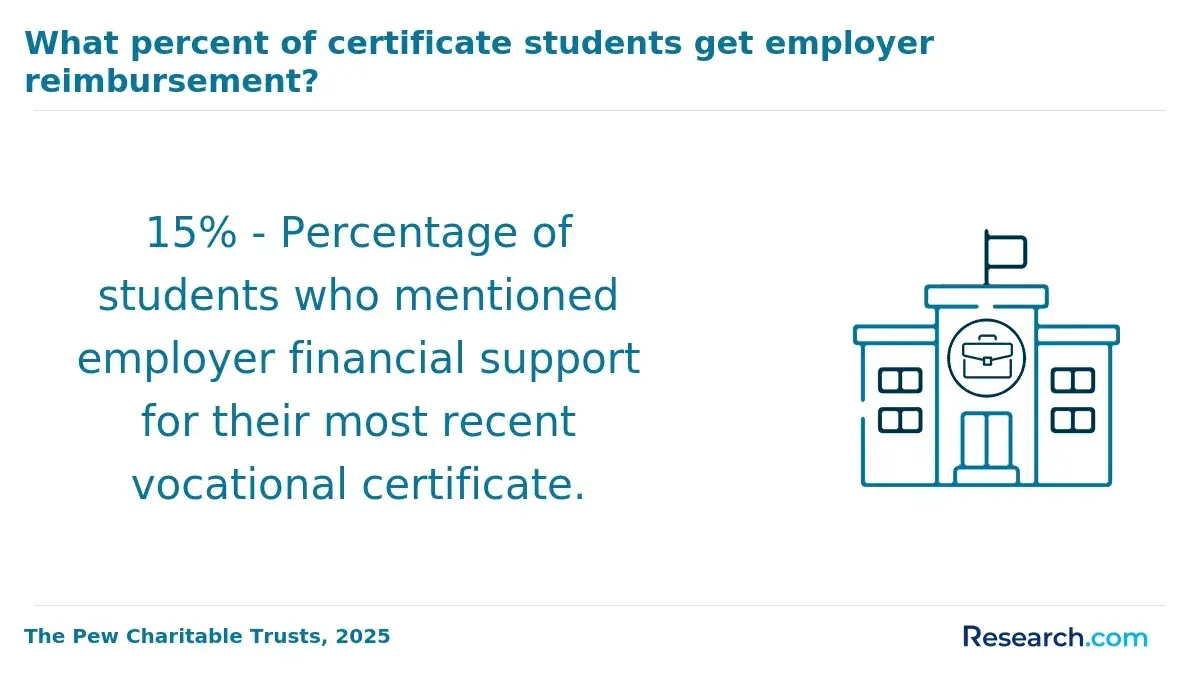
- Employer tuition assistance: For working adults, some employers provide reimbursement or assistance for relevant clinical certifications or degrees. Such programs can ease financial burdens while combining work and study.
- Payment plans: Institutions may allow flexible payment schedules to spread tuition costs over the program duration, which can be especially helpful given the compressed timeline of accelerated options.
- Impact of accelerated pacing: While shorter programs save time, they can complicate financial aid schedules. It's important to coordinate closely with financial aid offices to understand timing and availability of disbursements throughout the intensive coursework.
When evaluating the value of an accelerated bachelor's degree in surgical tech, understanding the potential career outcomes is essential. Knowing the range of positions available after completing a 2-year surgical tech degree helps prospective students align their educational investment with their professional goals.
Below is an overview of common job opportunities and career paths that graduates typically pursue.
- Entry-level operating room technician: Graduates often start in hospitals, outpatient surgical centers, or specialized clinics, assisting surgeons and nurses by preparing instruments and maintaining sterile environments. These roles provide essential hands-on experience and support during surgeries.
- Surgical equipment specialist: With additional experience, surgical techs can move into positions that focus on managing and maintaining surgical instruments and technology, ensuring equipment readiness and compliance with safety standards.
- Sterile processing manager: Some graduates advance to supervisory roles overseeing sterile processing departments, responsible for the decontamination and sterilization of surgical tools critical for patient safety.
- Accelerated training benefits: The condensed 2-year format accelerates workforce readiness through intensive hands-on training and clinical practicums, helping students develop practical skills efficiently and enter the job market sooner than traditional four-year programs.
- Further career options after 2 year surgical tech degree: While a 2-year degree is a strong foundation, many pursue accelerated bachelor's degrees to gain leadership, healthcare management, and advanced surgical technology knowledge for broader advancement opportunities.
For those interested in expanding their career options beyond direct surgical tech roles, exploring affordable accredited healthcare administration degrees can provide valuable management skills and open doors to new healthcare pathways.
Reliable data from education research centers emphasize that accelerated degrees balance time investment with quicker entry into various well-paying healthcare roles, making them a strategic choice for many students.
Salary outcomes are a critical factor when evaluating the return on investment (ROI) of accelerated versus traditional degree paths. For prospective students choosing between a 2-year surgical tech degree and a traditional bachelor's program, understanding comparative earnings is essential to making an informed decision.
The following points outline key differences in salary and career implications.
- Early-career earnings: Surgical techs with 2-year degrees typically start near the median annual wage of about $49,710 (2023 BLS data), benefiting from faster workforce entry, while healthcare-related bachelor's degrees often report early salaries ranging from $60,000 to $80,000, reflecting broader responsibilities.
- Long-term earning potential: Bachelor's degree holders generally experience higher long-term salaries due to expanded career advancement opportunities, supervisory roles, and easier access to specialized certifications, which can increase earning capacity well beyond entry-level positions.
- Employer perception: Some employers value the hands-on skills of surgical tech graduates with associate degrees, while others prioritize the broader education of bachelor's degree holders for promotion and leadership roles, influencing salary progression over time.
- Career progression timelines: Graduates with bachelor's degrees typically advance more quickly into management and administrative positions, whereas surgical techs often need additional credentials or further education to achieve comparable upward mobility and salary increases.
- Impact of faster workforce entry: Individuals completing a 2-year program enter the workforce sooner, which may lead to better short-term earnings and the capacity to build experience earlier; however, accelerated bachelor's programs, such as those offered through cheapest online RN to BSN programs, can save 1 to 2 years over traditional paths, potentially enhancing lifetime earnings by facilitating earlier promotions.
When comparing the salary differences between surgical tech associate and bachelor's degrees, weighing both immediate income and long-term potential is important. The comparative earnings surgical tech 2-year degree vs bachelor's degree discussion continues to evolve with healthcare industry demands and educational innovations.
Return on investment (ROI) is essential for students weighing accelerated surgical tech degree options, as it reflects the balance between educational costs and future earnings. Evaluating ROI helps in making informed decisions about the time, money, and effort invested in these intensive programs. Below is a breakdown of the primary elements influencing ROI in accelerated surgical tech bachelor's degrees.
- Time-to-completion: Accelerated programs reduce the usual four-year duration to around two or three years, allowing quicker entry into the workforce. This shorter timeline minimizes tuition expenses and lessens the period without full-time income.
- Tuition and total cost: Although annual tuition may be higher due to program intensity, the overall cost often stays competitive because of reduced study length. Fewer months of living expenses without a salary also contribute to improved financial feasibility.
- Opportunity cost savings: Graduates benefit from entering surgical tech roles sooner, earning the median salary of roughly $49,000 as of 2023. Starting work earlier helps offset initial educational expenses and enhances net ROI.
- Employment outcomes: Programs that emphasize strong clinical training and certification attainment tend to achieve higher job placement rates. With a projected 12% growth in demand for surgical techs through 2030, stable career opportunities support positive returns.
- Salary growth potential: Holding a bachelor's degree may unlock access to advanced positions and specialties, potentially increasing earnings over time. However, salary gains vary depending on location and employer.
- Industry demand: Expanding needs for skilled surgical techs reinforce long-term job security, making investment in accelerated degrees more valuable.
- Transferability of skills: Broader healthcare knowledge and leadership training within accelerated curricula can enhance versatility. These additional competencies aid in career mobility and progression into administrative or management roles.
Choosing a 2-year surgical tech degree depends on several personal and professional factors. Consider whether your learning style fits an intensive, fast-paced program that requires consistent dedication. If you have limited availability due to work or family commitments, this shorter path may offer a more manageable balance while accelerating your entry into the workforce. Reflect on your urgency to begin a career and how quickly you want to achieve your goals. Understanding your readiness to handle the program's intensity is crucial for success.
Financially, weigh the tuition costs against potential earning power and job prospects. The median wage for surgical technologists was around $49,710 in 2023, with job growth expected to outpace many fields. A 2-year degree can reduce education expenses and lost income compared to longer programs, improving your return on investment. However, some employers may prefer candidates with bachelor's degrees, which could impact long-term flexibility and advancement. Evaluating these factors will help you determine if this pathway aligns with both your career ambitions and financial needs.
What Graduates Say About Their 2-Year Surgical Tech Degree
- Aspen: "I chose the 2-year accelerated surgical tech program because I wanted to enter the healthcare field quickly without sacrificing quality training. Balancing the intense schedule was tough, but the structured curriculum and supportive instructors helped me stay on track. Since graduating, the degree has opened doors to advanced positions and better pay, making the investment-around $20,000 in total-well worth it."
- Koven: "Reflecting on my journey, the 2-year surgical tech program was the perfect fit for my lifestyle and goals. Managing coursework alongside part-time work required discipline, but it taught me valuable time-management skills. The hands-on experience and cost-effective education significantly boosted my confidence and prepared me for a rewarding career in surgical technology."
- Phoenix: "Professionally, the accelerated 2-year degree in surgical tech allowed me to quickly gain the credentials needed to advance in the operating room. Although the fast-paced schedule demanded full commitment, it simulated real-world pressures I now handle daily. Considering the reasonable cost of attendance compared to longer programs, I see this path as both a strategic and practical investment in my career."
Other Things You Should Know About Surgical Tech Degrees
The National Board of Surgical Technology and Surgical Assisting (NBSTSA) requires graduation from a CAAHEP- or ABHES-accredited surgical technology program, or completion of an eligible military program. Candidates must also meet NBSTSA eligibility rules and pass the Certified Surgical Technologist (CST) exam to earn the credential.
In 2027, graduates with an accelerated bachelor's degree may have broader career options and potentially higher salaries compared to those with only a 2-year surgical tech degree. The bachelor's degree can open doors to leadership roles and specialized areas, enhancing long-term career growth and return on investment.
- Accelerated Degrees at University Centre Farnborough, Hampshire - Farnborough College of Technology https://www.farn-ct.ac.uk/adult-learners/courses/accelerated-degrees/3405/
- Surgical Tech Accelerated Degree (2 year) - NextStudent.com https://www.nextstudent.com/accelerated-degrees/surgical-tech-accelerated-degree-2-year/
- Surgical Technology Associate Degreee | Lasell University https://www.lasell.edu/graduate-studies/academics/surgical-technology.html
- What You Need to Know If You're Considering a Career as a Surgical Tech | Aequor https://www.aequor.com/resources/what-you-need-to-know-if-youre-considering-a-career-as-a-surgical-tech/
- Is Becoming a Surgical Tech Worth it? 6 Points to Consider https://www.rasmussen.edu/degrees/health-sciences/blog/becoming-a-surgical-tech-is-worth-it/
- Career Progression Guide for Surgical Technologists: What to Expect https://www.incrediblehealth.com/tech/career-progression-guide-for-surgical-technologists-what-to-expect/
- Is a Surgical Technologist Program Right for You? - Great Lakes Inst. https://glit.edu/is-a-surgical-technologist-program-right-for-you/
- Surgical Technology Two-Year Schedule https://www.aims.edu/resource-library/surgical-technology-two-year-schedule
- Surgical Technology - Understanding Costs & Financial Aid Options - Cincinnati State https://www.cincinnatistate.edu/surgical-technology-degree-understanding-costs-and-how-to-make-it-affordable/
- Surgical Tech vs. Surgical Assistant: Salary, Duties & More https://www.stepful.com/post/surgical-tech-vs-surgical-assistant