2027 Sociology Degree Levels Explained: Bachelor's vs Master's vs Doctorate

Co-Founder and Chief Data Scientist
Choosing the right Sociology degree can be challenging for students aiming to enter diverse fields like social research, policy analysis, or academia. For instance, a bachelor's degree holder might struggle against master's-level graduates, despite similar experience. According to the U. S. Bureau of Labor Statistics, employment for sociologists is projected to grow 10% from 2022 to 2032, highlighting the demand for advanced qualifications. This article explains the distinctions between bachelor's, master's, and doctorate degrees in Sociology and guides readers to select the degree that best fits their career goals and advancement opportunities.
Key Things to Know About Sociology Degree Levels
- Bachelor's degrees provide foundational knowledge in sociology, master's degrees emphasize advanced specialization, and doctorates focus on original research and academic contribution.
- Bachelor's graduates often enter entry-level roles, master's holders pursue leadership or specialized positions, while doctorates frequently lead research, policy, or academic institutions.
- The bachelor's typically requires four years, master's two additional years, and doctorates five or more years, with escalating tuition and time investments at each level.
How Are Sociology Degree Levels Structured Academically?
Choosing the right sociology degree level involves understanding how academic structures differ across bachelor's, master's, and doctoral programs. These variations impact curriculum design, research involvement, and the skills students develop as they advance.
Here is a summary of how the academic structure of sociology degree programs progresses in complexity and expectations:
- Bachelor's Degree: Provides a broad foundation with foundational coursework covering core theories and research methods. Students engage in basic research projects within a structured learning environment designed to build critical thinking and analytical skills.
- Master's Degree: Focuses on advanced coursework and specialization within sociology degree program specialization and coursework. Programs often require a capstone project or thesis, encouraging increased independent research and deeper theoretical understanding.
- Doctoral Degree: Emphasizes original, dissertation-level research with minimal coursework. Doctoral candidates undertake comprehensive exams and contribute new knowledge through independent study, under faculty mentorship.
Prospective students interested in interdisciplinary options may consider exploring AI degrees, which reflect growing integration between sociology and technology fields.
What Do You Learn in a Bachelor's Degree in Sociology?
A bachelor's degree in sociology lays a foundational understanding of social behavior and institutions, preparing students for entry-level careers or further academic pursuits. It builds essential knowledge through a curriculum designed to develop analytical and research skills, with a focus on key sociological concepts and methods. The following points summarize the primary components and outcomes of a typical bachelor's degree curriculum sociology.
- Core Coursework: Students engage with central subjects such as social theory, research methods, statistics, social inequality, and group dynamics. These subjects form the bedrock of sociological inquiry and analysis.
- General Education: Complementing core sociology courses, general education enhances communication, writing, and critical thinking skills, equipping students with a well-rounded academic foundation.
- Practical Experience: Many programs include internships, community-based research, or service learning, providing hands-on opportunities to apply sociological concepts outside the classroom.
- Skill Development: The degree fosters critical thinking, qualitative and quantitative research abilities, data interpretation, and ethical analysis, essential for understanding complex social systems.
- Career and Graduate Preparation: Graduates are prepared for roles in social services, policy analysis, and education, or for advancing to graduate study. Those seeking affordable education options may explore a cheapest online counseling degree as part of their broader educational path.
What Specializations Are Available in a Sociology Master's Degree?
Specialization options play a crucial role when evaluating master's-level sociology programs, as they help students tailor their education to align with particular industries, career objectives, and skill development areas. By choosing a focused track, learners gain deeper expertise and prepare for roles that demand specific knowledge and competencies.
- Social Inequality and Stratification: This specialization investigates issues related to class, race, gender, and social justice. Coursework often includes examining structural inequalities and their social impacts, equipping graduates for roles in advocacy, policy analysis, and research focused on equity.
- Cultural Sociology: Emphasizing how culture influences social behavior and identity, this track explores symbolic interactions, media, and cultural practices. Graduates may pursue careers in cultural research, education, or community outreach.
- Urban and Community Sociology: Focused on social dynamics within cities and local communities, students study urban development, migration, and neighborhood change. This specialization supports careers in urban planning, community development, and local government.
- Medical Sociology: Examining the social dimensions of health, illness, and healthcare systems, this area includes courses in healthcare policy and epidemiology. Career paths often involve health program coordination, public health research, or policy advising.
- Environmental Sociology: Addressing relationships between societies and the environment, students analyze social responses to ecological challenges, sustainability, and resource management. Graduates may work in environmental advocacy, research, or policy development.
- Criminology and Deviance: This specialization studies crime patterns, justice systems, and societal reactions to deviance. Coursework typically covers criminal behavior theories and prevention strategies, preparing students for careers in criminal justice research, policy, or rehabilitation programs.
Choosing the right doctoral degree in sociology is essential for aligning academic pursuits with career aspirations. Each type offers distinct focuses and outcomes, reflecting diverse professional and research goals. Annually, the U.S. awards approximately 2,200 sociology doctorates, illustrating ongoing growth in advanced sociological study. Here's a breakdown of the primary doctoral paths in sociology:
- Research-Focused Doctorates: Typically embodied by the PhD, these programs prioritize original research, theory advancement, and rigorous academic scholarship. Candidates engage in comprehensive exams, dissertations, and detailed empirical work, preparing them mainly for academic, research, or policy-oriented careers.
- Professional Doctorates: Degrees like the Doctor of Social Science or Doctor of Professional Studies emphasize applying sociological concepts to practical challenges within communities or organizations. The curriculum blends theory with applied research and leadership development, suited for professionals targeting influential roles outside traditional academia.
- Specialized or Interdisciplinary Tracks: These programs merge sociology with areas such as public health or environmental studies, fostering cross-disciplinary expertise to address complex social issues. Graduates often enter careers in policy-making, consulting, or integrated research roles.
Speaking with a graduate of a sociology doctorate program revealed the emotional and intellectual complexities behind this journey. He described the process as "challenging yet deeply rewarding," emphasizing how balancing extensive research demands and personal motivation was a constant test. "The dissertation felt like climbing a mountain-frustrating at times but ultimately transformative," he reflected, highlighting that perseverance and mentorship were crucial. His story underscores how these degrees shape more than professional paths-they profoundly influence personal growth and outlook.
Knowing the admission criteria for bachelor's, master's, and doctoral sociology programs helps applicants match their qualifications with suitable academic paths and improve their chances of acceptance. Each degree level has distinct expectations regarding academic history, experience, and application materials.
Bachelor's
- Academic Credentials: A high school diploma or equivalent is mandatory, often with a focus on GPA and standardized test results to demonstrate readiness.
- Prerequisite Courses: Some programs may require foundational courses in social sciences or writing to prepare students for advanced study.
- Additional Materials: While not always necessary, some schools ask for personal statements or essays to assess applicants' motivation and fit.
Master's
- Undergraduate Performance: A bachelor's degree with a minimum GPA around 3.0 is commonly expected, reflecting strong academic ability.
- Recommendations: Letters of recommendation from faculty or professionals provide insight into the applicant's skills and suitability for graduate-level work.
- Statement of Purpose: Applicants usually submit a written statement explaining their academic interests, career goals, and reasons for pursuing advanced study in sociology.
- Experience: Relevant work or research background can enhance the application but is not universally required.
Doctorate
- Previous Degree: A master's degree in sociology or a closely related discipline is typically needed before admission.
- Academic Excellence: Strong GPA and proven scholarly or professional experience are essential to compete for limited spots.
- Recommendations and Proposals: Multiple strong letters of recommendation and a detailed research proposal outlining the intended study are standard requirements.
- Standardized Tests: Some programs may request GRE scores or equivalent exams to assess readiness for rigorous doctoral research.
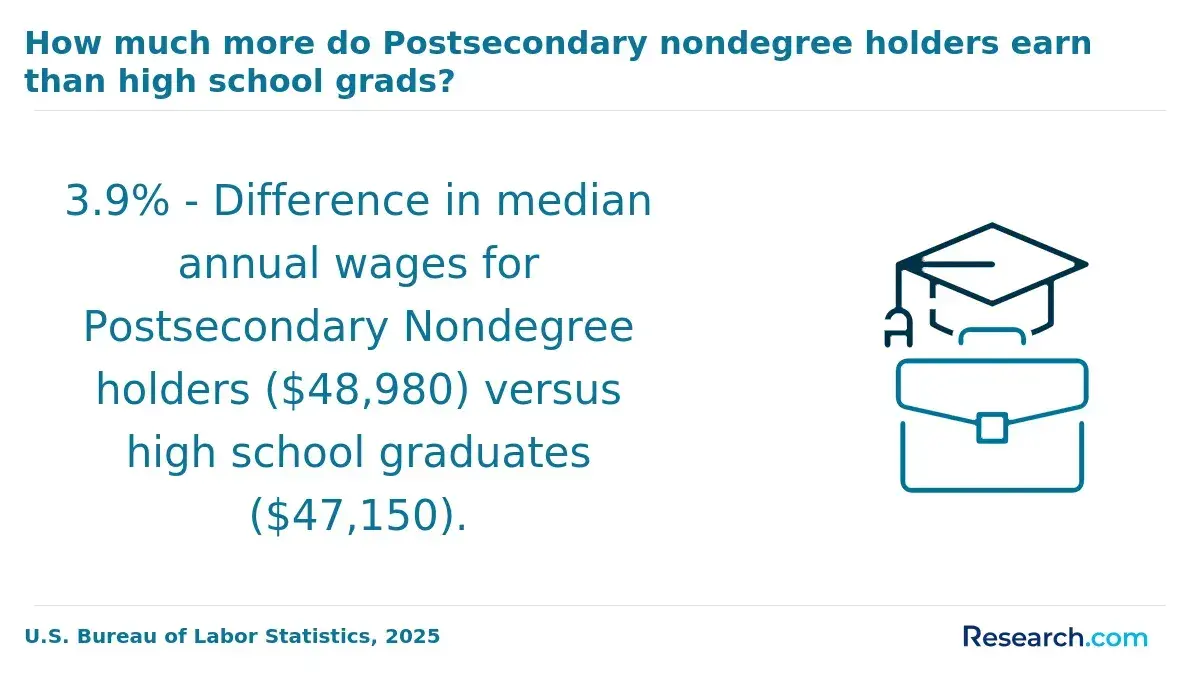
Typically, a bachelor's degree in sociology takes about four years of full-time study, master's programs usually require two years, and doctoral degrees can span five to seven years. These durations help students plan education paths that fit career ambitions and personal circumstances. According to the National Center for Education Statistics, the average time to complete a bachelor's degree is actually 5.1 years, reflecting part-time study and other delays. Several key factors affect how long each program lasts, including:
- Enrollment Status: Full-time students complete degrees faster than part-time students, who balance studies with work or family commitments, extending the timeline.
- Credit Transfer: Applying previous coursework from other institutions or programs can significantly reduce time to graduation by fulfilling general education or major requirements.
- Program Format: Online and hybrid options offer flexibility, allowing students to accelerate or extend their pace depending on life demands.
- Prior Experience: Relevant work history or academic background may allow learners to advance quicker, sometimes waiving prerequisites or fulfilling experiential learning credits.
- Additional Considerations: Thesis requirements, comprehensive exams, or research complexities in graduate programs can lengthen completion times, especially at the doctoral level.
When I spoke with a graduate of an online master's sociology degree program, she highlighted how the flexible schedule helped her manage full-time work and family while pursuing the degree. "Balancing assignments with my job was challenging," she said, "but being able to study evenings and weekends made the difference." She shared that despite initial doubts about keeping pace, the program's structure encouraged steady progress, allowing her to finish in just over two years. Reflecting on the experience, she noted how the online format demanded strong self-motivation but ultimately empowered her to achieve academic goals without sacrificing career or personal life.
Evaluating the total cost of a sociology degree at each level helps prospective students make financially informed decisions aligned with their career goals and budget. Here is a breakdown of key cost factors to consider for bachelor's, master's, and doctoral sociology programs.
- Bachelor's Degree Tuition: Tuition per credit typically ranges from moderate to high and varies by school and residency. Full-time students often pay flat-rate tuition, while part-time students are charged per credit. Total costs also include registration, technology, and activity fees, plus expenses for textbooks and other materials.
- Master's Degree Costs: Master's tuition per credit is generally higher due to advanced coursework and research demands. Programs usually require 30 to 45 credit hours, with part-time study extending overall duration and costs. Mandatory fees and additional materials further affect the total financial commitment.
- Doctoral Program Expenses: Doctoral tuition rates are commonly the highest per credit and may include fees for comprehensive exams and dissertation work. Many students take six years or more, especially if enrolled part-time, increasing cumulative costs. Funding options like assistantships can offset some expenses.
- Additional Financial Factors: Prospective students should also consider the average tuition and financial aid for sociology degree programs to estimate net costs. Exploring resources such as online psychology masters programs may provide comparative insights into advanced degree affordability.
Financing a bachelor's, master's, or doctoral sociology degree often requires strategic planning since many students depend on financial aid to complete their education. About 85% of undergraduate students receive some form of financial assistance, with an average award nearing $14,000 yearly. Below is an overview of key financial aid programs for sociology degree students.
- Grants and Scholarships: These are the most desirable types of aid because they typically do not need to be repaid. Federal Pell Grants and various state-based grants commonly support undergraduate sociology students, while scholarships often target graduate studies based on academic merit or specialized research interests.
- Federal Loans: Direct Subsidized and Unsubsidized Loans are available across all degree levels and offer flexible repayment options tailored to student needs. They usually have lower interest rates compared to private alternatives.
- Private Loans: These loans can help fill funding gaps but often come with higher interest rates and less flexible terms. Prospective borrowers should carefully assess alternatives before choosing private lending options.
- Work-Study Programs: Providing part-time employment opportunities, these programs enable students to earn money while gaining relevant professional experience within their fields.
- Employer Tuition Assistance: Particularly valuable for working professionals pursuing advanced sociology degrees, employer programs often require continued employment and may provide significant support for graduate studies.
- Military Education Benefits: Veterans or active duty members can leverage benefits such as the GI Bill to help finance sociology degrees at any academic level.
Prospective sociology students should seek scholarships and grants available for sociology graduate studies to reduce out-of-pocket costs effectively. Additionally, professionals aiming for higher degrees may explore options like the cheapest online doctorate in educational leadership as comparative examples of affordable advanced degree pathways in related fields.
Career opportunities in sociology expand with each higher degree level, offering more specialized roles and leadership potential. Understanding these options can help students strategically plan their education and align their professional path with their aspirations.
Bachelor's Degree
- Social Service Assistant: Graduates often work in entry-level roles providing support to clients in social services, helping community members access resources and benefits.
- Research Assistant: Many assist with data collection and analysis in academic or applied research projects, gaining valuable experience for future study or work.
- Program Coordinator: Bachelor's degree holders manage outreach or nonprofit programs, facilitating community engagement within government agencies or private firms.
Master's Degree
- Policy Analyst: With advanced training, graduates analyze social policies and recommend improvements for public and private sector programs.
- Social Science Researcher: Conducting applied research, these professionals evaluate program effectiveness and contribute to social science knowledge.
- Community Planner: Master's degree holders often design and implement initiatives that address community needs and development.
Doctorate Degree
- University Professor: Doctoral graduates typically pursue academic careers, teaching courses and conducting in-depth sociological research.
- Senior Researcher: Leading large-scale studies, they explore complex social issues such as urban development and health disparities.
- Policy Advisor: Experts at this level provide high-level analysis and recommendations to governments and think tanks.
Exploring sociology degree career paths by education level helps students make informed decisions that best fit their goals. For those concerned about financing their studies, there are many online schools that accept FAFSA, which can provide affordable options to pursue these diverse job opportunities with sociology bachelor's, master's, and doctoral degrees.
Salary potential is a key consideration for individuals choosing among Sociology degree levels, as it reflects both career advancement and return on educational investment. Comparing typical earnings helps clarify which degree may best meet financial and professional objectives. The following outlines average salary ranges by degree level:
- Bachelor's Graduates: Earnings typically fall between $40,000 and $60,000 annually. These positions often involve roles such as social services, research support, or administrative tasks and usually represent entry-level opportunities.
- Master's Graduates: Salaries generally range from $55,000 to $85,000 per year. This level builds specialized research skills and knowledge, enabling access to managerial, policy analyst, or more responsible roles within organizations.
- Doctorate Graduates: Individuals with Ph.D. degrees often earn $90,000 or more annually. Their advanced expertise frequently leads to careers in academia, senior research, or leadership roles in government and the private sector.
What Graduates Say About Their Sociology Degree Level
- Panni: "Choosing to pursue a sociology degree was a transformative decision for me. While the average cost of attendance was higher than I initially expected-around $25,000 per year-the investment paid off as I gained a profound understanding of social dynamics that shaped my career in community development. I'm genuinely grateful for the doors this degree has opened."
- Ramira: "Reflecting on my experience in the sociology master's program, I recognize that committing to the higher tuition, which averaged about $30,000 annually, was daunting but worthwhile. The degree pushed me to think critically about societal structures, which has been invaluable in my policy research role. This journey was challenging yet intellectually rewarding."
- Nat: "Pursuing a doctorate in sociology was a calculated and professional step toward advancing my academic career. Despite the considerable cost-often exceeding $35,000 a year-the expertise I acquired now establishes me as a leading voice in social theory and research. Completing the program has undeniably elevated my opportunities and credibility within the field."
Other Things You Should Know About Sociology Degrees
Most sociology doctorates require a traditional dissertation based on original empirical research, usually completed after the qualifying exams and coursework are finished. In 2027, programs often expect a committee-approved prospectus, then a final manuscript that can run 150 to 300 pages, depending on the university.
Many master's programs in sociology require the completion of a thesis, which involves original research under faculty supervision. However, some programs offer non-thesis tracks focused on coursework and practical applications instead. It is important to review program options to understand whether a thesis is mandatory.
Bachelor's degrees in sociology typically require around 120 credit hours, master's programs need approximately 30-36 graduate-level credits beyond a bachelor's, and doctoral programs often demand a minimum of 60 credit hours post-master's, plus dissertation research credits, for completion by 2027.
Yes, sociology doctoral students often have opportunities to teach undergraduate courses. Many programs incorporate teaching assignments as part of their training, allowing students to gain valuable experience while contributing to their department's academic environment.
- Should I Get a Masters Degree or a PhD in Sociology? Your Complete Guide https://sociologycoach.com/should-i-get-a-masters-degree-or-a-phd-in-sociology/
- What Scholarships are Available to Sociology Majors? https://www.bestsociologyprograms.com/faq/scholarships-sociology-majors/
- What is BA Sociology? Syllabus, Subjects, Scope & More! https://jgu.edu.in/blog/2024/06/07/what-ba-sociology-degree/
- Academic degree - Wikipedia https://en.wikipedia.org/wiki/Academic_degree
- How hard is a Sociology Masters degree compared to a Sociology Bachelors degree? https://www.thestudentroom.co.uk/showthread.php
- Average fees for a bachelor's, master's and PhD degree today https://studyinternational.com/news/degree-fees-bachelor-master-phd/
- SOCIOLOGY - University College of Enterprise and Administration https://en.wspa.pl/sociology-graduate-program/
- 10 Job Opportunities for Sociology Majors (and How to Land One) | The Muse https://www.themuse.com/advice/sociology-degree-major-jobs-careers
- PhD in Sociology,Doctorate in Sociology https://www.higheredu.com/psychology/sociology/doctoral