2027 Questions to Ask About Online Sociology Degree Programs Before You Enroll

Co-Founder and Chief Data Scientist
Many prospective students struggle to evaluate online sociology degree programs due to uncertain career outcomes and variable program quality. Recent data shows that sociology employment is projected to grow only 7% until 2032, below the average for all occupations, emphasizing the need to choose programs that enhance employability. Additionally, the increase in online sociology enrollments requires careful scrutiny of licensure readiness and tuition costs, which vary widely.
This article will outline essential questions candidates should ask about accreditation, curriculum relevance, career support, and total expenses to make informed decisions before committing to a program.
Key Benefits of Enrolling in Online Sociology Degree Programs
- Online sociology degrees offer flexibility, allowing students to balance studies with personal and professional commitments by accessing coursework anytime, anywhere.
- Students often save on campus-related costs such as commuting and housing, making online programs a more affordable option for many.
- Many learners report improved work-life balance, as asynchronous classes reduce scheduling conflicts, supporting continued employment during education.
Is the Online Sociology Degree Program Accredited?
Accreditation plays a vital role in accredited online sociology degree programs because it ensures degree recognition, licensure eligibility, and stronger career outcomes. An accredited program has met rigorous quality standards set by independent agencies, confirming that it provides a valid and respected education.
According to the National Center for Education Statistics, graduates from accredited programs have significantly higher employment rates within their field than those from non-accredited institutions.
While sociology lacks a specialized accrediting body, most reputable online degrees hold regional accreditation from agencies recognized by the U.S. Department of Education, such as the Higher Learning Commission or the Southern Association of Colleges and Schools.
Prospective students should carefully verify accreditation by consulting the U.S. Department of Education's database or the Council for Higher Education Accreditation (CHEA) website to understand how to verify online sociology program accreditation effectively.
Programs without recognized accreditation often face challenges, including limited credit transferability and reduced acceptance by employers or graduate schools. Ensuring proper accreditation protects your educational investment and supports professional goals, especially for those interested in fields related to social research or counseling.
For additional guidance on related degrees, students may explore MSW programs online as a complement to sociology studies.
What Are the Admission Requirements for Online Sociology Programs?
Prospective students evaluating online sociology programs must carefully consider admission requirements to gauge their eligibility and strengthen their applications. These criteria ensure that candidates possess the foundational skills needed to succeed academically and professionally in sociology.
Below are the key prerequisites commonly expected for enrollment in online sociology programs:
- High school diploma or GED: This confirms that applicants have completed their basic secondary education, which is necessary to handle college-level coursework. It serves as a minimum baseline for program entry.
- Official transcripts: Schools require transcripts from prior education to verify academic records and evaluate relevant completed courses. This helps assess readiness for advanced sociology studies.
- Minimum GPA: Many programs set a grade point average threshold to maintain academic standards. A competitive GPA demonstrates the applicant's ability to handle rigorous coursework, which is key for success in sociology.
- Personal statement or essay: Applicants must submit a written statement outlining their motivation, goals, and interest in sociology. This provides insight into their fit for the program and communication skills.
- Letters of recommendation: Recommendations from educators or professionals add perspective on the applicant's character, work ethic, and suitability for online sociology programs.
Students should also review the CACREP-accredited online counseling programs if interested in related counseling fields that often complement sociology studies.
What Classes Do You Take in an Online Sociology Program?
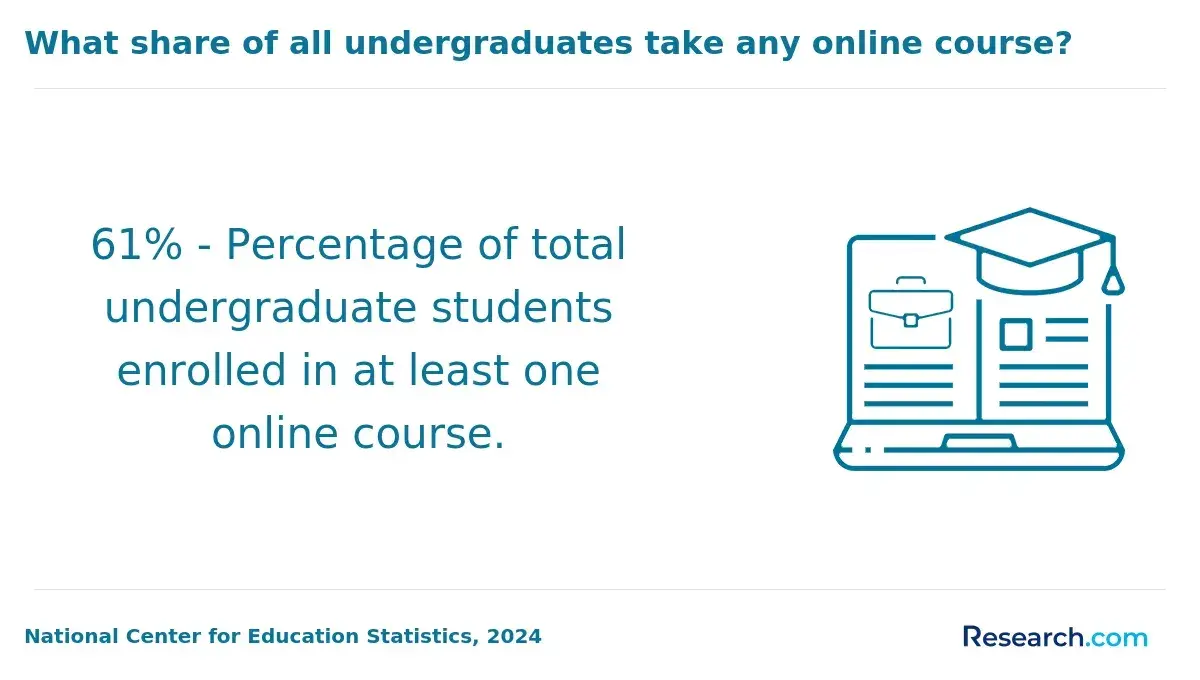
Choosing an online sociology program requires a solid grasp of the courses offered, since this directly impacts your preparedness and career alignment. Interest in online social science studies has surged by more than 20% over the past five years.
To clarify what typical coursework involves, consider the following categories of classes:
- Core Courses: These classes build a foundation in essential areas like social theory, research methodologies, and statistical analysis. They foster analytical skills and a thorough understanding of social structures, crucial for roles in policy, education, and community services.
- Elective Courses: Electives let students dive deeper into specialized subjects such as criminology, gender dynamics, urban sociology, or race and ethnicity. Tailoring your studies this way enhances your expertise in areas matching your career goals.
- Practical Components: While not focused on here, it's worth noting that many programs include research projects or internships to apply classroom knowledge in real-world contexts.
When I spoke with a student currently pursuing an online sociology degree, he shared how managing the breadth of topics initially felt overwhelming. "I wasn't sure how theoretical classes like social theory would connect to practical outcomes," he explained.
Yet, as he progressed, the research methods courses helped him develop confidence in handling data and conducting independent studies. He also emphasized that balancing coursework with work obligations demanded strict time management.
Reflecting on the electives, he found them enriching because they "opened perspectives I hadn't considered before," which boosted his motivation throughout the program.
Knowing the duration of an online sociology degree helps students effectively coordinate their academic goals with personal and professional responsibilities. It also plays a key role in budgeting time and finances, as program length influences both cost and workforce entry.
Below are typical timelines for completing an online sociology degree:
- Full-time programs: Generally completed in about four years, these mirror the duration of traditional on-campus degrees. Full-time enrollment demands a consistent course load, which suits students able to dedicate substantial time to their studies.
- Part-time programs: Often extending to six years or more, these options provide greater flexibility. They accommodate individuals balancing work, family, or other personal commitments by allowing a lighter, more manageable course load per semester.
- Accelerated programs: Designed for quicker completion-typically under four years-through condensed terms or increased credits per term. These options benefit motivated students aiming to enter the workforce sooner.
- Programs with practical components: Degrees including internships, fieldwork, or clinical hours may require additional time to fulfill hands-on requirements. Scheduling and supervision needs can extend the overall program length beyond standard timelines.
Transfer credits, course availability, and individual learning pace further influence how long it takes to finish.
Online sociology programs often include internships or practicums as integral components, though requirements and formats differ widely. These real-world experiences usually allow students to apply classroom learning through partnerships with community groups, research centers, or social service agencies, sometimes conducted in person locally or through virtual placements.
Internships typically range from 100 to 300 hours at the bachelor's level, focusing on skill-building and observation, while master's programs often demand more specialized fieldwork linked to career goals like social work or policy analysis. These practical components are essential for developing critical skills, enhancing resumes, and meeting licensure or certification standards when applicable.
For students exploring online sociology options, understanding these hands-on commitments is crucial because they influence the program's overall timeline, cost, and career readiness; notably, surveys show that over 60% of social science undergraduates finish internships before graduating.
When I spoke with a graduate of an online sociology program about her internship experience, she described initial uncertainty about balancing remote coursework with field hours. "Finding a local agency willing to supervise my practicum took persistence," she recalled, explaining that coordinating schedules and meeting site requirements while managing work was challenging.
However, she emphasized how the process deepened her understanding of community dynamics and strengthened her confidence. Reflecting on the experience, she said, "It wasn't easy, but those practicum hours brought my studies to life and made me feel prepared for the workforce in a way no class alone could."
Her story highlights that while internships in online programs may require extra effort, they are invaluable for meaningful career preparation.
Graduates with an online sociology degree can pursue professional licensure, but it largely depends on the career path they select. Sociology itself does not require a universal license to work in the field; however, related professions like social work, counseling, and clinical psychology often demand state licensure.
Typical requirements for these licensure tracks include earning a relevant master's or doctoral degree from an accredited program, completion of supervised clinical hours or internships, and passing state-specific licensing exams.
Many online programs align with these requirements by offering flexible schedules and partnerships with local agencies for supervised experience, preparing students thoroughly for licensure attainment. Those researching online sociology degree licensing requirements should carefully verify that program curricula meet the specific criteria of their state licensing boards.
Licensure is a crucial consideration when evaluating online programs because it directly affects employment opportunities and the ability to offer professional services. According to the U.S. Bureau of Labor Statistics, employment for social science occupations, including sociologists, is expected to grow by 8% through 2032, signaling strong demand in the field.
Meeting licensure and certification standards enhances competitiveness in this growing job market. Prospective students interested in how to get licensed with a sociology degree background should also consider flexible online options for advanced degrees, similar to other pathways, such as an EMBA online, which emphasize balancing education with professional commitments.
Careful cost evaluation is vital for prospective students comparing online sociology programs, as expenses heavily influence budgeting and enrollment decisions. Recent studies note that the average cost of online sociology degree programs ranges widely but generally falls between $20,000 and $40,000 for a bachelor's degree.
Typical costs associated with accredited online sociology degrees break down into several categories, including:
- Tuition Fees: Tuition is usually charged per credit hour, with prices varying from about $200 to more than $600 depending on whether the institution is public or private, and the level of faculty expertise. These fees constitute the largest portion of overall expenses and can significantly impact the total program cost.
- Technology and Administrative Fees: Many programs impose technology fees, which cover access to online learning platforms and digital resources, as well as administrative fees related to enrollment and student support services. These additional charges differ among schools and can add several hundred dollars annually.
- Materials and Supplies: Although some courses include digital materials in tuition, students often need to purchase textbooks or access supplemental study aids separately. These costs vary but may contribute several hundred dollars more each year.
- Hidden and Incidentals Costs: Additional expenses may include miscellaneous charges such as exam fees or proctoring services. However, online programs often reduce commuting and housing costs typically incurred in traditional on-campus settings.
For insights into cost-effective educational paths, reviewing programs such as EdD degree online options can provide helpful context when comparing tuition fees for accredited online sociology degrees.
Understanding financial aid options is essential for prospective students considering online sociology degree programs, as it can substantially ease the cost burden of higher education. Nearly 85% of undergraduates benefit from some form of financial aid.
Online sociology students, in particular, can take advantage of various financial aid resources to make their education more affordable.
- Federal Pell Grants: These are need-based grants awarded to students who demonstrate financial need through the FAFSA application. As they do not require repayment, Pell Grants can significantly reduce the net cost of tuition for eligible sociology students.
- Federal Student Loans: Available to most students completing the FAFSA, these loans offer fixed interest rates and flexible repayment plans. While borrowed funds must eventually be repaid, careful loan management can make financing an online sociology degree more manageable.
- Institutional Scholarships: Many schools provide scholarships based on academic merit, financial need, or specific criteria related to sociology or social sciences. These awards help lower the overall cost without the need for repayment.
- Work-Study Programs: Eligible students can participate in part-time employment opportunities connected to their institution, allowing them to earn income while pursuing their sociology degree online. This option can help offset living or educational expenses during the program.
- Private Scholarships: Foundations and organizations focused on social science fields often offer scholarships to support students pursuing sociology degrees. These funds can complement other aid options and help reduce reliance on loans.
Prospective students seeking a sociology degree with accessible financial aid can explore resources such as cheap online colleges that accept FAFSA, which welcome federal aid.
Knowing the career paths available after earning an online sociology degree helps students align their education with job market demands. The U.S. Bureau of Labor Statistics projects a 5% growth in social science occupations over the next decade, highlighting steady opportunities in the field.
Here are common roles graduates can pursue:
- Social Researcher: These professionals collect and analyze data to study societal trends and behaviors. The degree teaches critical thinking and research methodologies, enabling advancement to senior analyst or project lead positions.
- Community Service Manager: Responsible for coordinating social programs and services, this role often involves oversight of budgets and personnel. Sociology graduates gain insights into social systems that support effective program implementation and leadership growth.
- Human Resources Specialist: Using knowledge of group dynamics and organizational behavior, graduates assist in recruiting, training, and employee relations. Career progression may lead to HR management roles in diverse industries.
- Probation or Correctional Officer: Working with offenders to reduce recidivism involves applying sociological principles to understand criminal behavior and rehabilitation. The degree supports roles requiring communication and conflict resolution expertise.
Knowing the potential salary is a crucial part of choosing an online sociology program, as it helps students assess the financial benefits of their investment. According to the most recent data, social scientists, including sociologists, had a median annual income near $89,000, with job opportunities expected to grow.
Several key aspects determine the earnings for online sociology graduates:
- Level of Education: Advanced degrees, such as master's or doctorates, often lead to higher salaries because they demonstrate deeper expertise and research capabilities beyond a bachelor's degree.
- Specialization: Graduates focusing on areas like data analytics, social policy, or urban studies usually access better-paying roles compared to those with a broad sociology background.
- Experience: Earnings tend to increase significantly as sociologists gain years of professional practice, with entry-level positions offering lower wages than roles requiring proven leadership or specialized skills.
- Geographic Location: Compensation varies by region, with urban centers and high-cost living areas generally providing higher wages to offset expenses.
- Work Setting: Jobs in government agencies, healthcare sectors, or private research firms typically pay more than positions in academia or nonprofit organizations due to different budget structures and funding sources.
What Graduates Say About Enrolling in an Online Sociology Degree
- Katherine: "I was initially hesitant about the cost, but the affordability of the online sociology degree program really stood out compared to traditional routes. The flexible schedule allowed me to balance work and study effortlessly. Since graduating, I've been able to advance in my social research career, and I'm grateful for this opportunity. "
- Moira: "Choosing this online sociology program was a thoughtful decision after evaluating the average cost of attendance and the curriculum's relevance. The experience was intellectually stimulating and well-structured, allowing me to engage deeply with the material at my own pace. Professionally, it has opened doors to roles in community development that I couldn't access before. "
- Layla: "The cost-effectiveness of the online sociology degree was a key factor for me, especially as someone managing family commitments. The quality of education exceeded my expectations, and the virtual format made learning convenient. This degree has truly transformed my approach to policy analysis in my current job. "
Other Things You Should Know About Sociology Degrees
Most programs require a computer with a current operating system, reliable broadband internet, a webcam, a microphone, and access to a supported browser such as Chrome or Firefox. Some courses also require proctored-exam software, and schools usually list minimum hardware and bandwidth standards before enrollment.
Student interaction in online sociology programs often occurs through discussion boards, group projects, and live virtual sessions. These tools are designed to foster collaboration and critical thinking despite remote learning environments. Checking the program's communication platforms can help gauge the level of peer engagement you can expect.
In 2027, verify accreditation by checking if the program is recognized by agencies such as the Council for Higher Education Accreditation (CHEA) or the Department of Education. Confirm qualifications by reviewing faculty credentials and course content relevancy through the program's official website or contacting the admissions office directly.
- What Can You Do With An Online Sociology Degree? https://www.saintleo.edu/about/stories/blog/what-can-you-do-with-an-online-sociology-degree
- Sociology Online https://louisiana.edu/online/majors-minors/sociology-online
- Online Sociology Undergraduate Tutors Spires | What Jobs Can I Get With A Degree In Sociology? https://spires.co/online-sociology-tutors/undergraduate/what-jobs-can-i-get-with-a-degree-in-sociology
- Online Sociology Bachelor's Degree https://gps.averett.edu/b-s-sociology/
- Sociology Degree Online https://www.snhu.edu/online-degrees/bachelors/ba-in-sociology
- Bachelor of Arts in Sociology Online at William Paterson https://online.wpunj.edu/degrees/undergraduate/bachelor-of-arts-in-sociology/
- Bachelor of Science in Sociology - Online University West Alabama https://online.uwa.edu/online-degrees/bs-sociology/
- What are the Qualities of a Good Online Sociology Program? https://www.bestsociologyprograms.com/faq/qualities-good-online-sociology-program/