2027 Online vs On-Campus Sociology Degree Programs: Pros & Cons

Co-Founder and Chief Data Scientist
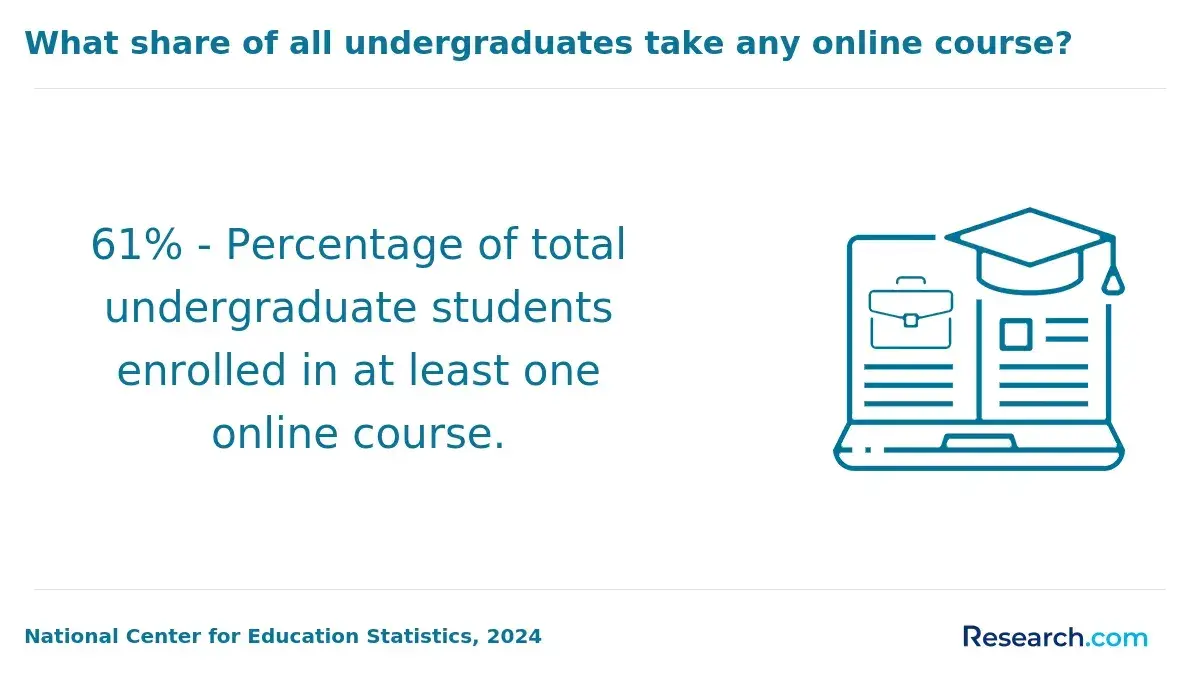
The rising demand for online sociology degrees reflects a significant shift in higher education, with recent data showing that over 40% of U.S. college students enrolled in at least one online course. This trend underscores the growing appeal of flexible learning formats. This article examines the distinct advantages and challenges of pursuing sociology degrees online versus on-campus.
Key factors such as flexibility, cost, learning experience, and career outcomes are explored to assist prospective students in making informed decisions. The analysis draws on expert insights and current trends to provide a balanced and authoritative perspective.
Key Benefits of Online vs On-Campus Sociology Degrees
- Online sociology degree programs offer flexible scheduling, allowing students to balance work and family commitments, with 65% of online learners reporting improved time management skills compared to traditional students.
- Tuition for online sociology degrees is often 25% lower on average than on-campus programs, making higher education more accessible to a broader range of students.
- On-campus sociology programs provide valuable face-to-face interaction and networking opportunities, which 72% of employers cite as important for career readiness.
Are online vs. on-campus sociology programs structured the same way?
The structure of online and on-campus sociology degree programs differs mainly in course delivery methods, scheduling flexibility, and modes of student engagement. While both formats cover the same core concepts and credit requirements, the way students experience learning varies significantly.
Below is a comparison of key structural elements that distinguish online and on-campus sociology programs:
- Course Delivery: On-campus programs use traditional face-to-face lectures and hands-on activities in real time, promoting immediate interaction. Online programs provide asynchronous content through recorded lectures and digital assignments, allowing students to learn at their own pace from any location.
- Class Schedules: On-campus courses follow fixed schedules, requiring attendance at specific times each week, structuring students' routines. Conversely, online courses offer flexible scheduling, where students can access materials and complete assignments around personal and work commitments.
- Interaction and Collaboration: In-person learning fosters spontaneous discussions and networking within a physical campus environment. Online formats depend on digital tools like discussion boards and video conferencing, which enable communication but may reduce the immediacy and depth of interactions.
- Hands-On Activities: Campus programs include live group projects, presentations, and campus events, providing experiential learning opportunities. Online students engage more in theoretical work, independent projects, or virtual group assignments, which might not fully replicate in-person experiences.
- Student Engagement: On-campus students benefit from direct access to campus resources, extracurriculars, and face-to-face mentorship. Online learners enjoy autonomy and convenience but need to be proactive in seeking support and connecting with peers and instructors through virtual platforms.
Are admission requirements the same for online vs on-campus sociology degree programs?
Colleges and universities generally uphold consistent academic standards for both online and on-campus sociology degree programs, ensuring quality education regardless of delivery format. However, they may differ in how they assess applicants' readiness for the specific demands of online learning environments. With these factors in mind, here is a comparison of key similarities and differences in admission requirements between the two types of sociology programs.
- Academic Qualifications: Both online and on-campus sociology degree prerequisites usually require a high school diploma or GED for undergraduate entry. Minimum GPA standards and prerequisite coursework tend to be similar, reflecting the shared academic rigor expected of all applicants.
- Application Materials: Standard items such as transcripts, application forms, and personal statements are essential for both formats. Some online programs, however, may request additional essays that focus on time management or independent learning skills, which are critical for success in remote study.
- Standardized Testing: SAT or ACT score requirements often mirror each other across formats, but certain online programs-especially those adopting open admissions policies-may waive these tests to broaden access to education. This flexibility is part of addressing the unique needs of online learners.
- Work Experience: While typically not required for undergraduates, online sociology programs occasionally value relevant professional or volunteer experience, particularly for adult students or those pursuing career advancement. On-campus programs are less likely to emphasize this aspect during admissions.
- Technology Readiness: Demonstrating basic proficiency with technology and having reliable internet access are frequently required for online applicants. This is a distinctive prerequisite to ensure students can effectively engage with digital course materials and virtual classrooms.
- Cost and Accessibility: Online programs often provide lower tuition rates, flexible scheduling, and wider accessibility for working adults or students in remote areas. For instance, Eastern New Mexico University offers an online sociology degree costing $6,174 annually with substantial virtual support services, making it an attractive option. More information about options and alternatives can be found when exploring fast track college programs.
- Support Services: Both online and on-campus programs offer academic support like tutoring, advising, and career guidance. The difference lies mainly in delivery methods, with online sociology programs emphasizing virtual access to these essential resources.
Overall, understanding the differences in admission requirements for online sociology degrees versus traditional programs can help students identify which setting best matches their learning style and life circumstances.
Do online sociology students receive the same academic support as on-campus students?
Universities have significantly expanded their academic support systems to ensure that online sociology students receive resources and assistance comparable to those available to their on-campus peers. This development helps bridge the gap between learning environments and promotes equitable student success.
The following comparison highlights the main types of academic support typically offered to both online and on-campus sociology students.
- Tutoring Services: Online students access virtual tutoring through live chat or video sessions with subject experts, while on-campus students utilize in-person tutoring centers. Both aim to enhance academic skills and comprehension, though online learners may feel less personal interaction.
- Career Counseling: Career services for online students often include digital workshops, email consultations, and virtual fairs, whereas on-campus students attend face-to-face sessions and networking events. Both receive resume reviews and job placement support tailored to sociology majors.
- Library Access: Online learners benefit from 24/7 access to digital databases and research guides, while on-campus students can use physical library spaces alongside digital resources. This ensures both groups have materials needed for research, though remote students might miss collaborative study settings.
- Faculty Interaction: Online students connect with professors via email, discussion boards, and video calls, contrasted with in-person office hours and spontaneous conversations for on-campus learners. Strong faculty relationships are vital for success, and online students may face challenges from perceived isolation.
The time needed to complete a sociology degree often depends on factors such as whether the program is delivered online or on-campus, the student's pace, and the flexibility of scheduling options. These elements collectively shape the overall duration and experience of the degree pursuit.
Below is a list that compares the typical completion times and key differences between online and on-campus sociology degree programs.
- Online sociology degree Most online sociology bachelor's programs emphasize flexibility, allowing students to advance at their own speed. For students with prior credits or an associate's degree, many programs offer the possibility to finish in as little as two years. Full-time students without transfer credits usually take around four years, though some accelerate by enrolling in shorter terms or year-round courses, which can reduce time to graduation.
- On-campus sociology degree Traditional on-campus programs usually follow a semester-based calendar designed for full-time students to complete in about four years. The fixed in-person class schedules and attendance requirements limit flexibility, often making it difficult to accelerate progress. Part-time students typically require more time due to competing responsibilities and less adaptable course offerings.
Despite differences in format and scheduling, both online and on-campus degrees generally lead to the same credential, with similar employer recognition and career prospects.
Reflecting on the question of how long it takes to complete an online versus an on-campus sociology degree, a professional who pursued an online sociology program shared his experience. He emphasized that balancing work and family commitments was challenging at times, but the asynchronous course structure allowed him to study during hours that suited his tight schedule.
Although he initially expected to finish faster, he appreciated the option to slow down without losing momentum when life demands increased. "It wasn't just about speed," he explained, "but about maintaining consistent progress without burning out."
Ultimately, it took him just over three years to complete the program, a timeline he found both manageable and rewarding because it accommodated his unique circumstances rather than forcing him into a rigid calendar. His journey highlights how online sociology degrees can offer personalized pacing that supports steady advancement even amid competing priorities.
When comparing online vs on-campus sociology tuition comparison, online programs generally offer lower overall costs due to reduced tuition, fees, and living expenses. Students pursuing an online sociology degree can often save substantially while still earning accredited degrees with comparable academic rigor.
Several key cost factors influence the average cost of online sociology degree programs versus traditional campus options, as summarized below.
- Tuition and Fees: Online sociology degrees tend to cost significantly less, with annual tuition averaging around $12,216 compared to nearly $19,000 for on-campus programs, representing notable savings. However, some public schools charge higher per-credit rates for online students than for their in-state on-campus counterparts. The most affordable online programs start at just over $4,000 yearly, while private institutions on campus may exceed $38,000.
- Living Expenses: On-campus students incur higher costs for room and board, averaging about $744 more annually than online students, who often live at home or off-campus. This difference helps reduce the total financial burden for online learners by eliminating housing, meal plans, and commuting expenses.
- Technology Costs: Online students must budget for reliable internet access and a suitable computer, which can amount to several hundred dollars per year. These costs are often offset by savings from not paying for transportation or campus facilities common in on-campus programs.
- Financial Aid Availability: Both online and traditional students qualify for federal aid, scholarships, and grants. Some online sociology programs provide special financial incentives or military-friendly pricing, but overall aid availability is similar across formats.
- Schedule Flexibility and Academic Support: Online programs often provide more flexible schedules that enable students to work while studying, lowering opportunity costs. Academic support such as tutoring and advising is increasingly accessible online and comparable to what campus students receive.
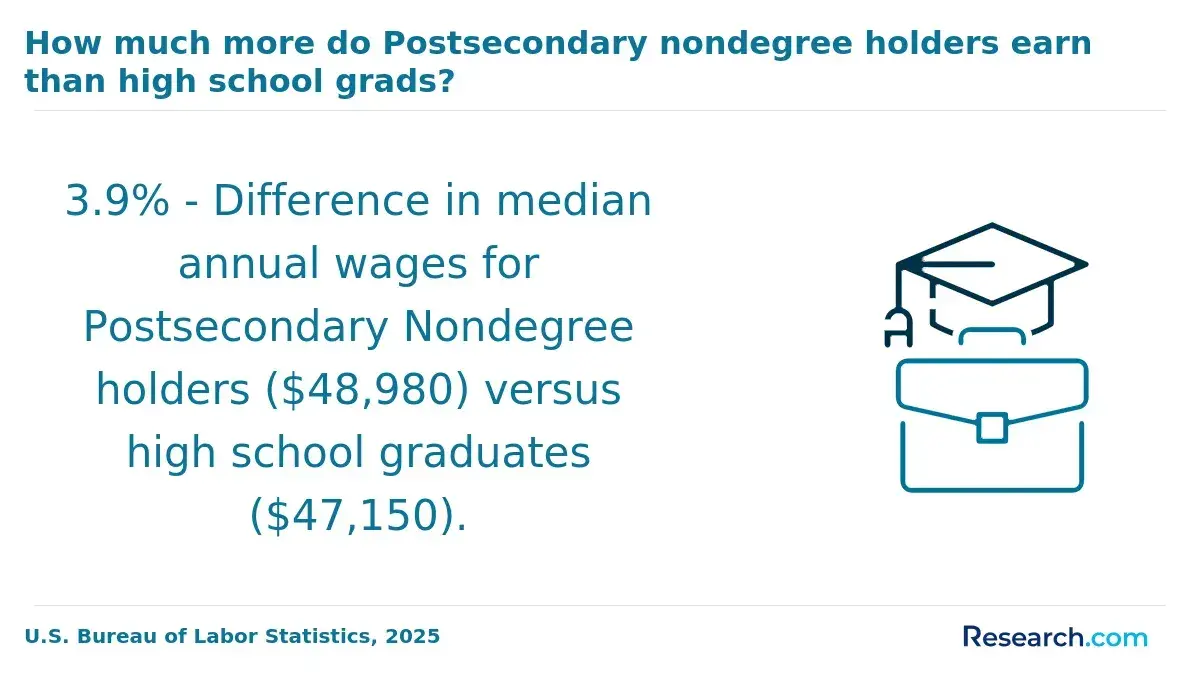
- Employer Perception and Salary Outcomes: Employers increasingly recognize online sociology degrees, especially from accredited institutions, with graduates reporting similar median salaries to their on-campus peers. For example, Eastern New Mexico University online sociology graduates report median earnings of about $50,746 annually.
For students seeking a cost-effective option with flexibility, exploring the easiest associate's degree pathways can also be beneficial alongside online sociology programs.
Both online and on-campus sociology students in the United States may qualify for financial aid from federal, state, and private sources, but eligibility and accessibility often vary depending on the program format and the institution's policies. Understanding these differences is key for prospective students when evaluating funding opportunities for their sociology studies.
The following bullet points outline and compare the main financial aid options available to online versus on-campus sociology students, highlighting critical distinctions in accessibility and eligibility.
- Federal Aid: Most accredited sociology programs, whether online or on-campus, qualify for federal student aid, including Pell Grants, direct loans, and work-study funds. However, online students, especially those enrolled part-time, may face challenges as some federal loans require at least half-time enrollment. Pell Grants offer some flexibility with prorated amounts for part-time students, benefiting some online learners.
- State Aid: State grants and scholarships frequently depend on residency and enrollment status. While available to both online and on-campus students at public institutions, some states restrict aid to full-time, campus-based students, putting part-time or fully online students at a disadvantage in accessing these funds.
- Scholarships and Grants: Institutional scholarships tend to favor on-campus students, who traditionally receive a larger share of merit-based funds. Despite often having higher financial need, online sociology students receive disproportionately fewer scholarships; for example, at certain universities, online learners represent a significant student segment but obtain less than 5% of campus-wide scholarship funds.
- Employer Tuition Reimbursement: Employer tuition benefits are generally accessible to both groups but can be more favorable for online students due to flexible scheduling. Online sociology programs often align well with working adults' needs, making them attractive options for those seeking employer-sponsored funding.
- Private Student Loans: Private loans are available to students in accredited sociology programs regardless of format. Terms and approval criteria generally do not differ between online and on-campus students, though prospective online learners should confirm their institution's accreditation status with lenders.
Because financial aid accessibility can vary, online sociology students interested in the most affordable routes may consider exploring the cheapest online phd programs as part of their funding strategy.
Accreditation plays a crucial role in establishing the credibility of both online and on-campus sociology programs. Regional accreditation ensures that institutions maintain high academic standards, qualified faculty, and rigorous curriculum requirements regardless of the delivery method.
Many respected universities offer sociology degrees in both formats, with online students accessing the same instructors, coursework, and academic support as their on-campus counterparts.
This parity in faculty qualifications and curriculum content helps maintain consistent program quality and institutional integrity. Additionally, student services such as advising and tutoring are increasingly comparable across both modalities, supporting strong retention and graduation rates in online programs.
Employers and academic institutions are increasingly recognizing online sociology degrees as equivalent to traditional on-campus degrees when earned from accredited schools. Surveys indicate growing acceptance of online graduates, especially since their transcripts often do not specify the mode of study. Employers value skills demonstrated by online students, such as self-motivation and digital collaboration, which align with workplace demands.
Furthermore, advancements in virtual learning technologies and partnerships with industry providers have enhanced the practical relevance and networking opportunities available through online sociology programs. These developments continue to narrow the perception gap, positioning online sociology education as a credible and viable option for many learners.
Employer attitudes toward online versus on-campus sociology degrees have evolved considerably, reflecting broader shifts in educational legitimacy and workplace expectations. Recent surveys show a growing acceptance of online degrees, with some research indicating that a majority of employers now regard online and in-person credentials as similarly credible.
However, subtle preferences for traditional on-campus degrees still exist in certain regions, especially in the United States. What remains consistent across studies is the emphasis employers place on the reputation and accreditation of the university awarding the degree, regardless of delivery format.
For sociology graduates specifically, employers prioritize critical thinking, research ability, and communication skills, viewing these core competencies as far more important than whether coursework was completed face-to-face or online.
The normalization of remote and hybrid work arrangements has further reshaped employer perceptions of degree formats. Hiring managers increasingly value candidates who have demonstrated adaptability and success in virtual learning environments, which are seen as indicators of readiness for today's digital and flexible workplaces.
Correspondence audits reveal that the gap in callback rates between online and traditional degree holders has narrowed, reflecting this shift. Ultimately, employers in fields common to sociology graduates-such as research, social services, and nonprofit sectors-consider demonstrated experience and institutional credibility paramount, overshadowing any stigma previously attached to online education.
These trends suggest that the skills and practical knowledge acquired within a reputable sociology program weigh heavily in hiring decisions, regardless of how classes were delivered.
When I spoke with a professional who completed her sociology degree entirely online, she emphasized how her program's strong accreditation and focus on applied research prepared her effectively for her career. She shared that employers she interviewed with valued her ability to manage projects independently and communicate findings clearly, skills honed through her coursework and virtual collaboration.
Contrary to initial concerns, she found that mentioning her online degree sparked curiosity rather than hesitation, often leading to discussions about her self-discipline and adaptability.
Reflecting on her journey, she noted, "The online format actually gave me unique opportunities to engage diverse perspectives and develop digital literacy that proved invaluable in my job search and ongoing work." Her experience underscores that practical skills and institutional trust matter most, helping graduates thrive in the employment landscape regardless of degree format.
Salary comparisons between online and on-campus sociology graduates are increasingly shaped by various factors beyond the mode of learning itself, such as employer perceptions, networking opportunities, and individual career paths. These elements now play a larger role in determining earning potential than whether a degree was earned online or in person.
Below is an overview of the current salary trends and key influences affecting online versus on-campus sociology graduates.
- Employer Perception: Employer attitudes toward online degrees have improved significantly, especially when degrees come from accredited and reputable institutions. Many universities offer online sociology programs with curricula identical to their on-campus counterparts, which helps reduce any previous skepticism and levels salary expectations between graduates of both formats.
- Institutional Reputation and Accreditation: The specific school attended often has a stronger impact on salary than delivery method. Graduates from well-ranked and accredited institutions, whether through online or on-campus programs, tend to report higher earnings. For instance, Arizona State University Online sociology graduates report median salaries around $49,636, aligning closely with national averages.
- Career Path and Location: Sociology graduates pursue a wide variety of roles, causing salaries to vary broadly from under $20,000 to over $100,000 depending on the field and geography. Fields such as social research, management, and human resources generally provide better pay, and these options are accessible to both online and in-person graduates alike.
- Cost and Flexibility Advantages: Online sociology programs often come with lower tuition costs, averaging about $14,688 per year, and schedule flexibility that allows students to gain work experience while studying. This flexibility can enhance immediate earning potential and offset any starting salary differences based on program delivery.
- Networking and Academic Support: On-campus programs traditionally offer stronger face-to-face networking opportunities and academic support, which can influence long-term career advancement. However, many online programs now provide robust career services and alumni networks to support graduates' professional growth similarly.
For those considering their studies, identifying a quick degree for high pay job that aligns with career goals and market demand remains essential regardless of the mode of education.
Choosing between online and on-campus sociology programs depends largely on your personal learning preferences, lifestyle, and long-term professional goals. Both formats offer similar academic foundations, but the educational experience and available opportunities can vary widely.
To help you decide which route suits you best, consider the following key factors that influence the choice between these options:
- Learning Style: If you benefit from in-person interactions, immediate feedback, and lively class discussions, an on-campus sociology program might be ideal. These programs foster face-to-face mentoring and hands-on experiences that can deepen your understanding more effectively than asynchronous online formats.
- Flexibility Needs: Online sociology degrees typically provide greater flexibility, allowing you to balance your studies with work or family obligations. Many online courses offer asynchronous schedules, which accommodate students managing varied or unpredictable daily commitments.
- Budget: Online programs often have lower tuition rates and reduce additional costs such as commuting or campus fees. This can make the best online sociology degree programs in the US an attractive option for students seeking to minimize expenses while maintaining accredited education.
- Networking Opportunities: On-campus programs encourage participation in clubs, honor societies, and social events, leading to richer professional connections and community involvement. These in-person networking experiences are more challenging to replicate in online environments.
- Access to Campus Resources: Being on campus gives students direct access to academic advising, research facilities, tutoring services, and career development centers. While online students receive virtual support, the immediacy and extent of these resources may be more limited compared to physical access.
To explore options further, prospective students can review ranked programs from online colleges nationally accredited to find a program that aligns with their needs and career goals when they compare on-campus vs online sociology degrees.
Here's What Graduates of Online vs On-Campus Sociology Programs Have to Say About Their Degree
- Jasmine: "Completing my sociology degree entirely online was a game-changer, allowing me to balance work and family while diving deep into subjects that ignited my passion for social justice. The flexibility of the program empowered me to advance my career without putting life on hold, and now I'm thriving as a community outreach coordinator, where I apply what I learned every day. The sense of accomplishment from managing my own schedule and staying motivated has truly boosted my confidence. Choosing the online path made education accessible and meaningful for me in ways I never imagined."
- Michael: "Attending on-campus sociology classes gave me invaluable opportunities to engage directly with professors and peers, enriching my learning with lively debates and real-time feedback. Experiencing the college community firsthand helped me develop strong communication and leadership skills, essential for my role as a social researcher today. I often reflect on those interactive sessions as pivotal moments that shaped my professional path and personal growth. Being on campus cultivated a sense of belonging that motivated me to contribute meaningfully to social programs on and off campus."
- Ritika: "The hybrid sociology degree offered the perfect balance, blending face-to-face interaction with online coursework that fit my busy schedule. This format allowed me to build meaningful relationships with classmates and instructors while still handling my job and family responsibilities. After graduating, I found that employers valued the adaptability and tech-savvy skills I gained through the hybrid experience. It's been rewarding to see how this flexible approach prepared me for a dynamic career in social policy and nonprofit leadership, where both personal connection and remote collaboration matter."
Other Things You Should Know About Online & On-Campus Sociology Degree Programs
Many sociology degrees require a supervised internship or practicum of 120 to 240 hours, often completed in one semester. Online students usually arrange placements locally, while on-campus students may use university partners. Requirements are set by the department and can vary by institution and degree level.
Accredited online and on-campus sociology programs generally maintain similar academic standards and curricula. The main difference lies in the delivery method; online programs require strong self-motivation, while on-campus programs provide direct face-to-face support. Both can produce competent graduates prepared for sociological research and analysis when properly structured.
- Graduate Programs | New Mexico State University - BE BOLD. Shape the Future. https://sociology.nmsu.edu/academic-programs/graduate-program.html
- Bachelor of Science in Sociology https://degree.lamar.edu/online-programs/undergraduate/bachelor-science/sociology/
- Online Remote Learning vs On-Campus Courses: Fremont University | Cerritos, California https://fremont.edu/online-college-vs-on-campus-pros-and-cons/
- Online vs in-person study: which one is right for you? https://www.ube.ac.uk/whats-happening/articles/online-vs-in-person-learning/
- Sociology Online Degree https://www.umass.edu/sociology/undergraduate/current-students/major/sociology-online-major
- Earn an Online Sociology Degree https://online.lsu.edu/online-degree-programs/undergraduate/ba-sociology/
- Online Degree vs. Traditional | University of Arkansas Grantham https://www.uagrantham.edu/blog/pros-cons-online-degree-vs-traditional-university/
- Online Sociology Postgraduate Tutors Spires™ | Is a Master's in Sociology worth it? https://spires.co/online-sociology-tutors/postgraduate/is-a-masters-in-sociology-worth-it