2027 Credit Requirements for a Surgical Tech Degree Explained

Co-Founder and Chief Data Scientist
Many prospective surgical tech students struggle to understand how many credits they need to graduate and whether their previous coursework can transfer. This uncertainty often causes delays and added expenses in completing their degree. According to the Bureau of Labor Statistics, the surgical technologist field is expected to grow 7% through 2032, increasing demand for qualified graduates.
Understanding credit requirements is essential to timely program completion and entering the workforce. This article clarifies typical credit thresholds, transfer policies, and academic planning strategies to help students efficiently navigate their surgical tech education path.
Key Things to Know About Credit Requirements for Surgical Tech Degrees
- Surgical tech degree programs typically require a comprehensive set of credits completed within a defined timeframe, balancing classroom and clinical experience for workforce readiness.
- Transfer credits and recognition of prior learning can significantly reduce required coursework, accelerating program completion and lowering overall educational costs.
- Credit structures directly influence students' academic progression, affecting financial planning, time to graduation, and eligibility for certification exams in the surgical tech profession.
How Many Credits Are Required for a Surgical Tech Degree?
Planning the number of credits needed to complete a surgical tech degree is essential for managing academic schedules and estimating time-to-degree. Credit requirements influence course selection and progression toward graduation.
Below is a breakdown of typical credit expectations by degree level.
- Associate Degree: Usually requires approximately 60 to 70 credits. These credits are balanced between general education courses like English and biology, core surgical tech classes focusing on anatomy and sterile techniques, and practical operating room procedures. This level covers the foundational coursework needed for entry-level surgical tech roles and reflects common requirements related to surgical tech degree credit requirements.
- Bachelor's Degree: Typically involves about 120 to 130 credits. These programs expand beyond basic surgical tech skills to include advanced healthcare management, leadership topics, and specialized clinical practice alongside general education. Such programs offer a broader educational foundation, reflecting the credits needed for surgical technician programs that prepare students for expanded responsibilities.
- Graduate-Level Pathways: Credit requirements vary widely for certificate or master's level studies designed for further specialization in surgical technology. These programs provide advanced clinical skills or leadership training and can differ significantly in length and focus depending on the institution.
Credits generally fall into three categories: general education, core major coursework, and clinical or advanced study providing hands-on experience. Proper planning with attention to these credit divisions helps students avoid course overload and supports timely completion of their education.
For students exploring flexible options in related healthcare education, resources on RN to BSN with least prerequisites may offer helpful guidance.
How Many Core and Elective Credits Are Required for a Surgical Tech Degree?
Balancing core and elective credits in a surgical tech degree is crucial for both academic planning and career readiness. Students who focus on core courses tend to be better prepared for certification exams and clinical demands, reflecting a common trend toward rigorous core coursework in these programs.
Below is an overview of typical credit distributions in surgical technology programs that highlights this balance:
- Core courses credit requirements for surgical tech degree: Usually comprising about 60% to 75% of total credits, core courses often range from 24 to 45 credits. These classes cover essential topics such as anatomy, medical terminology, sterile techniques, surgical procedures, and pharmacology, providing the foundational skills necessary for operating room proficiency.
- Elective credits in surgical technology programs: Electives typically account for 10 to 20 credits, allowing students to explore complementary subjects like patient care ethics, healthcare communications, or specialized surgical practices. These courses offer flexibility to tailor education to personal interests and evolving healthcare trends.
This credit distribution reflects the need to balance technical expertise with broader healthcare knowledge. Students planning their coursework should consider how this split impacts both skill development and academic progress.
For those interested in expanding their healthcare credentials beyond surgical technology, exploring options such as medical billing and coding schools online with financial aid can provide additional career pathways.
Do Online Surgical Tech Programs Require the Same Number of Credits?
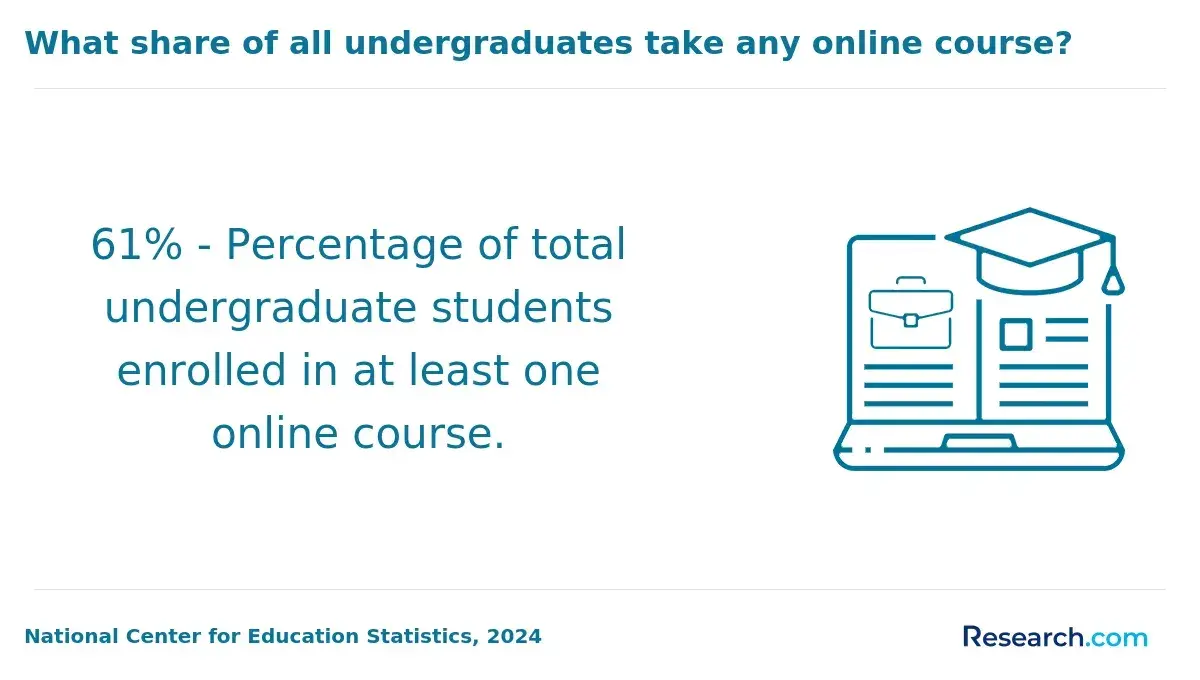
Knowing how credit requirements compare between online and on-campus surgical tech programs is essential for effective academic planning and choosing the right program. These details impact how students schedule their courses and manage their path to completion.
Notably, enrollment in online healthcare technical programs has surged by more than 20% over the last five years, underscoring growing demand for flexible learning options.
Key points to consider include:
- Typical credit ranges: Online surgical tech programs usually require between 40 and 60 credit hours, mirroring their on-campus equivalents to maintain consistent academic standards and industry alignment.
- Course structure and pacing: Online formats often allow students greater flexibility to complete credits at their own pace within established timeframes, accommodating personal and professional responsibilities.
- Practical training integration: Despite online delivery, essential hands-on clinical hours are arranged locally to ensure students gain critical real-world experience necessary for certification readiness.
- Credit alignment and progression: Credit requirements are designed to correspond with typical graduation timelines, supporting smooth course sequencing and workload balance while preparing students for career demands.
When I asked a graduate of an online surgical tech degree about his experience with credit demands, he shared how balancing clinical placements with online coursework was initially daunting but ultimately manageable.
He noted, "The credit hours felt equivalent to traditional programs, but studying online allowed me to fit courses around my job and family commitments." This flexibility helped him stay on track and meet all credit requirements without sacrificing quality or depth of learning.
For students aiming to graduate quickly, knowing the credit requirements in accelerated surgical tech programs helps with effective planning and managing expectations. Meeting these credit demands is key to completing the program on an expedited schedule without compromising learning quality.
Below are important factors to consider regarding credit loads and course structure:
- Typical Credit Range: Accelerated undergraduate surgical tech programs commonly require between 40 and 70 credits. Graduate or professional certificate options generally fall within a comparable range, emphasizing both theory and practical skills.
- Core Courses Versus Electives: The bulk of credits are allocated to essential surgical tech subjects such as anatomy, sterilization, and surgical procedures. Electives are usually limited to maintain the program's fast pace and intensity.
- Impact of Accelerated Pacing: The condensed nature of these programs means students often carry a heavier credit load per term compared to traditional tracks. This increased workload demands strong time management and consistent focus to succeed.
- Transfer Credits and Prior Learning: Many accelerated programs accept transfer credits from previous college coursework or certifications. This flexibility can lower the overall credit requirement, allowing students to finish their studies sooner.
Knowing how many transfer credits a program accepts can help students save time and money when pursuing a surgical tech degree. Nearly 40% of enrollees in health-related technical programs are transfer students, highlighting the significance of credit acceptance policies.
The following outlines typical credit transfer allowances across different degree levels.
- Associate Degree Programs: These programs often limit transfer credits to 25%-50%, prioritizing completion of core technical and clinical courses on campus. Transfer credits usually apply mainly to general education requirements rather than hands-on training.
- Bachelor's Degree Programs: These may accept up to 75% of credits, including general education and elective courses. Core surgical tech and clinical training typically must be completed at the awarding institution to meet accreditation standards.
- Master's and Professional Programs: Transfer credits are more restrictive here, commonly focused on fulfilling electives or prerequisite courses. Core content and practicum work generally require direct enrollment to ensure competency.
- Doctoral Programs: These programs tend to accept the fewest transfer credits, emphasizing original research and advanced specialized coursework completed within the institution.
- Accelerated Programs: Designed for faster completion, these often limit transfer credits to ensure all critical skills are obtained through concentrated onsite training.
When I spoke with a graduate of a surgical tech program about how she navigated transfer credits, she shared how daunting the process initially felt. "I had to get official transcripts, meet with advisors multiple times, and sometimes wait weeks for approval," she recalled.
Despite these hurdles, she appreciated knowing early on which classes would count, allowing her to plan carefully and avoid repeating courses unnecessarily. Her experience reinforced that while transfer evaluations can be complex and slow, proactive communication with academic staff can make a big difference.
She described feeling relieved once her credits were accepted, which helped her focus fully on gaining the hands-on skills she needed for certification and employment.
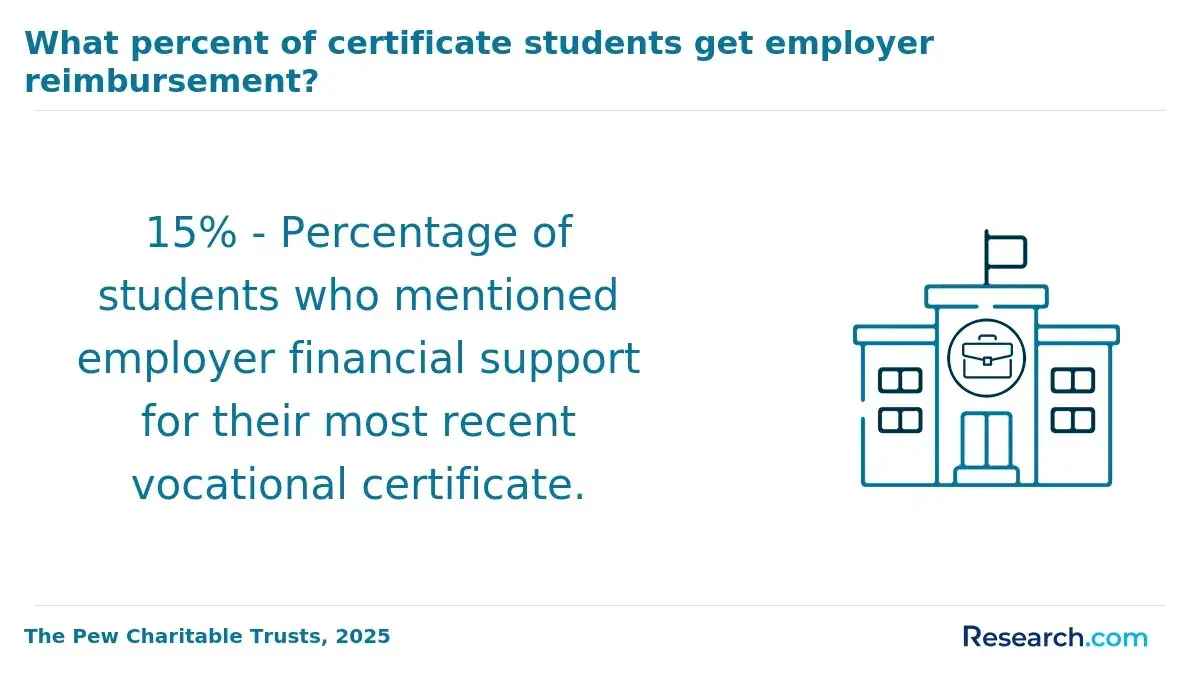
Prior learning assessment (PLA) allows colleges to evaluate professional work experience and translate relevant knowledge into academic credits. For surgical tech degree programs, this often involves hands-on roles closely related to surgical technology. Typically eligible experience includes those demonstrating skills such as sterile technique, patient care, and use of surgical instruments.
Below are common types of work experience that may qualify for surgical tech degree credit.
- Portfolio and Documentation: Universities usually require portfolios, detailed resumes, or employer verification to assess prior work experience for surgical tech credits. These materials must clearly show competencies equivalent to those taught in the program.
- Competency Exams and Interviews: Some programs use competency exams or interviews to confirm practical knowledge. This ensures that experience qualifies for academic credit and aligns with curriculum standards.
- Credit Limits and Academic Balance: Institutions typically cap credit earned through PLA at around 25-30% of degree requirements. This maintains academic rigor while allowing students to benefit from their prior learning.
- Reduced Time and Costs: Applying work experience credits can shorten time-to-degree and lower tuition expenses. This advantage is especially relevant for those earning surgical tech degree credits through experience while working or switching careers.
Policies on PLA vary widely among institutions, so students should consult advisors early for specific guidelines. For those exploring program options, understanding how prior work experience integrates into degree requirements can be crucial.
For additional guidance, consider researching easy nursing programs to get into as a comparative reference to allied health pathways.
Licensure impact on surgical tech credit hours is significant because state licensing boards and certification agencies set minimum educational standards that surgical tech programs must meet to prepare graduates for licensure or certification exams.
Programs accredited by recognized bodies like the Commission on Accreditation of Allied Health Education Programs (CAAHEP) are designed to include the required amount of classroom instruction and clinical training mandated for licensure eligibility.
These include specific courses, hands-on practical experiences, and supervised clinical hours, which may increase total credit requirements and extend the time-to-degree. For students, this means that credit hour requirements for surgical tech licensure often include not only classroom study but also essential clinical components that ensure competency but can raise tuition costs.
Both online and campus-based surgical tech programs must align with these licensure standards, though online programs might face additional challenges in offering local clinical experience through affiliated facilities. Since credit hour requirements can vary by state or licensing board, verifying program compliance with local regulations is crucial for students hoping to work in particular regions.
Aligning degree credits with licensure conditions helps maintain eligibility for certification but may reduce flexibility in course options and transfer policies. Prospective students may also explore related pathways such as cheap online FNP programs that balance cost and credentialing requirements.
A credit hour represents one hour of classroom instruction per week during a typical semester, usually lasting about 15 weeks. Understanding credit hour calculation is essential for students planning their course load and meeting university credit requirements for surgical technology degrees.
- Lectures: Lecture courses usually provide one credit hour for every hour spent in class weekly. They form the core theoretical foundation and contribute consistently toward degree progress.
- Labs: Labs require hands-on work and often translate to two to three hours of lab time per credit hour. This increased contact time reflects the practical skills essential for surgical tech proficiency.
- Clinical rotations and practicums: These supervised experiences involve direct patient care or operating room exposure. Contact hours generally equate directly to credit hours, emphasizing real-world training central to surgical tech education.
- Capstone and project-based courses: These combine research and practical components, with credit hours assigned based on the expected weekly workload, integrating skills learned throughout the program.
Credit calculations and course intensity may vary between undergraduate and graduate surgical tech programs, with graduate levels often requiring more credits and advanced content. Online programs typically align with standard credit hour valuations; however, clinical components must be completed in person to meet accreditation standards.
Accurately understanding credit hour calculation for surgical tech programs assists students in efficient academic planning and timely degree completion.
For those exploring further advancement options, resources like most affordable BSN to DNP programs online offer pathways beyond surgical technology.
Surgical tech degree programs usually require between 40 and 60 total credits, which include core courses, labs, and clinical experiences. These credit requirements set the baseline workload students must complete to earn their credential, making them a critical factor in planning how long graduation will take.
Several key elements influence how quickly students progress through these programs:
- Core credits: These essential classes cover subjects like anatomy, surgical techniques, and patient care. Because they are mandatory, the time needed to complete core credits largely defines the program's minimum duration.
- Elective requirements: Many programs add flexibility with general education or health-related electives. However, these additional credits can increase total requirements and potentially extend the time needed to graduate.
- Transfer credits: Credits from previous college courses or related training might be accepted, reducing the number of credits a student must take. This option can significantly shorten time-to-degree for eligible students.
- Accelerated formats: Some schools offer intensive schedules that allow students to earn credits at a faster pace. These accelerated programs are designed to help motivated learners complete their training sooner than traditional timelines.
- Prior learning assessment: Evaluations of work experience, military training, or certifications can sometimes translate into course credits. Successfully obtaining credit through this process can decrease the overall credit load and speed up graduation.
Program delivery methods also affect credit completion rates. Online courses often permit students to take more credits each term, providing flexibility to graduate earlier. In contrast, on-campus programs typically have fixed schedules for clinical rotations and labs, which may lengthen the time needed to finish all requirements.
Earning additional academic credits beyond the standard surgical tech requirements can enhance career progression and open doors to leadership or specialized roles that typically offer better pay. Such extra coursework may also increase eligibility for niche positions in certain healthcare sectors.
When more credits can positively influence salary or career growth:
- Advanced concentrations: Additional studies in surgical specialties or healthcare management prepare students for supervisory roles and specialized jobs with higher compensation.
- Licensure and certification prep: Extra courses focused on exam readiness improve chances of passing professional certifications, enhancing employability.
- Technical skill development: Supplementary classes help build multidisciplinary skills valued in competitive healthcare environments, increasing marketability.
Instances where extra credits may not significantly boost earnings:
- Basic credential fulfillment: Employers often prioritize meeting the minimum credit and certification requirements rather than the total number of credits completed.
- Hands-on experience emphasis: Practical skills and clinical hours typically outweigh additional academic credits for surgical tech roles.
- Standardized salary ranges: Many surgical tech positions offer relatively fixed pay scales regardless of advanced academic coursework.
- Credit surplus without focus: Accumulating credits without targeted skill improvement rarely translates into higher income or career growth.
Overall, labor market data and employer preferences show that while some healthcare fields reward extra academic achievement with increased salaries, surgical tech careers generally value certifications and practical experience more heavily. Aligning course selections with employer expectations and industry trends helps optimize educational investments for career outcomes.
What Graduates Say About The Credit Requirements for Their Surgical Tech Degree
- Chase: "Completing my surgical tech degree online was a game-changer because I could easily fit courses into my busy schedule, which isn't something you get with traditional programs. The ability to earn extra credits without the usual cost burden, especially considering the average cost per credit, really helped me advance faster in my career. I'm now working in a high-demand surgical environment, and those additional credits opened doors I didn't expect."
- Robin: "Reflecting on my journey through the online surgical tech program, I appreciate how flexible it was in letting me accumulate credits at my own pace. Considering the cost per credit was quite reasonable compared to on-campus options, I was able to invest wisely without overwhelming debt. The extra credits not only enhanced my expertise but gave me confidence when transitioning into professional roles. "
- Suzanne: "From a professional standpoint, I found that pursuing some credits online complemented my traditional surgical tech education perfectly. The cost of additional credits was manageable and allowed me to deepen my skills without significant financial strain. This combination ultimately strengthened my qualifications and made me a more competitive candidate in the demanding job market. "
Other Things You Should Know About Surgical Tech Degrees
Surgical tech programs typically require students to complete a set number of core and elective credits. While electives allow students to explore interests, the number taken generally should not exceed 20% of the total credit requirements to ensure students focus on essential skills and knowledge for their career.
A surgical tech program should hold programmatic accreditation from CAAHEP, usually through the ARC/STSA review process. Many employers and certification routes, including the NBSTSA exam, expect graduation from an accredited program, and schools often require roughly 60 to 90 semester credits for completion.
Yes, clinical practicum hours are often counted as academic credits in surgical tech programs. They provide vital hands-on experience, bridging theoretical learning with practical skills. However, the specific credit allocation for these hours can vary by institution and program guidelines, so it's important to verify with individual schools.
- Addressing The Surgical Tech Shortage: A Better Staffing Solution - Partners https://partners.medcerts.com/blog/addressing-the-surgical-tech-shortage-a-better-staffing-solution
- Surgical Technology AAS https://catalog.nmu.edu/preview_program.php
- On-Campus Surgical Tech AAS Degree | CHCP https://www.chcp.edu/degrees-certificates/surgical-technology-aas-degree/on-campus/
- Monroe Community College https://www.monroecc.edu/etsdbs/mccatpub.nsf/hegis+codes/Surgical+Technology+(AAS+DEGREE)
- Surgical Technology Program | Southeastern College https://www.sec.edu/academic-program/surgical-technology/
- How to Become a Surgical Technologist | Job Outlook & Salary https://www.brooklinecollege.edu/blog/how-to-become-a-surgical-technologist/
- Surgical Technology, CST Pathway to AAS (SGTPD) https://catalog.mohave.edu/preview_program.php
- Surgical Technology A.A.S. https://catalog.mcc.edu/preview_program.php
- Top 10 Surgical Technologist Programs https://nurse.org/healthcare/surgical-tech-programs/
- How to Become a Surgical Technologist https://www.herzing.edu/become/surgical-technologist