2027 Grand Canyon University Online BS in Risk Management: Cost, Curriculum, Admissions, and Career Outcomes

Co-Founder and Chief Data Scientist
Choosing an online BS in risk management program requires assessing if it aligns with both career ambitions and learning preferences, especially given the growing need for adaptable education amid evolving workforce demands. The U. S. Department of Education reports a 15% rise in adult enrollment in online degree programs in 2024, highlighting increased demand for flexible schedules and practical skill development. This trend reflects a shift toward balancing work and study, making program flexibility and relevant curriculum key factors for prospective students. This article examines Grand Canyon University's online BS in risk management, covering cost, curriculum, admissions, and career outcomes to help determine fit and value.
Key Points About Grand Canyon University's BS in Risk Management Program
- The 60% acceptance rate at Grand Canyon University suggests moderate selectivity, requiring applicants to weigh admission competitiveness against alternative program availability and timelines.
- The total tuition cost of $37,212 demands careful financial planning, potentially impacting long-term ROI especially when compared to similarly credentialed risk management degrees.
- Employer feedback highlights alumni competence across sectors, indicating curriculum alignment with industry expectations but necessitating ongoing skill updates to maintain market relevance.
What can students expect from Grand Canyon University's online BS in Risk Management curriculum?
The online bs in risk management curriculum at Grand Canyon University is structured to balance foundational business knowledge with specialized risk management skills, mirroring the core competencies expected in the U.S. market. For example, a graduate working in a mid-sized financial institution may need to assess operational risks quickly while adhering to regulatory demands-a scenario that underscores why students must master both broad business concepts and targeted risk management techniques. Below are key elements of this curriculum that reflect typical program demands and expected workforce readiness.
- Core Business Courses: Students engage with foundational subjects such as economics, finance, and business law, which provide essential context for understanding how risks emerge and interact across organizational functions. This base is crucial for making informed, practical risk management decisions in various industries.
- Risk Management Coursework: Covering subjects like insurance principles and claims management, this segment requires students to apply risk assessment frameworks, design loss prevention strategies, and incorporate ethical and regulatory considerations-skills that address real-world risk mitigation and compliance challenges.
- Quantitative Analysis: Integration of data analysis and statistics prepares students to analyze quantitative risk data, enhancing evidence-based decision-making. Such analytical capability is vital when prioritizing risk controls or evaluating financial exposures in dynamic environments.
This curriculum mirrors general standards across undergraduate risk management degrees in the U.S., with the inclusion of strategic risk topics ensuring graduates can contribute to both tactical and organizational risk planning. Those researching value might also explore accredited online colleges that accept FAFSA to align affordability with education goals. Overall, students benefit from a blend of theoretical understanding and applicable skills to meet employer expectations in insurance firms, corporate risk departments, and consulting roles.
What are Grand Canyon University's admission requirements for online BS in Risk Management program?
Meeting Grand Canyon University's admission requirements for the online BS in Risk Management reflects the institution's intent to enroll candidates who demonstrate foundational academic readiness rather than simply expanding enrollment indiscriminately. For example, a student transitioning from a vocational program to this degree must ensure their previous academic records communicate adequate preparation in secondary education, as employers often view degree holders through the lens of institutional selectivity and academic rigor. Key admission factors highlight this commitment to academic standards. The following points summarize the main requirements prospective applicants should be aware of:
- Secondary Education Completion: Applicants must hold a high school diploma or a GED credential. This baseline ensures that students have completed foundational education necessary for the analytical and theoretical coursework in risk management.
- Academic Transcript: Submission of a secondary school transcript with a satisfactory academic record is mandatory. While no minimum GPA is explicitly defined, the transcript's quality influences the admission decision as it signals the student's ability to handle university-level studies.
- English Proficiency: Non-native English speakers are required to submit TOEFL scores demonstrating language proficiency. This requirement addresses communication standards crucial in fields like risk management, where precise interpretation and reporting are key.
- Recommendation and Competency Evidence: Though not compulsory, letters of recommendation and formal competency demonstrations can strengthen an application by offering additional insight into the applicant's suitability for the program.
- Transfer and Prior Learning Credits: While specifics on transfer acceptance criteria are limited, the university accepts transfer, AP, and prior learning credits, allowing students with relevant prior coursework to potentially reduce time and cost invested in the degree.
Is it difficult to get admitted to Grand Canyon University's online BS in Risk Management program?
Admission to most bachelor's programs in risk management typically balances academic standards with accessibility, reflecting a moderately competitive environment rather than a high barrier to entry. This stems from the program's specialized nature, which commands foundational skills but often draws from a broad applicant pool due to its growing industry relevance and practical focus.
The online bs in risk management program at Grand Canyon University fits this pattern, admitting about 60% of its applicants. With nearly 48,000 annual applicants and close to 29,000 admitted, the process demands a modest academic profile evidenced by SAT verbal scores of 540 to 620, math scores between 518 and 555, and ACT scores ranging from 19 to 138. These benchmarks suggest the program prioritizes readiness while remaining accessible to students who meet mid-tier academic thresholds.
Compared to more selective business or finance programs, this acceptance rate indicates a midway position where applicants must demonstrate relevant aptitude but face less intense competition. For prospective students weighing options, this balance enables entry without the need for elite test scores but still requires attention to academic preparation.
One graduate recalls, "I hesitated applying because my scores were borderline, but after gathering my transcripts and submitting a clear statement of interest, I got accepted quickly. It was a relief knowing that while the program expected solid academic performance, it didn't demand perfection. The process felt straightforward, which helped me focus on planning my coursework early on."
What is the cost of attending an online BS in Risk Management program at Grand Canyon University?
Tuition for an online BS in Risk Management at Grand Canyon University amounts to $17,450 annually, with additional costs for books and supplies totaling about $1,100. This pricing is uniform regardless of state, as GCU levies no extra fees specifically for online students. For many prospective students, this flat-rate tuition can simplify budgeting compared to institutions that vary costs based on residency or require costly technology fees.
The overall annual expense-including tuition, fees, room, board, and other essentials-reaches approximately $37,212. While online learners avoid some campus-related fees, those seeking a full in-person experience face higher costs, as reflected by the Federal Scorecard's $31,493 estimate for in-state, on-campus attendance. Comparing these figures highlights the financial tradeoffs between flexibility and the comprehensive campus experience.
The tuition rates for Grand Canyon University risk management degree online offer a competitive alternative to national averages, which often exceed GCU's baseline tuition. This differential matters for students balancing cost against program accessibility and employer expectations, particularly as many risk management roles demand both theoretical knowledge and practical application demonstrated through degree completion rather than institutional prestige.
Given the evolving employment landscape and increasing demand across industries, investing in an online BS in Risk Management entails weighing affordable tuition against potential differences in networking opportunities and career services. Students focused on cost-efficiency and flexibility might find GCU's model aligns well with these practical considerations, while others may look for programs with specialized support or advanced credentials linked to highest paying jobs.
Are there financial aid options for online BS in Risk Management students at Grand Canyon University?
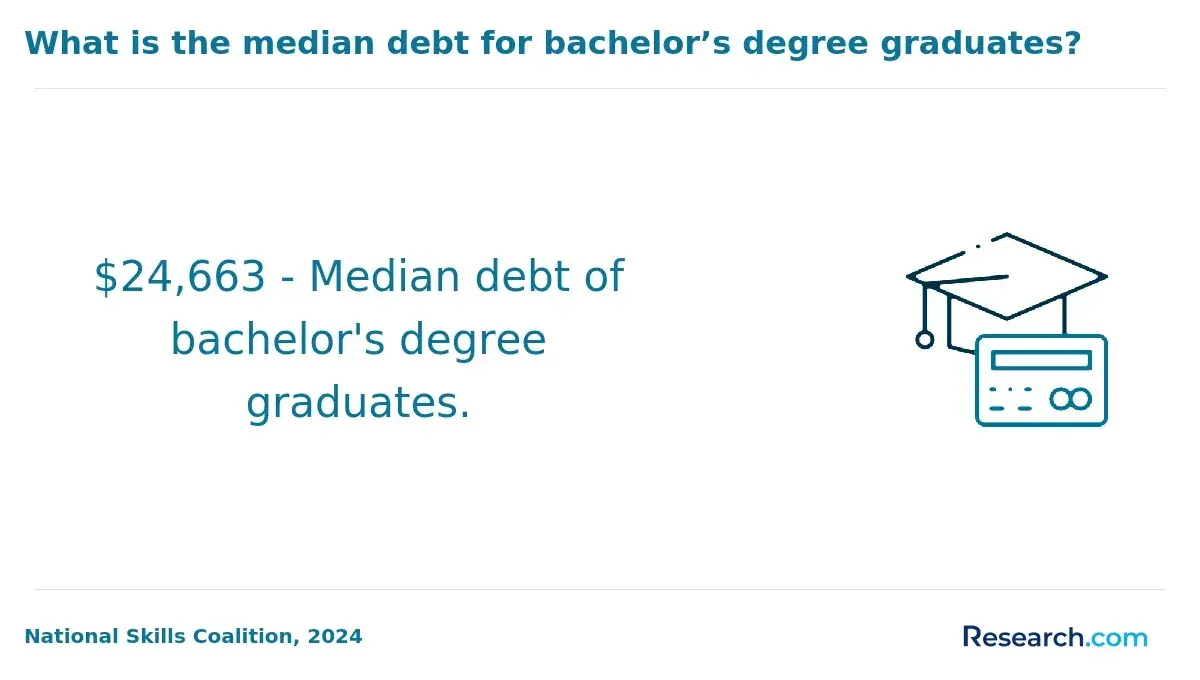
Financial aid accessibility for students enrolled in the online BS in Risk Management at Grand Canyon University plays a significant role in practical enrollment decisions, especially given the variable costs of a nontraditional education model. Nearly all undergraduates tap into some assistance, which can make a substantial difference in affordability and debt load management. Navigating these options requires balancing immediate aid eligibility against longer-term financial commitments and possible employer involvement. The following outlines key financial aid avenues for prospective students in this program.
- Federal Aid: Completing the Free Application for Federal Student Aid (FAFSA) opens eligibility for Pell Grants, work-study, and subsidized or unsubsidized loans. Pell Grants provide untied funds that do not require repayment, supporting lower-income students. Federal loans help fill funding gaps but necessitate careful consideration of repayment terms.
- Institutional Scholarships: These merit-based awards target students in business-focused disciplines, including Risk Management, rewarding academic performance and leadership. Award amounts vary and typically require maintaining a specified GPA.
- Specialized Grants: Some grants focus specifically on online learners or particular programs. They often have limited availability and criteria, necessitating consultation with the university's financial aid office for up-to-date opportunities.
- Employer Tuition Reimbursement: Employed students may leverage corporate programs that partially or fully cover tuition expenses, contingent on employment status and employer agreements. This option often requires proof of enrollment and course completion.
- Veteran Benefits: Military service members and veterans can apply GI Bill benefits, which may cover tuition and other education-related costs, providing a critical resource for those in or transitioning from military careers.
What learning resources are available to online BS in Risk Management students at Grand Canyon University?
Access to targeted learning resources significantly shapes whether students in an online BS in Risk Management program can bridge theory and practice effectively-a critical factor as employers prioritize candidates who demonstrate both conceptual knowledge and applied skills. In environments where in-person contact is limited, the quality and responsiveness of digital support often determine retention and comprehension, especially when balancing study with work or family obligations. For instance, a working professional managing rotations in insurance underwriting might rely heavily on timely academic advising to align course progress with certification requirements. The following resources illustrate the foundational support mechanisms designed to assist students in navigating academic and career pathways within a remote learning context.
- Digital Learning Infrastructure: Grand Canyon University provides a stable online platform with integrated multimedia content and virtual classrooms that facilitate uninterrupted access to up-to-date course materials, essential for maintaining continuity in study despite timezone differences or sporadic internet access.
- Technical Support: Dedicated help lines and troubleshooting services minimize downtime from technical issues, ensuring that students spend more time engaging with content rather than resolving access problems, which is crucial for those balancing multiple responsibilities.
- Academic Advising: Advisors help students map degree requirements to career objectives, offer guidance on course sequencing, and identify opportunities to incorporate experiential learning or certifications, enabling more strategic academic choices that reflect workforce demands.
- Tutoring and Writing Assistance: Personalized support enhances mastery of complex risk management concepts and improves communication skills, which are critical for roles that require clear reporting and stakeholder interaction.
- Career Services and Networking: Resources such as resume critiques, interview preparation, and connections through alumni and industry partnerships provide practical means for transitioning from academic study to employment, addressing common barriers faced by online graduates.
Does Grand Canyon University's online BS in Risk Management program have in-person clinicals or practicums?
Risk management programs generally differ from healthcare or social work degrees by not requiring extensive in-person clinical or practicum hours. Instead, many focus on theoretical frameworks, case studies, and simulations to develop skills critical to sectors like corporate risk, insurance, and regulatory compliance. This distinction shapes hiring expectations where employers prioritize candidates with strong analytical and applied knowledge over those with clinical experience. For students evaluating whether to pursue Grand Canyon University online BS in risk management in-person clinical requirements, understanding this structural difference clarifies key tradeoffs related to hands-on exposure versus flexible online learning.
Grand Canyon University's BS in Risk Management does not include mandatory in-person clinicals or practicums as part of its curriculum. While some risk management programs incorporate experiential components such as internships or cooperative placements, these are generally optional or arranged independently by students rather than mandated. This format aligns with the absence of required practicum hours, supporting accessibility and self-directed learning especially for those balancing work or personal commitments. The design reflects a broader industry trend toward emphasizing business continuity, risk analysis, and compliance management through project-based and case-driven coursework rather than physical attendance.
For prospective students questioning whether Grand Canyon University's risk management degree includes practicum hours, the practical implication is clear: there is no formal in-person requirement to graduate. This allows flexibility but limits structured workplace immersion that some direct experience-focused roles might prefer. Evaluating this tradeoff is critical when comparing programs, particularly if immediate employer access to hands-on experience factors into career entry plans. Additional context on accredited programs may be found by reviewing nationally accredited online colleges via nationally accredited online colleges.
What careers can graduates of online BS in Risk Management at Grand Canyon University secure?
The professional marketability of graduates from the online BS in Risk Management at Grand Canyon University is best gauged by how effectively their education translates into stable, specialized roles within sectors sensitive to risk and compliance. Graduates face real-world decisions balancing analytical rigor with regulatory demands, a dynamic especially relevant in Arizona's evolving economic landscape where risk management career opportunities in Arizona show steady growth. Below is an outline of typical career paths reflecting the program's alignment with employer expectations and workforce realities.
- Risk Analyst: These professionals assess financial and operational threats to organizations, using data analysis to recommend mitigation strategies. Their role is central to maintaining organizational stability, typically earning competitive salaries in finance and corporate sectors.
- Insurance Underwriter: Graduates in this role evaluate insurance applications to determine coverage risks and terms. Decision-making under uncertainty is essential, and this position often serves as an entry point into broader insurance and financial services careers.
- Compliance Officer: Tasked with enforcing industry regulations and internal policies, compliance officers are crucial in highly regulated environments such as banking and healthcare. The role requires detailed knowledge of legal frameworks and ethical standards, with salaries reflecting the critical nature of compliance enforcement.
- Safety Manager: Overseeing workplace safety programs, these professionals reduce accidents and legal liabilities. Their skills are vital in manufacturing and industrial sectors, where regulatory adherence directly impacts operational continuity.
Furthermore, graduates benefit from Grand Canyon University alumni network connections, which can influence access to risk management graduate jobs in Grand Canyon University alumni network circles. Those considering accelerated entry to the field might compare this degree's timeline with alternatives like 1 year degree programs, weighing depth of content against speed to employment.
What is the salary outlook for online BS in Risk Management graduates?
The salary outlook for graduates holding an online BS in Risk Management from Grand Canyon University reflects a moderate financial entry point that aligns with broader business-focused programs but falls short of specialized risk or security disciplines. The median alumni salary of $42,186 positions GCU graduates within the lower-to-mid tier of business-related earnings, which is a crucial factor as many employers prioritize experience or advanced credentials alongside a degree in hiring decisions.
Comparing this to related fields provides important context for career salary potential for Grand Canyon University risk management degree holders. Business Administration, Management, and Operations graduates typically earn around $47,402, while Accounting and Finance degrees yield mid-$40,000 salaries. These figures suggest that while the risk management degree covers relevant business principles, graduates should anticipate a salary range close to these averages unless supplemented by additional industry certifications or direct risk-focused experience.
For students weighing educational investments, it's worth noting that more specialized paths such as Homeland Security or Clinical/Medical Laboratory Science notably offer median salaries above $57,000, reflecting tighter markets and higher technical demands. This tradeoff indicates that graduates aiming for elevated compensation in risk roles may need to pursue further specialization or certifications beyond an initial risk management degree. For those seeking flexibility, exploring one year degrees for seniors could also be an alternative strategy for quicker workforce reentry.
How do you know if Grand Canyon University's online BS in Risk Management program is the right choice for you?
Choosing an online BS in Risk Management program requires aligning its delivery, content, and community with your specific circumstances and career ambitions. This evaluation helps avoid mismatches between program offerings and the realities of remote learning or workforce demands. Below are key factors to consider when assessing if Grand Canyon University's online program fits your needs:
- Flexible Learning Format: Examine how the program balances asynchronous and synchronous elements. Since many working adults juggle jobs and family, programs that offer recorded lectures combined with occasional live discussions provide necessary adaptability without sacrificing engagement.
- Practical Skill Integration: Assess whether the curriculum incorporates real-world applications such as risk assessment, compliance, and current industry tools. Graduates must demonstrate immediate job readiness to meet employer expectations and stand out in a competitive market.
- Supportive Online Culture: Review the availability of faculty interaction, peer collaboration, and career resources. A robust virtual community mitigates the isolation common to online learning and enhances motivation and networking opportunities.
- Program Outcomes and Career Alignment: Investigate whether the program's focus matches the sectors where you intend to work-public or private-and if it aligns with hiring trends requiring analytical and regulatory skills in risk management.
Reflecting on her choice, one recent graduate recalled, "I hesitated because balancing my full-time job with classes felt daunting. When I looked into gcu's model, the mix of recorded sessions and live Q&As felt manageable and kept me connected to instructors. What sold me was the program's emphasis on practical compliance skills that fit the job postings I was targeting. It wasn't just theory-I needed courses that prepared me for tasks I'd face on day one. I also appreciated the peer groups; they helped during tougher weeks and lessened that 'remote student' disconnect." This experience highlights how weighing learning structure against career needs can guide the decision about program fit.
What Graduates Say About Grand Canyon University's BS in Risk Management Program
- Aubrey: "Studying the bs in risk management program at Grand Canyon University gave me a solid foundation in identifying and mitigating various risks, but what really stood out was how they emphasized real-world case studies. This practical approach was crucial when I started applying for roles since many employers valued the portfolio of projects I built during the coursework over formal certifications. While I still felt a bit of pressure competing with candidates who had licenses, GCU's flexible online format helped me gain relevant experience quickly and enter the workforce without delay."
- Phoebe: "What I appreciated most about Grand Canyon University's bs in risk management program was how it prepared me for the complexities of the industry, especially in understanding regulatory compliance and strategic risk assessment. The classes were rigorous, pushing me to think critically rather than just memorize concepts. Now, in my career, I've noticed that while salary growth can plateau without additional certifications, the skills I gained have helped me secure remote work opportunities and take on diverse projects that broaden my professional horizon."
- Mariah: "Reflecting on my time at Grand Canyon University, the bs in risk management program gave me more than just academic knowledge-it provided a continuous learning mindset essential for adapting within the risk sector. I initially encountered challenges when employers prioritized professional licenses, but the internship experience facilitated by GCU and the program's emphasis on practical skills eventually helped me pivot within the industry. It's clear that in risk management, understanding industry realities and gaining hands-on experience is just as important as formal credentials."
Other Things You Should Know About Degrees
Grand Canyon University structures its BS in Risk Management online program to accommodate working adults, but it still requires consistent weekly time commitments. The program follows an accelerated 8-week course model, which can intensify workload during sessions compared to traditional 15-week semesters. Prospective students juggling full-time jobs should prioritize strong time management skills and be prepared for fast-paced content delivery to avoid falling behind.
The 2027 Grand Canyon University Online BS in Risk Management does not include specialized risk management certifications within its curriculum. However, graduates are encouraged to pursue these certifications independently to enhance career prospects and demonstrate specialized knowledge to potential employers.
While Grand Canyon University offers online forums and virtual group projects, the program inherently provides fewer face-to-face networking chances than on-campus programs. Industry connections and local networking events are limited, meaning students may need to proactively seek internships or professional groups outside the program to build meaningful contacts. Those who value direct networking should weigh this tradeoff seriously before enrolling.
The curriculum covers foundational risk management principles but has limited focus on emerging fields such as cybersecurity risk or data privacy. Students with interest in these high-growth specializations may find the program less aligned with their career goals without supplementing their studies through electives or certifications in tech-specific risk areas. For those prioritizing adaptability to evolving job markets, considering programs with stronger tech integration is advisable.
References
- financial risk management Bachelor's Degree: Career Outlook & Salary - Business Degree Central https://businessdegreecentral.com/majors/finance-and-financial-management/financial-risk-management/bachelors/
- GCU Dept. of Welcome Programs https://gcuwelcome.org/resources
- What Are the Career Opportunities After a Risk Management Course? - GRMI https://grm.institute/blog/what-are-the-career-opportunities-after-a-risk-management-course/
- 1662+ Best UG Risk Management And Insurance courses in the US for international students | Edvoy https://edvoy.com/countries/undergraduate-risk-management-and-insurance-courses-us/
- Grand Canyon University Requirements for Admission https://www.prepscholar.com/sat/s/colleges/Grand-Canyon-University-admission-requirements
- GCU BA Risk Management | ISDC Learning Online https://isdclearning.online/gcu-ba-risk-management/
- Best Online Risk Management Degrees for 2024 https://www.onlinecolleges.me/business-degrees/bachelors/risk-management/
- Bachelor of Technology in Insurance and Risk Management (Level 7) https://www.nit-edu.org/bachelor-of-technology-in-insurance-and-risk-management-level-7/
- Higher Education Services https://www.gce.com/
- Grand Canyon University Tuition and Fees | SoFi https://www.sofi.com/grand-canyon-university-tuition-and-fees/