2027 Grand Canyon University Online BS in Cybersecurity Management: Cost, Curriculum, Admissions, and Career Outcomes

Co-Founder and Chief Data Scientist
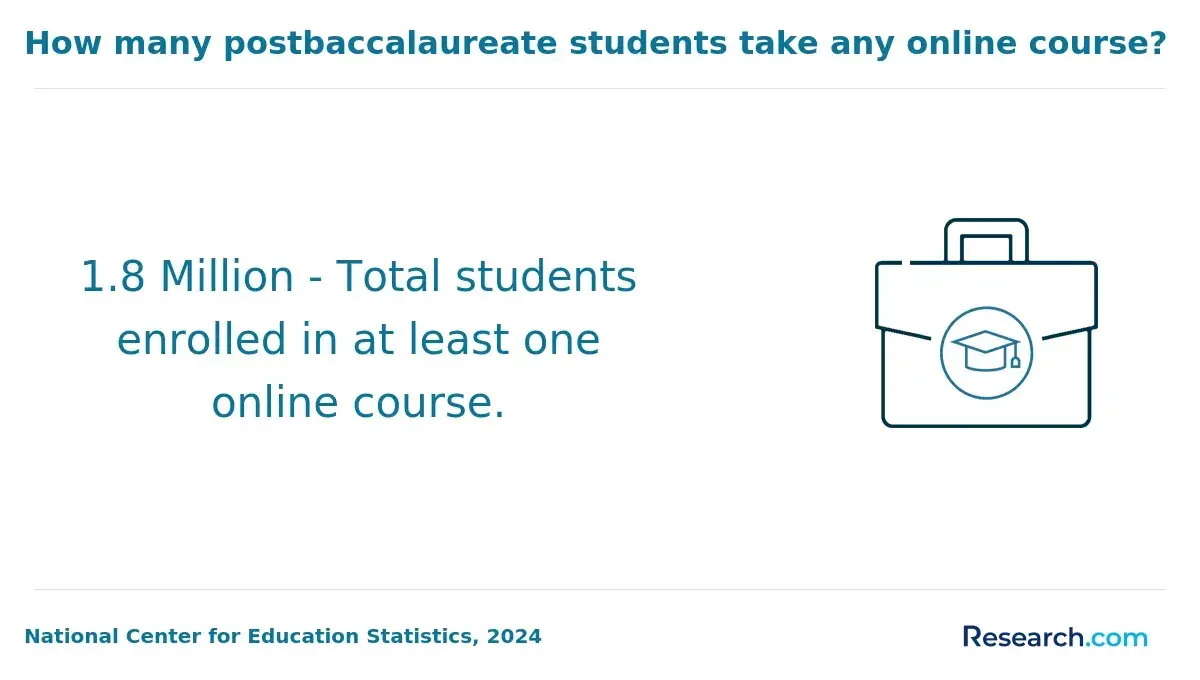
Determining whether to pursue an online BS in Cybersecurity Management at Grand Canyon University involves more than comparing program titles. As online education enrollment grew 8% in 2024 according to the National Center for Education Statistics, flexibility and career relevance now play key roles in student decisions. Many learners weighing this degree must consider if its curriculum matches evolving cybersecurity demands and if admissions policies accommodate working adults. Understanding how the program prepares graduates for practical challenges and industry expectations affects long-term career mobility and ROI. This article analyzes the cost, curriculum, admissions, and career outcomes to clarify whether this program aligns with your professional and academic goals.
Key Points About Grand Canyon University's BS in Cybersecurity Management Program
- With a 60% acceptance rate, Grand Canyon University's online BS in Cybersecurity Management balances accessibility and selectivity, requiring applicants to prepare for moderate competition in admissions.
- Graduates have established credibility in cybersecurity fields, showing employers value this degree's practical focus despite a total tuition cost of $37,212 that demands careful financial planning.
- The program's regional accreditation and faculty expertise indicate alignment with industry standards, supporting skill development that meets workforce expectations for cybersecurity management roles.
What can students expect from Grand Canyon University's online BS in Cybersecurity Management curriculum?
The online BS in Cybersecurity Management at Grand Canyon University integrates technical skills and leadership preparation to meet employer demands for professionals who can navigate both cybersecurity challenges and organizational strategy. A practical scenario illustrates this duality: managing a data breach not only involves technical containment and forensics but also coordinating communication, legal compliance, and risk mitigation with executive teams. This balance is reflective of the typical US standards for cybersecurity management curricula, which combine core cybersecurity technologies with business acumen. Below are key course areas in the Arizona-based BS in Cybersecurity Management course structure showcasing this blend.
- Intrusion Detection: This course requires students to develop competencies in identifying and responding to network breaches using real-time monitoring tools and threat intelligence. Mastery here is essential for frontline defense roles and proactive incident management.
- Cybersecurity Law and Policies: Students analyze regulations, compliance frameworks, and privacy laws that govern information security. Understanding these is crucial for shaping organizational policies that align with evolving legal environments.
- Risk Management and Ethical Hacking: This coursework combines offensive security techniques with risk assessment strategies. It trains students how to test system vulnerabilities and prioritize remediation efforts to protect business assets effectively.
The Grand Canyon University online cybersecurity management curriculum overview demonstrates a deliberate alignment with workforce realities, preparing students to manage cybersecurity operations while bridging the communication gap between technical experts and business leaders. Electives in ethics, statistics, and computer science fundamentals further round out the program, which equips graduates for varied roles such as cybersecurity analyst, consultant, or information security manager. For those evaluating programs, this degree reflects the kind of interdisciplinary instruction that employers increasingly expect, especially within a curriculum consistent with national educational trends for cybersecurity managers. The emphasis on applied learning through case studies reinforces critical thinking skills essential in real-world security scenarios. More broadly, interested students may consult the top 10 best majors for the future to understand how cybersecurity stands in the evolving employment landscape.
What are Grand Canyon University's admission requirements for online BS in Cybersecurity Management program?
Admission into Grand Canyon University's online BS in Cybersecurity Management requires an intersection of formal academic credentials and evidence of relevant competencies, reflecting the program's need to balance accessibility with baseline technical and communication skills. For instance, a working adult with prior IT experience but lacking traditional academic preparation might find the option to submit life experience credits useful; nonetheless, meeting minimum academic benchmarks remains essential for admission consideration. Below is a summary of key admission components prospective students must manage to demonstrate their readiness.
- Academic Credentials: Applicants must have a high school diploma or GED and submit a secondary school transcript. While GPA is mandatory for evaluating prior academic success, specific ranking or college-preparatory coursework is recommended but not required, allowing some flexibility for nontraditional students.
- English Proficiency: Submission of TOEFL scores is compulsory, ensuring all students can engage with program materials effectively, which is critical given that cybersecurity roles demand clear communication skills alongside technical expertise.
- Standardized Tests: Unlike some programs, SAT, ACT, or GMAT scores are not specified as admission requirements, reducing barriers for students who may not have recent test results, thus emphasizing academic records and competencies instead.
- Additional Documentation: The university encourages submission of letters of recommendation and competency demonstrations, which can help strengthen applications by providing qualitative evidence of skills and motivation beyond transcripts.
- Transfer and Credit Considerations: Although transfer acceptance data isn't provided, applicants should submit official transcripts from previous institutions. Credits for life experience and Advanced Placement may accelerate degree progress but dual credits do not apply to this program.
Is it difficult to get admitted to Grand Canyon University's online BS in Cybersecurity Management program?
Admission to most online BS in Cybersecurity Management programs tends to be moderately competitive, balancing demand with the specialized nature of cybersecurity education. Given the growing emphasis employers place on cybersecurity skills, students often face rising application numbers and evolving criteria that reflect both academic readiness and technical aptitude within the field.
Grand Canyon University's program follows this pattern but maintains a relatively accessible admission threshold with an acceptance rate around 60%. With about 47,978 applicants annually and nearly 28,960 admitted, the selection process favors candidates who meet specific academic indicators. For example, typical SAT verbal scores range from 540 to 620, while math scores span 518 to 555; ACT scores generally fall between 19 and 163, underscoring a baseline competency expected from applicants.
Despite the decent acceptance rate, the program's moderately difficult status signals that applicants must adequately prepare to meet these thresholds, especially due to cybersecurity's technical demands. Balancing accessibility with rigor, the program filters for students likely to succeed in a challenging, fast-evolving industry where employers prioritize practical skills reinforced by strong academic foundations.
One recent graduate recalls feeling uncertain about meeting the test score guidelines but appreciated the clear benchmarks laid out early in the process. "I was hesitant at first because my SAT math was on the borderline, but focusing on strengthening my overall application helped," they said. They noted that once admitted, the structured admissions criteria made the program feel targeted and purposeful rather than overly exclusive.
What is the cost of attending an online BS in Cybersecurity Management program at Grand Canyon University?
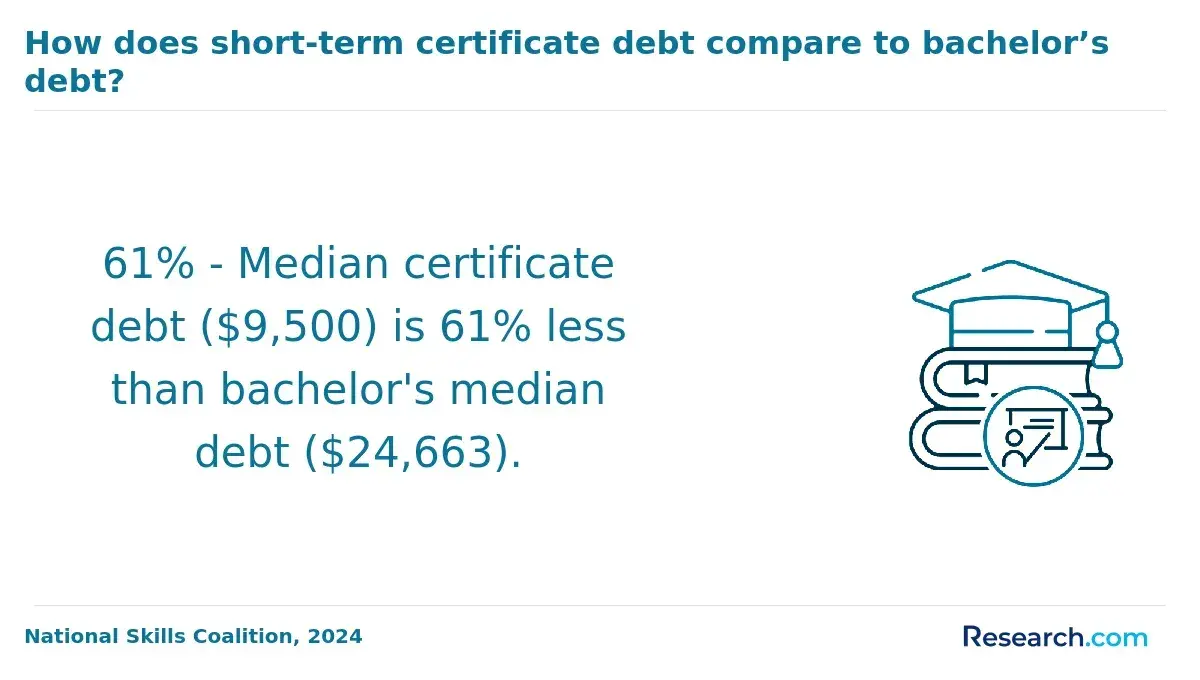
The tuition cost for attending an online BS in Cybersecurity Management program at Grand Canyon University is $17,450 per year, excluding living expenses and supplies. When factoring in additional expenses like books, typically around $1,100 annually, and other fees, the total annual cost approaches $37,212. Notably, there is no special discounted tuition for online students based on residency, so distance learners pay the standard tuition rates without in-state reductions. This structure means students must weigh the financial commitment carefully against the program's delivery format and personal circumstances.
Federal data reports a lower total annual cost for in-state students living on campus-$31,493-which reflects on-campus living expenses rather than online tuition. This distinction is critical because prospective online students at Grand Canyon University should not expect similar cost reductions. Since technology fees specific to online learning are not publicly specified, budgeting for typical tuition and supplies remains essential. Understanding these nuances helps anticipate the real cost and avoid surprises in financial planning.
When compared to national averages for online bachelor's degrees in cybersecurity management, GCU's tuition aligns within a common range, generally between $15,000 and $25,000 annually at private institutions. For students deciding among options, this pricing positions the program competitively but not uniquely. The decision often comes down to balancing the quality of curriculum and career resources against these fees and the willingness to invest in remote learning logistics typical of online degrees in this field.
Prospective students should consider salary outcomes relative to tuition by evaluating fun majors in college that pay well alongside program costs. A realistic view of tuition fees for Grand Canyon University cybersecurity management program is necessary to assess the return on investment in a cybersecurity career path, factoring in the opportunity costs and workforce expectations tied to earning this degree.
Are there financial aid options for online BS in Cybersecurity Management students at Grand Canyon University?
Financial aid availability fundamentally shapes access to Grand Canyon University's online BS in cybersecurity management, directly affecting who can realistically pursue and complete the program. Students employed by companies offering tuition assistance, for instance, might reduce out-of-pocket expenses substantially but face limitations on which courses or timelines qualify for reimbursement. Meanwhile, military-affiliated students encounter distinct benefits that can significantly lower costs but require navigating specific eligibility criteria and documentation. Considering these complexities helps prospective students weigh how much aid they can realistically secure and how that integrates with their personal and professional circumstances.
Key financial aid options for this program include:
- Institutional Scholarships: Awarded based on academic performance or program enrollment, these scholarships often provide partial tuition coverage and require maintaining a minimum GPA.
- Corporate Tuition Reimbursement: Available to students working for participating employers, this option reimburses education expenses upon course completion but may limit students to employer-approved programs or schedules.
- Military Benefits: Active duty and veteran students can leverage the GI Bill and related assistance, which can cover significant tuition portions but demand adherence to military documentation and eligibility rules.
- Federal Financial Aid: Eligibility is determined via FAFSA, with options like Pell Grants and Direct Loans offering need-based grants or subsidized borrowing terms, helping bridge funding gaps with repayment obligations after graduation.
What learning resources are available to online BS in Cybersecurity Management students at Grand Canyon University?
Access to targeted learning resources significantly shapes the practical outcomes for online BS in Cybersecurity Management students at Grand Canyon University, especially as employers increasingly prioritize demonstrable skills and real-time problem-solving abilities. Without effective academic and technical support, the risk grows that students may struggle to bridge theoretical knowledge with critical hands-on competencies, an essential tradeoff that can influence early career trajectories in cybersecurity roles. Reliable infrastructure and academic guidance mitigate these challenges, helping maintain consistent progress and comprehension throughout a program heavily reliant on evolving technologies and threat landscapes. Below are some key resources that can directly impact a student's ability to capitalize on their education.
- Technical Support: Dedicated IT assistance ensures uninterrupted access to learning platforms, software, and virtual classrooms. This reliability is crucial when coursework requires specific cybersecurity tools and environments that might otherwise pose access barriers.
- Personalized Tutoring: Subject-specific tutoring facilitates deeper understanding of complex cybersecurity topics and management principles, helping students navigate difficult concepts that standard lectures might not fully clarify.
- Writing Assistance: Professional support for writing and communication enhances how students document procedures, reports, and research-skills that employers in cybersecurity firms value highly for both clarity and accuracy.
- Online Library System: Access to current research and cybersecurity resources provides up-to-date information on emerging threats and technologies, which is vital for students aiming to remain relevant in a rapidly shifting field.
- Career Services: This includes résumé building, interview coaching, and networking opportunities such as virtual career fairs. These offerings directly address gaps in practical job readiness by connecting students with employers and industry insights.
Does Grand Canyon University's online BS in Cybersecurity Management program have in-person clinicals or practicums?
Requiring in-person clinicals or practicum hours in cybersecurity education remains uncommon compared to fields such as healthcare or education where supervised, on-site experience is mandated. Employers evaluating candidates from cybersecurity management programs often prioritize demonstrated technical skills and applied knowledge over physical attendance at clinical sites. Grand Canyon University's approach reflects this industry standard by foregoing mandatory in-person practicums, which can reduce barriers for students balancing work or family commitments.
Within the Grand Canyon University cybersecurity program practicum options, students engage in practical learning through virtual labs, simulations, and project-based coursework aligned with real-world scenarios. This method mirrors evolving employer expectations, emphasizing remote threat analysis, risk assessment, and security protocol implementation rather than traditional clinical experience. The absence of physical practicum requirements enables greater flexibility but demands self-motivation and disciplined time management from students to gain meaningful hands-on expertise.
Specifically, the online BS in cybersecurity management clinical requirements at Grand Canyon University do not include any in-person obligations. Students complete exercises replicating industry challenges virtually, supporting a fully online pathway without on-site attendance. While some cybersecurity degrees encourage internships for additional work experience, this program's design allows students who cannot commit to physical placements to progress efficiently. For those researching options balancing career and education, resources like best degrees for single moms may provide further guidance on similarly flexible programs.
What careers can graduates of online BS in Cybersecurity Management at Grand Canyon University secure?
The professional marketability of graduates with an online BS in Cybersecurity Management from Grand Canyon University hinges on how effectively the degree translates into sustainable roles within cybersecurity management jobs for Grand Canyon University graduates. Selecting this program positions students to access several specialized career tracks with varying operational responsibilities and salary expectations. In practice, graduates must balance the technical demands of security threats with organizational leadership duties, a dynamic increasingly valued by employers. Below are some common career opportunities with online BS in Cybersecurity Management from Grand Canyon University:
- Cybersecurity Analyst: Professionals monitor systems for breaches, analyze security incidents, and implement measures to shield sensitive data. This role requires active problem-solving and often commands competitive entry-level wages.
- Information Security Manager: This position entails overseeing cybersecurity strategies, ensuring regulatory compliance, and coordinating teams to reduce organizational risk. Generally, it involves managerial duties with higher salary brackets reflecting the responsibility.
- Security Consultant: Consultants evaluate client security frameworks, recommend enhancements, and help organizations fortify defenses against evolving cyber threats. Their advisory role is crucial for companies lacking in-house expertise.
- Risk Analyst: Focused on identifying vulnerabilities and assessing potential impacts, risk analysts help align security efforts with business objectives, a function often essential in financial and healthcare sectors.
Graduates typically enter industries where robust data protection is critical, such as government and technology. The program's curriculum aligns closely with labor market demands, which supports employability but also requires ongoing skill development due to fast-changing threats. For those evaluating the long-term returns of a BS in Cybersecurity Management, a detailed look into comparable credentials and employment outcomes, such as those presented in the research on most valuable masters degrees, can offer added perspective on career trajectories in the cybersecurity domain.
What is the salary outlook for online BS in Cybersecurity Management graduates?
Graduates holding an online BS in Cybersecurity Management from Grand Canyon University generally enter a labor market where median salaries for cybersecurity-related fields outpace many other disciplines, signaling tangible financial upside. Employers increasingly prioritize candidates with cybersecurity expertise due to rising security threats and compliance demands, making this specialization a practical choice for prospective students weighing their return on investment.
The reported median salary for alumni in related fields such as Homeland Security is $63,625, considerably above the broader university median of $42,186. This differential suggests that those pursuing cybersecurity management positions can expect favorable earning potential early in their careers, especially compared to graduates in less technical fields like Communication and Media Studies or Health and Physical Education, which report median salaries closer to $32,000.
Real-world workforce implications include enhanced prospects for advancement as organizations grow more reliant on digital security infrastructure. When assessing the value of the degree, it is crucial to balance the program's cost against these earning outcomes and sector demand. Students interested in exploring similar accelerated or targeted programs might consider a one year degree for seniors to supplement their qualifications.
The salary outlook for Grand Canyon University online BS in Cybersecurity Management graduate salary ranges in the US reflects both projected career growth and average earnings for GCU cybersecurity management graduates aligned with market needs.
How do you know if Grand Canyon University's online BS in Cybersecurity Management program is the right choice for you?
Choosing whether Grand Canyon university's online BS in cybersecurity management meets your needs requires careful alignment with your learning style, career trajectory, and practical constraints. Success in this field often hinges on balancing theoretical frameworks with usable skill sets employers prioritize. Assessing how well a program's format and content fit your specific situation helps avoid common pitfalls like investing in overly rigid schedules or insufficiently applied coursework. Consider these pivotal factors to decide if this program matches your profile.
- Curriculum Integration: Evaluate if the coursework offers a balanced mix of conceptual knowledge and hands-on application, particularly in areas like risk management, information assurance, and policy implementation. This blend is crucial for roles requiring problem-solving beyond textbook theory.
- Flexibility and Accessibility: Analyze the program's delivery method, including asynchronous learning and virtual collaboration tools, to ensure it accommodates your work-life commitments. A program neglecting flexible pacing can undermine progression, especially for working professionals.
- Community Support and Networking: Investigate opportunities for mentorship and engagement within cybersecurity-focused organizations. Such support often distinguishes online degrees by fostering real-world connections and professional growth that aren't easily replicated remotely.
- Certification Alignment: Verify how well the curriculum prepares you for industry-recognized certifications, which frequently influence hiring decisions in cybersecurity management positions.
One graduate reflected on their own experience, noting, "I initially hesitated because I needed a program that fit around my unpredictable work hours and provided more than just theory. Grand canyon university's asynchronous classes allowed me to study late at night after shifts. What really convinced me was the focus on certifications aligned with what employers asked for in my area. Still, I found myself investing extra time in forums to connect with peers since the virtual setup wasn't as immersive as in-person classes, but those discussions became invaluable for networking. In hindsight, this program worked because I set clear priorities upfront and matched them against what the curriculum and delivery could realistically offer."
What Graduates Say About Grand Canyon University's BS in Cybersecurity Management Program
- David: "Studying for my BS in Cybersecurity Management at Grand Canyon University was a balancing act alongside a demanding job, but the flexible online format made it manageable. The program's focus on real-world scenarios, especially the case studies involving incident response, sharpened my problem-solving skills, which my employer values highly. While certifications still played a key role in getting through the hiring process, completing the degree helped me move into leadership roles that emphasize strategic thinking over pure technical knowledge."
- Anika: "Grand Canyon University's BS in Cybersecurity Management program gave me a solid foundation in both technology and policy, which is crucial in my current role managing compliance at a mid-sized firm. What stood out was the emphasis on risk management and ethical considerations, areas often overlooked elsewhere. Although I faced a few hurdles competing with candidates who had more hands-on experience, the degree helped me pivot into cybersecurity from an IT background faster than I anticipated, and the remote learning setup allowed me to gain relevant internships along the way."
- Adam: "I approached the BS in Cybersecurity Management program at Grand Canyon University with clear goals around career growth, but quickly realized that the industry prioritizes certifications and practical experience alongside formal education. The coursework was challenging, especially in topics like cryptography and network defense, which made me appreciate the complexity of the field. Post-graduation, I found that while my degree opened doors, advancing beyond entry-level roles required continuous learning and certs; still, having the degree positioned me well for salary discussions and hybrid work opportunities."
Other Things You Should Know About Degrees
The online BS in cybersecurity management program at Grand Canyon University is designed with working adults in mind, offering asynchronous coursework that allows students to study on their own schedule. However, students should be prepared for consistent weekly commitments, including discussions and assignments that require timely participation. To successfully balance work and study, prioritizing time management and setting a structured routine is essential, as falling behind can quickly increase workload pressure.
While the program covers foundational cybersecurity management concepts, it places less emphasis on hands-on technical certifications like CISSP or CEH, which employers often prioritize. Prospective students should plan to supplement their studies with additional certification training post-graduation if their career goals demand strong technical credentials. This makes the degree a strong managerial stepping stone but not a comprehensive technical preparation on its own.
Since the BS in cybersecurity management is fully online, students miss out on face-to-face networking and informal mentorship typically found on campus. Although GCU offers virtual networking events and career services, students should proactively engage online and seek industry-specific groups to build connections. Prioritizing these virtual interactions can offset the absence of in-person contact and is critical for accessing job leads and mentorship in cybersecurity management roles.
Yes, the 2027 Grand Canyon University Online BS in Cybersecurity Management program is designed to accommodate students without prior IT experience. The curriculum includes foundational courses that introduce key cybersecurity concepts, helping beginners build essential skills for the industry.
References
- What to Expect During an Online BS in Cybersecurity Program https://www.umassglobal.edu/blog-news/expect-during-online-bs-cybersecurity-program
- GCU Dept. of Welcome Programs https://gcuwelcome.org/resources
- Higher Education Services https://www.gce.com/
- How to Pay for a Degree in Cybersecurity | CyberDegrees.org https://www.cyberdegrees.org/resources/how-to-pay-for-a-degree/
- GCU K12 Resources | Canyon PD https://www.canyonpd.com/gcu-k12-education-resources/
- Bachelor of Science inCybersecurity Online or On Campus https://www.albany.edu/cehc/programs/bs-cybersecurity
- Grand Canyon University (GCU): Fast-Track Your Bachelor’s Degree https://www.degreehacked.org/schools/grand-canyon-university-fast-track-your-bachelors-degree
- Cybersecurity Degree Requirements: What’s New for 2025 - Programs.com https://programs.com/resources/cybersecurity-degree-requirements/
- Online Bachelor's Degree: Cybersecurity Management & Policy https://www.umgc.edu/online-degrees/bachelors/cybersecurity-management-policy
- GCU LMS: Your Guide To Grand Canyon University's Platform | Two Continents CRM Portal https://crm.twocontinents.com/blog/gcu-lms-your-guide-to-grand-canyon-universitys-platform-1767648345