2027 Accredited Online Biotechnology Degree Programs for Working Adults: Flexible, Part-Time, and Self-Paced Options

Co-Founder and Chief Data Scientist
Choosing an accredited online biotechnology degree while working full time means balancing lab-based science, tuition, deadlines, and career payoff. The timing matters: the U. S. Bureau of Labor Statistics reported a May 2024 median wage of $51,430 for biological technicians, while advanced biotech-related roles often require stronger credentials. This guide is for adults comparing flexible, part-time, and self-paced options. You'll learn how accreditation, format, cost, transfer credit, and hands-on requirements affect whether a program fits your schedule and long-term goals.
Key Things You Should Know
- Accreditation is the first filter: choose a school recognized by the U.S. Department of Education or CHEA, then check whether the biotechnology, biology, engineering, or laboratory component has any program-specific recognition relevant to your career goal.
- Working adults usually need 6 to 15 hours per week for one 3-credit course; part-time bachelor's completion often takes 4 to 6 years, while transfer credits can shorten the timeline substantially when schools accept prior science, math, and general education coursework.
- Costs vary widely: College Board's 2024-25 national averages show published tuition and fees of $11,610 for in-state public four-year institutions and $43,350 for private nonprofit four-year institutions, so online students should compare total program cost, not only per-credit tuition.
What Is an Accredited Online Biotechnology Degree Program and Why Does Accreditation Matter?
An accredited online biotechnology degree program is a college program delivered fully or partly online that teaches the science and applied skills behind products and processes such as pharmaceuticals, vaccines, diagnostics, agricultural biotechnology, genetic testing, bioinformatics, and biomanufacturing. Coursework usually combines biology, chemistry, genetics, molecular biology, statistics, quality control, regulatory concepts, and laboratory methods.
For working adults, accreditation matters because it affects financial aid eligibility, transfer credit, employer recognition, graduate school admission, and sometimes access to internships or laboratory placements. In the United States, the most important baseline is institutional accreditation from an accreditor recognized by the U.S. Department of Education or the Council for Higher Education Accreditation. Programmatic accreditation is less universal in biotechnology than in nursing or engineering, but it may matter if the degree is housed in an engineering, clinical laboratory science, or professional science master's program.
The table below explains common biotechnology credential levels and how each one usually fits adult learners. Use it to avoid over-enrolling in a degree that is longer or more expensive than your immediate goal requires.
| Credential level | Typical online availability | Best fit for working adults | Important limitation |
| Associate degree | Moderate, often with local lab requirements | Career changers seeking entry-level lab or manufacturing roles | May not be enough for research associate or advancement roles |
| Bachelor's degree | Common as degree-completion or fully online science programs | Adults who need a recognized undergraduate credential for biotech, pharma, diagnostics, or graduate study | Science prerequisites can slow progress if not already completed |
| Master's degree | Common in biotechnology, bioinformatics, regulatory science, or professional science formats | Professionals with a science background seeking specialization or advancement | May require prior biology, chemistry, statistics, or lab experience |
| Graduate certificate | Common and often stackable | Workers testing a field before committing to a full master's degree | Usually not equivalent to a degree for roles requiring one |
Accreditation also protects you from a common mistake: assuming that "online" and "accredited" mean the same thing. A program can be online, flexible, and heavily marketed while still lacking the recognition you need for federal aid, transfer, or employer tuition reimbursement.
Which Flexible Biotechnology Degree Formats Are Best for Working Adults: Part-Time, Full-Time, or Self-Paced?
The best format depends on how predictable your work schedule is, how much science coursework you have already completed, and whether the program includes live labs or fixed deadlines. "Flexible" does not always mean "self-paced"; many online biotechnology programs are asynchronous but still follow weekly due dates.
The table below compares common online formats from the perspective of an adult learner who may be managing full-time employment, childcare, commuting, or rotating shifts.
| Format | How it usually works | Best for | Trade-off |
| Part-time online | One or two courses per term with regular deadlines | Full-time workers who need a predictable workload | Longer time to graduation |
| Full-time online | Three or more courses per term, often 12 or more credits | Adults who can reduce work hours or study intensively | Higher weekly workload and greater burnout risk |
| Asynchronous online | Recorded lectures, discussion boards, and assignments due by set dates | Workers who cannot attend live classes consistently | Still requires weekly discipline and calendar planning |
| Synchronous online | Live evening or scheduled virtual classes | Learners who want real-time faculty access and structure | Harder for shift workers or parents with unpredictable schedules |
| Self-paced or competency-based | Students progress by completing modules, assessments, or competencies within a term window | Motivated adults with prior knowledge and strong time management | Not always available for lab-heavy science courses |
| Hybrid online | Online lectures plus campus visits, local labs, or intensives | Students who need hands-on training but live near an approved site | Travel and scheduling can reduce flexibility |
If your goal is to finish quickly, compare biotechnology programs with broader accelerated pathways before assuming the fastest option is the best one. Research.com's guide to a fast track degree can help you understand how accelerated calendars, transfer policies, and adult degree-completion models differ across fields.
Part-time study is usually the safest choice for adults working full time, especially in biology and chemistry courses that require lab reports, problem sets, and technical reading. Self-paced study can work well if you already understand the subject matter, but it can become risky if you postpone difficult science modules until the end of a term.
What Are the Admission Requirements for Accredited Online Biotechnology Degree Programs?
Admissions requirements vary by degree level, but accredited biotechnology programs usually want evidence that you can handle college-level science and quantitative work. Bachelor's degree-completion programs may be designed for students who already have prior college credits, while master's programs often expect a bachelor's degree in biology, chemistry, biochemistry, engineering, or a related field.
Before applying, review each program's prerequisites carefully because missing one science course can delay admission or force you to take additional classes before entering the major. Common requirements include the following:
- High school diploma, GED, or completed associate degree for undergraduate admission
- Official transcripts from all colleges attended
- Prerequisite coursework such as general biology, general chemistry, algebra, statistics, organic chemistry, microbiology, or genetics, depending on the level
- Minimum GPA, often higher for upper-division bachelor's completion or graduate programs
- Resume or work history, especially for professional science master's programs
- Statement of purpose explaining career goals in biotechnology, biomanufacturing, pharmaceuticals, bioinformatics, or regulatory science
- Letters of recommendation for many graduate programs
- English proficiency documentation for applicants whose prior education was not in English
Adults who are still deciding between laboratory science and direct patient-care roles should compare admissions expectations across healthcare programs. For example, online medical assistant programs usually prepare students for different clinical responsibilities than biotechnology degrees, even though both can lead into healthcare-related workplaces.
A practical admissions strategy is to request an unofficial transcript evaluation before you pay an application fee. Ask whether your prior credits satisfy general education, lab science, math, and elective requirements; then confirm whether the answer will change after formal admission.
How Much Does an Online Biotechnology Degree Cost, and What Financial Aid Options Are Available?
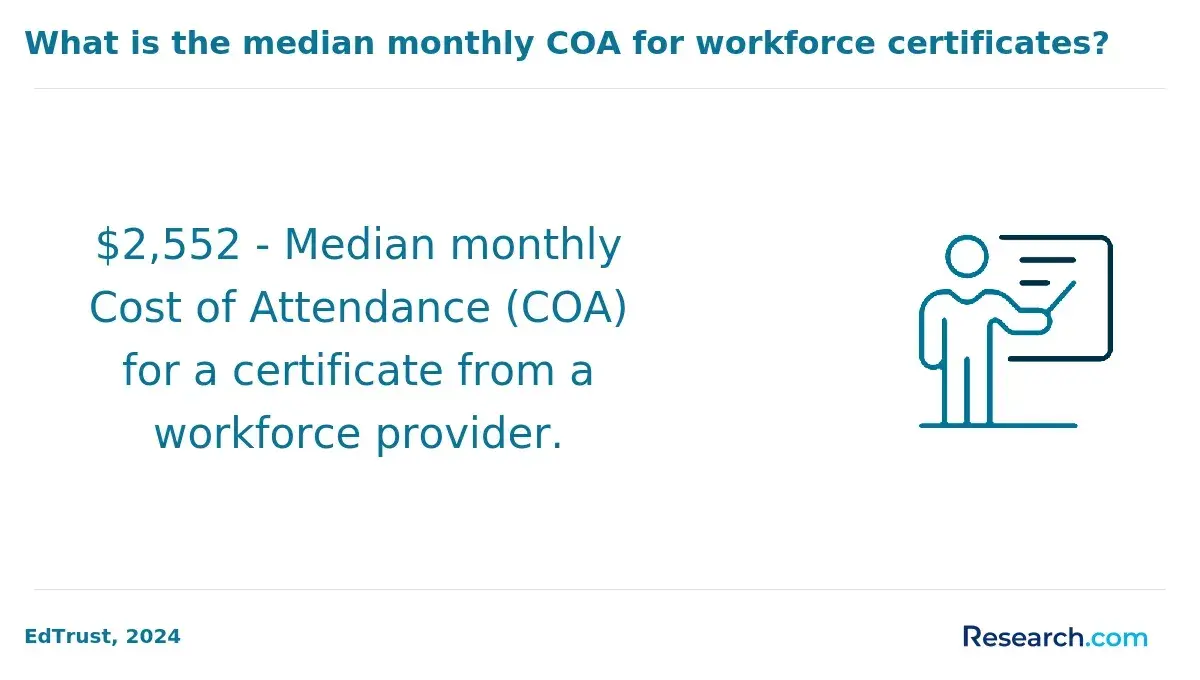
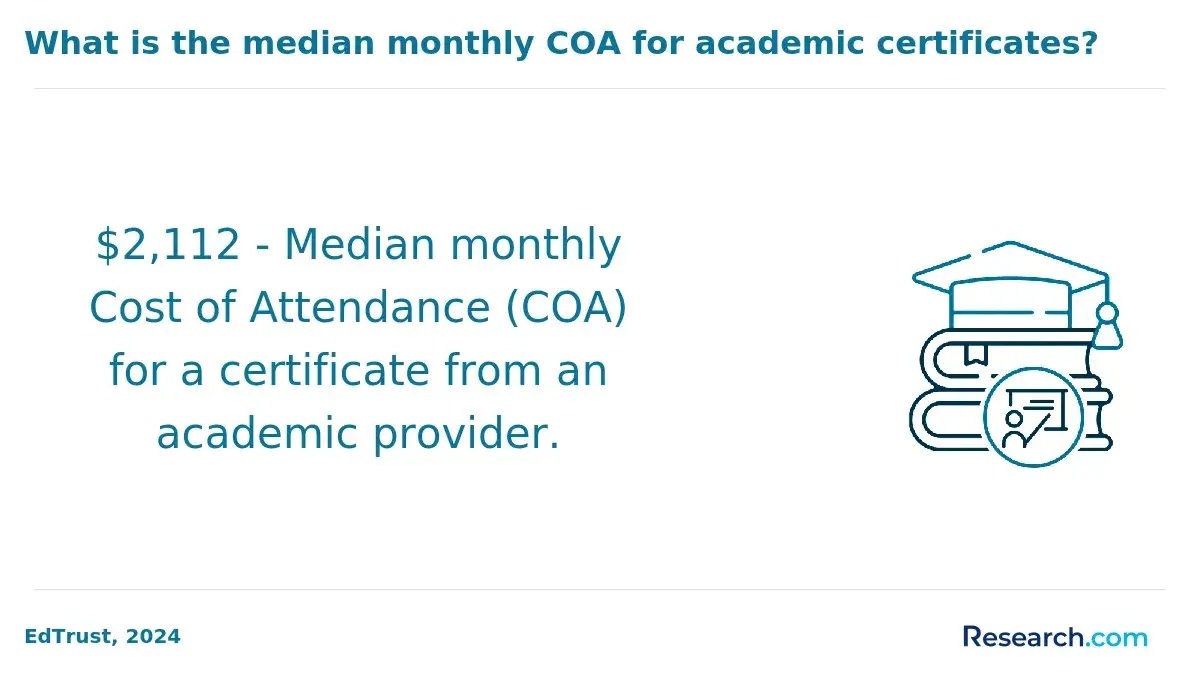
The cost of an online biotechnology degree depends on tuition, fees, transfer credits, residency status, textbook and lab materials, technology costs, and whether you need campus visits or local lab placements. College Board's 2024-25 data show that average published tuition and fees were $11,610 at public four-year in-state institutions and $43,350 at private nonprofit four-year institutions. For online students, that spread means school type and residency policy can matter as much as delivery format.
Most schools list tuition per credit, but working adults should calculate the total degree cost after transfer credit. The table below summarizes the cost categories that commonly affect online biotechnology students.
| Cost category | What to check | Why it matters for working adults |
| Tuition | Per-credit rate, flat-rate tuition, and residency rules | Some online programs charge the same rate to all students, while others charge out-of-state tuition |
| Mandatory fees | Online learning, technology, student services, graduation, and lab fees | Fees can change the real price even when tuition looks affordable |
| Lab materials | Home lab kits, software, safety materials, or local lab site expenses | Biotechnology courses may require materials beyond standard textbooks |
| Travel | Campus intensives, weekend labs, or proctored exams | Travel can be difficult for employees with limited vacation time |
| Lost work time | Reduced shifts, unpaid leave, or childcare coverage | The cheapest program may not be affordable if it disrupts income |
Financial aid options depend on accreditation, enrollment intensity, degree level, and individual eligibility. For the 2024-25 award year, the maximum Federal Pell Grant was $7,395, but Pell eligibility is limited to qualifying undergraduate students and does not cover every cost.
Working adults should compare these funding options before borrowing:
- Federal grants and loans through the FAFSA, if the institution and program are eligible
- State grants, workforce grants, or adult learner scholarships
- Employer tuition reimbursement or tuition assistance, especially in pharma, hospital, manufacturing, and research organizations
- Military and veteran education benefits, when applicable
- Institutional scholarships for transfer students, online learners, or STEM majors
- Payment plans that spread tuition across the term without adding high-interest debt
If your goal is healthcare leadership rather than lab science, it may be useful to compare biotechnology costs with an accelerated healthcare administration degree online. The right choice depends on whether you want to work closer to research, production, operations, compliance, or management.
How Long Does It Take to Complete an Online Biotechnology Degree, and Can Transfer Credits Help You Graduate Faster?
Completion time depends on degree level, course load, term length, prerequisites, and transfer credit. A traditional bachelor's degree is commonly designed around 120 credits, but many online biotechnology options are degree-completion programs for students who already have an associate degree or prior college coursework.
The table below gives realistic planning ranges rather than promises. Use it to estimate whether a program's schedule fits your employment and family responsibilities.
| Pathway | Common credit structure | Typical working-adult timeline | Schedule concern |
| Associate to bachelor's completion | About 60 remaining credits if transfer is maximized | 2 to 4 years part time | Upper-division science courses may have strict sequencing |
| Full bachelor's degree | About 120 credits | 4 to 6 or more years part time | General education and lab science requirements add time |
| Master's degree | Often 30 to 36 credits | 18 months to 3 years | Capstone, thesis, or internship requirements can affect pacing |
| Graduate certificate | Often 12 to 18 credits | 6 to 18 months | May or may not stack into a later master's degree |
Transfer credit can be one of the biggest advantages for adult learners, but policies differ sharply. Some schools accept large numbers of credits from accredited colleges, while others limit credits in the major, require recent science coursework, or reject older lab classes.
Use this sequence before enrolling so you do not lose time or money:
- Collect official or unofficial transcripts from every college you attended.
- Ask for a written transfer evaluation that separates general education, major, prerequisite, and elective credits.
- Confirm whether older biology, chemistry, statistics, or lab courses expire for major requirements.
- Ask whether professional training, military learning, industry credentials, or prior learning assessment can count toward electives.
- Compare your remaining credits at two or three accredited schools before committing.
Adults focused on speed should remember that acceleration is not only about shorter terms. A school with generous transfer credit may be faster than a highly compressed program that requires you to retake science prerequisites.
What Should You Look for When Comparing Accredited Online Biotechnology Degree Programs?
A strong online biotechnology program should match your career target, schedule, budget, and learning style. For working adults, the best program is not always the cheapest, fastest, or most flexible; it is the one you can complete without sacrificing the academic quality and hands-on preparation your goals require.
Start with the essentials that affect legitimacy and fit. These comparison points are especially important because biotechnology combines online coursework with scientific competencies that may require labs, simulations, or supervised practice.
- Institutional accreditation recognized by the U.S. Department of Education or CHEA
- Clear biotechnology curriculum with biology, chemistry, molecular biology, statistics, quality systems, regulatory concepts, and data skills
- Published online format details, including asynchronous work, live sessions, term length, and lab expectations
- Transparent total cost, including fees, lab materials, and travel
- Transfer-credit policy that explains maximum credits, science course age limits, and evaluation timing
- Faculty experience in biotechnology, pharmaceuticals, biomanufacturing, clinical research, bioinformatics, or regulatory affairs
- Career services connected to STEM employers, internships, resume support, and professional networking
- Student support available outside traditional business hours
Red flags deserve equal attention. Avoid these common mistakes when comparing schools:
- Enrolling before verifying accreditation through an independent source
- Assuming "self-paced" means there are no term deadlines or maximum completion limits
- Choosing a program based only on tuition while ignoring lab, technology, and travel costs
- Overlooking whether online science labs are accepted by graduate schools or employers you may target later
- Underestimating weekly workload for chemistry, genetics, statistics, and lab-report courses
- Ignoring whether the program has career outcomes or employer connections in your region
- Assuming every biotechnology degree prepares you for clinical laboratory licensure or patient-facing healthcare roles
Before speaking with admissions, prepare questions that force clear answers. Ask how many credits you have left, whether labs are online or in person, how often live attendance is required, whether courses are offered every term, and what happens if you need to pause because of work or family obligations.
What Career Opportunities and Salary Potential Can You Expect With a Biotechnology Degree?
A biotechnology degree can support roles in laboratories, biomanufacturing, pharmaceuticals, diagnostics, agricultural science, quality assurance, regulatory affairs, clinical research, and data-focused life science teams. The best career path depends on your degree level, lab experience, location, and whether you add skills in data analysis, quality systems, automation, or regulatory documentation.
BLS May 2024 wage data provide useful context, but they should not be treated as a guarantee. Median wages describe the middle of a broad labor market; your outcome may vary by employer, region, degree level, experience, and whether the role is research, manufacturing, compliance, or management.
| Role or pathway | Typical responsibilities | Relevant preparation | May 2024 U.S. median wage context |
| Biological technician | Run experiments, maintain lab equipment, collect samples, record results | Associate or bachelor's degree with lab skills | $51,430 |
| Clinical laboratory technologist or technician | Analyze medical specimens and operate laboratory instruments | Bachelor's degree may be required for technologist roles; state rules vary | $61,890 |
| Medical scientist | Conduct research related to disease, drugs, or medical products | Advanced degree often preferred or required | $100,590 |
| Natural sciences manager | Supervise scientists, research programs, quality teams, or technical operations | Science degree plus experience; graduate education may help | $169,120 |
Current trends are changing the skill mix in biotechnology. Employers increasingly value data literacy, automation awareness, bioinformatics exposure, quality documentation, and familiarity with regulated environments. A purely theoretical program may be less useful than one that helps you document practical competencies through labs, projects, portfolios, capstones, or employer-connected experiences.
If your long-term goal is to move from science into operations, finance, or executive leadership, a science degree may eventually pair well with an MBA healthcare management pathway. That combination is most relevant for professionals who want to manage teams, budgets, compliance, or healthcare innovation rather than stay exclusively in bench science.
How Can Working Adults Balance a Biotechnology Degree With Full-Time Work and Family Responsibilities?
Balancing biotechnology coursework with full-time work requires more planning than many online degrees because science classes often include labs, problem sets, technical vocabulary, and cumulative concepts. A single 3-credit course can commonly require 6 to 9 hours per week when readings, assignments, discussion posts, lab reports, and exam review are included.
The most sustainable plan is to design your course load around your hardest obligations, not your most optimistic week. These steps can help you avoid overcommitting:
- Start with one science course in your first term if you have been away from school for several years.
- Pair demanding courses, such as chemistry or genetics, with lighter electives only when possible.
- Block recurring study times before the term begins, including one backup session for missed work.
- Tell your advisor about shift work, caregiving, military duty, or travel before registering for classes.
- Use employer tuition assistance calendars to avoid missing reimbursement deadlines.
- Plan labs, exams, and group projects around family responsibilities instead of waiting until due dates are close.
- Reassess your course load after the first major exam or lab report, not after the withdrawal deadline has passed.
Adults often do better when they treat school like a recurring professional obligation rather than a task to fit into leftover time. If your schedule is unpredictable, asynchronous part-time study may be more realistic than live evening classes; if you need accountability, a structured cohort may be better than a self-paced program.
If missing one work shift, childcare arrangement, or lab deadline would derail your term, choose a slower program with stronger scheduling predictability instead of the fastest advertised option.
What Student Support Services and Online Learning Resources Should You Expect From a Biotechnology Degree Program?
Student support matters because online biotechnology students often need both academic help and practical scheduling support. A program can have strong content but still be a poor fit if tutoring, advising, library access, and technical help are unavailable when working adults study, which is often evenings or weekends.
Look for support services that match the demands of science coursework. These resources can make the difference between staying on track and falling behind after one difficult lab module or exam.
- Dedicated academic advisor familiar with online biotechnology course sequencing
- STEM tutoring for biology, chemistry, statistics, genetics, and writing lab reports
- Online library access to scientific journals, citation tools, and research databases
- Virtual lab platforms, simulations, or approved lab-kit support when used by the curriculum
- Faculty office hours offered online and outside standard work hours
- Career services for biotech resumes, LinkedIn profiles, internships, interview preparation, and employer connections
- Disability services and accommodations for online exams, labs, and learning platforms
- Technical support during evenings or weekends, especially if exams or labs use specialized software
Ask whether support is available to part-time students at the same level as full-time students. Some services may be technically available but difficult to access if appointments are only offered during your workday.
Do Online Biotechnology Degree Programs Include Internships, Practicums, or Other Hands-On Learning Requirements?
Many online biotechnology programs include hands-on learning, but the format varies. Some use virtual labs and simulations for foundational concepts, while others require home lab kits, local lab placements, weekend intensives, internships, capstones, or employer-based projects. For biotechnology, hands-on learning is not a minor detail; it affects your readiness for laboratory, manufacturing, quality, and research roles.
The table below compares common hands-on components so you can identify which requirements may affect travel, scheduling, and employer approval.
| Hands-on component | How it may appear online | Best suited for | Scheduling impact |
| Virtual lab | Simulation-based experiments and data interpretation | Foundational science and concept reinforcement | Usually flexible, but deadlines still apply |
| Home lab kit | Approved materials shipped to the student | Introductory lab activities where safe and appropriate | Requires workspace, safety compliance, and time for reports |
| Campus intensive | Short in-person lab sessions over several days | Programs that need controlled equipment or supervised lab practice | Requires travel, leave from work, and advance planning |
| Local internship | Placement with a lab, manufacturer, hospital, research site, or biotech employer | Students seeking practical experience and networking | May require daytime availability |
| Capstone project | Research, applied project, data analysis, or employer-based problem | Master's and degree-completion students | Flexible if project scope is clear early |
Adults with full-time jobs should ask whether current employment can satisfy internship or project requirements if the work is relevant. Also ask who finds placements: the school, the student, or both. A "required internship" is much easier to manage when the program has established employer relationships or allows approved local sites.
If you are comparing biotechnology with shorter clinical training routes, remember that hands-on requirements may look very different. Research.com's guide to accelerated certified medical assistant programs illustrates how fast clinical pathways can involve different expectations, timelines, and job outcomes than science-based biotechnology degrees.
Other Things You Should Know About Biotechnology
Biotechnology can connect to both, but it is not the same as direct patient care. Many roles focus on research, product development, quality testing, manufacturing, diagnostics, agriculture, or regulatory documentation rather than treating patients.
You do not need to be a mathematician, but you should be comfortable building skills in algebra, statistics, data interpretation, and quantitative lab work. Bioinformatics, quality control, and research roles usually require stronger data skills.
Some roles involving regulatory affairs, data analysis, scientific writing, project coordination, or bioinformatics may offer remote or hybrid options. Bench lab, manufacturing, and specimen-testing jobs usually require in-person work because they involve equipment, samples, or controlled environments.
Biotechnology is broader and often includes lab science, product development, and applied biology. Bioinformatics focuses more on biological data, coding, databases, statistics, and computational analysis, making it a better fit for students who want a data-heavy life science path.
References
- Need for global accreditation of courses - GAOTE https://gaote.org/blog/need-for-global-accreditation-of-courses/
- The Significance of International Accreditation in Higher Education: An Educator's Perspective https://www.qahe.org/article/the-significance-of-international-accreditation-in-higher-education-an-educators-perspective/
- What jobs can I get in biotechnology? | edX https://www.edx.org/resources/job-opportunities-in-biotechnology
- Biotechnology Courses: Where Can You Study? What Are The Options? - Cemp https://cempeducation.com/news/biotechnology-courses-where-can-you-study-what-are-options/
- Online, Hybrid, and More: Flexible Learning Options in College - ReUp Education https://reupeducation.com/blog/online-hybrid-and-more-flexible-learning-options-in-college/
- Online Biotechnology Master's Degrees: Reviewing Top Programs https://www.edumed.org/online-schools/biotechnology-masters-degrees/
- Types of Flexible Working Arrangements https://darwinbox.com/blog/types-of-flexible-work-arrangements
- Understanding the Role of Accrediting Agencies in Ensuring Quality Education - Swiss School of Business Research https://ssbr-edu.ch/accreditation/
- Biotechnology Career Guide: Top Jobs, Salaries & Future Scope https://geu.ac.in/blog/biotechnology-career-guide
- Accreditation processes for technical programs https://edquip.co/blog/accreditation-processes-for-technical-programs