2027 Best Accredited Online Biotechnology Degree Programs: Compare Tuition, Admissions, and Career Outcomes

Co-Founder and Chief Data Scientist
Choosing an online biotechnology degree is a high-stakes decision because the field rewards both scientific knowledge and hands-on technical skill. The U. S. Bureau of Labor Statistics projects biological technician employment to grow 6% from 2023 to 2033, faster than the average for all occupations, making program quality and lab preparation important. This guide is for working adults, transfer students, and science-focused learners comparing accredited online options. You will learn how to evaluate tuition, admissions, accreditation, flexibility, and outcomes so you can choose a program with stronger long-term value.
Key Things You Should Know
- Choose an institution accredited by a U.S. Department of Education-recognized accreditor, and look for specialized accreditation only when your target role requires it, such as ABET for some bioengineering paths or NAACLS for medical laboratory science.
- College Board's 2024-25 data shows average published tuition and fees of $11,610 for in-state public four-year students, $30,780 for out-of-state public students, and $43,350 for private nonprofit students.
- Online biotechnology degrees can support lab, quality assurance, biomanufacturing, regulatory, bioinformatics, and graduate study pathways, but fully online formats may require separate planning for wet-lab experience, internships, or employer-based laboratory training.
Which Accredited Online Biotechnology Degree Programs Offer the Best Overall Value?
The best accredited online biotechnology degree program is not simply the cheapest program or the most recognizable brand. The strongest value usually comes from a program that combines recognized accreditation, manageable total cost, flexible scheduling, credible science coursework, lab-skill development, and career services that match your target role.
Online biotechnology options are more common at the master's and certificate levels than at the bachelor's level. Undergraduate students may find programs labeled biotechnology, applied biotechnology, biological sciences, or biotechnology management, while graduate students often compare biotechnology, bioinformatics, biomanufacturing, regulatory science, and biomedical innovation programs.
The table below summarizes common value profiles among accredited online biotechnology-related programs. It is designed to help you shortlist programs by fit rather than assume one school is best for every learner.
| Program type | Best value for | Typical strengths | Main trade-off to check |
| Public online bachelor's in biotechnology or applied biotechnology | Transfer students, working adults, and cost-sensitive undergraduates | Lower tuition potential, flexible completion paths, broad science foundation | May require transfer credits, local lab completion, or limited advanced lab exposure |
| Private nonprofit online master's in biotechnology | Students seeking advancement into research support, product development, or biotech leadership tracks | Specialized electives, stronger professional networks, employer-recognized branding | Higher tuition can reduce ROI if the student does not need a graduate credential |
| Online biotechnology management or regulatory science program | Professionals moving from lab work into compliance, quality, operations, or commercialization | Career relevance for regulated biotech and pharma environments | May offer less depth in wet-lab science than a research-focused curriculum |
| Online bioinformatics or computational biotechnology program | Students interested in genomics, data analysis, AI-enabled drug discovery, or computational biology | Strong alignment with current data-driven biotech hiring trends | Requires comfort with statistics, coding, and quantitative problem-solving |
For most students, the best overall value is a regionally accredited public or nonprofit program that allows transfer credit, offers asynchronous coursework, includes credible laboratory or project-based learning, and publishes clear career outcome information. A higher-cost private program can still be worth it when it offers specialized faculty access, strong employer connections, or a curriculum that directly supports a promotion or graduate-school goal.
A common mistake is choosing a program because it has "biotechnology" in the title without checking whether the curriculum includes molecular biology, genetics, biochemistry, statistics, quality systems, and laboratory methods.
A second mistake is ignoring whether the online format provides any pathway to practical experience, because biotech employers often want evidence that applicants can work with protocols, instruments, data, and regulated procedures.
What Accreditation Should Students Look for in an Online Biotechnology Degree Program?
Accreditation is the quality-control system that helps students verify whether a college meets accepted academic and administrative standards. For online biotechnology students, institutional accreditation is essential because it affects federal financial aid eligibility, credit transfer, graduate admission, and employer recognition.
Start by confirming that the institution is accredited by an accreditor recognized by the U.S. Department of Education or the Council for Higher Education Accreditation. Then check whether your specific career path requires specialized accreditation, because biotechnology itself does not have one universal programmatic accreditor for every role.
The table below explains which accreditation signals matter for different biotechnology goals.
| Accreditation or approval type | When it matters | What to verify |
| Institutional accreditation | All online biotechnology degree students | The college or university is accredited by a recognized U.S. institutional accreditor |
| ABET accreditation | Bioengineering, biomedical engineering, or engineering-heavy biotechnology pathways | The specific engineering program, not just the university, carries ABET accreditation when required by the employer or graduate pathway |
| NAACLS accreditation | Medical laboratory science or clinical laboratory scientist pathways | The program is designed for clinical laboratory certification or state licensure, not just general biotechnology employment |
| State authorization for online education | Students enrolling from outside the school's home state | The school can legally enroll students in your state and disclose any state-specific restrictions |
Biotechnology students should be especially careful not to confuse institutional accreditation with professional eligibility. A regionally accredited biotechnology degree may be respected by employers, but it may not meet the requirements for clinical laboratory licensure, engineering licensure, or teaching certification unless the program is specifically designed for that purpose.
Before applying, verify accreditation through official accreditor databases and the school's catalog. If your goal involves state-regulated work, ask the program whether it meets educational requirements in your state and request the answer in writing.
How Do Tuition Costs Compare Across Accredited Online Biotechnology Degree Programs?
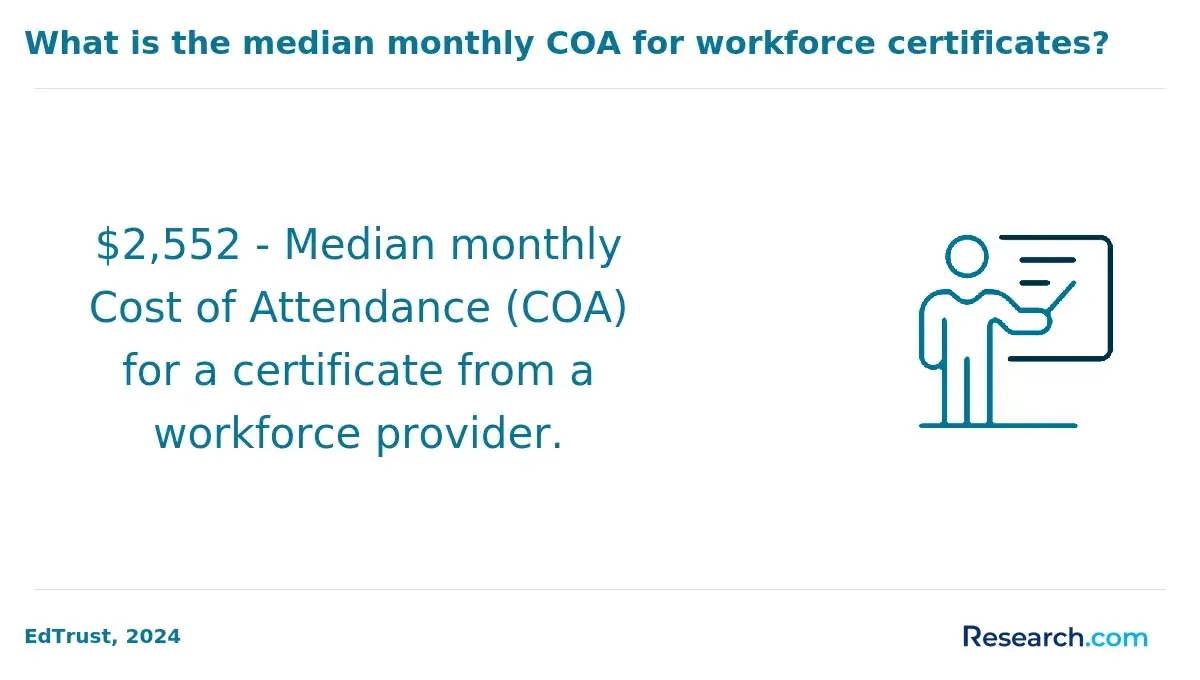
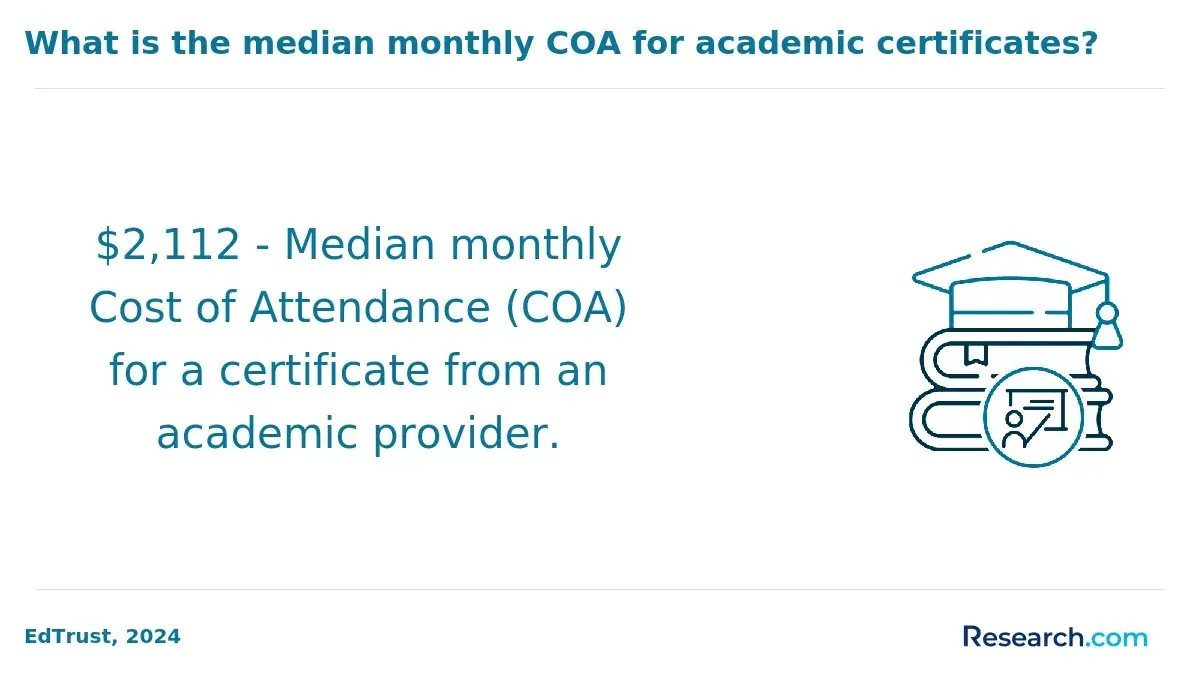
Tuition comparisons can be misleading because biotechnology programs often include lab fees, technology fees, textbooks, residency costs, course materials, and sometimes local lab or internship expenses. The most useful comparison is total estimated cost after transfer credits, institutional aid, employer support, and required fees.
College Board's 2024-25 tuition data provides a helpful benchmark: average published tuition and fees were $11,610 for in-state students at public four-year colleges, $30,780 for out-of-state students at public four-year colleges, and $43,350 at private nonprofit four-year colleges. This matters because an online biotechnology program priced like a private graduate program may need a clearer career payoff than a lower-cost public completion pathway.
The table below shows how common cost categories compare when evaluating accredited online biotechnology programs.
| Cost factor | Lower-cost signal | Higher-cost signal | Why it matters |
| Tuition model | Flat online tuition or public in-state pricing | Private per-credit graduate tuition | Per-credit pricing can make a 30-credit master's significantly more expensive than a completion-focused bachelor's |
| Transfer credit policy | Generous acceptance of prior accredited credits | Limited transfer acceptance or many required institutional credits | Transfer credits can reduce both time and total cost |
| Lab requirements | Virtual simulations, local lab options, or employer-based lab approval | Mandatory campus residencies or travel-based intensives | Travel and time away from work can increase the real cost of attendance |
| Program length | Completion pathways or accelerated course sequencing | Lockstep cohorts with limited start dates | Longer timelines may increase opportunity cost, especially for working adults |
| Career alignment | Curriculum tied to target roles such as quality assurance, biomanufacturing, or bioinformatics | Broad science coursework with unclear employer connection | A cheaper program can be a poor value if it does not support the student's career goal |
Students trying to reduce time-to-degree should compare course sequencing and transfer rules before focusing on tuition alone. If your priority is finishing faster, this broader guide to a fast track degree can help you understand how accelerated formats affect cost, workload, and completion planning.
The practical rule is to request a written degree plan and financial estimate from every school. That estimate should include accepted transfer credits, remaining credits, tuition by credit, recurring fees, one-time fees, lab costs, residency expenses, and expected graduation term.
How Competitive Is Admission to Accredited Online Biotechnology Degree Programs?
Admissions competitiveness depends heavily on degree level. Online bachelor's programs are often designed for transfer students and adult learners, while online master's programs in biotechnology may require prior coursework in biology, chemistry, molecular biology, genetics, or biochemistry.
Many biotechnology programs evaluate readiness more than prestige. That means a student with strong prerequisite coursework and a clear professional goal may be competitive even if the program is not highly selective in the traditional residential-campus sense.
The table below compares common admissions expectations by program level.
| Degree level | Common admissions requirements | Competitiveness signal | Best fit |
| Online bachelor's in biotechnology | High school diploma or equivalent, prior college transcripts, placement requirements, and science prerequisites for upper-level courses | Often accessible, especially at public online or adult-focused universities | First-time students, transfer students, and working adults seeking an entry-level science credential |
| Bachelor's completion program | Prior credits, associate degree, general education completion, or foundational science coursework | Moderate; students may need enough transferable credits to enter efficiently | Students who already completed community college or prior university coursework |
| Online master's in biotechnology | Bachelor's degree, science prerequisites, statement of purpose, resume, recommendations, and sometimes minimum GPA expectations | More selective when the program emphasizes research, quantitative skills, or professional experience | Biology, chemistry, biomedical science, pharmacy, engineering, or health-science graduates |
| Graduate certificate in biotechnology | Bachelor's degree or professional experience, depending on the school | Often less selective than a full master's but still prerequisite-dependent | Professionals testing the field or adding a targeted skill without committing to a full degree |
Applicants should not assume that easier admission means weaker academics. Some online programs intentionally use broad access admissions but maintain rigor through prerequisite science courses, lab reports, exams, and capstone projects.
A smart application strategy is to compare prerequisite gaps before applying. If you are missing chemistry, statistics, genetics, or molecular biology, ask whether the school offers bridge courses or accepts community college prerequisites that can lower your total cost.
Which Learning Formats Offer the Greatest Flexibility in Online Biotechnology Degree Programs?
The most flexible online biotechnology programs combine asynchronous lectures with clearly scheduled labs, projects, and assessments. Flexibility matters because many biotechnology students are working adults, but biotechnology is still a science discipline that requires structure, feedback, and applied practice.
The table below shows how common online formats differ for biotechnology learners.
| Learning format | Flexibility level | Best for | Potential drawback |
| Fully asynchronous online courses | High | Working adults with changing schedules | Requires strong self-management and may offer less real-time faculty interaction |
| Synchronous online courses | Moderate | Students who want live discussion and structured deadlines | Class times can conflict with work or family obligations |
| Hybrid online with lab intensives | Moderate | Students who need hands-on lab exposure while keeping most coursework online | Travel, lodging, and missed work can add cost |
| Project-based online format | High to moderate | Students targeting bioinformatics, quality assurance, regulatory, or operations roles | May not replace wet-lab experience for research technician roles |
| Cohort-based format | Moderate | Students who benefit from peer accountability and networking | Less control over pacing and course order |
Current biotechnology hiring is increasingly shaped by automation, AI-assisted analysis, genomics, and data-intensive workflows. That trend makes flexible online programs more useful when they include statistics, coding, data visualization, bioinformatics, or digital lab documentation rather than relying only on traditional lecture-based biology courses.
Students comparing science and healthcare-related online degrees may also want to understand how flexible program design works in adjacent fields. For example, this guide to an accelerated healthcare administration degree online shows how pacing, credit transfer, and career goals interact in online healthcare education.
The key question is not whether a program is fully online; it is whether the program's format matches your target job. If you want a wet-lab research role, ask how the program develops lab competency. If you want quality, regulatory, data, or management roles, ask how the program builds documentation, analytics, compliance, and project skills.
What Student Support Services Improve Success in Online Biotechnology Degree Programs?
Student support can strongly affect whether an online biotechnology student finishes on time. Science courses often build on each other, so poor advising or unclear sequencing can delay graduation even when the program looks affordable.
The most valuable support services are those that reduce academic friction and connect coursework to employment. Before enrolling, ask whether each service is available to online students, not just campus students.
- Dedicated science or STEM advising that helps students plan prerequisite sequences, lab requirements, and transfer credits before enrollment.
- Online tutoring for chemistry, biology, statistics, writing, and quantitative courses, ideally with evening or weekend availability.
- Career coaching specific to biotechnology, pharmaceuticals, diagnostics, research support, quality assurance, regulatory affairs, or bioinformatics.
- Internship, practicum, capstone, or employer project support that helps online students document applied skills.
- Library access to scientific databases, citation tools, research methods support, and journal articles needed for upper-level coursework.
- Technical support for learning platforms, virtual labs, statistical software, coding environments, and proctored exams.
- Disability accommodations, mental health resources, and academic success coaching available in online-friendly formats.
A common red flag is a program that advertises career outcomes but cannot explain how online students access lab placement help, internship guidance, resume support, or employer networking. Another red flag is advising that begins only after enrollment, because transfer-credit surprises can increase both cost and time.
Strong programs help students translate coursework into evidence employers can evaluate. That may include lab notebooks, capstone reports, regulatory documents, data-analysis portfolios, literature reviews, or quality-system projects.
Which Financial Aid Options Are Available for Accredited Online Biotechnology Degree Students?
Accredited online biotechnology students may qualify for many of the same financial aid options as campus students, including federal grants, federal student loans, institutional aid, employer tuition assistance, military benefits, state aid, and private scholarships. Eligibility depends on the school, enrollment status, degree level, academic progress, and FAFSA information.
Federal borrowing costs should be part of the ROI calculation. For loans first disbursed during the 2024-25 award year, federal Direct Subsidized and Unsubsidized Loans for undergraduates carried a 6.53% interest rate, while Direct Unsubsidized Loans for graduate students carried an 8.08% rate. Higher graduate borrowing costs make it especially important to compare expected career benefits before choosing an expensive master's program.
The list below shows the main financial aid options to compare across accredited online biotechnology programs.
- Federal Pell Grants for eligible undergraduate students who have not already earned a bachelor's degree.
- Federal Direct Loans for undergraduate or graduate students enrolled at least half time in an eligible program.
- Institutional scholarships for transfer students, adult learners, STEM students, military-affiliated students, or high-performing applicants.
- Employer tuition assistance or reimbursement, especially for students already working in healthcare, pharmaceuticals, manufacturing, diagnostics, or laboratory settings.
- State grants or workforce funding that may apply to in-demand STEM or life-science credentials.
- Military and veteran education benefits, including GI Bill benefits when the school and program are approved for use.
- Payment plans that spread tuition across a term, although these should not be confused with grants or discounts.
Students comparing biotechnology with allied health roles may also want to review lower-cost, shorter training routes before committing to a science degree. Programs such as online medical assistant programs can be a better fit for learners who want faster entry into patient-facing healthcare rather than laboratory or biotech work.
To compare aid offers, calculate net cost rather than the largest scholarship amount. Net cost is tuition and required expenses minus grants, scholarships, employer support, and accepted transfer credits; loans reduce the bill today but still have to be repaid.
Which Career Outcomes Are Associated With Accredited Online Biotechnology Degree Programs?
Biotechnology degrees can lead to roles in research support, quality control, biomanufacturing, regulatory affairs, clinical trials support, technical sales, bioinformatics, and graduate study. Outcomes depend on degree level, prior experience, lab exposure, location, and the student's ability to show applied skills.
BLS May 2024 wage data reported a median annual wage of $51,430 for biological technicians. This figure is useful as a baseline for entry-level lab-support roles, but students should not treat it as a guaranteed outcome because biotech salaries vary by region, employer type, degree level, and specialization.
The table below connects common biotechnology education paths with career directions students often consider.
| Education path | Common career direction | Skills employers often evaluate | When this path makes sense |
| Bachelor's in biotechnology or applied biotechnology | Research assistant, biological technician, quality control analyst, lab operations assistant | Cell biology, molecular techniques, documentation, statistics, lab safety, quality procedures | Best for entry-level biotech or preparation for graduate study |
| Master's in biotechnology | Senior research support, product development support, technical project roles, biotech operations | Advanced molecular biology, experimental design, communication, project management, regulatory awareness | Best for students with a science background seeking advancement or specialization |
| Bioinformatics-focused degree | Genomics analyst, computational biology support, data analyst in life sciences | Programming, statistics, databases, genomics tools, reproducible analysis | Best for students comfortable with data and quantitative work |
| Regulatory or quality-focused biotechnology program | Quality assurance associate, regulatory affairs assistant, validation documentation specialist | Good documentation practices, compliance, audit readiness, manufacturing quality systems | Best for students interested in regulated biotech, pharma, or medical device environments |
Some biotechnology professionals eventually move into management, commercialization, or healthcare operations. If your long-term goal is leadership rather than lab specialization, an MBA healthcare management pathway may be more relevant after you build scientific or healthcare experience.
The strongest career outcomes usually come from pairing the degree with experience. Online students can improve employability by seeking internships, employer projects, undergraduate research, lab assistant roles, quality documentation projects, or bioinformatics portfolios while enrolled.
How Do Online and Campus-Based Biotechnology Degree Programs Compare?
Online and campus-based biotechnology programs can both be academically credible when properly accredited, but they serve different students. The right choice depends on whether you need maximum flexibility, direct lab access, networking, research opportunities, or a structured campus environment.
The table below compares the decision factors that matter most for biotechnology learners.
| Factor | Online biotechnology program | Campus-based biotechnology program | Best choice depends on |
| Schedule flexibility | Usually stronger, especially with asynchronous courses | More fixed class and lab schedules | Work, family, military, or geographic constraints |
| Wet-lab access | May rely on simulations, local labs, intensives, or employer-based experience | Usually easier access to campus labs and equipment | Whether the target role requires hands-on lab evidence |
| Networking | Can be strong if the program offers cohorts, career events, and faculty access | Often easier through campus research groups and local internships | Your ability to participate in optional events and projects |
| Cost structure | May reduce relocation and commuting costs | May include housing, transportation, and campus fees | Total cost after aid, not tuition alone |
| Learning style | Requires independence and comfort with digital tools | Provides more in-person accountability | Self-discipline, support needs, and course difficulty |
Online biotechnology is often the better fit for working adults, transfer students, military-affiliated learners, and students who already have access to a lab through employment. Campus-based study may be better for first-time undergraduates who want immersive research, faculty mentorship, and frequent hands-on lab practice.
The biggest mistake is assuming online means easier. In biotechnology, online students still need to master difficult science content, manage deadlines, write technical reports, and complete quantitative assignments without the daily structure of a campus schedule.
How Should Students Choose the Best Accredited Online Biotechnology Degree Program?
Choosing the best accredited online biotechnology degree program requires ranking programs by fit, not just reputation. A program is a good investment only if it supports your target role, fits your schedule, is financially realistic, and gives you credible ways to demonstrate applied skills.
Use the following steps to compare programs in a practical order.
- Define your career target first, such as lab technician, quality assurance associate, bioinformatics analyst, regulatory affairs assistant, biomanufacturing specialist, graduate student, or biotech manager.
- Verify institutional accreditation and confirm whether your career path requires specialized programmatic accreditation, state approval, certification eligibility, or licensure alignment.
- Request a transfer-credit review before enrolling so you know how many credits remain and which science prerequisites still need to be completed.
- Compare total cost after grants, scholarships, employer support, transfer credit, fees, lab expenses, and travel requirements.
- Review the curriculum for molecular biology, genetics, biochemistry, statistics, data analysis, laboratory methods, quality systems, and capstone or project work.
- Ask how online students gain lab, internship, research, project, or portfolio experience that employers can evaluate.
- Check flexibility details, including course length, start dates, synchronous requirements, exam proctoring, cohort pacing, and lab residency expectations.
- Compare student support services, including STEM advising, tutoring, career coaching, library access, software support, and online networking opportunities.
- Ask for outcome data, including graduation rates, retention, career services participation, internship access, employer partnerships, and graduate-school placement when available.
- Choose the program that offers the strongest combination of affordability, academic credibility, relevant skill development, and realistic completion timeline.
Students should also know when biotechnology is not the best fit. If you want quick entry into patient care, a shorter allied health credential may be more appropriate; for example, accelerated certified medical assistant programs may fit learners who want a faster healthcare pathway rather than a science-heavy degree.
The best final question to ask each admissions counselor is simple: "What evidence will I have at graduation that proves I can do the work employers expect?" Strong answers will mention projects, labs, portfolios, internships, research, documentation, software, or employer-aligned competencies.
Other Things You Should Know About Biotechnology
No. Biotechnology focuses on using biological systems, cells, molecules, and genetic tools to develop products or processes. Biomedical engineering applies engineering principles to medical devices, imaging, prosthetics, biomaterials, and healthcare technology.
Not always, but coding is increasingly useful. Students interested in genomics, bioinformatics, computational biology, AI-enabled research, or data-heavy lab roles benefit from learning Python, R, statistics, databases, and reproducible analysis workflows.
It can, but only if the student completes the required premedical coursework, maintains a competitive academic record, gains clinical and service experience, and prepares for the MCAT. A biotechnology degree alone does not replace medical school prerequisites.
A certificate can be worthwhile when it fills a specific skills gap, such as bioinformatics, regulatory affairs, quality systems, or biomanufacturing. It is less useful when it duplicates coursework you already completed or lacks employer-recognized practical outcomes.
References
- Biotechnology Degree Careers and Salary in Europe - StudyinEurope.eu https://www.studyineurope.eu/biotechnology/biotechnology-degree-careers-salary-europe/
- Tuition and Fees https://www.brandeis.edu/online/admissions-aid/tuition-fees/index.html
- MSc in Biotechnology https://www.studyinpoland.pl/en/programme
- Best Accredited Online Universities in 2025 https://www.study.eu/article/best-accredited-online-universities
- Online Bachelor's Degree: Biotechnology https://www.umgc.edu/online-degrees/bachelors/biotechnology
- Average Cost of a Master's Degree: 2025 Analysis https://educationdata.org/average-cost-of-a-masters-degree
- 2025 Most Affordable Online Master's Programs https://www.onlineu.com/most-affordable-colleges/masters-degrees
- Entry requirements for Molecular Biotechnology and Bioinformatics | KTH | Sweden https://www.kth.se/en/studies/master/molecular-biotechnology-and-bioinformatics/entry-requirements-for-molecular-biotechnology-and-bioinformatics-1.1403960
- Online Biotechnology Master's Degrees: Reviewing Top Programs https://www.edumed.org/online-schools/biotechnology-masters-degrees/
- How To Become A Biotechnologist | Biotechnology Degrees And Careers https://www.learnhowtobecome.org/science-technology-careers/biotechnology/