2027 Online Biotechnology Degree Programs With No Personal Statement or Admissions Essay Required

Co-Founder and Chief Data Scientist
Applying to an online biotechnology degree should not require a lengthy personal narrative if writing is the main barrier to starting school. A true no-essay policy means the standard application does not ask for a personal statement, although transcripts, GPA, science prerequisites, and other documents may still matter. The National Center for Education Statistics reported that 54% of U.S. undergraduates took at least one distance education course in fall 2022. This guide helps prospective and transfer students evaluate simplified admissions without overlooking program quality, affordability, or career preparation.
Key Things You Should Know
- A true no-essay online biotechnology program removes the personal statement from its standard admission application, but it can still require official transcripts, a minimum GPA, prerequisite science courses, proof of English proficiency, or placement testing.
- No-essay admission is not the same as open admission or guaranteed acceptance; selective programs may weigh grades in biology, chemistry, algebra, and prior college work more heavily when no essay is reviewed.
- Essay-optional means an essay may strengthen an application, while essay-waived usually means a school has temporarily or conditionally removed it; honors tracks, scholarships, and competitive aid may still request written materials.
What Does No Personal Statement or Admissions Essay Required Mean for Online Biotechnology Degree Programs?
For an online biotechnology degree, "no personal statement or admissions essay required" generally means an applicant can complete the standard admissions application without submitting a narrative about goals, experiences, or academic readiness. This can shorten the application process, particularly for working adults, transfer students, and applicants who prefer to be evaluated through academic records.
The policy applies to admission only when the school explicitly says the essay is not required for the applicant's degree level and entry term. Biotechnology programs may be offered as associate, bachelor's, completion, certificate, or graduate programs, and each can use different rules. A bachelor's completion program, for example, may not request an essay but may require substantial prior college credit and completed laboratory science coursework.
A no-essay application does not remove the school's responsibility to assess readiness for science-based study. Admissions offices may rely more on transcripts and course history because biotechnology curricula commonly include biology, chemistry, genetics, statistics, bioinformatics, quality systems, and laboratory methods. Students should also confirm whether "online" applies to all instruction; some programs require in-person laboratories, local clinical-style experiences, intensives, or proctored assessments.
Applicants exploring adjacent health pathways should keep the academic focus clear. online medical assistant programs generally prepare students for clinical support work, whereas biotechnology degrees typically emphasize scientific research, biomanufacturing, laboratory operations, and data-driven biological analysis.
What Admissions Requirements Do Online Biotechnology Degree Programs Use Instead of an Essay?
When an essay is absent, admissions teams usually use objective documentation to determine whether an applicant can begin and progress through the program. Requirements vary by institution, degree level, residency status, and whether the applicant is entering as a first-year, transfer, returning, or graduate student.
The following requirements are common substitutes or complements to a personal statement. Review the program page and the university-wide admissions page because they may list different requirements.
- Completed application and application fee or approved fee waiver
- Official high school transcript, GED record, or official college transcripts
- Minimum cumulative GPA or a separate GPA requirement for transfer coursework
- Prerequisite courses such as general biology, general chemistry, algebra, statistics, or microbiology
- Standardized test scores only if the institution or applicant category requires them
- Resume, employment history, or recommendation letters for selected completion or graduate programs
- Proof of identity, residency, immunizations, background checks, or laboratory safety training when required for hands-on components
Test-optional and no-essay policies address different parts of an application. A college can be test-optional while still requiring a personal statement, or it can require no essay while expecting SAT, ACT, or placement results from certain applicants. Ask admissions whether missing prerequisites can be completed before enrollment, during conditional admission, or only through a separate pre-admission pathway.
For students whose priority is speed rather than a particular biotechnology specialization, a fast track degree can be worth comparing. However, accelerated pacing does not replace the need to verify lab access, transfer-credit rules, and the amount of time needed for science courses.
Who Is a Good Fit for Online Biotechnology Degree Programs With No Admissions Essay?
No-essay biotechnology programs can fit applicants with a clear academic record who want a more direct application process. They are often practical for adults returning to college, students transferring completed credits, military-connected learners, and applicants who already meet stated science prerequisites.
A simplified application can be especially useful when the transcript already shows the strengths an essay would otherwise explain. For example, a student with recent strong grades in biology and chemistry may not need a narrative to demonstrate academic preparation. It can also help applicants managing work, caregiving, or multiple school applications.
These programs may be a weaker fit for applicants who need context considered. An essay-required or essay-optional program may be preferable if you need to explain a low GPA, a long educational gap, a change in career direction, limited access to earlier coursework, or meaningful laboratory and research experience that does not appear on a transcript.
Career goals should drive the decision more than application convenience. Biotechnology degree holders may pursue roles in laboratory support, quality assurance, regulatory operations, biomanufacturing, clinical research support, or biological data work, depending on degree level and experience. The U.S. Bureau of Labor Statistics reported a $52,000 median annual wage for biological technicians in May 2024. That figure is a national occupation-wide median, not a starting-salary promise, and pay can vary by location, employer, education, and laboratory experience.
Students seeking patient-facing healthcare administration rather than laboratory science may find an accelerated healthcare administration degree online more aligned with their intended work. Biotechnology is generally the better match for those interested in biological products, research processes, scientific quality standards, or laboratory technology.
What Is the Difference Between No-Essay, Essay-Optional, and Essay-Waived Biotechnology Degree Admissions?
Schools sometimes use similar wording for policies that have very different consequences. The distinction matters because submitting an essay when it is optional can help an applicant add context, while assuming a waiver applies could leave an application incomplete.
This comparison shows what each label usually means. The institution's current application instructions control, especially for graduate, transfer, international, honors, and scholarship applicants.
| Policy | What it usually means | Best use for applicants | Important caution |
| No essay required | The standard application does not request an admissions essay. | Applicants whose transcripts and prerequisites already meet requirements. | Separate scholarships or special programs may still require writing. |
| Essay-optional | The essay is not mandatory but may be submitted for consideration. | Applicants who need to explain circumstances or show motivation. | "Optional" does not always mean it has no influence in a holistic review. |
| Essay-waived | An essay requirement is removed for a defined group, term, pathway, or condition. | Eligible applicants who confirm the waiver in writing. | The waiver may expire or not apply to every applicant category. |
| Essay required | A written response is a required part of a complete application. | Applicants prepared for holistic or competitive review. | Failure to submit it can delay review or cause denial. |
Before relying on a waiver, save the policy language and ask whether it covers your degree, start date, and applicant type. "No personal statement" may also differ from "no short-answer questions"; a school may omit a formal essay but still ask brief written questions about academic history or disciplinary disclosures.
Are Online Biotechnology Degree Programs With No Admissions Essay Easier to Get Into?
Not necessarily. Removing an essay makes the application less writing-intensive, but it does not automatically lower admission standards, increase acceptance chances, or create open admission. A program may simply use transcripts, prerequisite grades, prior credits, and enrollment capacity as its primary decision factors.
Biotechnology can be academically demanding because students may need to interpret experimental data, follow safety procedures, understand molecular and cellular processes, and document work accurately. Programs with required lab courses can also have limited sections or local placement constraints. Those factors may affect enrollment even when the application itself is simple.
Applicants should separate application ease from program selectivity. A school might offer straightforward admission for students who meet published academic thresholds, while another may conduct a more competitive review because its online cohort, laboratory component, or upper-division sequence has limited capacity. If a college does not publish an acceptance rate for the online program, ask whether admission is capacity-limited and whether prerequisites must be completed before applying.
Common mistakes include treating "no essay" as "automatic acceptance," overlooking a required chemistry sequence, and applying before transfer credits are evaluated. A better approach is to compare the published minimum requirements with your own transcript and request confirmation of any missing courses before paying application fees.
How Can You Verify Accreditation and Quality in No-Essay Online Biotechnology Degree Programs?
Accreditation and program design matter more than whether an admissions essay is required. Institutional accreditation is the baseline check because it affects transferability, employer confidence, and eligibility for federal student aid at qualifying schools. Confirm the institution's current accreditor through the U.S. Department of Education's Database of Accredited Postsecondary Institutions and Programs or the accreditor's own directory.
Biotechnology does not have one universal programmatic accreditor that every degree must hold. Instead, quality review should focus on whether the curriculum, faculty, laboratory arrangements, and outcomes fit the career you want. If your goal involves a regulated occupation, verify state-specific education or licensing rules directly with the relevant state board before enrolling.
Use the following checks to evaluate whether a program has substance beyond simple admissions.
- Verify institutional accreditation and confirm that the school is authorized to serve students in your state.
- Read the curriculum for genetics, molecular biology, chemistry, statistics, data analysis, quality practices, and applicable laboratory techniques.
- Confirm how laboratory learning occurs, including home kits, virtual simulations, campus intensives, partner sites, or supervised local labs.
- Ask whether courses include training in documentation, biosafety, good manufacturing practices, or quality assurance when these are relevant to your target role.
- Review faculty credentials, student support, career services, graduation information, and any available program outcomes.
- Obtain written confirmation that credits can transfer if continuing to another degree is part of your plan.
Be cautious if a provider cannot clearly identify its accreditor, requires large upfront payments, makes unusually broad job-placement promises, or is vague about laboratory requirements. A degree with fewer admissions steps can still be rigorous and legitimate; the evidence should appear in transparent academic and student-support information.
How Does the Application Process Work for Online Biotechnology Degree Programs With No Personal Statement?
A no-personal-statement application is usually faster because the applicant does not need to draft, revise, and submit a narrative. It still requires careful document collection, especially when the program expects prior science coursework or must evaluate transfer credits.
Follow these steps to avoid assuming that a general no-essay statement applies to your specific application.
- Choose the degree level and verify that the program serves students in your state.
- Read the admissions page for your applicant category, such as first-year, transfer, adult, returning, or graduate student.
- Confirm in writing that no personal statement, supplemental essay, or short-answer response is required for your intended term.
- Request official transcripts early and compare completed courses with stated biotechnology prerequisites.
- Submit the application, fee or fee-waiver request, and all required records before the deadline.
- Monitor the applicant portal for transcript receipt, missing documents, placement requirements, and admission decisions.
- After admission, confirm transfer-credit results, laboratory expectations, tuition charges, and orientation requirements before registering.
Keep copies of confirmation emails and submitted documents. If an admissions counselor says an essay is waived, ask them to identify whether the waiver covers only admission or also scholarships, honors participation, conditional admission review, and financial-aid appeals.
Can Transfer and Adult Students Apply to Online Biotechnology Degree Programs Without an Essay?
Yes, many online programs use no-essay pathways for transfer and adult applicants, but these students often face additional academic review. Transfer admission may depend on the number of earned credits, transferable grades, course equivalencies, and whether required biology and chemistry classes include acceptable laboratory components.
Adult students with older coursework should ask how long prerequisites remain valid. Some institutions accept older general education credits but require more recent science coursework, especially when a course sequence builds toward advanced laboratory methods or data analysis. Work experience can be valuable, but it may not substitute for a named prerequisite unless the institution grants prior-learning credit.
Transfer applicants should request an official or preliminary credit evaluation before making a final choice. The most important comparison is not the number of credits a school says it accepts, but the number it applies to the biotechnology degree requirements. A school can accept credits into the institution while applying fewer credits to the major.
Students changing from clinical support into science may need foundational coursework first. Those considering direct patient-care preparation can compare accelerated certified medical assistant programs, but this is a distinct route from a biotechnology degree and has different training, credentialing, and employment expectations.
Do No-Essay Online Biotechnology Degree Programs Affect Tuition, Financial Aid, or Scholarships?
A no-essay admissions policy does not inherently make a biotechnology degree cheaper, increase federal aid eligibility, or reduce the cost of attendance. Tuition is determined by the institution and program, while financial aid depends on factors such as enrollment, cost of attendance, FAFSA information, satisfactory academic progress, and available institutional funding.
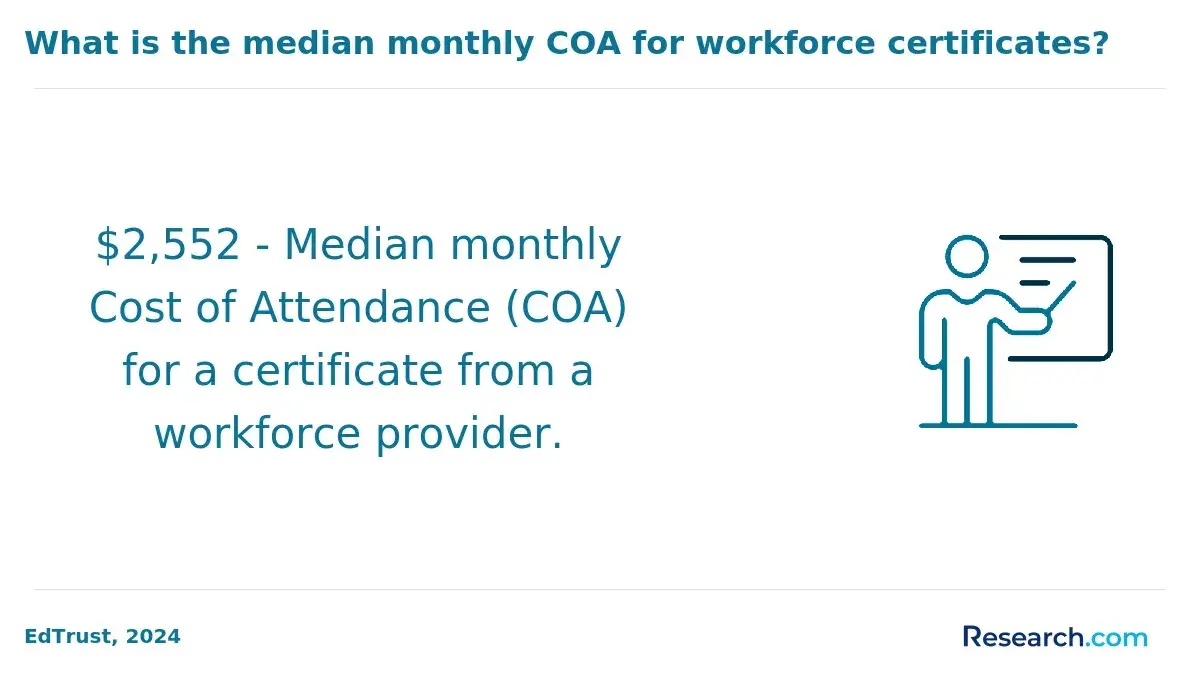
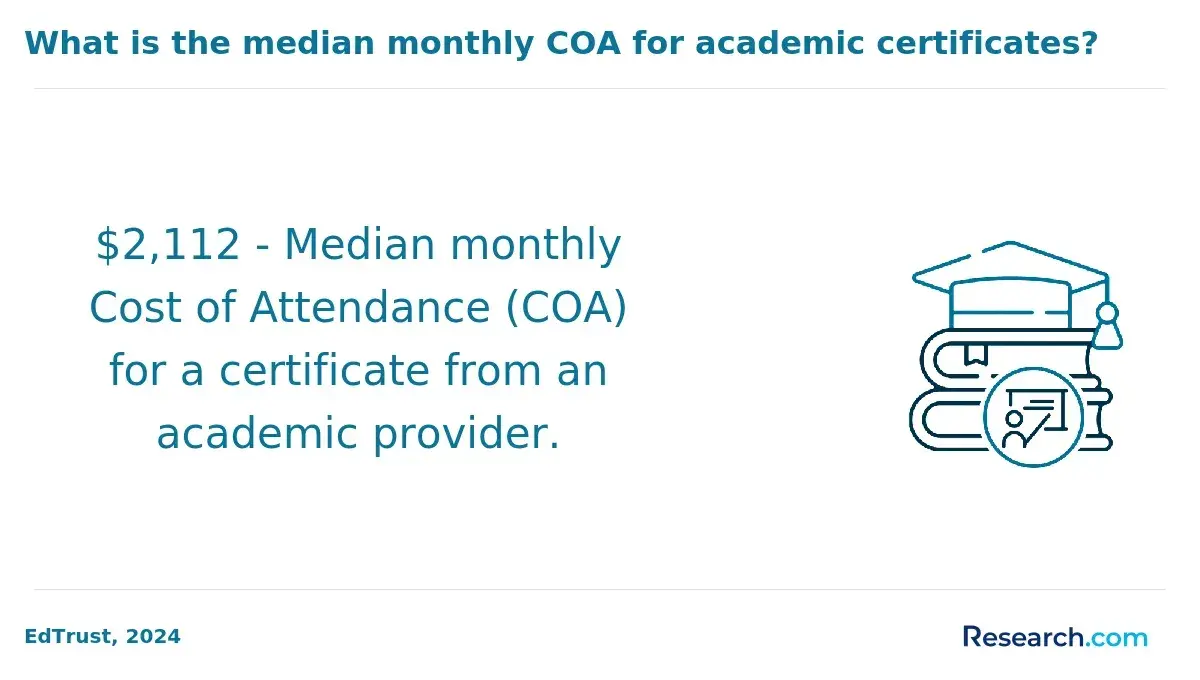
Applicants should compare total educational cost rather than focusing only on per-credit tuition. Online biotechnology programs can have additional charges for lab kits, shipping, proctoring, campus intensives, technology, course materials, and travel to required hands-on experiences. Ask whether tuition changes after transfer-credit evaluation or when upper-division science courses begin.
Scholarships are the most common exception to a no-essay admission policy. Merit awards, departmental scholarships, research opportunities, honors programs, and donor-funded awards may request essays, recommendation letters, interviews, or separate applications. Completing the main admission application without an essay does not mean every source of aid is essay-free.
Compare these cost questions before committing.
- What is the estimated total cost to graduation after confirmed transfer credits?
- Which laboratory, technology, proctoring, residency, and travel fees are not included in tuition?
- Does the program participate in federal student aid, and what FAFSA steps are required?
- Are institutional scholarships automatic, competitive, renewable, or separately essay-based?
- What GPA and enrollment level must be maintained to keep grants or scholarships?
Do not decline an essay-optional scholarship opportunity solely because the degree admission process is essay-free. A brief, well-supported scholarship essay may have more financial value than the time it takes to write it.
How Should You Compare Online Biotechnology Degree Programs With No Admissions Essay?
Compare programs on their ability to support your academic and career goal, not on whether they have the shortest application. The strongest choice balances realistic admission requirements with credible instruction, affordable completion cost, workable laboratory access, and a curriculum that matches the work you want to pursue.
This table highlights the factors that most often change the value of a no-essay online biotechnology option.
| Comparison factor | What to verify | Why it matters |
| Essay policy | Whether no essay applies to your degree, applicant type, and start term. | Prevents incomplete applications and incorrect assumptions about waivers. |
| Admission readiness | GPA, science prerequisites, transfer-credit minimums, and test policies. | Shows whether simplified paperwork still matches your academic profile. |
| Accreditation | Current institutional accreditation and state authorization. | Supports aid eligibility, transfer planning, and institutional legitimacy. |
| Laboratory format | Virtual, home-based, local-site, or campus-intensive lab requirements. | Determines whether the program can build practical skills within your schedule and location. |
| Total cost | Tuition, fees, materials, travel, and expected credits remaining after transfer review. | Provides a more realistic affordability comparison than advertised tuition alone. |
| Career alignment | Coursework, employer connections, internships, and support for research or biomanufacturing interests. | Helps connect the degree to a plausible next educational or employment step. |
Make a short list of finalists, then contact each admissions office with the same questions. Ask for written answers about the essay policy, prerequisite review, lab attendance, transfer credits, and total estimated cost. This creates a comparable record and helps identify schools that communicate clearly.
If your long-term goal shifts toward leading healthcare operations rather than working in biotechnology or laboratory environments, an MBA healthcare management may be a later-stage option after completing an appropriate undergraduate degree and gaining relevant experience. It should not be treated as a substitute for biotechnology laboratory preparation.
Other Things You Should Know About Biotechnology
No. A no-essay policy may apply only to undergraduate applicants, online students, a particular entry term, or applicants who meet stated GPA or transfer-credit criteria. International, graduate, honors, and readmission applicants may have separate requirements.
Yes. A school may request a written explanation for an academic gap, disciplinary matter, missing prerequisite, residency question, or conditional-admission review. This is different from requiring a standard personal statement from every applicant.
It may. Programs can use virtual labs, mailed kits, local partner sites, campus residencies, or a combination. Confirm the format, location, schedule, safety requirements, and added costs before enrolling.
It can, particularly when the curriculum includes upper-level biology, chemistry, statistics, research methods, and laboratory experience. Graduate programs may still require a separate statement of purpose, recommendations, and more detailed academic documentation even if the undergraduate program did not require an essay.
References
- Writing a Personal Statement for Graduate School STEM Programs https://www.cientificolatino.com/post/personalstatement
- How to Afford a Private University: Financial Aid Guide https://www.fastweb.com/college-search/articles/how-to-afford-a-private-university
- Online Colleges and Universities: Are They Delivering on Diversity and Inclusion? A Recent Analysis from IPEDS Data https://www.airweb.org/article/2023/03/30/online-colleges-and-universities-are-they-delivering-on-diversity-and-inclusion-a-recent-analysis-from-ipeds-data
- SOP Requirements at 134 US Universities - Word Limits (2026) https://gradpilot.com/news/us-graduate-sop-requirements-comprehensive-guide
- SULI Frequently Asked Questions | U.S. DOE Office of Science (SC) https://science.osti.gov/wdts/suli/Frequently-Asked-Questions
- How To Become A Biotechnologist | Biotechnology Degrees And Careers https://www.learnhowtobecome.org/science-technology-careers/biotechnology/
- Irell & Manella Graduate School Admission Requirements https://www.imgs-coh.edu/phd-in-biological-sciences-program/admission-requirements
- Applying to Graduate School in Statistics and Biostatistics | Simon P. Couch https://simonpcouch.com/blog/2021-03-15-apply-to-stats-grad-school/
- Admissions Information https://www.brandeis.edu/biotechnology/admissions/index.html
- Financial Aid For Online Colleges https://www.affordablecollegesonline.org/financial-aid/financial-aid-for-online-colleges/