2027 Are There Any One-Year Online Electrical Engineering Degree Programs Worth Considering?

Co-Founder and Chief Data Scientist
The key question for most learners is not whether a one-year online Electrical Engineering degree sounds convenient, but whether it is real, accredited, academically credible, and useful for the career they want. Electrical Engineering is a math-heavy, lab-intensive field. A legitimate degree usually requires substantial coursework in calculus, physics, circuits, electronics, power systems, signals, design, and engineering practice. Compressing all of that into one year is rarely feasible for a full bachelor’s degree.
This guide explains what “one-year” can realistically mean in Electrical Engineering, where accelerated online options exist, and how to evaluate programs without being misled by fast-degree marketing. It is especially useful for working adults, transfer students, military learners, engineering technicians, and STEM graduates who want to move faster without choosing a program that employers, graduate schools, or licensing boards may not recognize.
You will learn how one-year claims compare with standard accredited degree requirements, what alternatives may shorten your path, which admissions requirements to expect, how to assess accreditation and curriculum quality, and what financial aid options may be available.
Key Points About One-Year Online Electrical Engineering Degree Programs
- One-year online Electrical Engineering degrees are rare due to the field's complexity and lab requirements, differing from traditional multi-year, on-campus programs.
- Students should expect intensive coursework with a focus on theory, simulations, and remote labs to compensate for limited hands-on experiences.
- These fast-track programs often target professionals with prior experience, aiming to upskill quickly amid growing demand for electrical engineers in renewable energy and electronics industries.
Is It Feasible to Finish a Electrical Engineering Degree in One Year?
For a full accredited bachelor’s degree in Electrical Engineering, a one-year completion timeline is generally not realistic. Programs such as those at Arizona State University or ECPI University are built around extensive technical coursework, labs, design work, and capstone expectations. Accredited bachelor’s programs commonly require about 120 credits and are structured for four years of full-time study.
The main barrier is not only the credit total. Electrical Engineering courses are sequential: students usually need calculus and physics before circuits, circuits before electronics and signals, and advanced engineering courses before design projects. Even online programs must find ways to assess applied skills through virtual labs, simulations, projects, or supervised practical work.
A one-year timeline may be possible only in limited situations, such as:
- You already have extensive transfer credits that satisfy most general education, math, science, and lower-division engineering requirements.
- You are completing a certificate rather than a full degree, especially in a narrow area such as embedded systems, power electronics, controls, or signal processing.
- You are finishing a degree-completion pathway after prior study in engineering, physics, electronics, or a closely related field.
- You are pursuing a graduate certificate or specialized master’s option and already hold the required bachelor’s degree.
Students should also think beyond graduation speed. Engineering licensure, where relevant, may depend on ABET accreditation, state board rules, exams, and practical experience. A fast program that does not meet those expectations can limit future options, even if it appears convenient at enrollment.
If a school advertises a one-year Electrical Engineering degree, ask for clear documentation on accreditation, credit requirements, transfer-credit assumptions, lab requirements, graduation outcomes, and whether the credential is Electrical Engineering or a related technology degree.
Are There Available One-year Online Electrical Engineering Degree Programs?
Currently, no accredited one-year online electrical engineering degree programs in the US are available. Students may find accelerated, transfer-friendly, or year-round online programs, but these typically shorten the path only for learners with prior credits or an unusually heavy course load. Most legitimate online options still take several years to complete.
This distinction matters because “Electrical Engineering” and “Electronic Systems Engineering Technology” are not always interchangeable. Engineering programs usually emphasize advanced theory, design, and preparation for engineering pathways. Engineering technology programs tend to be more applied and may prepare graduates for technologist, technician, systems, or operations-focused roles. Both can be valuable, but they may lead to different career and licensure outcomes.
Students looking for faster online study can also compare broader best accelerated degree college options for working adults, but they should verify whether any listed program specifically meets Electrical Engineering goals.
- Arizona State University (ASU): ASU offers a fully online Bachelor of Science in Electrical Engineering. It is not a one-year program; it can be completed in four years. The curriculum includes 120 credits spanning 40 classes and covers areas such as electric systems and electronics.
- ECPI University: ECPI University offers a BS in Electronic Systems Engineering Technology. Its accelerated format allows completion in as little as 2.5 years through year-round classes. It is not strictly an Electrical Engineering degree, but it may support roles such as electrical engineering technologist.
- Bradley University: Bradley University offers an online Bachelor's in Electrical Engineering with a flexible schedule. The program includes 126 credit hours and emphasizes topics such as electric power systems, digital communications, and autonomous robotics. It is not accelerated to one year.
For most students, the more practical strategy is to look for accredited online programs that accept transfer credits, offer summer or year-round enrollment, provide strong advising, and clearly explain how online labs and design projects are handled.
Why Consider Taking Up One-year Online Electrical Engineering Programs?
Students usually consider one-year online Electrical Engineering programs because they want speed, flexibility, and a direct connection to technical career goals. Since true one-year accredited Electrical Engineering degrees are extremely limited, the better question is whether an accelerated online pathway, certificate, or degree-completion option can help you reach a realistic next step faster.
- Faster progress for prepared students: Learners with prior college credits, military training, technical work experience, or previous STEM coursework may be able to reduce the time needed to finish a credential.
- Online scheduling flexibility: Asynchronous coursework can help working adults study around employment, family responsibilities, or location constraints, though engineering labs and exams may still require scheduled participation.
- Focused technical development: Shorter programs and certificates may concentrate on specific skills such as circuit analysis, signal processing, electronics, embedded systems, power systems, or controls.
- Career mobility: A credible credential may help technicians, technologists, or STEM professionals qualify for more advanced responsibilities, internal promotions, or graduate study prerequisites.
- Lower opportunity cost: Studying online may reduce relocation and commuting demands, although students must still account for tuition, fees, software, hardware, and time away from work.
The strongest candidates for accelerated online study are self-directed learners who already have a solid foundation in math and science. Students who are new to calculus, physics, programming, or engineering problem-solving may be better served by a traditional pace that allows more time for mastery.
It is also worth comparing Electrical Engineering with other online majors before choosing a path. Research on easy degrees to get online can provide useful contrast, but Electrical Engineering should not be treated as an easy or low-effort online major.
What Are the Drawbacks of Pursuing One-year Online Electrical Engineering Programs?
The biggest drawback is that a true one-year Electrical Engineering bachelor’s degree is unlikely to provide the depth, sequencing, and applied practice expected of the field unless the student is transferring in most of the required coursework. A program that promises extreme speed without explaining credits, labs, accreditation, and outcomes should be treated with caution.
- Heavy academic compression: Trying to complete 120-128 credit hours rapidly leaves little time to absorb calculus, physics, circuits, electronics, electromagnetics, and design concepts.
- Limited hands-on practice: Electrical Engineering depends on experimentation, measurement, troubleshooting, and design validation. Online simulations can be useful, but they do not always replace physical lab experience.
- Fewer internship opportunities: A packed schedule may make it harder to complete internships, co-ops, or employer-sponsored projects that often strengthen engineering resumes.
- Higher burnout risk: Accelerated engineering coursework can be mentally demanding, especially for students balancing full-time work or caregiving responsibilities.
- Weaker networking: Short timelines may reduce time with faculty, classmates, project teams, alumni, and industry contacts.
- Accreditation uncertainty: Students must confirm whether the program has recognized accreditation, especially ABET accreditation where it is important for employment, graduate study, or licensure goals.
- Potential career mismatch: Some fast online programs are in engineering technology or electronics rather than Electrical Engineering. That may be appropriate for some roles but limiting for others.
Students considering an accelerated route should plan how they will gain practical experience outside coursework. Independent projects, employer-based assignments, professional mentorship, documented lab work, and portfolio-ready design projects can help strengthen readiness for technical roles.
What Are the Eligibility Requirements for One-year Online Electrical Engineering Programs?
Eligibility requirements depend on the type of program. Because fully online one-year Electrical Engineering degrees are rare, many short-format options are certificates, graduate certificates, degree-completion tracks, or specialized programs for students who already have substantial preparation.
For a bachelor’s-level accelerated pathway, schools commonly look for evidence that the student can handle advanced technical coursework immediately. For graduate study, admissions requirements are usually more specific and may require a prior degree in a closely related engineering field.
- Prior college credits: Many accelerated or degree-completion options require significant previous college coursework in engineering, physics, mathematics, computer science, or another related STEM field.
- Prerequisite coursework: Students are typically expected to have a strong background in calculus, physics, and sometimes chemistry before entering advanced Electrical Engineering courses.
- Minimum GPA expectations: Programs may set GPA standards for admission, especially for technical prerequisite courses. For postgraduate online programs such as master's degrees, applicants often need a minimum GPA of around 3.0.
- Professional experience: Some programs may consider relevant engineering, electronics, military, manufacturing, or technical work experience, particularly for applied or technology-focused pathways.
- Placement exams or skills assessments: Schools may use exams to confirm readiness in math, physics, programming, or engineering fundamentals.
- Transcripts and transfer evaluation: Students with prior credits should request a formal review early so they know which requirements remain.
- Interviews or background checks: These are less common but may appear in certain programs, especially where projects, labs, or employer partnerships are involved.
For postgraduate online programs such as master's degrees, applicants typically need a bachelor's degree in Electrical or Computer Engineering from an accredited institution. In some cases, GRE scores may also be part of the application requirements.
Before applying, compare admission criteria with your career goals. If salary potential is a major factor in your decision, reviewing highest paying bachelor's degrees can provide broader context for how engineering credentials compare with other undergraduate paths.
What Should I Look for in One-year Online Electrical Engineering Degree Programs?
Because legitimate one-year online Electrical Engineering degrees are hard to find, evaluation should start with proof, not marketing language. The right program should clearly explain its accreditation, credit requirements, course sequence, lab model, transfer policy, faculty qualifications, and career outcomes.
- Accreditation: Prioritize recognized institutional accreditation and, where relevant, ABET accreditation. ABET accreditation can be important for engineering licensure pathways, employer recognition, and graduate school eligibility.
- Accurate degree title: Confirm whether the credential is Electrical Engineering, Electrical and Computer Engineering, Electronic Systems Engineering Technology, or another related field. Similar names can lead to different outcomes.
- Transparent credit requirements: A credible school should state the total credits required, how many can be transferred, and whether a one-year timeline assumes prior coursework.
- Strong curriculum coverage: Look for core content in circuit analysis, electronics, power systems, signal processing, digital systems, electromagnetics, controls, and engineering design. Emerging areas such as robotics or renewable energy can add value when built on a solid foundation.
- Meaningful lab and project work: Ask how the online program handles labs, simulations, hardware kits, remote experimentation, teamwork, and capstone projects.
- Qualified faculty: Instructors should have relevant academic credentials, research experience, or industry experience in Electrical Engineering and related technical areas.
- Course delivery format: Check whether courses are asynchronous, synchronous, hybrid, or tied to fixed lab times. Flexibility is useful, but engineering students also need timely feedback and structured support.
- Transfer-credit policy: If speed matters, the transfer evaluation may determine your actual timeline more than the advertised program length.
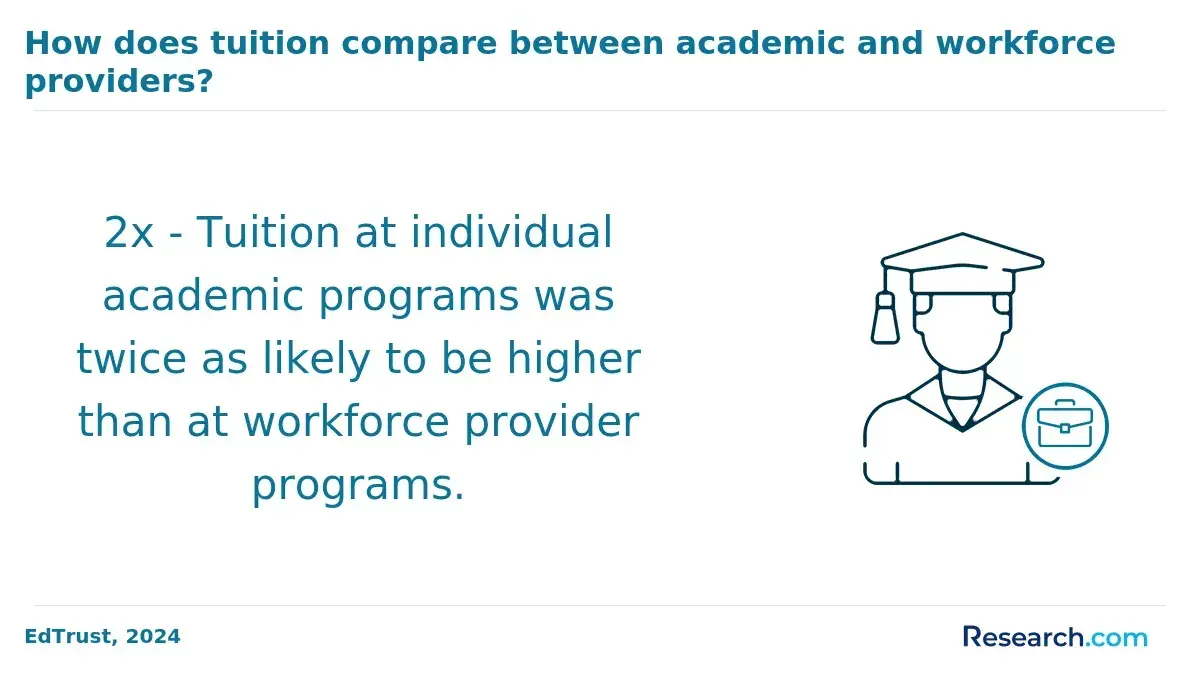
- Tuition and fees: Compare total program cost, not just per-credit tuition. Ask about technology fees, lab materials, software, proctoring, and graduation fees.
- Student support: Strong advising, tutoring, technical support, career services, library access, and faculty availability matter in a demanding online engineering program.
Students should be skeptical of programs that promise a rapid, low-cost engineering degree without clear accreditation or detailed curriculum information. A useful next step is to compare established institutions on lists of the most popular online schools and then verify which ones offer engineering programs aligned with your goals.
How Much Do One-year Online Electrical Engineering Degree Programs Typically Cost?
Since one-year online Electrical Engineering degree programs are uncommon, cost estimates are usually based on standard online bachelor’s programs, accelerated alternatives, or specialized credentials. The price a student pays can vary significantly depending on school type, residency, transfer credits, enrollment pace, and financial aid.
Costs for a typical four-year online Electrical Engineering degree range between $29,000 and $83,000. A shorter timeline does not automatically mean a cheaper degree. If a one-year option exists, tuition and fees may be concentrated into a shorter period, and the student may need to pay for more courses at once.
Major cost factors include:
- Public or private institution: Public universities may price tuition differently from private schools, and residency can affect costs.
- In-state versus out-of-state status: Some online programs charge different rates based on residency, while others use a single online rate.
- Transfer credits: Accepted credits can reduce the number of courses you must pay for and may shorten your time to graduation.
- Program pace: Year-round or accelerated schedules can increase short-term payment pressure even if the total credential cost is similar.
- Technology and lab expenses: Engineering students may need software, hardware kits, calculators, simulation tools, proctoring services, or lab-related materials.
- Financial aid: Scholarships, grants, loans, and employer tuition assistance can change the net cost substantially.
Before enrolling, ask for a full cost breakdown and a degree plan showing exactly how many credits you still need. This is especially important for transfer students, because the advertised timeline may not match your individual academic record.
What Can I Expect From One-year Online Electrical Engineering Degree Programs?
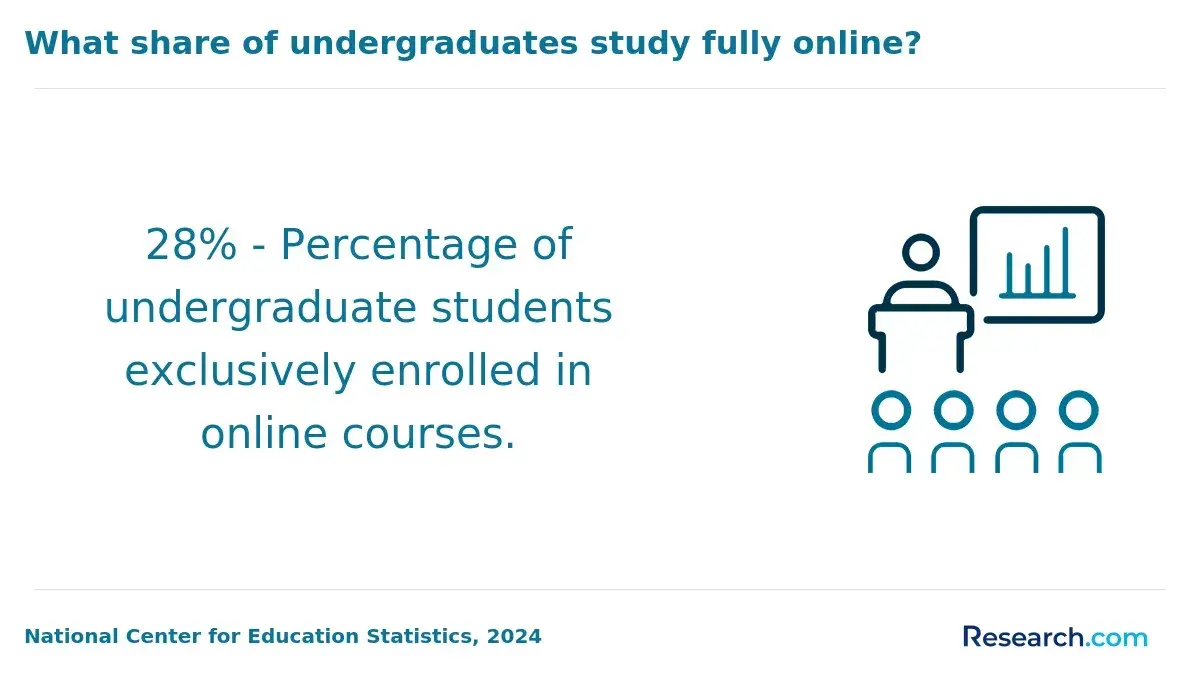
Students should expect a demanding, highly structured experience if they enter any one-year or accelerated online Electrical Engineering pathway. In the U.S., these options are more commonly certificates, diplomas, accelerated master’s programs, or degree-completion tracks rather than full bachelor’s degrees for beginners.
The curriculum may focus on areas such as circuit analysis, electronics, power systems, signal processing, electromagnetics, digital systems, and engineering design. Online delivery often uses recorded lectures, live sessions, discussion boards, simulations, remote labs, programming assignments, and team-based projects.
Common learning experiences may include:
- Virtual labs: Students may use simulation software to model circuits, analyze signals, test designs, and interpret results.
- Project-based assignments: Courses may require design reports, troubleshooting exercises, prototype planning, or applied engineering analysis.
- Mathematical problem-solving: Expect regular work with calculus-based physics, differential equations, circuit equations, transforms, and technical modeling.
- Collaborative work: Online teams may complete design assignments, presentations, or peer reviews using digital collaboration tools.
- Faculty interaction: Support may come through office hours, video meetings, forums, grading feedback, and advising appointments.
The main challenge is time. Accelerated engineering study requires consistent weekly effort, strong organization, and comfort with independent learning. Students who struggle with math, programming, or physics may need tutoring or a slower pace to avoid falling behind.
Career outcomes depend heavily on the credential type, accreditation, prior experience, and the student’s project portfolio. Some learners use accelerated study to strengthen current technical roles, while others use it as a pathway to further education. Working adults comparing flexible options may also review the best affordable online schools for job holders when balancing cost and schedule.
Are There Financial Aid Options for One-year Online Electrical Engineering Degree Programs?
Financial aid may be available for online Electrical Engineering students, but eligibility depends on the institution, credential type, accreditation, enrollment status, and student circumstances. Not every certificate or short-term program qualifies for the same aid as a degree program, so students should confirm funding options before enrolling.
- Federal and state aid: Eligible students can submit the FAFSA to be considered for federal loans and grants. State-based aid may also be available depending on residency, program eligibility, and accreditation.
- Scholarships: Engineering students may qualify for scholarships based on academic merit, financial need, STEM interest, professional background, or specialization within Electrical Engineering.
- Employer tuition assistance: Working professionals should ask whether their employer offers tuition reimbursement or direct tuition assistance for engineering-related education.
- Institutional aid: Some schools offer grants, scholarships, payment plans, or tuition discounts for online learners, transfer students, military students, or working adults.
- Private funding: Private grants and loans may be available, but students should compare terms carefully and avoid borrowing more than the credential can reasonably support.
Before accepting an offer, ask the financial aid office whether the specific online Electrical Engineering program is aid-eligible, whether accelerated enrollment changes your aid package, and what happens if you reduce your course load. Students should also track scholarship deadlines early because engineering awards can require transcripts, recommendations, essays, or proof of major.
What Electrical Engineering Graduates Say About Their Online Degree
Student experiences can help you understand the appeal of accelerated online study, but testimonials should be treated as individual examples rather than guarantees. Outcomes depend on the school, accreditation, transfer credits, prior preparation, employer recognition, and the student’s ability to manage an intensive technical workload.
- Yeshua: "Completing my one-year online Electrical Engineering degree was a game-changer for my career. The accelerated format allowed me to quickly gain the technical skills I needed without interrupting my job, and the competency-based approach ensured I truly mastered each topic. At a fraction of the traditional cost, this program was an unbeatable investment in my future."
- Hugh: "Reflecting on my journey, the flexibility of the online Electrical Engineering degree program made all the difference. Balancing work and study was challenging, but the structure enabled me to benefit from expert instruction and hands-on projects at my own pace. Finishing in just one year gave me a remarkable sense of accomplishment and opened new professional doors."
- Atlas: "The one-year accelerated degree in Electrical Engineering exceeded my expectations for both depth and speed. The curriculum was rigorous but perfectly designed for online learners aiming to fast-track their education. This program's cost-effectiveness and focused learning helped me transition confidently into engineering roles much sooner than I anticipated."
Other Things You Should Know About Pursuing One-Year Electrical Engineering Degrees
Most one-year online Electrical Engineering degree programs do not require on-campus visits in 2027. However, some may include optional lab sessions or workshops. Verify specific program details with the accreditation body or institution for exact requirements.
Typically, a one-year online Electrical Engineering degree in 2027 requires completing around 30-36 credit hours. Programs may include core courses, electives, and practical projects to ensure comprehensive knowledge and skill development to meet industry standards.
References
- What Can You Do With an Electrical Engineering Degree? https://www.onlineu.com/resources/college-planning/what-can-you-do-with-electrical-engineering-degree
- MS in Electrical Engineering Loan https://prodigyfinance.com/courses/electrical-engineering-programmes/
- Bachelor of Science in Electrical Engineering https://fiuonline.fiu.edu/programs/online-undergraduate-degrees/bachelor-of-science-in-electrical-engineering.php
- Electrical and Computer Engineering (B.S.) – Oregon State Online https://ecampus.oregonstate.edu/online-degrees/undergraduate/electrical-computer-engineering/
- Bogleheads.org https://www.bogleheads.org/forum/viewtopic.php