2027 Does an Electrical Engineering Degree Require Internships or Clinical Hours?

Co-Founder and Chief Data Scientist
Many students pursuing an electrical engineering degree face uncertainty about whether internships or clinical hours are mandatory for graduation. This lack of clarity impacts their academic planning and readiness for industry demands. According to the National Society of Professional Engineers, approximately 70% of electrical engineering graduates participate in internships, yet requirements vary significantly across institutions. This variability affects how students allocate time and gain practical experience before entering the workforce. This article clarifies common internship and clinical hour expectations within electrical engineering programs and explores how these components influence curriculum design, skill development, and employment prospects.
Key Things to Know About Electrical Engineering Degree Internships or Clinical Hours
- Many electrical engineering degrees require internships or practical hours for hands-on skills, often necessary for graduation or professional licensure preparation.
- Online programs typically arrange local internships, while campus-based programs integrate structured clinical hours within their curriculum or affiliated labs.
- Completing practical requirements enhances career readiness, with 65% of graduates reporting better job placement and reduced time to employment.
Does a Electrical Engineering Degree Require Internships or Clinical Hours?
Electrical engineering degree programs generally do not require internships or clinical hours as a strict condition for graduation, but internships are highly encouraged and often strongly recommended. Clinical hours are not part of electrical engineering education, as they relate more to health-related fields.
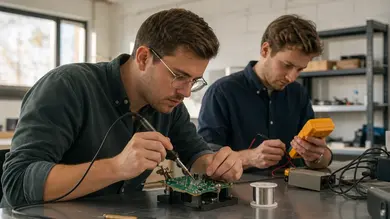
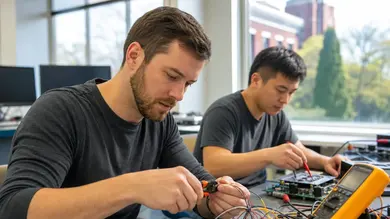
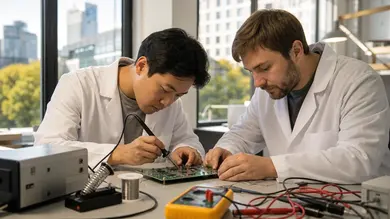
Instead, practical hands-on training for electrical engineering students typically takes the form of internships or cooperative education (co-op) programs that offer valuable real-world experience. These experiences serve to enhance technical and professional skills beyond traditional coursework and help prepare students for the workforce.
Internships in electrical engineering usually take place after students complete their foundational courses, most often in the third or fourth year. These opportunities provide exposure to engineering projects, team collaboration, and industry practices, which are critical for career readiness.
Students should consider how internship or co-op components might affect the length of their program and provide essential professional connections. Prospective students researching degree options may also explore accredited online MBA programs to complement their engineering knowledge while gaining experience. Understanding the varied electrical engineering degree internship requirements can help students choose programs that best support their career goals.
Are Internships Paid or Unpaid in Electrical Engineering Programs?
Internships in electrical engineering programs can vary between paid and unpaid positions, which is an important consideration for students managing program costs and planning careers. Recent industry data indicates about 60% of electrical engineering internships in the U.S. offer pay, with average hourly wages ranging from $20 to $25.
Key factors influence whether an internship is paid or unpaid, affecting how students approach these opportunities. Here are some important points to consider:
- Typical payment structures: Many companies provide paid internships to attract talented students, offering competitive wages that match the technical skills required in electrical engineering programs.
- Factors affecting pay: Company size, geographic location, and participation in formal cooperative education programs impact whether internships are compensated financially or remain unpaid.
- Value of unpaid electrical engineering internship opportunities: These internships often provide academic credit, networking, and hands-on experience that can be crucial for career development even without direct pay.
- Cost and planning implications: Students accepting unpaid internships need to plan for living expenses while gaining industry exposure, balancing financial challenges against long-term benefits.
- Academic integration: Some unpaid internships are part of degree requirements, helping students build relevant skills while fulfilling educational credits.
For students interested in programs offering flexibility or additional support, exploring options such as a counseling degree online might also provide pathways to balance academic and career objectives effectively.

What Is the Difference Between Internships or Clinical Hours in Electrical Engineering Degree Levels?
Knowing the distinctions in internship or clinical hour requirements across electrical engineering degree levels is crucial for students as they plan their academic and career paths. These differences affect program structure, time commitments, and preparation for professional roles. Below is an overview to help clarify what students can expect at various stages.
Internships and clinical experiences vary significantly depending on the degree pursued.
- Bachelor's degree: Internships at this level are typically summer- or semester-long, lasting a few months. They involve entry-level engineering tasks under close supervision, helping students develop foundational skills and professional habits through practical experience. These internships are essential for meeting internship requirements for electrical engineering degrees.
- Master's degree: Graduate internships demand more complex and independent work. They may run longer or coincide with research projects, requiring students to apply advanced technical knowledge. Supervision decreases, reflecting an expectation of greater autonomy and leadership in problem-solving.
- Doctoral degree: Doctoral candidates often engage in customized internships or industry collaborations aligned with their research. These experiences emphasize innovation and original contributions, advancing specialized knowledge and professional expertise.
Unlike health fields, where clinical hours are standard, electrical engineering programs focus primarily on internships for practical learning rather than clinical hours versus internships.
For prospective students balancing education with career goals, understanding these distinctions is essential. For example, those interested in counseling fields might explore options like an online masters in marriage and family therapy, which have markedly different experiential requirements.
Accelerated electrical engineering programs incorporate internships or clinical hours by carefully aligning practical experiences within their condensed schedules. These internships often take place during summer breaks or between intensive academic terms, allowing students to fulfill hands-on requirements without extending their studies.
Program intensity demands that students manage heavy coursework alongside these experiences, so some institutions offer flexible options like part-time or remote internships. This tailored scheduling helps maintain the fast-paced nature of the degree while ensuring valuable industry exposure.
Balancing practical work with rigorous academics involves meeting specific competency standards set by engineering accreditation boards to ensure career readiness. Many programs collaborate with employers to design structured internships that fit within the accelerated curriculum. As a result, nearly 70% of students in these fast-track paths engage in internships, underscoring their importance despite compressed timelines. These strategies collectively help students acquire essential skills and meet licensure requirements without compromising their education.
When I spoke with a graduate from an accelerated electrical engineering degree, he described the experience as both demanding and rewarding. He recalled juggling final projects and preparing for exams while interning at a local technology firm, mentioning, "It felt overwhelming at times, especially when deadlines converged." Yet, he emphasized that the real-world challenges taught him time management and adaptability in ways that coursework alone couldn't. His internship not only supplemented his technical knowledge but also built the confidence necessary for his early career.
Internship requirements for online and on-campus electrical engineering programs are largely comparable, as both prioritize experiential learning to meet accreditation and industry expectations. Students must complete practical work experience, often through internships, to demonstrate competencies like design, testing, and applying engineering principles.
Participation in engineering internships has increased significantly, with online education enrollment growing nearly 40% over the past five years, reflecting employers' emphasis on hands-on experience regardless of learning format. These programs maintain consistent standards for learning outcomes and professional readiness.
Practical differences arise mainly in how internships are arranged and completed. Online students often enjoy greater flexibility in selecting internship locations and schedules, allowing them to engage with employers near their residence or current job.
Supervision methods may include remote check-ins or hybrid models, contrasting with on-campus students who typically participate in internships coordinated through university networks and local partnerships. This geographic and logistical flexibility accommodates diverse student needs without compromising the rigor of internship requirements.

Specialization choices within electrical engineering significantly influence internship or clinical hour requirements, as different areas of focus correspond with distinct industry demands and workforce needs. Recent industry data shows that about 65% of electrical engineering students complete internships directly related to their chosen specialization, highlighting a trend toward gaining field-specific experience early.
For instance, specializations such as power systems often require internships at utility companies or renewable energy firms, involving extended site visits and practical exposure to large-scale operations. In contrast, fields like embedded systems or microelectronics might focus on design and programming within corporate research labs or startups, which typically offer more flexible internship schedules. These variations in internship types reflect the impact of electrical engineering internship requirements by specialization on students' educational pathways.
The differences in internship settings and demands affect how students manage their workload and time commitments throughout their academic programs. Some specializations necessitate structured internships concentrated in academic breaks, while others incorporate co-op experiences that run concurrently with semester coursework.
This dynamic influences how students balance their professional experience with academic responsibilities and shapes their career readiness. Students considering electrical engineering programs should weigh these factors, especially when evaluating how their specialization choices impact engineering internships and overall preparation for the workforce. Those seeking practical, affordable options may also explore the cheapest online college bachelor degree programs that accommodate these varying internship requirements.
Yes, work experience can sometimes substitute for internship requirements in electrical engineering degree programs, especially for students balancing employment with their studies. This option depends largely on whether the professional experience is relevant to electrical engineering, meets a minimum duration, and can be validated by an employer.
Accreditation bodies and program guidelines also play a crucial role in determining if prior or current work can fulfill practical training requirements. Often, those with extensive experience in specialized areas like circuit design or systems engineering may have their work count toward these mandates.
Nonetheless, many programs still mandate formal internships to ensure standardized industry exposure and educational consistency. Applied focus areas that rely on hands-on projects may offer more flexibility, while broader curricula might require official internship completion. Requirements also vary by institution and degree level, so students should consult academic advisors to clarify if substituting hands-on work experience for an internship is possible in their specific program.
When I spoke with a graduate of an electrical engineering degree about her experience, she shared how navigating internship requirements alongside a full-time job was challenging. She was initially uncertain if her years working as a systems analyst could replace the formal internship. After discussions with the program coordinator, her employer provided detailed verification of her relevant responsibilities, which helped. Reflecting on that time, she said, "It wasn't a straightforward path, but having practical experience gave me confidence and a unique perspective that standardized internships sometimes lack." This pathway, while demanding, proved valuable in bridging her professional work with academic expectations.
Internship and clinical rotation lengths in electrical engineering significantly impact how students gain practical skills and integrate theory with real-world work. Approximately 70% of students complete such experiences within a single semester or summer, reflecting increased program flexibility and diverse student needs. Below are common duration models for these hands-on opportunities.
- Short-term internships: These typically last 6 to 8 weeks and focus on intensive, project-driven work. They offer concentrated exposure to specific tasks or technologies, making them ideal for students seeking quick, immersive experiences during breaks.
- Semester-long internships: Spanning 12 to 16 weeks, these rotations provide a broader scope and deeper involvement in industry projects. Students benefit from extended engagement, allowing more meaningful contributions and the chance to understand workplace dynamics over time.
- Extended or part-time rotations: Some programs arrange clinical experiences throughout an academic year, often part-time alongside coursework. This model enables continuous learning and accommodates specializations that require mastery of complex equipment or software, aligning with accreditation requirements for minimum practical hours.
Variations in internship length often depend on program format, accreditation standards, and a student's area of focus within electrical engineering, such as power systems or telecommunications. Ensuring a sufficient number of hours-commonly between 240 and 400-is crucial for meeting educational quality benchmarks and preparing students for professional environments. The flexibility in timing and structure supports diverse learning styles while maintaining rigorous industry preparation standards.
Job placement outcomes are a key concern for prospective students pursuing electrical engineering degrees because they directly affect return on investment and time to career start. According to a 2022 National Association of Colleges and Employers survey, 60% of employers prefer candidates with relevant internship experience, highlighting its importance in hiring decisions. The impact of internships on electrical engineering job placement can be seen in several important ways:
- Employer Preference: Employers often prioritize candidates with internship experience because it demonstrates readiness for professional challenges and reduces onboarding time. This preference boosts hiring rates for those who have completed internships.
- Professional Networking: Internships create valuable connections with industry professionals and potential employers, increasing the chances of securing job offers after graduation.
- Skill Development: Working on real-world engineering problems helps students develop technical competencies and workplace communication skills beyond what is taught in classrooms, improving career outcomes.
- Conversion to Full-Time Employment: Many internships result in full-time job offers, providing a smoother transition from student to professional and often shortening the job search process.
While internships are not always formally required in electrical engineering programs, completing them significantly enhances employability. For students balancing academics and practical experience, internships represent a strategic component in how electrical engineering internships affect career outcomes. Prospective students should also explore online degree programs which may offer flexible pathways to combine coursework with internship opportunities.
Practical experience often leads to higher starting salaries for electrical engineering graduates, with a 2023 survey by the National Association of Colleges and Employers revealing that those with internships earn around 15% more on average than peers without such experience. This difference highlights how experiential learning increasingly matters to employers. Several key reasons explain why these hands-on opportunities can influence pay:
- Employer preference for readiness: Graduates with real-world experience typically require less training and ramp-up time, making them more valuable from day one. This reduces costs for employers and accelerates productivity.
- Stronger negotiation position: Candidates who demonstrate practical skills often have greater confidence and reasoning power when discussing salary offers, which can result in better compensation packages.
- Industry-specific demand: Certain sectors within electrical engineering, such as embedded systems and power engineering, prioritize hands-on expertise more heavily, which can drive higher pay for graduates familiar with relevant tools and technologies.
- Program and specialization effects: Cooperative education formats that blend work placements with study tend to produce graduates with improved salary prospects compared to strictly academic tracks. Fields experiencing rapid innovation, like renewable energy or telecommunications, also reward practical experience more substantiallly.
What Graduates Say About Their Electrical Engineering Degree Internships or Clinical Hours
- Yena: "Completing the internship requirement for my online electrical engineering degree was an eye-opening experience that truly bridged theory with real-world application. Despite concerns about the cost, which was quite reasonable compared to on-campus programs, I found it to be a worthwhile investment for my professional growth. This hands-on experience accelerated my career development and opened doors to opportunities I hadn't imagined."
- Gustav: "The internship phase of my online electrical engineering program was challenging but invaluable. The expenses associated with the internship were modest, especially given the flexibility it provided alongside my work commitments. Reflecting on this, I realize how critical that practical exposure was in shaping my technical expertise and confidence in the industry."
- Atlas: "From the outset, I was curious about fulfilling the internship component in an online electrical engineering degree, especially regarding cost and professional impact. The internship cost was surprisingly manageable, and the experience itself proved essential in refining my skills and enhancing my resume. Professionally, it turned out to be a decisive factor in securing my current role."
Other Things You Should Know About Electrical Engineering Degrees
In 2027, background checks or security clearances may be required for some electrical engineering internships, especially if the position involves working on sensitive projects for government agencies or defense contractors. However, requirements vary by company and industry, so it's important for students to verify specific requirements for each opportunity.
Most electrical engineering programs require safety training before lab access, usually covering lockout/tagout, high-voltage hazards, PPE, and emergency procedures. Many universities make students complete this training before using departmental labs, and some employers require OSHA 10- or 30-hour certification for internship placements.
Many electrical engineering programs allow internships to count as academic credit, but policies differ by institution. Students usually need to secure department approval before the internship and complete deliverables such as reports or presentations afterward. Earning credit this way may reduce the total time needed to graduate when planned carefully.
- Electrical & Electronic Engineering - Internship Guide https://aimst.edu.my/event-news/which-industry-pursue-internship-electrical-electronic-engineering/
- How an Electrical Engineering Internship Can Land You Your Next Role https://www.premiumgraduate.com.au/resources/how-an-electrical-engineering-internship-can-land-you-your-next-role
- The Significance of Internship for Electrical Engineering Students https://chipedge.com/resources/the-significance-of-internship-for-electrical-engineering-students/
- Computer & Electrical Engineering: Directory of Internships, Research Opportunities, Scholarships & Fellowships https://www.pathwaystoscience.org/Discipline.aspx
- Why Internships Are Important for Electrical Engineering Students? - CADCAMGURU Institute https://cadcamguru.com/blogs/why-internships-are-important-for-electrical-engineering-students/
- Your Guide to Electrical Engineering Internships | Handshake https://joinhandshake.com/blog/students/electrical-engineering-internships/
- ECE Internships https://engineering.usu.edu/ece/students/internships
- About Practical Work https://www.auckland.ac.nz/en/engineering/current-students/planning-your-study/engineering/undergraduate-course-details/practical-work/about.html
- Electrical Engineering Degree (B.S.) | Rockhurst University http://rockhurst.edu/electrical-engineering
- How to Get an Engineering Internship - Electrical, Mechanical, and More https://www.onlineengineeringprograms.com/features/engineering-internship-guide