2027 Software Development Salary Trends Report: Are Wages Keeping Up With Tuition and Inflation?

Co-Founder and Chief Data Scientist
A prospective software development student faces a growing challenge: determining whether the financial return on earning a software development degree justifies the rising costs of higher education and the broader impact of inflation. Tuition fees have surged in recent years, but salary data has not always risen proportionally.
This disparity complicates straightforward decisions about investing time and money in a degree program.
Salary growth, tuition increases, and inflation often move at different rates, making it essential to look beyond raw earnings figures. Evaluating long-term earning potential requires analyzing these factors in concert to assess true affordability and return on investment.
This article examines salary trends, tuition costs, inflation, and the financial factors influencing the enduring value of a software development degree. It aims to provide clarity on whether wages keep pace with the increasing economic demands of higher education.
Key Things to Know About Software Development Salary Trends
- Graduate wages in software development rose 6.5% in 2024, outpacing inflation but lagging behind escalating tuition fees, signaling prolonged ROI recovery periods for new entrants.
- Specialization in cloud computing or AI correlates with 20% higher starting salaries, underscoring the need for targeted skills to maximize early-career earnings amid cost pressures.
- Long-term earning potential depends more on continuous upskilling and role adaptability than initial degree prestige, shaping realistic career investment decisions beyond tuition costs.
- Key Things to Know About Software Development Salary Trends Key Things to Know
- What Is the Current Salary Outlook for Software Development Graduates? Salary Outlook
- Are Software Development Salaries Keeping Up With Inflation? Inflation Impact
- How Do Tuition Costs Compare With Software Development Salary Growth? Tuition vs Salary
- Does a Software Development Degree Deliver a Positive Return on Investment? Degree ROI
- Which Industries Offer the Highest Salaries for Software Development Graduates? Highest-Paying Industries
- Which States and Cities Offer the Highest Pay for Software Development Professionals? Highest-Paying Locations
- How Do Software Development Salaries Grow Throughout a Career? Career Growth
- How Do Software Development Salaries Compare With Similar Degrees? Salary Comparison
- How Is Employer Demand Affecting Software Development Salary Trends? Employer Demand
- How Can Students Maximize Their Lifetime Earnings With a Software Development Degree? Maximizing Earnings
What Is the Current Salary Outlook for Software Development Graduates?
The outlook for software development graduate salary trends in 2024 reflects a nuanced landscape shaped by geography, specialization, and economic factors. Median wages for software developers hover near $120,000 annually, according to the U.S. Bureau of Labor Statistics, but entry-level salaries typically fall between $72,000 and $80,000, varying by location and employer scale.
For instance, a graduate stepping into a role in Silicon Valley might start near $90,000 or more, whereas one in a smaller tech market might see a notably lower offer. This divergence illustrates how two individuals with the same degree can experience markedly different starting points based on variables beyond academic credentials alone.
Interpreting the current earnings for software developers requires considering progression opportunities and industry demand in addition to initial pay. Fields like cloud computing, cybersecurity, and artificial intelligence remain especially lucrative, fueling faster growth in compensation over time.
Yet, despite these prospects, wage increases for new grads have struggled to fully counterbalance rising college costs and inflation rates, which remain near 5% annually. Evaluating offers without accounting for benefits, signing bonuses, and the potential for remote work can obscure the true value of a position, underscoring the importance of weighing total compensation against living expenses and debt obligations.
Long-term salary trajectories often depend on continuous skill development and market trends, making it vital for students to approach career decisions with an eye on sustainable growth rather than immediate income alone. The persistent demand for software development skills supports continued job openings, but understanding this field's complex reward structure can help graduates make more informed choices.
Those researching the best degrees for the future should factor in how variable earning potentials align with their financial goals and personal circumstances.
Are Software Development Salaries Keeping Up With Inflation?
Nominal wage increases in software development have not consistently kept pace with inflation, meaning that earners may see their real purchasing power decline even as salaries rise. For example, while median wages for software developers increased by about 5.2% between 2022 and 2023, the overall Consumer Price Index (CPI) rose approximately 6.5% during the same period, driven by cost surges in housing, healthcare, and education.
This gap means a recent graduate earning a higher salary may realistically afford less than before, especially when balancing living expenses and debt repayment. Such dynamics illustrate how software development salary growth compared to inflation is a critical metric for understanding long-term financial stability post-graduation.
Consider a new graduate managing student loans and tuition that have increased faster than wages. Average tuition fees at public four-year institutions have risen nearly 4% annually, which often outpaces general inflation, creating mounting financial pressure that nominal wage gains alone cannot offset. Employers value software development skills, but wage growth depends heavily on market demand fluctuations and an individual's skill progression rather than automatic inflation adjustments.
Prospective students should also weigh their educational investments carefully, exploring options such as online engineering degrees that can offer cost-effective pathways while maintaining competitive skillsets in this evolving labor market.
How Do Tuition Costs Compare With Software Development Salary Growth?
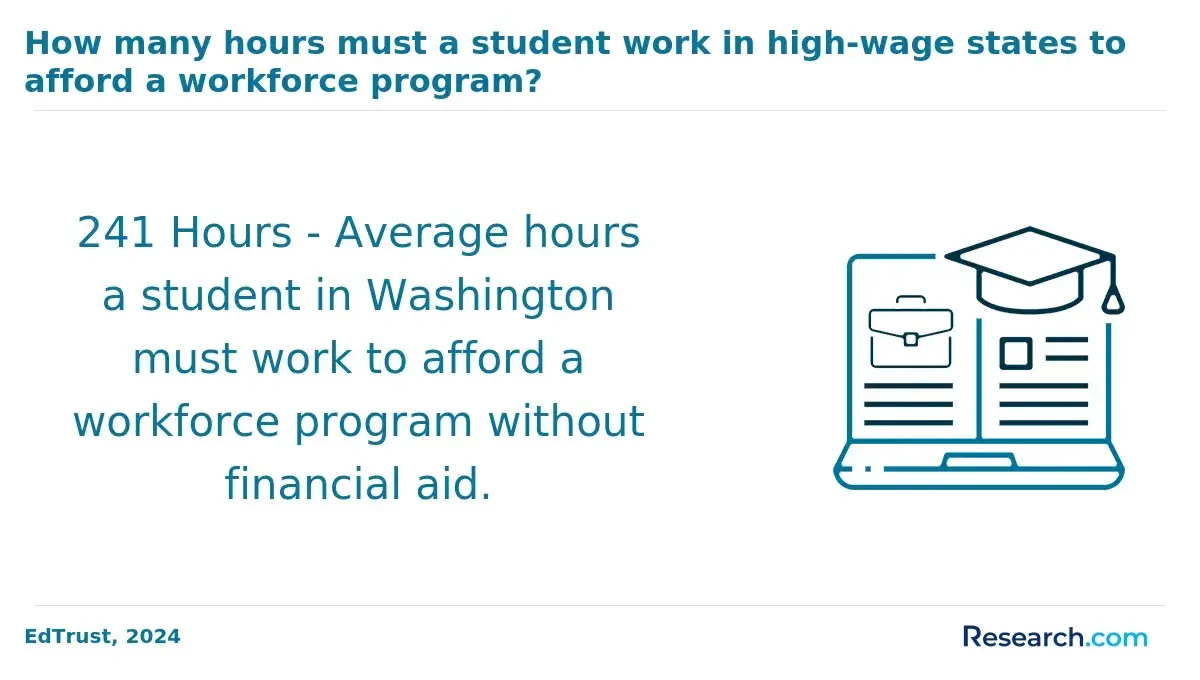
Comparing tuition costs directly with salary growth offers a clearer view of the financial return a Software Development degree can provide than examining either metric alone. Data from the National Center for Education Statistics and the Bureau of Labor Statistics as of 2024 show that average annual tuition at public four-year colleges has grown by about 4%, whereas median starting salaries in software development only rise roughly 3% per year.
This gap means early-career graduates may face a tighter financial balance, as increased educational expenses outpace their initial earnings growth, while mid-career salary increases averaging around 5% can help offset this discrepancy over time. Understanding this dynamic is crucial since rising tuition combined with modest early salary growth challenges the traditional assumption that a Software Development degree quickly yields net financial gains.
Individual circumstances heavily influence how tuition costs compare with salary progression in software development. For example, a student who enrolls at a public university with controlled tuition hikes and starts working in a tech hub with higher wages might see a break-even point sooner than someone attending a private institution with steep tuition and entering a region with lower starting salaries.
Loan interest rates and living expenses also factor into how quickly a graduate recovers educational investment, especially when inflation inflates daily costs. These variables create a complex interplay where salary growth doesn't uniformly mitigate rising tuition, making strategic choices about institution type and job location vital.
A Software Development graduate recalls struggling to choose between a local private college with prestigious branding but rapidly increasing tuition and a less renowned public university with a more affordable and predictable cost structure. Though hesitant, the graduate opted for the public institution, motivated by concerns over accumulating debt amid uncertain salary growth.
Early career salary increases were modest, validating their caution, and it took several years before earnings comfortably outpaced total tuition expenses. This experience highlights how nuanced decisions about tuition versus salary trajectories can have lasting financial consequences beyond surface-level comparisons.
Does a Software Development Degree Deliver a Positive Return on Investment?
Return on investment in higher education involves weighing the total cost of a degree against the potential earnings and career growth opportunities it enables over time. In the case of a software development degree, this calculation extends beyond initial salaries to consider how sustained industry demand and salary increases can offset the rising tuition expenses and student debt incurred.
For example, a graduate entering the workforce with median debt levels similar to other STEM fields can often repay loans faster thanks to earning median salaries notably higher than the average bachelor's degree holder, which a 2024 Georgetown University study highlights.
Yet, this positive ROI is not guaranteed for every individual and depends on factors like the specific institution's tuition costs, geographic job market, and economic conditions that influence salary growth. The College Board's data showing tuition inflation surpassing general inflation adds pressure on financial returns, making the timing and total expenses critical variables.
Moreover, sustained labor shortages reported by CompTIA and the wage growth patterns identified in Stack Overflow's 2024 reports suggest that a software development degree remains a competitive asset, but the extent to which graduates capitalize on this advantage hinges on their ability to adapt to evolving job requirements and capitalize on career advancement over a 20- to 30-year horizon.
Considering these elements, the ROI for a software development degree best reflects a long-term investment perspective rather than a quick payoff. While entry-level salaries often exceed inflation-adjusted averages in many fields, true financial benefit emerges by evaluating steady wage appreciation and loan repayment capability throughout a sustained career.
The overall evidence points to a generally favorable return for those who manage costs prudently and leverage the consistent market demand for technical skills, but individuals should carefully assess their own financial situation and local employment conditions before committing.
Which Industries Offer the Highest Salaries for Software Development Graduates?
Software development graduates face a varied landscape when it comes to salary prospects across industries. While technical skills and project experience matter, the sectors that employ these professionals play a critical role in determining compensation levels. High-paying industries usually demand specialized expertise and offer roles that deal with advanced technologies or sensitive data, which justifies premium wages. For instance, a graduate considering a start-up in blockchain must weigh the allure of equity against the risk of volatility.
The following list highlights the industries with the strongest earning potential for software development graduates based on recent U.S. Bureau of Labor Statistics data and industry analyses from 2024.
- Software Publishers: These companies lead in salary levels due to the high demand for expertise in developing operating systems, applications, and software products within emerging fields like artificial intelligence, machine learning, and cloud computing. Roles often require advanced programming skills and continuous learning to stay abreast of rapidly evolving technologies.
- Financial Services: Fintech and banking firms offer competitive pay, leveraging software development to create secure trading platforms and digital payment systems. Graduates with skills in cybersecurity and real-time data processing typically find stronger compensation here.
- Consulting & IT Services: Firms in this space pay premiums to attract talent who can craft bespoke software solutions for a variety of clients. Software development graduates with versatility and strong client-facing communication skills tend to thrive financially in this sector.
- Aerospace & Defense: This industry demands rigorous knowledge of secure and mission-critical software systems. Graduates working here often receive higher salaries due to compliance requirements and the sensitive nature of projects.
- Healthcare Technology: With rising demand for health informatics and telemedicine, companies require developers knowledgeable about regulatory frameworks and data privacy, resulting in higher wage rates.
- Blockchain Startups: Emerging fields like blockchain provide enticing stock options combined with competitive salaries. Graduates attracted to innovation and willing to accept higher risk can leverage skills in distributed ledger technologies for potentially strong long-term rewards.
In light of rising tuition and inflation, the decision where to focus a software development career should consider not only salary but also job stability, benefits, and growth potential. Research into industries offering the highest software development salaries in the US often shows that practical experience in high-demand specializations drives the best outcomes. Prospective students and recent graduates may also explore human resources master's programs online to diversify their career options and add complementary skills.
Which States and Cities Offer the Highest Pay for Software Development Professionals?
Geographic location plays a crucial role in determining the earning potential of software development professionals. The highest wages often correlate with regional industries that heavily depend on technology innovation, impacting both demand and salary scales.
However, elevated salaries in top metro areas come with notably higher living costs, which can offset the expected financial benefits. For students and recent graduates, weighing these tradeoffs involves looking beyond salary figures to include broader economic realities such as housing affordability and tuition inflation.
The following highlights some of the key states and metropolitan areas where software development compensation remains strongest in 2024.
- California (San Jose and San Francisco): These Silicon Valley hubs lead the nation with annual mean wages surpassing $150,000 due to the dense network of leading tech firms and startups. Although salaries here are the highest, students must carefully assess whether the high cost of living, especially housing, and steep education expenses justify relocating.
- New York City: Averaging around $130,000 annually, NYC benefits from a diverse economy driven by finance, media, and healthcare sectors demanding software solutions. Despite competitive pay, the city's expensive real estate market and lifestyle costs reduce disposable income, making it essential to balance opportunities against living expenses.
- Seattle, Washington: With major employers like Microsoft and Amazon, Seattle's software developers often earn in excess of $140,000. Robust tech employment prospects attract talent, but rising housing prices and cost of living should be factored into the overall financial calculation.
- Massachusetts (Boston): Boston's tech wages hover near $120,000, supported by its strong biotech and educational institutions. While salaries here are slightly lower than West Coast metros, the city offers rich networking and career growth possibilities, though tuition and living costs remain significant considerations.
- Virginia: Northern Virginia benefits from a tech ecosystem tied to government contracting and cybersecurity, offering competitive salaries somewhat below California and Seattle. Graduates often find favorable cost-of-living ratios relative to salary, providing a different balance of earnings and expenses.
How Do Software Development Salaries Grow Throughout a Career?
Salary growth in software development typically aligns with increasing experience and specialization, but the pace varies substantially across career stages. Entry-level developers often earn between $70,000 to $90,000 annually, reflecting initial technical skill acquisition and market demand. As they move into mid-career roles with five to ten years of experience, salaries generally rise to $110,000 to $140,000, especially for those who pursue certifications or leadership roles.
Data from the U.S. Bureau of Labor Statistics and industry surveys indicate that annual raise rates can shift from moderate increases of 5-7% early on to potentially over 8% for those expanding their technical expertise or management responsibilities during this phase.
At the senior or lead level, with more than a decade in the field, compensation often reaches $140,000 to $180,000 or higher and includes performance bonuses and equity, especially in competitive tech markets. However, salary outcomes reflect not only years of experience but also choices like specialization, ongoing education, and whether one embraces managerial duties or technical leadership.
Consider two graduates who each started around $75,000: one pursued specialized certifications and team leadership, accelerating pay growth above market averages, while the other stayed in generalist roles without professional development, resulting in slower salary gains. Continuous skill investment and strategic role selection emerge as key drivers for long-term earnings that can outpace inflation and tuition debts.
One software development graduate recalled feeling uncertain after college, choosing initially to join a smaller firm focused on web applications to gain broad experience quickly. After three years, noticing slower wage increases than peers in specialized roles, this individual debated pursuing certifications but faced mounting student debt and family pressures.
Ultimately, returning to school for a part-time data science certificate while shifting to more complex backend projects led to a significant salary boost by year seven, underscoring the importance of targeted skill-building and timely decision-making amid financial challenges.
How Do Software Development Salaries Compare With Similar Degrees?
Recent data from the U.S. Bureau of Labor Statistics and the National Association of Colleges and Employers in 2024 reveal that software development salary comparison with related degrees shows median starting salaries around $72,000.
While this figure is competitive, it closely aligns with salaries in fields like computer science and information technology rather than significantly exceeding them. Such proximity in earnings means that those pursuing a software development degree must weigh the long-term value of their education against tuition and inflation pressures.
Below is a comparison that contextualizes software developer earnings versus similar degree fields based on career paths, salary trends, and factors influencing earning potential.
- Computer Science: Graduates typically report slightly higher median starting salaries near $75,000, reflecting strong demand in areas like algorithms, AI, and systems design. Careers often involve more research-oriented or broad programming roles, potentially commanding premium compensation at senior levels, although entry-level pay remains close to software development.
- Information Technology: Entry-level salaries often start lower, around $65,000, due to the broader focus on network management, systems administration, and support roles. While IT offers diverse job options, salary growth may plateau earlier compared to software development, which benefits from ongoing technology innovation.
- Software Engineering: Mid-career professionals typically earn between $100,000 and $120,000, similar to software developers but with specialized focus on engineering principles and lifecycle management. Earnings depend heavily on industry sector and geographic location, where urban tech hubs tend to offer notable advantages.
- Systems Analysis: Usually commands salaries near the mid-career ranges seen in software fields but often trades off technical depth for business process expertise, impacting long-term salary trajectories. Systems analysts may also have less direct coding work but more interaction with stakeholders and project management.
In practical terms, a student choosing software development should consider not only the median salaries but also how specialization, geographic mobility, and industry sector influence earning potential over time.
For those exploring career alternatives outside tech, understanding what can you do with an environmental studies degree illustrates the wide variance in salary prospects across different disciplines, emphasizing the importance of aligning education with market realities.
How Is Employer Demand Affecting Software Development Salary Trends?
Employer demand significantly shapes software development salary growth by driving competition for qualified candidates and influencing hiring practices. When demand surges, organizations often increase compensation offers and improve benefits to attract talent, especially given the limited supply of experienced professionals.
For example, a tech startup rapidly expanding product lines may offer higher starting salaries and signing bonuses to outbid competitors, reflecting the labor market tightness fueled by accelerated digital transformation. This dynamic illustrates how employer demand impacts salary trends through direct competition and strategic hiring incentives.
Major factors shaping employer demand include sustained technology adoption, innovation cycles, and shifts in business priorities requiring skilled software development graduates. According to the U.S. Bureau of Labor Statistics, demand for software developers is projected to grow 22% from 2022 to 2032, much faster than the average occupation, which contributes to upward wage pressure.
However, actual salary growth also depends on experience levels, specialization, and organizational budget constraints. Despite competitive hiring, rising tuition costs and inflation mean real wage gains for software development professionals remain modest, requiring prospective students and career changers to weigh education expenses carefully against future salary gains.
Understanding this interplay can help students evaluate the true value of a Software Development degree, considering both market demand and economic conditions. For those seeking relevant training, exploring cyber security courses online can complement software skills in an evolving job market. Overall, employer demand impacts software development salary growth by expanding opportunities and compensation but does not necessarily guarantee proportional increases once broader economic factors are accounted for.
How Can Students Maximize Their Lifetime Earnings With a Software Development Degree?
Maximizing lifetime earnings with a software development degree requires targeted effort beyond simply completing coursework. Data from the 2024 Bureau of Labor Statistics and the National Association of Colleges and Employers highlights that specialization, experiential learning, and ongoing skill development distinctly influence long-term salary trajectories. For example, a graduate focusing early on machine learning internships followed by certifications can significantly outpace peers relying solely on foundational programming skills.
Below are key strategies to help align education and career choices with stronger lifetime earning potential:
- Specialize in High-Demand Skills: Prioritize learning languages and technologies like artificial intelligence, cloud computing, and cybersecurity which show robust industry growth. This specialization increases employability in high-paying sectors such as finance and healthcare.
- Gain Practical Experience: Engage in internships or co-op programs during your studies. Hands-on experience enhances job readiness and typically results in higher starting salaries and faster wage growth post-graduation.
- Continuous Certification: Pursue professional certifications in areas like data engineering or cybersecurity. These credentials demonstrate current expertise and help maintain relevance in evolving markets.
- Choose Growth Industries: Target careers in fintech, health tech, or enterprise software, as these sectors show sustained expansion and salary resilience, supporting stable long-term income.
- Leverage Geographic Markets: Consider metropolitan tech hubs where pay scales are higher, balancing income with local living costs to optimize net earnings.
- Build Professional Networks: Participate in industry associations and contribute to open-source projects. Visibility gained from networking often leads to lucrative job offers and consulting opportunities.
- Pursue Lifelong Learning: Commit to ongoing education to adapt to new technologies and market demands, which prevents skill stagnation and maintains upward earning mobility.
References
- Salary progression in Software Engineer https://www.whitecarrot.ai/resources/templates/progression-salary/software-engineer
- Computer Science Return on Investment https://www.cs.ksu.edu/academics/undergraduate/degree-value/
- Peterson Technology Partners https://www.ptechpartners.com/2025/05/15/10-ways-to-maximize-your-software-engineer-salary/
- 2026 Salary Guide: Software Engineers and Developers https://motionrecruitment.com/it-salary/software
- Is College Worth it? | Return on Investment Analysis of College Degree https://educationdata.org/college-degree-roi
- Software Developer Salary Statistics 2026: Pay by Role https://rockstardeveloperuniversity.com/software-developer-salary-statistics/
Other Things You Should Know About Software Development Salary Trends
Longer degree programs often provide broader theoretical knowledge and more networking opportunities but come with increased tuition costs and delayed earnings. Accelerated bootcamps deliver quicker entry into the workforce but may limit foundational understanding, potentially capping salary growth long-term. Prospective students should prioritize program quality and employer recognition over speed alone, as early salary gains from bootcamps might not sustain against inflation and rising tuition-driven debt from traditional degrees.
Unpaid internships and substantial project experience are increasingly crucial as employers demand practical skills alongside academic credentials. While not directly compensated, these experiences can bridge gaps in real-world readiness and justify higher starting salaries. However, students must assess the opportunity cost carefully; excessive unpaid commitments could delay paid employment, undermining financial recovery from tuition inflation.
Specializing early in high-demand niche areas can accelerate salary growth and offset tuition inflation faster but carries higher risks if technology trends shift. Conversely, broad software development skills offer flexible career options but might lead to slower salary growth due to heavier market competition. When considering tuition costs, students should evaluate current market volatility and prefer programs that balance foundational skills with adaptable specialization opportunities.
Employers investing in ongoing training help graduates maintain wage growth in an inflationary environment, reducing reliance on costly external education. Graduates entering companies with structured upskilling programs often see better long-term salary progression, mitigating the tuition cost burden. Therefore, prioritizing employment at firms with clear professional development paths is a strategic approach to enhance earnings sustainably post-graduation.