2027 How to Compare Speech Pathology Degree Programs Effectively

Co-Founder and Chief Data Scientist

Reviewed by Rhea Paul, PhD
SLP Education & Research Expert
The main challenge in choosing a speech pathology degree program is not simply finding a school that offers the major. It is finding a program that can lead to the credentials, supervised clinical experience, schedule, and career outcomes you need. For many students, the decision also involves comparing online and campus formats, tuition, GPA expectations, specialization options, and whether the degree will satisfy licensure requirements in the state where they plan to work.
This guide is designed for prospective speech-language pathology students, career changers, and working adults comparing degree options. Employment in speech pathology is projected to grow 17% from 2025 to 2035, so program quality matters: the strongest options do more than deliver coursework; they prepare students for clinical practice, certification exams, supervised placements, and realistic job searches after graduation.
Below, you will learn how to evaluate accreditation, curriculum, scheduling, online versus campus delivery, admissions standards, tuition, licensure alignment, placement outcomes, and salary expectations so you can choose a program with fewer surprises and a clearer path to your goals.
Key Benefits of Comparing Speech Pathology Degree Programs Effectively
- Accreditation ensures programs meet industry standards; seek those recognized by the American Speech-Language-Hearing Association for credibility and licensure eligibility.
- Evaluate curriculum focus areas to align with your career goals, such as pediatric, geriatric, or bilingual speech pathology specialties.
- Consider cost relative to career outcomes, noting that programs with 85%+ graduate employment rates often justify higher tuition through better job prospects.
What Types of Accreditation Should a Speech Pathology Degree Program Have?
A speech pathology degree program should have the right institutional accreditation and, at the graduate level, the appropriate professional accreditation for speech-language pathology. Accreditation affects financial aid eligibility, transferability, employer confidence, certification pathways, and state licensure. It is one of the first items students should verify before comparing tuition, format, or admission requirements.
Statistics from the Council on Academic Accreditation (CAA) reveal that over 90% of graduates from accredited programs secure jobs in their field within a year of graduation. While that figure does not guarantee an individual outcome, it shows why accreditation is closely tied to program credibility and career readiness.
- Council on Academic Accreditation (CAA): CAA accreditation, recognized by the American Speech-Language-Hearing Association (ASHA), is the key program-level credential to look for in graduate speech-language pathology education. It indicates that the program meets standards for curriculum, faculty qualifications, clinical practicum, assessment, student support, and professional preparation. For students planning to become licensed speech-language pathologists, this accreditation is often essential.
- Regional Accreditation: Regional accreditation applies to the college or university as a whole. It helps confirm that the institution meets broader academic and operational standards. It can affect federal financial aid, credit transfer, graduate school eligibility, and employer recognition.
When comparing schools, do not rely only on the phrase “accredited” in marketing materials. Confirm the accreditor, the specific program covered, and whether the status is current. This is especially important for online, hybrid, or newer programs. Students exploring adjacent leadership or education pathways may also compare how accreditation works in fields such as EdD programs, but speech pathology has its own licensure-focused standards that should take priority.
What Specializations Are Offered in Speech Pathology Degree Programs?
Speech pathology programs often allow students to build experience in specific client populations, disorders, or clinical settings. These focus areas can influence practicum placements, faculty mentorship, research opportunities, and the types of jobs graduates pursue. With the U.S. Bureau of Labor Statistics projecting a 17% increase in demand for speech-language pathologists through 2035, choosing a specialization that fits your interests and local labor market can strengthen your career planning.
Common specialization areas include:
- Child Language Disorders: This area focuses on speech and language development in infants, toddlers, preschoolers, and school-age children. It is especially relevant for students interested in early intervention, schools, pediatric clinics, or developmental communication disorders.
- Adult Neurogenic Communication Disorders: This focus prepares students to work with adults affected by stroke, traumatic brain injury, dementia, Parkinson’s disease, and other neurological conditions. It is often connected to hospitals, rehabilitation centers, long-term care, and outpatient therapy settings.
- Fluency Disorders: Students study stuttering and related fluency challenges, including assessment, counseling considerations, treatment planning, and strategies that support communication confidence across different ages.
- Voice Disorders: This specialization covers voice production, vocal health, resonance, vocal strain, and therapy approaches for clients whose voice quality, pitch, loudness, or endurance affects communication.
When reviewing specializations, ask how the program supports that focus in practice. A course title alone is not enough. Look for faculty expertise, clinic access, practicum sites, research labs, and elective options. Students who are comparing interdisciplinary study models may come across resources on engineering degrees online, but speech pathology specialization choices should be evaluated through clinical training and licensure relevance rather than general online-program features.
How Can You Compare Courses Across Speech Pathology Degree Programs?
To compare courses across speech pathology degree programs, look beyond the course catalog and examine whether the curriculum builds the academic, clinical, and professional competencies required for practice. A strong program should show a clear progression from foundational science to assessment, intervention, clinical decision-making, ethics, and supervised practicum. Programs that offer comprehensive curricula and sufficient clinical hours report up to 90% student course completion rates, reflecting strong engagement and academic support.
Use these criteria when reviewing course plans:
- Course Descriptions and Syllabi: Catalog descriptions can be vague, so request syllabi when possible. Look for assigned topics, major projects, assessment methods, clinical casework, and how current evidence is used in instruction.
- Clinical Practicum Hours: Compare how and when clinical experience begins. Strong programs explain the number of supervised hours, the types of clients students may serve, and how placements are evaluated.
- Faculty Qualifications: Review faculty clinical backgrounds, research areas, certifications, and experience supervising students. Faculty expertise matters most when it matches your intended practice area.
- Course Sequencing and Workload: Determine whether prerequisite courses are required before enrollment, how many credits students take each term, and whether clinical placements overlap with heavy academic semesters.
- Student Outcomes Data: Look for graduation rates, certification exam pass rates, employment statistics, and attrition data. These indicators help show whether students are completing the program and moving into the field.
A practical comparison should include both quality and fit. One program may offer more research depth, while another may provide stronger clinical placement access in schools, hospitals, or private practice. Students evaluating graduate-level structures in other behavioral and health-related areas may also review an online masters degree psychology resource for general comparison habits, but speech pathology course review should always return to licensure, clinical hours, and supervised practice requirements.
What Scheduling Options Are Available in Speech Pathology Degree Programs?
Speech pathology programs may offer full-time, part-time, campus-based, hybrid, and online scheduling models. The right option depends on how much time you can commit, whether you need to keep working, where you can complete clinical placements, and how quickly you want to graduate. Scheduling flexibility is useful only if it still allows you to complete required coursework and supervised clinical experience on time.
- Full-Time and Part-Time Enrollment: Full-time study may help students finish sooner, but it can be difficult to manage with employment or caregiving. Part-time enrollment can reduce term-by-term workload, though it may extend the total time in school.
- Evening and Weekend Classes: These formats can help working students attend lectures or seminars outside traditional weekday hours. However, clinical placements may still occur during daytime business hours, so confirm practicum expectations before enrolling.
- Hybrid Formats: Hybrid programs combine online coursework with required in-person sessions, labs, intensives, or clinical activities. They can be a good compromise for students who need flexibility but still benefit from direct faculty and peer interaction.
- Asynchronous Online Coursework: Asynchronous courses let students complete lectures, readings, and assignments within set deadlines rather than attending at a fixed time. This works best for organized students who can manage independent study.
- Synchronous Sessions: Live online or in-person meetings allow real-time discussion, feedback, and skill practice. They are especially useful for case analysis, counseling skills, clinical methods, and cohort connection.
- Clinical Practicum Scheduling: Practicum is often the least flexible part of the degree. Ask whether the school arranges placements, whether you must find your own sites, and whether placements can be completed near your home.
Before choosing a flexible format, ask for a sample term schedule. Pay special attention to clinical placement days, residency requirements, and whether online students receive the same advising and placement support as campus students.
What Are the Pros and Cons of Online vs Campus-Based Speech Pathology Degrees?
Online and campus-based speech pathology degrees can both be legitimate options, but they serve different student needs. The best choice depends on your location, work schedule, learning style, clinical placement access, and comfort with remote instruction. In fall 2021, nearly 14% of college students were enrolled exclusively in distance education courses, highlighting the continued demand for online learning.
Online programs are often attractive to students who cannot relocate or attend campus regularly. When comparing slp master's programs online, verify accreditation, clinical placement support, residency requirements, and whether the program meets licensure expectations in your state.
Online Speech Pathology Degrees
- Pros: Online coursework can reduce commuting time, expand access to programs outside your immediate area, and make graduate study more manageable for working adults or students with family responsibilities.
- Pros: Some online and hybrid programs allow students to complete clinical experiences in or near their own communities, which can be valuable for those who plan to work locally after graduation.
- Cons: Students may need more self-discipline, reliable technology, and proactive communication with faculty and supervisors.
- Cons: Clinical placement support varies. A program that expects students to secure their own sites may create delays, especially in areas with limited providers.
Campus-Based Speech Pathology Degrees
- Pros: Campus programs may offer easier access to simulation labs, university clinics, faculty offices, peer study groups, and in-person skill practice.
- Pros: Students may benefit from established relationships with local hospitals, schools, rehabilitation centers, and clinical supervisors.
- Cons: Fixed schedules, commuting, relocation, campus fees, and limited geographic flexibility can make campus programs harder for working students.
- Cons: If the program’s local clinical network does not match your career goals, the convenience of campus access may not translate into the best placement fit.
The key question is not whether online or campus is automatically better. It is whether the format gives you adequate faculty access, supervised clinical training, licensure alignment, and support through graduation and job placement.
How Do GPA Requirements Vary Among Speech Pathology Degree Programs?
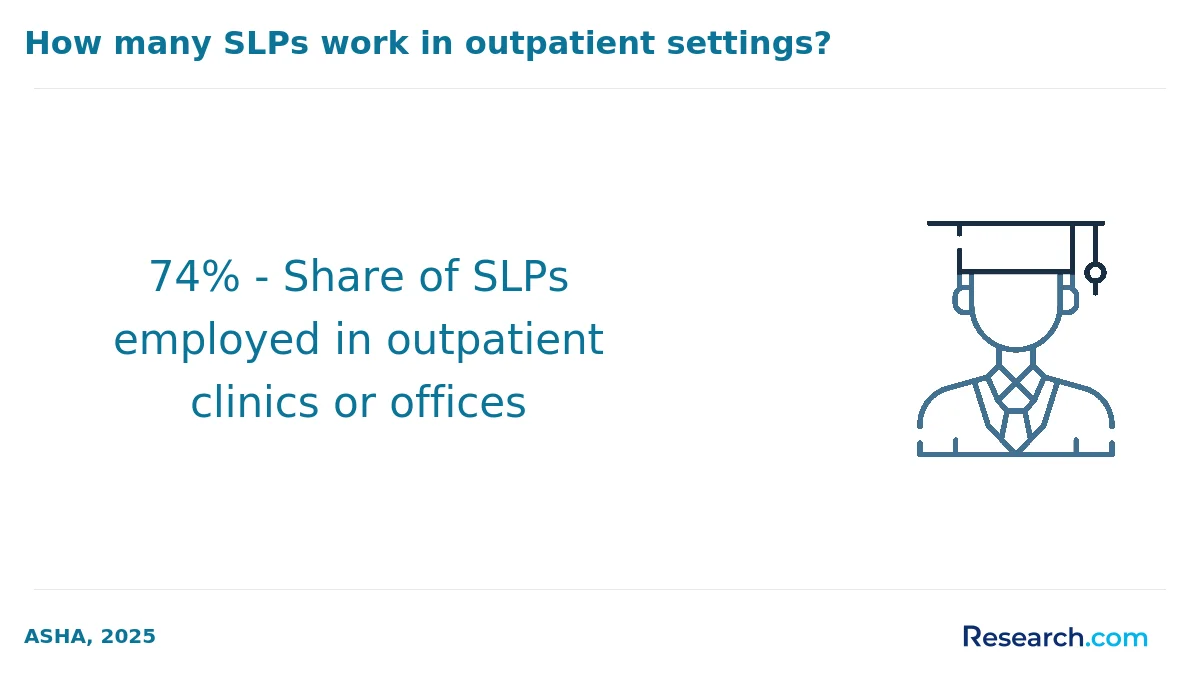
GPA requirements vary by institution, degree level, and program competitiveness. Some programs use GPA as a firm screening tool, while others review applicants more holistically. GPA thresholds often range from about 2.5 to 3.5 on a 4.0 scale, but meeting the minimum does not always make an applicant competitive.
- Minimum GPA vs. Competitive GPA: A posted minimum is the lowest GPA a program may consider. Competitive admitted students may have stronger academic records, especially in communication sciences, anatomy, physiology, linguistics, psychology, statistics, or related prerequisite courses.
- Prerequisite Performance: Programs may pay close attention to grades in major-related courses even when overall GPA is acceptable. Strong performance in foundational coursework can help show readiness for graduate-level clinical training.
- Holistic Admissions: Many admissions committees consider recommendation letters, personal statements, volunteer or clinical observation experience, interviews, writing ability, and evidence of professionalism alongside GPA.
- Flexible or Conditional Pathways: Some programs may offer conditional acceptance, probationary admission, required prerequisite completion, or additional review for students who do not meet the strongest GPA profile.
If your GPA is below a program’s average, do not apply blindly. Contact admissions staff, ask how recent coursework is weighed, and consider strengthening your application through prerequisite retakes, relevant experience, a focused personal statement, and strong recommendations from faculty or supervisors who can speak to your readiness.
How Can You Compare Tuition Across Speech Pathology Degree Programs?
To compare tuition accurately, calculate the full cost of attendance rather than looking only at advertised tuition per credit. On average, master's degree tuition in health-related fields tops $30,000 annually, so small differences in fees, credits, travel, and placement costs can significantly affect total debt.
- Total Program Cost: Add tuition, mandatory fees, technology fees, clinical fees, books, background checks, immunizations, travel, parking, housing, and any required campus visits or residencies.
- Cost Per Credit: Per-credit tuition is useful only when you also compare the total number of credits required. A lower per-credit rate may not be cheaper if the program requires more credits.
- Online and Campus Costs: Online study may reduce relocation or commuting costs, but it can include technology fees, residency travel, or local practicum expenses. Campus programs may add transportation, housing, and campus-based fees.
- Financial Aid Opportunities: Compare scholarships, grants, assistantships, fellowships, payment plans, and loan eligibility. Ask whether aid is available to part-time students and whether awards renew automatically.
- Employer Tuition Benefits: Students already working in schools, healthcare, or related support roles may be able to use employer reimbursement. Confirm eligibility rules, grade requirements, and service commitments.
- Long-Term Value: Tuition should be evaluated alongside graduation rates, clinical placement quality, certification exam preparation, career support, and employment outcomes.
A useful comparison spreadsheet should include tuition, fees, credits, estimated living or travel costs, aid offered, and expected borrowing. Do not assume the least expensive program is the best value or that the most expensive program has the strongest outcomes.
Does a Speech Pathology Degree Meet Licensure Requirements?
A speech pathology degree meets licensure requirements only if it satisfies the educational, clinical, and exam-related rules of the state where you plan to practice. Because speech-language pathology is a regulated field, students should verify licensure alignment before enrolling, especially in online or out-of-state programs. Nearly 72% of healthcare roles mandate professional licensure or certification, highlighting why this step is critical.
- Curriculum Alignment: The program should cover the coursework required for speech-language pathology practice, including communication processes, disorders, assessment, intervention, ethics, and evidence-based practice.
- Accreditation Status: Programs aligned with Council on Academic Accreditation (CAA) standards are typically better positioned to prepare students for certification and licensure pathways. Non-accredited or improperly accredited programs may create serious barriers.
- State-Specific Criteria: Licensure requirements vary by state. Confirm required coursework, clinical hours, supervised experience, background checks, and application procedures with the relevant state board.
- Supervised Clinical Experience: Students must complete required supervised practicum or clinical experience. Ask who arranges placements, how supervisors are approved, and whether experiences cover the necessary age groups and disorder areas.
- Exam Eligibility: Programs should prepare students for the Praxis Examination in Speech-Language Pathology, which is commonly connected to national certification and many state licensure processes.
Ask each program for written confirmation of whether it meets licensure requirements in your state. If you may move after graduation, compare requirements in multiple states before committing.
Which Speech Pathology Programs Have the Best Career Placement Rates?
The speech pathology programs with the strongest career placement rates are usually those that combine accredited training, reliable clinical placements, strong employer relationships, and transparent outcomes reporting. Around 85% of speech pathology graduates find jobs within six months of finishing their degrees, so placement data can help you distinguish programs that actively support the transition from student to clinician.
- Employer Partnerships: Programs with established relationships in schools, hospitals, rehabilitation centers, private practices, and community clinics may offer better practicum access and stronger job pipelines.
- Internship Pipelines: Clinical placements are often where students build references, professional confidence, and setting-specific experience. Ask whether placements are competitive, guaranteed, assigned, or student-arranged.
- Alumni Outcomes: Strong programs track where graduates work, how soon they are employed, and whether they enter settings aligned with their training. Publicly available outcomes suggest stronger accountability.
- Support Services: Career counseling, resume review, interview preparation, licensure guidance, and Praxis support can make a practical difference during the final year of study.
- Local Labor Market Fit: A program’s placement rate is more useful when it reflects the region or setting where you want to work. A school with strong school-based placements may not be the best fit for a student focused on adult medical speech-language pathology.
When reviewing career outcomes, ask how placement rates are calculated. Find out whether the data includes all graduates, only survey respondents, full-time roles, part-time roles, clinical fellowships, or jobs outside the field. Students comparing different pacing options in higher education may encounter resources on an accelerated bachelors degree online, but speech pathology employment outcomes should be judged by clinical readiness, licensure progress, and field-specific job placement.
How Do Salaries Compare Across Speech Pathology Degree Program Graduates?
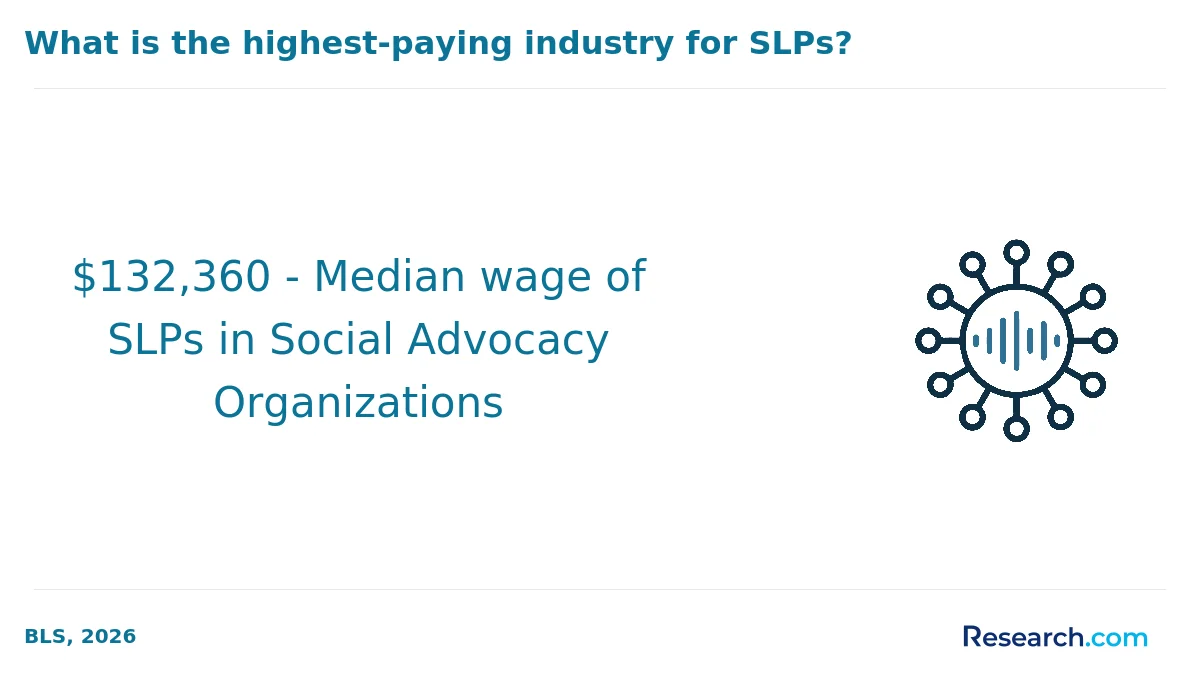
Salary outcomes for speech pathology graduates vary by setting, location, experience, specialization, and employer type. Speech pathology graduates in the U.S. typically earn between $62,900 and $134,160 annually at entry level. Entry-level speech pathologists often earn between $60,000 and $70,000 annually, while experienced specialists in healthcare or private practice may earn upwards of $90,000.
- Role Differences: Salaries can differ between school-based roles, hospital positions, rehabilitation settings, private practice, early intervention, and specialized clinical services. Higher pay may also come with productivity expectations, longer schedules, or more complex caseloads.
- Industry Variation: Speech-language pathologists in hospitals or specialized healthcare settings tend to earn higher salaries than those employed in educational settings, where salaries are generally lower on average.
- Location Impact: Urban areas and states with higher costs of living may report higher wages. However, higher salaries should be weighed against rent, transportation, taxes, and overall living expenses.
- Experience Level: Mid-career professionals can expect a salary increase of 20% to 30% over entry-level positions, showing how supervised experience, specialization, and career progression can affect earnings.
- Program Influence: A degree program does not determine salary by itself. Clinical placements, licensure readiness, networking, specialization, and geographic job demand also shape outcomes.
Students should compare salary expectations by state and setting before borrowing heavily for a program. For broader context on education and earnings across fields, resources on online degrees that pay well can be useful, but speech pathology salary decisions should be tied to licensure, clinical setting, and long-term career fit.
What Graduates Say About Comparing Speech Pathology Degree Programs Effectively
- Emric: "Before choosing a speech pathology degree, I weighed my options between different healthcare fields, but the cost was a major deciding factor. With the average attendance falling within my budget, the program was affordable without sacrificing quality. Completing the degree truly opened doors in clinical practice and boosted my confidence as a professional."
- Calyx: "I initially hesitated about pursuing a speech pathology degree due to the financial investment required, especially when comparing tuition fees across various programs. However, understanding the return on investment in terms of career growth and job stability convinced me it was worthwhile. Since graduating, I've experienced significant advancement, proving that the cost was justified"
- Lowell: "Choosing a speech pathology degree was a thoughtful decision impacted deeply by the program's cost, which was below average compared to similar health science courses. The education and clinical experience I received have been invaluable, propelling my career forward in ways I hadn't imagined. Reflecting on this journey, the affordable tuition made my professional growth accessible and sustainable."
Other Things You Should Know About Speech Pathology Degrees
Check whether faculty hold a PhD or CCC-SLP credential, have active research or clinic experience, and publish in communication disorders journals. In 2027, strong programs also list faculty specialties, student-to-faculty advising ratios, and access to supervision from licensed practitioners.
When comparing speech pathology degree programs in 2027, consider if the curriculum emphasizes hands-on practical experience, contemporary research opportunities, and specialty areas such as pediatric or geriatric speech therapy. Review syllabi for diversity in teaching methods and interdisciplinary collaboration to ensure a comprehensive education.
Clinical practicum opportunities are crucial when comparing degree programs in 2027 because they provide hands-on experience, essential for skill development. Evaluate the variety and quality of clinical placements, partnerships with healthcare organizations, and support provided during these opportunities to ensure comprehensive practical training.
References
- U.S. Bureau of Labor Statistics - Speech-Language Pathologists https://www.bls.gov/ooh/healthcare/speech-language-pathologists.htm
- ASHA EdFind - Accredited Speech-Language Pathology Programs https://find.asha.org/ed/
- Audiology and Speech-Language Pathology Interstate Compact https://aslpcompact.com/compact-map/
- Abilene Christian University - Master of Science in Speech-Language Pathology (Online) https://acu.edu/academics/graduate/master-of-science-in-speech-language-pathology/
- Baylor University - Master of Science in Speech-Language Pathology (Online) https://csd.robbins.baylor.edu/graduate/online-csd-graduate-program
- Auburn University, Montgomery - Master of Science in Speech-Language Pathology https://www.aum.edu/degree/ms-speech-language-pathology/
- New York University - Online MS, Communicative Sciences and Disorders (Speech@NYU) https://steinhardt.nyu.edu/degree/online-ms-communicative-sciences-and-disorders
- California State University-East Bay - Online Master of Science in Speech-Language Pathology https://ce.csueastbay.edu/programs/speech-language-pathology/