2027 Bioinformatics Job Market Report: Open Roles, Salary Bands, and Hiring Momentum

Co-Founder and Chief Data Scientist
The bioinformatics job market reflects a complex interplay between rapid technological shifts and evolving employer expectations. Advances in machine learning integration and multi-omics data handling have reshaped core competencies, influencing which open roles attract immediate investment. Meanwhile, salary bands often mirror organizational restructuring and geographic talent concentrations rather than uniform wage growth. Hiring momentum signals more than workforce demand; it highlights industry phases of innovation cycle funding and regulatory adaptation pressures. Understanding these labor market nuances clarifies why bioinformatics employment differs from other STEM fields. This article examines these trends, using open roles, compensation patterns, and hiring velocity to reveal deeper shifts affecting workforce composition and professional trajectories.
Key Things to Know About Bioinformatics Job Market
- Open roles in bioinformatics favor candidates with interdisciplinary skills; however, the need for domain-specific knowledge creates a tradeoff, narrowing opportunities for purely computational experts.
- Salary growth in bioinformatics is steady but varies widely by industry, reflecting employer demand for applied expertise over baseline credentials, impacting long-term career planning.
- Hiring momentum surged 12% in 2024, signaling growth but also increased competition, meaning timely upskilling and strategic entry points are critical for access to top positions.
- Key Things to Know About Bioinformatics Job Market Key Things to Know About Bioinformatics Job Market
- How Strong Is Demand for Bioinformatics Graduates in Today's Job Market? Demand for Graduates
- Which Bioinformatics Careers Have the Most Open Job Opportunities? In-Demand Careers
- What Salary Bands Are Employers Offering Across Bioinformatics Careers? Offered Salary Bands
- Which Industries Are Hiring the Most Bioinformatics Graduates? Top-Hiring Industries
- How Does Hiring Demand Vary by State, Region, and City? Hiring Demand by Location
- What Skills Are Employers Prioritizing in Bioinformatics Job Postings? In-Demand Skills
- Which Certifications Increase Employability and Salary Potential? High-Value Certifications
- How Do Remote and Hybrid Opportunities Affect the Bioinformatics Job Market? How Do Remote and Hybrid Opportunities Affect the Bioinformatics Job Market?
- Which Bioinformatics Careers Show the Strongest Long-Term Hiring Momentum? Strongest Careers
- How Can Students Use Job Market Data to Make Better Career Decisions? How Can Students Use Job Market Data to Make Better Career Decisions?
How Strong Is Demand for Bioinformatics Graduates in Today's Job Market?
Current labor market data from the U.S. Bureau of Labor Statistics and recent LinkedIn Workforce Reports in 2024 indicate a robust demand for bioinformatics graduates, outpacing average occupational growth rates across the board. This sustained hiring momentum reflects the expanding role of data analytics in biomedical research and drug discovery, where bioinformatics skills are critical for interpreting large-scale genomic and clinical datasets. Demand remains particularly strong in pharmaceutical firms, healthcare technology companies, and academic research centers, although entry-level roles in smaller biotech startups tend to be more scarce and competitive. Understanding the nuances behind how strong is demand for bioinformatics graduates in the United States job market requires recognizing regional disparities and sector-specific hiring patterns that influence availability and compensation.
Key drivers fueling this trend include rapid advances in personalized medicine technologies, expanding public and private research funding, and a chronic shortage of professionals able to bridge computational and biological expertise. Employers increasingly prioritize candidates with practical experience using specialized software, coding proficiency, and data management capabilities over purely theoretical backgrounds. Automation and machine learning integration also shape hiring needs, raising the bar for technical adaptability alongside domain knowledge. These shifts underscore why professionals with hybrid skill sets are positioned more favorably amid evolving job duties and rising expectations within the field.
Long-term demand stability in bioinformatics hinges on continuous skill development and market responsiveness, as rapid technological evolution risks rendering some competencies obsolete within a few years. Graduates and early-career professionals should evaluate educational pathways with a focus on practical training aligned with employer requirements rather than solely academic credentials. For those considering accelerated options, programs like fast track MSW programs online illustrate how strategic upskilling can provide timely career entry, a principle equally relevant to bioinformatics education. Ultimately, integrating real-world experience with adaptable skills remains essential for navigating this dynamic employment landscape.
Which Bioinformatics Careers Have the Most Open Job Opportunities?
Job opportunity distribution within bioinformatics careers reflects broader labor market shifts shaped by industry expansion, persistent skills shortages, and evolving employer requirements. Rather than isolated openings, these roles signify growing intersections between biotechnology, healthcare delivery, and data science innovation. As organizations integrate more complex biological data into research and clinical workflows, demand centers on specific skill sets that bridge computational methods and domain biology. Understanding why certain roles lead in openings clarifies how hiring reflects changing sector priorities and workforce dynamics.
- Computational Biologists: Rapid growth in personalized medicine and genomics research drives the notable 20% yearly increase in openings for computational biologists. These professionals are critical for analyzing large-scale biological datasets and developing algorithmic solutions, with employers emphasizing expertise in statistical modeling and multi-omics integration.
- Bioinformatics Software Engineers: Nearly a quarter of bioinformatics job postings target software engineers who build and maintain analytical platforms. Demand is propelled by the need to scale tools for data curation and analysis across diverse research and clinical environments, requiring strong coding skills paired with biological insight.
- Clinical Bioinformatics Specialists: Healthcare systems adopting precision medicine approaches fuel openings for specialists who translate genomic data into actionable clinical insights. These roles demand familiarity with patient data protocols and cross-disciplinary communication to effectively impact treatment decisions, reflecting a 15% faster growth compared to general bioinformatics positions.
- Genomic Data Analysts: The surge in genomic sequencing projects generates demand for analysts skilled in data interpretation and quality control. Industries from academic research to biotech startups seek candidates able to manage complex bio-data pipelines while ensuring accuracy and reproducibility.
- Bioinformatics Technicians and Data Curators: Entry-level positions in technician and data curation roles support foundational bioinformatics infrastructure. These roles are expanding mainly within research institutes and startups, offering a pathway into more advanced analytical jobs by ensuring data quality and accessibility.
For job seekers and early-career professionals exploring bioinformatics job openings in the United States, aligning qualifications with these high-demand roles can significantly impact employability. Candidates with combined biological expertise and computational proficiency-especially those who develop or maintain software tools or who can interpret complex clinical data-are most competitive in this evolving labor market. Navigating these roles effectively also involves recognizing how shifts in healthcare and biotechnology sectors drive demand, underscoring the value of specialized training over generalist credentials.
As you consider options for advancing expertise, it is useful to evaluate programs with a clear focus on relevant technical skills and applied bioinformatics problems. Those aiming to optimize career investment may also explore the cheapest online doctorate pathways that integrate real-world bioinformatics challenges, focusing on employability and practical outcomes over abstract credentials.
What Salary Bands Are Employers Offering Across Bioinformatics Careers?
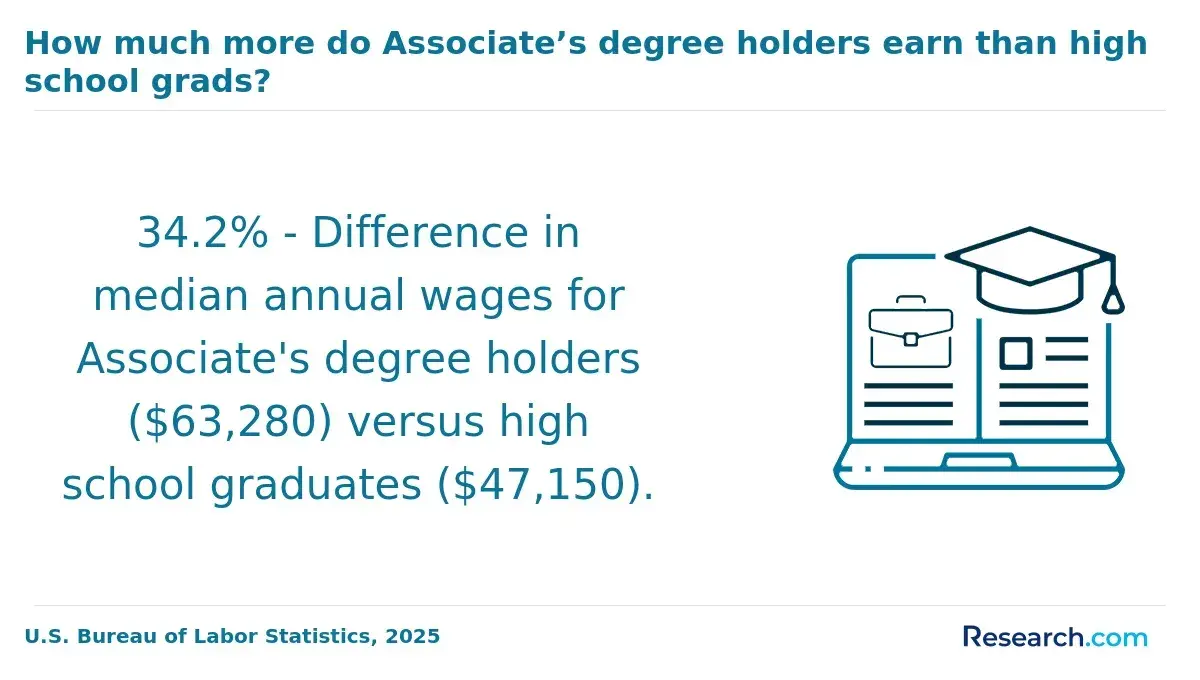
Salary bands in bioinformatics reflect distinct shifts aligned with professional experience and role complexity. Entry-level positions often start between $60,000 and $80,000 annually, based on 2024 data from LinkedIn Salary Insights and industry compensation studies, underscoring a baseline that rewards foundational programming and biological knowledge. Mid-level professionals with three to seven years of expertise, including those holding master's degrees, tend to command $85,000 to $120,000, reflecting deeper technical responsibility and collaboration demands. Senior roles, which typically require advanced degrees like a Ph.D. and entail leadership or project management duties, reach $130,000 to $180,000 or more, indicating the premium placed on strategic input and cross-disciplinary influence within competitive metropolitan job markets and research institutions.
The variation in pay stems from several key factors beyond simple tenure. Specialization intensity, such as proficiency in algorithm development or software tool creation, often drives higher salaries in tech-forward firms compared to those more focused on experimental or wet-lab data interpretation. Geographic location plays a significant role, with metropolitan areas offering elevated compensation to offset cost-of-living differences and match demand. Additionally, employer scale and sector influence wage distribution; pharmaceutical companies and biotech startups weigh differently from academia in compensation philosophies. Limited availability of hybrid skill sets that merge biological insight with computational acumen also tightens labor market supply, compelling employers to reward such scarcity accordingly.
One bioinformatics graduate recalled applying during a rolling admissions period and waiting anxiously several weeks before hearing back from programs. Initially hesitant to commit due to uncertain timelines, they balanced preparation for alternative plans while monitoring offers closely. This period of delayed communication created stress but ultimately sharpened their decision-making, emphasizing the importance of timing and strategic patience when navigating entrance into this competitive field.
Which Industries Are Hiring the Most Bioinformatics Graduates?
Demand for bioinformatics graduates is concentrated in industries undergoing significant technological integration, workforce scaling, or facing acute shortages of specialized analytical skills. These sectors are leveraging large-scale biological data to inform complex decision-making processes, driving sustained recruitment of professionals who can bridge biology with computational methods. The hiring patterns not only reflect growth in data availability but also broad structural shifts toward data-driven innovation and precision health management.
- Healthcare and Pharmaceuticals: These sectors lead bioinformatics hiring due to their critical role in processing genomic and clinical datasets that underpin drug development and personalized medicine. Employers prioritize candidates proficient in statistical genetics, machine learning, and multi-omics data integration to accelerate therapeutic pipelines and regulatory science. Nearly 40% of bioinformatics job openings are found here, emphasizing sustained demand linked to advances in targeted treatments and real-world evidence generation.
- Biotechnology Firms: With innovation cycles driven by genetic engineering and synthetic biology, biotech companies are expanding their bioinformatics teams to enhance product development and crop improvement. Skills in algorithm development for genome assembly and functional annotation are highly valued, reflecting a shift toward automation and high-throughput biology. National research reports indicate a 25% hiring increase over the past two years, underscoring rapid sector growth.
- Academic and Government Research: Universities and public labs continue to recruit to support large-scale sequencing projects and computational tool creation. Positions here often require strong programming capabilities, reproducible research practices, and the ability to handle diverse datasets, aligning with growing funding in genomics and data science. This sector sustains a steady talent pipeline essential for foundational science and methodology development.
- Healthcare IT and Data Analytics: Companies focusing on integrating electronic health records with genomic data are recruiting bioinformatics graduates to enable advanced patient stratification and outcome prediction. Proficiency in database management and interoperability standards is critical, as is the capacity to translate biological insights into actionable clinical decision support.
- Environmental and Ecological Science: Growing use of bioinformatics in biodiversity and conservation research fuels demand for expertise in metagenomics and ecological modeling. Employers seek individuals skilled at applying computational biology to real-world environmental challenges, highlighting the field's expanding reach beyond traditional biomedical domains.
How Does Hiring Demand Vary by State, Region, and City?
Hiring demand for bioinformatics professionals varies significantly across states and regions, driven by local industry concentration and economic ecosystems. States like California, Massachusetts, and Maryland consistently show robust activity due to clusters of research universities, pharmaceutical firms, and government labs, which create diverse roles spanning academic research, clinical settings, and startups. According to recent labor market analytics, these states benefit from higher employer density and investment in biotechnology, reflecting in competitive salaries and a steady flow of openings. The Northeastern corridor and West Coast hubs, such as Boston and San Francisco, form regional bioinformatics hiring centers supported by medical research institutions and tech innovation sectors. In contrast, Midwestern and Southern states have slower but growing demand, often linked to smaller university programs or emerging biotech clusters, representing more niche but critical opportunities for specialized skills within localized workforce ecosystems emphasizing cost-effective operations and strategic growth.
At the city level, demand for bioinformatics roles is influenced by the intersection of industry specialization, infrastructure, and talent pipelines. Urban centers like Boston, San Francisco, and Raleigh attract substantial hiring due to dense healthcare networks and biotech firms, which also raise competition and expectations, including proficiency with advanced data analysis and cross-disciplinary collaboration. These cities typically offer higher salaries aligned with elevated living costs, requiring candidates to consider cost-of-living tradeoffs versus nominal earnings. Smaller metro areas or suburban markets, while offering fewer positions, may present less competition and a better work-life balance, albeit often with lower pay and slower advancement. Understanding these dynamics is critical for candidates assessing bioinformatics job demand by state and city, especially those weighing geographic flexibility to access a broader range of roles and long-term employment stability. For some, exploring flexible educational pathways such as a 2 year construction management degree can illustrate the increasing value of focused, accelerated programs tailored to local industry needs.
What Skills Are Employers Prioritizing in Bioinformatics Job Postings?
Employer demands in bioinformatics reflect rapid technological advances, increasing automation, and the integration of multiple scientific disciplines. Job postings reveal a shifting emphasis not only on technical expertise but also on the ability to apply tools across diverse biological datasets and communicate findings effectively to interdisciplinary teams. As the field expands into areas like AI-driven analysis and large-scale genomic interpretation, the skill sets employers prioritize are evolving, requiring candidates to blend computational proficiency with domain-specific insight and collaborative aptitude.
- Python and R Programming: These languages dominate because they offer flexible environments for statistical modeling and data visualization critical to bioinformatics workflows. Proficiency here enables candidates to customize analyses, optimize pipelines, and respond to the increasing demand for reproducible research, making it a fundamental employability factor in over 75% of recent listings.
- Genomic Data Management: Expertise in handling large datasets from next-generation sequencing and databases like GenBank signals an ability to manage bioinformatics' scale and complexity. Familiarity with platforms such as Galaxy or command-line tools indicates practical readiness to navigate real-world analytical pipelines, enhancing a candidate's value in settings processing vast biological data.
- Machine Learning Application: Experience with frameworks like TensorFlow or scikit-learn is increasingly sought after as predictive modeling becomes integral to genomics and proteomics. This skill set reflects industry movement toward AI-driven insights, and candidates who demonstrate this capability often distinguish themselves by contributing to more sophisticated, data-driven biological interpretations.
- Statistical and Biostatistical Knowledge: Beyond programming, employers emphasize a strong grounding in statistics to ensure accurate analysis and interpretation of complex biological phenomena. Candidates able to apply advanced statistical methods can validate findings rigorously, which remains key amid increasing data heterogeneity.
- Communication and Collaboration: The ability to articulate complex computational results to non-specialists and work cross-functionally is essential. Employers prioritize these soft skills since bioinformatics frequently bridges biology, computer science, and clinical practice, demanding clear communication to drive collective problem-solving and innovation.
Which Certifications Increase Employability and Salary Potential?
Certifications in bioinformatics serve as important indicators of specialized expertise, technical skill, and industry readiness. They supplement formal education by validating proficiency in key tools and methods sought by employers, helping candidates stand out amid growing competition. By aligning with specific skill shortages and evolving technological demands, certifications can improve hiring prospects and command salary premiums in a job market that increasingly values targeted competencies.
- Certified Bioinformatics Professional (CBP): This credential standardizes core bioinformatics knowledge, assuring employers that holders possess foundational competencies critical to data analysis workflows. It addresses employer demand for consistent, verifiable skill sets that reduce onboarding time and signal reliable performance potential.
- Clinical Bioinformatics Specialist Credential: With bioinformatics infiltrating clinical genomics, this certification signals expertise at the intersection of healthcare and data science. It responds to rising demand across healthcare systems for professionals adept at interpreting genomic data to inform medical decisions, enhancing employability in clinical research and hospital settings.
- Cloud Computing Certifications (AWS, Google Cloud): As bioinformatics increasingly relies on scalable cloud infrastructure for managing massive datasets, certifications from leading cloud providers demonstrate the ability to design and operate secure, efficient cloud pipelines. These qualifications reflect up-to-date technical capability that biotech firms and research labs prioritize for their data-intensive projects.
- Data Science and Machine Learning Certifications: With AI integration becoming a staple in biological data interpretation, these certifications validate skills in algorithm development, statistical modeling, and predictive analytics. Employers value these credentials for bridging biological inquiry with computational innovation, often translating into more advanced roles and higher salaries.
A 2024 report from the U.S. Bureau of Labor Statistics combined with industry consortium data found bioinformatics professionals holding one or more such certifications typically secure a 10-15% salary increase and experience notably faster job placements compared to uncertified peers, underscoring the tangible benefits of strategic credentialing.
Reflecting real-world admission challenges, a recent bioinformatics graduate recalled wrestling with the timing of certification preparation amid rolling admissions for jobs. Despite delays in receiving one credential, the graduate chose to apply early for roles emphasizing cloud and data science skills, hoping the partial certification would signal readiness. Months of waiting for decisions sparked anxiety, yet the candidate's strategic prioritization ultimately led to a suitable offer. The experience highlighted how balancing certification timelines with employer expectations can require nuanced decision-making, underscoring the importance of aligning certification efforts to current job market demands rather than pursuing every available credential simultaneously.
How Do Remote and Hybrid Opportunities Affect the Bioinformatics Job Market?
The increasing adoption of remote and hybrid work models has notably reshaped hiring patterns within the bioinformatics job market, with many employers leveraging virtual arrangements to access talent beyond traditional biotech hubs. According to recent workforce analytics, over 40% of new bioinformatics roles in 2024 offer some form of remote or hybrid flexibility, reflecting a shift toward distributed teams that balance deep technical work with project collaboration. This evolution has prompted hiring managers to reconsider candidate evaluation criteria, placing greater weight on digital communication skills and self-directed productivity. These trends align with broader data from LinkedIn Workforce Reports that highlight growing demand across healthcare and research sectors for adaptable professionals who can navigate complex interdisciplinary workflows in hybrid settings, underscoring a significant shift in operational norms for bioinformatics careers.
The shift toward hybrid and fully remote roles also intensifies geographic mobility and talent competition, as salary bands begin to reflect a wider range of cost-of-living adjustments rather than fixed regional norms. This dynamic can disadvantage some traditional high-cost biotech areas while simultaneously expanding opportunities for candidates in lower-cost regions to secure well-compensated positions. Employers increasingly expect bioinformatics specialists to demonstrate not only core computational and analytical expertise but also agility in managing dual workspace cultures and remote teamwork competencies. These evolving hiring demands signal a long-term structural change in the bioinformatics labor market, where adaptability in work modes and networking via digital platforms will likely become as critical as technical proficiency. Prospective professionals would be well advised to carefully evaluate their readiness for such environments and to consider complementary skill development, whether shifting from paths like teacher to SLP or other STEM roles, that prepare them for these hybrid work realities. This is crucial to navigating the changing landscape of hybrid job opportunities in the US bioinformatics sector.
Which Bioinformatics Careers Show the Strongest Long-Term Hiring Momentum?
Long-term hiring momentum in bioinformatics careers reflects structural shifts driven by expanding integration of computational methods with biological sciences, rather than short-term labor market fluctuations. This momentum signals enduring economic and technological trends, where industry transformation shapes sustained workforce demand. As applications in healthcare and pharmaceuticals evolve, the need for specialized interdisciplinary expertise persists, underscoring a growing emphasis on complex data analysis, machine learning, and precision medicine.
- Computational Biologists remain in strong demand because their role bridges insights across biology and algorithm development, underpinning advancements in genomics and personalized therapies. The combination of programming skills with molecular biology knowledge addresses critical needs in research and clinical settings, ensuring their relevance despite technological shifts.
- Bioinformatics Analysts support the interpretation and management of large-scale biological datasets, a function indispensable to drug discovery and genomics projects. Their ability to translate raw data into actionable insights aligns with ongoing industry expansion and regulatory emphasis on data accuracy and transparency.
- Data Scientists with Genomics Expertise command increasing attention as healthcare systems adopt precision medicine paradigms that rely on integrating diverse data types. Their interdisciplinary skills address persistent skill shortages fueled by the complexity of genomic data and evolving analytics platforms.
- AI Specialists in Bioinformatics contribute to automating pattern recognition and predictive modeling, fortifying roles against automation by requiring continual upskilling in novel algorithms and domain-specific knowledge. This specialization exemplifies how technological advancement reinforces, rather than erodes, long-term job security.
According to the U.S. Bureau of Labor Statistics' 2024 projections, employment for computer and information research occupations, including computational bioinformatics roles, is expected to increase by about 22% through 2032, well above the average growth rate for all occupations. This aligns with observed hiring momentum for roles that blend biology with advanced analytics, a dynamic especially relevant for early-career professionals navigating the long-term hiring trends for bioinformatics specialists in the US.
Employer demand hinges on expanding applications in areas such as precision medicine, drug development, and large-scale genomic data interpretation. Mastery of programming languages like Python and R paired with biological expertise remains essential. Emerging subfields, including artificial intelligence in bioinformatics and specialized software development, are important for those seeking sustained employability amid automation and outsourcing pressures.
Prospective students and professionals evaluating educational pathways should consider interdisciplinary programs that reflect these realities rather than conventional biology- or computer science-only tracks. For those balancing costs with career outcomes, resources like the best online teaching master's programs illustrate the availability of affordable, flexible learning options that integrate technical and domain-specific skills, a model increasingly mirrored in bioinformatics education streams.
How Can Students Use Job Market Data to Make Better Career Decisions?
Students can utilize job market data sources such as recent labor market reports, hiring platforms, and 2024 salary databases to evaluate demand, compensation ranges, and growth potential within Bioinformatics specialties. Analyzing trends across roles like next-generation sequencing analysis or computational biology reveals which skills employers prioritize and which sectors exhibit expanding opportunities. Salary bands provide benchmarks that support realistic wage expectations and strategic negotiation as students enter the workforce. Data indicating regional demand or employer concentration further helps identify geographic hotspots, guiding decisions on where to develop expertise or seek employment.
Interpreting this information requires balancing short-term hiring momentum against long-term career stability and personal fit. Overreliance on transient spikes risks narrowing options if market conditions shift, so students should integrate these insights with assessments of skill alignment, geographic flexibility, and evolving industry needs. Combining labor market intelligence with clear career objectives enables students to prioritize educational investments that reflect practical realities, mitigating overspecialization while maximizing opportunities for sustainable career progression in Bioinformatics.
References
- GitHub - paschalugwu/Bioinformatics-Jobs-2024-Report: A comprehensive data-driven analysis of global bioinformatics job trends, salaries, and skill demands for 2024. https://github.com/paschalugwu/Bioinformatics-Jobs-2024-Report
- Bioinformatics Salary 2026: Real Pay From 507+ Job Posts https://www.compbiojobs.com/bioinformatics-salaries
- The Transformative Impact of Remote Work: How Online Jobs are Empowering Workers in Emerging Markets https://nextbillion.net/transformative-impact-remote-work-online-jobs-empowering-workers-emerging-markets/
- avua® | Your AI Hiring Platform https://avua.com/category/bioinformatics
- Bioinformatician Jobs - Science and Research Positions - jobRxiv https://jobrxiv.org/job-category/bioinfo/
- Future Skills Centre • Centre des Compétences futures https://fsc-ccf.ca/projects/hybrid-work-models/
- Bioinformatics Jobs - The Bioinformatics CRO https://www.bioinformaticscro.com/bioinformatics-jobs/
- Remote & Hybrid Work Statistics 2026 | 50+ Data Points & Insights https://searchlab.nl/en/statistics/remote-hybrid-work-statistics-2026
- How much do bioinformaticians earn? https://www.academics.com/guide/bioinformatician-salary
- Twelve Years of Bioinformatics Jobs in Germany: A Data-Driven Look at the Market https://mfasold.net/blog/bioinformatics-job-market-in-germany/
Other Things You Should Know About Bioinformatics
While deep expertise in niche areas like genomics or proteomics can open doors for advanced research roles, it often narrows job options and heightens competition for those specialized positions. Candidates should weigh the benefits of developing strong core bioinformatics competencies-such as programming, statistics, and biological data interpretation-alongside at least one specialized skill. This balanced approach increases flexibility across roles and industries, making job seekers less vulnerable to fluctuations in demand within narrow subfields.
Accepting a position with a lower salary can be strategic if it offers significant skill development, a strong mentorship environment, or access to cutting-edge projects that improve employability long term. However, candidates need to critically assess whether the experience gained offsets the financial tradeoff, especially considering the cost of living and career trajectory. Without clear advancement pathways, staying too long in such roles risks stagnation and complicates future salary negotiations.
Current hiring momentum in industry suggests faster growth and more openings compared to academia, which typically offers fewer, more specialized roles with longer hiring cycles. For early-career professionals prioritizing rapid employment and higher initial pay, industry positions are usually preferable. Conversely, those focused on research autonomy and long-term academic careers should be prepared for slower hiring and potentially less predictable salary growth.
Programs that closely integrate hands-on data analysis, programming languages like Python and R, and exposure to real-world datasets align better with employer needs and thus improve job readiness. Candidates should prioritize programs with strong industry connections and practical components over purely theoretical coursework. This alignment often impacts the ability to transition quickly into productive roles and influences starting salary, making it a crucial criterion in education decisions.