2027 Bioinformatics Salary Trends Report: Are Wages Keeping Up With Tuition and Inflation?

Co-Founder and Chief Data Scientist
A prospective bioinformatics student weighs the rising costs of tuition against the potential salary after graduation. With education expenses climbing rapidly and inflation eroding purchasing power, deciding if investing in a bioinformatics degree is financially sound requires more than just looking at starting salaries. Understanding how wages measure up to the increasing burden of debt is critical in today's economic climate. This dilemma reflects broader concerns about the true value of advanced degrees amid fluctuating economic factors.
Salary growth, tuition hikes, and inflation rarely move in sync, complicating any straightforward calculation of return on investment. Evaluating long-term earning potential involves examining the interplay of these factors rather than relying on nominal salary figures alone. This article analyzes bioinformatics salary trends alongside tuition costs and inflation to assess affordability and financial outcomes. It explores the variables shaping the economic value of a bioinformatics degree over time.
Key Things to Know About Bioinformatics Salary Trends
- Graduate wages for bioinformatics have risen an average of 4.5% annually since 2022, slightly below inflation rates, suggesting tuition hikes increasingly erode net income gains post-degree.
- High specialization in computational genomics correlates with 15% higher starting salaries, indicating strategic focus areas crucial for offsetting education and living cost inflation.
- Long-term salary growth steeply depends on interdisciplinary skills, with data science integration doubling promotion likelihood, emphasizing skill diversification over degree prestige alone.
- Key Things to Know About Bioinformatics Salary Trends Key Things to Know About Bioinformatics Salary Trends
- What Is the Current Salary Outlook for Bioinformatics Graduates? Salary Outlook
- Are Bioinformatics Salaries Keeping Up With Inflation? Inflation Impact
- How Do Tuition Costs Compare With Bioinformatics Salary Growth? Tuition vs Salary
- Does a Bioinformatics Degree Deliver a Positive Return on Investment? Degree ROI
- Which Industries Offer the Highest Salaries for Bioinformatics Graduates? Which Industries Offer the Highest Salaries for Bioinformatics Graduates?
- Which States and Cities Offer the Highest Pay for Bioinformatics Professionals? Which States and Cities Offer the Highest Pay for Bioinformatics Professionals?
- How Do Bioinformatics Salaries Grow Throughout a Career? Career Growth
- How Do Bioinformatics Salaries Compare With Similar Degrees? Salary Comparison
- How Is Employer Demand Affecting Bioinformatics Salary Trends? Employer Demand
- How Can Students Maximize Their Lifetime Earnings With a Bioinformatics Degree? Maximizing Earnings
What Is the Current Salary Outlook for Bioinformatics Graduates?
The current bioinformatics graduate salary trends demonstrate that earnings vary significantly depending on career choices and industry sectors. Recent 2024 data from the U.S. Bureau of Labor Statistics indicate median annual wages near $98,000 for bioinformatics specialists, with entry-level roles typically offering between $70,000 and $80,000. However, graduates pursuing more specialized positions, such as those involving machine learning or computational biology within biotech firms or pharmaceutical companies, can expect salaries ranging from $110,000 to $130,000. For example, two graduates with identical degrees may diverge financially if one accepts an academic research role with modest pay, while the other secures a private sector position in a major biotech hub like San Francisco, where demand and salaries are higher.
Assessing bioinformatics salaries compared to tuition and inflation requires a view beyond initial pay, considering long-term progression and job market dynamics. While rising tuition and inflation pose challenges to early earnings, the field's integration with data science and growing importance in precision medicine suggest long-term salary growth opportunities. Individuals skilled in programming languages such as Python and R, as well as cloud computing, tend to experience stronger employment outcomes. Prospective students should also examine broader trends, including regional biotech growth and specialization, rather than focusing solely on entry-level salaries, to gauge the potential return on investment throughout a career.
Those evaluating a bioinformatics degree might find it helpful to explore how it ranks among earnings potential relative to other degrees by consulting resources on easiest college majors with high pay. This can provide a realistic context around expected financial returns amid economic shifts. Ultimately, while salary outcomes differ according to individual skills, industries, and locations, bioinformatics graduates possess a competitive advantage in STEM fields poised for innovation-driven wage growth.
Are Bioinformatics Salaries Keeping Up With Inflation?
Nominal wage increases for bioinformatics-related roles often give the impression of steady growth, but this does not always reflect actual improvements in purchasing power. Between 2020 and 2023, median salaries for positions like bioinformatics analysts and computational biologists rose by about 5%, while inflation during that period averaged 13%, according to the U.S. Bureau of Labor Statistics. This means real wages-what those incomes can actually buy-have effectively decreased, posing challenges for those evaluating whether a bioinformatics degree will deliver the long-term financial benefits they expect. For instance, a recent graduate in a mid-sized biotech firm may see a salary bump but still struggle to cover rising living expenses or pay down student debt, especially if their graduate program's tuition costs increased faster than their pay.
Whether bioinformatics wages keep pace with rising costs depends on factors like sector, geography, and institutional setting, which influence wage growth disparities within the field. Employees in metropolitan hubs with strong pharmaceutical R&D or tech-driven genomics companies tend to have better compensation adjustments compared to those in academia or government research, where salary increases are often more modest. The reality is that such wage growth inequalities mean that a bioinformatics degree may offer robust financial returns in some contexts but fall short in others, emphasizing the importance of strategic career planning. Prospective students should also consider exploring options at cheap online colleges to mitigate the impact of rising tuition and build a stronger financial foundation.
How Do Tuition Costs Compare With Bioinformatics Salary Growth?
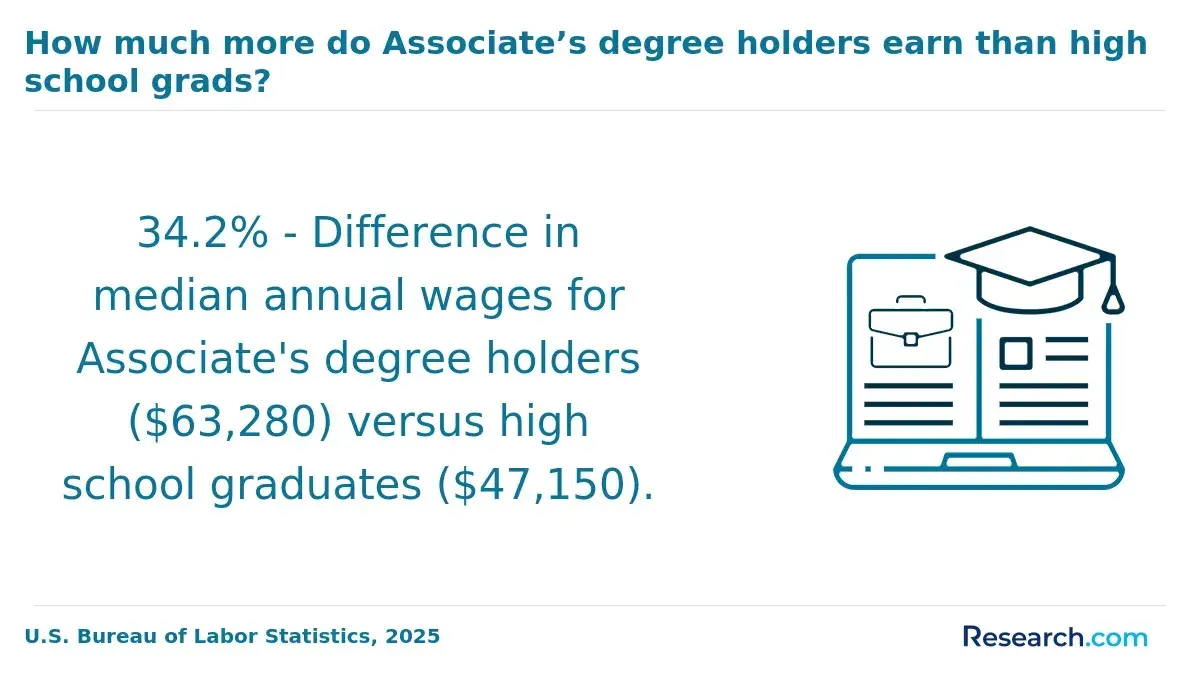
Analyzing the financial value of a bioinformatics degree requires placing tuition inflation alongside salary growth rather than treating each figure separately. Tuition rates at U.S. public and private universities have risen by roughly 40% over the past ten years, averaging a 4% annual escalation according to 2024 education market data. In contrast, bioinformatics graduates' starting salaries, typically between $70,000 and $78,000, have increased at around 3% annually, which only modestly exceeds inflation. For mid-career professionals with 5 to 15 years of experience, salaries range from $95,000 to $110,000, reflecting steady but not accelerated growth compared to tuition hikes. Because tuition costs rise faster than earnings, the debt burden can linger longer, affecting the practicality of investing in a bioinformatics degree, especially for those without access to scholarships, in-state tuition benefits, or higher-paying regional job markets.
Consider two students pursuing bioinformatics: one finances their degree through loans at an out-of-state private university where tuition climbs steadily, while the other benefits from a public research institution with lower rates and stipend opportunities. Despite similar starting salaries, the first faces a higher loan repayment burden that delays financial stability. These disparities underscore how factors such as geographic location, type of institution, and employer can shift the balance between education costs and income potential. Evaluating tuition alongside salary growth provides a deeper understanding of the true cost-benefit equation, highlighting the necessity for prospective students to factor in both short- and long-term financial projections rather than isolated salary or tuition figures.
One recent graduate recalled hesitating before accepting a full tuition loan that would cover a private university's costs because they noticed wage increases for bioinformatics roles weren't keeping pace with rising education expenses. After negotiating a position with a government-funded research group offering a moderate salary but education reimbursement, they found the slower salary growth less daunting. They shared relief in avoiding a deeper debt cycle that others in their cohort struggled with, emphasizing how matching tuition cost expectations with realistic salary trajectories shaped their financial decisions more than the prestige of their degree alone.
Does a Bioinformatics Degree Deliver a Positive Return on Investment?
Return on investment (ROI) in higher education involves weighing the total costs of earning a bioinformatics degree against the long-term financial and career benefits it provides. This calculation goes beyond initial salaries, focusing on how graduates build earnings and professional value over time. For example, a student who graduates with $60,000 in debt and starts at a $75,000 annual salary in bioinformatics can expect significant salary growth in fields such as biotechnology and health informatics. According to data from the U.S. Bureau of Labor Statistics and the National Center for Education Statistics from early 2024, professionals with this degree often recoup their educational costs within a decade, thanks to steady wage increases and strong job market demand.
Key factors that affect whether a bioinformatics degree delivers a positive ROI include rising tuition rates-driven by investments in specialized faculty and computational tools-and the opportunity to enter a field with faster-than-average job growth. Additionally, those with interdisciplinary skills or advanced expertise tend to see higher returns, as their skillsets align with diverse sectors like pharmaceuticals and data science. However, ROI outcomes vary depending on individual circumstances, such as geographic location, choice of institution, and ability to secure in-field employment promptly after graduation. While inflation and tuition hikes challenge the upfront affordability of the degree, the projected job growth and expanding demand for bioinformatics professionals suggest that, over time, the degree remains a financially sound investment for many.
Which Industries Offer the Highest Salaries for Bioinformatics Graduates?
Salaries for bioinformatics graduates vary widely depending on industry, reflecting both the strategic importance of the roles and the specialized skills required. Industries that blend high technological innovation with significant financial resources tend to offer the most competitive pay. The bioinformatics industry salary comparison reveals a clear trend where private sector employers, especially those focused on healthcare and life sciences, provide the strongest earning potential. Data from the U.S. Bureau of Labor Statistics and Deloitte's industry analyses show that the highest paying bioinformatics sectors in the US are consistently pharmaceutical, biotechnology, and healthcare companies. The following list outlines the leading industries by salary and why they typically compensate bioinformatics graduates at a premium.
- Pharmaceutical and Biotechnology: These industries are leaders in compensation because of their direct involvement in drug discovery, genomic research, and personalized medicine. Bioinformatics professionals here work on large-scale datasets and complex algorithm development, where expertise in machine learning and statistical genetics often drives higher salaries.
- Healthcare and Clinical Research: Precision medicine and clinical research organizations integrate bioinformatics with medical data to improve treatment outcomes. Roles often require interdisciplinary collaboration and familiarity with healthcare regulations, which can increase earning potential in this sector.
- Agricultural Genomics: Companies focused on crop improvement and sustainable farming leverage bioinformatics for genomic selection and trait enhancement, offering salaries competitive with pharmaceutical firms. Knowledge of both biological data and agricultural systems is highly valued.
- Information Technology and Software Development: Growing demand for bioinformatics tools, data analytics platforms, and AI applications in biology has driven up salaries in tech hubs. Strong programming skills and experience with cloud computing can significantly enhance compensation in this category.
- Government and Academic Research: While these sectors often offer lower starting salaries, they provide benefits and job stability. Funding constraints may limit pay, but roles in federal agencies and national institutes involve impactful research that can lead to unique career pathways.
For example, a bioinformatics graduate working at a pharmaceutical company in a major research park may earn 20-30% more than a counterpart at a public university, reflecting the private sector's premium on commercial drug development expertise. Additionally, bioinformatics students exploring career options can benefit from understanding these dynamics well before graduation to make informed choices about their skill development and potential pathways.
Those considering further education or career shifts can explore specialized tracks such as online PsyD programs that may complement their expertise in data-driven healthcare solutions, creating interdisciplinary opportunities in bioinformatics-driven mental health research.
Which States and Cities Offer the Highest Pay for Bioinformatics Professionals?
Geographic location plays a critical role in determining the earning potential for bioinformatics professionals. While higher salaries often correspond with major biotech hubs, these areas also carry elevated living costs that can offset income gains. For students and recent graduates, assessing these tradeoffs alongside network access and industry presence is essential for a realistic career outlook. Below are five key states and metropolitan regions known for offering some of the highest pay in the bioinformatics field, supported by 2024 labor statistics from the U.S. Bureau of Labor Statistics and industry salary reports.
- California San Francisco Bay Area: This region commands some of the highest median salaries nationally, with figures ranging from $110,000 to $130,000 due to dense clusters of biotech companies and cutting-edge research centers. However, the steep cost of living and housing prices mean graduates may face financial strain despite higher pay, making careful budget planning crucial.
- Massachusetts Boston Metro: Boston's vibrant pharmaceutical and biotech industries alongside premier universities create a competitive salary environment, often exceeding $115,000. The area offers strong professional growth but demands balancing salary benefits against high tuition fees and living expenses in one of the nation's most expensive cities.
- Maryland Bethesda and Surrounding Areas: Proximity to federal institutions like the NIH bolsters government and contract research positions, where median wages average around $105,000. Maryland presents opportunities for specialization in public sector research with relatively moderate living costs compared to coastal tech hubs.
- Washington Seattle Metro: Emerging as a growing biotech cluster, Seattle offers salaries in the $95,000 to $110,000 range with a lower overall cost of living than California or Boston. This balance makes it attractive for those prioritizing sustainable living expenses alongside industry access.
- North Carolina Raleigh-Durham: With expanding life sciences companies and research parks, this metro area provides competitive salaries close to $100,000. The moderate cost of education and living here enables better net returns for graduates, especially when paired with strong local employment prospects.
How Do Bioinformatics Salaries Grow Throughout a Career?
Bioinformatics salaries typically start between $60,000 and $90,000 annually, depending largely on educational background, with advanced degrees boosting initial pay. Early career growth often ranges from 5% to 10% annually, allowing mid-level professionals with 5-10 years of experience to reach $90,000 to $115,000, particularly if they specialize in sought-after areas like machine learning or genomics. Employers' sector, geographic location, and ongoing professional development significantly influence this trajectory, as continual certification and skills expansion tend to accelerate wage increases. This pattern reflects data cited by the U.S. Bureau of Labor Statistics and the National Science Foundation, underscoring the value of targeted expertise for salary advancement.
As professionals move into late-career phases, with 10 to 20 years of experience, salaries can exceed $140,000, especially in leadership roles within pharmaceutical companies or academic research institutions. However, this salary growth may not fully offset the rising costs of pursuing advanced degrees due to tuition inflation outpacing wage gains. For example, two graduates with the same bioinformatics degree may diverge significantly: one who commits to continuous learning and specializes might move steadily into higher-paid roles, while another who stalls in skill development or remains in lower-paying sectors may see flatter growth. Therefore, sustained investment in education and strategic career choices are key determinants of long-term earnings.
A recent graduate recalled feeling uncertain about pursuing a master's degree immediately after starting their first job. They hesitated due to rising tuition but ultimately enrolled in an advanced certification program focused on genomic data analysis. Within a few years, they secured a promotion and a notable salary increase that made the initial financial strain worthwhile. This experience highlights how deliberate decisions about additional qualifications and timing can shape the practical return on investment in the field over time.
How Do Bioinformatics Salaries Compare With Similar Degrees?
Bioinformatics salaries hold a competitive position amid closely related degree programs like computational biology, data science, and computer science. Recent analyses from sources such as the U.S. Bureau of Labor Statistics and National Association of Colleges and Employers (NACE) 2024 reports illustrate that median starting salaries for bioinformatics graduates range from about $70,000 to $75,000. This places them above traditional biology or life sciences graduates but below those entering computer science or data science fields. Understanding these nuances helps students assess whether the investment in a bioinformatics degree aligns with their financial goals, especially with increasing tuition and inflation pressures. Below is a comparison with similar degree paths illustrating these points.
- Computational Biology: Salaries for computational biology graduates generally align closely with bioinformatics, often reflecting interdisciplinary roles in research and healthcare. Typical earnings may vary by sector, but median starting pay tends to mirror bioinformatics within the $70,000 range, factoring in research-specific funding and institutional affiliations.
- Data Science: Graduates in data science frequently command higher starting salaries, typically between $80,000 and $90,000, driven by strong demand in tech and finance sectors. These roles emphasize large-scale data analytics and software engineering skills, which often lead to faster salary growth than bioinformatics.
- Computer Science: Computer science graduates dominate the higher end of salary comparisons with median entry salaries often nearing or exceeding $85,000. The expansive tech industry demand and versatility in career options explain the premium over bioinformatics, despite some overlapping technical skills.
- Biology/Life Sciences: Traditional biology fields typically offer median starting salaries closer to $60,000, reflecting less emphasis on computational expertise. While these roles are crucial in areas like academia and environmental science, their earning potential is often lower than bioinformatics, which integrates more technical training.
For students weighing these options, it is critical to understand that bioinformatics salary comparison with related degrees involves factors beyond starting pay alone, including long-term growth potential shaped by market demand in personalized medicine and genomics. Those aiming to maximize earning potential might explore history masters online programs as cost-effective alternatives while honing data-centric skills. Balancing educational investment with realistic earnings expectations ensures informed decision-making in a dynamic STEM job market.
How Is Employer Demand Affecting Bioinformatics Salary Trends?
The relationship between bioinformatics employer demand impact on salaries is evident in how increased hiring activity creates competition among organizations to secure qualified candidates. For instance, a biotechnology firm facing urgent project deadlines might offer elevated salaries and enhanced benefits to attract professionals with specialized skills, which in turn drives overall salary growth within the sector. This demand pressure is corroborated by the U.S. Bureau of Labor Statistics' 2024 data indicating an 11% growth in employment for biological scientists, including bioinformatics specialists, through 2032-significantly faster than the average for all occupations. However, wage growth is not uniform and depends heavily on experience, educational credentials, and the specific sector's financial capacity to offer competitive compensation.
Several major factors shape employer demand, including the rapid advancement of data-driven approaches in healthcare, pharmaceuticals, and biotechnology, as well as persistent talent shortages in this specialized field. While strong demand can contribute to faster wage increases, salary trends also reflect broader economic conditions and organizational budget constraints. Recent graduates, despite entering a robust job market, may find their starting salaries rising at approximately 4% annually, which lags behind tuition inflation exceeding 6% per year as reported by the National Science Foundation. Prospective students are advised to weigh these dynamics carefully, and those considering an online degree in Spanish or related fields should evaluate long-term earning potential against rising educational expenses.
How Can Students Maximize Their Lifetime Earnings With a Bioinformatics Degree?
Maximizing lifetime earnings with a bioinformatics degree requires more than completing coursework; it demands strategic skill development, advanced education, and targeted industry experience. Reports from the National Institutes of Health and the Association of American Medical Colleges in 2024 highlight that combining bioinformatics expertise with proficiency in data science and machine learning significantly elevates earning potential. For instance, a graduate who masters Python and gains internship experience at a genomics research center is more likely to access higher-paying roles in pharmaceutical or healthcare technology sectors. Below are effective strategies grounded in recent authoritative data that can help students increase their long-term income prospects.
- Specialize in High-Demand Skills: Focusing on machine learning, AI tools, and cloud computing within bioinformatics positions graduates for technology-driven roles that command premium salaries.
- Pursue Advanced Degrees: Master's or doctoral programs substantially boost income trajectories, especially for leadership or research-focused positions, as data from the 2024 Bioinformatics Workforce Report demonstrates.
- Gain Practical Industry Experience: Internships and collaborations with government agencies or biotech firms build networks and demonstrate applied skills, opening doors to lucrative opportunities.
- Develop Programming Proficiency: Mastery of languages like Python and R enhances employability in sectors valuing computational expertise, impacting salary growth.
- Target Emerging Fields: Engaging in synthetic biology or precision medicine taps into expanding markets where salaries exceed the bioinformatics sector average.
- Leverage Networking Strategically: Active connections with research institutions and industry experts facilitate awareness of high-paying positions and leadership roles.
- Align with Industry Trends: Staying current with evolving market demands ensures skills remain relevant and competitive for top-tier salaries.
References
- Bioinformatics Job Market Q2 2026: 631 Jobs from 128 Companies https://www.compbiojobs.com/blog/bioinformatics-job-market-q2-2026
- Bioinformatics and Data Science https://bioinformaticshome.com/blog/career-outlook-2026
- What Can You Do With a Master's Degree in Bioinformatics? https://www.mhaonline.com/faq/careers-with-masters-in-bioinformatics
- Is College Worth it? | Return on Investment Analysis of College Degree https://educationdata.org/college-degree-roi
- How much do bioinformaticians earn? https://www.academics.com/guide/bioinformatician-salary
- Does College Pay Off? A Comprehensive Return On Investment Analysis - FREOPP https://freopp.org/whitepapers/does-college-pay-off-a-comprehensive-return-on-investment-analysis/
- Bioinformatics Job Trends, Salaries & Related Skills https://www.itjobswatch.co.uk/jobs/uk/bioinformatics.do
- Bioinformatician Salary Insights | ValidGrad https://validgrad.com/blog/bioinformatician-salary/
- Interactive Bioinformatics Salary Comparison https://hire-omics.com/interactive-bioinformatics-salary-comparison
- Top Bioinformatics Career Roles for 2026 https://clinilaunchresearch.in/blog/top-bioinformatics-career-guide/
Other Things You Should Know About Bioinformatics
Specialized bioinformatics programs often offer targeted skills aligned with life sciences employers, but this can limit flexibility if industry demands shift. Broader data science degrees may provide higher initial salaries and adaptable skills, though potentially with less domain-specific depth. Prospective students should prioritize programs with strong practical bioinformatics components and employer ties, especially when salary growth is modest; this can improve job placement and wage negotiation power despite inflation pressures.
Yes. Programs that overemphasize theoretical research may produce graduates less prepared for applied industry roles that command higher salaries. Conversely, coursework that integrates advanced computational skills with real-world data handling tends to result in stronger job outcomes. Prioritizing programs with substantial hands-on training and internships can enhance market value, which is crucial when salary gains are uneven relative to tuition increases.
Heavy workloads and expectations of rapid upskilling can strain early-career bioinformaticians, making salary offers feel inadequate despite nominal increases. Understanding that entry-level compensation may lag behind effort and complexity helps set realistic expectations. Choosing employers or sectors transparent about work-life balance and professional development can mitigate burnout and improve the total compensation value beyond base salary figures.
Absolutely. Longer programs with rising tuition can erode net lifetime earnings even if starting salaries improve modestly. Accelerated or part-time formats that reduce debt exposure often yield better financial outcomes. Evaluating total cost against anticipated income growth and considering scholarship opportunities or employer tuition support is essential to avoid overinvesting time and money in training that may not keep pace with living costs and inflation.