2027 How Long Does It Take to Earn an Online Oceanography Degree?

Co-Founder and Chief Data Scientist
Online education offers unmatched flexibility for students pursuing specialized fields like oceanography, making it easier to balance studies with personal and professional commitments. According to the U.S. Bureau of Labor Statistics, employment of environmental scientists and specialists, which includes oceanographers, is projected to grow 8% from 2022 to 2032, reflecting strong demand for trained professionals. Understanding how long does it take to earn an online Oceanography degree is key to planning a successful academic journey. This article explores typical program durations, factors influencing completion times, and how to select the right program length aligned with individual goals. Readers will gain insights to make informed, confident decisions on their educational path.
Key Benefits of Online Oceanography Degree
- Most online oceanography bachelor's degrees take about four years to complete, aligning with traditional on-campus program timelines, offering flexibility for part-time study to extend duration if needed.
- Accelerated programs can reduce completion time to as little as two to three years by allowing higher credit loads and year-round classes, suitable for focused students with prior credits.
- Graduate online oceanography degrees such as master's programs typically require two years, with some offering asynchronous schedules to accommodate working professionals balancing education and career.
What is the Average Completion Time for Online Oceanography Programs?
Online oceanography programs in the United States generally take between two and four years to complete, depending on the degree level and the student's enrollment status. To better understand the average online oceanography degree completion time, here is a detailed breakdown by type of degree.
- Bachelor's degree: Most online oceanography and marine studies bachelor's programs are designed for about four years of full-time study, similar to traditional on-campus degrees. Part-time students might take longer, as accelerated options at this level are uncommon. Due to the necessity of fieldwork, many programs are offered as marine or maritime studies rather than strictly oceanography.
- Master's degree: Online master's programs in oceanography generally take between 18 and 24 months to complete for full-time students. Some flexible options, like the fully online Master of Oceanography at the University of Rhode Island, offer intensive short sessions that accommodate working professionals. Part-time learners may take up to six years to finish depending on their circumstances.
- Doctoral programs or specialist diplomas: Online doctoral degrees in oceanography are rare and often include extensive research components, which typically extend the duration. Completion times for these programs can vary widely, often ranging from three to seven years based on research demands and remote dissertation policies.
Keep in mind that actual completion times vary based on prior coursework, professional experience, and individual scheduling needs. Students interested in shorter programs might also explore 2 year certificate programs that pay well as an alternative pathway. This overview aims to help prospective learners answer questions like how long does online oceanography degree take and what to expect in terms of duration from different online oceanography degree options.
What Factors Can Affect How Long It Takes to Earn an Online Oceanography Degree?
The time required to earn an online oceanography degree varies widely depending on several academic and personal factors that influence a student's progress from enrollment to graduation. These factors play a crucial role in shaping how quickly one can complete their studies and should be carefully considered by anyone planning their educational path. Below are the key factors that affect the duration of an online oceanography program:
- Enrollment Status (Full-Time vs. Part-Time): Full-time students generally finish their bachelor's degree in about four years, while part-time enrollment tends to extend the time to six years or more due to lighter course loads. Many online oceanography programs provide part-time options to accommodate working adults or those with family obligations, but this flexibility often leads to longer completion times.
- Transfer Credits and Prior Learning: Students who can transfer credits or utilize prior learning assessments may reduce their overall program length. However, with only about one-third of ocean science graduate programs allowing significant credit transfers, this option is limited for accelerating degree completion.
- Program Structure and Course Availability: The scheduling of courses, which are often asynchronous but sometimes restricted to weekdays, impacts how quickly students can advance. Required sequential courses and limited term offerings may cause delays if students cannot enroll in needed classes promptly.
- Capstone, Research, or Internship Requirements: Many programs mandate hands-on components like internships or research projects, which can add months to completion time, especially when these experiences depend on external scheduling or term availability.
- Student Self-Efficacy and Engagement: A student's motivation, confidence with online learning, and technological skills significantly influence their pace. Those with higher self-efficacy tend to stay on schedule and persist through challenges more effectively.
- Professional and Personal Commitments: Balancing work, family, or other responsibilities can force students to reduce course loads or take breaks, delaying graduation. Working professionals may struggle with fixed class times, slowing progress if flexible scheduling is not available.
For those considering online study, it can also help to explore options like the easiest associate degree programs to build foundational knowledge before moving into oceanography degrees or to identify manageable course loads when balancing commitments. Understanding these factors helps prospective students set realistic expectations regarding how long it takes to earn an online oceanography degree.
What Are the Different Types of Online Oceanography Programs Available?
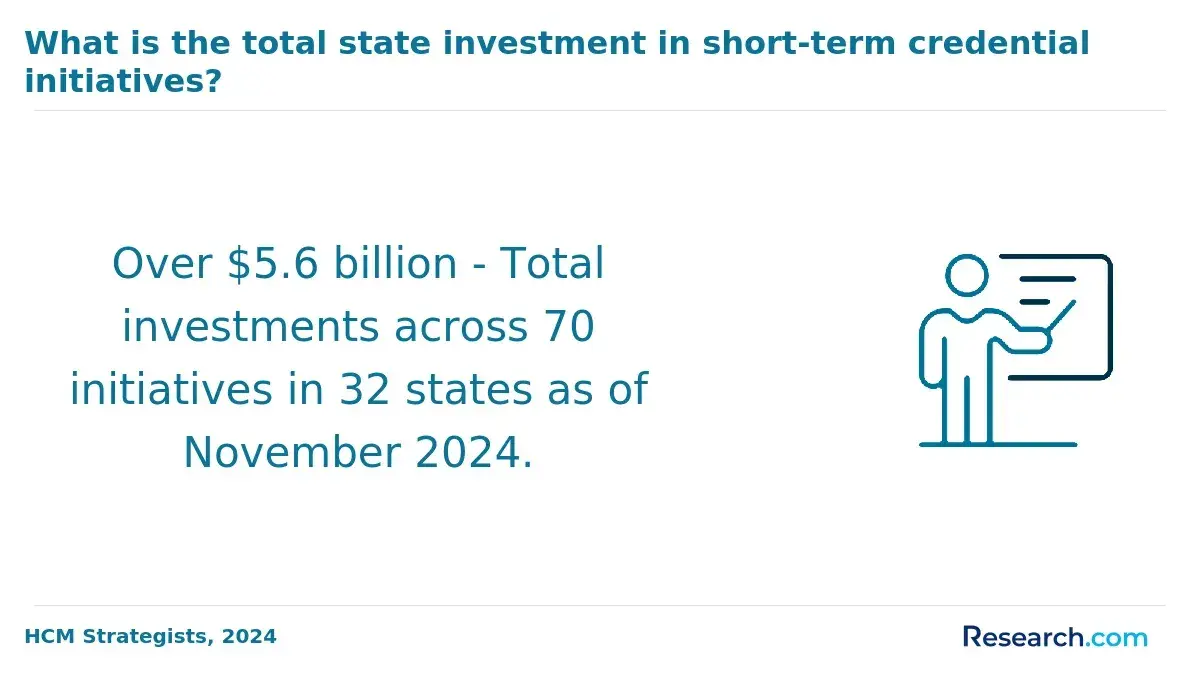
Prospective students interested in online oceanography programs can choose from a variety of degree types and specializations tailored to different scientific interests and career goals; these options range from broad undergraduate degrees to focused graduate programs that accommodate diverse educational backgrounds and professional needs. Below is a summary of the main formats and concentrations available in online oceanography studies to help identify which pathway aligns best with your ambitions.
- Bachelor's in Coastal and Marine Science: This undergraduate degree offers a comprehensive foundation in biological, chemical, and physical oceanography along with coastal ecosystem science. It prepares students for careers in marine biology, fisheries, and environmental analysis, with flexible interdisciplinary coursework suitable for entry-level positions or further study.
- Bachelor's in Marine Studies: Focused on marine ecology, scientific reasoning, and cultural resource management, this program emphasizes communication and ethics. It is designed for those interested in marine policy, environmental justice, and community management roles.
- Master of Oceanography: A research-oriented graduate degree covering physical, chemical, geological, and biological oceanography. Suitable for professionals seeking deeper scientific expertise and research skills for work in policy, management, or technical research.
- Master of Ocean Science and Technology (MOST): A non-thesis, professional master's degree providing research-informed, practical training. Ideal for students aiming to enter or advance in applied ocean science careers without completing a thesis.
- Specialized Concentrations: Many programs offer focused study in subfields such as biological, chemical, physical, and geological oceanography, as well as marine conservation and management to tailor learning to specific interests.
- Short Courses and Certificates: Flexible online courses and certificates through platforms like edX and Coursera provide targeted skills for professionals seeking continuing education without full degree commitment.
Completing an online Oceanography degree typically requires a significant commitment to credit hours, which vary depending on the degree level and program specifics. Understanding these requirements is crucial for planning your academic journey effectively. Below is a breakdown of average credit hour requirements by degree level to give you a clear picture of what to expect.
- Associate Degree in Oceanography: These programs usually require about 60-65 credit hours and are less common online. Full-time students often finish within two years, whereas part-time students may take three to four years. Requirements can fluctuate based on the institution's transfer policies and any remedial courses needed.
- Bachelor's Degree in Oceanography: Most online bachelor's programs require approximately 120 semester credit hours, or 180 quarter credits if using a quarter system. Full-time study generally leads to graduation in four years, but part-time learners might extend their studies to five or six years. Transfer credits can shorten the time and credits needed.
- Master's Degree in Oceanography: A minimum of 30 semester credit hours is typically required, with many programs mandating that at least half these credits focus on oceanography-specific coursework. Duration ranges from 1.5 to 3 years full-time, with part-time options extending completion time. Additional credits may be needed for research or thesis components.
- Doctoral Degree in Oceanography: Fully online doctoral options are rare and generally require between 60 and 90 semester credits beyond the bachelor's degree. These programs also involve extensive research and dissertation work, often taking four to seven years depending on enrollment status and research progress.
I spoke with a graduate of an online Oceanography degree who described the balancing act between work, family, and meeting the demanding credit hour requirements as both challenging and rewarding. They shared that juggling heavy coursework alongside field assignments required disciplined time management and a supportive network. Despite occasional frustrations, completing the rigorous credit load gave them a profound sense of achievement and prepared them well for practical oceanographic research. This mix of perseverance and passion helped transform the credit hours from a mere number into a meaningful academic and personal milestone.
A standard online oceanography curriculum provides a comprehensive overview of the scientific study of oceans, covering physical, chemical, biological, and geological processes that influence marine environments and global systems. The courses blend foundational science with specialized topics to equip students for diverse careers in marine science, environmental management, or research. Below are examples of core and specialized courses commonly offered in online oceanography degree programs:
- Physical oceanography: Examines ocean currents, waves, tides, and the interactions between the ocean and atmosphere. Students gain insight into how these factors affect climate and weather, preparing them for roles in climate analysis and ocean forecasting.
- Chemical oceanography: Focuses on the chemical makeup of seawater and biogeochemical cycles, essential for careers in pollution monitoring and marine resource management.
- Biological oceanography (Marine biology): Covers marine organism diversity and ecology, essential for jobs in conservation, fisheries, and ecosystem research.
- Geological oceanography: Studies the ocean floor's structure, sediment composition, and coastal processes, preparing students for marine geology and environmental consulting.
- Marine ecology: Explores ecosystem dynamics, food webs, and human impacts like climate change and pollution, useful for habitat restoration and conservation policy roles.
- Quantitative methods and data analysis: Introduces statistics and modeling techniques critical for research and data-driven decision-making in oceanography.
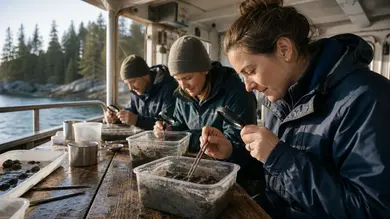
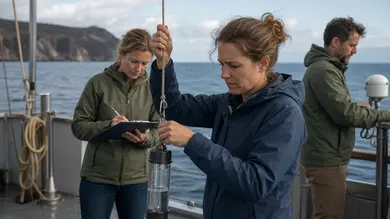
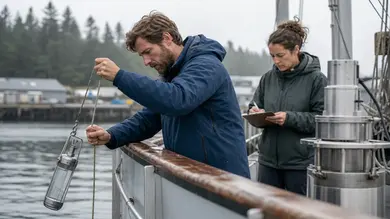
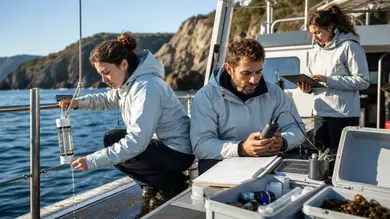
- Oceanographic instrumentation and field methods: Provides practical skills with sampling equipment and lab techniques for field research and environmental monitoring.
- Environmental policy and ocean management: Examines laws and ethical frameworks controlling ocean use, preparing students for environmental advocacy and policy careers.
- Capstone research or internship: Offers hands-on experience through research projects or internships, demonstrating practical skills and enhancing employability.
Online Oceanography programs typically offer multiple start dates throughout the year, providing significant flexibility that helps students begin their studies when it best suits their personal and professional schedules. This adaptability is especially valuable for working adults and those managing family or other commitments. Below is a summary of the most common enrollment and start options available for online Oceanography programs.
- Traditional Academic Calendar: Many programs follow the traditional semester system, offering start dates in the fall (August/September), spring (January), and sometimes summer (May/June). This schedule suits students who prefer structured terms and may be transitioning from in-person to online study.
- Rolling Admissions: Some graduate and doctoral programs admit students on a rolling basis with multiple entry points each year, commonly in August, January, and May. This option provides flexibility for professionals who want to start soon after applying without waiting for a specific semester.
- Quarterly or Modular Starts: Certain universities offer courses starting every few weeks or months, like a program beginning new classes every 7.5 weeks. This allows students to enroll frequently and progress at their own pace without waiting for traditional semester breaks.
- Single Course Enrollment and Non-Degree Options: Some institutions permit enrollment in individual courses during summer or short sessions. These options are ideal for those needing to complete prerequisites or gain targeted knowledge without committing to a full degree.
Accelerated online oceanography programs reduce the time it takes to earn a degree by offering flexible structures and strategies that let students progress at a much faster pace than traditional formats. These programs use multiple approaches to streamline coursework and maximize credit accumulation. Below are common ways accelerated online oceanography students can finish their degrees sooner:
- Shorter Course Terms: Students complete classes in condensed 7-8 week sessions instead of the usual 16-week semesters, allowing more courses per year and a quicker progression through degree requirements.
- Year-Round Enrollment: With multiple start dates and continuous course offerings, including summer terms, students avoid long breaks and can take back-to-back courses to shorten total completion time.
- Transfer Credits: Programs may accept previously earned college credits or relevant professional experience, helping students bypass certain requirements and cut down months or years from their studies.
- Competency-Based Learning: This format lets students advance by demonstrating mastery of content rather than spending fixed time in class, enabling motivated learners to move rapidly through familiar subjects.
- Accelerated Bachelor's/Master's Pathways: Combined degree tracks allow students to begin graduate coursework during their bachelor's studies, potentially shaving a year or more off the total time needed for both degrees.
A graduate of an accelerated online oceanography degree shared how demanding the fast-paced schedule was but also highly rewarding. Balancing full-time work and family responsibilities meant every week was intense, with little downtime between terms. Initially, the condensed courses felt overwhelming, requiring tight time management and focus. However, the flexibility of accessing materials online anytime and the prompt support from instructors helped navigate these challenges. The ability to apply prior professional experience for credit shaved months off the program length, making the effort feel even more worthwhile. Reflecting on the journey, the graduate appreciated how the accelerated format pushed them to grow academically and personally while allowing a quicker entry into their desired marine science career.
Completing an online oceanography degree faster can indeed save you money by reducing both direct educational expenses and associated costs. Understanding the financial benefits of accelerated study helps prospective students make informed decisions about managing their time and resources efficiently. The following points highlight the main ways finishing an online oceanography faster can lead to cost savings and improved financial outcomes.
- Lower Tuition Costs: Many online oceanography programs charge tuition per credit or term, with annual undergraduate tuition averaging around $11,105 for state residents and $31,992 for out-of-state students. By taking heavier course loads or enrolling in accelerated terms, students can reduce the total number of semesters required, potentially saving thousands in tuition and fees.
- Reduced Living Expenses: Even though online programs minimize relocation costs, students still face living expenses such as rent and utilities. Shortening the duration of study decreases the months students need to budget for these costs, resulting in notable overall savings.
- Earlier Entry Into the Workforce: Graduating sooner allows students to enter their careers earlier, starting to earn a salary and gain professional experience ahead of their peers. Since oceanography graduates often qualify for roles like research scientist or marine biologist, accelerating degree completion can significantly increase lifetime earnings.
- Less Time Off Work: Many online oceanography students balance studies with employment. Accelerated programs reduce the time students might need to cut back on work hours or take leave, helping minimize lost income and maintain continuous career growth.
- Potential to Avoid Tuition Increases: Tuition rates can rise annually, but completing an online oceanography degree faster can help lock in current tuition costs and avoid future hikes. Some institutions offer tuition guarantees; however, finishing quickly remains the best strategy to mitigate increasing prices over time.
Choosing an accelerated path is not only about finishing sooner but also about optimizing the cost savings of accelerated online oceanography degree programs for a better financial investment. For those curious about advanced academic paths, understanding can you get a PhD without a dissertation can also inform long-term educational planning.
Graduates with an online oceanography degree can often start working within a few months after completing their program, though the exact timeline varies. Factors such as the specific field of study, current job demand, and the graduate's prior work experience play significant roles in how quickly they secure employment.
Many find entry-level oceanographer positions for graduates in research centers, government agencies, or marine resource management agencies shortly after finishing their courses. Those with relevant internships or assistant-level roles typically transition faster into the workforce. However, some specialized or senior roles may require additional certifications or advanced studies, influencing the speed of employment.
Online oceanography programs frequently provide opportunities for students to gain practical work experience, network with professionals, and complete internships while still studying. This approach helps graduates build skills and connections that smooth the shift to job opportunities after online oceanography degree completion.
For example, programs like the University of Rhode Island's Master of Oceanography offer flexible schedules that enable participants to work on research projects or collaborate remotely, enhancing their career readiness. Additionally, many students use this flexibility to balance internships or assistantships, which can accelerate their career start. Students interested in further advancing their qualifications can explore options such as 1-year PhD programs online Canada to increase their employment prospects.
The average oceanography degree salary in the US for graduates with an online degree generally falls between $64,180 and $105,720 annually, reflecting the diversity of career paths and experience levels within the field. Understanding how these figures vary by role, education, and experience can help graduates anticipate their oceanographer annual earnings after graduation, with implications for both short-term and long-term financial planning.
Below is a breakdown of typical earnings by career stage and specialization for those holding an online oceanography degree:
- Entry-Level Roles: Early career oceanographers or bachelor's degree holders typically earn between $36,017 and $55,689 annually. Positions such as research assistants, technicians, or junior analysts fall here, with salaries increasing as experience and education advance.
- Mid-Career Professionals: Those with 3 to 5 years of experience often see salaries rise to the range of $73,992 to $81,237. Roles include marine researchers or chemists who take on more independent research and leadership responsibilities.
- Specialized Positions: Marine biologists, geologists, or chemists with advanced technical skills or graduate degrees typically earn from $66,796 to $87,377. These roles provide opportunities for senior research or project management.
- Academic and Research Faculty: Assistant professors in oceanography earn around $66,241 annually, with seasoned professors or research leads earning substantially more, especially when supported by published work and grant funding.
- Industry and Federal Leadership: Senior oceanographers and consultants in government or private sectors can command salaries ranging from $93,580 to $193,000, depending on leadership roles, degrees held, and years of experience.
For students seeking to maximize their earning potential, considering factors beyond the speed of completion is important. The financial benefit of finishing your degree faster lies mainly in entering the workforce sooner and reducing tuition costs. Prospective learners may also wish to explore the most affordable online universities for working adults to balance educational quality with cost efficiency.
Here's What Graduates of Online Oceanography Programs Have to Say About Their Degree
- Javier: "Completing my online oceanography degree was a transformative experience that allowed me to balance work and study without sacrificing quality. The flexibility of the program enabled me to deepen my understanding of marine ecosystems while maintaining my family commitments. Thanks to the practical skills I gained, I secured a position as a marine biologist with a government agency focused on ocean conservation. The sense of purpose I feel contributing to environmental protection is truly rewarding."
- Monica: "Studying oceanography online challenged me to remain disciplined and self-motivated, but it also opened doors I hadn't imagined. The coursework was rigorous and the virtual labs made complex concepts accessible. Upon graduating, I was able to move into a coastal research role where I apply what I learned daily and collaborate with a diverse team worldwide. This degree not only enhanced my scientific expertise but also gave me the confidence to lead community outreach efforts on marine preservation."
- Darnell: "Finishing an online oceanography program gave me the unique chance to pursue my passion for climate studies without relocating from my rural hometown. The accessibility of expert faculty and interactive resources helped me thrive academically while staying connected to my local community. Professionally, it launched me into a rewarding career in environmental consulting, where I contribute to sustainable policies that protect our oceans. I feel proud knowing my work makes a real difference for future generations."
Other Things You Should Know About Online Oceanography Degree Programs
In 2027, an online oceanography degree typically takes about four years to complete for full-time students, equivalent to the traditional on-campus bachelor's programs. However, part-time students may take longer, depending on their course load and personal schedule.
In 2027, online oceanography programs often incorporate virtual simulations, remote collaboration on research projects, and sometimes partnerships with local institutions for hands-on fieldwork opportunities, offering students practical experiences crucial for this field. These experiences are tailored to equip students with the necessary skills demanded in oceanography careers.
Certain online Oceanography programs align their curriculum with certification standards in environmental science or marine technology fields. However, students must verify whether the program meets specific state or professional board requirements for certification or licensing.
Many online oceanography programs require 6 to 12 laboratory credits, often completed through short on-campus residencies or approved local labs. A bachelor’s degree usually totals 120 credits, and programs with more lab science can take longer if transfer credit is limited.
- MSc International Marine Science https://www.hw.ac.uk/online/postgraduate/international-marine-science.htm
- Switch Website https://www.grad.ubc.ca/prospective-students/graduate-degree-programs/master-of-science-oceanography
- Oceanographer | Explore Careers | National Careers Service https://nationalcareers.service.gov.uk/job-profiles/oceanographer
- Maritime Studies, B.A. Online https://uwf.edu/programs/online/maritime-studies-ba/
- F710 BSc Oceanography 4900 (3 years) | University of Southampton https://www.southampton.ac.uk/courses/oceanography-degree-bsc
- Limited Opportunities and Numerous Barriers to Ocean Science Careers in Under-Resourced Nations https://tos.org/oceanography/article/limited-opportunities-and-numerous-barriers-to-ocean-science-careers-in-under-resourced-nations
- Transfer of Credit Policies https://catalog.hpu.edu/policiesandprocedures/transfercredit
- 4+1 BS MS | Marine Sciences https://marinesciences.uconn.edu/41bsms/
- Geological Oceanography https://www.bangor.ac.uk/courses/undergraduate/f652-geological-oceanography-msci
- FAQs - MIT-WHOI Joint Program https://mit.whoi.edu/admissions/faqs/