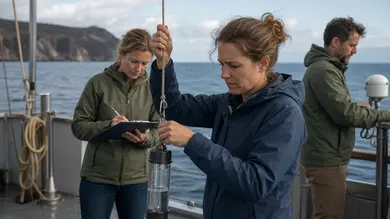
2027 Weekly Start Online Degrees vs Self-Paced Accelerated Oceanography Degree Programs

Co-Founder and Chief Data Scientist
Choosing between weekly start online degrees and self-paced accelerated oceanography programs presents a challenge for many prospective students. According to the National Center for Education Statistics, enrollment in online science degrees increased by 15% from 2018 to 2023, highlighting the growing demand for flexible formats. Weekly start programs offer structured timelines, while self-paced formats provide speed and independence.
This article compares the benefits, drawbacks, and career implications of each option. It aims to help students make informed decisions aligned with their learning styles, schedules, and professional goals within the evolving oceanography education landscape.
Key Benefits of Weekly Start Online Degrees vs Self-Paced Accelerated Oceanography Degree Programs
- Weekly start online degrees provide consistent pacing and instructor interaction, while self-paced accelerated oceanography programs offer maximum flexibility for students who want to move as quickly as possible.
- Weekly start formats typically include regular deadlines and cohort support, whereas self-paced programs suit highly self-motivated learners comfortable managing coursework independently.
- Weekly start programs make enrollment easier throughout the year, while accelerated self-paced options can significantly shorten time to graduation for students with prior knowledge or experience.
How Are Weekly Start Online Degrees and Self-Paced Accelerated Oceanography Programs Structured?
Choosing between weekly start online degree programs and self-paced accelerated oceanography programs requires understanding their structural differences. These distinctions affect pacing, time commitment, and flexibility, which can influence a student's ability to succeed.
Below is a comparison to clarify how the formats vary and what students can expect.
Weekly Start Online Degrees
- Fixed pacing: Courses follow a paced schedule with weekly or biweekly deadlines, promoting steady progress and regular engagement.
- Term length: These programs often align with traditional semester durations but allow new students to enroll every week or few weeks, enabling continuous start points.
- Assessments: Regular, scheduled assignments and assessments provide consistent instructor feedback and peer interaction.
- Time commitment: Students typically commit 8 to 15 hours weekly, balancing coursework without becoming overwhelming.
Self-Paced Accelerated Degrees
- Flexible timing: Students control their study schedules, completing materials and assignments at their own pace with broad or on-demand deadlines.
- Program duration: Courses condense traditional semester content into shorter periods, often 6 to 10 weeks, to accelerate degree completion.
- Self-discipline required: This format demands high motivation since students manage their study plans independently without fixed checkpoints.
- Variable time commitment: Weekly hours can range widely, with some dedicating 20+ hours to expedite progress.
Students interested in oceanography degrees may also explore options in online BCBA programs that offer varied structures. Whether favoring the consistent framework of weekly start online oceanography degree structure or the adaptable self-paced accelerated oceanography program format, understanding these differences is key to selecting a program that fits individual learning styles and life demands.
Are Weekly Start Online Oceanography Programs Easier to Get Into vs Self-Paced Accelerated Programs?
Admissions ease is a key factor for students choosing between weekly start online oceanography degree admissions and self-paced accelerated programs. These options cater to different student needs, with acceptance rates for flexible start programs reported to be up to 15% higher than traditional fixed-start models, reflecting broader admissions approaches in online education.
Below are key differences in admissions criteria for these two program formats:
- GPA Expectations: Weekly start programs generally require a minimum GPA between 2.5 and 3.0, reflecting more traditional admissions standards. Self-paced accelerated programs often accept slightly lower GPAs, focusing instead on overall student potential and readiness.
- Prerequisite Coursework: Fixed start programs usually mandate completed courses in biology, chemistry, and calculus before admission. In contrast, self-paced formats may offer more flexibility or waive some prerequisites based on professional experience.
- Standardized Testing: Weekly start oceanography degree admissions often include SAT or ACT requirements, while self-paced programs typically waive these to reduce barriers.
- Admissions Process: Weekly start programs follow structured admissions timelines tied to semester schedules, whereas self-paced accelerated programs emphasize a holistic review, including motivation and relevant work experience.
Students seeking flexible pacing might explore other accelerated options, such as 1 year MSW programs online no BSW, which also attract non-traditional applicants looking for easier entry requirements.
How Long Does a Weekly Start Online Degree Take to Complete vs Self-Paced Accelerated Oceanography Degree?
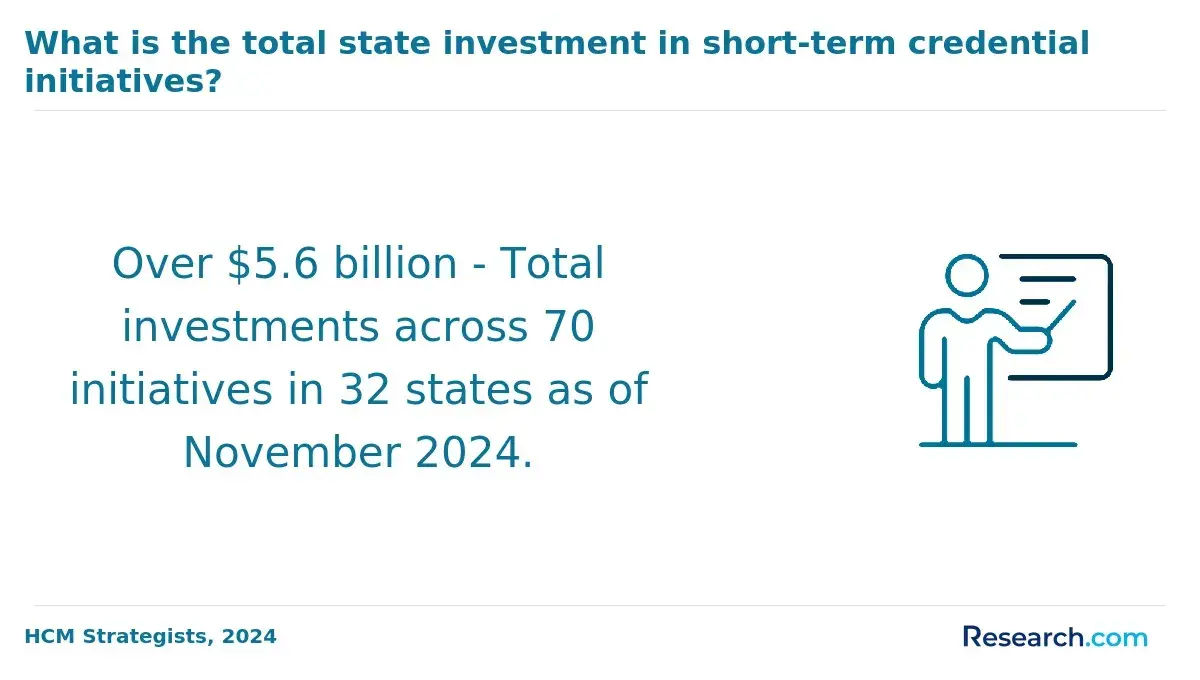
Completion time is a critical consideration for students as it influences educational costs, financial planning, and career advancement. Nearly 60% of online learners now prefer accelerated degree options that fit around busy schedules. C
omparing weekly start online degrees with self-paced accelerated oceanography programs reveals key differences impacting how quickly a student finishes.
- Term Length: Weekly start courses run on fixed schedules, often 8 to 16 weeks long, requiring students to keep pace with cohort deadlines. Self-paced oceanography degrees allow learners to set their own timelines, offering flexibility but demanding consistent effort.
- Pacing Control: Students in weekly start programs follow predetermined class sessions and assignment deadlines, limiting the ability to speed up. In self-paced formats, students determine their study speed, which can lead to faster completion or delays if motivation wavers.
- Credit Load: Weekly start degrees require a standard credit load each term, but self-paced students can intensify coursework by taking more credits simultaneously, potentially shortening their total program length.
- Transfer Credits: Both program types may accept previously earned credits, helping reduce the time needed to graduate by bypassing some course requirements.
- Enrollment Flexibility: Weekly start programs have set enrollment dates, often monthly or quarterly, while self-paced programs permit starting at any time, accommodating individual schedules.
A professional who completed a self-paced accelerated online oceanography degree shared that juggling full-time work alongside courses was initially daunting. He found the freedom to adjust study hours vital but admitted that maintaining motivation without fixed deadlines was sometimes stressful.
"Not having a set schedule meant I had to be very disciplined," he said, emphasizing how the program demanded personal responsibility and time management skills. Despite the challenges, the ability to accelerate certain courses allowed him to finish significantly faster than traditional formats. The experience taught him resilience and strategic planning were as important as academic effort in completing the degree on his terms.
Flexibility is essential for students balancing work, family, and other responsibilities, allowing them to adapt their education around daily demands. Weekly start online degree programs open new courses every week with deadlines and a fixed schedule, while self-paced accelerated oceanography programs let students set their own pace without predetermined start times.
Comparing these formats highlights differences in how flexibility supports diverse learner needs.
- Scheduling control: Weekly start programs require students to follow a set weekly timetable, providing structure but limited room to adjust timing. In contrast, self-paced oceanography programs offer personalized control, letting students decide when and how fast to complete coursework.
- Start dates: Weekly start degrees have regular, scheduled enrollment periods each week, whereas self-paced programs typically allow rolling admissions, enabling students to begin whenever they choose.
- Assignment deadlines: Assignments in weekly start programs must be completed by weekly deadlines to keep pace with the cohort. Self-paced programs often remove strict deadlines, giving students freedom but demanding more self-regulation.
- Instructor interaction: Students in weekly start courses benefit from frequent instructor feedback and peer interaction aligned with the schedule. Self-paced learners may have less structured support, relying more on independent study.
- Progress management: Weekly start formats encourage steady advancement through the curriculum. Self-paced oceanography students have the option to speed up or pause their studies to fit changing personal circumstances.
Students often consider perceived difficulty when choosing between self-paced accelerated oceanography degrees and weekly start online programs because it influences motivation, study habits, and completion success. Assessing how different factors shape the challenge of each format helps learners select the option best suited to their needs.
The following comparisons highlight key elements affecting difficulty levels.
- Workload intensity: Self-paced accelerated degrees compress material into shorter periods, demanding rapid comprehension and often increasing daily study time. Weekly start programs distribute assignments over a longer span, providing a steadier and more manageable workload.
- Pacing expectations: Accelerated courses lack fixed weekly deadlines, placing full responsibility on students to maintain progress. Conversely, weekly start formats follow a structured schedule, with clear weekly goals that promote consistent study patterns.
- Self-discipline required: Without external time constraints, self-paced learners must exhibit strong self-management to avoid falling behind. Weekly start students benefit from routine deadlines, which naturally help maintain motivation and focus.
- Assessment structure: Accelerated courses often feature concentrated exams or projects requiring quick turnaround, increasing pressure to perform promptly. In contrast, weekly start programs spread assessments evenly, offering more time for preparation and instructor feedback.
- Instructor interaction and peer engagement: Weekly paced programs typically foster regular communication through scheduled discussions and feedback, supporting learners' understanding. Self-paced formats may limit these interactions, which can make the learning experience feel more isolated.
A graduate of a weekly start online oceanography degree shared that the program's structure was both a challenge and a support system. She noted, "Having weekly deadlines kept me accountable, which pushed me to keep pace even during busy workweeks."
Although managing assignments alongside personal commitments was tough at times, the ongoing instructor feedback and opportunities to connect with classmates made it easier to stay motivated. She reflected that while the workload required dedication, the consistent rhythm helped prevent feeling overwhelmed.
Overall, her experience suggested that a well-organized weekly start format can balance challenge and support effectively for many students.
Grading methods are crucial for students weighing weekly start online and self-paced accelerated oceanography programs, as they impact workload, academic demands, and how progress is monitored. These differences influence how students manage their time and approach their studies.
Below is a comparison highlighting key grading factors that distinguish these two program formats.
- Assessment frequency: Weekly start programs require students to complete quizzes, assignments, and discussions on a fixed weekly schedule, ensuring consistent engagement and progress. In contrast, self-paced programs allow students to decide when to take assessments, offering flexibility but requiring self-discipline to avoid falling behind.
- Mastery requirements: In weekly start formats, students must meet specific competency checkpoints regularly before advancing, reinforcing steady mastery of material. Self-paced formats tend to be more lenient, often allowing students to move forward once they feel prepared, which can accelerate learning for motivated individuals.
- Feedback timing: Feedback in weekly start models is typically prompt and scheduled, often returned within one week to support continuous improvement. Self-paced programs may have more variable turnaround times, as feedback depends on instructor availability and asynchronous grading.
- Grading flexibility: Weekly start courses enforce strict deadlines, limiting options for extensions or rescheduling. Conversely, self-paced courses may offer greater leniency with deadlines, though this depends on specific program policies, putting more responsibility on students to manage their schedules effectively.
Tuition structures are a key factor for students when selecting online degree programs, as they influence both financial planning and study pacing. Understanding how different models affect overall cost and time commitment can help students choose the best fit for their needs.
- Pricing Structure: Weekly start programs usually charge per credit hour, enabling students to pay based on enrollment length. Self-paced accelerated formats often use a fixed monthly subscription, encouraging quicker completion but varying total costs.
- Time to Completion: Weekly start formats follow set academic calendars with regular sessions, providing steady progress. Self-paced options allow students to finish faster if they maintain discipline, potentially reducing tuition duration.
- Cost Predictability: Per-credit tuition offers predictable expenses aligned with course load. Subscription models can be less predictable since longer study periods increase total tuition.
- Course Intensity: Weekly start degrees typically involve consistent weekly assignments and instructor interaction. Self-paced accelerated programs demand greater self-discipline due to flexible but condensed timelines.
- Additional Fees: Both formats may require extra payments for labs, technology, or proctoring, which should be factored into budgeting.
- Transfer Credits and Prior Learning: Recognition of previous coursework or experiences can reduce required credits, lowering tuition regardless of the program's format.
Instructor support plays a vital role in online degree programs by influencing student motivation, engagement, and overall academic success. Effective academic guidance helps students navigate complex course material and maintain momentum, which is especially important in rigorous scientific fields like oceanography.
Below is a comparison highlighting key differences in support between weekly start online oceanography degrees and self-paced accelerated formats.
- Instructor Availability: Weekly start programs offer structured and frequent access to instructors through scheduled interactions, while self-paced accelerated oceanography programs provide instructor contact primarily on an as-needed basis, offering more flexibility but less regularity.
- Response Times: Students in weekly start formats typically receive feedback and answers within 24 to 48 hours due to cohort pacing, whereas self-paced learners might wait two to five days for responses.
- Structured Interaction: Weekly start degrees include mandatory live sessions or webinars that foster real-time engagement, which are generally absent in self-paced models that rely on asynchronous communication.
- Scheduling of Communication: Regular office hours and discussion boards are standard in weekly start programs, supporting consistent instructor outreach, while self-paced students access these resources less frequently and with no fixed schedule.
- Academic Advising: Weekly start students experience more frequent advising touchpoints embedded within the program, contrasting with the more sporadic advising opportunities found in self-paced accelerated oceanography programs.
- Student Independence: Self-paced formats demand greater self-direction, encouraging students to proactively seek support, whereas weekly start structures guide learners more closely through fixed timelines and program checkpoints.
For students researching options, understanding these differences in instructor support can inform choices based on their preferred learning style and need for guidance. Those interested in exploring affordable online MFT programs may also find related insights on program formats and student assistance valuable.
Employer perception of online oceanography degree programs plays a crucial role in career outcomes by influencing hiring decisions, salary offers, and long-term growth opportunities. How an employer views the structure and format of an online degree can signal key attributes about a candidate's preparedness and fit for the job market.
- Perceived Rigor and Structure: Weekly start online programs usually follow structured timelines and align with traditional academic calendars, which employers often interpret as evidence of steady progress and rigorous academic standards.
- Completion Timelines: Self-paced accelerated oceanography degrees appeal to students needing flexibility and faster degree completion. Employers may recognize the ability to finish quickly but sometimes question the depth of learning in condensed formats.
- Time Management and Discipline: Scheduled weekly start formats highlight consistent time management and collaboration skills by requiring students to meet regular deadlines and participate in group projects.
- Adaptability and Initiative: Candidates with self-paced accelerated oceanography degrees demonstrate self-motivation and adaptability by independently managing their coursework, traits that can be advantageous in dynamic work environments.
- Collaboration Experience: Employers may have concerns about the level of teamwork experience gained in self-paced formats since many scientific research roles depend heavily on effective collaboration.
- Alignment with Workforce Needs: Hiring managers weigh these factors differently depending on job specifics, but weekly start programs generally align better with traditional expectations, while self-paced degrees emphasize versatility and independence.
Data indicates growing interest in self-paced formats-as shown in the rise of accelerated online degrees yet employer acceptance varies especially in technical fields. For prospective students, understanding employer preferences for weekly start online oceanography degrees versus self-paced accelerated oceanography degree employer recognition can inform choices that impact future employment prospects.
Research shows that graduates who complete online degree programs faster and with strong skills may earn up to 10% more at the start of their careers. For students considering online oceanography degrees, understanding potential salary differences between formats can affect both career and financial planning.
- Employer Perception: Weekly start online programs often mirror traditional academic calendars with regular deadlines, which some employers may view as more rigorous. This structure can signal consistent academic performance and may positively influence salary negotiations.
- Time-to-Completion: Self-paced accelerated programs allow students to finish their degrees sooner if they manage the workload independently. Earlier degree completion often means quicker entry into the workforce and potential for higher lifetime earnings.
- Skills and Competencies Gained: Regardless of format, the practical and research skills acquired play a crucial role in salary offers. Employers focus on the depth and relevance of competencies rather than solely on how the program was delivered.
- Career Advancement Opportunities: Graduates who demonstrate applied skills and timely completion tend to have better prospects for promotions and salary growth. Both program types can prepare students effectively if aligned with career goals.
- Return on Investment: Choosing between weekly start and self-paced formats should consider how learning style impacts completion and skill mastery. For prospective students, evaluating salary comparison for weekly start vs self-paced oceanography degrees helps maximize this return.
Those exploring affordable online degree options may also benefit from consulting a cheapest online college list to ensure accessible education costs while pursuing their preferred program format. Understanding these dynamics supports informed decisions about earnings difference between accelerated and weekly start online oceanography programs.
What Graduates Say About Their Weekly Start Online Degrees vs Self-Paced Accelerated Oceanography Degrees
- Joshua: "I chose the weekly start online oceanography degree because it allowed me to begin classes right away without waiting for a traditional semester to start. The cost was manageable since I spread it out over the duration of the program, roughly $20,000 in total, which I funded through a combination of scholarships and part-time work. Graduating from this program definitely opened doors for me in marine research, helping me secure a position as a field technician within months of completion. "
- Andy: "Opting for the self-paced accelerated oceanography degree was essential for me because I needed to balance my studies with a demanding job. Although the program's tuition, averaging around $18,000, was a significant investment, I was able to minimize interest by paying up front with savings meant for career advancement. Completing the accelerated program boosted my credentials and led to a promotion from lab assistant to junior oceanographer in just under a year. "
- Deanna: "Reflecting on my experience, the weekly start online oceanography degree was a perfect fit as I thrive with structured learning and consistent deadlines. I was initially concerned about the cost, approximately $22,000, but strategically used employer tuition reimbursement and a federal student loan to manage expenses. Now, with this degree, I serve as an environmental consultant specializing in coastal ecosystems, a role I attribute largely to the comprehensive education and networking opportunities the program afforded me. "
Other Things You Should Know About Oceanography Degrees
The 2027 weekly start online oceanography degrees often follow a structured curriculum with fixed week-by-week content, offering a consistent learning pace. In contrast, self-paced accelerated programs allow students to advance through material at their own speed, which can compress or extend the duration of study as needed.
Accelerated oceanography programs usually require at least one introductory lab sequence, plus field methods or oceanographic instrumentation. Common requirements include microscope work, water-sample analysis, GPS navigation, and a coastal or marine field course. Programs often expect students to complete 3–6 credits of lab-based or field-based science.
Weekly start oceanography programs generally offer regular advising sessions aligned with course start dates, helping students stay on track through structured guidance. Self-paced accelerated programs, while flexible, may provide advising on a more on-demand basis, requiring students to proactively seek support. Both formats offer resources like tutoring and counseling, but the timing and frequency of personalized support can differ, impacting the student experience.
- (PROGRAMME) MSc in Maritime Affairs (Malmö) https://wmu.se/programmes/msc-malmo
- Lifelong Learning Benefits & Programming https://www.semesteratsea.org/lifelong-learners/benefits/
- 8 Online Degrees That Pay Well & You Can Start Today | Penn Foster https://www.pennfoster.edu/blog/8-online-degrees-that-pay-well-and-you-can-start-today
- Picture an Online Degree at Your Own Pace https://www.snhu.edu/about-us/newsroom/education/picture-an-online-degree-at-your-own-pace
- OceanTeacher Global Academy https://classroom.oceanteacher.org/course/index.php
- Online College Tuition Comparison: Online vs. In-Person https://www.uagrantham.edu/blog/online-college-tuition-comparison-online-vs-in-person/
- Professional Certificate in AI Applications in Oceanography https://www.stanmoreuk.org/Home/CourseDetail
- Oceanography https://catalog.uaf.edu/academic-departments/oceanography/
- GoLocalProv | NEW: URI Undergraduates Get a Jumpstart on Oceanography Graduate Degree https://www.golocalprov.com/news/new-uri-undergraduates-get-a-jumpstart-on-oceanography-graduate-degree
- Geological Oceanography https://www.bangor.ac.uk/courses/undergraduate/f652-geological-oceanography-msci