2027 Adult Speech Therapy Careers: What SLP Students Should Know

Co-Founder and Chief Data Scientist

Reviewed by Rhea Paul, PhD
SLP Education & Research Expert
Many aspiring professionals face uncertainty when considering a career change into adult speech therapy. The challenge lies in understanding the qualifications needed, the variety of work settings, and how to balance education with existing commitments. Without clear guidance, students risk pursuing costly or non-accredited programs that do not align with certification requirements.
This article clarifies these concerns by outlining essential education paths, credentialing processes, and career opportunities for students transitioning into this field. Readers will gain practical insights to confidently navigate their journey toward becoming licensed speech-language pathologists specializing in adult care.
Key Things You Should Know
- Employment for adult speech therapy professionals is projected to grow 17% from 2025 to 2035, faster than average, driven by increasing demand from an aging U.S. population with communication disorders.
- SLP students must complete a master's degree, clinical fellowship, and pass the Praxis exam to obtain certification, with growing emphasis on telepractice skills in adult care settings.
- Average annual salaries for adult speech therapy roles vary by location and setting, typically ranging from $65,000 to $85,000, reflecting rising specialization in neurological and geriatric therapies.
What Are Adult Speech Therapy Careers?
Adult speech therapy careers in the United States focus on diagnosing and treating communication and swallowing disorders in individuals aged 18 and older. Speech-language pathologists (SLPs) address conditions resulting from stroke, traumatic brain injury, neurodegenerative diseases, and voice disorders. They work in diverse settings including hospitals, outpatient clinics, rehabilitation centers, nursing homes, and private practices. These roles often involve assessing speech fluency, language comprehension, cognitive-communication skills, and swallowing function.
Treatment plans combine direct therapy, caregiver education, and assistive technologies. For instance, an SLP may assist a stroke survivor in recovering speech or help a Parkinson's patient improve voice projection. Specializations in adult speech therapy include augmentative and alternative communication (AAC) for nonverbal patients and cognitive-communication therapy for memory or problem-solving deficits.
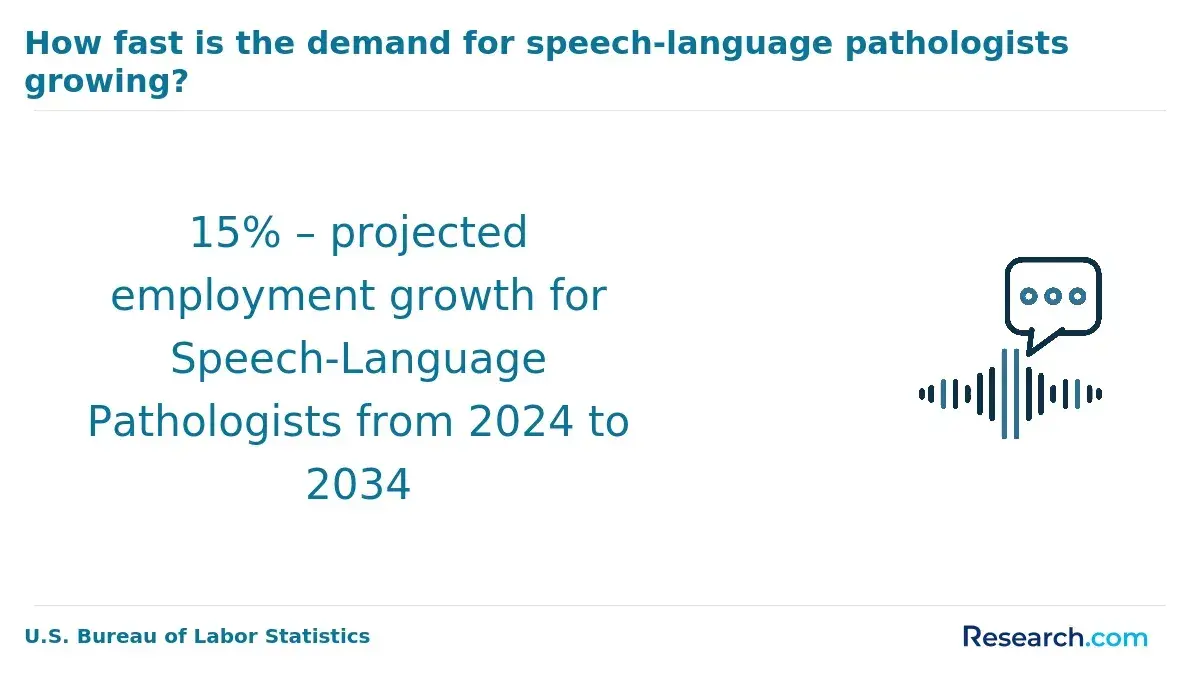
The job outlook for adult speech pathologists in America is strong, with a projected 17% growth in employment from 2025 to 2035, reflecting the aging population and greater awareness of adult communication disorders. Success in this field requires clinical skills, patience, and adaptability, often involving collaboration with neurologists, occupational therapists, and social workers.
Prospective students interested in these adult speech therapy career opportunities in the United States should seek internships in adult care settings. Many also explore speech pathology online programs to gain relevant education and clinical experience.
How Do You Become an SLP for Adults?
To become an adult SLP, earning a master's degree in speech pathology from an accredited program is essential. Coursework typically covers anatomy, neuroanatomy, and adult communication disorders, complemented by clinical practicum hours working with adults affected by stroke or traumatic brain injury. This educational foundation is critical for the adult speech therapy certification process.
After graduation, obtaining the Certificate of Clinical Competence in Speech-Language Pathology (CCC-SLP) from the American Speech-Language-Hearing Association (ASHA) is required. This certification involves completing a supervised clinical fellowship of at least 1,260 hours, often focused on adult clients in hospitals, rehab centers, or skilled nursing facilities.
Licensure is mandatory in all states, typically requiring passing the Praxis Examination in Speech-Language Pathology and continuing education. Some states impose additional rules for those specializing in adult care. Specializing further might include targeted training or certifications in aphasia therapy, dysphagia, or cognitive-communication disorders to improve clinical skills and employability.
With over 117,056 speech pathologists employed nationwide, many work in hospitals, outpatient clinics, or home health settings where adult expertise is vital. For those exploring earning potential, consider reviewing the NICU SLP salary and other career options related to adult SLP roles.
What Education Is Required for SLP?
To pursue a career as a speech-language pathologist in the U.S., candidates must complete a master's degree in speech pathology or speech-language pathology from an accredited program. A bachelor's degree alone does not meet certification or clinical practice requirements. The master's program usually lasts 2 to 3 years, covering anatomy, physiology, linguistics, and hands-on clinical practicum.
Graduates must then complete a supervised clinical fellowship (about 9 months full-time) to earn the Certificate of Clinical Competence (CCC) from the American Speech-Language-Hearing Association (ASHA). This certification is essential for licensure in most states and confirms professional competence. Some states additionally require passing the Praxis Examination in speech-language pathology for licensure. Prospective students should check specific state licensure rules early to ensure all criteria are met.
Students aiming for academic or research roles often pursue a doctoral degree (PhD or AuD), focusing on research methodology and advanced clinical skills, though it's not mandatory for clinical practice. The field exhibits marked gender disparity, with 88.1% women and 11.9% men, according to Zippia.
For those exploring different program formats, 5 year speech pathology programs provide an accelerated route. Key advice includes choosing programs accredited by the Council on Academic Accreditation in Audiology and Speech-Language Pathology (CAA), planning financially and time-wise for graduate study and clinical hours, and seeking diverse clinical placements to build experience.
Understanding SLP graduate program requirements in the US ensures students meet licensure standards and succeed professionally.
To begin a career as a speech-language pathologist (SLP), candidates must earn a master's degree in speech-language pathology accredited by the Council on Academic Accreditation in Audiology and Speech-Language Pathology (CAA). While a bachelor's degree alone does not qualify one for clinical practice, it is essential for admission into graduate programs. Common undergraduate majors include communication sciences and disorders, psychology, linguistics, or biology, which build foundational knowledge important for SLP degree programs in the United States.
Graduate studies usually take two years and combine classroom learning with supervised clinical experience. Some universities offer combined bachelor's/master's tracks to accelerate progress. Graduates earn a Master of Science (M.S.) or Master of Arts (M.A.) in speech-language pathology, satisfying educational requirements for certification and licensure.
After the master's degree, candidates must complete a Clinical Fellowship Year (CFY), a supervised professional experience required before obtaining full licensure. Many states also mandate passing the Praxis Examination in Speech-Language Pathology administered by the Educational Testing Service (ETS).
For those pursuing advanced roles, doctorates such as the Doctor of Audiology (Au.D.) or Doctor of Speech-Language Pathology (SLP.D.) focus on research, clinical leadership, and specialized practice but are not required for entry-level work.
Speech-language pathologists with certified qualifications for adult speech therapy careers earn a median annual salary of $97,870, reflecting strong demand for these professionals.
Students interested in flexibility may explore SLP programs online to find accessible educational options.
Choosing between online and campus speech-language pathology (SLP) programs involves weighing factors like learning style, clinical placement availability, and career objectives. Accredited by the Council on Academic Accreditation (CAA), both formats meet essential educational standards but differ in delivery and experience.
Online programs provide flexibility for working professionals and those in remote areas through asynchronous lectures, virtual simulations, and remote discussions. However, all students must complete in-person clinical practicums to gain hands-on experience. Many programs partner with clinics nationwide to facilitate placements, but it's important to confirm how clinical hours are arranged, as these are crucial for licensure.
Campus-based programs offer direct interaction with faculty and peers, on-site labs, and clinics that foster skill development with face-to-face supervision and real-time feedback. They often feature networking opportunities linked to university-affiliated hospitals or schools, enhancing job prospects. Students should consider the costs and logistics of commuting or relocating.
The Bureau of Labor Statistics forecasts approximately 13,300 annual openings for speech-language pathologists over the next decade, showing strong demand regardless of program format. Students excelling in self-discipline and with limited local options may prefer online study, while those seeking in-person mentorship may favor campus programs. Assessing accreditation, clinical placement quality, and available support services is essential when selecting a program.
The 2026 slp curriculum integrates rigorous academic coursework with clinical practicum to prepare students for diverse adult speech therapy roles. Core courses include anatomy and physiology of speech mechanisms, normal and disordered communication across the adult lifespan, neurogenic communication disorders, and evidence-based intervention techniques. Students gain proficiency in assessing and treating conditions such as aphasia, dysphagia, apraxia of speech, and cognitive-communication disorders common in hospital, rehabilitation, and long-term care settings.
Hands-on clinical practicum is essential, requiring supervised hours with varied adult populations in outpatient clinics, acute care hospitals, and other real-world environments. This practical experience complements theoretical knowledge, allowing students to manage complex cases confidently.
Programs often emphasize research methods, professional ethics, technology-aided assessments, telepractice, and interprofessional collaboration, reflecting modern service delivery models. Graduates must prepare for comprehensive exams and a clinical fellowship year to achieve licensure.
Salary ranges for speech-language pathologists vary by experience and setting, with hourly rates from $27.84 to $62.47 and annual salaries between $57,910 and $129,930 (Bureau of Labor Statistics). Advanced clinical skills and specialized training acquired through the curriculum significantly impact these outcomes.
Admission to graduate programs in speech pathology generally requires a bachelor's degree from an accredited college or university, often in communication sciences, linguistics, psychology, or related fields. A minimum GPA of 3.0 is typically expected, although stronger academic performance can improve admission chances. Essential prerequisite coursework usually includes anatomy and physiology of the speech and hearing mechanism, phonetics, language development, and statistics.
Applicants must provide official transcripts, letters of recommendation, and a personal statement expressing their interest and experience in speech pathology. While some programs still request GRE scores, this requirement is decreasing. Hands-on clinical or volunteer experience in speech-language pathology or healthcare settings is highly valued for demonstrating practical commitment and understanding.
International applicants should submit proof of English proficiency through exams like TOEFL or IELTS. It is crucial to ensure the program is accredited by the Council on Academic Accreditation in Audiology and Speech-Language Pathology (CAA) because graduation from an accredited program is required for licensure.
Options after completing a bachelor's include master's degrees, the standard certification pathway, or clinical doctorates suitable for advanced practice. Part-time and online hybrid formats offer flexibility for working professionals.
This employment diversity underscores the importance of admissions criteria that balance strong academics with practical clinical experience.
Speech pathology programs generally require two to four years, depending on the degree. A master's degree, the standard credential for licensing as a speech-language pathologist, typically demands two years of full-time study following a bachelor's degree. Doctoral programs, geared toward advanced research or academic careers, usually take three to four years.
Costs vary significantly by institution and location. Public universities often charge between $15,000 and $40,000 annually for in-state students, while private schools range from $30,000 to $60,000 per year. Online and hybrid formats provide scheduling flexibility but usually do not lower tuition. Additional costs can include clinical practicum fees, licensing exams, materials, and possible technology or relocation expenses.
Students should explore accelerated or combined bachelor's/master's pathways to reduce time and expenses. Financial aid, scholarships, and assistantships are available but competitive. Accreditation by the American Speech-Language-Hearing Association (ASHA) is essential to qualify for certification.
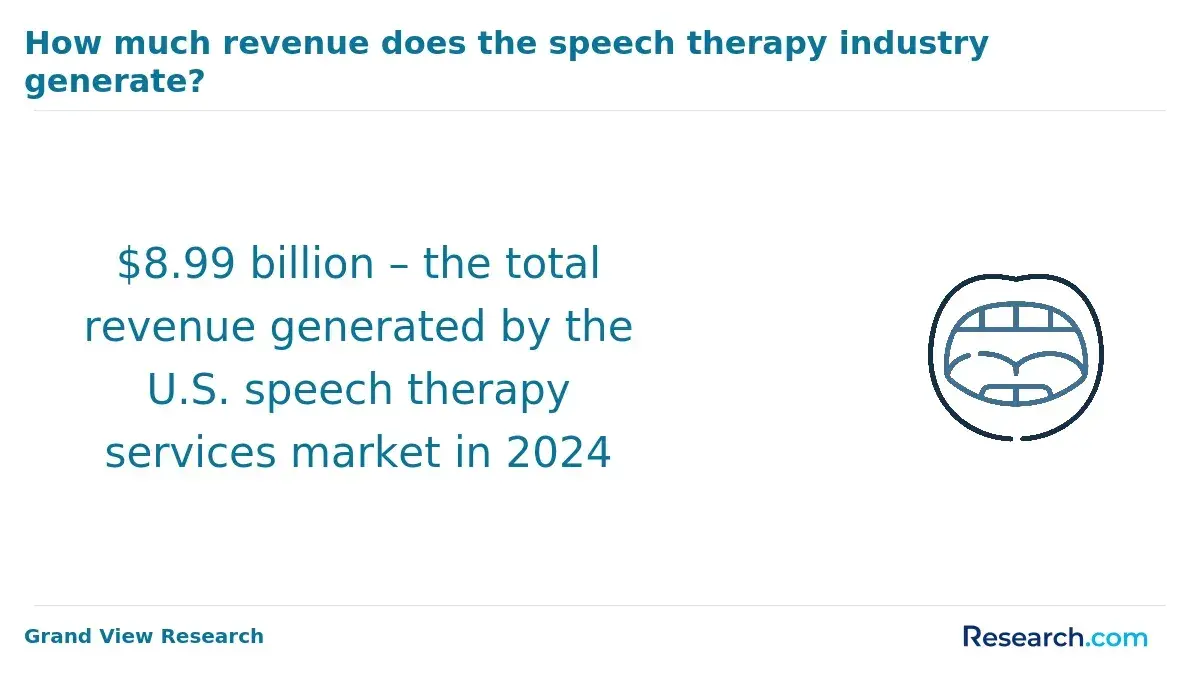
Demand for speech-language pathologists is rising, driven by demographic trends. The U.S. aging population is projected to reach 82 million adults aged 65 and older by 2050, a 47% increase since 2022, according to Health eCareers. This demographic shift will expand the need for services addressing speech and swallowing disorders, making a career in speech pathology a potentially rewarding investment.
Speech-language pathologist salaries in 2026 reflect strong earning potential influenced by experience, setting, and location. Entry-level professionals generally start around $60,000 annually, while seasoned clinicians earn between $80,000 and $95,000. Specialized positions in medical centers or high-demand school districts may exceed $100,000. The Bureau of Labor Statistics reports a median wage near $82,000, with continued salary growth expected due to expanding healthcare needs.
Employment opportunities for speech pathologists are growing rapidly, with projected job growth of about 21% over the decade. This increase is driven by an aging population requiring therapy for conditions such as stroke and dementia, along with expanded early intervention services for children with developmental delays. Job stability is notable, as unemployment rates for this field have remained below 1% for over a decade.
Location significantly impacts job prospects and benefits:
- Urban areas provide more jobs but also have higher competition and living costs.
- Rural areas often offer incentives like loan forgiveness and signing bonuses due to practitioner shortages.
- Work settings vary widely, including schools, hospitals, outpatient clinics, and home health services, each with unique salary and security profiles.
Certifications such as the Certificate of Clinical Competence (CCC) and advanced degrees enhance earning potential and career advancement. Professional development remains important for staying competitive in this evolving field.
What SLP Certifications and Licensing Are Needed?
Obtaining the Certificate of Clinical Competence in Speech-Language Pathology (CCC-SLP) from the American Speech-Language-Hearing Association (ASHA) is a key credential for U.S. speech-language pathologists. This requires a master's or doctoral degree from an accredited program, completing at least 1,260 supervised clinical fellowship hours, and passing the Praxis Examination in Speech-Language Pathology. The CCC-SLP is often necessary for state licensure and employment in many clinical environments.
State licensure is required to practice independently, with each state setting its own standards often aligned with ASHA but sometimes imposing additional requirements like jurisprudence exams or continuing education credits. Licenses generally must be renewed every 1-3 years, based on professional development documentation.
Those working in public schools usually need extra teaching certification or a state-issued teaching license with a speech pathology endorsement to meet both academic and practical criteria.
Since 53% of speech pathologists leave their initial positions within two years (Zippia), early awareness of state-specific licensing timelines is essential. Delays in licensing may hinder permanent job placement or affect income during the clinical fellowship. Preparing ahead for certification exams and tracking supervised hours can help alleviate such challenges.
Other Things You Should Know About Speech Pathology
SLP students should prioritize CEUs in aphasia, dysphagia, voice, motor speech disorders, and cognitive-communication therapy. ASHA-certified SLPs must earn 30 professional development hours every 3 years, so choosing adult-focused coursework early helps students build a strong, licensure-ready clinical profile.
Working with adults can involve managing complex conditions like aphasia, dysphagia, or cognitive-communication disorders following neurological events. Speech pathologists must navigate emotional and psychological barriers clients may experience. Additionally, coordinating care with other healthcare professionals is critical but can be challenging.
Effective communication and empathy are crucial skills for speech pathologists. Patience and cultural sensitivity help build trust with diverse adult clients. Strong organizational and documentation skills are also important due to detailed record-keeping and adherence to regulatory requirements in healthcare settings.
- U.S. Bureau of Labor Statistics - Speech-Language Pathologists https://www.bls.gov/ooh/healthcare/speech-language-pathologists.htm
- ASHA EdFind - Accredited Speech-Language Pathology Programs https://find.asha.org/ed/
- O*NET OnLine - Speech-Language Pathologists https://www.onetonline.org/link/summary/29-1127.00
- New England Institute of Technology - Master of Science in Speech Language Pathology https://www.neit.edu/academics/graduate-degrees/speech-language-pathology-ms
- Idaho State University - Master of Science in Speech-Language Pathology (Online/Distance Education) https://www.isu.edu/slp/programs-offered/slp-graduate-program/
- Pepperdine University - Master of Science in Speech-Language Pathology https://healthscience.pepperdine.edu/online-masters-in-speech-language-pathology/
- Maryville University - Master of Science in Speech-Language Pathology https://www.maryville.edu/masters/speech-language-pathology/
- University of Wisconsin-Eau Claire - Master of Science in Speech-Language Pathology (Online) https://www.uwec.edu/speech-language-and-hearing-sciences-department/graduate-program/speech-language-pathology-online