2027 Cheapest Accredited Online Health Administration Degree Programs: Tuition, Fees, and Financial Aid

Co-Founder and Chief Data Scientist
Choosing the cheapest accredited online health administration degree is harder than comparing tuition rates. Mandatory fees, transfer rules, aid eligibility, and program length can change the real price by thousands. The U.S. Bureau of Labor Statistics reports a May 2024 median pay of $117,960 for medical and health services managers, which makes cost and return on investment especially important.
This guide is for students comparing online healthcare management programs and explains how to identify affordable accredited options, calculate total cost, use financial aid, and avoid programs that look inexpensive only in advertised tuition.
Key Things You Should Know
- The lowest advertised tuition is not always the lowest net price: a $199-per-credit program can cost less than many flat-rate options, but FAFSA grants, employer tuition benefits, transfer credits, and mandatory online fees can change the final amount a student pays.
- Among commonly cited low-cost accredited online options, public universities with special online or state-supported rates, such as UNC Pembroke, Georgia eMajor-affiliated programs, Fort Hays State University, and Southeast Missouri State University, often publish some of the most competitive undergraduate health administration or healthcare management tuition rates.
- For aid planning, the federal Pell Grant maximum is $7,395 for the current award cycle, but students must confirm that the school participates in Title IV aid and that the specific online degree is eligible before assuming FAFSA funding applies.
What Are the Cheapest Accredited Online Health Administration Degree Programs?
The cheapest accredited online health administration degree programs are usually offered by public universities with online tuition caps, state-supported tuition models, or transfer-friendly bachelor completion formats. For most students, the best comparison is not simply "tuition per credit," but the estimated cost to finish the degree after applying transfer credits, fees, and financial aid.
The table below highlights affordable accredited online bachelor's-level options in health administration, healthcare management, health services administration, or closely related fields. Tuition and fee policies change often, so use these figures as a shortlisting tool and verify the current catalog, program page, and student account fee schedule before enrolling.
| School | Online health administration-related program | Published affordability signal | Cost factor to verify | Best fit |
| University of North Carolina at Pembroke | Online health administration or healthcare-focused bachelor's pathway, depending on catalog options | NC Promise pricing has historically made in-state tuition especially low, with out-of-state tuition also below many public university rates | Online course fees, residency classification, and whether all required major courses are available online | North Carolina residents and cost-focused transfer students |
| Clayton State University | Online healthcare management or health administration-related eMajor pathway | Georgia eMajor programs commonly use a flat online per-credit structure that is competitive nationally | Institutional fees, eMajor participation rules, and upper-division course availability | Students seeking predictable online pricing |
| Georgia Southwestern State University | Online long-term care management or healthcare administration-related program | eMajor-style pricing can make total tuition easier to estimate across semesters | Internship, practicum, and state-specific long-term care requirements | Students interested in healthcare operations or long-term care leadership |
| Fort Hays State University | Online health studies or health care administration-related bachelor's pathway | Fort Hays is widely known for low online undergraduate tuition compared with many public universities | Program-specific fees, general education transfer fit, and total credits needed after transcript review | Students wanting a public university with a long-running online division |
| Southeast Missouri State University | Online healthcare management or health administration-related bachelor's pathway | Online undergraduate tuition is often competitive for nonresident students compared with traditional out-of-state rates | Course fees, transfer articulation, and whether online tuition differs by program | Out-of-state online students comparing public universities |
| Western Governors University | Online healthcare administration or health services-related competency-based bachelor's option | Flat six-month term pricing can reduce total cost for students who complete courses quickly | Number of terms needed, resource fees, and pace realistically possible while working | Self-directed adult learners with transfer credit or healthcare experience |
| University of Maine at Presque Isle | YourPace healthcare administration-related bachelor's option, depending on current offerings | Subscription-style sessions can be inexpensive for students who complete many courses per term | Session fees, major availability, transfer maximums, and academic pacing expectations | Motivated transfer students comfortable with self-paced study |
| Southern New Hampshire University | Online BS in Healthcare Administration | Not always the lowest sticker price, but transfer-friendly policies may reduce total cost for students bringing prior credits | Remaining credits after transfer evaluation and availability of scholarships or employer discounts | Students who value flexible scheduling and broad transfer pathways |
A program can be "cheap" in different ways. A public university may have the lowest per-credit tuition for students with few transfer credits, while a competency-based program may be cheaper for an adult learner who can finish quickly. A private nonprofit program with a higher sticker price may still have a lower net price if a student receives a strong institutional grant or employer benefit.
For a fair comparison, calculate the price under your own enrollment scenario: credits remaining, enrollment pace, residency status, aid eligibility, and likely time to completion. The cheapest program for a first-time student is not always the cheapest program for a transfer student who already has 60 to 90 credits.
How Were the Cheapest Online Health Administration Degree Programs Ranked?
The most useful affordability ranking should start with accredited programs and then compare total expected cost, not just the first tuition number shown on a school website. This matters because health administration degrees may be housed in business, public health, health sciences, or professional studies departments, and each school may apply different online fees or course charges.
The ranking logic below reflects how students should evaluate affordability before applying. It gives the most weight to costs that directly affect the student bill and uses quality checks to avoid rewarding low-cost programs that may not support a good outcome.
- Confirm institutional accreditation from an accreditor recognized by the U.S. Department of Education or the Council for Higher Education Accreditation.
- Identify whether the health administration, healthcare management, or health services administration degree is fully online or requires campus visits, internships, or local placements.
- Record tuition per credit, flat-rate term tuition, or subscription tuition using the school's current undergraduate catalog or tuition page.
- Add mandatory university, online learning, technology, graduation, proctoring, and course fees that apply to online students.
- Estimate total cost based on the number of credits the student must actually complete at that institution after transfer review.
- Check whether the program participates in federal financial aid and whether students can use Pell Grants, federal loans, state grants, military benefits, or employer tuition assistance.
- Review value indicators such as transfer flexibility, student support, completion expectations, healthcare-focused coursework, internship options, and career relevance.
This approach protects students from a common mistake: ranking a school first because its per-credit tuition is low while ignoring a residency requirement, a high online fee, or a long path to graduation. A transparent ranking should always explain what is included, what is excluded, and which assumptions apply.
How Can You Verify the Accreditation of an Online Health Administration Degree Program?
Accreditation is the first affordability filter because an unrecognized credential can become expensive if credits do not transfer, employers question the degree, or students cannot access federal financial aid. For most online health administration degrees, institutional accreditation is the baseline requirement; programmatic accreditation may add value for certain graduate or specialized programs but is not always required for bachelor's-level healthcare administration roles.
Students comparing health administration with clinical paths, such as online nursing degrees, should pay close attention to the difference between institutional accreditation and program-specific approval. Clinical programs often have additional licensure-linked requirements, while health administration programs usually focus on management, finance, policy, ethics, quality improvement, and healthcare operations.
Use this accreditation checklist before submitting an application or deposit. It is especially important when a program advertises low tuition, fast completion, or "career-ready" healthcare leadership training.
- Search the school in the U.S. Department of Education's recognized accreditation database and confirm the institution name, accreditor, and active accreditation status.
- Check the school's federal Title IV participation if you plan to use FAFSA-based aid, because accreditation alone does not automatically mean every program is aid-eligible.
- Ask whether the specific online health administration degree appears on the same accredited catalog as the campus program, if a campus version exists.
- Confirm whether any required internship, practicum, or capstone can be completed in your state and whether the school has placement restrictions.
- For master's-level health administration programs, ask whether the program has CAHME accreditation or whether employers in your target market prefer it.
- Save written confirmation from admissions or the registrar about accreditation, financial aid eligibility, transfer credit acceptance, and state authorization.
A red flag is a school that says it is "approved," "licensed," or "internationally recognized" but does not clearly identify a recognized accreditor. Approval to operate is not the same as institutional accreditation, and it may not protect transferability or aid eligibility.
How Much Does an Accredited Online Health Administration Degree Really Cost?
The real cost of an accredited online health administration degree includes tuition, mandatory fees, books or digital materials, technology requirements, transfer evaluation costs, and the number of credits a student must complete at the school. The advertised tuition rate is only one part of the bill.
Health administration is usually less expensive than highly clinical healthcare degrees because it does not require the same level of lab equipment or clinical rotation oversight. Students comparing management-focused programs with clinical doctoral paths, such as online pharmacist programs, should remember that tuition models, professional fees, and licensure-related costs can differ substantially by healthcare field.
The table below shows how the same per-credit tuition can lead to different total prices depending on fees and credits remaining. These are comparison scenarios, not school-specific bills, and they show why transfer credit and mandatory fees matter.
| Cost scenario | Tuition model | Credits or terms needed | What it means for affordability |
| Low per-credit public online program | About $200 to $275 per credit | 120 credits for a full bachelor's degree, fewer for transfer students | Often strong for students starting from scratch, but fees and residency rules can change the final cost |
| Flat-rate competency-based program | One price per six-month term | Total cost depends on how many terms the student needs | Can be very affordable for fast completers, but expensive for students who need extra terms |
| Private nonprofit online program | Often higher per-credit tuition | Remaining credits after transfer review | May become competitive if the student receives grants, scholarships, employer assistance, or major transfer credit |
| Bachelor completion pathway | Upper-division online pricing | Usually designed for students with prior college credit | Can reduce cost sharply if prior credits apply directly to general education and elective requirements |
To estimate your real cost, separate the numbers into three layers. First, calculate direct tuition. Second, add required fees and materials. Third, subtract grants, scholarships, employer benefits, and other gift aid to estimate net price.
A practical formula is: credits remaining multiplied by tuition per credit, plus mandatory fees and materials, minus gift aid. If a school uses term-based tuition, replace credits with the number of terms you realistically expect to need.
Which Tuition Models Make Online Health Administration Degree Programs More Affordable?
Online health administration programs use several tuition models, and each rewards a different kind of student. The most affordable model depends on whether you are a first-time student, a transfer student, a working adult, a military-affiliated learner, or someone who can study full time.
Students who want to finish quickly may also compare health administration pathways with broader accelerated degree programs. Acceleration can lower cost only when the program's tuition structure lets faster completion reduce the number of paid terms or semesters.
The comparison below summarizes the main tuition structures and the affordability trade-off each one creates.
| Tuition model | How it works | When it may be cheaper | Risk to watch |
| Per-credit tuition | Students pay for each credit attempted | Best for part-time students and students taking only the credits they need | Repeating or withdrawing from courses can add cost |
| Flat-rate semester tuition | Students pay one rate for a credit range | Best for full-time students who can handle a heavier course load | Part-time students may not benefit from the flat rate |
| Competency-based tuition | Students pay by term and complete as many competencies as they can | Best for disciplined students with prior knowledge or transfer credit | Slow progress can make the program more expensive than expected |
| Subscription or session tuition | Students pay for a set period and complete available coursework during that session | Best for motivated learners who can complete multiple courses quickly | Academic pacing, course availability, and work obligations can limit savings |
| In-state public tuition | Residents pay a lower rate at public universities | Best for students who qualify for residency and state grant programs | Nonresidents may face higher rates unless the school has online tuition discounts |
Before choosing a tuition model, ask the school to provide a degree plan showing required courses, accepted transfer credits, estimated terms to completion, and all required fees. A low-rate program is only a good deal if the schedule, transfer policy, and support services make completion realistic.
What Fees and Hidden Costs Should Online Health Administration Degree Students Expect?
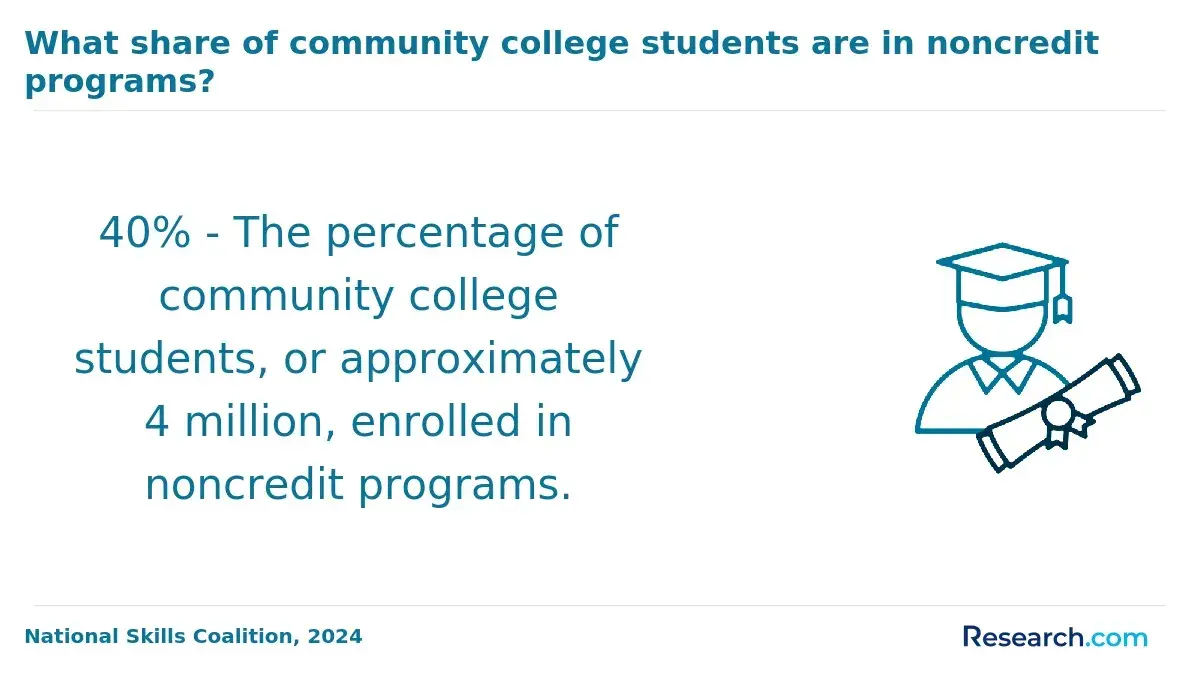
Online students often avoid housing, commuting, and campus meal costs, but they do not avoid all fees. Health administration programs may include technology fees, online course fees, books, digital platforms, proctoring, graduation fees, transcript fees, and sometimes internship-related expenses.
The following fee categories are worth checking before you compare programs. Even modest per-course or per-term fees can change the ranking when two schools have similar tuition.
- Online learning or distance education fees that apply to every online course or credit.
- Technology fees for learning platforms, student systems, library access, or virtual support tools.
- Digital textbook, access code, or inclusive access charges that may be billed automatically.
- Proctoring fees for exams that require identity verification or remote monitoring.
- Program, lab, simulation, or software fees for courses involving healthcare data, analytics, finance, or compliance tools.
- Internship, practicum, or field experience costs, including background checks, immunization documentation, travel, or placement paperwork.
- Graduation, diploma, transcript, and prior-learning assessment fees.
- Payment plan fees or late fees if the student pays out of pocket during the term.
One common mistake is assuming that "online tuition" includes every required charge. Ask for a full estimated cost of attendance for your enrollment level and request a sample bill for one term. If a school cannot explain recurring fees clearly, treat that as a comparison risk.
How Does FAFSA and Federal Financial Aid Work for Online Health Administration Degree Programs?
FAFSA-based aid can apply to many accredited online health administration degree programs if the institution participates in federal student aid and the student meets eligibility rules. Online delivery by itself does not disqualify a program, but not every accredited school or certificate pathway is Title IV eligible.
The federal Pell Grant maximum is $7,395 for the current award cycle, and unlike loans, Pell Grant funds generally do not have to be repaid if the student remains eligible. For affordability comparisons, this means a higher-tuition school may cost less out of pocket than a lower-tuition school if the aid package is stronger.
Use these steps to compare financial aid before committing to a program. The goal is to compare net price, not just the school's advertised cost.
- Submit the FAFSA using accurate income, dependency, and household information.
- List each school you are seriously considering so it can prepare an aid offer.
- Confirm that the online health administration degree is eligible for federal aid, not just that the institution is accredited.
- Review the aid offer and separate gift aid from loans, work-study, and payment plans.
- Compare the estimated cost of attendance with the amount of grants and scholarships offered.
- Ask whether aid changes if you enroll part time, take summer courses, transfer credits, or complete the degree faster than planned.
- Borrow only after calculating the amount you still need after grants, scholarships, savings, and employer benefits.
Avoid treating the full aid offer as "free money." Grants and scholarships reduce net price, while loans shift the cost into future repayment. For working adults, part-time enrollment can also affect aid amounts, so ask the financial aid office to model both full-time and part-time scenarios.
Which Scholarships, Grants, and Tuition Benefits Can Help Pay for an Online Health Administration Degree?
Scholarships, grants, and tuition benefits can make a meaningful difference in the net price of an online health administration degree. Grants are usually need-based and do not require repayment, scholarships may be based on merit, background, employer, field of study, or service commitment, and tuition benefits are often provided by employers, military programs, or state workforce initiatives.
Some students enter healthcare administration after starting in clinical education, while others begin with management coursework first. If you are still deciding between clinical and administrative routes, lower-cost clinical entry options such as an online ASN may be part of a longer healthcare career plan, but the aid rules and licensure requirements will differ from a nonclinical administration degree.
The funding sources below are especially relevant for online health administration students because many are working adults or transfer students. Always ask whether awards are renewable and whether online students qualify on the same terms as campus students.
- Federal Pell Grants for eligible undergraduate students with financial need.
- State grants for residents attending eligible public or private institutions.
- Institutional scholarships for online, transfer, adult, first-generation, military-affiliated, or healthcare-focused students.
- Employer tuition assistance or reimbursement from hospitals, clinics, insurance companies, long-term care organizations, public health agencies, or healthcare technology employers.
- Union, professional association, or community foundation scholarships for healthcare workers and local residents.
- Military tuition assistance, GI Bill benefits, and spouse or dependent education benefits for eligible students.
- Workforce development grants in regions facing healthcare staffing, administration, or rural health access needs.
Do not assume that a scholarship listed on a school website applies automatically. Ask whether it requires full-time enrollment, a minimum GPA, a separate application, annual renewal, or enrollment in a specific major concentration.
Can Transfer Credits, Prior Learning, and Competency-Based Study Lower the Cost of an Online Health Administration Degree?
Transfer credit is often the biggest cost-saving tool for online health administration students. Because many programs require about 120 credits for a bachelor's degree, a student who transfers 60 credits from a community college may cut the number of university credits in half if those courses apply cleanly to the degree plan.
Nurses and allied health workers sometimes move into healthcare leadership after completing clinical credentials, and some may compare administration programs with RN to BSN online programs when planning advancement. The best path depends on whether the student needs a clinical credential, a management credential, or both.
Use these strategies to reduce the number of paid credits or terms required. Each strategy should be confirmed in writing before enrollment because transfer and residency rules vary by school.
- Request an official transfer evaluation before committing, not just an informal admissions estimate.
- Ask how many credits can transfer toward general education, electives, business core, health administration core, and upper-division requirements.
- Check the residency requirement, which is the minimum number of credits that must be completed at the degree-granting school.
- Use community college credits strategically for lower-division general education if the university has an articulation agreement.
- Ask whether professional certifications, military training, healthcare work experience, or standardized exams can count through prior-learning assessment.
- For competency-based programs, estimate how many courses you can realistically complete per term while working and managing other obligations.
- Avoid taking extra electives before confirming they apply to your chosen health administration degree plan.
The common mistake is transferring many credits but losing time because they count only as general electives. The right question is not "How many credits will you accept?" but "How many accepted credits reduce the courses I still need to graduate?"
How Should Students Compare the Net Price, Quality, and Return on Investment of Online Health Administration Degree Programs?
The best-value online health administration degree is the one that combines a manageable net price with recognized accreditation, relevant coursework, flexible completion, and credible student support. Affordability matters, but the lowest sticker price can be a poor value if students cannot finish, cannot transfer credits, or do not gain skills that match healthcare employer expectations.
The labor market gives health administration students a reason to evaluate return on investment carefully. The Bureau of Labor Statistics projects medical and health services manager employment to grow 29% from 2023 to 2033, much faster than average, but this does not mean every graduate will qualify for management roles immediately. Experience, location, employer type, graduate education, and healthcare knowledge all influence outcomes.
The table below summarizes how to compare programs beyond tuition. Use it to identify which schools deserve a deeper conversation with admissions, financial aid, and academic advising.
| Comparison factor | Why it matters | Better value indicator |
| Net price | Shows what you may pay after grants and scholarships | Clear aid offer separating gift aid from loans |
| Total credits to graduate | Determines actual tuition more than the advertised rate alone | Written degree plan after transfer evaluation |
| Accreditation | Supports aid eligibility, transferability, and employer recognition | Institutional accreditation from a recognized accreditor |
| Curriculum fit | Health administration roles require finance, compliance, quality, data, leadership, and operations skills | Courses aligned with healthcare management responsibilities |
| Student support | Online learners often need advising, tutoring, career services, and flexible scheduling | Dedicated online advisors and transparent course rotation |
| Completion path | A cheap program becomes expensive if required courses are unavailable when needed | Predictable online schedule and realistic time-to-degree plan |
| Career relevance | Healthcare administration is experience-sensitive | Internship, capstone, employer partnerships, or applied healthcare projects |
Before enrolling, ask schools direct questions that reveal the true value of the program. These questions can prevent expensive surprises after the refund deadline.
- What is my estimated total cost after transfer credits, mandatory fees, and expected aid?
- Which fees are charged every course, every term, or only at graduation?
- Is the online degree eligible for FAFSA-based aid, state grants, military benefits, and employer reimbursement?
- How many students in my program complete fully online without schedule delays?
- Are internships, practicums, or capstones required, and can they be completed where I live?
- What healthcare administration roles do recent students pursue, and what career support is available to online learners?
- If I enroll part time, will tuition, aid, course availability, or time to graduation change?
The safest decision is to compare at least three accredited programs using the same assumptions: credits remaining, enrollment pace, fees, aid, and completion timeline. A slightly higher-cost program may be the better value if it accepts more transfer credits, offers stronger advising, or provides a clearer path to graduation.
Other Things You Should Know About Health Administration
Yes, an online health administration degree can be respected when it comes from a properly accredited institution and the curriculum matches healthcare management needs. Employers generally care about accreditation, relevant experience, skills, and whether the degree level fits the role.
Most general healthcare administration roles do not require a license. However, nursing home administrator roles and some long-term care leadership positions may require state licensure, exams, supervised experience, or specific coursework.
A bachelor's degree can support entry-level administrative, coordinator, operations, billing, compliance, or practice management roles. Senior leadership roles may prefer or require a master's degree, healthcare experience, or specialized knowledge in finance, quality improvement, analytics, or policy.
These majors often overlap, but emphasis can differ by school. Health administration may focus broadly on healthcare systems and leadership, healthcare management may emphasize business operations, and health services administration may focus on service delivery, policy, and organizational coordination.
References
- Online MHA Programs Ranked by Affordability (2025) https://www.mhaonline.com/blog/affordable-online-mha-programs-ranked
- Online Master of Health Administration (MHA) Degree | WCU https://westcoastuniversity.edu/online-programs/master-health-administration
- Online Healthcare Administration Degrees with Financial Aid https://www.edumed.org/online-schools/healthcare-administration-degrees/financial-aid/
- 2026: The Most Affordable MBA Programs in Health Administration with AACSB, ACBSP or IACBE Accreditation https://mhadegree.org/the-most-affordable-mba-programs-in-health-administration/
- Future Students https://www.aupha.org/resourcecenter/futurestudents
- 25 Great Scholarships for Healthcare Management Students - Healthcare Management Degree Guide https://www.healthcare-management-degree.net/great-scholarships-for-healthcare-management-students/
- The Power of Accreditation in Healthcare Education https://esl.aquinasnetwork.com/blog/the-power-of-accreditation-in-healthcare-education/
- Healthcare Administration Scholarships https://www.healthadministrationdegrees.com/healthcare-administration-scholarships/
- improvement process in undergraduate medical education ... https://mededpublish.org/articles/14-13/pdf