2027 Cheapest Accredited Online Health Administration Degree Programs That Accept FAFSA

Co-Founder and Chief Data Scientist
Choosing an online health administration degree is a cost decision as much as a career decision. The field is expanding quickly: the U.S. Bureau of Labor Statistics projects medical and health services manager employment to grow 29% from 2023 to 2033. That demand makes the degree attractive, but only if tuition, aid, accreditation, and transfer policies make financial sense.
This guide is for students comparing FAFSA-eligible online programs and explains how to identify genuinely affordable options, estimate net cost, avoid debt traps, and choose a program that supports career goals.
Key Things You Should Know
- The cheapest FAFSA-eligible online health administration programs often cost about $179 to $380 per credit at public or nonprofit institutions, but the lowest advertised tuition is not always the lowest net cost after grants, transfer credits, and fees.
- FAFSA participation means a school can process federal student aid, not that every student will receive grants; the maximum Federal Pell Grant for the 2024-25 award year is $7,395.
- Regional or national institutional accreditation is essential for federal aid, transferability, employer acceptance, and graduate school options; programmatic accreditation may matter more for specific graduate-level healthcare management goals.
Which Are the Cheapest Accredited Online Health Administration Degree Programs That Accept FAFSA?
The cheapest accredited online health administration degree programs that accept FAFSA are typically offered by public universities, competency-based nonprofit universities, and select private nonprofit institutions with transparent online tuition.
The programs below are representative low-cost options with institutional accreditation and federal student aid participation; students should confirm the current tuition, fees, and program availability before applying because rates can change by residency, term, and enrollment status.
This table compares affordable online bachelor's-level health administration or closely related healthcare management programs. Use it as a starting point for narrowing your list, not as a substitute for a personalized financial aid estimate from each school:
| School | Online degree option | Published tuition structure | Accreditation status | FAFSA participation | Best fit |
| Western Governors University | B.S. Healthcare Administration | Flat-rate term tuition; students may complete more courses per term | Institutionally accredited by NWCCU | Yes | Self-paced adults who can progress quickly |
| Fort Hays State University | Online health administration or health studies-related pathway | Low per-credit online tuition for undergraduate students | Institutionally accredited by HLC | Yes | Students seeking a public university price point |
| University of Central Florida | B.S. Health Services Administration | Lower in-state tuition; higher out-of-state tuition | Institutionally accredited by SACSCOC | Yes | Florida residents and transfer students |
| Florida International University | Bachelor of Health Services Administration | Lower in-state tuition; higher out-of-state tuition | Institutionally accredited by SACSCOC | Yes | Students wanting a large public online program |
| Columbia Southern University | B.S. Health Care Administration | Flat per-credit tuition model | Institutionally accredited by SACSCOC | Yes | Working adults needing flexible pacing |
| Southern New Hampshire University | B.S. Healthcare Administration | Flat online undergraduate tuition per credit | Institutionally accredited by NECHE | Yes | Students wanting frequent start dates and broad support |
| American Public University | B.S. Healthcare Administration | Flat online undergraduate tuition per credit | Institutionally accredited by HLC | Yes | Military-affiliated and working adult students |
| Charter Oak State College | B.S. Health Care Administration | Per-credit tuition with transfer-friendly structure | Institutionally accredited by NECHE | Yes | Students bringing substantial prior credits |
A bachelor's degree in health administration usually covers healthcare finance, policy, ethics, data systems, human resources, quality improvement, and operations. Students pursuing clinical careers should compare this path with healthcare degrees that lead to licensure; for example, some readers may also research online nursing degrees if they want patient-care credentials rather than administrative roles.
How Does FAFSA Eligibility Work for Online Health Administration Degree Programs?
FAFSA eligibility starts with the institution, not the delivery format. If an accredited school participates in federal student aid programs, eligible online students can usually use the FAFSA to be considered for federal grants, federal loans, and some campus-based aid, as long as the program itself is aid-eligible and the student meets enrollment and academic progress rules.
The most important distinction is that "accepts FAFSA" does not mean "free." FAFSA is the application used to determine aid eligibility, while the final aid package depends on financial need, enrollment intensity, cost of attendance, prior aid usage, citizenship or eligible noncitizen status, and whether the student has already earned a bachelor's degree.
Before enrolling, verify these points directly with the financial aid office because online programs can differ from campus programs at the same university:
- Confirm that the school has a valid federal school code and participates in Title IV federal student aid programs.
- Ask whether the specific online health administration degree is eligible for federal aid, not just whether the university participates in FAFSA.
- Check the minimum credit load required for grants, loans, and institutional scholarships.
- Ask whether accelerated, competency-based, or subscription-style terms affect disbursement timing.
- Review satisfactory academic progress rules, including GPA, pace of completion, and maximum time frame.
A common mistake is assuming that FAFSA eligibility automatically covers the full bill. In reality, aid may include loans that must be repaid, and grant eligibility can change if income, dependency status, enrollment level, or prior degree history changes.
How Much Does an Online Health Administration Degree Cost After Financial Aid?
The real cost of an online health administration degree is the total price after grants, scholarships, transfer credits, employer assistance, and required fees are applied. Published tuition is useful, but net price is the number that matters for budgeting and borrowing.
For undergraduate students with high financial need, the Federal Pell Grant can meaningfully reduce cost. The maximum Pell Grant for the 2024-25 award year is $7,395, which can cover a large share of annual tuition at some low-cost online public programs but may cover much less at higher-priced private or out-of-state programs.
The table below shows how cost can change depending on tuition structure and aid. These are comparison scenarios, not promises, because each student's aid package depends on FAFSA results and school policy:
| Cost scenario | Example tuition pattern | How FAFSA aid may affect cost | What to watch |
| Low-cost public in-state online program | Lower per-credit tuition for state residents | Pell Grant and state aid may cover a significant portion of tuition | Residency rules, online fees, and limited course availability |
| Flat-rate competency-based program | One term price regardless of course load | Aid may be disbursed by term and pace requirements may apply | Best value only if the student completes courses quickly |
| Private nonprofit online program | Moderate per-credit tuition with frequent starts | Institutional scholarships may reduce the published price | Scholarship renewal rules and total borrowing |
| Out-of-state public online program | Higher tuition for nonresidents at some universities | Federal aid may help but may not offset the residency premium | Whether the school offers a separate online tuition rate |
| Transfer-heavy completion pathway | Student enters with associate degree or prior credits | Aid covers fewer remaining credits, reducing total borrowing | How many credits the school actually accepts toward the major |
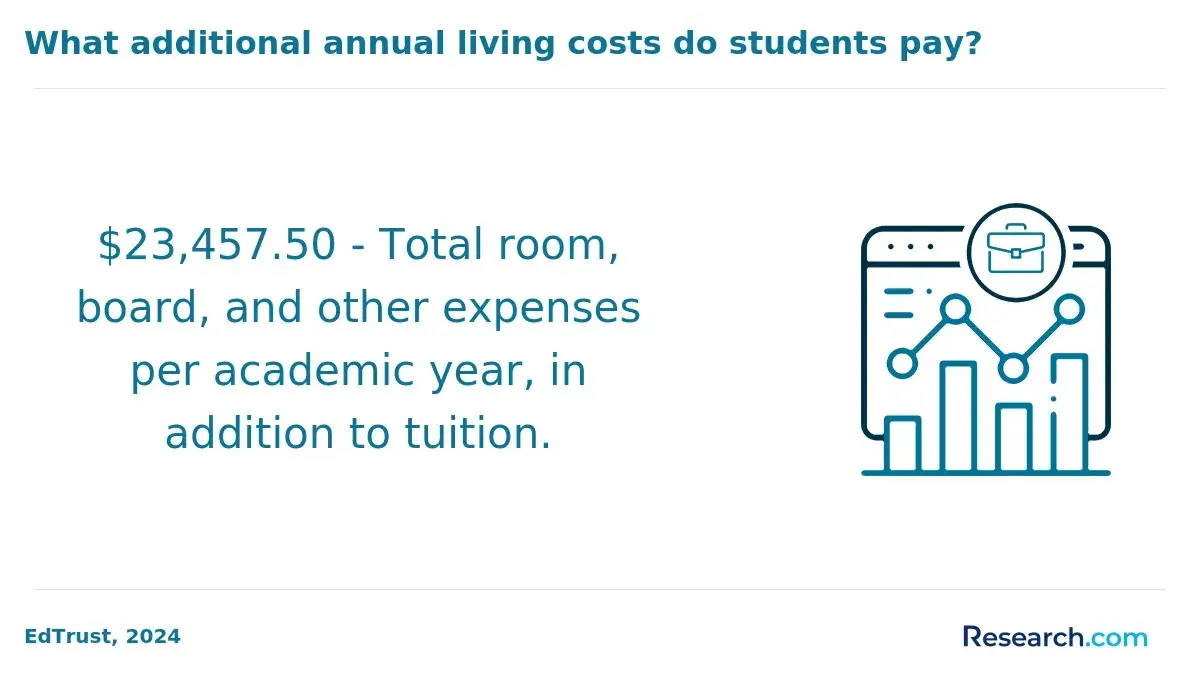
Students should compare the full cost of attendance, not only tuition. Online students may still pay technology fees, graduation fees, books, proctoring costs, background checks for internships, and prior learning assessment fees.
Which Affordable Online Health Administration Degree Programs Offer the Best Value?
The best-value program is not always the one with the lowest per-credit tuition. Value comes from the combination of low net price, accreditation, transfer acceptance, flexible scheduling, student support, relevant curriculum, and realistic career alignment.
Use the following framework to compare programs that appear affordable. It helps separate genuinely low-cost degrees from programs that look cheap but become expensive because of fees, repeated courses, or poor credit transfer:
- Calculate total remaining credits, not the full catalog degree length, if you already have college credit.
- Request a written transfer evaluation before committing to enrollment.
- Compare net price after grants and scholarships rather than sticker tuition.
- Ask whether online students qualify for the same institutional scholarships as campus students.
- Check whether courses are asynchronous, synchronous, or competency-based, because format affects how many credits you can complete while working.
- Review student support services such as advising, tutoring, career coaching, internship help, and healthcare employer connections.
- Compare curriculum relevance, especially healthcare finance, analytics, compliance, quality improvement, and health information systems.
A lower-cost health administration degree can be a strong choice for students who want nonclinical roles in hospitals, clinics, insurance organizations, long-term care, public health agencies, or healthcare technology companies.
Students who want direct clinical advancement may find better alignment in paths such as online ASN programs, which are designed around nursing licensure rather than administrative preparation.
Are the Cheapest Online Health Administration Degree Programs Properly Accredited?
Cheapest does not automatically mean unaccredited, but affordability should never be evaluated separately from accreditation. For FAFSA eligibility, the school must be accredited by an agency recognized by the U.S. Department of Education and must be approved to participate in federal student aid programs.
There are two accreditation levels to understand. Institutional accreditation applies to the college or university as a whole and is the key accreditation type for federal aid, transfer credit, and general employer recognition.
Programmatic accreditation applies to specific programs and may be useful for some healthcare management graduate programs, but it is not always required for entry-level administrative roles.
Before applying, take these practical steps to avoid accreditation mistakes:
- Search the school in the U.S. Department of Education's recognized accreditation database or ask the school for its accreditor's name.
- Confirm the accreditor applies to the institution offering the online program, not only to a partner or former campus.
- Ask whether the online degree transcript is the same credential as the campus degree.
- Check whether credits are likely to transfer to public universities or graduate programs you may want later.
- Be cautious if a school avoids clear answers about accreditation, federal school code, graduation rates, or total cost.
Accreditation also affects long-term flexibility. If you later want a master's degree in health administration, public health, business administration, or informatics, an accredited bachelor's degree is usually the safer foundation.
What FAFSA Grants and Federal Aid Can Pay for an Online Health Administration Degree?
FAFSA can open access to several forms of federal aid, but each type works differently. Grants reduce out-of-pocket cost without repayment in most cases, while loans can make enrollment possible but increase future repayment obligations.
For the 2024-25 award year, the maximum Federal Pell Grant is $7,395. That figure is important because it gives high-need undergraduate students a benchmark for estimating how much annual tuition might be offset before loans are considered.
Common FAFSA-related aid options include the following:
- Federal Pell Grant: Need-based aid for eligible undergraduate students who generally have not already earned a bachelor's degree.
- Federal Supplemental Educational Opportunity Grant: Additional need-based grant aid at participating schools, usually limited by campus funding.
- Direct Subsidized Loan: Undergraduate loan based on financial need, with the federal government covering interest during certain enrollment periods.
- Direct Unsubsidized Loan: Federal loan not based on financial need, available to many undergraduate and graduate students within annual limits.
- Parent PLUS Loan: Federal loan option for eligible parents of dependent undergraduate students.
- Work-study: Part-time employment aid at participating schools, though availability for fully online students may vary.
Federal aid can make an online degree more accessible, but students should still compare alternatives across healthcare education. For example, students deciding between administration and clinical advancement may also evaluate RN to BSN online programs if they already hold an RN license and want a nursing-focused bachelor's pathway.
How Do Transfer Credits Lower the Cost of an Online Health Administration Degree?
Transfer credits can be one of the biggest cost reducers for an online health administration degree because most bachelor's programs require about 120 credits. If a school accepts an associate degree, general education credits, military training, professional certifications, or prior learning credits, the student may pay for far fewer courses.
The cost impact is straightforward: every accepted transfer credit is usually one less credit you must buy from the new school. However, transfer value depends on how credits apply. A school may accept credits as electives but still require you to complete major, upper-division, or residency credits.
Ask each school for a written transfer evaluation that answers these questions before you enroll:
- How many credits will transfer into the degree?
- How many credits apply directly to general education, major, and elective requirements?
- What is the minimum number of credits that must be completed at the institution?
- Are healthcare, business, military, or professional training credits eligible for prior learning assessment?
- Will old science, statistics, or technology courses expire after a certain number of years?
- How will transfer credits affect financial aid eligibility and enrollment status?
Students trying to finish quickly should compare transfer-friendly options with accelerated degree programs, especially if speed, employer reimbursement deadlines, or promotion timelines matter. The fastest option is not always the cheapest, but a shorter completion timeline can reduce living costs and opportunity costs.
Which Students Benefit Most From a Low-Cost Online Health Administration Degree With FAFSA?
A low-cost FAFSA-eligible online health administration degree is most useful for students who need a recognized credential for administrative, supervisory, or operations roles but want to limit borrowing. It is especially practical for working adults, transfer students, military-affiliated students, parents, and students who live far from campus-based public universities.
The degree can fit students who want to work in healthcare without becoming licensed clinicians. Common role areas include patient services coordination, medical office management, health insurance operations, compliance support, revenue cycle work, long-term care administration support, and healthcare project coordination.
This path tends to be a strong fit when the student has one or more of these goals:
- Moving from frontline healthcare support into supervisory or administrative work.
- Completing a bachelor's degree with substantial transfer credits.
- Using Pell Grants, state aid, employer tuition assistance, or military education benefits to reduce borrowing.
- Studying online while working full time or caring for family.
- Preparing for graduate study in health administration, public health, informatics, or business later.
However, students should avoid choosing purely by price if they need a clinical credential, licensure preparation, or specialized training that a health administration degree does not provide. For example, healthcare workers comparing administrative and clinical routes may want to review online pharmacist programs only if their long-term goal requires pharmacy education and professional licensure.
How Does the Cost of an Online Health Administration Degree Affect Career ROI?
Career ROI depends on the relationship between total education cost, debt, completion time, current work experience, and the kinds of jobs the degree can realistically support. A low-cost accredited degree can improve ROI by reducing the amount of salary growth needed to justify the investment.
The salary ceiling varies widely by role and experience. The U.S. Bureau of Labor Statistics reported a median annual wage of $110,680 for medical and health services managers in May 2023, with the data published in the current Occupational Outlook Handbook cycle. This figure is not an entry-level guarantee; it represents a management occupation where experience, organization size, location, and graduate education can matter.
Students should estimate ROI conservatively. A bachelor's degree may help qualify for coordinator, specialist, office manager, or assistant administrator roles, while higher-level executive or director positions may prefer a master's degree and significant healthcare experience.
Use this decision rule: the cheaper program is usually better when accreditation, curriculum, support, and completion likelihood are comparable. A more expensive program may be worth considering if it accepts more transfer credits, offers stronger employer connections, has better scheduling for working adults, or provides scholarships that lower the actual net price.
How Should Students Choose the Cheapest FAFSA-Eligible Online Health Administration Degree?
The best choice is the accredited FAFSA-eligible program with the lowest realistic net cost that still fits your schedule, transfer history, support needs, and career goal. To avoid overpaying, compare schools using the same assumptions for credits remaining, aid eligibility, fees, and time to completion.
Follow this sequence before committing to a program. It is designed to prevent the most common mistakes students make when comparing online degrees:
- Build a shortlist of accredited schools that clearly offer an online health administration or healthcare management degree.
- Confirm the school participates in federal student aid and that the specific online program is aid-eligible.
- Submit the FAFSA and request a financial aid estimate from each school.
- Send official or unofficial transcripts early and ask for a written transfer evaluation.
- Calculate total remaining tuition, mandatory fees, books, technology costs, and graduation fees.
- Subtract grants, scholarships, employer aid, military benefits, and tuition discounts before comparing loan amounts.
- Ask how many terms it will likely take to finish based on your work schedule and course availability.
- Review accreditation, curriculum, student support, internship options, and career services.
- Compare expected borrowing with realistic career outcomes in your local healthcare market.
- Choose the program that offers the best combination of low debt, completion likelihood, flexibility, and recognized credential value.
Red flags include vague tuition pages, pressure to enroll before receiving an aid estimate, unclear accreditation claims, unusually high fees, poor transfer transparency, and promises about jobs or salaries. A trustworthy school should be able to explain total cost, aid eligibility, transfer rules, and graduation requirements in writing.
Other Things You Should Know About Health Administration
Many programs can be completed fully online, especially bachelor's completion programs. However, some may require internships, practicums, capstone projects, proctored exams, or location-based experiential work, so confirm requirements before enrolling.
They overlap but are not always identical. Health administration often emphasizes systems, policy, compliance, and operations, while healthcare management may focus more on leadership, staffing, budgeting, and organizational performance. Schools use the terms differently, so compare course requirements.
Most bachelor's programs do not require healthcare experience, though it can help with internships, class projects, and job searches. Master's programs and management-track roles may place more value on prior healthcare or supervisory experience.
Often, yes. Employer tuition assistance can sometimes be combined with federal aid, but the school may count employer payments when calculating the final aid package. Ask both the employer and financial aid office how payments are applied.
References
- 2025 Most Affordable Online Master's in Healthcare Administration https://www.onlineu.com/most-affordable-colleges/healthcare-administration-masters-degrees
- Online MHA Programs Ranked by Affordability (2025) https://www.mhaonline.com/blog/affordable-online-mha-programs-ranked
- Online Health Science Degrees with Financial Aid https://www.edumed.org/online-schools/health-science-degrees/financial-aid/
- Master of Health Administration - Online https://www.unthealth.edu/tcom/public-health/online-master-of-health-administration.html
- How Long is an Online Master's Degree Program? OnlineEducation.com https://www.onlineeducation.com/faqs/how-long-to-earn-masters-degree
- Types of Financial Aid for Online Colleges https://www.umassglobal.edu/blog-news/types-financial-aid-online-colleges
- Health Administration Degree Financial Aid https://www.healthadministrationdegrees.com/financial-aid-guide/
- Online Medical Assistant Program With Financial Aid (2026) https://www.clinicalskillsinstitute.com/post/online-medical-assistant-program-with-financial-aid
- New Data on Completion Rates | HESA https://higheredstrategy.com/new-data-on-completion-rates/