2027 How to Become a Nutritionist in New Hampshire

Co-Founder and Chief Data Scientist
Becoming a nutritionist in New Hampshire can mean very different things depending on the title you want to use, the clients you want to serve, and whether you plan to work in clinical care. The biggest decision is whether you want to offer general nutrition guidance as an unlicensed nutrition professional or meet the stricter requirements to become a licensed dietitian or Registered Dietitian Nutritionist (RDN).
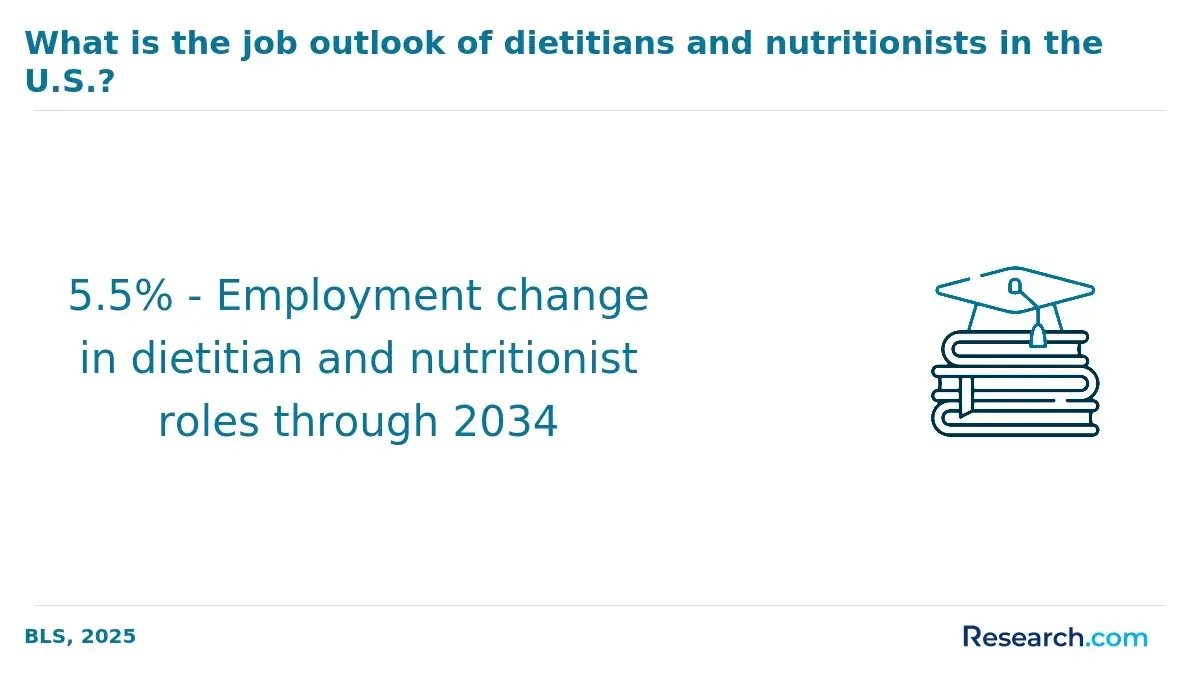
This guide explains the education, licensing rules, certification choices, costs, timelines, career options, and practical steps involved in building a nutrition career in New Hampshire. It is designed for students, career changers, wellness professionals, and health workers who want a realistic view of the field before investing time and money. With dietitians and nutritionists projected to see 7% job growth through 2034, compared with 4% for all occupations, nutrition remains a relevant healthcare and wellness career path, but the best route depends on your goals.
Quick answer: How do you become a nutritionist in New Hampshire?
New Hampshire does not regulate every person who uses the title nutritionist in the same way it regulates dietitians. If you want to practice as a dietitian or use protected dietitian titles, you must meet state and professional credentialing requirements. If you want to work in general wellness, coaching, community education, or non-clinical nutrition, you may be able to practice without state licensure, but voluntary certification and a strong educational background can improve credibility and job options.
- Nutritionists in New Hampshire generally are not required to hold a state license unless they practice under dietitian-related protected titles or roles.
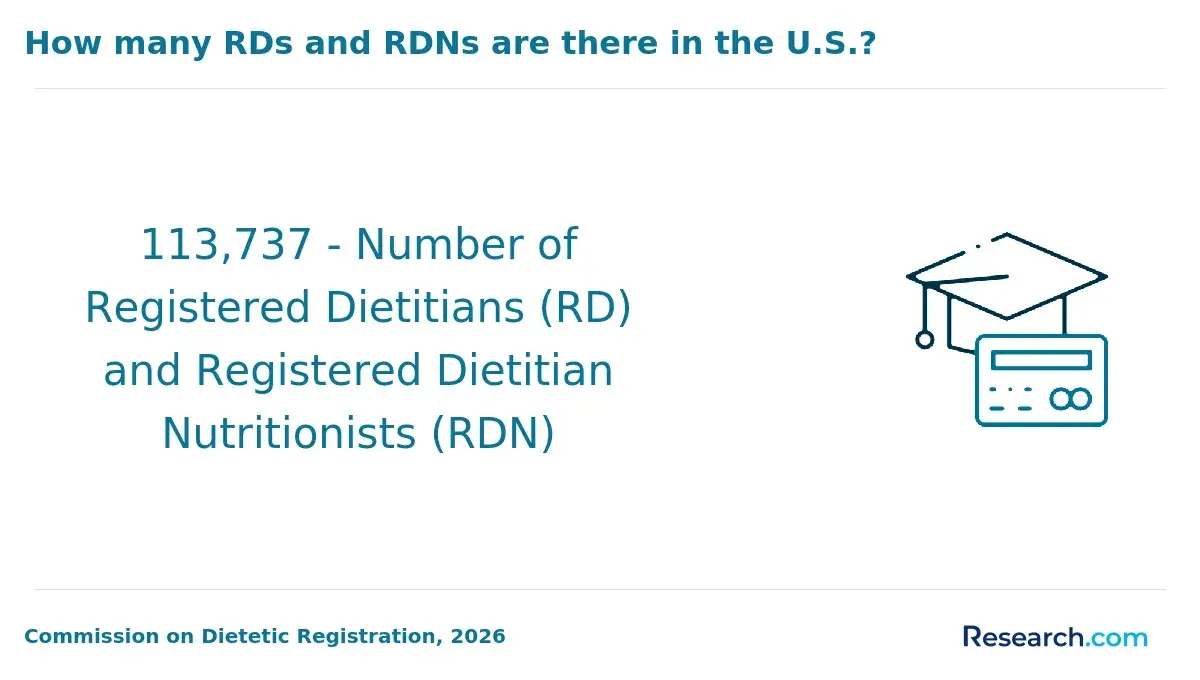
- The RDN pathway requires a qualifying degree, accredited supervised practice, and successful completion of the Commission on Dietetic Registration (CDR) exam.
- Dietitian regulation is handled through New Hampshire’s health-related licensing structure, while non-licensed nutritionists must still avoid misleading claims and stay within their scope of practice.
- Common voluntary credentials include certifications connected with the National Association of Nutrition Professionals (NANP) and the American Nutrition Association (ANA).
- Career readiness depends on more than a credential. Employers often value supervised experience, communication skills, behavior-change knowledge, and the ability to work with healthcare teams.
- Education requirements for nutritionists in New Hampshire
- Licensing rules for nutritionists and dietitians
- How long the pathway usually takes
- Certification options to consider
- Practical experience and supervised training
- Typical costs of becoming a nutritionist
- Salary and job outlook in New Hampshire
- Career advancement options
- Nutrition support in behavioral health and recovery
- Continuing education and advanced training
- Nutrition specialization options
- Using technology in nutrition practice
- Common challenges in the field
- Legal responsibilities and scope of practice
- Collaboration with nurses
- Collaboration with pharmacists
- Emerging nutrition trends
- Moving from nutritionist to registered dietitian
- Whether a nursing license can help nutritionists
- Practice management and administrative systems
- Interdisciplinary career expansion
- Working with nurse practitioners
What are the educational requirements to become a nutritionist in New Hampshire?
The right education depends on whether you want a non-clinical nutrition career or a credentialed dietetics career. For general nutrition coaching, wellness education, or community health roles, a degree or certificate in nutrition can help you build knowledge and credibility. For dietitian roles, the educational pathway is more formal and must align with accredited dietetics standards.
- Bachelor’s degree: A bachelor’s degree in nutrition, dietetics, food science, public health, health education, or a related field is the most common academic starting point. Students comparing programs should review curriculum depth, science prerequisites, supervised learning options, and total price. Research.com’s guide to nutritional science degree cost can help you understand how degree expenses fit into long-term career planning.
- Master’s degree: A graduate degree is not always required for general nutrition roles, but it can strengthen preparation for clinical, public health, research, leadership, or specialized practice. It may also be important for students pursuing advanced credentials.
- Accredited dietetics programs: Students who want the RDN credential should prioritize programs accredited by the Accreditation Council for Education in Nutrition and Dietetics (ACEND). In New Hampshire, the University of New Hampshire offers a Bachelor of Science in Nutrition and a Master of Science in Nutritional Sciences, both of which may support preparation for nutrition-related careers.
- Certificate and online options: Non-licensed nutritionists may choose certificates, online coursework, or targeted training depending on their career goals. The University of New Hampshire offers a Certificate in Food, Nutrition, and Health, which may appeal to students seeking focused education rather than a full degree.
| Education path | Best fit | What to check before enrolling |
| Nutrition certificate | Career exploration, wellness education, or adding nutrition knowledge to another health role | Whether the certificate is recognized by employers or accepted toward further study |
| Bachelor’s degree | Entry-level nutrition, public health, food service, wellness, or preparation for dietetics | Accreditation, science coursework, internship access, transfer credit policy, and total cost |
| Master’s degree | Advanced practice, specialization, leadership, research, or stronger preparation for credentialing | Admission requirements, supervised practice options, clinical preparation, and career outcomes |
| ACEND-aligned dietetics pathway | Students pursuing RDN status or licensed dietitian practice | Whether the program meets current RDN education and supervised practice requirements |
The main mistake to avoid is choosing a program based only on convenience. If your goal is clinical dietetics, verify accreditation and credentialing alignment before you enroll. If your goal is wellness coaching or nutrition education, focus on curriculum quality, ethics, behavior change, and whether the training prepares you to work responsibly within a non-clinical scope.
Is there a licensing requirement to become a nutritionist in New Hampshire?
New Hampshire’s licensing rules are most important for people who want to practice as dietitians or use protected dietitian titles. General nutritionists are not regulated in the same way. This distinction matters because it affects what services you can provide, how you market yourself, and which jobs you can qualify for.
If you plan to become a Registered Dietitian Nutritionist, you should expect a formal credentialing process that includes approved education, supervised practice, and a national exam through the Commission on Dietetic Registration. Dietitians may work in hospitals, long-term care, outpatient clinics, public health settings, schools, and other environments where medical nutrition therapy and clinical documentation may be required.
Non-licensed nutritionists can work in wellness, education, coaching, food access programs, fitness settings, and private consulting, but they must be careful not to imply they hold a protected credential or provide services outside their training. Professionals interested in a patient-care role that combines nutrition knowledge with nursing practice may also compare this path with the steps to become a nutrition nurse.
| Role | State licensure issue | Typical work focus |
| General nutritionist | May practice without state certification if not using protected dietitian titles or regulated clinical services | Wellness coaching, education, lifestyle support, community programs, and general nutrition guidance |
| Registered Dietitian Nutritionist | Requires completion of the RDN pathway and compliance with applicable professional and state requirements | Clinical nutrition, medical nutrition therapy, healthcare team collaboration, food service systems, and public health |
| Certified nutrition professional | Voluntary certification may improve credibility but does not automatically create a protected clinical scope | Specialized coaching, private practice, wellness consulting, or advanced nutrition education |
You may see different job-growth figures cited for the field, including an 11% projected growth rate for dietitians and nutritionists through 2030 from the U.S. Bureau of Labor Statistics. Because projections vary by source, location, and timeframe, use them as directional signals rather than guarantees of employment.
How long does it take to become a nutritionist in New Hampshire?
The timeline can range from several months for limited certificate-based preparation to four to six years for degree-based preparation, and longer for advanced credentials. The RDN route usually takes the most time because it combines college coursework, supervised practice, and exam preparation.
| Step | Typical time involved | Why it matters |
| Bachelor’s degree | About four years | Builds foundational knowledge in nutrition science, biology, food systems, and health promotion |
| Master’s degree | Usually one to two additional years | Can support specialization, leadership, research, or advanced credential preparation |
| Supervised internship or practice experience | Often six months to one year, depending on structure | Develops real-world skills in counseling, assessment, documentation, and client interaction |
| Dietetic internship requirement | At least 900 hours for many pathways referenced by students | Provides the supervised training needed for dietetics practice and credential preparation |
| Additional certification | Several months to one year in some cases | May support specialization or credibility in a targeted practice area |
If you need to enter the workforce quickly, a certificate or health-adjacent role may be a practical first step. If you want clinical authority, broader employer recognition, and stronger advancement options, plan for the longer RDN or graduate-level route.
What are the certification options for nutritionists in New Hampshire?
Certification is not the same as state licensure, but it can help signal training, ethics, and professional commitment. The best credential depends on whether you want clinical dietetics, advanced nutrition science, holistic nutrition, sports nutrition, public health, or wellness coaching.
| Credential or certification path | Common requirements mentioned by candidates | When it makes sense |
| Registered Dietitian Nutritionist (RDN) | Bachelor’s degree or qualifying education, accredited supervised practice, and passing the national examination | Best for clinical care, hospitals, medical nutrition therapy, and roles requiring dietitian credentials |
| Certified Nutrition Specialist (CNS) | Master’s degree in nutrition or a related field, 1,000 hours of supervised practice, and a certification exam | Useful for advanced nutrition practice, research-informed counseling, and specialized work |
| NANP-related certification | Varies by credential and education background | Often considered by holistic nutrition professionals and wellness-focused practitioners |
| ANA-related certification | Varies by credential and professional route | May appeal to practitioners seeking recognition in advanced or science-based nutrition practice |
Before paying for any certification, ask three questions: Does this credential match the work I want to do? Do employers in my target setting recognize it? Does it expand my scope, or does it mainly improve credibility? These questions can prevent you from spending money on a credential that does not support your career plan.
What practical experience is required to become a nutritionist in New Hampshire?
Practical experience is essential because nutrition work depends on more than knowing nutrients and meal plans. Professionals need to communicate clearly, assess client needs, recognize when referral is appropriate, and adapt guidance to medical, cultural, financial, and behavioral realities.
- Clinical exposure: Hospitals, outpatient clinics, long-term care facilities, and community health centers can help students observe patient-centered nutrition care. Dartmouth-Hitchcock Medical Center and similar healthcare organizations may offer learning environments through volunteering, internships, or supervised roles.
- Community nutrition work: Health fairs, food access programs, schools, and public health workshops provide experience with education, outreach, and group instruction. The New Hampshire Food Bank is one example of an organization connected with nutrition education and food security work.
- Research participation: Universities such as the University of New Hampshire may offer opportunities to learn about nutrition research, public health data, dietary behavior, and food access issues.
- Private sector experience: Wellness companies, food businesses, fitness organizations, and health-focused startups can expose students to client service, program design, marketing, and business operations.
Students pursuing the RDN route should prioritize supervised practice that meets credentialing requirements. Students pursuing non-clinical roles should still seek documented, mentored experience because employers and clients often want proof that you can apply nutrition knowledge responsibly.
How much does it cost to become a nutritionist in New Hampshire?
The cost varies widely by credential goal, school type, residency status, program format, and whether you pursue graduate education. Tuition alone may fall between $10,000 and $30,000 annually, depending on whether you attend a public or private institution.
| Cost category | Amount or range stated | How to evaluate it |
| Annual tuition | $10,000 to $30,000 annually for tuition alone | Compare total program cost, not only per-credit tuition |
| Books, supplies, application fees, and course materials | $1,000 to $2,000 each year | Ask whether lab fees, software, background checks, or exam preparation are included |
| Internship-related expenses | $1,000 to $5,000 | Budget for travel, housing, placement fees, professional clothing, and required materials |
| Graduate study | Several thousand dollars each year, depending on program | Review financial aid, employer tuition support, and expected career benefit |
Students considering the University of New Hampshire, Grand Canyon University’s M.S. in Nutrition and Dietetics, or similar programs should request a complete cost sheet. Include tuition, fees, internship costs, exam fees, commuting, technology, and lost income if you reduce work hours.
To reduce expenses, compare public and private options, ask about transfer credits, check whether online coursework lowers living costs, and review Research.com’s list of affordable nutrition science degrees. If you need a flexible undergraduate path, you can also compare a bachelor of nutritional science online with campus-based programs.
What is the job outlook and salary for nutritionists in New Hampshire?
The job outlook for nutrition professionals is shaped by healthcare demand, chronic disease prevention, aging populations, school and community wellness programs, food access initiatives, and consumer interest in healthier eating. In New Hampshire, nutritionists and dietitians can find work across hospitals, schools, public health organizations, wellness centers, private practice, long-term care, and food service management.
Several projections are cited for this field. The article’s source set includes a 7% projected growth rate for dietitians and nutritionists through 2034, an 11% projected growth rate through 2030, and a 13% increase in nutritionist positions in New Hampshire over the next decade, equal to around 30 new job openings each year. These figures should be read carefully because labor projections may differ by source, occupation definition, and timeframe.
- Healthcare demand: Hospitals, clinics, and care facilities need nutrition support for prevention, treatment, recovery, and chronic condition management.
- Community health needs: Public agencies and nonprofits may hire nutrition professionals for education, food access, and wellness initiatives.
- Schools and institutions: Nutrition professionals can support menu planning, nutrition standards, and education programs.
- Private practice and wellness: Some professionals build client-based businesses, but income can vary significantly depending on referrals, insurance, location, and specialization.
The median annual wage for nutritionists in New Hampshire is approximately $61,000, with potential for higher earnings in specialized roles or private practice. Salary is not guaranteed, so compare wages by employer type, credential level, geographic area, and years of experience.
What are the career advancement opportunities for nutritionists in New Hampshire?
Advancement usually comes from one of four moves: earning a stronger credential, specializing, moving into leadership, or combining nutrition with another health discipline. The right path depends on whether you want clinical authority, independent practice, public health impact, or management responsibility.
| Advancement path | What the role may involve | Best for |
| Registered Dietitian Nutritionist | Clinical nutrition assessment, medical nutrition therapy, care planning, and healthcare documentation | Professionals who want hospital, outpatient, long-term care, or regulated clinical roles |
| Corporate wellness consultant | Employee wellness programs, nutrition workshops, health challenges, and workplace education | Nutritionists who enjoy program design and group education |
| Community nutrition educator | Public outreach, food access support, school programs, and prevention-focused education | Professionals motivated by population health and community impact |
| Health coach | Behavior-change support, goal setting, habit formation, and general wellness guidance | Practitioners who prefer one-on-one client work outside clinical dietetics |
| Food service management | Menu planning, food safety coordination, purchasing, nutrition standards, and institutional operations | Nutrition professionals interested in leadership within schools, hospitals, or care facilities |
Major employers in the state include healthcare facilities and educational institutions. For students building the academic foundation for these careers, an online nutrition bachelor’s program may be a useful option when flexibility matters.
How can nutritionists support behavioral health and substance abuse recovery in New Hampshire?
Nutrition can play a supportive role in behavioral health and recovery settings, particularly when clients are rebuilding routines, stabilizing eating patterns, and addressing physical health needs. Nutritionists should not replace licensed mental health or substance use professionals, but they can contribute to team-based care by identifying nutrition barriers, supporting meal planning, and referring clients when behavioral or medical concerns fall outside their scope.
Professionals who want to understand recovery systems, screening, referral, and interdisciplinary care can review Research.com’s guide on how to become a substance abuse counselor in New Hampshire. This can help nutritionists communicate more effectively with counselors, case managers, and healthcare providers.
How can nutritionists pursue ongoing professional development and advanced training in New Hampshire?
Continuing education helps nutrition professionals stay current with research, counseling methods, ethics, food policy, chronic disease prevention, and digital health tools. It also helps practitioners avoid outdated advice and maintain credibility with employers and clients.
- Attend accredited workshops, webinars, conferences, and certificate courses.
- Join professional organizations connected with dietetics, public health, holistic nutrition, or health coaching.
- Seek supervised mentorship before offering services in a new specialty area.
- Track continuing education requirements for any credential you hold.
- Consider graduate study if your goals include clinical practice, research, teaching, or leadership.
Students who want deeper clinical preparation can compare options such as a master's in dietetics. Those exploring career outcomes after graduate nutrition study may also review the best careers to pursue with a nutrition masters degree.
What specialization options are available for nutritionists in New Hampshire
Specialization can help nutritionists stand out, but it should be chosen strategically. A specialty is most valuable when it matches employer demand, client needs, your training level, and your legal scope of practice.
- Clinical nutrition: Focuses on nutrition support for medical conditions, often in hospitals, rehabilitation centers, outpatient clinics, and long-term care. This path is usually strongest for credentialed dietitians.
- Sports nutrition: Supports athletes and active clients with fueling, hydration, recovery, and performance-related nutrition. New Hampshire’s outdoor recreation culture may create demand among fitness-focused populations.
- Pediatric nutrition: Addresses child and adolescent nutrition through schools, community programs, family education, and health initiatives.
- Public health nutrition: Centers on prevention, food access, health equity, community education, and population-level interventions.
- Food systems and sustainability: Connects nutrition with local agriculture, farm-to-table programs, institutional food purchasing, and sustainable eating education.
For example, a sports nutritionist could partner with a local high school to educate student-athletes on fueling, recovery, and hydration. A public health nutritionist might work with community groups to improve access to balanced meals. The strongest specialization is one you can support with training, supervised experience, and clear ethical boundaries.
How can nutritionists integrate technology into their practice?
Technology is changing how nutrition professionals communicate, monitor progress, and manage client care. Telehealth can help reach clients in rural or underserved areas, while secure scheduling systems, digital food journals, wearable data, and client portals can make follow-up more consistent.
Nutritionists should choose tools carefully. Privacy, documentation, informed consent, and data accuracy matter. A mobile app can support accountability, but it should not replace professional judgment. Digital tools are most useful when they make care clearer, safer, and easier to maintain.
| Technology tool | Potential benefit | Risk to manage |
| Telehealth platform | Improves access and scheduling flexibility | Must protect privacy and comply with professional requirements |
| Food tracking app | Helps clients notice patterns and build awareness | Can encourage over-monitoring or inaccurate reporting if used poorly |
| Digital intake forms | Improves preparation before appointments | Should not collect unnecessary sensitive information |
| Practice management software | Supports scheduling, billing, notes, and follow-up | Requires careful setup and consistent documentation habits |
What are the biggest challenges faced by nutritionists in New Hampshire?
Nutrition careers can be rewarding, but the work is not simple. New Hampshire nutritionists may face regulatory confusion, uneven access to services, rural outreach challenges, insurance and billing issues, and the need to distinguish evidence-based care from wellness misinformation.
- Regulatory confusion: Many clients do not understand the difference between a nutritionist, certified nutrition professional, licensed dietitian, and RDN. Practitioners must represent their credentials accurately.
- Access barriers: Rural residents may have fewer local nutrition services, transportation options, or affordable healthy food choices. The New Hampshire Department of Health and Human Services has identified that approximately 20% of residents live in areas classified as food deserts.
- Client behavior change: Nutrition advice only works when it fits a person’s budget, culture, schedule, medical needs, and readiness to change.
- Competition and trust: Social media has increased interest in nutrition but also spread misinformation. Credible professionals need clear communication and evidence-based practice.
- Program funding: Community initiatives may depend on grants or public funding, which can affect job stability.
Government and community efforts such as the “Healthy Eating Active Living” initiative can help address access and education gaps. Still, outreach remains difficult. One New Hampshire nutritionist described organizing a healthy eating workshop with low attendance, then realizing that the problem was not lack of need but lack of awareness and access. That lesson applies broadly: nutrition work often requires community engagement, not just technical knowledge.
What are the legal regulations and responsibilities of nutritionists in New Hampshire?
New Hampshire’s legal framework protects dietitian-related titles and regulates dietitian practice, while general nutritionists are not subject to the same licensure requirements. This creates flexibility, but it also places responsibility on nutritionists to be precise about their qualifications and services.
The titles “dietitian,” “licensed dietitian,” and “L.D.” are protected, meaning they should be used only by individuals who meet the state’s requirements. The New Hampshire Board of Licensed Dietitians oversees dietitian licensure standards, including education and professional practice expectations.
Nutritionists who are not licensed dietitians should avoid diagnosing disease, prescribing medical nutrition therapy, implying licensure they do not hold, or advising clients to change medications or treatment plans. When a client has diabetes, kidney disease, eating disorder symptoms, pregnancy-related complications, gastrointestinal disorders, or complex medical needs, referral to a licensed clinician or RDN may be appropriate.
| Common mistake | Why it is risky | Better approach |
| Assuming “nutritionist” and “dietitian” mean the same thing | They may involve different legal standing, training, and scope | Confirm title protections and credential requirements before advertising services |
| Choosing a school without checking accreditation | The program may not support RDN eligibility or employer requirements | Verify ACEND alignment if dietetics is your goal |
| Focusing only on tuition | Internship costs, supplies, fees, and lost income can change total ROI | Build a full cost estimate before enrolling |
| Assuming online programs meet all career requirements | Some online coursework may not include required supervised practice | Ask directly about credentialing, placement, and licensure preparation |
| Making medical claims outside your training | Can mislead clients and create legal or ethical risk | Use evidence-based education and refer complex cases to qualified clinicians |
Students considering broader health and wellness careers may also compare nutrition with related fields. For example, an exercise science degree can support fitness, rehabilitation, wellness, and performance-related roles; Research.com explains what can you do with an exercise science degree.
How can nutritionists and nurses collaborate to enhance comprehensive care in New Hampshire?
Nutritionists and nurses often see different parts of the same patient story. Nurses may notice medication adherence, vital signs, wound healing, symptoms, and home-care barriers, while nutritionists can support eating patterns, food access, hydration, and nutrition education. When both professions communicate well, care plans become more practical.
Collaboration may include shared patient education, referral protocols, chronic disease programs, discharge planning, and community health workshops. Nutrition professionals who want to understand the nursing role in New Hampshire can review how to become a nurse in New Hampshire.
How can nutritionists collaborate with pharmacists to optimize medication management in New Hampshire?
Pharmacists and nutritionists can work together when clients use supplements, follow restrictive diets, experience side effects, or take medications affected by food intake. Nutritionists should not adjust prescriptions, but they can help identify questions clients should bring to a pharmacist or prescriber.
This collaboration is especially useful for drug–nutrient interactions, supplement safety, hydration issues, and nutrition support during medication changes. Understanding pharmacist licensure requirements in New Hampshire can help nutritionists communicate more effectively with pharmacy professionals.
What are the emerging trends in nutrition research and practice in New Hampshire?
Nutrition practice is becoming more personalized, interdisciplinary, and technology-enabled. Practitioners are paying closer attention to behavior change, food access, chronic disease prevention, gut health research, culturally responsive counseling, sustainable food systems, and digital monitoring tools.
Nutrigenomics is another emerging area, but nutritionists should be careful not to overstate what genetic testing can predict or promise. The best use of new research is evidence-informed, cautious, and transparent with clients. Nutritionists who want to work closely with advanced clinicians may also benefit from understanding graduate healthcare pathways such as the best accredited NP programs in New Hampshire.
How can nutritionists advance their credentials to become a registered dietitian in New Hampshire?
A nutritionist who wants broader clinical opportunities can move toward registered dietitian status by completing the required academic preparation, supervised practice, and national examination process. This transition is most useful for professionals who want to work in hospitals, outpatient clinics, long-term care, medical nutrition therapy, or roles that require dietitian credentials.
Before starting, compare your existing coursework with current dietetics requirements. You may need additional prerequisites, an accredited program, supervised practice placement, and exam preparation. For a step-by-step overview, see Research.com’s guide to the requirements to become a registered dietitian in New Hampshire.
Can nutritionists benefit from pursuing a nursing license in New Hampshire?
A nursing license may benefit nutrition professionals who want direct patient care responsibilities beyond nutrition education. Nursing can expand clinical assessment skills, medication awareness, care coordination, and employment options in hospitals, clinics, schools, and community health settings.
This is not a small add-on credential. It requires separate education, clinical training, licensing exams, and ongoing professional responsibilities. Nutritionists considering this route should first review the board of nursing program requirements in New Hampshire and decide whether the added time and cost match their career goals.
How can nutritionists enhance their practice management and streamline administrative tasks?
Private-practice nutritionists need more than nutrition expertise. They need reliable systems for scheduling, client intake, documentation, billing, privacy, referrals, follow-up, and financial tracking. Weak administrative systems can lead to missed appointments, inconsistent records, unpaid invoices, and compliance problems.
- Use secure digital records rather than scattered notes or personal spreadsheets.
- Create written intake forms, cancellation policies, informed consent forms, and referral procedures.
- Track outcomes and client goals in a consistent format.
- Separate business finances from personal finances.
- Learn basic billing and coding concepts if you work with insurance or healthcare partners.
Nutritionists who want stronger administrative skills can review Research.com’s resource on how to become a medical biller and coder in New Hampshire.
What interdisciplinary career opportunities can expand a nutritionist's expertise in New Hampshire?
Nutrition connects with public health, nursing, exercise science, behavioral health, pharmacy, education, food systems, data analysis, and research. Interdisciplinary training can help nutritionists ask better questions, evaluate evidence more carefully, and communicate with professionals outside their own field.
Some professionals may even draw useful methods from unrelated disciplines, such as structured observation, evidence handling, and analytical reasoning. For readers exploring science-based careers beyond healthcare, Research.com’s guide to forensic scientist education requirements in New Hampshire offers a comparison point for research and analytical skill development.
How can nutritionists collaborate with nurse practitioners to optimize integrated patient care in New Hampshire?
Nurse practitioners and nutritionists can collaborate on prevention, chronic disease support, weight management, gastrointestinal concerns, prenatal wellness, older adult care, and lifestyle counseling. The nutritionist can help translate medical goals into realistic food and behavior strategies, while the nurse practitioner can manage diagnosis, medication, labs, and clinical monitoring.
Strong collaboration requires clear referral criteria, shared documentation expectations, and respect for scope of practice. Nutritionists interested in advanced clinical roles can learn more about how to become a nurse practitioner in New Hampshire.
Questions to ask before choosing a nutrition program in New Hampshire
- Does this program prepare me for the exact role I want: wellness nutritionist, certified nutrition specialist, RDN, public health educator, or another path?
- Is the program accredited or aligned with the credential I plan to pursue?
- What supervised practice, internship, or field placement support is included?
- What is the full cost after tuition, fees, books, commuting, housing, internship expenses, and exam costs?
- Can I transfer prior credits or complete part of the program online?
- What percentage of graduates enter nutrition-related roles, and what types of employers hire them?
- Will the program help me understand ethics, scope of practice, documentation, and referral responsibilities?
- Does the curriculum include counseling skills, behavior change, cultural competence, and evidence evaluation?
Key Insights
- New Hampshire generally distinguishes between unlicensed nutrition guidance and regulated dietitian practice. If you want clinical authority or protected dietitian titles, plan for the RDN route.
- The typical degree-based pathway can take four to six years, with additional time for supervised practice, exams, or specialized credentials.
- Costs can be significant: tuition alone may range from $10,000 to $30,000 annually, with additional expenses for supplies, applications, internships, and certification.
- The field has positive demand signals, including 7% projected growth through 2034 and other cited New Hampshire-related projections, but job outcomes depend on credentials, experience, location, and specialization.
- Voluntary certification can improve credibility, but it does not automatically replace licensure or expand clinical scope.
- Before enrolling, verify accreditation, supervised practice access, total cost, and whether the program supports your intended credential.
- Nutritionists who build interdisciplinary skills in behavioral health, nursing, pharmacy, public health, technology, and practice management may be better positioned for long-term career growth.
Related Articles for Nearby States
- 2027 How to Become a Nutritionist in Vermont
- 2027 How to Become a Nutritionist in Massachusetts
- 2027 How to Become a Nutritionist in Maine
- 2027 How to Become a Nutritionist in New York
- 2027 How to Become a Nutritionist in Connecticut
- 2027 How to Become a Nutritionist in Rhode Island
- 2027 How to Become a Nutritionist in New Jersey
- 2027 How to Become a Nutritionist in Pennsylvania
- 2027 How to Become a Nutritionist in Delaware
- 2027 How to Become a Nutritionist in Maryland
References:
- U.S. Bureau of Labor Statistics. Dietitians and Nutritionists: Occupational Outlook Handbook. https://www.bls.gov/ooh/Healthcare/Dietitians-and-nutritionists.htm BLS Occupational Employment and Wage Statistics
- My Next Move. Dietitians and Nutritionists (O*NET Profile). https://www.mynextmove.org/profile/summary/29-1031.00
- New Hampshire Economic and Labor Market Information Bureau. Occupational Employment & Wages, Statewide. https://www.nhes.nh.gov/elmi/products/documents/wages-state.pdf
- New Hampshire Economic and Labor Market Information Bureau. Occupational Employment & Wages, Manchester Area. https://www.nhes.nh.gov/elmi/products/documents/wages-manc.pdf
- New Hampshire Government. New Hampshire Licensed, Certified, and Registered Occupations. https://mm.nh.gov/files/uploads/nhes/documents/lic-occs-bookmarks.pdf
- New Hampshire Government. Licensed, Certified, and Registered Occupations, full PDF. https://mm.nh.gov/files/uploads/nhes/inline/lic-occs.pdf
- NutritionED.org. New Hampshire Nutritionist Requirements 2026 — Salary & Career. https://www.nutritioned.org/new-hampshire-nutritionist/
- O*NET OnLine. 29-1031.00 Dietitians and Nutritionists. https://apps.onetonline.org/link/details/29-1031.00
- Additional source links preserved from the original article: New Hampshire licensed occupations PDF; New Hampshire licensed occupations bookmarked PDF; Manchester area wage data; statewide wage data; My Next Move profile; BLS Occupational Outlook Handbook
Other Things You Should Know about Becoming a Nutritionist in New Hampshire
In New Hampshire, you do not need a specific license to practice as a nutritionist, unlike dietitians who must be licensed. However, it’s essential to be aware of the state regulations that govern nutrition practice. While the state does not regulate the title "nutritionist," it’s wise to have a solid educational background in nutrition to build credibility and trust with clients.
Consider exploring opportunities in vibrant cities like Concord, where a growing health-conscious community is eager for nutritional guidance. Engaging with local wellness events can enhance your experience and expand your network, making your journey as a nutritionist both fulfilling and adventurous.
In 2027, to become a licensed nutritionist in New Hampshire, you need a bachelor's degree in nutrition or a related field and complete an accredited dietetic internship. Passing the Commission on Dietetic Registration (CDR) exam and fulfilling continuing education requirements are also mandatory for maintaining your license.