2027 How to Become a Licensed Pharmacist in Rhode Island

Co-Founder and Chief Data Scientist
Becoming a pharmacist in Rhode Island requires more than finishing a pharmacy degree. You need an accredited Doctor of Pharmacy education, supervised practice experience, national and state law exams, a Rhode Island Department of Health application, and ongoing continuing education after licensure. The process is demanding because pharmacists make decisions that directly affect medication safety, chronic disease management, immunizations, and patient counseling.
This guide is for students comparing pharmacy schools, pharmacy graduates preparing for licensure, pharmacists moving to Rhode Island from another state, and healthcare professionals considering pharmacy as a career change. You will learn how long the process takes, what Rhode Island requires, what it may cost, whether online study is possible, how renewal works, what pharmacists do, and how to evaluate whether this career path fits your goals.
Quick answer: How do you become a licensed pharmacist in Rhode Island?
To become a licensed pharmacist in Rhode Island, you generally need to earn a Doctor of Pharmacy (Pharm.D.) from an accredited pharmacy program, complete required supervised pharmacy practice experience, pass the North American Pharmacist Licensure Examination (NAPLEX), meet Rhode Island pharmacy law requirements through the Multistate Pharmacy Jurisprudence Examination (MPJE), and submit the required application materials and fees to the Rhode Island Department of Health. After licensure, pharmacists must renew their license and complete continuing education each year.
Key things to know before you start
- License duration: Pharmacist licenses issued or renewed in 2024 are valid for two years and expire on December 31 of even-numbered years.
- Renewal fees: The renewal fee in 2024 is $280. Later renewal cycles are listed at $250.
- Continuing education: Rhode Island pharmacists must complete 15 hours of continuing education each year, including at least five hours in a traditional classroom setting.
- Exam requirement for out-of-state pharmacists: Pharmacists already licensed elsewhere must pass the Rhode Island-specific MPJE.
- Intern status: Pharmacy interns must remain active students and report relevant status changes to the Department of Health.
- What does a licensed pharmacist do?
- How long does it take to become licensed in Rhode Island?
- How do you earn a pharmacy degree in Rhode Island?
- What are Rhode Island’s pharmacist licensure requirements?
- How much does the pharmacist path cost?
- Can you complete pharmacist licensure online?
- What alternative careers can pharmacists pursue?
- What is the job description of a Rhode Island pharmacist?
- What happens if your Rhode Island pharmacist license expires?
- How can pharmacists expand into mental health services?
- How much do Rhode Island pharmacists earn?
- How can pharmacists support substance abuse care?
- How can telepharmacy and digital health affect practice?
- What challenges are shaping pharmacy practice?
- Can administrative skills strengthen a pharmacy career?
- How can pharmacists work with advanced practice professionals?
- How can collaboration with nurses improve pharmacy care?
- Can pharmacists move into nursing roles?
- Can nutrition counseling add value to pharmacy practice?
- What is the job outlook for pharmacists in Rhode Island?
- What does a pharmacist career path look like?
- What pharmacy careers exist beyond retail and hospital roles?
- What certifications and training can improve a pharmacist’s practice?
What is a licensed pharmacist?
A licensed pharmacist is a healthcare professional authorized to prepare, dispense, evaluate, and monitor medications. In Rhode Island, licensure confirms that the pharmacist has completed accredited pharmacy education, passed required exams, and met state standards for safe practice.
Pharmacists do far more than hand out prescriptions. They check for drug interactions, counsel patients on how to take medications correctly, communicate with prescribers, administer certain preventive services when authorized, support medication therapy management, and help patients understand risks, side effects, and adherence strategies.
The required professional degree is the Doctor of Pharmacy, commonly called the Pharm.D. If you are still comparing educational routes, Research.com’s guide to pharmacist degree requirements explains how pharmacy education is structured and what degree level is typically needed.
| Area of practice | What pharmacists commonly do | Why it matters for patients |
| Prescription review | Verify dose, directions, allergies, interactions, and appropriateness | Reduces the risk of medication errors and unsafe combinations |
| Patient counseling | Explain how and when to take medications, what to avoid, and when to call a provider | Improves medication adherence and helps patients use therapies safely |
| Medication management | Review complete medication lists and recommend changes when needed | Supports chronic disease care and lowers the chance of duplicative therapy |
| Public health support | Participate in preventive care services such as immunization-related activities when properly trained | Expands access to basic healthcare services in community settings |
| Regulatory compliance | Follow state and federal pharmacy laws, documentation rules, and professional standards | Protects patients and keeps pharmacy operations legally compliant |
Rhode Island candidates should expect the licensing process to include the NAPLEX, the MPJE, supervised experience, application review, and background-related requirements. These steps are designed to confirm both clinical competence and knowledge of pharmacy law.
How long does it take to become a licensed pharmacist in Rhode Island?
Most future pharmacists should plan for at least 6 to 8 years of education and training before they are ready to practice independently. The exact timeline depends on whether you enter a direct-entry Pharm.D. pathway, complete prerequisite undergraduate coursework first, study full time, or take time between school, exams, and licensure.
| Stage | Typical time commitment | Decision point for students |
| Prerequisite undergraduate coursework | 2-4 years | Some students complete prerequisites before applying; others enter a structured early-assurance or direct pathway. |
| Doctor of Pharmacy program | 4 years | Choose an accredited program that includes required practice experiences and prepares students for licensure exams. |
| NAPLEX and MPJE preparation | Several months | Build a study schedule early, especially for Rhode Island pharmacy law content. |
| Licensure application processing | Several weeks | Submit complete documents and fees to avoid preventable delays. |
A shorter route may be possible for students who enter a coordinated Pharm.D. program directly after high school. A longer route may apply if you complete a separate bachelor’s degree first, study part time where available, need to repeat prerequisites, or delay exams after graduation.
Students interested in advanced academic or research-oriented pharmacy education can also compare options such as the best online doctorate in pharmacy programs, but it is important to distinguish professional Pharm.D. preparation from other doctoral study paths.
How do I get a pharmacy degree in Rhode Island?
The main professional degree for pharmacists is the Doctor of Pharmacy. In Rhode Island, the University of Rhode Island offers a zero-6 PharmD program that allows students to move through pre-professional and professional pharmacy study within one structured pathway.
URI’s program is accredited by the Accreditation Council for Pharmacy Education (ACPE), which matters because graduation from an accredited pharmacy program is a core licensure expectation. Accreditation also helps ensure that the curriculum includes pharmacy sciences, therapeutics, patient care, ethics, law, and supervised practice experiences.
| URI PharmD feature | Reported detail | Why applicants should care |
| Program structure | Zero-6 PharmD program | Students can follow an integrated route from early college study into professional pharmacy training. |
| Admissions demand | The Class of 2028 received 418 applications for 130 available spots. | Applicants should treat admissions as competitive and prepare strong academic and extracurricular records. |
| Academic profile | Admitted students had an average high school GPA of 4.03. | Strong grades are important, especially in science and math preparation. |
| Completion outcome | The program reports an 88% on-time graduation rate. | Completion rates can help students evaluate academic support and program structure. |
| Employment outcome | The program reports a 99% employment rate. | Career outcomes are useful, but students should still ask how employment is measured and what types of roles graduates enter. |
Before choosing a pharmacy school, ask whether the program is ACPE-accredited, how practice placements are assigned, what support is available for NAPLEX and MPJE preparation, and how graduates perform in the job market. You can also review broader career information, including pharmacy work settings and pharmacist career expectations.
Students should also consider fit. A pharmacy degree may be a strong choice if you enjoy chemistry, biology, patient education, and detail-heavy clinical decision-making. It may be a poor fit if you want a short healthcare training path, dislike regulatory work, or are not prepared for several years of intensive science-based study.
What are the requirements to become a licensed pharmacist in Rhode Island?
Rhode Island pharmacist licensure is built around education, exams, supervised experience, application review, and professional fitness. Candidates should confirm current requirements with the Rhode Island Department of Health because forms, fees, and procedures can change.
| Requirement | What it involves | Common mistake to avoid |
| Accredited pharmacy degree | Earn a Pharm.D. from an accredited institution. | Assuming any pharmacy-related degree qualifies for pharmacist licensure. |
| Practice experience | Complete required internship or experiential training under appropriate supervision. | Failing to document hours or status changes properly. |
| NAPLEX | Pass the national exam that assesses readiness for pharmacy practice. | Waiting until after graduation to begin structured exam review. |
| MPJE | Meet Rhode Island pharmacy law requirements through the Multistate Pharmacy Jurisprudence Examination. | Underestimating state-specific pharmacy law and controlled substance rules. |
| Application to RIDOH | Submit required forms, documentation, and fees to the Rhode Island Department of Health. | Sending incomplete materials, which can delay approval. |
| Background and professional standards | Meet ethical, legal, and professional fitness expectations. | Ignoring disclosure requirements or failing to respond promptly to board requests. |
After licensure, Rhode Island pharmacists must keep their credentials active. Licenses renewed during the 2024 cycle are valid for two years and expire on December 31 of even-numbered years. The renewal fee in 2024 is $280, with later cycles listed at $250. Pharmacists must also complete 15 hours of continuing education each year, including at least five hours in a traditional classroom environment.
Continuing education is not just a paperwork requirement. It helps pharmacists stay current with medication safety, changing treatment guidelines, law updates, and new service models. Students who want an earlier entry point into pharmacy work may compare technician education options, including online pharmacy technician programs, but technician training is not a substitute for pharmacist licensure.
How much does it cost to become a licensed pharmacist in Rhode Island?
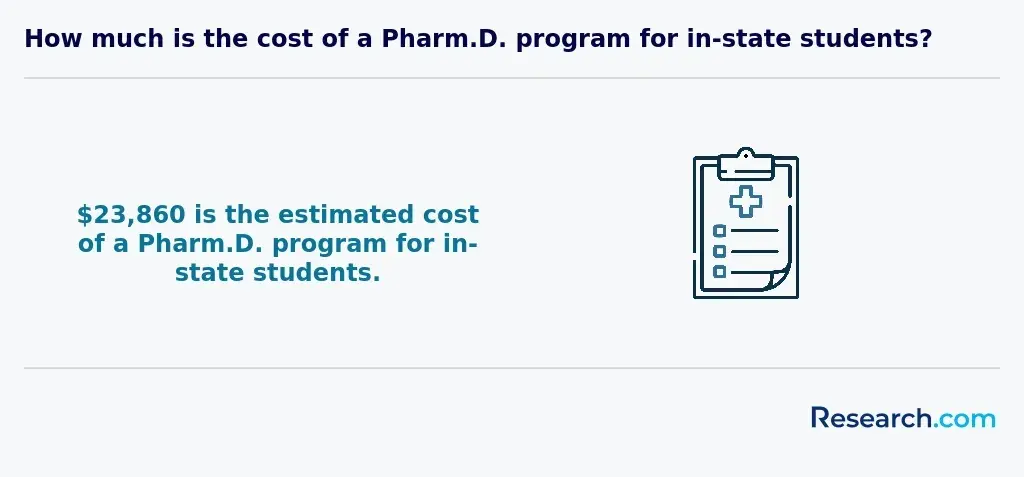
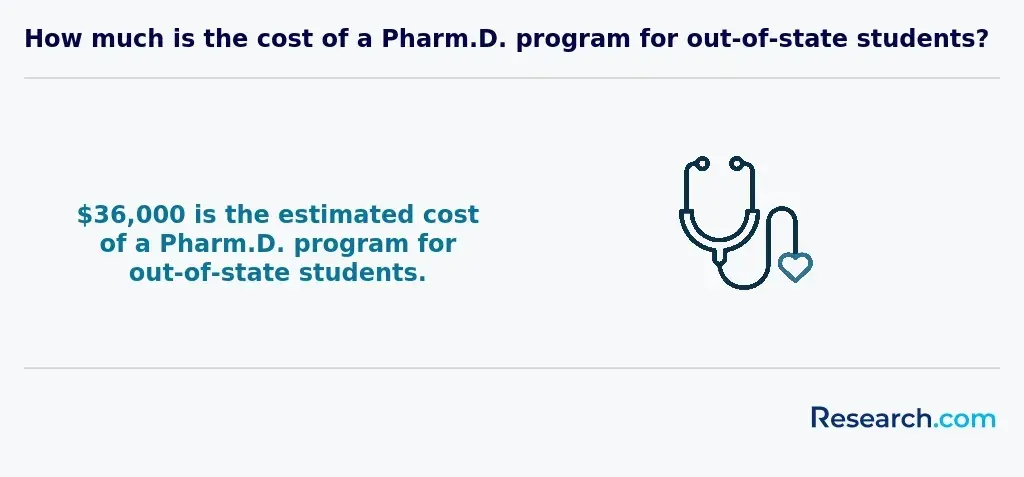
The cost of becoming a pharmacist includes much more than the state license fee. Students should budget for pharmacy school tuition, fees, books, supplies, transportation to practice sites, exam preparation, exam-related costs, licensure application costs, and renewal expenses after becoming licensed.
| Cost category | Amount or range stated | How to plan for it |
| Pharm.D. tuition | $20,000 to over $50,000 annually | Compare public and private program costs, total program length, scholarships, and living expenses. |
| Rhode Island renewal fee | $280 in 2024 | Budget for renewal before the license expiration date. |
| Future renewal cycles | $250 | Track renewal deadlines and fee updates through the state. |
| Exams and preparation | Exact MPJE fees are not specified in the source text. | Set aside funds for registration, study materials, and possible review courses. |
| Continuing education | 15 hours each year | Costs vary by provider, so check employer reimbursement and approved CE options. |
When comparing pharmacy programs, do not focus only on annual tuition. A lower tuition program can become expensive if it requires relocation, long commutes to clinical placements, additional fees, or delayed graduation. A higher-cost program may still be manageable if it offers strong advising, transparent outcomes, and financial aid options.
If you are still deciding whether pharmacy is the right healthcare path, compare education length, licensure requirements, and work settings across fields. Research.com’s overview of requirements for healthcare careers can help you weigh pharmacy against other clinical and administrative roles.
Can I get my pharmacist’s license online in Rhode Island?
No fully online path leads directly to pharmacist licensure in Rhode Island. A Pharm.D. program may include online coursework or hybrid learning, but pharmacist preparation requires in-person labs, clinical training, and supervised practice experiences. Licensure also requires exams and state application review.
Hybrid study can still be useful. Some students benefit from online components because they reduce commuting for selected coursework and make scheduling easier. However, students should confirm exactly which parts of a program are online, which are in person, and where clinical placements occur.
| Option | What can be online? | What usually must be in person? | Best for |
| Traditional Pharm.D. | Limited or supplemental online resources | Labs, practice experiences, assessments, and campus-based learning | Students who want direct access to campus support and peer learning |
| Hybrid Pharm.D. components | Some lectures, modules, or assignments | Clinical rotations, experiential learning, and required hands-on work | Students who need some flexibility but can attend required in-person activities |
| Pharmacy technician education | Some programs may be online | Requirements vary by program and role | Students exploring pharmacy work before committing to a Pharm.D. |
Before enrolling in any online or hybrid pharmacy-related program, verify accreditation, licensure relevance, experiential requirements, and state eligibility. A pharmacy technician program can support entry-level pharmacy exposure, but it does not replace a Pharm.D. for pharmacist licensure.
What is the job description of a licensed pharmacist in Rhode Island?
A Rhode Island pharmacist’s job description depends on the setting, but the core responsibility is safe and effective medication use. Pharmacists may work in community pharmacies, hospitals, long-term care, ambulatory clinics, managed care organizations, government agencies, or pharmaceutical companies.
- Dispense prescriptions: Review prescriptions for accuracy, appropriateness, interactions, allergies, and patient-specific concerns.
- Counsel patients: Explain directions, possible side effects, storage instructions, missed-dose guidance, and warning signs.
- Coordinate with providers: Contact prescribers about therapy questions, dose changes, prior authorizations, or clinical concerns.
- Manage medication therapy: Review medication lists, identify duplications, and support chronic disease treatment plans.
- Support public health: Participate in immunization-related services when properly trained and authorized.
- Maintain compliance: Follow Rhode Island pharmacy law, controlled substance rules, documentation requirements, and professional standards.
- Supervise pharmacy staff: Oversee technicians, interns, workflow, inventory, and dispensing procedures.
The role increasingly requires comfort with digital records, electronic prescribing, patient communication tools, payer requirements, and collaborative care models. Strong pharmacists combine clinical judgment with accuracy, empathy, and workflow discipline.
What are the alternative career options for pharmacists in Rhode Island?
A pharmacy license can support careers beyond retail counters and hospital dispensing. Pharmacists who want a different pace, more policy involvement, specialized patient care, or nontraditional work can use their medication expertise in several directions.
| Career direction | How pharmacy training applies | When it may be a good fit |
| Clinical pharmacy | Medication therapy review, provider collaboration, chronic disease support | You want deeper involvement in patient care teams. |
| Pharmaceutical research and development | Drug knowledge, safety, study support, therapeutic expertise | You are interested in medication innovation and evidence generation. |
| Healthcare policy or regulation | Understanding of pharmacy law, medication access, safety systems | You want to influence standards, compliance, or public health policy. |
| Consulting | Medication use review, quality improvement, compliance analysis | You enjoy solving operational or clinical problems for organizations. |
| Academia | Teaching, precepting, curriculum support, research | You want to mentor future pharmacists and contribute to scholarship. |
| Behavioral health collaboration | Medication counseling, adherence support, referral awareness | You want to work more closely with patients facing mental health or substance use challenges. |
Pharmacists interested in behavioral health may explore adjacent career guides such as how to become a mental health counselor in Rhode Island. That path requires its own education and licensure, but learning the requirements can help pharmacists understand how medication management and counseling services intersect.
What do I do if my pharmacist’s license expires in Rhode Island?
If your Rhode Island pharmacist license expires, do not continue practicing as though it is active. Practicing without a valid license can expose you to disciplinary action, fines, employer consequences, and professional risk. Your first step should be to contact or review instructions from the Rhode Island Department of Health.
- Check your renewal cycle: Licenses renewed in the 2024 cycle are valid for two years and expire on December 31 of even-numbered years.
- Confirm the fee: The 2024 renewal fee is $280, while later renewal cycles are listed at $250.
- Complete continuing education: Rhode Island requires 15 hours of accredited continuing education each year, including at least five hours of in-person training.
- Keep proof: Pharmacists should retain certificates of completion for two years in case RIDOH requests verification.
- Sign required attestations: Renewal may require an affidavit confirming compliance with continuing education obligations.
- Ask about exceptions early: In unusual circumstances, pharmacists may request continuing education exemptions through the State Pharmacy Board.
The safest approach is to maintain a renewal calendar, store continuing education records in one place, and complete requirements well before the deadline. Waiting until December can create avoidable stress if a course is full, documentation is missing, or payment issues occur.
How can pharmacists expand their expertise to include mental health services?
Pharmacists frequently interact with patients who take medications for depression, anxiety, sleep disorders, attention-related conditions, and other behavioral health needs. While pharmacists do not become therapists simply by completing pharmacy training, they can strengthen patient care by improving communication, screening awareness, referral judgment, and collaboration with mental health professionals.
Useful development areas include motivational interviewing, trauma-informed communication, suicide risk awareness, psychiatric medication counseling, and referral workflows. Pharmacists who want to understand a separate counseling licensure pathway can review how to become a marriage and family therapist in Rhode Island. That information can clarify where pharmacy counseling ends and licensed therapy begins.
How much do licensed pharmacists in Rhode Island make?
The source text states that the average salary for a pharmacist in Rhode Island is around $130,000 annually. Entry-level positions may start lower, while experienced pharmacists can earn more than $150,000. Actual pay varies by employer, setting, schedule, specialization, location, and years of experience.
| Salary factor | How it can affect earnings |
| Practice setting | Retail, hospital, clinical, managed care, industry, and consulting roles may have different compensation structures. |
| Experience | New graduates usually earn less than pharmacists with specialized or supervisory experience. |
| Schedule | Evening, weekend, overnight, or high-demand shifts may affect total compensation depending on employer policy. |
| Specialization | Credentials in areas such as immunization, medication therapy management, anticoagulation, or diabetes care may support advancement. |
| Leadership duties | Pharmacy managers, clinical coordinators, and directors often have broader responsibilities and different pay scales. |
Salary should be evaluated alongside student debt, work-life balance, job setting, required credentials, and long-term advancement potential. A high salary does not automatically mean a strong return on investment if education costs, interest, and delayed earnings are substantial.
How can pharmacists integrate substance abuse counseling into their practice?
Pharmacists are often among the most accessible healthcare professionals, which gives them opportunities to notice medication misuse risks, counsel patients on safe use, and refer patients to appropriate care. Their role may include monitoring controlled substance use, educating patients on overdose risks, supporting adherence to treatment plans, and coordinating with prescribers.
Pharmacists who want formal preparation in this area should understand the distinction between pharmacy-based patient counseling and licensed substance use counseling. Research.com’s guide on how to become a substance abuse counselor in Rhode Island outlines a separate professional route for those considering that specialization.
How can telepharmacy and digital health innovations expand my pharmacy practice in Rhode Island?
Telepharmacy, electronic prescribing, remote patient communication, automated dispensing support, and digital medication management tools are changing how pharmacists work. These tools can improve access, speed up communication, and support medication monitoring, but they also add responsibilities related to privacy, documentation, technology reliability, and workflow design.
Pharmacists considering advanced or flexible study options should evaluate whether programs address digital health, remote care, informatics, and medication safety in technology-enabled settings. Cost-conscious students may also compare options discussed in Research.com’s guide to the most affordable online doctorate in pharmacy programs, while remembering that pharmacist licensure still requires appropriate professional education and in-person experiential components.
What are the current challenges impacting pharmacy practice in Rhode Island?
Pharmacy practice is being shaped by regulatory complexity, staffing pressure, payer requirements, digital systems, patient expectations, and the expanding clinical role of pharmacists. These challenges can create tension between fast prescription volume and careful patient-centered care.
- Regulatory change: Pharmacists must keep up with Rhode Island requirements, federal rules, controlled substance standards, and documentation obligations.
- Technology adoption: Electronic prescriptions, telepharmacy tools, and patient portals can improve access but require training and compliance safeguards.
- Workflow pressure: Dispensing, counseling, immunization-related services, insurance issues, and administrative tasks can compete for time.
- Interprofessional coordination: Pharmacists increasingly need to communicate effectively with nurses, prescribers, counselors, dietitians, and administrators.
Professionals who want to compare pharmacy with other direct care roles may review how to become a registered nurse in Rhode Island. Understanding adjacent healthcare pathways can help pharmacists collaborate more effectively and make informed career pivots.
Can pharmacists boost their practice with administrative skills?
Yes. Administrative knowledge can make pharmacists more effective, especially in settings where billing, prior authorization, inventory, compliance, documentation, and payer communication affect patient access. These skills are particularly valuable for pharmacy managers, ambulatory care pharmacists, specialty pharmacy staff, and professionals interested in operations leadership.
Pharmacists who want stronger revenue cycle awareness can explore the fundamentals of medical billing and coding in Rhode Island. This does not replace pharmacy expertise, but it can help pharmacists understand claims workflows, coding language, insurer requirements, and documentation quality.
How can pharmacists collaborate with advanced practice professionals in Rhode Island?
Pharmacists can improve patient care by working closely with advanced practice professionals such as nurse practitioners. Collaborative care can support medication reconciliation, chronic disease management, dose optimization, adverse effect monitoring, and patient education.
Strong collaboration requires clear communication, respect for scope of practice, shared documentation standards, and timely follow-up. Pharmacists who want to understand the preparation and role boundaries of advanced practice nursing can read how to become a nurse practitioner in Rhode Island.
How can interdisciplinary collaboration with nursing professionals elevate pharmacy practice in Rhode Island?
Nurses and pharmacists often see different parts of the same patient story. Nurses may notice symptoms, adherence barriers, and care coordination needs, while pharmacists bring deep medication knowledge. When both professions communicate well, patients benefit from clearer medication instructions, better monitoring, and fewer preventable problems.
Pharmacists can strengthen this collaboration through joint case reviews, discharge planning, medication reconciliation processes, and shared continuing education. Learning more about top nursing schools in Rhode Island can also help pharmacists understand how nursing education prepares professionals for team-based care.
Can pharmacists transition into nursing roles in Rhode Island?
Pharmacists can transition into nursing, but they cannot simply exchange a pharmacy license for a nursing license. Nursing has separate education, clinical training, examination, and licensure requirements. A pharmacist’s background in pharmacology and patient counseling may be helpful, but it does not automatically satisfy nursing scope-of-practice requirements.
Anyone considering this move should compare bridge options, prerequisite coursework, clinical placement expectations, time commitment, and licensing rules. Start with Rhode Island nursing licensure requirements to understand what the nursing pathway demands.
Can integrating nutritional counseling enhance my pharmacy practice in Rhode Island?
Nutrition knowledge can strengthen pharmacy counseling, particularly for patients managing diabetes, hypertension, cardiovascular risk, gastrointestinal conditions, weight-related concerns, or medication-food interactions. Pharmacists should stay within their scope while collaborating with dietitians for individualized nutrition therapy.
Pharmacists who want a deeper understanding of nutrition careers and credentialing can review how to become a registered dietician in Rhode Island. This can help clarify when general medication-related nutrition advice is appropriate and when referral to a registered dietitian is better for the patient.
What is the job outlook for licensed pharmacists in Rhode Island?
The outlook for pharmacists in Rhode Island depends on healthcare demand, retirements, employer needs, patient access models, and the changing role of pharmacists. Traditional dispensing remains important, but many opportunities increasingly involve medication therapy management, immunization-related services, chronic disease support, specialty medications, and collaborative care.
Several forces influence demand. An aging population needs medication support. Healthcare systems continue to rely on pharmacists for safety and adherence. Workforce turnover can create openings. At the same time, automation, retail market changes, and workload pressure may reshape where pharmacists are hired and what skills employers value most.
| Trend | Likely impact on pharmacists | How to prepare |
| Digital health and automation | Routine tasks may become more technology-supported. | Build skills in patient counseling, clinical review, informatics, and workflow management. |
| Expanded clinical services | Pharmacists may take on more patient-facing responsibilities. | Pursue relevant continuing education and document competencies. |
| Interprofessional care | More work may occur in teams with prescribers, nurses, counselors, and dietitians. | Practice concise clinical communication and shared care planning. |
| Regulatory complexity | Compliance knowledge remains essential. | Stay current with Rhode Island pharmacy law and required CE. |
The best employment strategy is to graduate from an accredited program, pass exams promptly, gain strong practice experiences, and build skills that go beyond basic dispensing.
What is a licensed pharmacist’s career path in Rhode Island?
A pharmacist’s career path usually moves from education to licensure, then into entry-level practice, specialization, leadership, or alternative healthcare roles. The path can be linear, but many pharmacists change settings as their interests develop.
- Complete pharmacy education: Earn a Pharm.D. from an accredited institution.
- Finish supervised practice experiences: Meet internship and experiential training expectations.
- Pass licensure exams: Complete the NAPLEX and Rhode Island-specific MPJE requirements.
- Apply for licensure: Submit documentation and fees through the Rhode Island Department of Health. The initial fee stated in the source text is $280, and the license is valid for two years, expiring on December 31 of even-numbered years.
- Begin practice: Work in community pharmacy, hospital pharmacy, ambulatory care, long-term care, specialty pharmacy, managed care, government, or industry.
- Maintain the license: Complete 15 hours of continuing education each year, including at least five classroom-based hours.
- Advance or specialize: Pursue certifications, management roles, clinical specialties, teaching, consulting, research, or policy work.
Rhode Island candidates should also know that exam results are accessed online through the National Association of Boards of Pharmacy rather than through direct score reports from the state. This makes it important to monitor the correct testing and reporting portals during the licensing process.
What career paths are available to pharmacists beyond traditional roles?
Pharmacists who want to move beyond retail or hospital practice can consider research, policy, consulting, academia, informatics, managed care, industry, public health, or behavioral health-adjacent roles. The best option depends on whether you prefer direct patient interaction, data analysis, leadership, teaching, regulatory work, or product-focused work.
Some pharmacists become interested in counseling-related careers after years of patient interaction. That path requires separate preparation and licensure, but reviewing how to become a therapist in Rhode Island can help pharmacists understand the training, supervision, and scope differences between medication counseling and professional therapy.
What additional certifications and training opportunities can enhance my pharmacy practice in Rhode Island?
Additional training can help pharmacists move into more specialized or advanced roles. Useful areas may include immunization training, medication therapy management, anticoagulation, diabetes management, informatics, leadership, specialty pharmacy, behavioral health awareness, and chronic disease education.
| Training area | How it may help | Best suited for |
| Immunization-related training | Supports participation in public health services when permitted and properly completed. | Community and ambulatory care pharmacists |
| Medication therapy management | Strengthens comprehensive medication review and adherence counseling. | Clinical, community, and managed care pharmacists |
| Diabetes or anticoagulation education | Builds expertise in high-risk medication and chronic disease counseling. | Pharmacists in clinics, hospitals, and patient education roles |
| Informatics and digital health | Improves ability to work with electronic prescribing, data systems, and telepharmacy tools. | Pharmacists interested in technology-enabled care |
| Leadership and operations | Supports staff supervision, compliance, workflow design, and quality improvement. | Pharmacy managers and future administrators |
Pharmacists who supervise or collaborate with pharmacy technicians may also benefit from understanding technician education. A pharmacy technician associate degree online can be relevant for technician career development and for pharmacists who want to understand how support staff are trained.
Common mistakes to avoid when pursuing pharmacist licensure in Rhode Island
- Choosing a program without checking accreditation: ACPE accreditation is central to pharmacist licensure preparation.
- Assuming online coursework equals online licensure: Pharmacy licensure requires hands-on training and supervised practice, even if some coursework is online.
- Underestimating the MPJE: Rhode Island pharmacy law is not an afterthought; it is a required competency area.
- Budgeting only for tuition: Include fees, books, supplies, living expenses, exams, study materials, and renewal costs.
- Waiting too long to prepare for renewal: Track continuing education throughout the year instead of rushing near expiration.
- Relying on salary averages alone: Compare debt, work setting, hours, advancement, and long-term fit before deciding the career is worth it.
- Ignoring scope of practice: Mental health, substance abuse counseling, nursing, and dietetics are separate fields with their own licensure rules.
Questions to ask before choosing a pharmacy program or career path
- Is the Pharm.D. program accredited by the Accreditation Council for Pharmacy Education?
- How many students graduate on time, and how are employment outcomes measured?
- Where do students complete practice experiences, and are placements supported by the school?
- What NAPLEX and MPJE preparation resources are available?
- What is the total cost after tuition, fees, supplies, transportation, and living expenses?
- Can transfer credits or prior coursework reduce time or cost?
- Does the program support the practice setting I want: community, hospital, clinical, managed care, research, or industry?
- How will I pay for the degree, and what salary level would make the investment reasonable for me?
- What continuing education or specialty training will I need after licensure?
Here’s what pharmacists say about becoming licensed in Rhode Island
-
: "
Joey described Rhode Island licensure as a major professional milestone because the process combined demanding exam preparation with practical experience. He said supervised training helped him feel more confident when counseling patients and managing real medication decisions.
"
-
: "
Mark emphasized the value of mentorship. He found that guidance from practicing pharmacists helped him understand exam expectations, state requirements, and the patient impact of the profession.
"
-
: "
Kristen noted that Rhode Island’s continuing education expectations kept her engaged after licensure. She viewed ongoing learning as part of maintaining patient safety and professional credibility.
"
Related Articles for Nearby States
- 2027 How to Become a Licensed Pharmacist in Massachusetts
- 2027 How to Become a Licensed Pharmacist in Connecticut
- 2027 How to Become a Licensed Pharmacist in New York
- 2027 How to Become a Licensed Pharmacist in New Jersey
- 2027 How to Become a Licensed Pharmacist in Vermont
- 2027 How to Become a Licensed Pharmacist in New Hampshire
- 2027 How to Become a Licensed Pharmacist in Pennsylvania
- 2027 How to Become a Licensed Pharmacist in Delaware
- 2027 How to Become a Licensed Pharmacist in Maine
- 2027 How to Become a Licensed Pharmacist in Maryland
Key Insights
- Rhode Island pharmacist licensure requires a Pharm.D., supervised practice experience, the NAPLEX, the Rhode Island MPJE, and approval through the Rhode Island Department of Health.
- The full path commonly takes at least 6 to 8 years, depending on prerequisite coursework, Pharm.D. structure, exam timing, and application processing.
- URI offers a zero-6 PharmD program accredited by ACPE, with reported Class of 2028 admissions data of 418 applications for 130 spots and an average high school GPA of 4.03.
- Licenses renewed in 2024 last two years and expire on December 31 of even-numbered years. The 2024 renewal fee is $280, with later cycles listed at $250.
- Rhode Island pharmacists must complete 15 hours of continuing education each year, including at least five hours in a traditional classroom setting.
- A fully online licensure route is not available because pharmacy education requires in-person clinical and experiential training, even when some coursework is delivered online.
- The source text lists the average Rhode Island pharmacist salary at around $130,000 annually, with experienced pharmacists potentially exceeding $150,000; actual pay depends on role, setting, and experience.
- The strongest candidates think beyond licensure: accreditation, total cost, exam preparation, practice setting, renewal obligations, and long-term career fit all matter.
References:
- Rhode Island Department of Health. License To Practice Pharmacy By Examination. https://health.ri.gov/applications/Pharmacist-Exam.pdf
- California State Board of Pharmacy. Frequently Asked Questions: Becoming Licensed as a Pharmacist in California. https://www.pharmacy.ca.gov/forms/exam_info_update.pdf
- University of Rhode Island. Doctor of Pharmacy. https://web.uri.edu/pharmacy/academics/pharmd
- U.S. Bureau of Labor Statistics. Pharmacists. https://www.bls.gov/ooh/healthcare/pharmacists.htm
Other Things You Should Know About Becoming a Licensed Pharmacist in Rhode Island
To become a licensed pharmacist in Rhode Island in 2027, you need a Pharm.D. degree from an ACPE-accredited school, complete 1,500 internship hours, and pass the NAPLEX and MPJE exams. Once these steps are completed, apply for licensure with the Rhode Island Board of Pharmacy.
To become a licensed pharmacist in Rhode Island in 2027, you must earn a Doctor of Pharmacy (Pharm.D.) degree from an ACPE-accredited program, complete requisite internship hours, and pass the North American Pharmacist Licensure Examination (NAPLEX) and the Multistate Pharmacy Jurisprudence Examination (MPJE).