
2027 How to Become a Licensed Pharmacist in Arizona

Co-Founder and Chief Data Scientist
To become a licensed pharmacist in Arizona, you need more than a pharmacy degree. You must complete an accredited Doctor of Pharmacy program or qualify as a foreign pharmacy graduate, document required intern experience, pass national and Arizona law exams, submit an application to the Arizona State Board of Pharmacy, and keep your license active through renewal and continuing education. The process is manageable, but missing one requirement can delay your start date.
This guide is designed for students planning a pharmacy career, pharmacy graduates preparing for licensure, foreign-trained pharmacists, and licensed pharmacists considering a move to Arizona. It explains the full pathway, expected timeline, fees, exam requirements, online study options, salary information, renewal rules, career paths, and practical decisions to make before investing in a PharmD program.
Quick answer: How do you become a licensed pharmacist in Arizona?
Arizona pharmacist licensure generally requires a Doctor of Pharmacy degree from a US-accredited pharmacy program, or a Foreign Pharmacy Graduate Examination Certificate for graduates educated outside the US. Applicants must also prove US citizenship or lawful status, submit a completed application and non-refundable fee, provide evidence of pharmacy education and intern training hours, complete fingerprinting and background checks, and pass required exams such as the NAPLEX and Arizona MPJE after meeting eligibility requirements.
Key requirements to know before you apply
- Graduate from a pharmacy program accredited in the United States, or obtain a Foreign Pharmacy Graduate Examination Certificate if your pharmacy education was completed abroad.
- Show that you are legally eligible to work toward licensure in the US by providing proof of citizenship or lawful status.
- File a complete pharmacist licensure application with the required non-refundable fee.
- Submit documentation of your pharmacy degree and any intern training hours required for your pathway.
- Register for licensure exams only after you meet eligibility rules, including graduation and application approval.
- Complete fingerprinting and background checks as part of Arizona’s review of your professional fitness.
- What does a licensed pharmacist do in Arizona?
- How long does Arizona pharmacist licensure take?
- How do you earn a pharmacy degree in Arizona?
- What are Arizona’s pharmacist license requirements?
- How much does it cost to become licensed?
- Can you complete pharmacist licensure online in Arizona?
- What is the pharmacist job description in Arizona?
- What happens if your Arizona pharmacist license expires?
- How much do Arizona pharmacists earn?
- How can pharmacists build interdisciplinary expertise?
- How is digital health changing pharmacy practice?
- Can pharmacists move into substance abuse counseling?
- How can pharmacists work better with pharmacy technicians?
- Could nursing training strengthen pharmacy practice?
- Which complementary certifications may help pharmacists?
- Could nurse practitioner roles expand clinical opportunities?
- How can pharmacists collaborate with nurses?
- Is nursing dual licensure worth considering?
- How can pharmacists work with registered dietitians?
- What is the pharmacist job outlook?
- What career path can Arizona pharmacists follow?
- What alternative careers can pharmacists pursue?
- How can pharmacists transition to related healthcare careers?
What is a licensed pharmacist?
A licensed pharmacist is a healthcare professional authorized to prepare, dispense, monitor, and counsel patients on medications. In Arizona, pharmacists also help identify drug interactions, explain safe medication use, support immunization and screening services when trained to do so, and work with prescribers to improve treatment plans.
The central credential for this career is the Doctor of Pharmacy, commonly called the PharmD. Most students complete scientific prerequisites before entering the professional pharmacy curriculum, which typically covers pharmacology, chemistry, patient care, medication safety, pharmacy law, and clinical decision-making. Practical experience through internships and rotations is essential because pharmacists must be able to apply drug knowledge in real patient-care settings.
Arizona candidates typically need to pass two major exams before licensure:
- North American Pharmacist Licensure Examination (NAPLEX): This exam measures whether a graduate has the knowledge and judgment needed for pharmacy practice.
- Arizona Multistate Pharmacy Jurisprudence Examination (MPJE): This exam focuses on legal and regulatory standards that apply to pharmacy practice in Arizona.
After licensure, pharmacists must continue learning to keep their credentials active. Continuing education helps pharmacists stay current as drug therapies, technology, regulations, and patient-care models change. If you are comparing this profession with other healthcare roles, this overview of pharmacist job qualifications can help you understand the broader expectations for the field.
| Core pharmacist function | What it means in practice |
| Medication review | Checks prescriptions for accuracy, dosage issues, allergies, and possible interactions. |
| Patient counseling | Explains how and when to take medications, what side effects to watch for, and how to store prescriptions safely. |
| Preventive care support | May provide health screenings and immunizations when authorized and properly trained. |
| Care-team collaboration | Works with prescribers, nurses, dietitians, and other clinicians to support safer medication therapy. |
The chart below shows how licensed and practicing pharmacists are distributed by highest degree, based on AACP data from 2023.
How long does it take to become a licensed pharmacist in Arizona?
Most students should plan for about six to ten years from the start of college coursework to Arizona pharmacist licensure. The timeline depends on how quickly you complete prerequisites, whether you earn a bachelor’s degree first, whether you attend full time, and whether you need additional steps as a foreign pharmacy graduate.
| Stage | Typical timing or requirement | Decision point |
| Pre-pharmacy or undergraduate coursework | Usually two to four years before entering the professional pharmacy program. | Some students enter after prerequisites, while others complete a bachelor’s degree first. |
| Doctor of Pharmacy program | Typically four years at an accredited institution. | Choose a program with appropriate accreditation, clinical rotations, and licensure preparation. |
| Licensure exams | Completed after PharmD graduation and eligibility approval. | Applicants must prepare for both the NAPLEX and Arizona MPJE. |
| Arizona application processing | The process generally takes about two months after submission. | Incomplete documentation can extend the timeline. |
| Foreign graduate pathway | Requires the FPGEC certificate and 1,500 hours of internship experience in the United States. | This route can take longer because credentialing and supervised hours add extra steps. |
Applicants using NAPLEX score transfer should be especially careful with timing. If score transfers are involved, the Arizona application must be submitted within 90 days of taking the exam. Missing that window can require a different route through reciprocity and may slow the process.
If you are still comparing program formats, Research.com’s guide to top online PharmD degrees can help you review flexible options before applying.
How do I get a pharmacy degree in Arizona?
The standard degree for becoming a pharmacist is the Doctor of Pharmacy. In Arizona, the University of Arizona College of Pharmacy is a major option for students pursuing the PharmD, and students may also explore pharmacy-related offerings from other institutions depending on their goals, location, and preferred format.
A practical pharmacy education plan usually includes the following steps:
- Complete prerequisite science coursework. Students commonly begin with biology, chemistry, anatomy, physiology, math, and related courses. Some earn a bachelor’s degree in Pharmaceutical Sciences or another relevant field before applying.
- Compare PharmD admission requirements. Requirements can vary by school, so confirm prerequisites, GPA expectations, interview requirements, test policies, clinical expectations, and transfer credit rules before applying.
- Apply to an accredited PharmD program. Accreditation matters because Arizona licensure depends on completing an acceptable pharmacy education pathway. The PharmD curriculum combines classroom learning with clinical rotations.
- Complete experiential training. Introductory and advanced practice experiences expose students to community pharmacies, hospitals, clinics, and other healthcare environments.
- Prepare for licensure exams. After earning the PharmD, graduates must pass the NAPLEX and Arizona MPJE to qualify for licensure.
Some students start in a pharmacy support role before committing to the PharmD. If you want a lower-cost way to test your interest in medication work, patient interaction, and pharmacy operations, consider reviewing online pharmacy technician programs before applying to pharmacy school.
Questions to ask before choosing a pharmacy program
- Is the program accredited for pharmacist licensure preparation?
- How are clinical rotations assigned, and can students complete them near where they live?
- What support does the school provide for NAPLEX and MPJE preparation?
- What is the total cost beyond tuition, including fees, books, travel, background checks, and exam expenses?
- Does the program fit your timeline, work schedule, and financial situation?
- Will the curriculum support your preferred career path, such as hospital pharmacy, community pharmacy, informatics, research, or specialty practice?
What are the requirements to become a licensed pharmacist in Arizona?
Arizona pharmacist licensure is built around education, legal eligibility, exam performance, professional background review, and continuing compliance after licensure. The exact documentation can depend on whether you graduated from a US pharmacy school, completed your education internationally, or are applying through another pathway.
| Requirement | What applicants should prepare |
| Pharmacy education | Proof of a PharmD from an accredited US pharmacy program or a Foreign Pharmacy Graduate Examination Certificate for international graduates. |
| Legal status | Documentation showing US citizenship or lawful status. |
| Application and fee | A complete Arizona State Board of Pharmacy application and the required non-refundable payment. |
| Intern training | Evidence of required pharmacy intern training hours, when applicable. |
| Exams | Passing scores on the NAPLEX and Arizona MPJE after meeting eligibility criteria. |
| Background review | Fingerprinting and background checks as part of the licensure process. |
| License maintenance | Renewal every two years, required fees, and continuing education documentation. |
After becoming licensed, pharmacists in Arizona must renew their license every two years. Renewal generally requires a renewal application, payment of the renewal fee, and completion of continuing education. Maintaining your license on time protects your ability to work and can also support advancement into specialized or higher-responsibility roles, including some of the best paying healthcare jobs.

How much does it cost to become a licensed pharmacist in Arizona?
The initial Arizona pharmacist licensing cost can start at $400 before considering tuition, books, exam preparation, travel, background checks, and other education-related expenses. Pharmacy school itself can require several thousand dollars in tuition and related costs, so applicants should separate state licensing fees from the much larger cost of earning the degree.
| Expense | Amount stated | What to know |
| Initial pharmacist license fee | $250 | Required to begin licensure as a pharmacist in Arizona. |
| Pharmacist renewal fee | $180 | Budget for this recurring cost every renewal cycle. |
| Pharmacy intern license fee | $60 | Applies to those obtaining a pharmacy internship license. |
| Pharmacy technician initial licensing fee | $82 | Relevant if you pursue pharmacy technician work before or instead of pharmacist licensure. |
| Pharmacy technician renewal | $72 | Applies to technician license renewal. |
| Temporary pharmacist license | $120 | Covers a 30-day temporary pharmacist license. |
| Duplicate Board-issued certificate | $10 | Charged when requesting a duplicate certificate. |
| License verification service | $15 | Applies when verification is needed. |
| Late renewal penalties | Up to $350 | Missing the renewal deadline can make the process more expensive. |
Students should also budget for education costs, examination-related expenses, commuting or relocation for rotations, and materials. If you need temporary authorization while meeting healthcare job prerequisites, factor that cost into your plan early. Most fees are non-refundable except in rare circumstances when the Board does not process applications on time.
Ways to manage the cost of becoming a pharmacist
- Compare total program cost, not just published tuition.
- Ask whether scholarships, assistantships, employer tuition support, or payment plans are available.
- Clarify whether clinical rotations require travel or relocation.
- Confirm whether prerequisite credits can transfer before enrolling.
- Keep renewal deadlines on your calendar to avoid penalties.
Can I get my pharmacist’s license online in Arizona?
You may be able to complete some pharmacy coursework online, but you cannot become a fully licensed pharmacist in Arizona through online study alone. Pharmacy education requires supervised clinical experience, and Arizona licensure still requires exams, documentation, background review, and compliance with Board requirements.
Programs associated with institutions such as the University of Arizona and Midwestern University may offer learning formats designed for modern students, but applicants should verify the current structure directly with the school. Even when didactic coursework is delivered online, students should expect hands-on clinical rotations in healthcare settings.
| Online-friendly component | Usually still in person or supervised |
| Lectures, readings, discussions, simulations, and some assessments | Clinical rotations, patient-care experiences, and practical skills evaluation |
| Application tracking and license printing through an online profile | Fingerprinting, background checks, and documentation review |
| Exam preparation resources | NAPLEX and Arizona MPJE eligibility and testing requirements |
To qualify for licensure, applicants must pass the NAPLEX and the Arizona MPJE. They also need to create an online profile, follow application progress, and print the license once it is granted. Applicants should not submit their application earlier than 30 days before graduation, and they must satisfy the 1,500 intern hours requirement in the US when that requirement applies.
-
: "
“The online portions gave me structure and flexibility, but the clinical rotations were where pharmacy practice finally became real. Working with patients, handling medication questions, and seeing workflow in a community pharmacy built the confidence I needed for licensure and practice.”
"
The chart below shows the number of PharmD degrees granted by postsecondary institutions over the last five years, based on NCES reporting.
What is the job description of a licensed pharmacist in Arizona?
Licensed pharmacists in Arizona are responsible for safe medication use. Their work can look different in a hospital, clinic, community pharmacy, long-term care facility, specialty pharmacy, or telehealth environment, but the central purpose is the same: help patients receive the right medication at the right dose with clear guidance and appropriate monitoring.
| Responsibility | How it supports patient care |
| Dispensing prescriptions | Verifies the medication, dosage, instructions, and safety considerations before release. |
| Identifying medication risks | Looks for interactions, contraindications, allergies, duplicate therapies, and dosing concerns. |
| Counseling patients | Explains use, timing, storage, side effects, and what to do if a dose is missed. |
| Communicating with prescribers | Clarifies orders and recommends changes when medication therapy may need adjustment. |
| Providing preventive services | May administer vaccinations or conduct screenings when trained and authorized. |
| Specialty practice | Supports complex therapies in areas such as oncology, pediatrics, or critical care after advanced preparation. |
Pharmacists are increasingly valued as clinical partners rather than only medication dispensers. Employers often look for professionals who can communicate clearly, use pharmacy technology, manage workflow, document accurately, and collaborate with other healthcare providers.
What do I do if my pharmacist’s license expires in Arizona?
If your Arizona pharmacist license expires, you should contact or follow instructions from the Arizona State Board of Pharmacy and begin reinstatement as soon as possible. Practicing without an active license can create legal and professional consequences.
Arizona pharmacist licenses must be renewed every two years by November 1 of the assigned year. License expiration is tied to even or odd designations in the state licensing database. If you miss the renewal deadline, the license is suspended, and reinstatement requires payment of overdue fees and applicable penalties, which can reach $350.
Pharmacists cannot start the renewal process more than 60 days before the license expires. If a license has been inactive for five consecutive years, the pharmacist must show fitness to practice, which may involve additional review. If the license has lapsed for two or more cycles, the pharmacist must pay fees for the last two cycles plus any penalties before reinstatement.
Renewal fees are capped at $350 for pharmacists and up to $100 for pharmacy technicians. Continuing education is also required so pharmacists remain current with professional standards and changing regulations.
What to do if your license has lapsed
- Check your license status through the Arizona State Board of Pharmacy.
- Review the specific renewal or reinstatement instructions for your license type.
- Gather proof of continuing education and any other required documents.
- Pay overdue fees and penalties.
- Do not resume practice until your license is active again.
-
: "
“I let my Arizona pharmacist license lapse during a difficult period and felt overwhelmed at first. Once I contacted the Board, the process became clearer. I paid the required fees, completed continuing education, and worked through the reinstatement steps before returning to practice.”
"
How much do licensed pharmacists in Arizona make?
As of May 2023, pharmacists in Arizona earned an average annual salary of around $133,800, equal to approximately $64.33 per hour. Pay varies by setting, experience, responsibilities, specialization, and local employer demand.
| Salary factor | Arizona-related salary detail |
| Overall Arizona average | About $133,800 per year, or approximately $64.33 per hour, as of May 2023. |
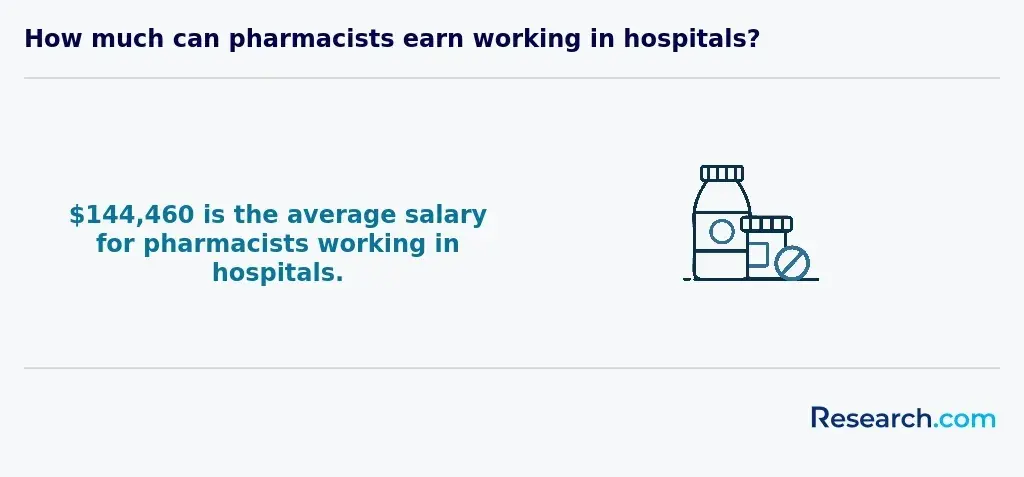
| General medical and surgical hospitals | Average annual pay is about $144,270. |
| Retail settings such as health and personal care stores | Average annual pay is around $126,990. |
| Specialization | Advanced expertise in areas such as oncology or pediatrics may support access to higher-paying roles. |
| Experience and leadership | Experienced pharmacists may qualify for supervisory, management, clinical, or specialized positions. |
Salary should not be treated as guaranteed. New graduates, part-time pharmacists, rural or urban workers, hospital pharmacists, retail pharmacists, and specialists may see different compensation levels. When evaluating the return on a PharmD, compare expected salary against total education cost, debt, residency plans, and the type of practice you want.
What steps can enhance your interdisciplinary expertise as a licensed pharmacist in Arizona?
Pharmacists who want to move beyond traditional dispensing can strengthen their practice through interdisciplinary training in behavioral health, patient counseling, chronic disease support, medication therapy management, and integrated care. These skills are useful in clinics, hospitals, specialty pharmacies, and community settings where pharmacists work directly with other professionals.
For pharmacists interested in improving communication and whole-person care, understanding adjacent fields can be helpful. For example, a guide on how to become a marriage and family therapist in Arizona can provide context on counseling-oriented careers, even if the pharmacist does not plan to pursue that separate license.
How are digital innovations reshaping pharmacy practice in Arizona?
Digital tools are changing how pharmacists manage prescriptions, communicate with patients, support remote care, and monitor medication therapy. Telepharmacy, automated dispensing systems, electronic patient records, digital adherence tools, and data-supported workflow platforms can improve access and efficiency when used responsibly.
Pharmacists who want to remain competitive should build comfort with technology, privacy rules, remote communication, and documentation standards. Those interested in virtual practice models can review Research.com’s guide on how to become an online pharmacist.
How can pharmacists transition into substance abuse counseling roles in Arizona?
Pharmacists already understand medication safety, controlled substances, adherence barriers, and patient education, which can be valuable in substance misuse treatment settings. However, substance abuse counseling is a separate professional pathway and may require additional education, supervised experience, certification, or licensure depending on the role.
If your goal is to work directly in counseling rather than pharmacy-based medication support, start by reviewing the requirements in this guide to how to become a substance abuse counselor in Arizona.
How can collaborative training with pharmacy technicians boost your practice in Arizona?
A well-trained pharmacy technician team can help pharmacists spend more time on clinical decisions, patient counseling, medication reviews, and communication with prescribers. Strong delegation improves workflow, but pharmacists remain responsible for meeting legal and safety standards.
Pharmacists who supervise technicians should understand technician training pathways, scope, and competency expectations. One useful reference point is a pharmacy technician associate degree online, which can show the type of structured preparation some technicians complete.
Could transitioning to nursing enhance pharmacy practice in Arizona?
Some pharmacists consider nursing because it offers direct bedside care, patient monitoring, and a different clinical scope. This can be valuable for professionals who want broader hands-on patient-care responsibilities, but it is not a shortcut or an automatic career upgrade. Nursing has its own education, licensing, clinical training, and work demands.
If you are comparing these paths, review what it takes to become a nurse through this guide on how to become a registered nurse in Arizona.
Are complementary certifications beneficial for enhancing my pharmacy practice in Arizona?
Complementary credentials can be useful when they match a clear career goal. Certifications in medication therapy management, immunization delivery, pharmacy informatics, specialty pharmacy, or healthcare administration may help pharmacists qualify for more focused responsibilities. The key is choosing credentials that employers recognize and that support your intended practice area.
Pharmacists interested in revenue cycle, documentation, or administrative roles may also explore medical billing and coding in Arizona to understand a different side of healthcare operations.
Could exploring nurse practitioner roles further enhance your clinical practice?
Nurse practitioner roles involve advanced nursing education and a broader clinical practice model that can include assessment, diagnosis, and treatment planning within the applicable scope. For pharmacists, this pathway may be appealing if they want a different kind of direct clinical authority, but it requires substantial additional education and nursing licensure steps.
Before considering this route, compare the requirements carefully with this guide on how to become a nurse practitioner in Arizona.
How can pharmacists benefit from partnering with nurses in Arizona?
Pharmacists and nurses often see different sides of the same patient. Pharmacists bring medication expertise, while nurses observe patient response, adherence challenges, symptoms, and care barriers. When communication is strong, the team can reduce medication errors, clarify therapy plans, and personalize patient education.
Pharmacists who want to better understand nursing education and clinical preparation can explore top nursing schools in Arizona as a way to compare how nursing programs prepare students for patient-care roles.
Is dual licensure with nursing a strategic career move for pharmacists in Arizona?
Dual licensure can make sense for a small group of pharmacists with very specific goals, such as moving into advanced clinical care, leadership, education, or interdisciplinary practice. For many pharmacists, however, targeted pharmacy certifications, residency training, or management experience may be more efficient than completing a separate nursing pathway.
Anyone considering dual licensure should first compare education time, clinical hour requirements, cost, scope of practice, and renewal obligations. Research.com’s overview of Arizona nursing licensure requirements can help you understand the nursing side of the decision.
How can pharmacists collaborate with registered dietitians to optimize patient outcomes in Arizona?
Medication therapy and nutrition are closely connected for many patients, especially those managing diabetes, cardiovascular conditions, kidney disease, weight-related concerns, or complex drug regimens. Pharmacists can work with registered dietitians to align medication instructions with food timing, supplement use, dietary restrictions, and adherence strategies.
If you want to understand the dietetics profession and its training pathway, review this guide on how to become a registered dietician in Arizona.
What is the job outlook for licensed pharmacists in Arizona?
The pharmacist job outlook in Arizona is shaped by population growth, an aging patient base, changing retail pharmacy models, and growing use of pharmacists in clinical care teams. Nationally, pharmacist employment is projected to grow by 5% from 2023 to 2033, matching the average for all occupations, with around 14,200 job openings each year due to retirements and career transitions.
- Population growth: Arizona’s expanding population supports ongoing demand for medication access, counseling, and pharmacy services.
- Aging demographics: Older adults often use multiple medications, increasing the need for careful medication management.
- Clinical integration: Pharmacists are increasingly involved in team-based care, especially in hospitals, clinics, and chronic disease programs.
- Retail shifts: Some traditional retail roles may be pressured by automation, chain consolidation, or changing consumer behavior, so clinical and specialized skills can matter.
- Compensation context: The US median annual salary for pharmacists was $136,030 in 2023, but individual earnings depend on setting, schedule, location, and responsibilities.
The strongest candidates are likely to be those who combine licensure with communication ability, clinical judgment, technology fluency, and a willingness to adapt to changing care models.
What is a licensed pharmacist’s career path in Arizona?
A pharmacist’s career path usually begins with prerequisite college coursework, continues through a PharmD program, and moves into licensure, entry-level practice, and optional specialization. Some students enter pharmacy school after at least two years of undergraduate study, while many arrive with a bachelor’s degree or extensive college coursework.
During pharmacy school, students complete introductory practice experiences and advanced pharmacy practice rotations. These experiences help connect classroom knowledge with real-world patient care, pharmacy operations, interprofessional teamwork, and medication safety.
After earning the PharmD, some Arizona pharmacists enter practice directly in community, hospital, clinic, long-term care, or specialty pharmacy settings. Others complete postgraduate residency training. A first-year residency can support hospital or clinical pharmacist roles, while a second-year residency can lead to more specialized areas such as oncology or critical care.
| Career stage | Typical focus |
| Student or pre-pharmacy learner | Completes prerequisites, gains healthcare exposure, and prepares pharmacy school applications. |
| PharmD student | Builds medication knowledge, patient-care skills, and clinical experience through rotations. |
| Newly licensed pharmacist | Begins practice in community pharmacy, hospital pharmacy, clinic-based care, or another entry setting. |
| Resident or specialist | Completes additional training for hospital, oncology, critical care, pediatrics, or other focused areas. |
| Experienced pharmacist | Moves into clinical leadership, management, informatics, research, academia, consulting, or advanced patient-care roles. |
What alternative career paths are available to licensed pharmacists in Arizona?
Arizona pharmacists can apply their medication expertise outside traditional pharmacy counters. Options may include pharmaceutical research, medication safety, regulatory affairs, healthcare management, informatics, academia, consulting, managed care, public health, and some behavioral health-related roles after additional preparation.
Some pharmacists explore counseling careers because they already work with patients who have medication adherence challenges, chronic illness, behavioral health needs, or substance misuse concerns. Counseling is a separate profession, so pharmacists considering that direction should review education and licensure requirements carefully. A starting point is this guide on how to become a therapist in Arizona.
How can pharmacists transition to related healthcare careers in Arizona?
A successful career transition starts with identifying which parts of pharmacy you want to keep and which parts you want to change. Some pharmacists want more patient counseling, some want less dispensing pressure, some want research or leadership, and others want a different clinical scope entirely.
Mental health counseling is one possible transition area, especially for pharmacists interested in medication-assisted treatment, behavioral health education, and integrated care. However, becoming a counselor requires separate training and licensure. If this path interests you, review the requirements in Research.com’s guide on how to become a mental health counselor in Arizona.
Common mistakes to avoid when planning your Arizona pharmacist career
- Choosing a program without confirming accreditation. Licensure depends on completing an acceptable education pathway, so verify accreditation before enrolling.
- Looking only at tuition. Fees, rotations, exam preparation, travel, living costs, and loan interest can change the real cost.
- Assuming online coursework means online licensure. Clinical training, exams, and Board requirements still apply.
- Missing application timing rules. Score transfer and graduation timing can affect when you should submit documents.
- Ignoring renewal deadlines. A lapsed license can result in suspension, penalties, and practice interruptions.
- Assuming salary outcomes are guaranteed. Pay depends on setting, experience, location, specialization, and employer needs.
- Relying only on rankings or reputation. Program fit, cost, rotations, licensure support, and career placement matter just as much.
Here’s what pharmacists say about becoming licensed in Arizona
-
: "
“Earning my Arizona pharmacist license was one of the most important milestones in my professional life. The patient mix here challenged me to use what I learned in school, and the licensing process made the responsibility feel real. The work is demanding, but helping patients every day makes the effort worthwhile.” — Leon
"
-
: "
“The Arizona licensing process required focus, especially during exam preparation and clinical training. The hands-on experience helped me feel ready before I stepped into my first pharmacist role. Passing the exams was a relief, but it also confirmed that the hard work had prepared me well.” — Melvin
"
-
: "
“Getting licensed in Arizona gave me more room to grow. I have worked with pharmacists who care deeply about patient safety and new approaches to healthcare, and that environment keeps me motivated to keep learning.” — Odessa
"
Related Articles for Nearby States
- 2027 How to Become a Licensed Pharmacist in New Mexico
- 2027 How to Become a Licensed Pharmacist in Nevada
- 2027 How to Become a Licensed Pharmacist in California
- 2027 How to Become a Licensed Pharmacist in Utah
- 2027 How to Become a Licensed Pharmacist in Colorado
- 2027 How to Become a Licensed Pharmacist in Texas
- 2027 How to Become a Licensed Pharmacist in Oklahoma
- 2027 How to Become a Licensed Pharmacist in Kansas
- 2027 How to Become a Licensed Pharmacist in Wyoming
- 2027 How to Become a Licensed Pharmacist in Idaho
Key Insights
- Arizona pharmacist licensure generally requires an accredited PharmD or the foreign graduate certificate pathway, proof of lawful status, required documentation, background checks, and passing the NAPLEX and Arizona MPJE.
- Most students should expect a six- to ten-year pathway, including undergraduate preparation, pharmacy school, exams, application review, and any additional internship requirements.
- The initial Arizona pharmacist licensing cost can start at $400, but the total cost of becoming a pharmacist is much higher once tuition, fees, exam costs, rotations, and living expenses are included.
- Online coursework can improve flexibility, but pharmacist licensure cannot be completed fully online because clinical rotations and Board requirements still apply.
- Arizona pharmacist licenses must be renewed every two years, and missing deadlines can lead to suspension and penalties of up to $350.
- As of May 2023, Arizona pharmacists earned an average annual salary of around $133,800, but pay depends heavily on work setting, specialization, experience, and responsibilities.
- The best pharmacy career decisions come from comparing accreditation, total cost, rotation quality, licensure support, career goals, and long-term return on investment—not from choosing a program based on reputation alone.
References:
- American Association of Colleges of Pharmacy (AACP). (2023). National Pharmacist Workforce Study. AACP.
- Arizona Legislature. (n.d.). 32-1925. Renewal of license of pharmacists, interns and pharmacy technicians; fees; expiration dates; penalty for failure to renew; continuing education. Arizona Legislature.
- Arizona State Board of Pharmacy. (n.d.). Licensing Fees. Arizona State Board of Pharmacy.
- Arizona State Board of Pharmacy. (n.d.). Pharmacist License Information. Arizona State Board of Pharmacy.
- Bureau of Labor Statistics (BLS). (2024). Pharmacists. Occupational Outlook Handbook. BLS.
- Casetext. (2024). Ariz. Admin. Code § 4-23-205. Casetext.
- Mayo Clinic. (n.d.). Pharmacist. Explore Healthcare Careers. Mayo Clinic.
- National Center for Education Statistics (NCES). (2022). Degrees conferred by postsecondary institutions in selected professional fields, by sex of student, control of institution, and field of study: Selected academic years, 1985-86 through 2020-21. Digest of Education Statistics. NCES.
- New York State Education Department (NYSED). (n.d.). Consumer Information for Pharmacists. NYSED.
- Pharmacy Workforce Center. (2024). Pharmacy Demand Report (PDR). Pharmacy Workforce Center.
- The University of Arizona. (n.d.). R. Ken Coit College of Pharmacy. The University of Arizona.
Other Things You Should Know About Becoming a Licensed Pharmacist in Arizona
The Arizona State Board of Pharmacy regulates pharmacist licensure, registration, and discipline in the state. Applicants must meet the board’s education, examination, and application rules before receiving an Arizona pharmacist license. The board also handles pharmacist renewal and keeps the official license records.
To become a licensed pharmacist in Arizona in 2027, follow these steps: Obtain a Pharm.D. degree from an accredited pharmacy school, pass the North American Pharmacist Licensure Examination (NAPLEX), pass the Multistate Pharmacy Jurisprudence Examination (MPJE) specific to Arizona, complete required internship hours, and submit your application to the Arizona State Board of Pharmacy.


