2027 How to Become a Licensed Pharmacist in South Carolina

Co-Founder and Chief Data Scientist
Becoming a pharmacist in South Carolina requires more than choosing a pharmacy school and passing a test. You need to understand the Pharm.D. pathway, supervised practice expectations, state licensing exams, Board of Pharmacy application steps, continuing education rules, and the career trade-offs that come after licensure. Missing one requirement can delay your license, increase costs, or limit where you can work.
This guide is for students comparing pharmacy programs, pharmacy technicians considering advancement, career changers entering healthcare, and graduates preparing for South Carolina licensure. According to data published in 2024, South Carolina has more than 9,600 licensed pharmacists, which makes the field sizable but still competitive. Below, you will find a practical, decision-focused roadmap for earning and maintaining a pharmacist license in South Carolina, including timelines, costs, online study considerations, salary data, career options, and common mistakes to avoid.
Quick Answer: How do you become a licensed pharmacist in South Carolina?
To become a licensed pharmacist in South Carolina, you generally need to earn a Doctor of Pharmacy (Pharm.D.) degree from an accredited institution, complete the required supervised practice experience, apply through the South Carolina Board of Pharmacy, pass the North American Pharmacist Licensure Examination (NAPLEX), pass the South Carolina pharmacy law exam requirement through the Multistate Pharmacy Jurisprudence Examination (MPJE), complete background check and fingerprinting steps, and keep your license active through continuing education and renewal.
Key Things You Should Know About Becoming a Licensed Pharmacist in South Carolina
- A Doctor of Pharmacy (Pharm.D.) from an accredited program is the standard educational requirement for pharmacist licensure in South Carolina.
- Licensure depends on passing both the NAPLEX and the South Carolina-specific MPJE requirement.
- South Carolina requires at least 1,500 hours of supervised practice, which may be completed through pharmacy school experiences or additional internship training.
- The South Carolina Board of Pharmacy handles the license application, documentation review, fee processing, and license tracking.
- Background checks and fingerprinting are part of the process and may add costs and processing time.
- Licensed pharmacists must complete continuing education to renew and maintain active practice authority.
- Military spouses may have special licensure provisions, so they should review Board guidance before applying.
- What is a licensed pharmacist?
- How long does it take to become a licensed pharmacist in South Carolina?
- How do I get a pharmacy degree in South Carolina?
- What are the requirements to become a licensed pharmacist in South Carolina?
- How much does it cost to become a licensed pharmacist in South Carolina?
- Can I get my pharmacist’s license online in South Carolina?
- What is the job description of a licensed pharmacist in South Carolina?
- What are the continuing education requirements for licensed pharmacists in South Carolina?
- What do I do if my pharmacist’s license expires in South Carolina?
- How can pharmacists contribute to behavioral health initiatives in South Carolina?
- How can pharmacists explore digital career opportunities in South Carolina?
- What additional certifications can expand your professional impact?
- Is an Affordable Online Pharm.D. Program a Smart Investment?
- How can licensed pharmacists effectively manage legal and ethical challenges in South Carolina?
- Can dual certification, such as medical billing and coding, enhance career opportunities for pharmacists in South Carolina?
- How much do licensed pharmacists in South Carolina make?
- How can pharmacists foster interdisciplinary partnerships in South Carolina?
- Can dual pharmacy and nursing credentials broaden career prospects in South Carolina?
- What is the job outlook for licensed pharmacists in South Carolina?
- Are there alternative career paths for licensed pharmacists in South Carolina?
- What is a licensed pharmacist’s career path in South Carolina?
- How can pharmacists integrate nutritional expertise into patient care in South Carolina?
What is a licensed pharmacist?
A licensed pharmacist is a healthcare professional legally authorized to prepare, dispense, review, and manage medications. Pharmacists help patients use prescriptions safely, identify potential drug interactions, explain side effects, support adherence, and collaborate with physicians, nurses, and other clinicians to improve treatment plans.
In South Carolina, the core academic credential is the Doctor of Pharmacy, commonly called the Pharm.D. This professional degree typically includes classroom study, laboratory work, pharmacy practice simulations, and clinical training. Students comparing flexible doctoral options can review Research.com’s guide to the best online doctorate in pharmacy programs, but they should verify that any program meets professional accreditation and state licensure expectations before enrolling.
Licensure is not based on education alone. Candidates must also complete at least 1,500 hours of supervised practice. These hours help future pharmacists apply drug knowledge in real patient-care settings, strengthen communication skills, and learn how pharmacy operations work under professional supervision.
After education and experience requirements are met, candidates must pass two major exams. The NAPLEX measures readiness for pharmacy practice, while the MPJE evaluates knowledge of pharmacy law, including state-specific legal responsibilities. Together, these requirements are designed to protect patients and ensure pharmacists can practice safely.
| Core Requirement | What It Means for South Carolina Candidates | Why It Matters |
| Pharm.D. degree | Earn a Doctor of Pharmacy from an accredited institution. | Provides the professional education required for licensure. |
| Supervised practice | Complete at least 1,500 hours of supervised pharmacy experience. | Builds patient-care, dispensing, and medication-management skills. |
| NAPLEX | Pass the national pharmacist licensure exam. | Demonstrates competency in pharmacy practice. |
| MPJE | Pass the South Carolina pharmacy law requirement. | Confirms understanding of legal and regulatory duties. |
| Board application | Submit required materials to the South Carolina Board of Pharmacy. | Allows the state to verify eligibility before issuing a license. |
Once licensed, South Carolina pharmacists may work in community pharmacies, hospitals, long-term care facilities, clinics, specialty pharmacies, academia, industry, managed care, or regulatory roles.
How long does it take to become a licensed pharmacist in South Carolina?
The pharmacy school portion of the pathway commonly takes four years for students enrolled in a Pharm.D. program. That estimate does not include any undergraduate prerequisite coursework a student may need before admission, nor does it include delays from exam retakes, application issues, or incomplete supervised practice documentation.
After completing the Pharm.D., candidates usually spend additional time preparing for the NAPLEX and MPJE. Each exam requires a minimum score of 75 to pass, and many graduates plan for two to three months of focused preparation, depending on their readiness, study schedule, and exam availability.
| Stage | Typical Timeframe Stated | What Can Affect the Timeline |
| Pharm.D. program | 4 years | Program structure, academic progress, experiential rotations, and prerequisite completion. |
| Exam preparation | 2-3 months | Study pace, prior performance, work obligations, and confidence with pharmacy law. |
| Exam scheduling and completion | Additional weeks to months | Testing availability, application review, documentation, and potential retakes. |
| Total after entering pharmacy school | Around four to five years | Board processing, supervised practice requirements, exam outcomes, and personal circumstances. |
Some students begin in healthcare through technical roles before pursuing pharmacy school. For example, the best online pharmacy technician associate programs can help learners understand pharmacy operations, although a pharmacy technician credential is not a substitute for a Pharm.D.
The practical takeaway: plan your timeline backward from your desired license date. Confirm application deadlines, rotation requirements, exam registration steps, and Board documentation early so your transition from graduate to licensed pharmacist is not slowed by missing paperwork.
How do I get a pharmacy degree in South Carolina?
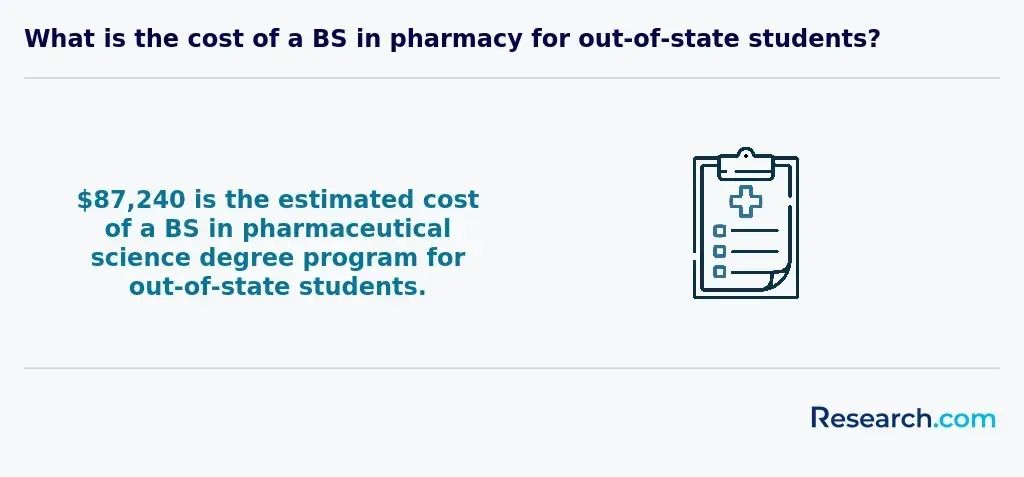
To earn a pharmacy degree in South Carolina, you must be admitted to a Pharm.D. program that prepares graduates for pharmacist licensure. The University of South Carolina’s College of Pharmacy is one well-known in-state option. Applicants should review admission requirements carefully because pharmacy programs often evaluate academic preparation, prerequisite coursework, professional motivation, communication skills, service experience, and readiness for a demanding healthcare curriculum.
A Pharm.D. curriculum is designed to move students from foundational science to direct patient care. Coursework typically covers pharmacology, medicinal chemistry, therapeutics, pharmacy law, drug information, patient counseling, health systems, and medication safety. Experiential learning is equally important because students must learn how to make decisions in real pharmacy and clinical environments.
When comparing pharmacy schools, do not focus only on name recognition. Ask whether the program’s accreditation status, experiential rotation network, student support services, board preparation, and graduate outcomes match your goals. Students who are still deciding whether pharmacy is the right healthcare pathway may also want to compare early healthcare roles and compensation using a pharmacy technician salary guide.
Questions to ask before choosing a Pharm.D. program
- Is the program accredited by the appropriate pharmacy education accreditor?
- Does the curriculum prepare students for both NAPLEX content and pharmacy law requirements?
- Where do students complete supervised practice and clinical rotations?
- How does the school support students who need academic help or exam preparation?
- What is the total cost after tuition, fees, books, housing, transportation, and rotation expenses?
- Can the program accommodate working students, caregivers, military families, or students relocating within South Carolina?
- Does the program offer exposure to hospitals, community pharmacy, ambulatory care, specialty pharmacy, and other practice settings?
What are the requirements to become a licensed pharmacist in South Carolina?
The requirements to become a licensed pharmacist in South Carolina include education, supervised experience, examinations, application documentation, fees, and ongoing renewal compliance. The South Carolina Board of Pharmacy is the central authority for licensing decisions, so candidates should use Board instructions as the official checklist.
| Requirement | What You Need to Do | Common Risk to Avoid |
| Education | Complete a Pharm.D. from an accredited institution. | Enrolling without confirming the program supports pharmacist licensure. |
| Experience | Document at least 1,500 supervised practice hours. | Assuming all hours were recorded correctly without verifying documentation. |
| Exams | Pass the NAPLEX and MPJE, each with a minimum score of 75. | Underestimating the pharmacy law exam or delaying registration. |
| Application | Submit required forms and supporting materials to the Board. | Missing signatures, transcripts, fee payments, or background-check steps. |
| Renewal | Renew every two years and meet continuing education requirements. | Letting the license lapse and risking work interruption. |
Licensure should be viewed as both a milestone and an ongoing professional obligation. A pharmacist who does not maintain renewal and continuing education requirements may lose the ability to practice legally. If you are still exploring healthcare careers more broadly, Research.com’s guide on requirements for a career in healthcare can help you compare the level of training and regulation across healthcare roles.
How much does it cost to become a licensed pharmacist in South Carolina?
Licensing-related costs for aspiring pharmacists in South Carolina can exceed $800 before considering tuition, books, transportation, housing, exam-prep materials, or lost income during full-time study. The exact amount depends on current Board fees, exam fees, background-check costs, and whether you need duplicate documents or late renewal processing.
| Cost Item | Stated Amount | Planning Note |
| Initial application fee | Around $100 | Budget this early because the application cannot move forward without required payment. |
| Licensing fee | Approximately $98 | This supports administrative processing and license issuance. |
| NAPLEX examination fee | About $620 | This is one of the largest direct licensure expenses. |
| License renewal fee | Around $98 every two years | Plan for renewal as a recurring professional expense. |
| Late renewal fee | $50 | Avoidable if you track renewal deadlines. |
| Duplicate license or name/address update | About $10 each | Small costs can add up if records are not kept current. |
The largest financial decision is usually not the license fee—it is the cost of earning the Pharm.D. Before enrolling, compare total program cost, scholarships, loan burden, living expenses, rotation travel, and your expected career setting. Some students also pursue shorter healthcare credentials while preparing for a longer pharmacy pathway; the best paying quick medical certifications can help you evaluate options that may support work experience or income before graduate-level study.
The chart below shows the distribution of licensed pharmacists by their highest educational attainment, as reported Zippia in 2024.
Can I get my pharmacist’s license online in South Carolina?
You cannot complete every part of South Carolina pharmacist licensure entirely online because the pathway includes supervised practice, examinations, identity verification, background-related requirements, and Board approval. However, some pharmacy education components may be delivered online or in hybrid formats, and online Pharm.D. options can be useful for students who need more scheduling flexibility.
The key question is not simply whether a program is online. The more important question is whether it is properly accredited and whether it leads to eligibility for licensure in South Carolina. Online coursework must still be paired with hands-on experiential training through pharmacies, hospitals, clinics, or other approved healthcare settings.
| Online or Hybrid Pharm.D. Factor | What to Verify | Why It Matters |
| Accreditation | Confirm the program meets pharmacy education accreditation standards. | Licensure depends on recognized professional preparation. |
| Experiential placements | Ask how supervised practice sites are arranged in or near South Carolina. | You still need real patient-care and pharmacy practice experience. |
| State eligibility | Check whether graduates can pursue South Carolina licensure. | Not every online program automatically fits every state’s requirements. |
| Student support | Review advising, exam preparation, technical support, and career services. | Online learners need strong support to stay on track. |
| Total cost | Compare tuition, fees, travel for rotations, technology, and exam expenses. | A lower tuition price may not reflect the full cost. |
Online pharmacy education can be a good fit for disciplined students who can manage remote coursework while completing in-person practice requirements. It may be a poor fit for students who need frequent face-to-face instruction, structured campus support, or guaranteed local rotations.
What is the job description of a licensed pharmacist in South Carolina?
A licensed pharmacist in South Carolina is responsible for safe medication use, patient counseling, legal compliance, and collaboration with other healthcare professionals. The exact work varies by setting, but most pharmacists combine clinical judgment, communication, regulatory knowledge, and operational accuracy every day.
- Dispensing medications: Pharmacists verify prescriptions, check dose accuracy, identify possible interactions, and ensure patients receive correct instructions.
- Counseling patients: They explain how and when to take medications, what side effects to watch for, and when to contact a prescriber.
- Medication therapy management: Pharmacists review medication regimens, support adherence, and help reduce duplications, contraindications, or safety risks.
- Healthcare team collaboration: They work with prescribers, nurses, and other clinicians to improve treatment decisions.
- Regulatory compliance: Pharmacists maintain records, follow state and federal rules, and help ensure controlled substances and prescription products are handled properly.
- Public health services: Some pharmacists support immunization clinics, screenings, medication education, and community health outreach.
- Training and supervision: Pharmacists may supervise interns, technicians, and support staff while maintaining professional accountability for pharmacy operations.
What are the continuing education requirements for licensed pharmacists in South Carolina?
South Carolina pharmacists must complete continuing education to keep their licenses active and demonstrate ongoing professional competency. Continuing education helps pharmacists stay current with medication safety, clinical practice changes, legal updates, public health responsibilities, and patient-care standards.
Licensed pharmacists are required to complete a minimum of 15 hours of continuing education annually. Of those hours, 6 hours must be completed through live presentations or real-time interactive webinars. At least 1 hour must focus on patient safety or medication errors. Courses must be approved by the Accreditation Council for Pharmacy Education (ACPE) or a similarly recognized accrediting body.
Pharmacists who administer vaccinations must also complete additional yearly immunization training. This is especially important because immunization services require current knowledge of administration practices, patient screening, documentation, storage, and safety protocols.
| Continuing Education Requirement | Stated Requirement | Practical Tip |
| Total CE | Minimum of 15 hours annually | Do not wait until renewal season; spread hours across the year. |
| Live or interactive CE | 6 hours | Choose real-time sessions that allow engagement with instructors or peers. |
| Patient safety or medication errors | At least 1 hour | Select courses directly tied to medication safety and error prevention. |
| Immunization training | Additional yearly training for pharmacists who administer vaccinations | Track this separately so it is not confused with general CE. |
Some pharmacists use continuing education to explore adjacent patient-care interests. For example, those interested in behavioral health may compare pharmacy practice with how to become a mental health counselor in South Carolina, especially if they want to understand referral pathways, counseling roles, and interdisciplinary care boundaries.
What do I do if my pharmacist’s license expires in South Carolina?
If your South Carolina pharmacist license expires, contact the South Carolina Board of Pharmacy promptly and review the current renewal or reinstatement instructions. Do not continue practicing with an expired license. Practicing without an active license can lead to disciplinary action, fines, employment consequences, and reputational harm.
The usual corrective steps may include submitting a renewal application, completing any required continuing education, paying renewal fees, and providing additional documentation requested by the Board. If the license has been expired for a longer period, reinstatement requirements may be more involved and could include additional education or re-examination.
How to reduce the risk of license expiration
- Record your license renewal deadline in multiple calendar systems.
- Keep copies of CE certificates as soon as you complete each course.
- Update your mailing address, email address, and name changes with the Board promptly.
- Check the Board’s renewal instructions before the deadline, not after.
- Budget for renewal fees and CE costs as recurring professional expenses.
How can pharmacists contribute to behavioral health initiatives in South Carolina?
Pharmacists can support behavioral health by recognizing medication-related concerns, encouraging adherence, identifying possible side effects that affect mood or cognition, and referring patients to appropriate mental health professionals when needed. Their frequent contact with patients gives them an opportunity to notice changes, answer medication questions, and reinforce care plans developed by licensed behavioral health providers.
This does not mean pharmacists replace counselors, therapists, or psychiatrists. Instead, they can become stronger members of interdisciplinary care teams by learning screening basics, referral protocols, crisis-response boundaries, privacy requirements, and communication strategies. Pharmacists interested in family systems, counseling roles, or behavioral health collaboration can compare their current scope with how to become a marriage and family therapist in South Carolina.
How can pharmacists explore digital career opportunities in South Carolina?
Digital health is changing how pharmacists communicate with patients, document care, monitor medication use, and support remote services. South Carolina pharmacists may find opportunities in telepharmacy, virtual medication counseling, remote medication therapy management, digital patient education, insurance-related medication review, and health technology companies.
These roles can offer flexibility, but they also require careful attention to privacy, state practice rules, documentation, technology platforms, and patient safety. Pharmacists considering remote work should understand the difference between online patient support, telepharmacy operations, and state-authorized practice. A useful next step is reviewing how to become an online pharmacist to understand how virtual pharmacy roles are structured.
What additional certifications can expand your professional impact?
Additional credentials can help pharmacists build expertise in specialized patient populations or practice settings. Depending on career goals, pharmacists may pursue training in immunization, medication therapy management, oncology, pediatrics, geriatrics, diabetes care, substance use education, informatics, leadership, or compliance. The best certification is the one that aligns with your work setting and gives you skills employers or patients actually need.
For pharmacists serving communities affected by substance misuse, education in addiction, referral systems, and multidisciplinary support can be especially valuable. Those considering a more formal behavioral health credential can compare pharmacy practice with how to become a substance abuse counselor in South Carolina.
Is an Affordable Online Pharm.D. Program a Smart Investment?
An affordable online or hybrid Pharm.D. program can be a smart investment if it is properly accredited, supports South Carolina licensure eligibility, provides reliable experiential placements, prepares students for the NAPLEX and MPJE, and fits the student’s financial plan. It is not a smart investment if lower advertised tuition hides added travel, technology, rotation, or fee costs—or if the program does not lead to the license you need.
When comparing options, calculate total cost rather than tuition alone. Include application fees, books, commuting, housing during rotations, exam fees, licensing fees, and interest on loans. Students who are specifically looking for cost-conscious options can start with Research.com’s guide to the most affordable online doctorate in pharmacy programs, then verify each program’s accreditation and state licensure fit.
| Choose an online or hybrid option if... | Be cautious if... |
| You need flexibility because of work, family, or location. | The program cannot clearly explain supervised practice placement support. |
| The program is accredited and aligned with licensure goals. | You have not verified whether graduates can pursue South Carolina licensure. |
| You are comfortable with independent study and digital learning tools. | You need frequent in-person academic support to succeed. |
| Total cost is manageable after all fees and travel are included. | The “affordable” price excludes major required expenses. |
How can licensed pharmacists effectively manage legal and ethical challenges in South Carolina?
Pharmacists face legal and ethical decisions involving controlled substances, patient privacy, medication errors, documentation, conflicts of interest, counseling obligations, and communication with prescribers. The safest approach is to build consistent systems: follow Board rules, document carefully, maintain confidentiality, update standard operating procedures, and complete legal or ethics-focused continuing education.
Interdisciplinary awareness also helps. Pharmacists frequently work beside nurses, physicians, case managers, and administrators, so understanding how other licensed professionals are trained can improve communication and risk management. For comparison, pharmacists interested in direct-care licensing can review how to become a registered nurse in South Carolina.
Can dual certification, such as medical billing and coding, enhance career opportunities for pharmacists in South Carolina?
Medical billing and coding knowledge can help pharmacists who want to move into managed care, pharmacy administration, compliance, revenue cycle support, prior authorization, medication access, or healthcare operations. It will not replace pharmacist licensure, but it can make a pharmacist more useful in roles where clinical knowledge intersects with documentation, reimbursement, and insurance processes.
This path makes the most sense for pharmacists who enjoy systems, records, payer rules, and operational problem-solving. Pharmacists considering this administrative direction can compare requirements for medical billing and coding in South Carolina.
How much do licensed pharmacists in South Carolina make?
As of May 2023, the average annual salary for pharmacists in South Carolina was around $134,960. This was slightly higher than the national average of $134,790. Salary should not be treated as guaranteed income, however, because actual pay varies by employer, location, experience, schedule, specialty, and work setting.
- Location: Urban and rural markets can differ because of cost of living, staffing needs, and employer competition.
- Experience: Pharmacists with more practice experience, leadership responsibility, or specialized expertise may qualify for higher pay.
- Work setting: Hospital, specialty clinic, retail, long-term care, consulting, and managed care roles may compensate differently.
- Credentials: Advanced training, residencies, or certifications can improve competitiveness, though they do not guarantee a specific salary.
- Schedule: Evening, weekend, overnight, or high-demand shifts may affect compensation depending on employer policy.
Ways pharmacists may improve earning potential
- Pursue advanced certifications that match employer demand.
- Complete residency training if targeting clinical or hospital roles.
- Build experience in specialty pharmacy, ambulatory care, informatics, compliance, or leadership.
- Maintain strong continuing education records and current practice knowledge.
- Network with healthcare employers, professional associations, and clinical partners.
How can pharmacists foster interdisciplinary partnerships in South Carolina?
Pharmacists strengthen patient care when they work closely with physicians, nurses, dietitians, therapists, care coordinators, and public health professionals. Collaboration can improve medication reconciliation, reduce preventable errors, support chronic disease management, and help patients understand complex treatment plans.
Partnerships are especially useful in hospitals, clinics, long-term care settings, public health initiatives, and community outreach. Pharmacists who want to understand nursing education pipelines and potential clinical partners can explore top nursing schools in South Carolina.
Can dual pharmacy and nursing credentials broaden career prospects in South Carolina?
Dual pharmacy and nursing credentials may broaden opportunities for a small group of professionals who want both medication-management expertise and direct nursing practice authority. This path is demanding and usually requires separate education, separate licensure steps, and careful attention to scope-of-practice boundaries.
It may make sense for pharmacists interested in advanced clinical care, leadership, care coordination, or roles that benefit from deeper bedside-care knowledge. It may not be efficient for pharmacists who primarily want higher pay or faster advancement, because earning another clinical license can require major time and financial investment. A starting point for comparison is reviewing South Carolina nursing licensure requirements.
What is the job outlook for licensed pharmacists in South Carolina?
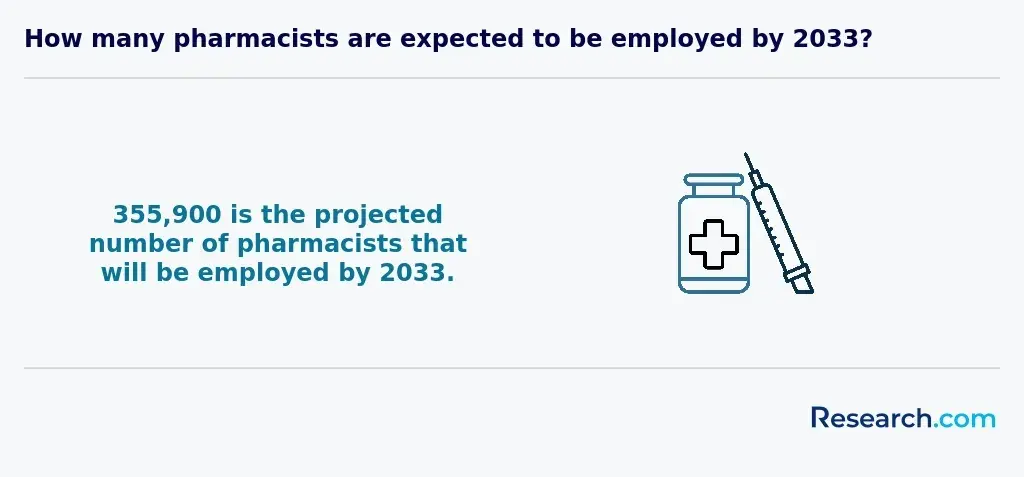
Employment for pharmacists is projected to increase by 5% from 2023 to 2033. Nationally, approximately 14,200 pharmacist positions are expected to open annually, with openings driven in part by retirements and career changes. For South Carolina candidates, this suggests continued opportunity, but job prospects will still depend on location, setting, experience, and willingness to work in high-need roles.
- Aging population: Older adults often use more medications, increasing the need for medication review, counseling, and safety monitoring.
- Healthcare expansion: Hospitals, clinics, and community care models can create roles beyond traditional dispensing.
- Retail pressure: Community pharmacy remains important, but workload, staffing, and reimbursement pressures can affect job quality.
- Clinical specialization: Employers may value pharmacists with residency training, specialty knowledge, or collaborative-care experience.
- Technology: Automation and digital tools may reduce some routine tasks while increasing demand for pharmacists who can provide higher-level clinical judgment and patient education.
Are there alternative career paths for licensed pharmacists in South Carolina?
Yes. A pharmacist license can support multiple career directions beyond traditional community pharmacy. Alternative paths may include hospital pharmacy, ambulatory care, specialty pharmacy, pharmaceutical industry, academia, pharmacy informatics, regulatory affairs, managed care, consulting, public health, medication safety, and healthcare administration.
Some pharmacists also consider broader patient-support careers that involve counseling, chronic disease education, or care coordination. Pharmacists exploring mental health or counseling-oriented transitions can compare their current role with how to become a licensed counselor in South Carolina. This kind of pivot requires careful planning because counseling licensure has its own education, supervision, and exam requirements.
What is a licensed pharmacist’s career path in South Carolina?
A pharmacist’s career path in South Carolina depends on setting, training, and long-term goals. Many pharmacists begin in community or hospital practice, then move into specialized, leadership, teaching, consulting, or clinical roles. Some pursue residencies or certifications to become more competitive for advanced positions.
| Career Path | Best Fit For | Typical Focus |
| Community pharmacist | Pharmacists who enjoy direct public interaction. | Dispensing, counseling, immunizations, adherence support, and medication safety. |
| Hospital or clinical pharmacist | Pharmacists who want team-based clinical care. | Medication therapy, rounds, transitions of care, and inpatient safety. |
| Consultant pharmacist | Pharmacists who like advising facilities or care teams. | Medication reviews, long-term care support, compliance, and therapy optimization. |
| Specialty pharmacist | Pharmacists interested in complex therapies. | Oncology, infectious disease, chronic conditions, biologics, or high-touch medication management. |
| Pharmacy law and compliance | Pharmacists who are detail-oriented and regulation-focused. | Policy, audits, legal standards, controlled substances, and risk management. |
| Academic pharmacist | Pharmacists interested in teaching and research. | Education, scholarship, curriculum development, and student mentoring. |
| Pharmacology specialist | Pharmacists drawn to drug science and research. | Medication mechanisms, research, development, testing, or scientific evaluation. |
The chart below lists the largest employers of licensed pharmacists, as reported by the BLS in 2024.
How can pharmacists transition into advanced clinical roles in South Carolina?
Advanced clinical roles usually require more than a pharmacist license. Pharmacists may need residency training, specialty certification, hospital or ambulatory care experience, collaborative practice exposure, leadership skills, and strong documentation habits. Those who want a broader direct-care role should compare the time, cost, scope, and licensure implications before starting another credential.
Some pharmacists consider advanced nursing pathways because they want expanded patient assessment and treatment responsibilities. This is a major career shift, not a simple add-on. To understand the difference, review how to become a nurse practitioner in South Carolina.
How can pharmacists integrate nutritional expertise into patient care in South Carolina?
Nutrition knowledge can improve pharmacy practice because medications and diet often interact. Pharmacists who understand nutrition can better counsel patients on drug–nutrient interactions, chronic disease management, supplement safety, and adherence challenges. This is especially relevant for patients managing diabetes, cardiovascular conditions, gastrointestinal disorders, or complex medication regimens.
Pharmacists should still respect professional boundaries. Nutrition counseling that goes beyond medication-related education may require collaboration with registered dietitians or other qualified professionals. Pharmacists interested in a formal nutrition pathway can explore how to become a registered dietitian in South Carolina.
Common mistakes to avoid when pursuing pharmacist licensure in South Carolina
- Choosing a program before checking accreditation: Accreditation affects licensure eligibility, exam readiness, and employer confidence.
- Looking only at tuition: Total cost also includes fees, books, transportation, rotations, licensing, exams, and living expenses.
- Assuming online means fully remote: Pharmacy licensure still requires supervised practice and in-person professional experiences.
- Delaying MPJE preparation: Pharmacy law is not just a formality; it is a licensure requirement with a minimum passing score.
- Failing to track supervised hours: Documentation gaps can slow Board approval.
- Ignoring renewal rules after licensure: Continuing education and biennial renewal are part of the profession.
- Relying only on rankings or reputation: The best program is the one that fits your licensure goals, finances, learning needs, and career plan.
- Assuming salary outcomes are guaranteed: Published averages are useful benchmarks, but individual pay depends on setting, experience, location, and employer needs.
Questions to ask working pharmacists before you commit
- What do you wish you had known before starting pharmacy school?
- Which rotations or internships helped you most?
- How did you prepare for the NAPLEX and MPJE?
- What is the workload like in your current practice setting?
- Which skills matter most for new pharmacists in South Carolina?
- How has technology changed your daily work?
- Would you choose the same pathway again, and why?
Related Articles for Nearby States
- 2027 How to Become a Licensed Pharmacist in Georgia
- 2027 How to Become a Licensed Pharmacist in North Carolina
- 2027 How to Become a Licensed Pharmacist in Florida
- 2027 How to Become a Licensed Pharmacist in Tennessee
- 2027 How to Become a Licensed Pharmacist in Alabama
- 2027 How to Become a Licensed Pharmacist in Virginia
- 2027 How to Become a Licensed Pharmacist in Kentucky
- 2027 How to Become a Licensed Pharmacist in Mississippi
- 2027 How to Become a Licensed Pharmacist in West Virginia
- 2027 How to Become a Licensed Pharmacist in Louisiana
Key Insights
- South Carolina pharmacist licensure requires a Pharm.D., at least 1,500 supervised practice hours, Board approval, and passing scores on the NAPLEX and MPJE.
- The pharmacy school portion commonly takes four years, while exam preparation and licensing steps can extend the total timeline to around four to five years after entering pharmacy school.
- Licensing-related costs can exceed $800, but the true investment is much larger once tuition, living costs, books, rotations, and exam preparation are included.
- Online or hybrid Pharm.D. study can be useful, but the license pathway is not fully online because supervised practice and state approval are required.
- As of May 2023, pharmacists in South Carolina earned an average annual salary of around $134,960, slightly above the national average of $134,790.
- Employment for pharmacists is projected to grow by 5% from 2023 to 2033, but the strongest opportunities may favor pharmacists with clinical skills, specialty training, flexibility, and technology readiness.
- The best next step is to verify program accreditation, map your total cost, confirm South Carolina licensure eligibility, and speak with pharmacists in the settings where you hope to work.
References:
- Bureau of Labor Statistics (BLS). (2024a). 29-1051 Pharmacists. Occupational Employment and Wages, May 2023. BLS pharmacist wage data.
- Bureau of Labor Statistics (BLS). (2024b). Pharmacists. Occupational Outlook Handbook. BLS pharmacist outlook.
- Bureau of Labor Statistics (BLS). (2024c). South Carolina. May 2023 State Occupational Employment and Wage Estimates. BLS South Carolina wage estimates.
- Gyfted. (n.d.). Become a licensed pharmacist in South Carolina. Gyfted pharmacist career resource.
- Pharmacy Workforce Center. (2024). Pharmacy Demand Report (PDR). Pharmacy Workforce Center report.
- Philadelphia College of Osteopathic Medicine (PCOM). (2024). How Much Do Pharmacists Make?. PCOM pharmacist salary discussion.
- South Carolina Labor Licensing Regulation (SCLLR). (2023). Pharmacy License Fees. SCLLR pharmacy license fees.
- South Carolina Labor Licensing Regulation (SCLLR). (n.d.). Applications / Forms. South Carolina Board of Pharmacy. SCLLR pharmacist applications and forms.
- South Carolina Labor Licensing Regulation (SCLLR). (n.d.). Licensure. South Carolina Board of Pharmacy. SCLLR licensure information.
- Texas Board of Pharmacy. (n.d.). Information for Pharmacists, Pharmacies, and Pharmacy Technicians. Licensing. Texas Board of Pharmacy licensing resource.
- University of South Carolina. (n.d.). College of Pharmacy. University of South Carolina College of Pharmacy.
- Zippia. (2024). Pharmacist Demographics and Statistics in the US. Zippia pharmacist demographics.
Other Things You Should Know About Becoming a Licensed Pharmacist in South Carolina
To become a licensed pharmacist in South Carolina in 2027, one must complete a Doctor of Pharmacy (Pharm.D.) degree from an accredited pharmacy school, such as the South Carolina College of Pharmacy or an equivalent out-of-state institution.
In 2027, regulatory changes may adjust licensing exams, continuing education needs, or internship requisites. Staying informed about these changes is crucial for prospective pharmacists to ensure they meet all necessary requirements for licensure in South Carolina.
To become a licensed pharmacist in South Carolina in 2027, complete a PharmD program accredited by ACPE, pass the NAPLEX and MPJE exams, and fulfill 1,500 hours of internship as mandated by the South Carolina Board of Pharmacy. Apply for licensure through the Board's website.